
Wooden Dolls And Spinning Wheels Fill A Pioneer Homestead Frozen In Time At Washington’s Tumwater Falls
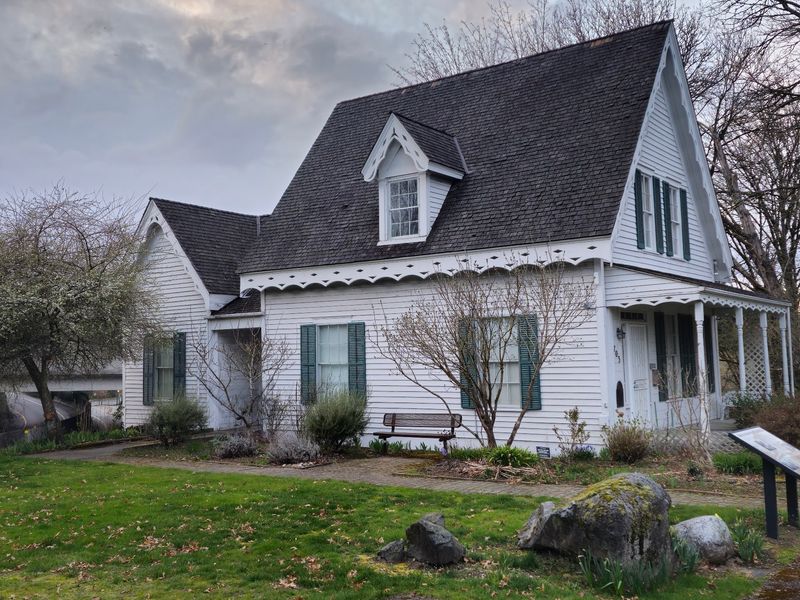
A singer famous for crooning White Christmas has family roots in a modest frame house older than Washington statehood. His grandfather, a sea captain from back East, built it in 1858.
That alone made me sit up. The house still stands within walking distance of a rushing waterfall and a leafy park, though an interstate now hums close by.
Inside, old household artifacts tell the story of one of the area’s earliest settler families, room by room. I like how a place this small can hold so much ordinary, everyday life from the 1800s.
Hours have been limited and changeable over the years, so a little planning goes a long way. But how often do you get to peek into a pioneer home tied to Hollywood royalty, steps from a waterfall?
A Modest White House With A Surprisingly Famous Family Tree
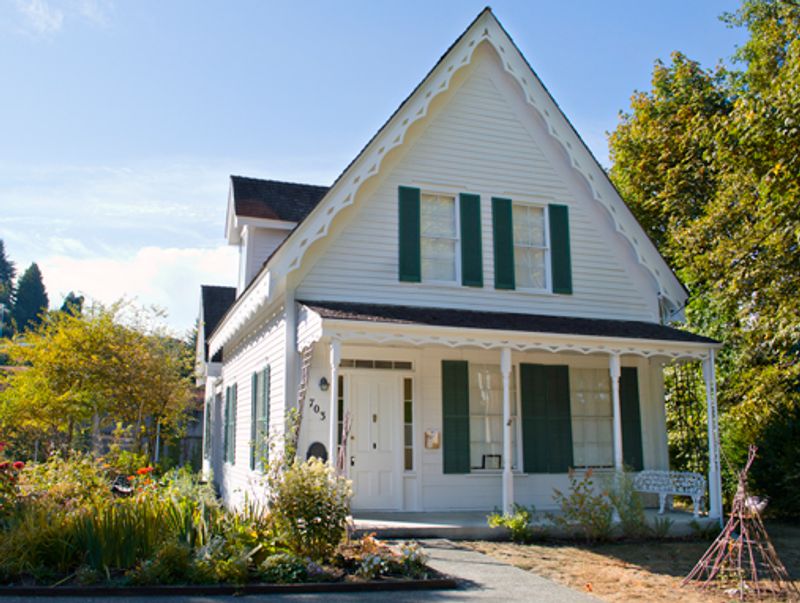
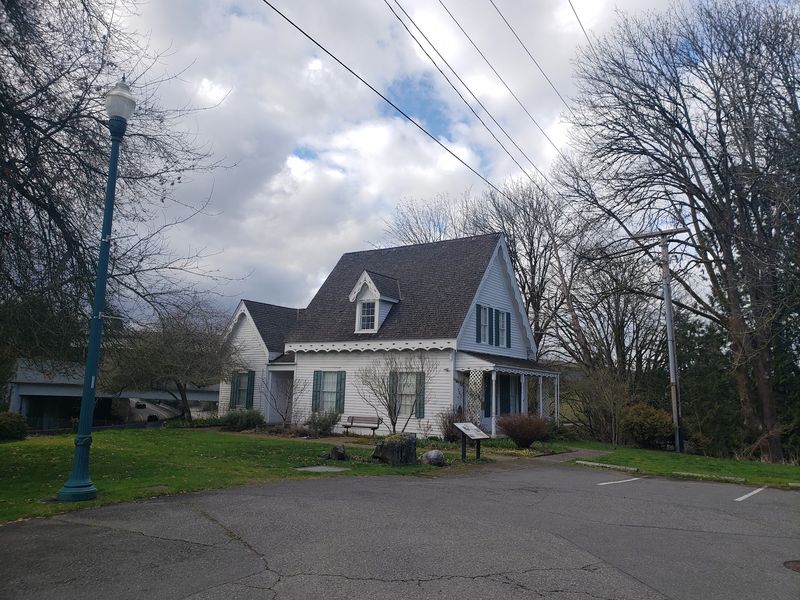
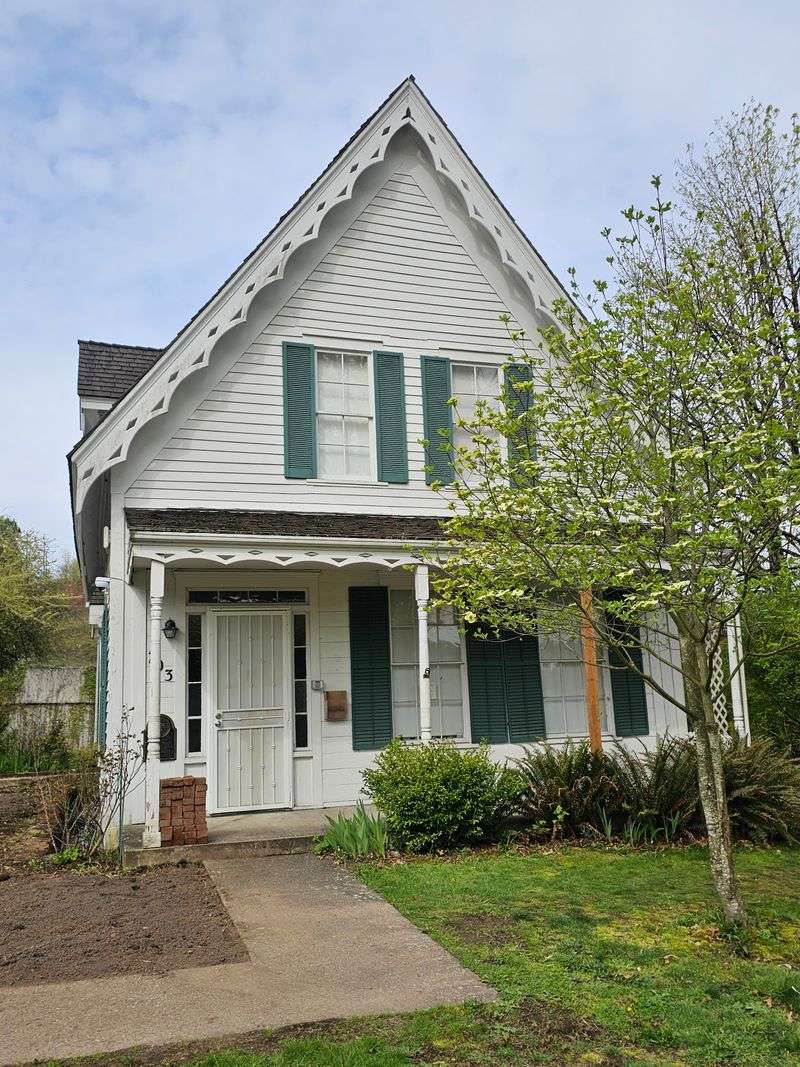
Some houses shout for attention, but this one simply waits for you to notice it. The Crosby House Museum sits quietly in Tumwater, a small city just south of Olympia.
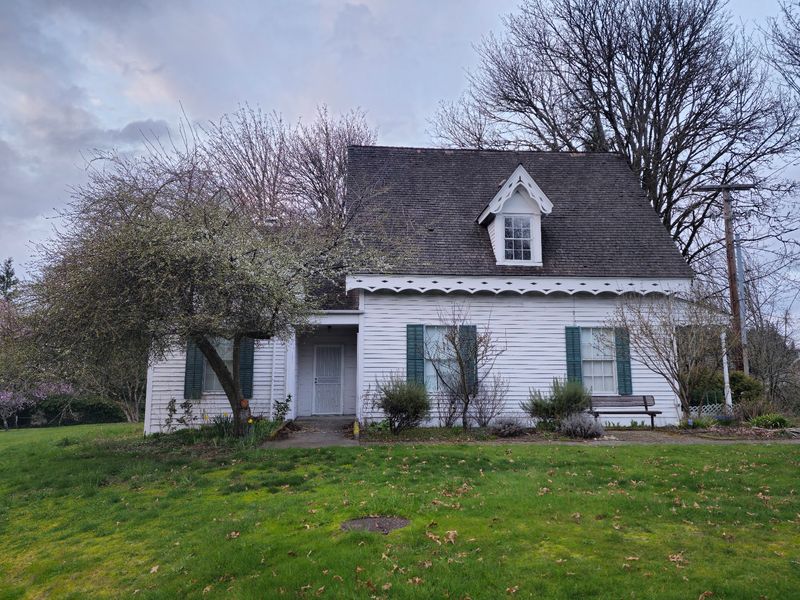
It’s a historic home turned museum, and its whole job is preserving a slice of pioneer life. The building dates to 1858, which makes it one of the oldest standing homes in the area.
That’s older than the state of Washington itself. Washington didn’t join the Union until 1889, so this house had a three-decade head start.
The museum focuses on one early settler family and the community that grew around them. Visitors get a look at how people actually lived, cooked, and kept house in frontier days.
Here’s the twist that gets people talking. The family behind the house is connected to one of the most famous entertainers of the twentieth century.
More on that soon, because it deserves its own spotlight. For now, just know this unassuming building carries far more story than its size suggests.
I love that kind of mismatch. A tiny house, a giant legacy, and a riverside setting that ties it all together beautifully.
The Sea Captain Who Planted Roots By The River
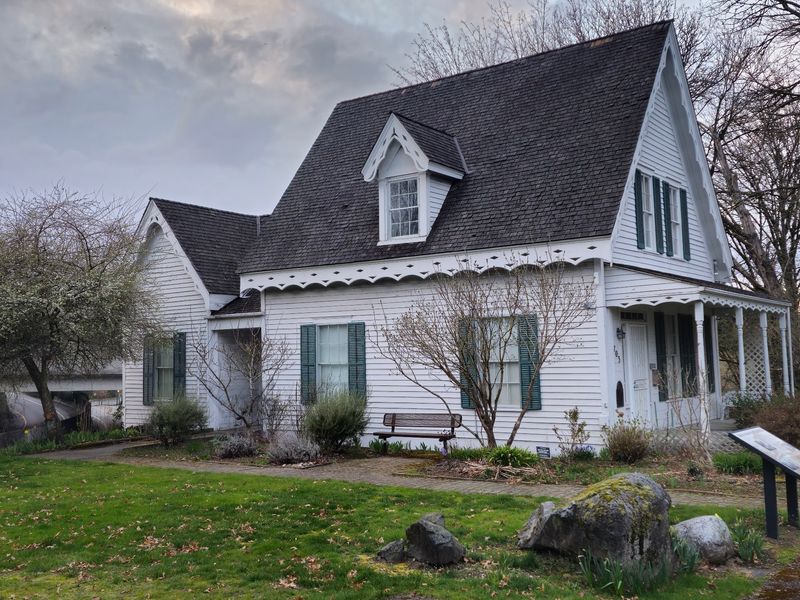
Captain Nathaniel Crosby III spent his early years on the water, not in the woods. He eventually traded sails for solid ground and settled in what was then Washington Territory.
In 1858, he built this home near the Deschutes River. Tumwater was among the earliest American settlements on Puget Sound, so he arrived while the town was still finding its feet.
Now for the headline. Nathaniel Crosby III was the grandfather of Bing Crosby, the beloved singer and film star.
Yes, that Bing Crosby. The voice behind White Christmas has family history rooted right here in the South Sound.
Bing himself was born in Tacoma in 1903, decades after this house went up. So the family’s Washington story stretches across generations, not just one famous career.
What strikes me most is how ordinary the beginning was. A captain built a family home, and that simple act ended up anchoring a story people still want to hear.
The museum leans into that early chapter, focusing on daily pioneer living. It’s less about stardom and more about the folks who made the stardom possible.
Rushing Water, Big Trees, And One Very Busy Freeway
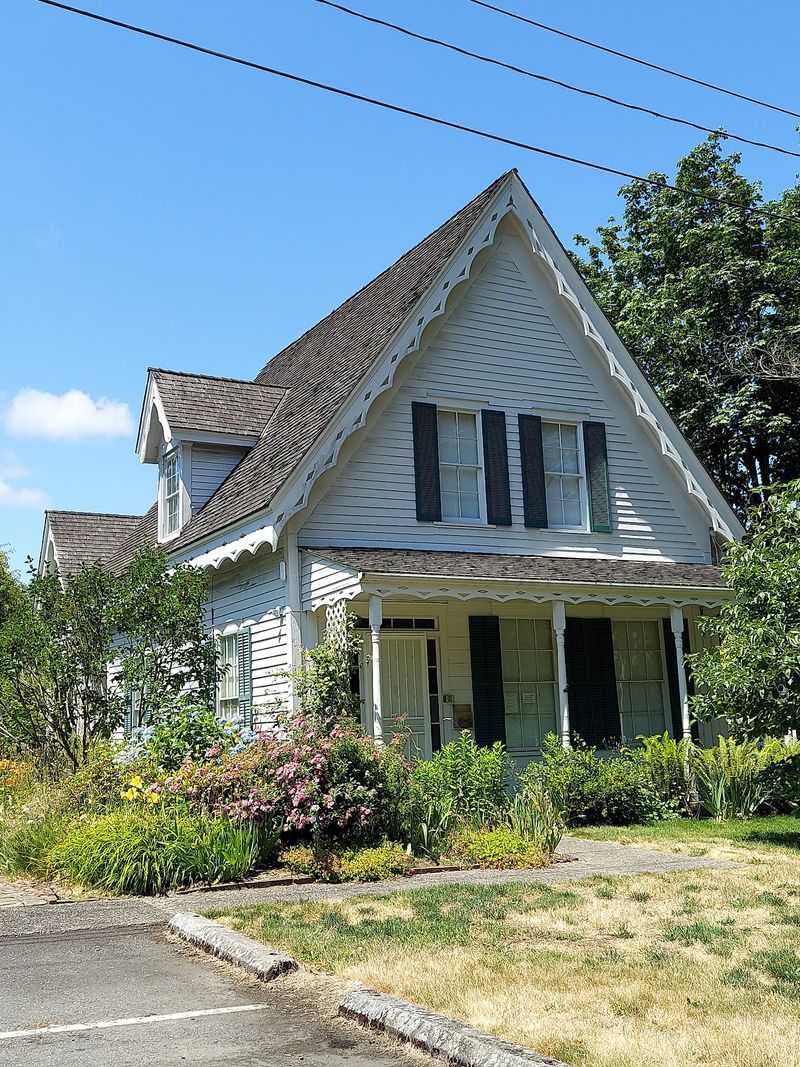
Location is half the fun here. The house sits near Tumwater Falls, where the Deschutes River tumbles toward the southern tip of Puget Sound.
That river shaped the whole town’s early life. Water power drew settlers and mills, and the Crosby family landed right in the thick of it.
Of course, the scenery has changed a lot since 1858. Interstate 5 now runs close by, so modern traffic hums in the background.
Honestly, I find that contrast kind of charming. You get a pioneer home on one side and a ribbon of highway on the other, like two centuries waving at each other.
The house no longer looks the way it did when first built, and its surroundings certainly don’t. Still, the river and trees help you sense what drew a sea captain to this spot.
For travelers heading through western Washington on I-5, that proximity is a bonus. A history stop barely requires a detour at all.
Bring a jacket on gray days, since the South Sound loves its drizzle. The falls look especially lively after a good soaking rain, so wet weather has an upside.
Everyday Treasures From A Frontier Household
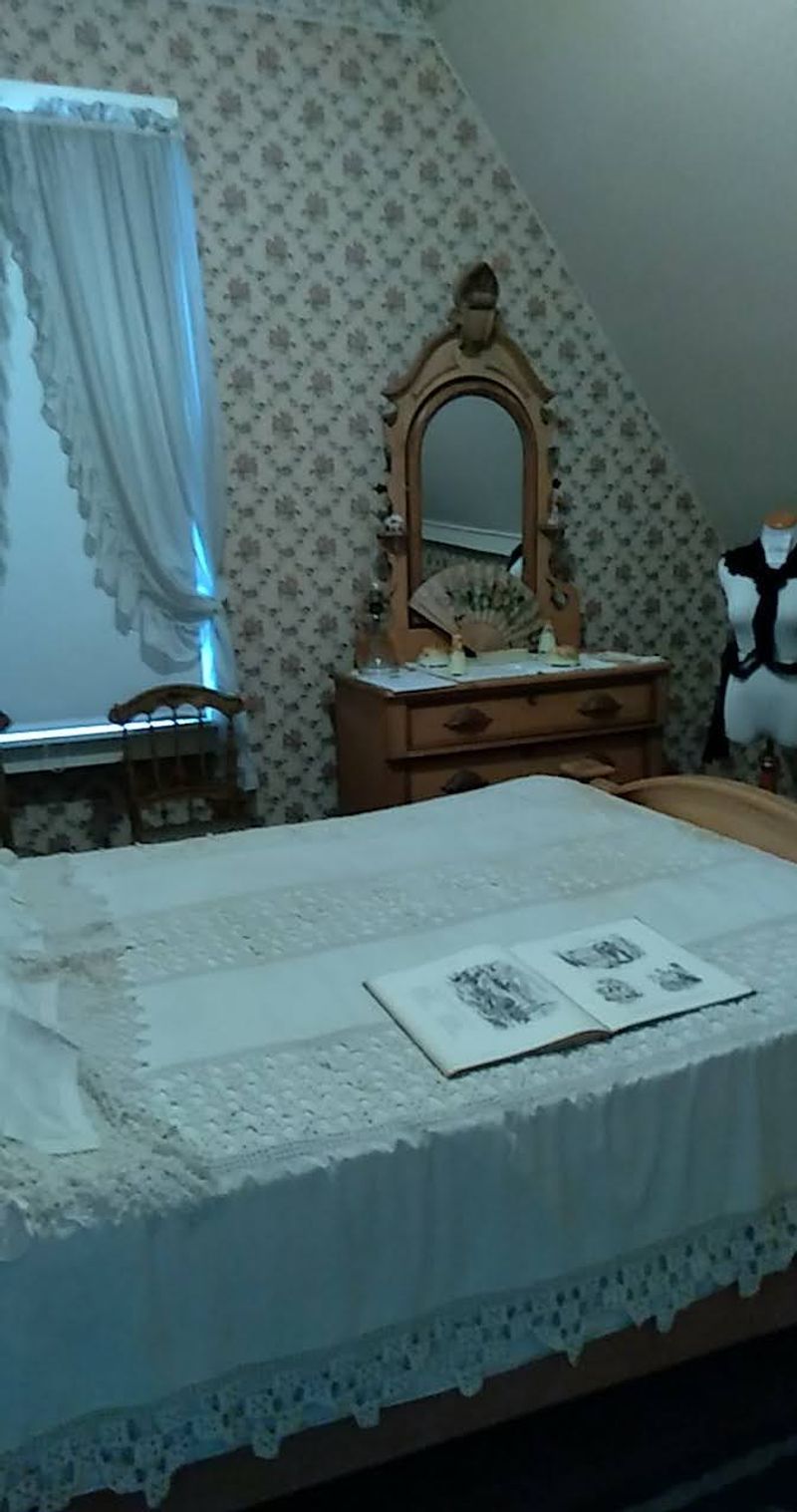
Old artifacts do the storytelling inside. Rather than flashy exhibits, the museum shows the practical objects that kept a frontier household running.
That approach works because it feels personal. You’re not looking at a royal palace, just the kind of home where real chores happened every single day.
Exhibits and displays explain the family’s living style and the wider Tumwater community. Reading about how settlers managed daily life adds context you just can’t get from a textbook.
Think about how much work went into a single ordinary day back then. Cooking, mending, and keeping warm all required skills most of us have happily outsourced to appliances.
I believe that’s why these small house museums stick with people. They make history feel close enough to touch, even when you’re politely keeping your hands to yourself.
The rooms are intimate rather than sprawling. A visit doesn’t demand an entire afternoon, which suits curious kids and busy schedules alike.
History fans will find plenty to linger over. Everyone else will probably leave a little more grateful for running water and a thermostat they can adjust without chopping wood.
Small Visitors Get A Warm Welcome Here
Tiny historians are welcome too. One family visit stands out in the museum’s story, where volunteers took time to involve a three-year-old with the old artifacts.
That’s no small feat. Getting a preschooler interested in anything older than last week’s cartoon takes real talent and patience.
The house’s compact size helps here. Little legs won’t wear out, and attention spans don’t get stretched across endless galleries.
Kids often connect best with everyday objects. Seeing how a family cooked or played long ago can spark questions that keep car rides lively for days.
Parents and grandparents can use the visit as a gentle springboard. Ask kids what they’d miss most without electricity, then brace yourself for some very dramatic answers.
For families watching their budget, a short history stop plus a park walk makes an easy, low-key outing. No elaborate planning required, just good timing with the open hours.
I can’t imagine a better first museum for a curious little one. It’s personal, approachable, and connected to a real family whose story kids can actually follow from start to finish.
Descendants And Daydreamers Keep Coming Back
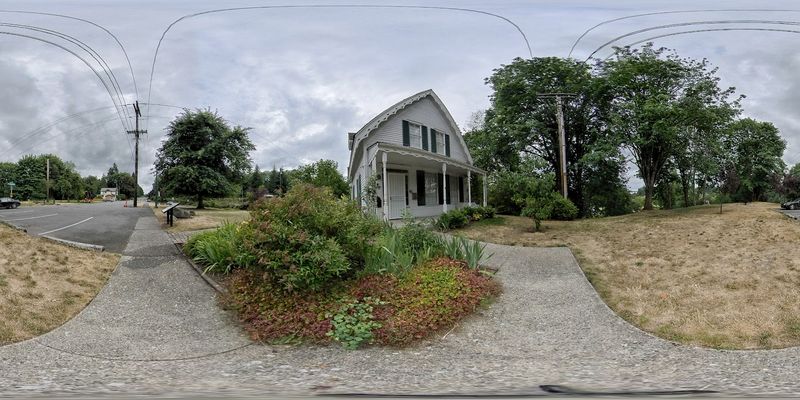
Family ties pull people here in a big way. Some visitors have shared that they’re related to the Crosbys, distant cousins and great-grandchildren among them.
That’s a lovely reminder of how alive local history can be. For some families, this isn’t just a museum, it’s practically a reunion venue with better antiques.
Wanting to see how your ancestors lived is a powerful motivator. Standing in the actual home they built gives genealogy a shape you can walk through.
Of course, you don’t need Crosby blood to feel that pull. Plenty of folks simply enjoy wondering who walked these floors over the last century and a half.
Bing Crosby fans form another curious crowd. Tracing a famous singer’s roots back to a modest Washington homestead adds a fun layer to any music-lover’s road trip.
I like that the house serves so many kinds of visitors at once. History nerds, family-tree sleuths, and casual passersby all find a reason to pause.
Bring your own questions and maybe a family story or two. Museums like this thrive on that kind of shared curiosity between generations.
Turn A Quick Stop Into A Riverside Afternoon
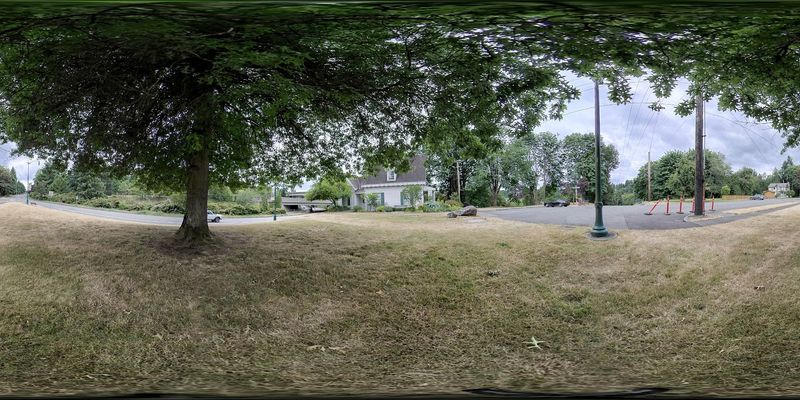
Pair the house with a stroll, and the outing doubles in value. Nearby parkland gives you room to stretch after poking around a cozy pioneer home.
Tumwater Falls Park sits close by along the Deschutes River. Its trails and viewpoints put you right beside the rushing water that drew early settlers to this area.
Tumwater Historical Park is another neighbor worth knowing. It offers open space near the river and adds even more local history to your day.
Combining a museum, a waterfall, and a picnic makes a classic South Sound weekend plan. It’s affordable, unhurried, and easy to adjust if little ones run out of steam.
Spring and summer bring lush green views, while fall paints the trees in warmer tones. Rainy months turn the falls louder, which honestly makes the walk more exciting.
Pack snacks, comfortable shoes, and a layer for the classic Washington drizzle. The Olympia area is right nearby too if you want to stretch the day further.
I believe the best history outings mix stories with fresh air. This corner of Tumwater delivers both in one tidy, walkable package.
Timing Is Everything Before You Head Over
Plan ahead, because this museum keeps a short schedule. Open days have historically been limited to select Sunday afternoons rather than daily hours.
Older visitor notes point to the first and fourth Sundays of the month, from 1 to 4 p.m. Schedules can change over time, so treat that as a starting point, not a promise.
The house has also gone through stretches of being closed. One hopeful visitor mentioned repeated drive-bys over several months without finding it open.
So call or check local Tumwater sources before making a special trip. A few minutes of planning beats standing outside a locked door with disappointed kids.
You’ll find the Crosby House Museum at 702 Deschutes Way SW, Tumwater, WA 98501. It sits conveniently close to Interstate 5, making it simple to reach from Olympia or Tacoma.
Even if the doors are closed, the exterior and surrounding parkland still reward a short visit. Snap a photo of the historic house, then wander toward the falls.
Flexibility is your best friend here. Build a riverside outing around it, and any day becomes a good day.
A Pocket-Sized Pioneer Story Worth Your Sunday
Big adventures aren’t the only kind worth taking. Sometimes a small house with a big story makes the most memorable afternoon of all.
The Crosby House Museum packs pioneer life, a sea captain’s legacy, and a Bing Crosby connection into one modest building. Few places in Washington can claim that particular combination.
Its setting near Tumwater Falls seals the deal. You get history, river views, and walking trails in one easy, budget-friendly outing.
Is it a full-day destination on its own? Probably not, and that’s perfectly fine.
Think of it as a charming chapter in a larger South Sound day. Add a picnic, a waterfall walk, and a little family storytelling, and you’ve got a weekend plan without breaking the bank.
The limited hours require some patience. Still, catching the doors open feels a bit like finding a rare record in a thrift shop bin.
I love places that remind us how ordinary lives become extraordinary history. This little homestead does exactly that, quietly holding its ground beside the river since 1858.