
12 Wyoming Foods Only Locals Truly Appreciate (And Tourists Miss)
You’ve seen the picture postcards: towering mountains, bison herds, the promise of wide-open spaces.
But what about the taste of Wyoming?
For years, I watched visitors come and go, marveling at our beauty but often missing the genuine flavors that truly define our state.
There’s a distinct culinary language spoken here, a collection of humble, hearty dishes passed down through generations you won’t find on any typical tourist menu.
It’s the taste of resilience, the spirit of the frontier, and the comfort of our close-knit community.
I’m ready to pull back the curtain and reveal the twelve local delicacies that we Wyomingites cherish, the ones that often fly right under the radar of even the most adventurous traveler.
1. Bison Burgers
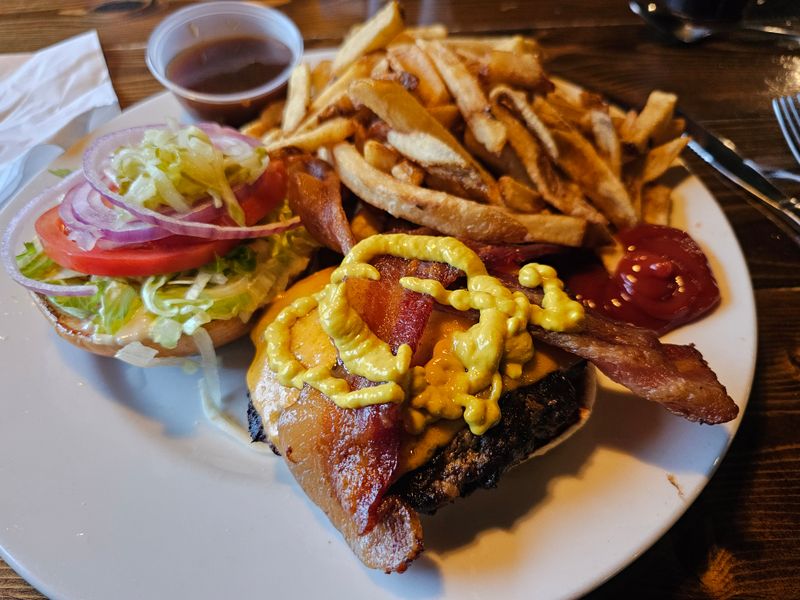
Lean meat with a rich, slightly sweet flavor makes bison burgers a Wyoming staple that tourists often overlook in favor of standard beef.
Local diners across the state serve these patties with pride, knowing the herds roam nearby on open grasslands.
The texture is denser than regular beef, and the taste carries hints of the wild prairie where these massive animals graze.
Bison contains less fat and more protein than traditional beef, making it a healthier choice without sacrificing flavor.
Many Wyoming ranchers raise bison sustainably, continuing a tradition that honors the animal’s historical significance to the region.
Order yours medium-rare to appreciate the natural juices and tender bite.
Pair your bison burger with local cheese and fresh-baked buns from a nearby bakery for the full experience.
Tourists often miss these gems because they stick to chain restaurants along the highways. Locals know the best bison burgers come from small-town joints where the cook knows the rancher personally.
2. Freshwater Trout
Crystal-clear mountain streams produce some of the finest trout you will ever taste, with a delicate flavor that reflects Wyoming’s pristine waters.
Jackson and Cody restaurants serve these fish within hours of being caught, often pan-seared with butter and herbs or smoked to perfection.
The flesh flakes easily and melts on your tongue, leaving a clean, slightly nutty aftertaste.
Rainbow, brown, and cutthroat trout swim in Wyoming’s rivers and lakes, each variety offering subtle differences in taste and texture.
Local chefs respect the fish by keeping preparations simple, allowing the natural flavors to shine through without heavy sauces.
Many restaurants source their trout from nearby fly-fishing guides or small-scale fish farms.
Eating fresh trout in Wyoming feels like tasting the mountains themselves, especially when paired with seasonal vegetables and wild rice.
Tourists often skip this dish because it seems too simple or unfamiliar compared to salmon. Locals know that simplicity is the point, and freshness makes all the difference between good fish and unforgettable fish.
3. Rock Springs Lamb
Tender, flavorful lamb raised on the high desert plains around Rock Springs carries a unique taste shaped by sagebrush and native grasses.
Local restaurants feature this lamb in hearty shepherd’s pies, slow-roasted dinners, and savory stews that warm you from the inside out.
The meat has a mild gaminess that never overwhelms, balanced by the natural sweetness that comes from pasture-raised animals.
Rock Springs has a long history of sheep ranching, dating back to immigrant herders who settled the area in the late 1800s.
This tradition continues today, with families passing down recipes and raising methods through generations.
Lamb from this region often appears at community gatherings and local festivals, where recipes reflect both Mediterranean and Western influences.
I remember my first bite of Rock Springs lamb at a small cafe, where the owner’s grandmother’s recipe made the meat fall off the bone.
The richness surprised me, as did the subtle herb crust that complemented rather than masked the natural flavors.
Tourists rarely seek out lamb in Wyoming, assuming beef and bison dominate every menu, missing this regional specialty entirely.
4. Wyoming Chili
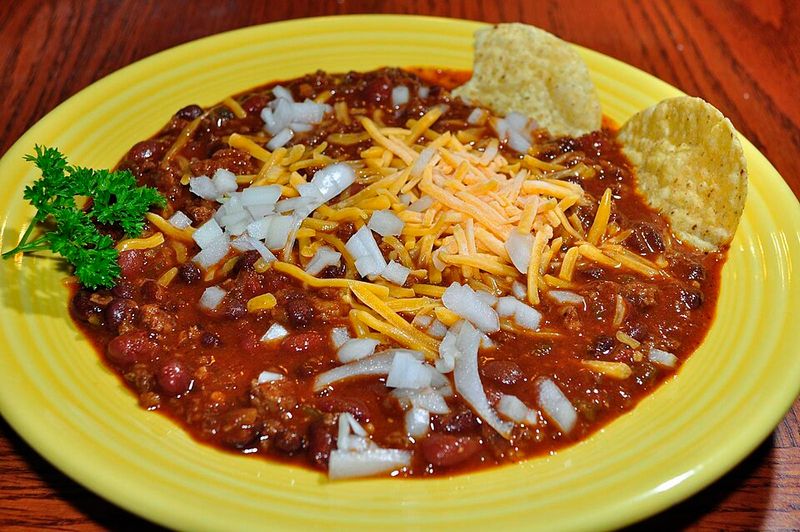
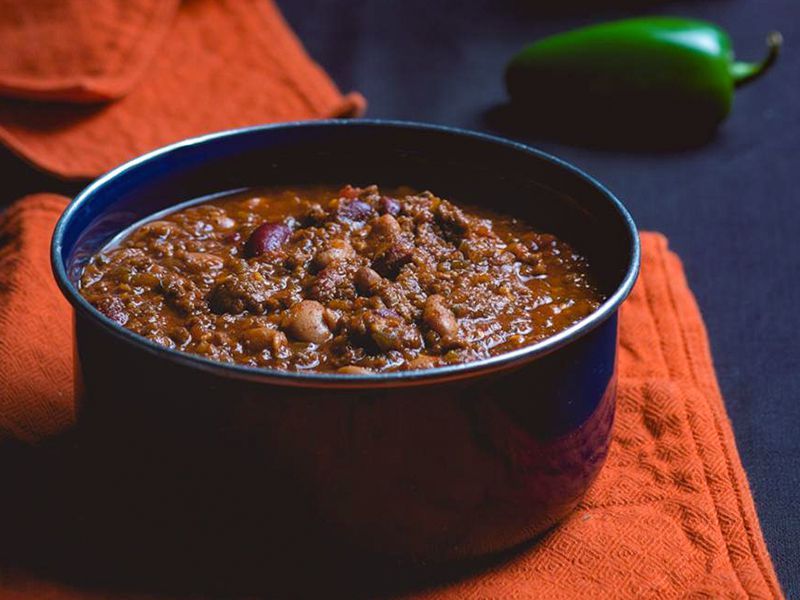
Thick, hearty chili made with local bison or beef warms the soul during Wyoming’s brutal winters, served steaming hot in small-town diners.
Cheyenne and Casper claim the best versions, each with secret spice blends passed down through diner families for decades.
The consistency is thicker than Texas chili, with chunks of meat and beans creating a filling meal that sticks to your ribs.
Heat levels vary wildly depending on the cook, ranging from mildly spicy to tongue-scorching infernos that locals eat without flinching.
Many recipes include green chilies from New Mexico, adding a smoky depth that balances the rich meat flavors.
Cornbread or crackers typically accompany each bowl, perfect for soaking up every last drop of the spicy broth.
Wyoming chili competitions happen throughout the year, with fierce rivalries between towns and family recipes guarded like state secrets.
Tourists often order burgers or sandwiches, never realizing the chili bubbling in the kitchen represents generations of culinary tradition.
Locals order it year-round, not just in winter, because good chili transcends seasons when made with care and quality ingredients.
5. Buffalo Stew
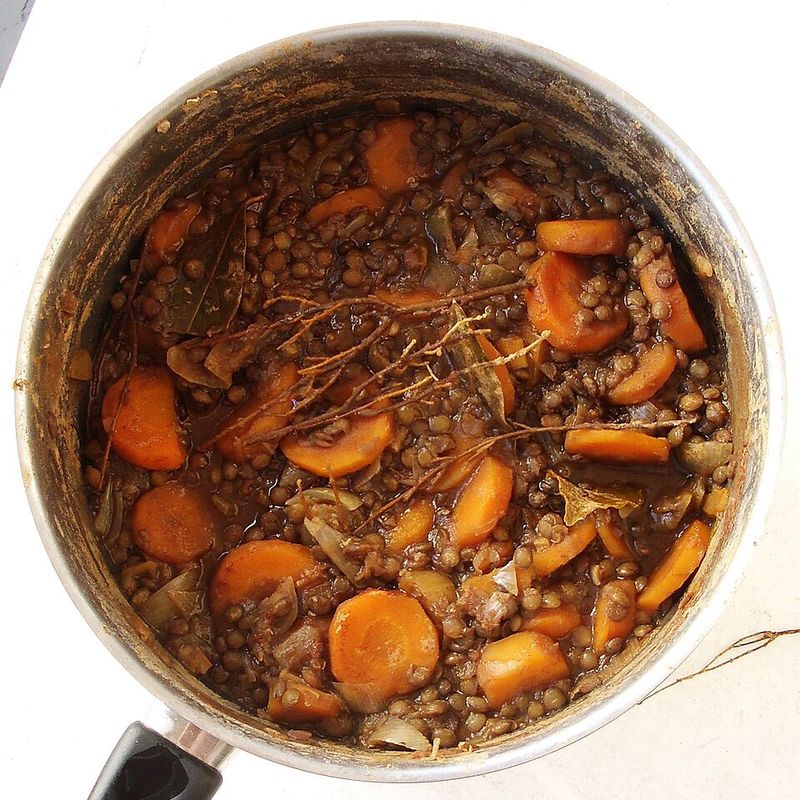
Slow-cooked bison meat combined with root vegetables creates a comfort food that cowboys have enjoyed for over a century.
Sheridan and Laramie serve the most authentic versions, where the stew simmers for hours until the meat becomes fork-tender and melts into the rich broth.
Carrots, potatoes, and onions absorb the savory flavors, creating a one-pot meal that satisfies even the heartiest appetites.
Buffalo stew represents practical frontier cooking, where tough cuts of meat transform into tender morsels through patience and low heat.
The dark, flavorful broth develops depth from the bison bones and marrow, creating a base that store-bought stocks cannot replicate.
Ranchers and outdoor workers still request buffalo stew on cold days, knowing it provides lasting energy and warmth for hours.
The dish rarely appears on tourist-focused menus because it seems too simple or old-fashioned for modern tastes.
Locals appreciate that simplicity, understanding that the best foods often require the fewest ingredients when quality and technique matter most.
6. Elk Sausage

Smoky, slightly sweet elk sausage grilled to perfection pairs beautifully with local craft drinks in Jackson Hole and throughout Teton County.
The meat comes from wild elk harvested sustainably, processed into links seasoned with garlic, black pepper, and sometimes juniper berries.
Each bite offers a firm texture with less grease than pork sausage, allowing the natural game flavors to stand out.
Local butchers take pride in their elk sausage recipes, often experimenting with different spice combinations while respecting the meat’s inherent qualities.
Some versions include cheese or jalapeños for added flavor, while purists prefer simple salt-and-pepper seasonings that highlight the elk itself.
Grilling caramelizes the outside while keeping the inside juicy, creating a satisfying contrast in every bite.
My cousin, a hunting guide near Jackson, always brings elk sausage to family gatherings, and it disappears before anything else.
The combination of smokiness and the clean taste of wild game makes it impossible to eat just one link. T
ourists rarely encounter elk sausage because many restaurants focus on more familiar proteins, missing out on this quintessentially Wyoming treat that locals crave year-round.
7. Fry Bread
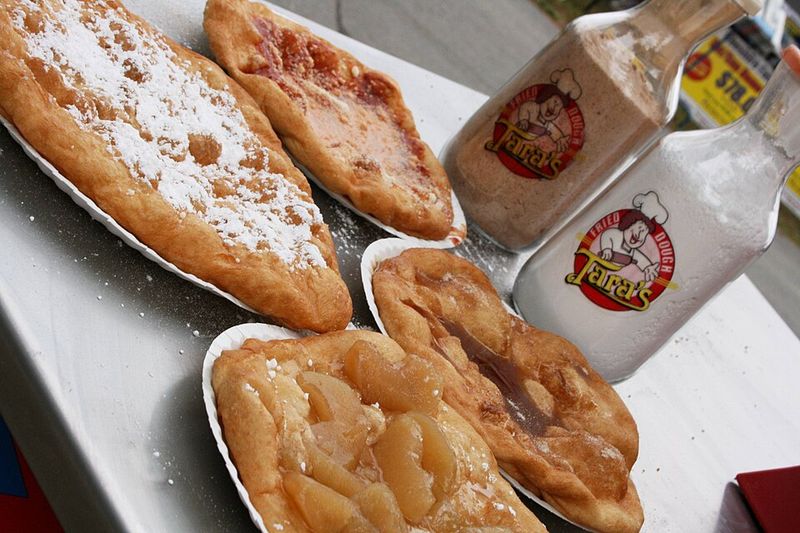
Golden, puffy fry bread represents an important cultural tradition in Native American communities throughout northern Wyoming, served at powwows and family gatherings.
The dough, deep-fried until crispy outside and soft inside, can be topped with honey and powdered sugar for dessert or with seasoned meat and vegetables for a savory meal.
Each bite delivers a satisfying crunch followed by pillowy softness that absorbs whatever toppings you choose.
Fry bread originated from difficult times when Native communities received limited government rations, yet they created something delicious from basic ingredients.
Today, it serves as both a reminder of resilience and a celebration of cultural identity, prepared using recipes passed through generations.
The simple ingredients of flour, salt, baking powder, and water transform into something special through technique and tradition.
Watching someone make fry bread is mesmerizing, as the dough puffs up in hot oil and turns golden brown in seconds.
The aroma alone draws crowds at community events, where long lines form for this beloved treat.
Tourists often miss fry bread entirely because it appears mainly at cultural events and specific locations rather than typical restaurants, but locals know where to find it and treasure every opportunity.
8. Wyoming-Style Breakfast Skillet
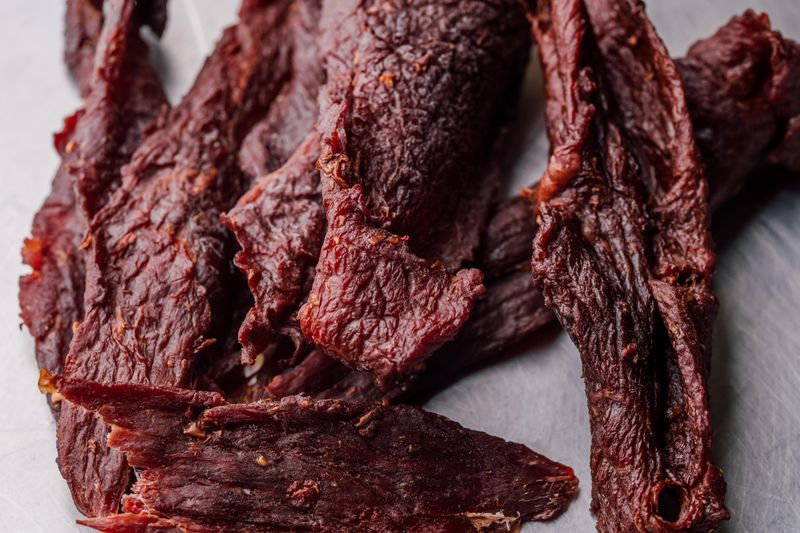
Loaded breakfast skillets in Cheyenne diners pack enough food to fuel a full day of ranch work or outdoor adventure.
Crispy hash browns form the base, topped with scrambled eggs, locally smoked meats like bacon or sausage, melted cheese, and often a generous helping of green chili.
The combination arrives sizzling in a cast-iron skillet, with all the ingredients melding together into a hearty, satisfying mess.
Green chili adds a distinctive Wyoming twist, providing heat and tang that cuts through the richness of eggs and cheese.
Some diners offer different heat levels, while others stick to their signature recipe that regulars request by name.
The portions are generous by any standard, often requiring a takeout container even for those with healthy appetites.
Locals know to arrive early on weekends because the best breakfast spots fill up quickly with ranchers, families, and those recovering from late nights.
The skillet represents practical food culture where calories matter for people doing physical work in harsh weather conditions.
Tourists often order standard eggs and toast, never realizing the breakfast skillet next to them contains the true spirit of Wyoming mornings in every bite.
9. Chokecherry Jelly And Syrup

Tart, deep purple chokecherry preserves capture the essence of Wyoming’s wild landscape in small jars sold at farmers markets and local shops.
Native chokecherry bushes grow throughout the state, especially around Sheridan and Lander, producing small berries that pack intense flavor.
The jelly spreads beautifully on fresh biscuits, while the syrup drizzles over pancakes or wild game, adding a sweet-tart complexity.
Making chokecherry jelly requires patience and skill because the berries contain large pits that must be carefully strained out.
The resulting product has a unique taste unlike any commercial jelly, with natural astringency balanced by added sugar.
Many Wyoming families have their own chokecherry picking spots they return to each summer, continuing traditions that connect them to the land.
Chokecherry syrup also works wonderfully as a glaze for roasted meats, particularly venison and duck, where the tartness complements rich flavors.
Local cooks prize these preserves not just for taste but for the memories associated with harvesting berries under the summer sun.
Tourists walk past jars of chokecherry products in gift shops, not understanding that these represent authentic Wyoming flavor unavailable anywhere else in such pure form.
10. Cowboy Coffee And Pies
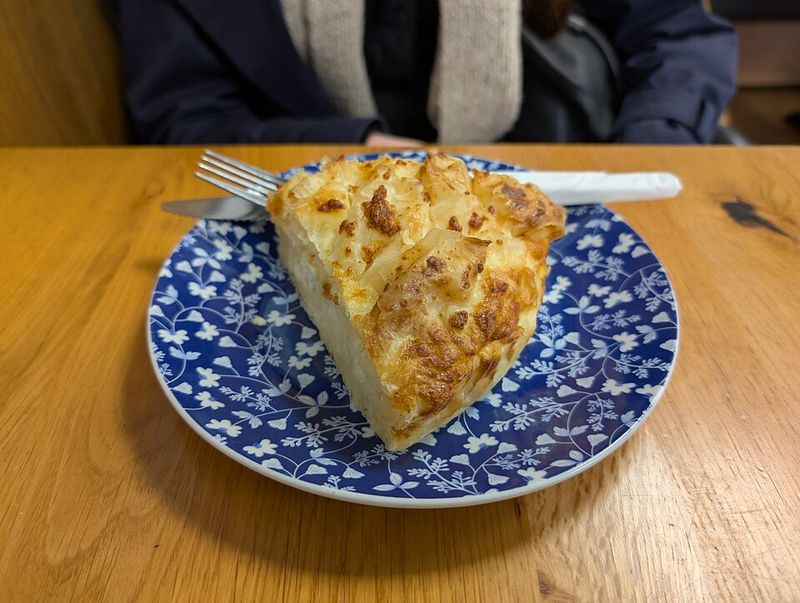
Strong, thick coffee brewed in old-fashioned percolators pairs perfectly with homemade pies in Cody and Rawlins cafes that have served locals for generations.
The coffee is bold enough to wake the dead, often described as thick enough to stand a spoon in, providing the caffeine kick needed for early mornings.
Pies feature seasonal fruits like rhubarb, huckleberry, and sour cherry, with flaky crusts made from scratch daily.
Cowboy coffee traditionally involves boiling grounds directly in water, creating a robust brew with grounds settling at the bottom of the cup.
Modern versions use percolators but maintain that same strong, no-nonsense approach to caffeine delivery.
The coffee’s boldness makes it the perfect companion to sweet, fruit-filled pies that balance the bitter notes.
During a road trip through Wyoming, I stopped at a tiny cafe in Rawlins where the waitress poured coffee without asking and brought huckleberry pie without me ordering it.
She simply said everyone gets pie with their coffee, and I understood why after the first bite of the perfectly tart filling and buttery crust.
Tourists rush through these towns on highways, stopping only at chain coffee shops, never discovering the real Wyoming breakfast tradition.
11. Rocky Mountain Oysters
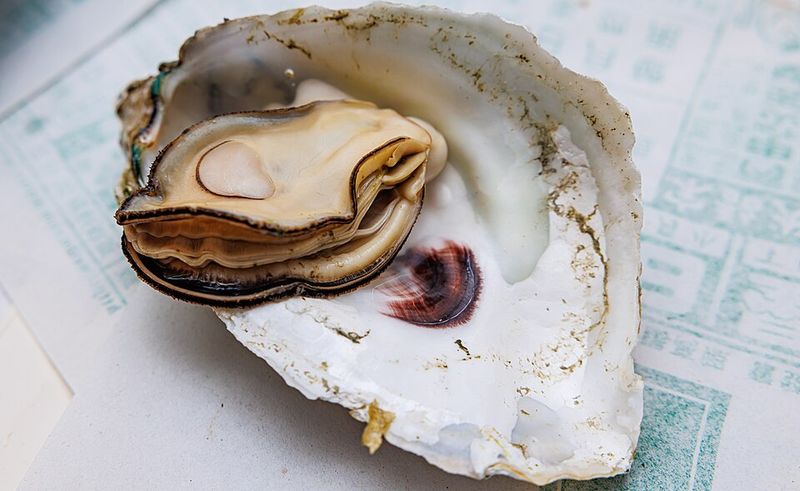
Deep-fried bull testicles might sound shocking, but this traditional dish appears at Cheyenne Frontier Days and local steakhouses throughout Wyoming.
The meat is sliced thin, breaded, and fried until golden and crispy, resulting in a texture similar to calamari with a mild, slightly organ-like flavor.
Ranch culture considers wasting any part of the animal disrespectful, so these unusual cuts became a celebrated local specialty.
First-timers often approach Rocky Mountain Oysters as a dare, but many discover they actually enjoy the taste when prepared properly.
The breading provides most of the flavor, seasoned with salt, pepper, and sometimes cayenne for extra kick.
Dipping sauces like ranch dressing help ease newcomers into the experience.
Cheyenne Frontier Days features Rocky Mountain Oysters prominently, with vendors frying them fresh and crowds lining up for this quintessential cowboy food.
The name itself is a playful euphemism that softens the reality of what you are eating, making it more approachable for the curious.
Tourists often laugh at the idea but rarely try them, while locals order them without hesitation, knowing the crispy, savory treat represents authentic ranch traditions and resourceful frontier cooking.
12. Prairie Berries
Wild and cultivated berries from Laramie and Jackson-area farms produce jams, cobblers, and desserts with flavors far superior to grocery store varieties.
Strawberries, raspberries, and chokecherries thrive in Wyoming’s climate, developing concentrated sweetness from intense sun and cool nights.
Fresh berries appear at farmers markets during brief summer seasons, while preserved versions sustain locals through long winters.
Berry picking has become a beloved summer activity for Wyoming families, who know the best patches and guard their locations jealously.
The berries taste different here, more intense and complex, reflecting the mineral-rich soil and pristine mountain water.
Local bakers transform these fruits into cobblers with crumbly tops, jams that capture summer in jars, and pies that sell out within hours.
Prairie berry cobbler served warm with vanilla ice cream represents the perfect ending to any Wyoming meal, combining sweet fruit with buttery crust.
Small farms near Jackson and Laramie welcome visitors during harvest season, offering pick-your-own experiences that connect people to their food sources.
Tourists buy generic berry products in gift shops, not realizing that real prairie berries from local sources offer incomparably better flavor and support the communities that grow them with care.