
Yes, You Can Hunt For “Diamonds” In Arizona And Take Them Home
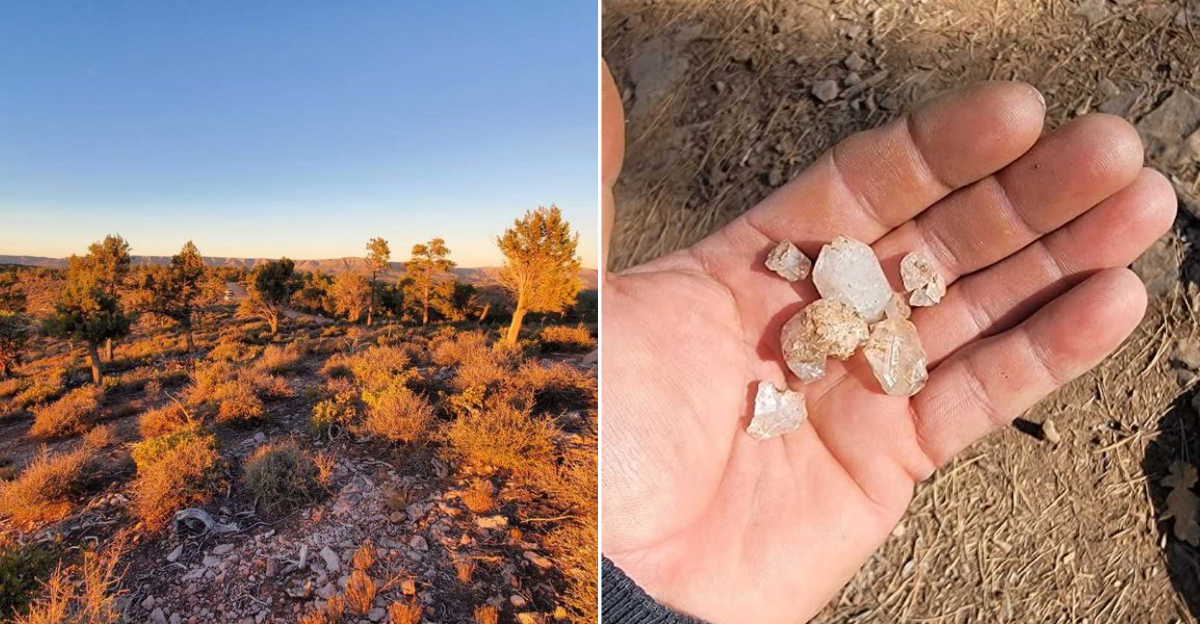
My friends call me a “maximalist” because I’m the type of person who picks up every pretty pebble I see on the sidewalk.
Naturally, when I heard there was a real-life playground where you could legally scavenge for quartz crystals, which look suspiciously like diamonds if you squint hard enough, I was in my car before the suggestion finished leaving their mouths.
There is something profoundly humbling about being outsmarted by a rock, yet the high-desert air of Arizona turns even the most jaded adult into a giddy, rock-obsessed child within minutes.
I went in expecting to find nothing but sand and perhaps an annoyed lizard, but I left with a newfound addiction to digging. If you’ve ever wanted to play prospector without the risk of actual economic collapse, here is how you do it.
What Are “Payson Diamonds” And Why Are They So Special
Not every diamond story involves a jewelry store. The crystals found at Diamond Point are quartz, often called “Payson Diamonds” because of their stunning clarity and naturally sharp double-terminated points, meaning they come to a point at both ends rather than just one.
They formed millions of years ago inside pockets of Devonian Martin Limestone. Groundwater slowly dissolved the surrounding rock, creating tiny natural chambers where these crystals could grow freely in all directions.
That unconstrained growth is exactly what gives them their distinctive two-pointed shape.
Some specimens are water-clear, while others carry a milky white tone or even a faint purple tint, making each find genuinely one of a kind.
Geologists date the surrounding limestone to roughly 530 million years ago, which means every crystal you pick up carries an almost unimaginable piece of Earth history right in your palm. Finding one feels less like luck and more like a reward.
The Geological Backstory Behind Diamond Point
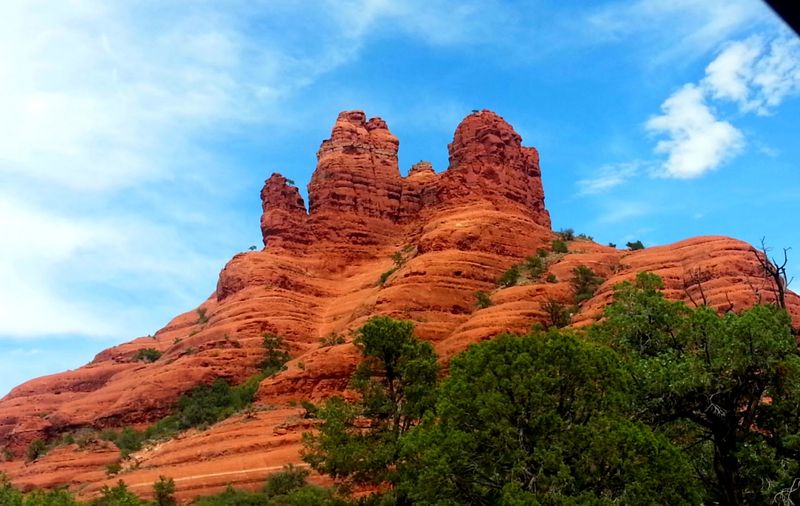
Long before Arizona had a name, the land around Diamond Point was doing something extraordinary. About 1.7 billion years ago, ancient granite and metamorphic rock formed the deep foundation of this region, creating one of the oldest geological backdrops in the American Southwest.
Layered on top of that ancient base are Paleozoic sedimentary rocks, including the Devonian Martin Limestone where the quartz crystals took shape.
Fossils from marine creatures dating back roughly 530 million years have been found embedded in these same rock layers, proof that this high-desert landscape was once a shallow sea floor.
Over countless millennia, erosion stripped away the softer limestone surrounding the crystals, leaving the more durable quartz exposed at or near the surface. That natural process essentially did the work for you, pre-packaging sparkling treasures across a 35-acre collection zone.
Standing on that ground, you realize the dirt beneath your boots is practically a living museum of Earth’s most dramatic chapters.
The Road To Your Crystal Adventure
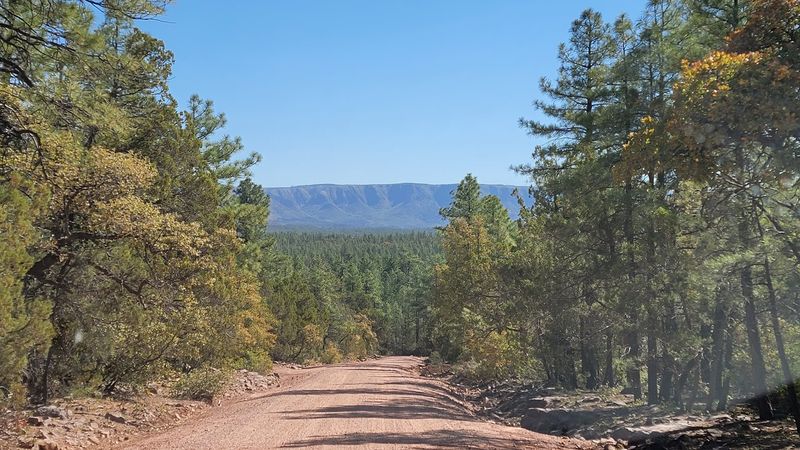
Reaching Diamond Point is part of the fun, and the drive alone sets the mood for adventure. From Payson, you head out along Fire Control Road, also known as NF-64, and then connect to NF-65, a maintained dirt road that winds through the ponderosa pine forest of the Tonto National Forest.
Most standard two-wheel-drive vehicles handle the route without any trouble under normal conditions. That said, calling the Payson Ranger Station before you go is a smart habit, especially after heavy rainfall, since dirt roads can shift quickly from smooth to slippery.
The drive itself rewards you with sweeping views of pine-covered ridges and glimpses of the rugged Mogollon Rim in the distance.
By the time you park along the road near the collection area, the fresh pine-scented air and quiet surroundings have already started working their magic. Arriving prepared with a printed map or downloaded offline directions is a solid idea, since cell service in the area can be unreliable at best.
How To Hunt For Crystals Like A Pro
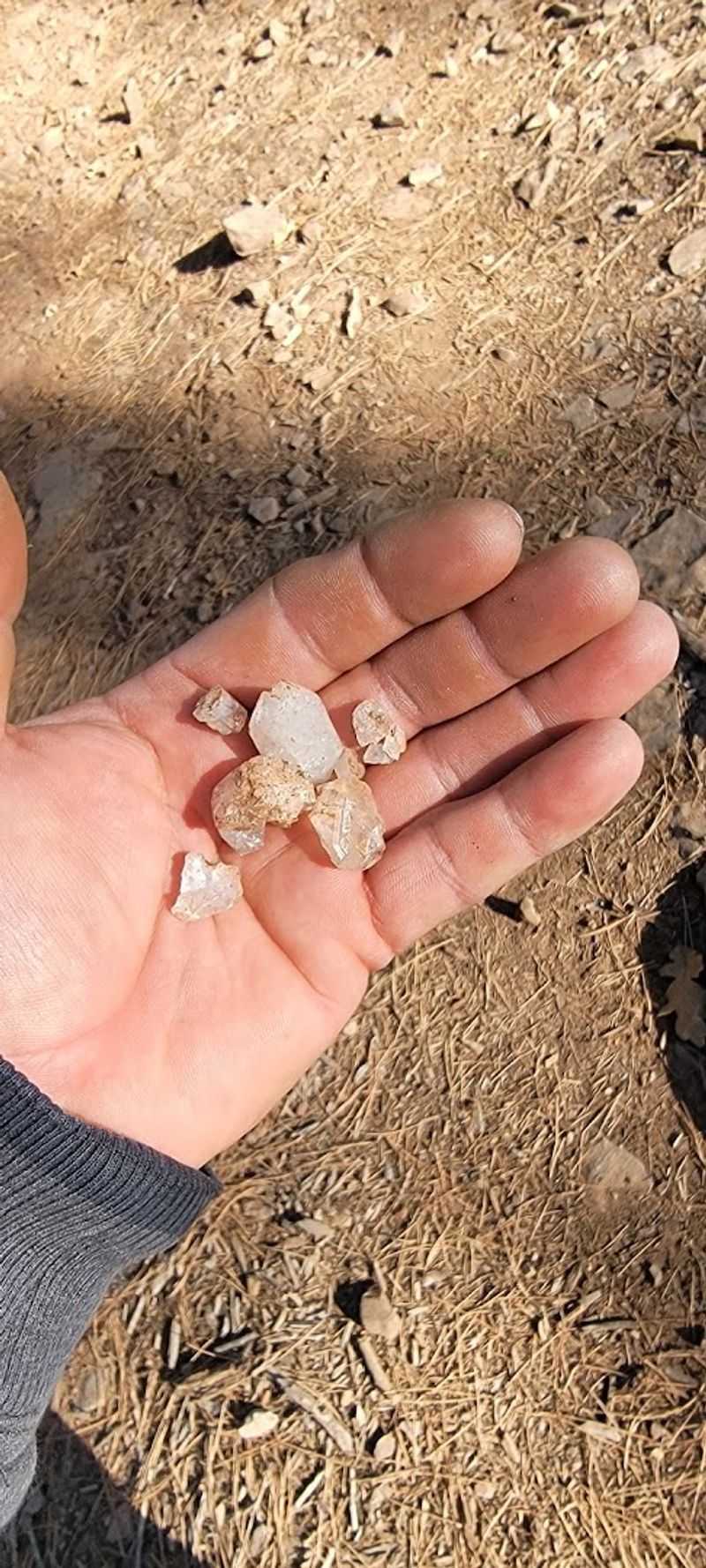
You do not need years of experience to walk away with a impressive haul. Crystal hunting at Diamond Point rewards patience and a slow, deliberate pace more than any special skill set.
The smartest move is to start by scanning the surface carefully, because many crystals are simply sitting there, waiting to catch the light.
Timing your visit right after a rain shower dramatically improves your odds. Rainwater rinses away the thin layer of dust that normally camouflages the crystals, leaving them exposed and noticeably more sparkly against the dark soil.
Early morning light also helps, as low-angle sunlight creates strong glinting reflections that make crystals easier to spot from a standing position. If surface hunting feels slow, you can use a small hand trowel or gardening spade to gently probe the top few inches of soil.
Moving methodically across a small patch rather than wandering randomly tends to produce better results. Bring a bucket with a little water to rinse finds on the spot, giving you an instant preview of each crystal’s true clarity.
Rules, Limits, And Responsible Collecting
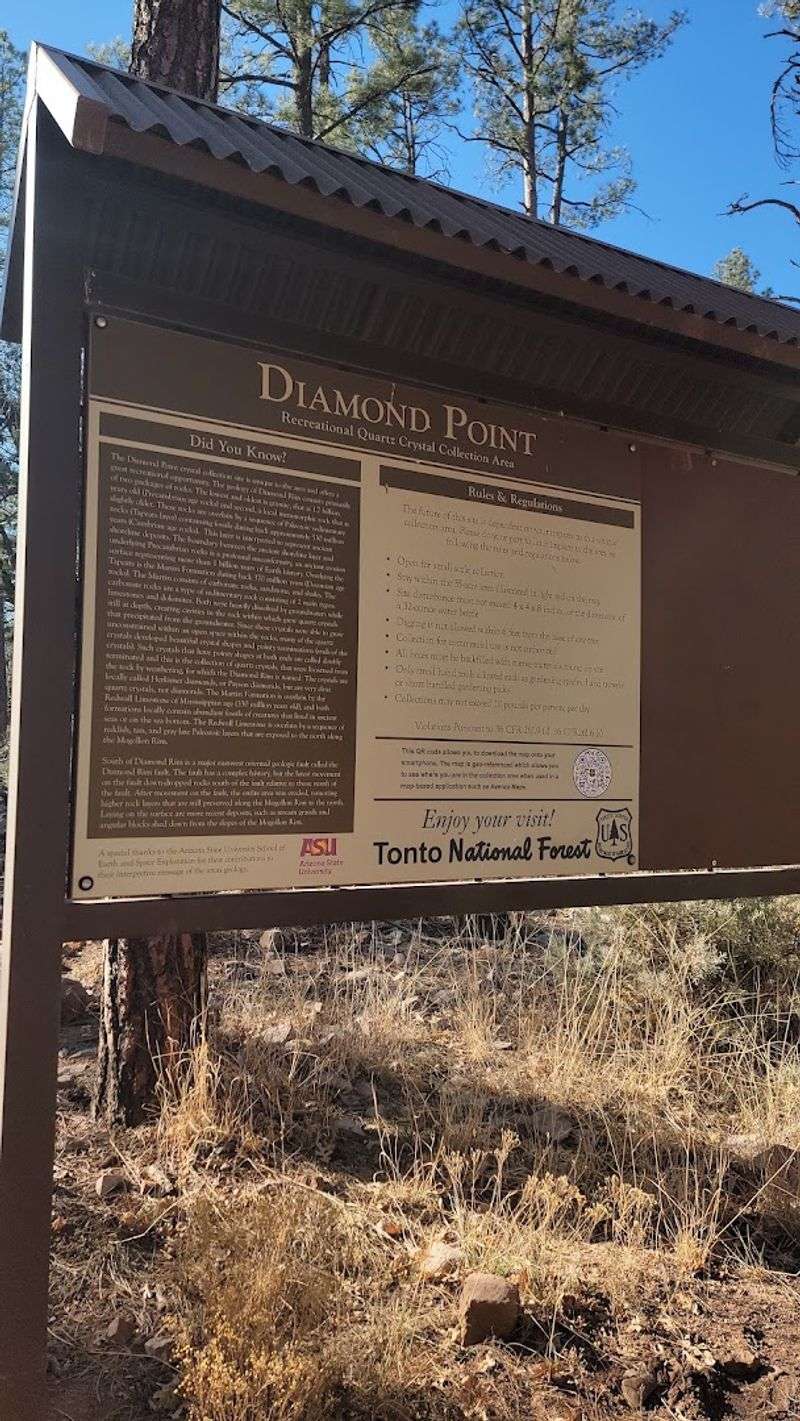
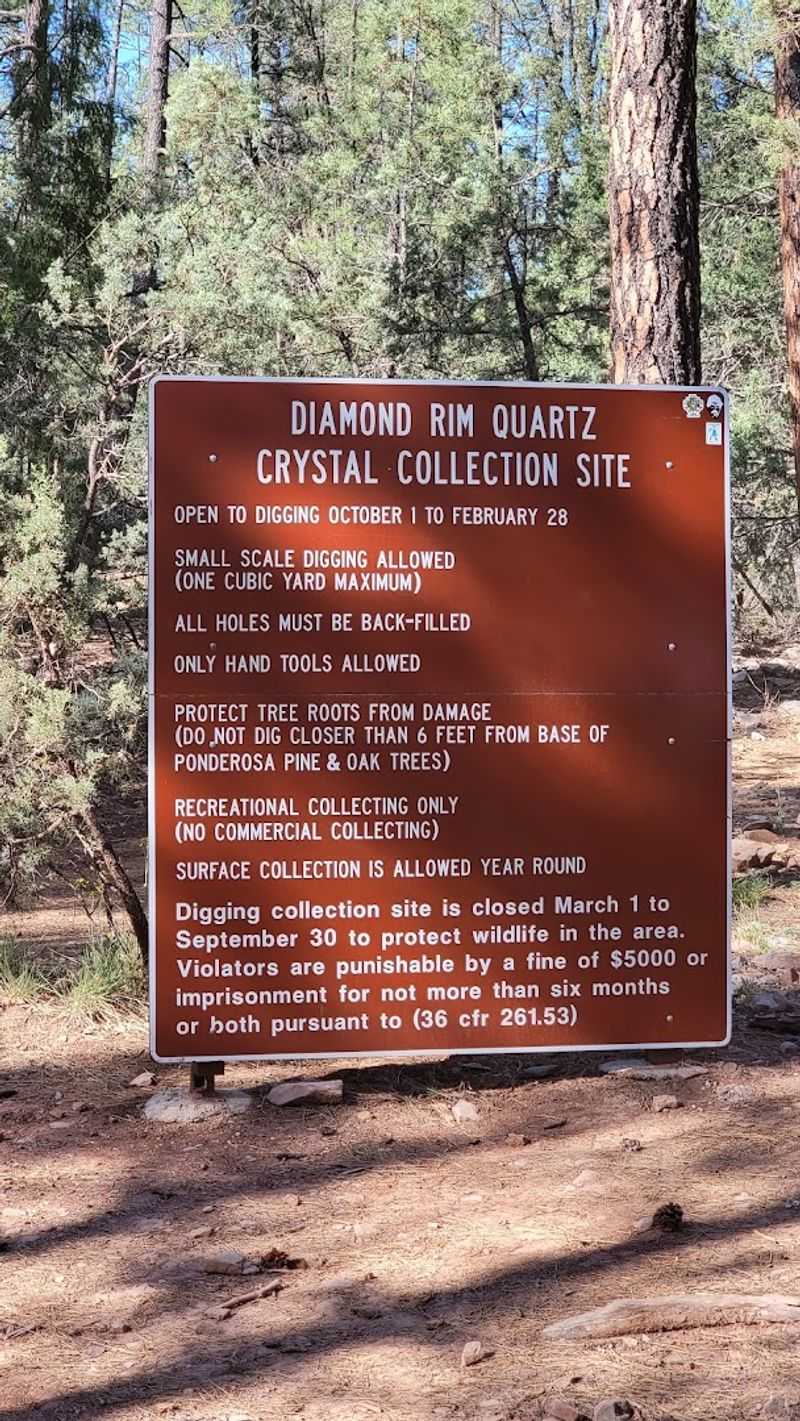
Treasure hunting comes with responsibility, and Diamond Point has clear rules in place to keep the site healthy for future visitors.
Each person is allowed to collect up to 10 pounds of crystals per day, strictly for personal use and enjoyment rather than commercial resale.
If you choose to dig rather than surface hunt, your hole must stay small, no larger than roughly 4 inches wide by 4 inches long by 8 inches deep, about the size of a 32-ounce water bottle. Every single hole must be completely backfilled before you leave, restoring the ground to its natural state as closely as possible.
Collectors must also stay at least six feet away from the base of any tree to protect root systems from damage.
Only small hand tools are permitted, so leave the heavy equipment at home. Following these guidelines is not just about following rules; it is about making sure the next family who shows up gets the same exciting, discovery-filled experience that you had on your visit.
What To Pack For A Perfect Day Of Crystal Hunting
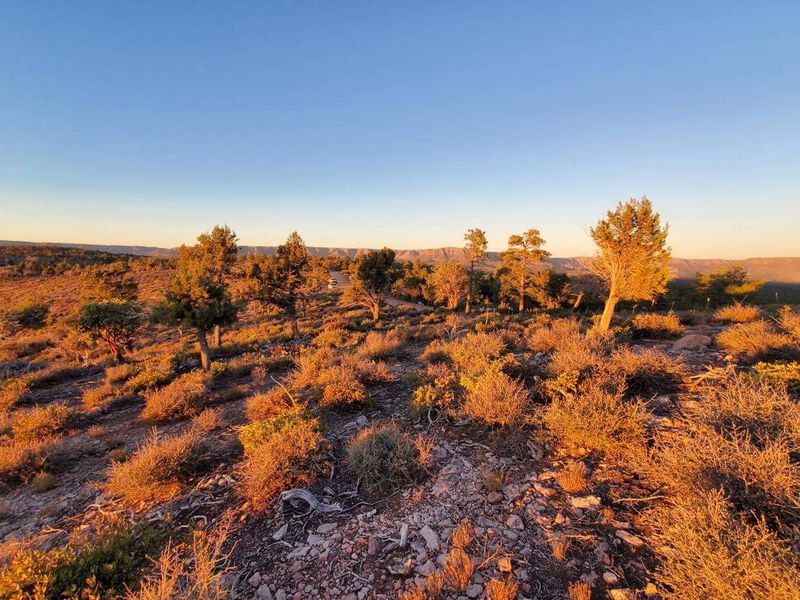
Packing smart makes the difference between a comfortable adventure and a frustrating one. Diamond Point has no restrooms and no drinking water available at the site, so everything you need for the day must come with you.
Water is non-negotiable, especially during Arizona’s warmer months when temperatures can climb quickly even at higher elevations. A sturdy pair of closed-toe shoes or hiking boots will protect your feet on rocky terrain, and lightweight gloves keep your hands comfortable during extended digging.
Sunscreen and a wide-brimmed hat are essential since you will be spending hours outdoors with limited shade in the collection area.
For collecting gear, bring a small bucket or zip-lock bags for your finds, a hand trowel or garden spade, and an old toothbrush for cleaning crystals on site. Packing snacks and a lunch lets you stay longer without needing to head back to town mid-day.
A small field guide to rocks and minerals adds an educational layer that kids especially tend to find genuinely exciting throughout the day.
Making The Most Of Your Visit Beyond The Crystal Hunt
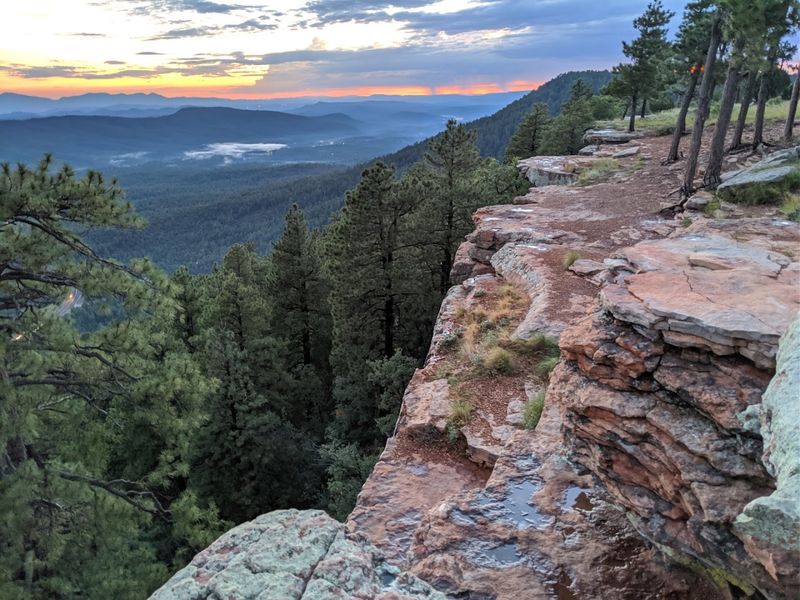
Crystal collecting is the headline act, but the supporting cast around Diamond Point is worth your attention too.
The nearby Diamond Point Lookout offers a panoramic view of the Mogollon Rim that genuinely stops you in your tracks, with rolling pine-covered ridges stretching as far as the eye can reach in every direction.
The Tonto Natural Bridge State Park sits just a short drive away near Payson and features what is believed to be the largest natural travertine bridge in the world, a stunning geological formation that pairs perfectly with the rock-and-mineral theme of your day.
Payson itself offers a relaxed small-town atmosphere with local restaurants and shops where you can grab a meal and browse for regional souvenirs after your outdoor excursion.
If you plan to stay overnight, the Tonto National Forest has several campgrounds nearby that let you stretch your crystal-hunting adventure into a full weekend.
Returning to Diamond Point on a second morning, especially after an evening rain, often produces the most rewarding finds of the entire trip.
Sharing Your Crystal Finds With The World
After a rewarding day at Diamond Point, the real fun doesn’t have to stop when you get home. Crystal hunters have built a lively community online, sharing photos, tips, and stories about their finds on social media groups and rock-hounding forums.
Posting your best Payson Diamonds is a great way to connect with other collectors who truly appreciate what it took to find them.
You might even inspire someone else to make the trip. Local gem shows in Arizona are another fantastic option, where you can display, trade, or learn more about your crystals from experienced collectors.
A simple display shelf can also turn the collection into a permanent reminder of the adventure. Labeling each crystal with the date and location adds a personal touch without requiring museum-level organization.
Some collectors clean their finds gently, while others prefer leaving the natural desert dust and texture intact. Over time, even a modest handful of quartz can become the beginning of a much larger rock-hounding hobby.
One successful afternoon at Diamond Point has a funny way of making every rocky trail look full of possibilities.