
You Can Actually Spend The Night As A Lighthouse Keeper In Michigan
Nothing prepares you for how quiet the world gets after the last ferry pulls away. The lighthouse stands at the tip of a narrow sandy spit, surrounded on three sides by water that shifts from glassy blue to hammered silver depending on the hour.
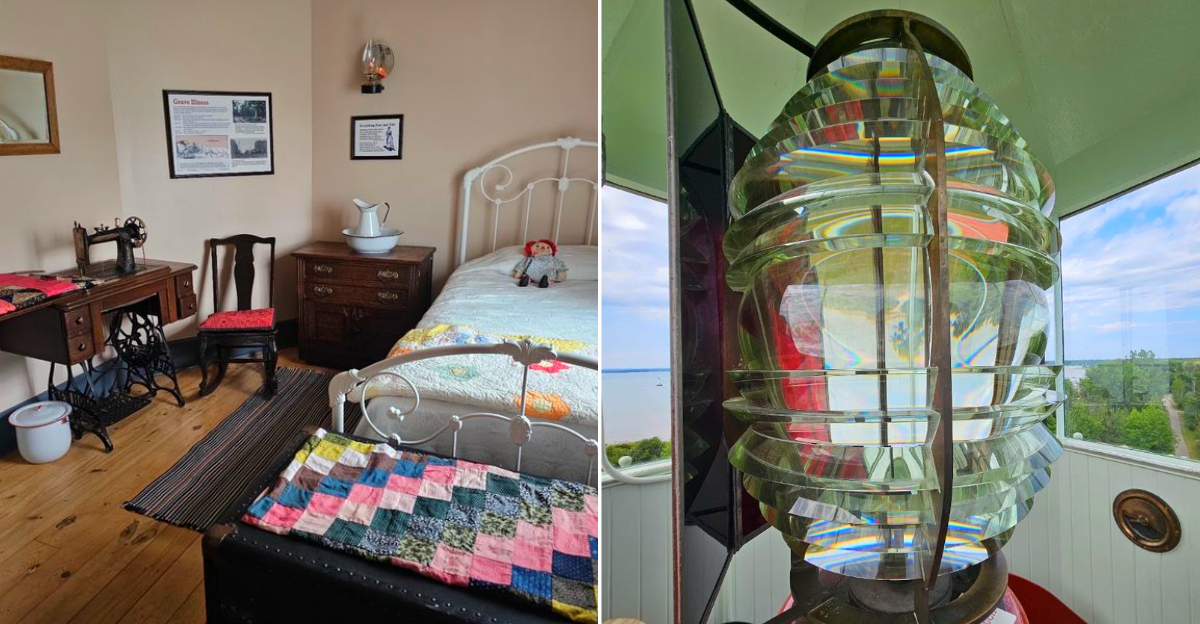
Inside, the quarters feel less like a museum, more like a home someone just stepped out of.
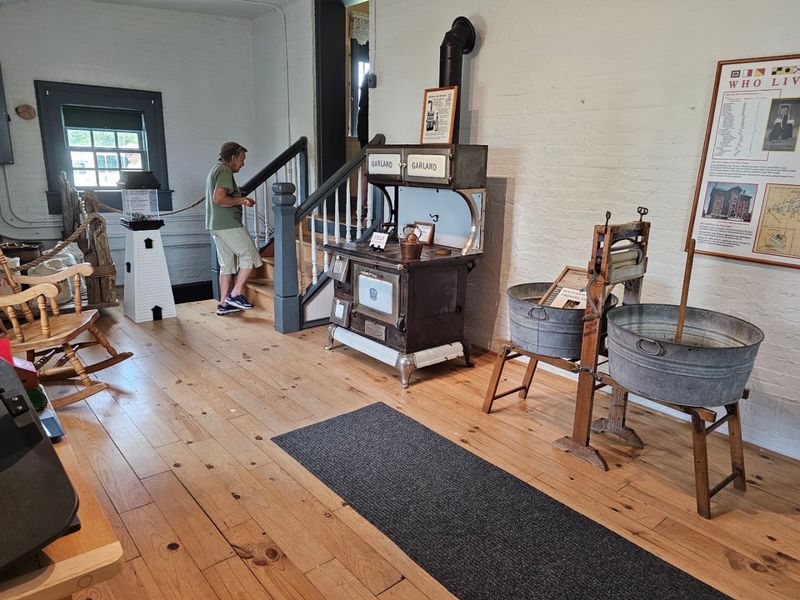
There is a kitchen with a kettle still warm, bedrooms with windows that frame nothing but horizon, a spiral staircase that winds up to the lens room where the light once swept across the lake every few seconds.
You climb those stairs at dusk, watch the sun drop below the waterline while the wind pushes through the open door. The keeper role comes with responsibilities: logging weather, greeting sunset watchers, keeping the building grounds tidy.
Michigan opens its lighthouse keeper program to anyone willing to trade a regular night for one beside the water.
Know What The Overnight Stay Really Is
The first useful thing to understand is that you are not booking a novelty sleepover. The overnight experience at Tawas Point Lighthouse is part of a volunteer lighthouse keeper program connected to the Michigan History Center.
It is structured, scheduled, and tied to public interpretation at the lighthouse.
You stay in the historic keeper’s dwelling while serving visitors during an assigned term. That means greeting guests, helping with tours, and supporting daily operations rather than simply wandering about with a lantern fantasy.
The appeal, honestly, is that the experience has real purpose. If that sounds better than a themed hotel, you are probably the right sort of traveler for it. Go in expecting meaningful work, not theatrical make believe.
The Lighthouse Waits At The End Of The Sandspit
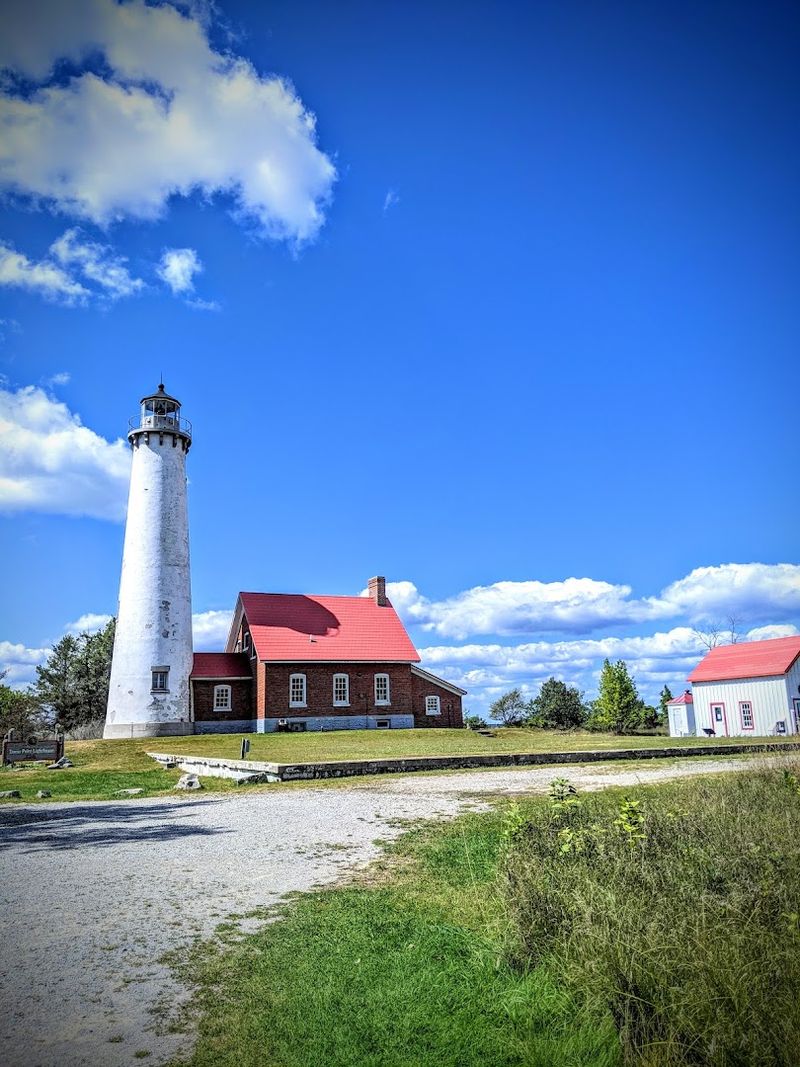
Tawas Point Lighthouse stands inside Tawas Point State Park at 686 Tawas Beach Road in East Tawas, Michigan. From US-23, turn toward the Lake Huron shoreline and follow Tawas Beach Road northeast through the state park corridor.
The final approach follows the narrow Tawas Point sandspit, with Tawas Bay on one side and Lake Huron close beyond the dunes. Continue past the campground and day-use areas until park signs direct you toward the lighthouse near the far end of the point.
Use the designated state park parking area, then follow the short pedestrian route to the lighthouse and museum store. A Michigan Recreation Passport is required for vehicle entry, and lighthouse tours operate seasonally rather than year-round.
Expect Real Duties, Not Empty Hours
A keeper stay comes with real weekly responsibilities, usually around 30 to 35 volunteer hours. The work can include greeting visitors, assisting with tours, answering questions, and helping keep shared spaces tidy.
There is also routine upkeep such as sweeping and trash removal. That mix gives the experience its texture. Instead of only looking at maritime history, you participate in the daily effort that keeps the place welcoming and legible.
I found that detail important because it turns admiration into stewardship. If you like trips where your memory includes useful tasks, this suits you. If your ideal vacation requires absolute idleness, the beach in the same park may be a better fit than the keeper quarters.
Picture The Living Quarters Clearly
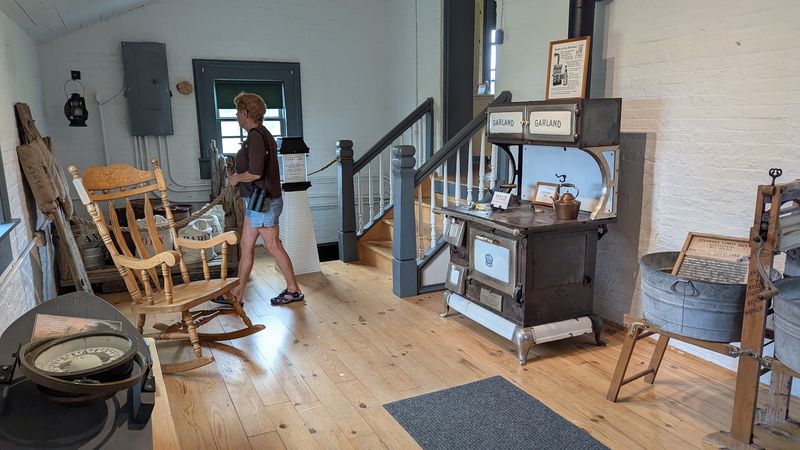
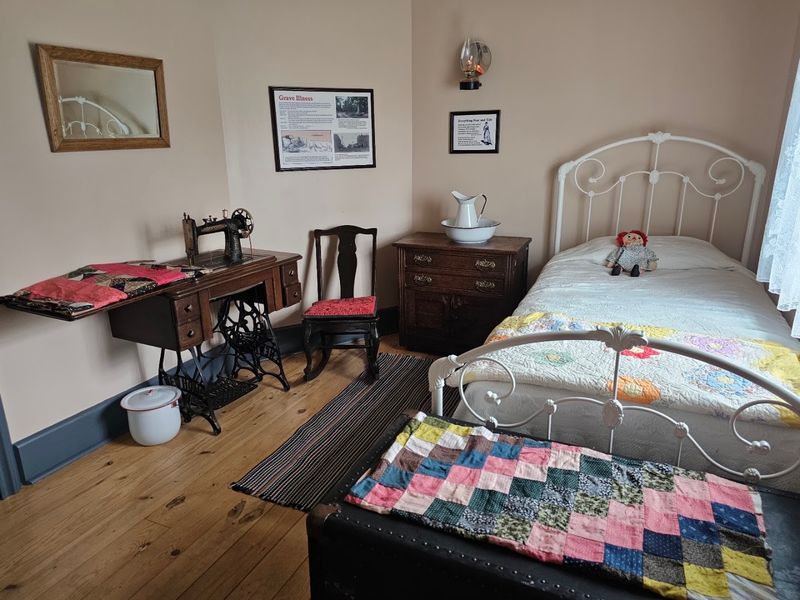
The dwelling is historic, but it is not a museum diorama you must tiptoe through. The restored second floor living area includes practical comforts such as a kitchen and a bathroom with a shower, alongside period furnishings.
Two bedrooms accommodate four adults, which fits the program’s team structure.
That balance between old and functional is part of the charm. You notice the bones of a nineteenth century workplace, yet you can still make breakfast without pretending to be uncomfortable for authenticity.
Preservation here feels thoughtful rather than theatrical. Pack with shared space in mind, especially for two weeks. Soft bags, tidy habits, and a willingness to coexist gracefully will make the quarters feel much larger than the floor plan suggests.
Climb For The Lens And The View
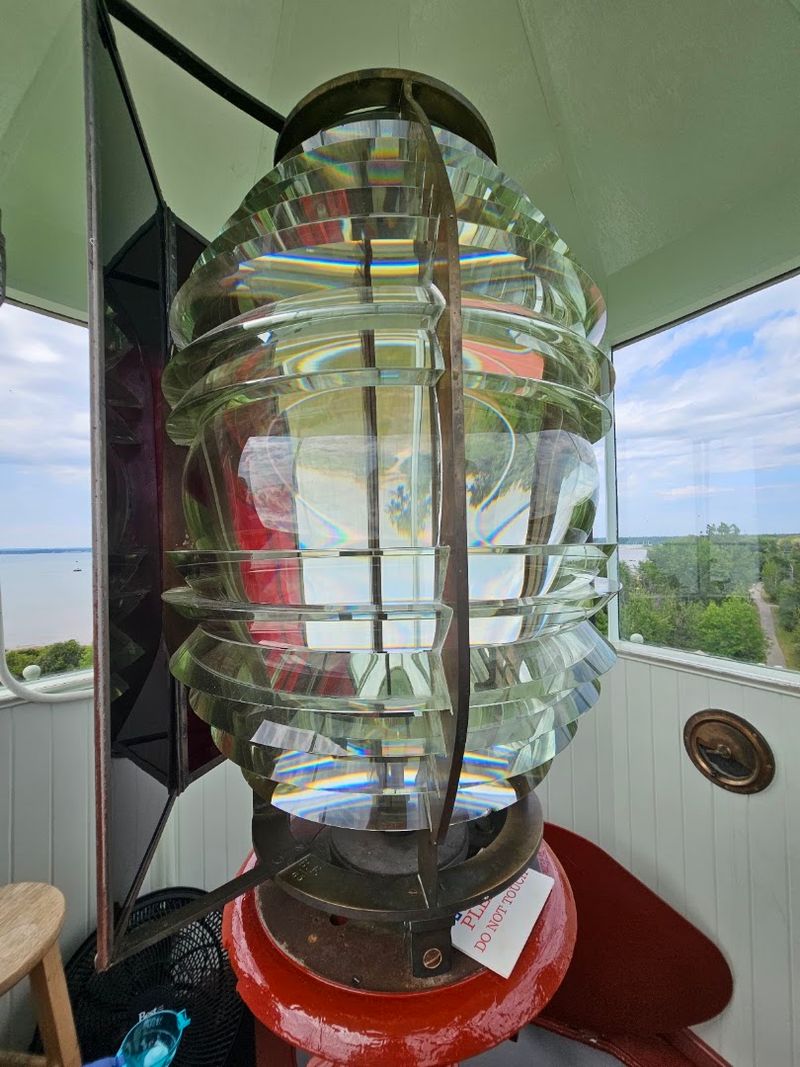
The climb up the tower is one of the clearest reminders that this place was built for work before it became a destination. Visitors generally talk about the steps because the ascent is memorable, and current site information commonly notes 85 steps to the lantern room.
Shoes are important if you plan to climb. At the top, the preserved original Fourth Order Fresnel lens is the real showstopper. It is not just pretty glass.
It is the optical heart of the station and a direct link to the era when this lighthouse actively guided ships.
Give yourself time to look outward too. Tawas Bay and Lake Huron spread in different moods from that height.
Pay Attention To The Shifting Sand
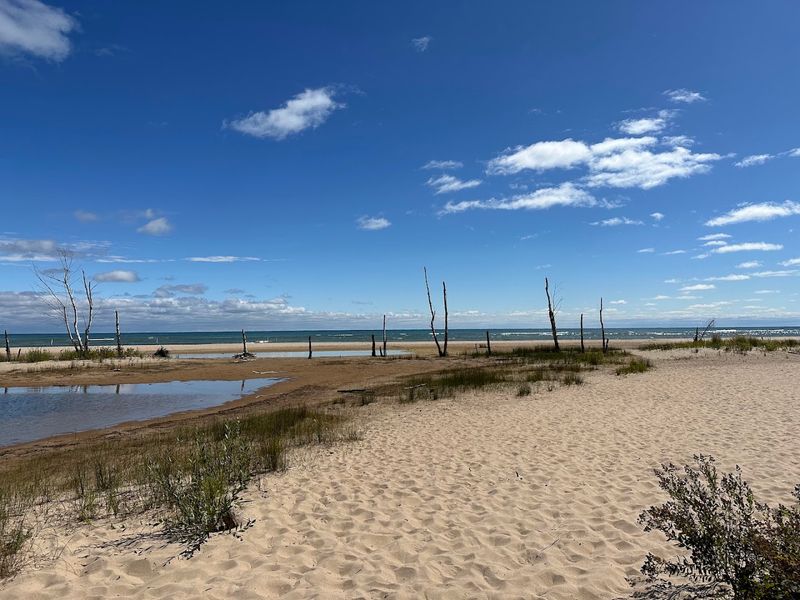
Tawas Point makes more sense once you notice that the land itself is still in motion. The sandy point has lengthened over time through accretion, which is why the original 1853 lighthouse eventually became poorly positioned and a new one was built in 1876.
Geography, here, rewrote architecture. That fact changes the mood of a visit. The lighthouse stops being a fixed postcard object and starts reading as a response to an active shoreline.
Even the nickname, the Cape Cod of the Midwest, feels less cute and more descriptive when the wind is moving sand underfoot.
Walk the point slowly and look outward. The landscape explains the history as clearly as any sign panel ever could.
Use The Park Around The Lighthouse Well
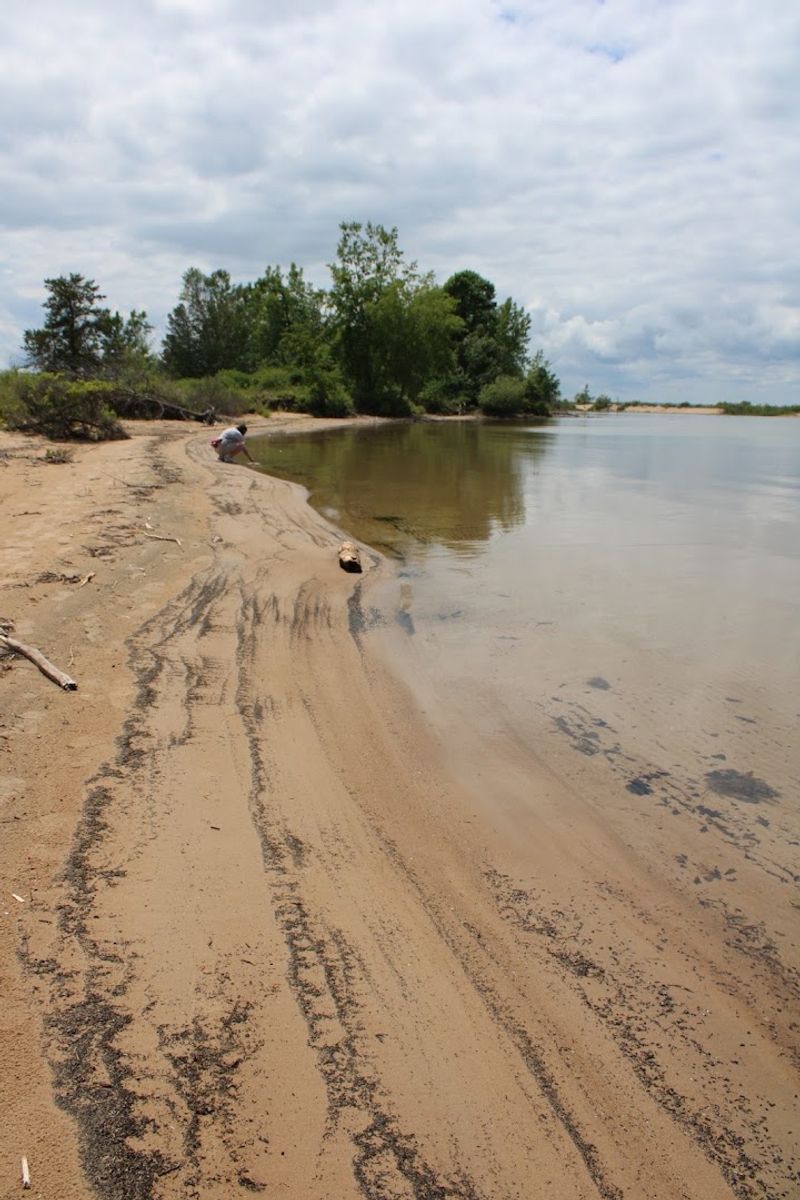
The lighthouse sits inside Tawas Point State Park, and that setting matters as much as the tower itself. When duty hours end, you are not trapped inside a history lesson.
You have access to beaches, trails, and the broader rhythms of a very appealing state park on Lake Huron.
The swimming beach on Tawas Bay is known for relatively shallow, often warmer water, which makes the contrast with the exposed point especially interesting. One side can feel brisk and wide open, the other easygoing and almost domestic.
That split personality is part of the place’s charm. Build unscheduled time into your stay. The best moments here often happen between assignments, while wandering from shoreline to shoreline.
Plan Around Tour Hours And Access Rules
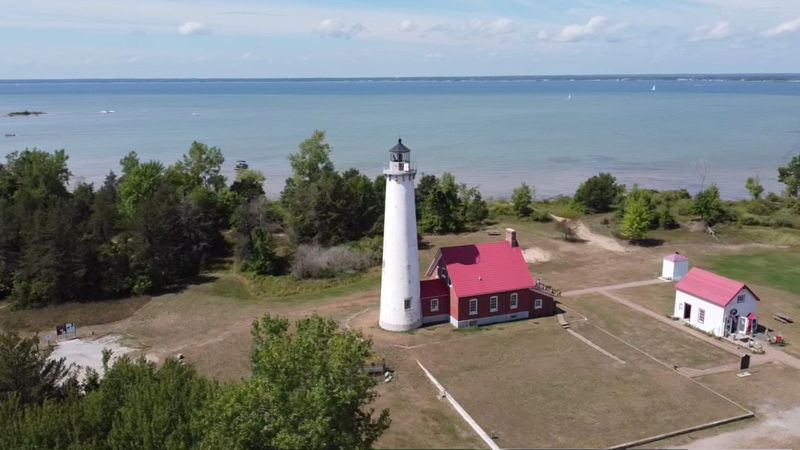
A little logistics work will make your stay much smoother. Public lighthouse hours are typically limited rather than all day, commonly opening around noon, with slight day to day differences during the season.
Because this is a historic site inside a state park, access also involves park entry considerations and tour timing.
Weekends can feel busier, especially near the lighthouse parking area, so patience helps. If you are arriving as part of the keeper program, confirm operational details directly with the managing organization instead of relying on assumptions from another season.
Historic sites are precise creatures. I would also keep practical footwear handy. Climbing rules and tower access expectations are easier when you arrive prepared, not improvising in beach sandals.
Treat Bird Migration As Part Of The Experience
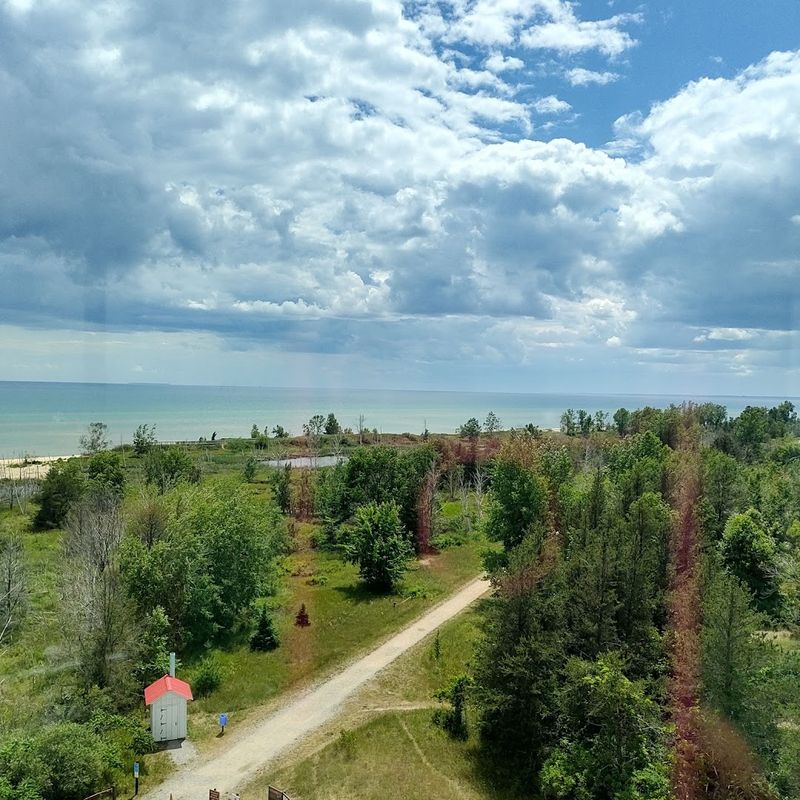
Even if you are not a dedicated birder, migration season changes the whole atmosphere of Tawas Point. The state park is widely recognized as an important stopover for birds in spring and fall, and that gives the lighthouse an added layer of motion and sound.
The sky can feel unexpectedly busy. This matters because the keeper experience is not only maritime. It is also ecological, shaped by the narrow point, the lake, and the habitats that gather along the shoreline and wooded sections of the park.
You start noticing warblers, shorebirds, and hawks simply by paying attention. Bring binoculars if you have them. If not, bring stillness. At Tawas Point, stillness is often enough to make the natural drama legible.
Stay For Both Ends Of The Day
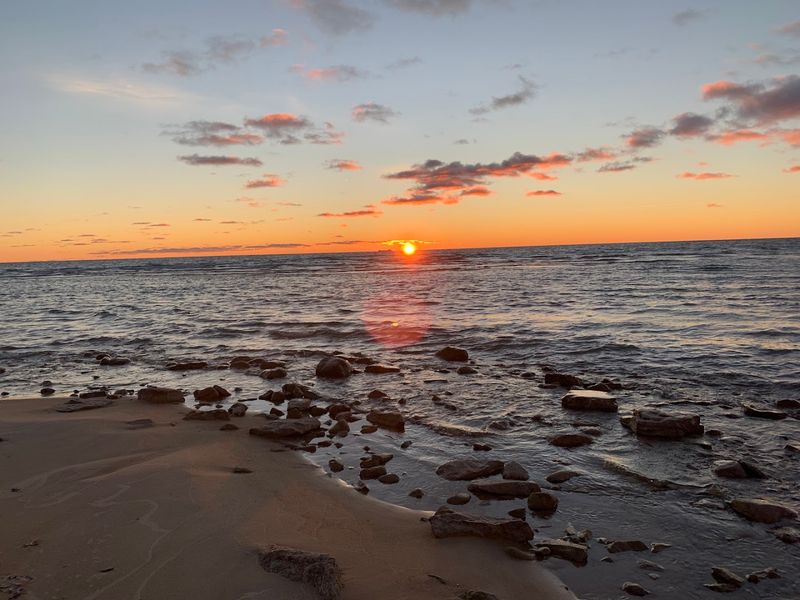
Some places are morning places, and some belong to evening. Tawas Point has the slightly unfair advantage of rewarding both.
Because of its position between Lake Huron and Tawas Bay, you can catch a bright sunrise mood and later watch the softer colors slide across the bay at day’s end.
That double performance makes the keeper schedule feel richer, not more crowded. Early light sharpens the lighthouse and shoreline into crisp lines, while evening tends to blur everything into calmer shapes.
The same landscape seems to change temperament without moving an inch. Set aside at least one day to do almost nothing except notice the transitions. The point is especially convincing when you let time, not itinerary, organize the experience.
Remember That The History Is Still Working
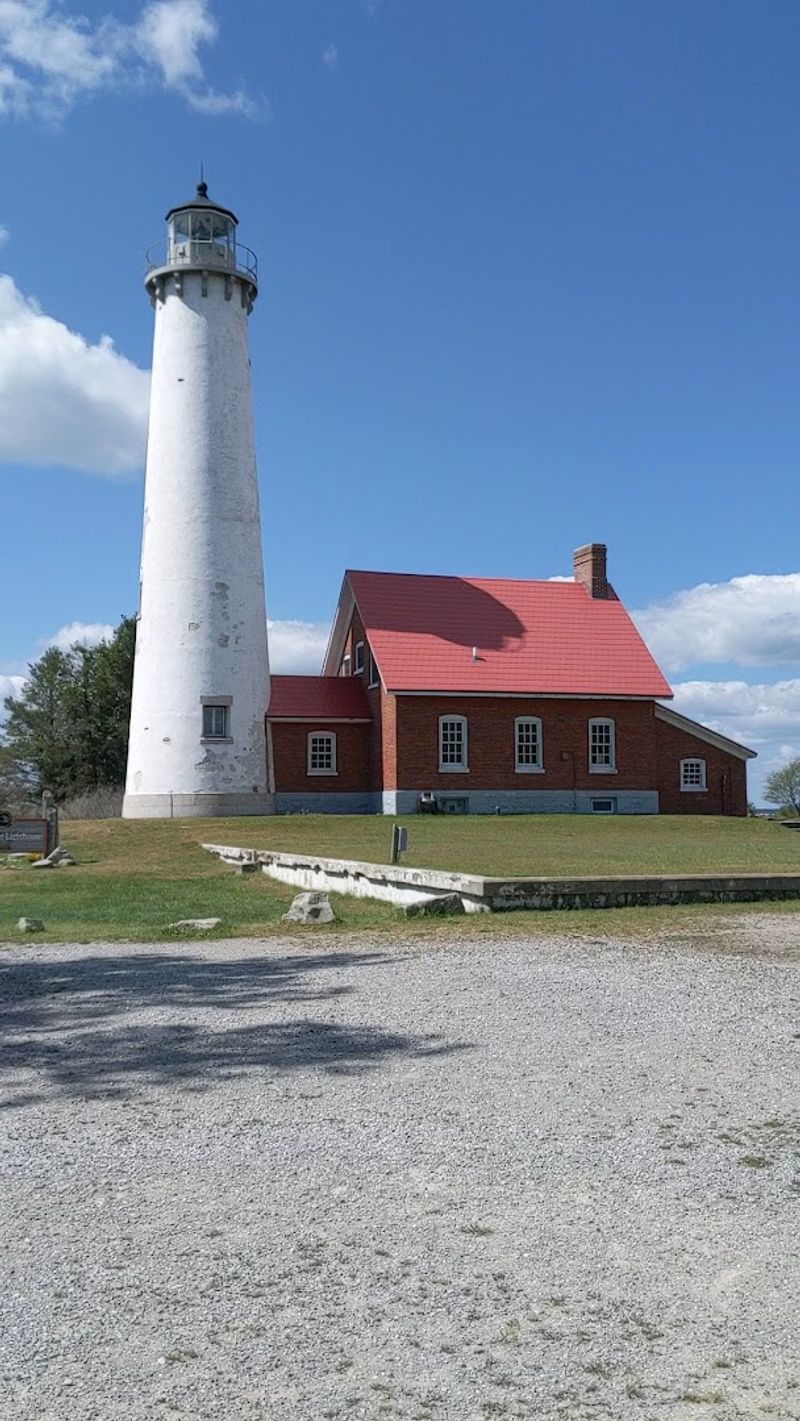
The most satisfying thing about Tawas Point Lighthouse is that its history does not feel sealed behind glass. Built in 1876 after the earlier lighthouse became obsolete, the station still teaches through layout, materials, and preserved structures on the grounds.
You can read the site almost like a practical manual from another century.
The conical brick tower, attached dwelling, and surviving support buildings show how lighthouse life relied on systems, not romance alone. Even though the original light was decommissioned in 2016, the place continues doing interpretive work with unusual clarity.
Preservation here has purpose. Go with curiosity rather than nostalgia. You will leave with something better than a quaint impression, namely a working understanding of how this shore once stayed navigable.