
You Can Dig Through A Private Ore Pile At This Michigan Copper Mine And Keep What You Find
Somewhere in the Upper Peninsula, the ground still holds copper that has been waiting since before anyone thought to call it a state.
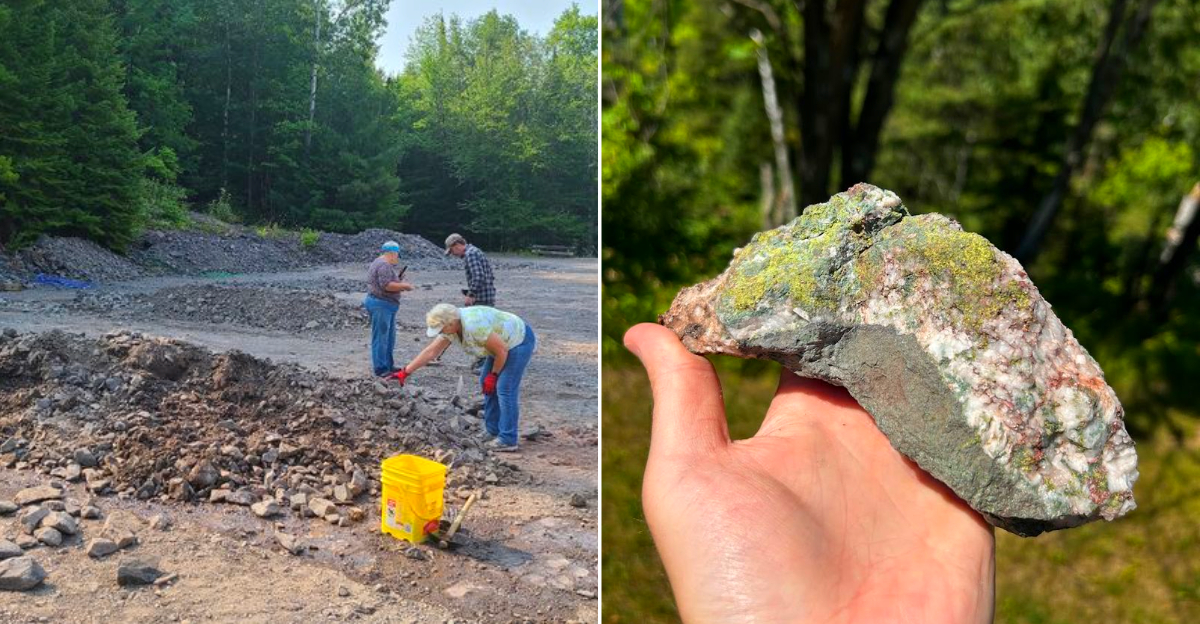
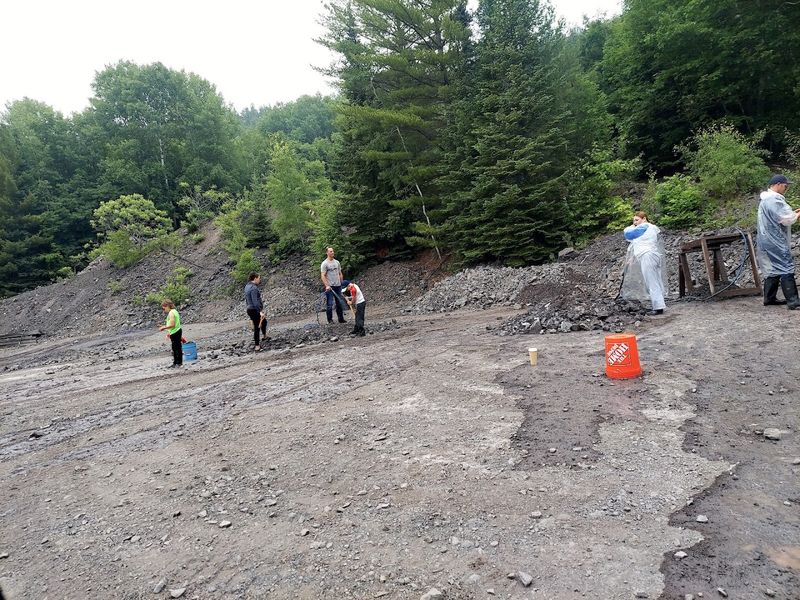
At the base of a mine shaft that operated for decades before closing, visitors can take a shovel plus a bucket to a private ore pile left behind by the last crew to work these tunnels. You swing, you sift, plus when a glint of native copper catches the light, it belongs to you.
No screening machines, no conveyor belts, just your hands plus the patience to keep turning rocks until something metallic stares back. The mine offers guided tours underground where you can see the original drill marks in the walls, but the ore pile is where people spend most of their afternoon.
Digging through raw ore at a private mine is the kind of experience that makes you look at the ground differently in Michigan.
Follow The Mine Directions Exactly
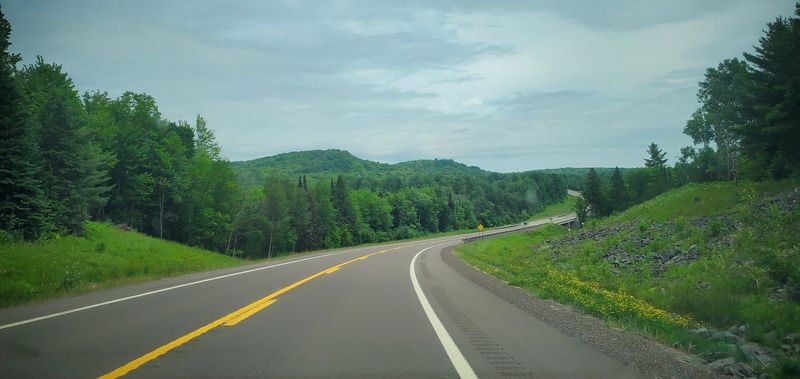
The approach to Caledonia has a small dramatic streak, and that is best handled with patience rather than blind trust in a phone map. The mine advises visitors not to rely only on GPS, since it can send you toward closed roads or rough ATV routes. That warning is worth taking seriously.
The better approach is through Mass City or Greenland, then onto the mine rock road for the final stretch. It is maintained, but it is still a heavy-duty equipment zone and ATV trail, so higher-clearance vehicles feel more comfortable.
I would arrive unhurried, keep an eye on landmarks, and treat the drive as part of the excursion rather than an inconvenience.
Reserve Before You Go
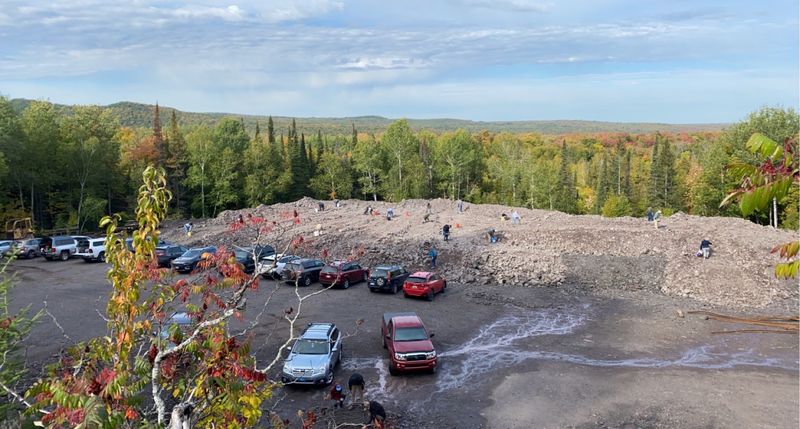
Caledonia Copper Mine is at 300 Caledonia Road near Mass City, Michigan, in the wooded hills of Ontonagon County. The property is roughly 20 minutes from Ontonagon and 40 minutes from Houghton, so keep the complete rural address active after leaving the main highway.
The final approach follows smaller back roads into the Flint Steel River valley, where commercial landmarks become scarce and the mine property sits against the mountainside.
Call ahead before making the drive, since fee digging is arranged in advance rather than offered as a guaranteed walk-in activity.
Follow the property signs to the designated parking and check-in area before entering the tailings pile. Visitors dig independently, must supply their own tools, and should follow all instructions given by mine staff upon arrival.
Dress Like You Plan To Work
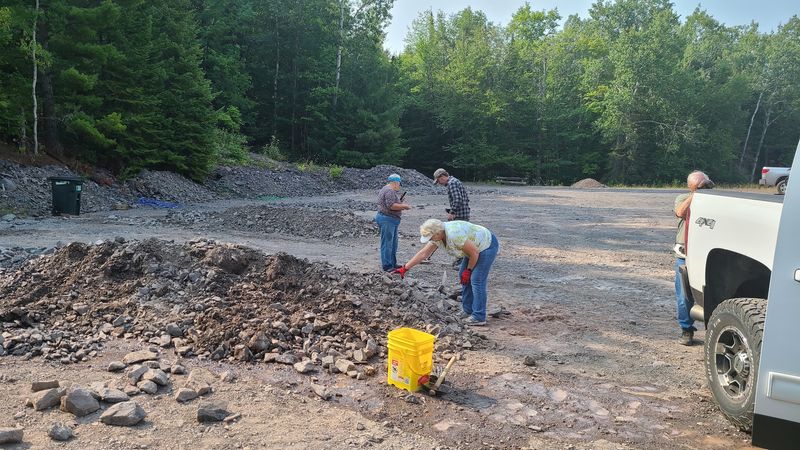
This is a hands-on site, not a spotless interpretive center, so clothes should be chosen with dirt, sharp edges, and weather in mind. Closed-toed shoes and eye protection are required, and both make immediate sense once you start handling broken rock.
Gloves are not mandatory, but they quickly become one of the smartest things you bring.
The mine provides some essential tools for most ore piles, including a finhoe, hand rake, bucket, and running water. Many visitors also bring extra buckets, snacks, and weather layers to stay comfortable through the morning.
A little practical planning keeps your attention on the rocks instead of on tired hands or damp socks.
Bring A Metal Detector If You Can
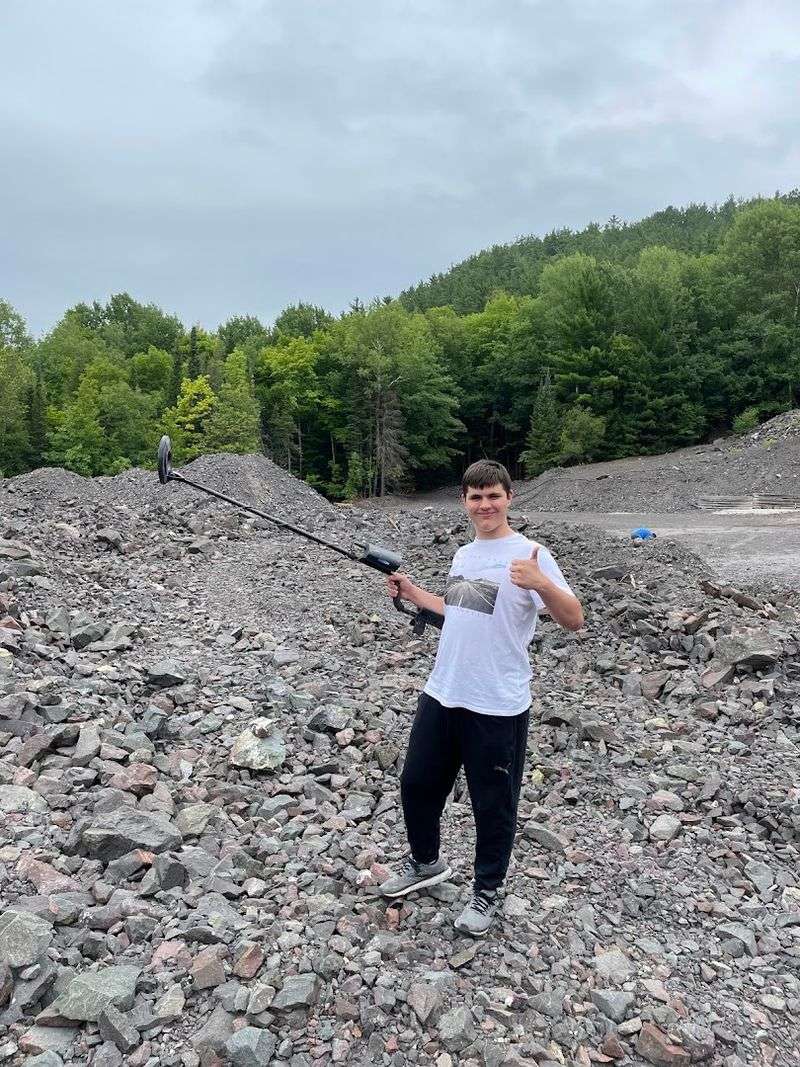
Among all the optional gear, a metal detector is the one item that can noticeably change the rhythm of the search. Native copper often gives the clearest signal, which helps separate promising pieces from the general clatter of basalt and rubble.
Even a pinpointer can make the digging feel more methodical. A detector also encourages slower, more deliberate movement across the pile, especially when signals repeat in one area.
Marking those spots before digging can prevent rushed decisions and make comparisons easier, particularly when several dense, dark rocks begin looking identical.
That said, the experience does not depend on electronics, and plenty of people still find good material by eye and patience alone. Staff can explain what copper tends to look like and how to work a pile efficiently.
I like places where a simple tool sharpens attention rather than replacing it, and this is one of them.
Learn What Native Copper Really Looks Like
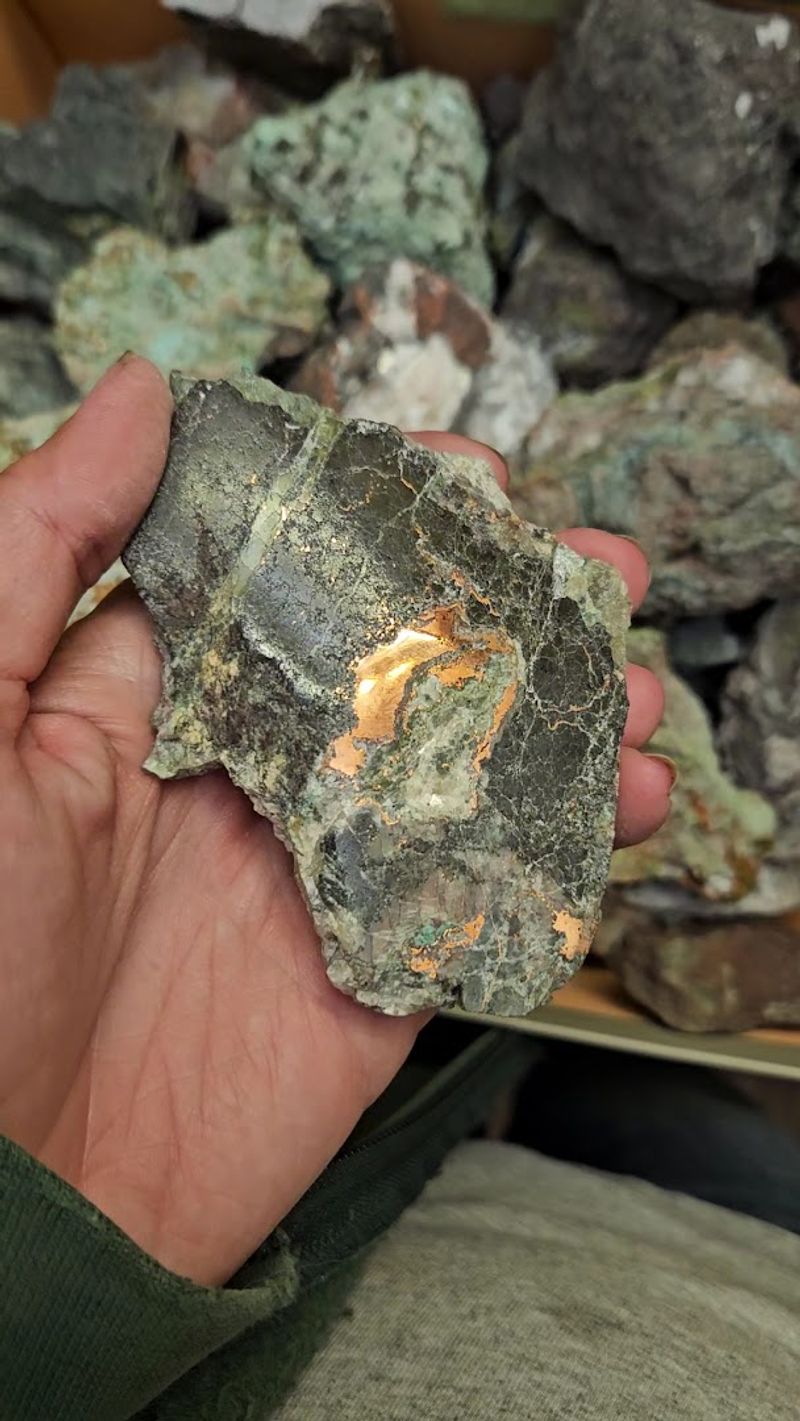
The star find here is native copper, but it does not always arrive looking like a gift-shop display piece. Sometimes it flashes a warm penny color, and sometimes oxidation pushes it toward blue-green tones that can fool an inexperienced eye.
Shape is often the better clue, especially jagged protrusions that look unlike the surrounding host rock.
Wet rock can reveal color and texture more clearly, which is one reason the running water on site is helpful. Staff guidance matters, too, because a quick explanation can save you from overlooking something excellent.
A small hand lens can also help separate metallic copper from mineral staining, while turning each promising fragment under natural light may reveal reflective surfaces, branching forms, or dense weight that make a specimen worth setting aside for closer inspection.
Once you understand the visual language of copper, the pile starts reading less like rubble and more like possibility.
Keep An Eye Out For Datolite And Silver
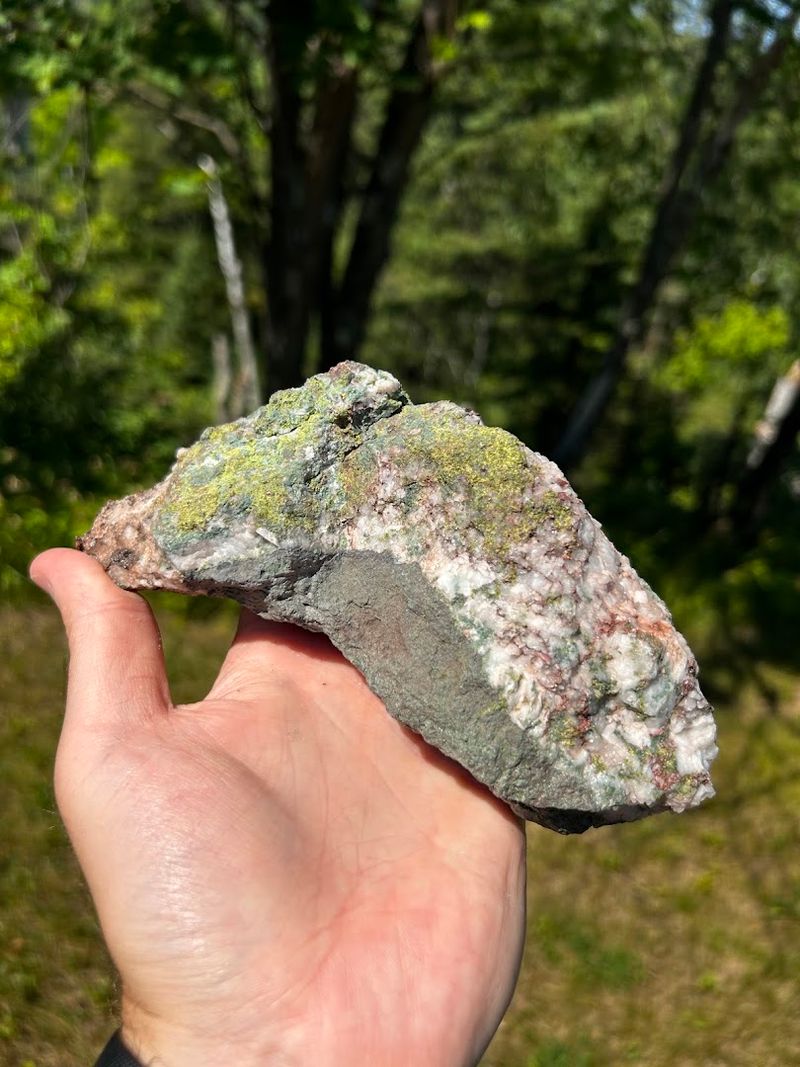
Copper gets the headlines, yet some of the most intriguing moments come from rocks that ask for a second look. Datolite is especially prized here, often appearing as bumpy, cauliflower-shaped nodules that look modest until they are cut.
In the right specimen, the interior can reveal striking color.
Silver is less common but still possible, often associated with green and white mineral combinations in the ore. Quartz, calcite, and epidote also turn up, adding variety that makes the digging feel more geological than purely treasure-driven.
The pleasure lies partly in learning that a pile of mine rock can hold several stories at once, not just one shiny answer.
Take The History Seriously
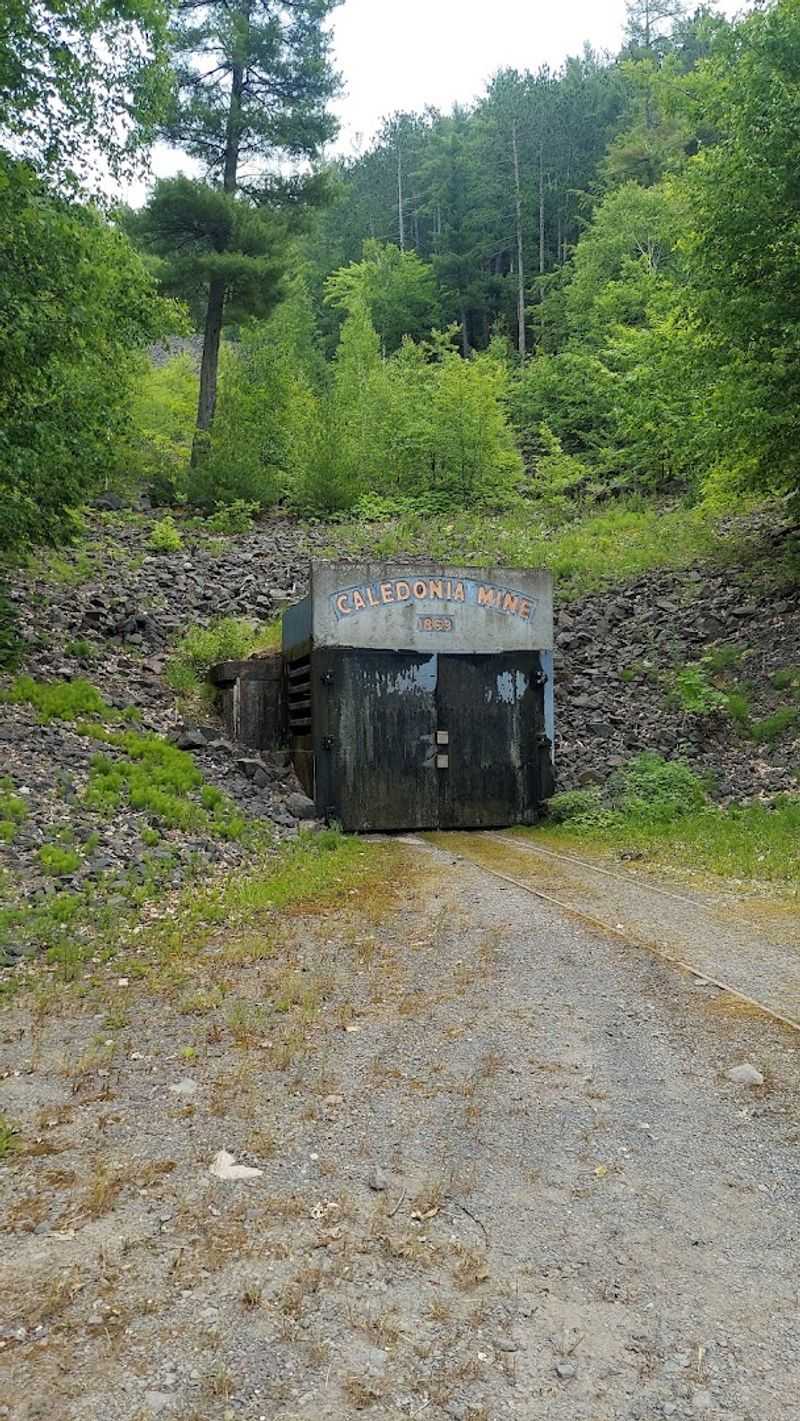
Caledonia rewards curiosity because the site sits inside a much longer human story than a half-day dig might suggest. Mining here began in 1863, but ancient peoples worked the property thousands of years earlier, leaving pits and stone tools behind.
That fact changes the emotional scale of the place. The surrounding Mass area also ties into productive lodes including the Evergreen, Butler, and Knowlton.
In the 1870s, Captain Martin reportedly removed a single copper mass weighing about 40 tons, which is the sort of detail that snaps regional history into focus.
I found that the ore pile felt more meaningful once the landscape stopped being anonymous rock and became documented ground.
Notice How Mass City Grew From Copper
The mine does not stand apart from local culture so much as explain it. Mass City itself traces its identity to the mass quantities of copper discovered in 1848 by Noel Johnson, an escaped slave, and that origin gives the district a grounded historical weight.
The landscape feels inhabited by labor, luck, and endurance.
Today the commercial mining boom is gone, yet the legacy still shapes how the area presents itself to visitors. A family-run operation like Caledonia keeps that connection practical instead of purely nostalgic, letting people handle the region’s geology directly.
It is one of those rare attractions where entertainment and place-based history actually strengthen each other.
Use The Morning Wisely
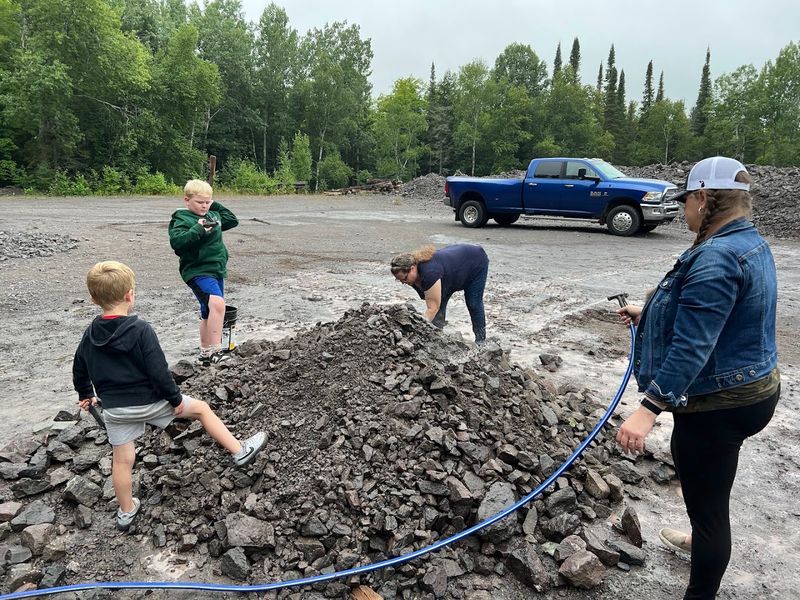
A four-hour digging window sounds generous until you begin sorting, washing, scanning, and second-guessing every promising rock. The site usually runs from 9:30 a.m. to 1:30 p.m., which creates a natural rhythm: early orientation, active searching, then a more selective final pass.
The people who do best tend to settle into that pace.
Parking beside the piles makes loading and unloading easy, and it also helps if anyone in your group needs a quick break. There is a portable restroom and a picnic area on site, which keeps the outing practical without diluting its rough-edged charm.
Starting organized usually matters more than starting fast.
Ask About Cutting And Polishing
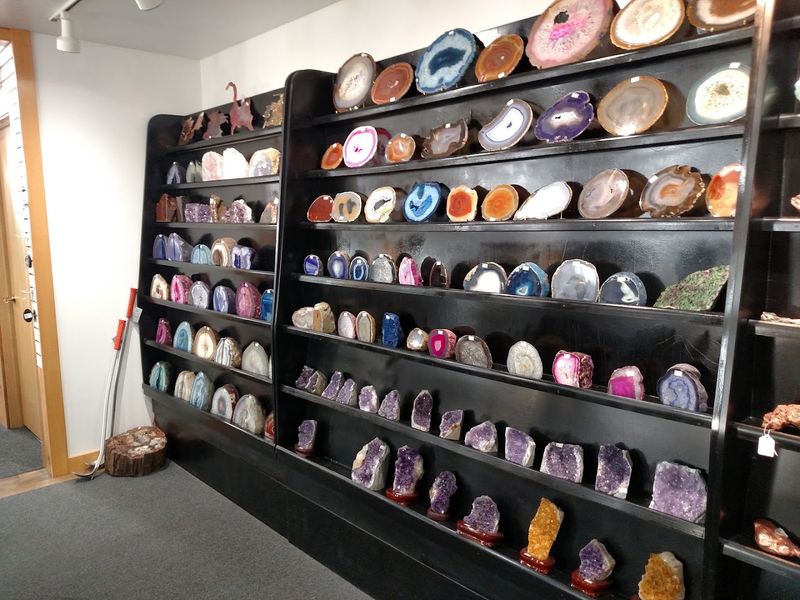
Some of the best finds at Caledonia do not fully announce themselves in the field. A rough datolite nodule, in particular, can look plain until it is cut open, which is part of why the mine’s cutting and polishing service is so appealing.
It turns speculation into evidence. That service also adds a nice bridge between outdoor digging and long-term memory, because the finished piece often reveals colors and structures hidden beneath weathered surfaces. Copper-bearing rocks, too, can become more legible once cleaned and shaped.
I appreciate that the site does not end with collection alone but offers a way to understand what you actually brought home.
Treat It As More Than A Souvenir Hunt
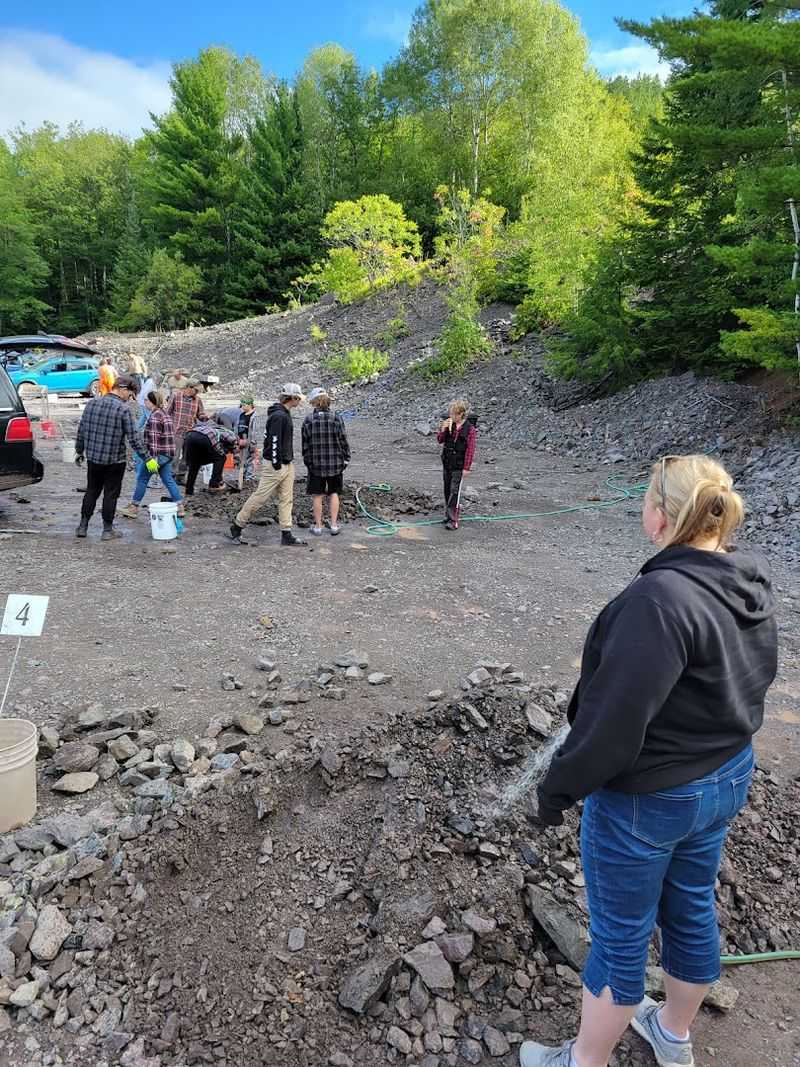
The obvious appeal is that you get to keep what you find, and that simple rule gives the morning real momentum. Yet the deeper charm is how quickly the place shifts from novelty to attention training.
You start by looking for copper, then notice texture, color, weight, fracture, and the old industrial logic of the ground itself.
Because the experience is private, hands-on, and rooted in actual mining history, it feels more substantial than many family attractions. There is room for excitement, but also for quiet concentration and small geological revelations.
Caledonia leaves you with rocks, certainly, though the more lasting takeaway may be a sharpened way of seeing.