
You Can Hunt For Glowing Yooperlites Along The Lake Superior Shoreline In Michigan
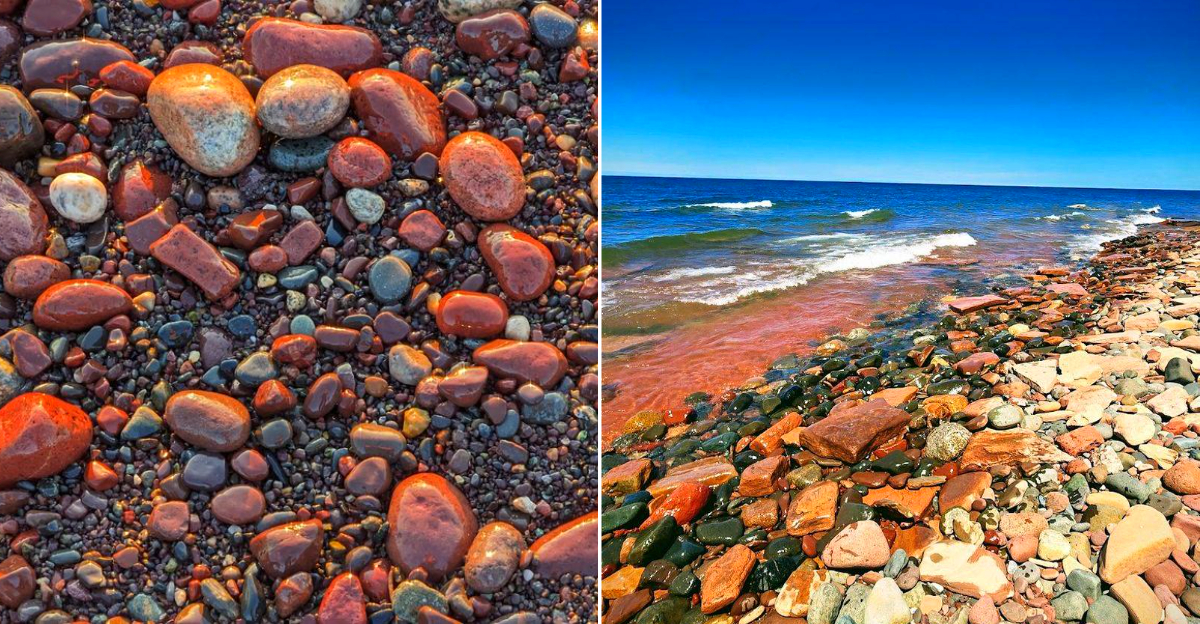
The sun drops behind the treeline and the beach turns dark, but your flashlight tells a different story. One sweep across the shoreline and suddenly the rocks under your feet are glowing orange and yellow like someone flicked a switch inside them.
Yooperlites are syenite rocks enriched with fluorescent sodalite, first identified on Lake Superior beaches in 2017, and they turn an ordinary evening walk into something that feels like treasure hunting on another planet.
The state park where you hunt them sits on two miles of shoreline along the coldest of the Great Lakes, making it one of the best places in Michigan to search for these glowing stones.
Standing on that dark beach with glowing stones scattered around your feet feels like discovering a secret the lake has been keeping for a billion years.
Bring The Right UV Light
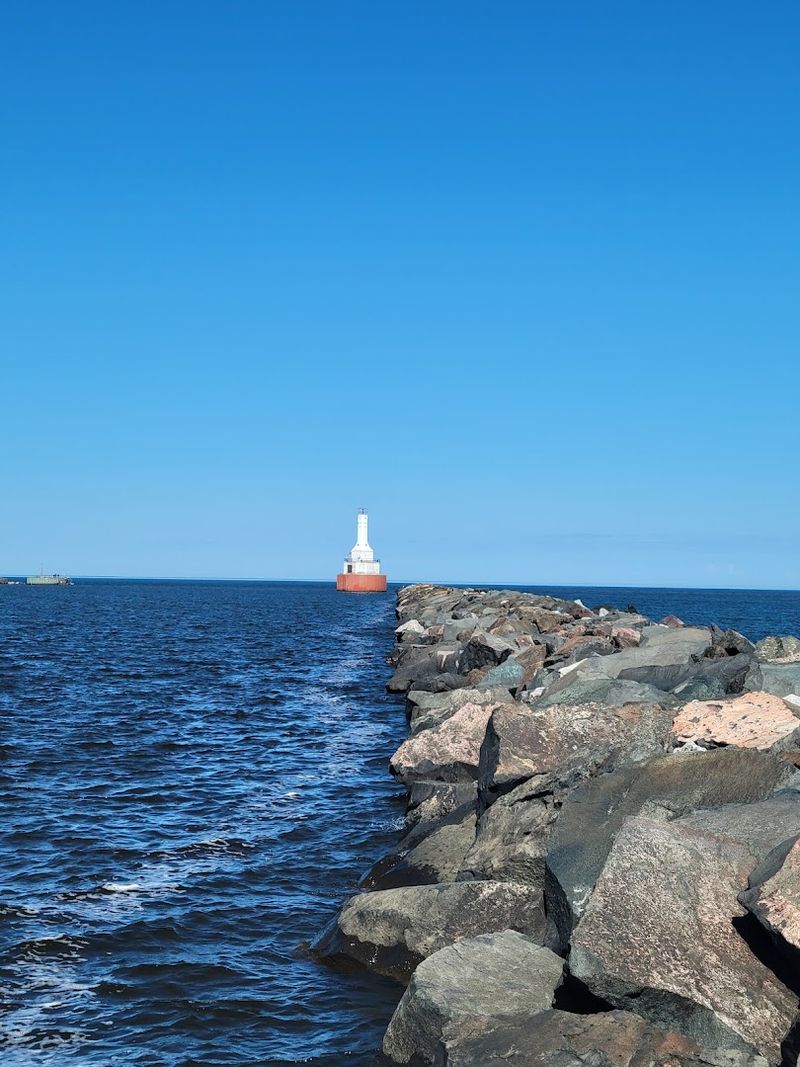
The odd little secret of Yooperlite hunting is that not all blacklights are equally useful. A filtered 365nm UV flashlight is the tool that reliably makes sodalite glow, while broader 395nm lights are usually less effective on this shoreline.
That difference sounds technical until you are standing on wet stones wondering why nothing looks magical.
At McLain, a separate white light is just as important because the UV beam is for spotting, not walking. Add sturdy footwear, a mesh bag, and UV400 glasses if you plan to scan for a while.
Good gear does not make the beach less wild, but it does make the experience feel deliberate instead of clumsy.
Sunset Has A Two-Mile Address
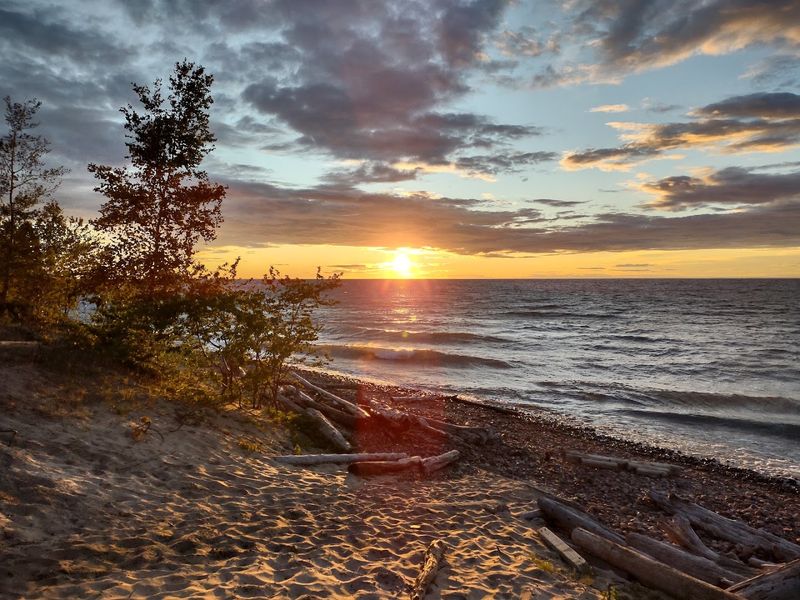
F.J. McLain State Park is at 18350 M-203 in Hancock, Michigan, along Lake Superior between Hancock and Calumet.
Follow M-203 north from Hancock or south from Calumet and use the signed state park entrance as the arrival point.
The final approach stays wooded until the park signs open onto the lakeshore property. Continue through the entrance station, where the campground, day-use beach, picnic areas, and shoreline access branch off along separate internal roads.
Use the designated lot nearest your destination, then follow park signs toward the beach or trails. A Michigan Recreation Passport is required for vehicle entry, and campers should continue to the campground registration area before settling into a site.
Work The Waterline Slowly
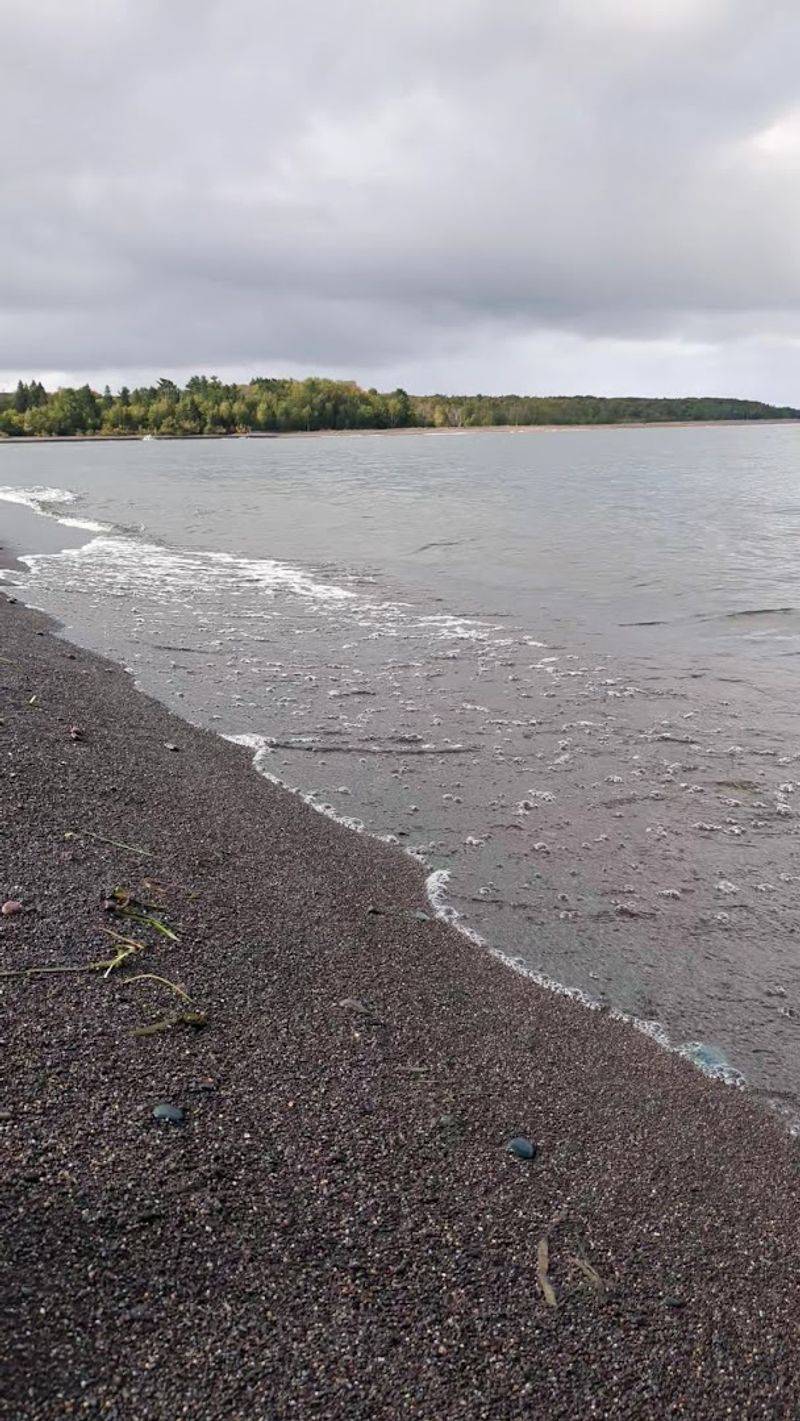
Wet stones near the waterline are where the hunt becomes wonderfully obsessive. Waves keep shifting material along the shore, and that freshly turned band of rock is where Yooperlites can stand out best under ultraviolet light.
Instead of marching quickly, sweep the beam in short arcs and let your eyes adjust to the rhythm of dark, shine, dark.
The beach rewards patience more than speed. I noticed that a rock glowing like a coal usually appeared after several minutes of nothing at all, which somehow made the find better.
Move carefully around slick stones and shallow edges, especially when Superior is active, because the shoreline here can change from easy to awkward in a few steps.
Choose Spring Or Fall If You Can
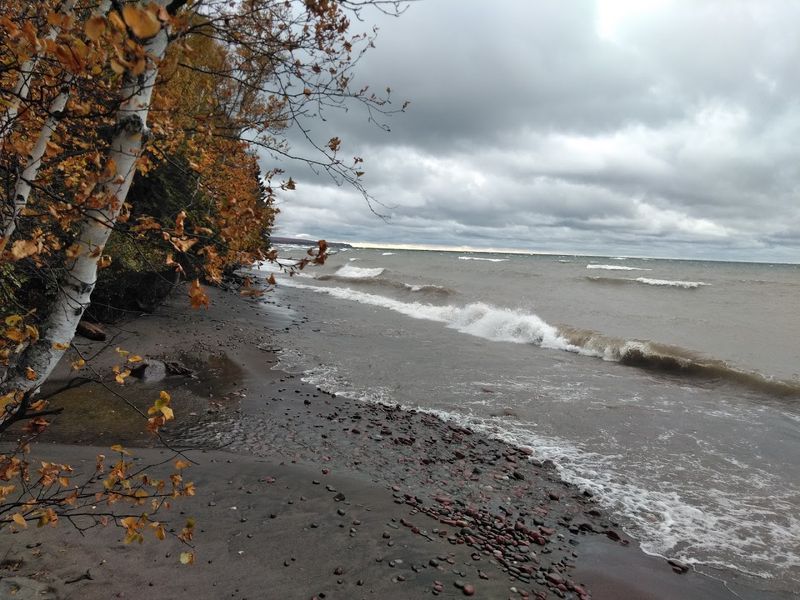
Season changes the whole character of this beach. Spring and fall are especially appealing because Lake Superior storms and ice movement can flip shoreline material, exposing fresh rocks and making the search feel newly stocked.
Those seasons also tend to bring fewer insects and a quieter mood, which suits an after-dark treasure hunt surprisingly well.
Summer can still work, but it often feels more social and less spare. If you like a little room around you, shoulder seasons are kinder.
The park remains beautiful in any month, though cooler air, stronger wind, and fewer distractions make the glowing stones feel even stranger, as if the shoreline briefly borrowed special effects from somewhere much farther north.
Respect The Park Rules And Limits
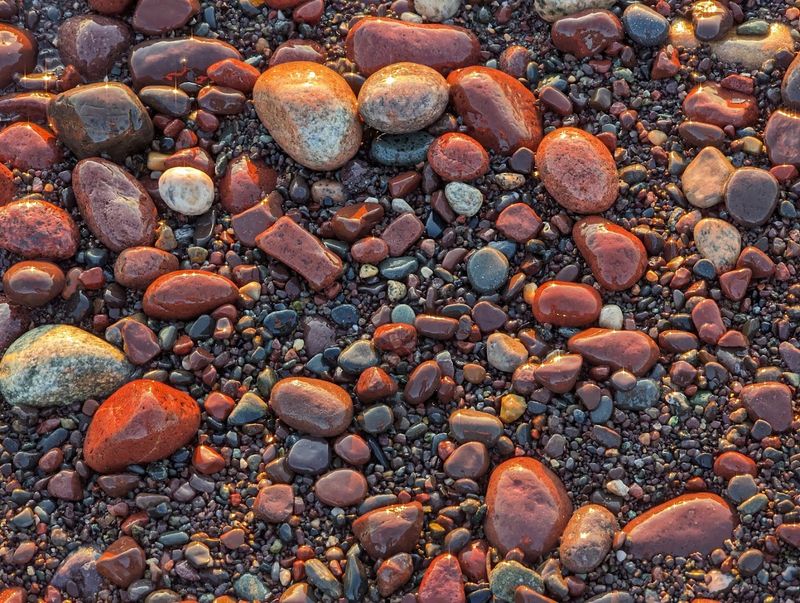
McLain feels generous, but it still has rules worth knowing before you start pocketing glowing stones. Michigan allows collecting up to 25 pounds of rocks per year from state-owned and public trust lands, and this park is a practical place to stay mindful about that limit.
Responsible collecting matters because the shoreline is the attraction, not just the souvenirs carried away from it.
Take a few favorites and leave the beach looking like a beach. That means avoiding unnecessary disturbance, staying aware of posted closures, and not treating every rock as fair game simply because it lights up.
The most satisfying hunts here never feel extractive. They feel observant, almost collaborative, with the lake offering a glimpse rather than a pile.
Notice The Geology Under The Magic
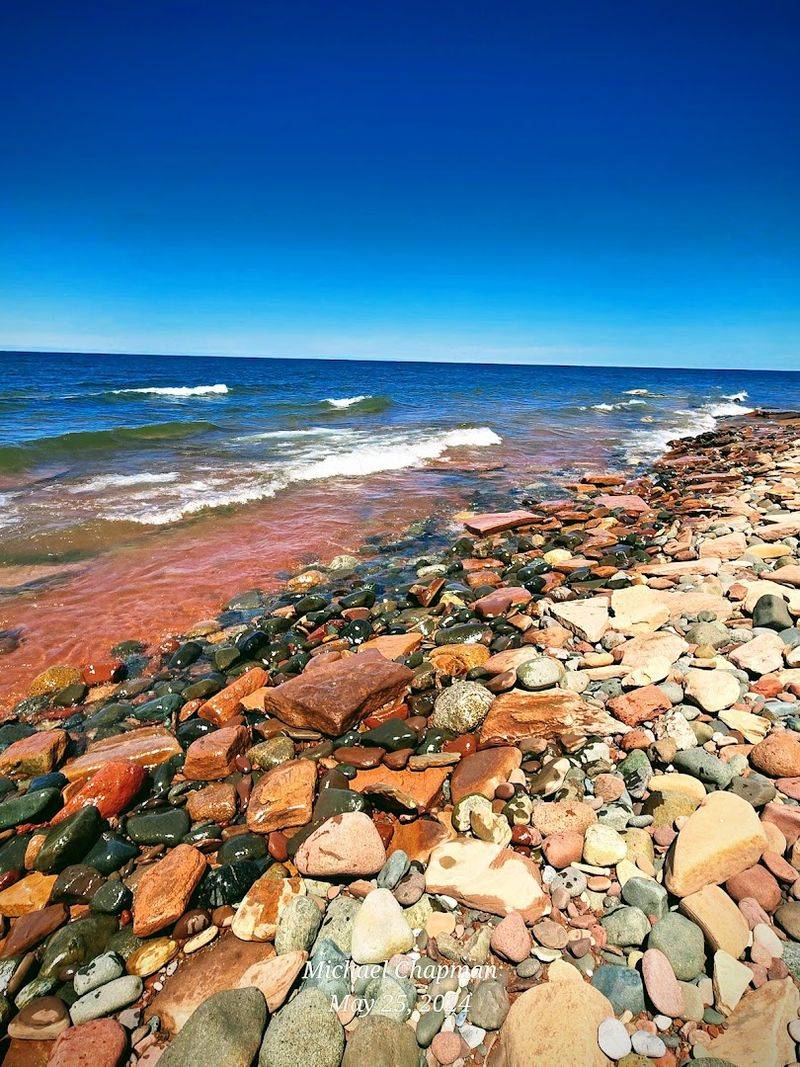
What makes the hunt interesting is that Yooperlites are not novelty props scattered for tourists. They are syenite rocks containing fluorescent sodalite, part of a much older geological story tied to the Keweenaw Peninsula and the Midcontinent Rift.
More than a billion years ago, volcanic activity helped shape the bedrock around this region, and long erosion eventually moved these materials into places where curious beach walkers can find them.
Knowing that history changes the mood of the search. The glowing effect is startling, but the rocks themselves are ancient and completely real.
At McLain, that tension between deep time and flashlight theatrics gives the shoreline a brainy kind of wonder that lingers after the novelty wears off.
Use The Park’s Easy Access To Your Advantage
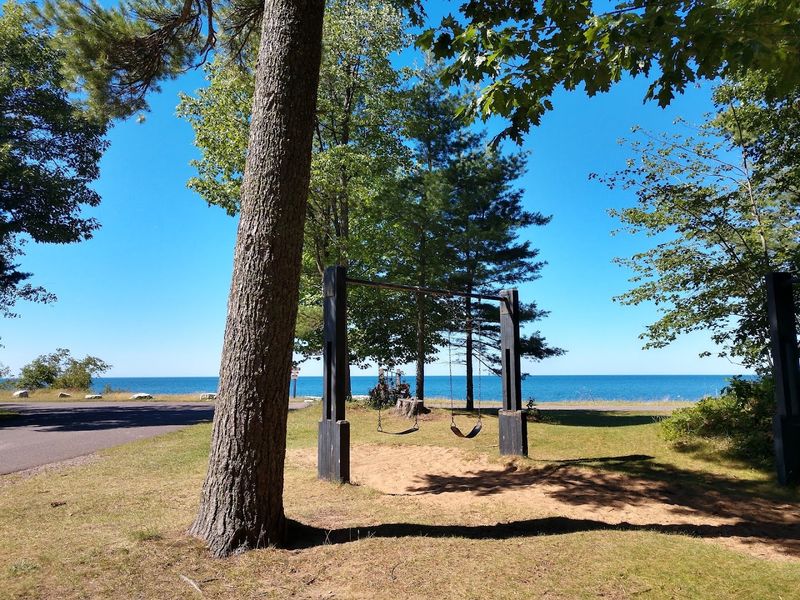
One of McLain’s strengths is that it does not make you earn the shoreline through a long approach. Parking, beach access, restrooms, and campground facilities are all part of a park layout that feels straightforward, which is helpful when your real challenge begins after sunset.
The easier the logistics, the more energy you can spend actually scanning rocks instead of fussing with the basics.
That convenience also makes the place good for a first Yooperlite outing. You can arrive, get oriented, watch the lake, and wait for darkness without feeling stranded.
I appreciate parks that do not confuse rugged scenery with inconvenience, and McLain gets that balance right. It feels open, maintained, and still honestly close to Superior’s cold edge.
Mind The Cold Water And Slippery Stones
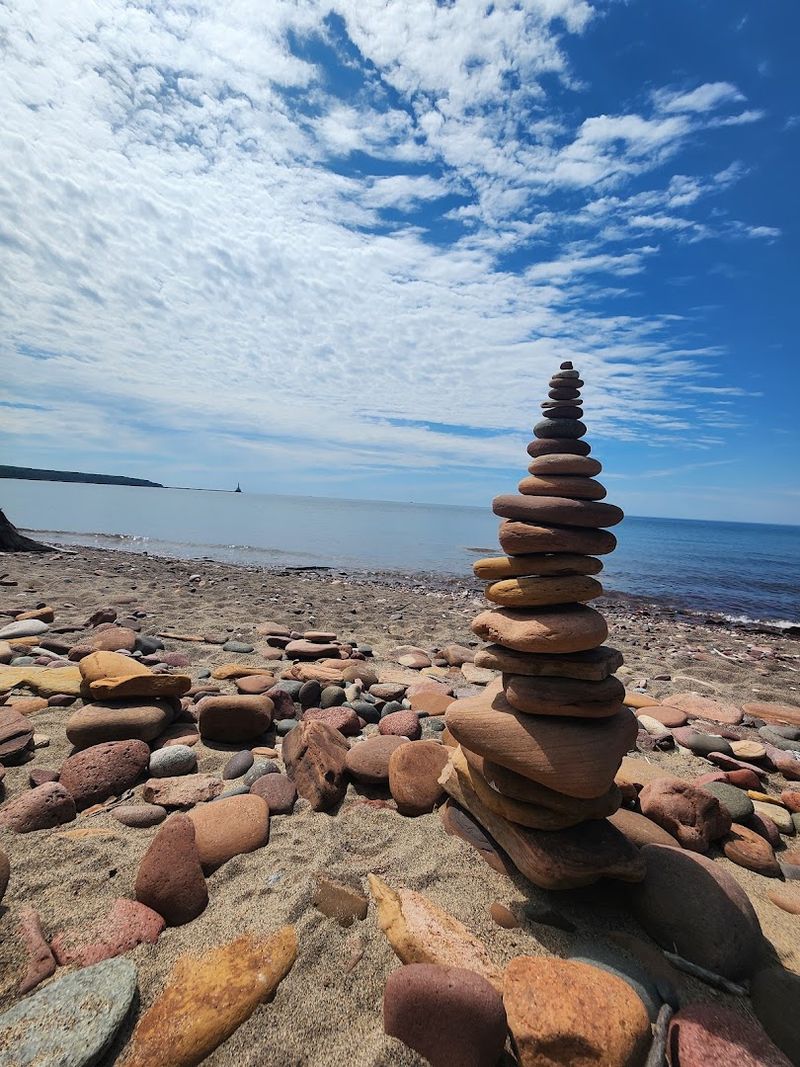
Lake Superior has a neat talent for looking inviting and feeling shockingly cold. At McLain, the shoreline mixes sand with rockier patches, and after dark those slick stones deserve more respect than they get in daylight.
Waterproof shoes or sturdy water shoes help a lot, especially if you drift toward the edge where waves have polished everything into a quiet hazard.
The practical mood of the place is part of its charm. This is not a manicured treasure course with perfect footing and theatrical markers.
It is a real beach with changing surfaces, wind, and water that can distract you if you chase every glow too eagerly. A slower pace keeps the evening pleasant and saves your attention for the rocks.
Stay For The Sunset, Then Hunt
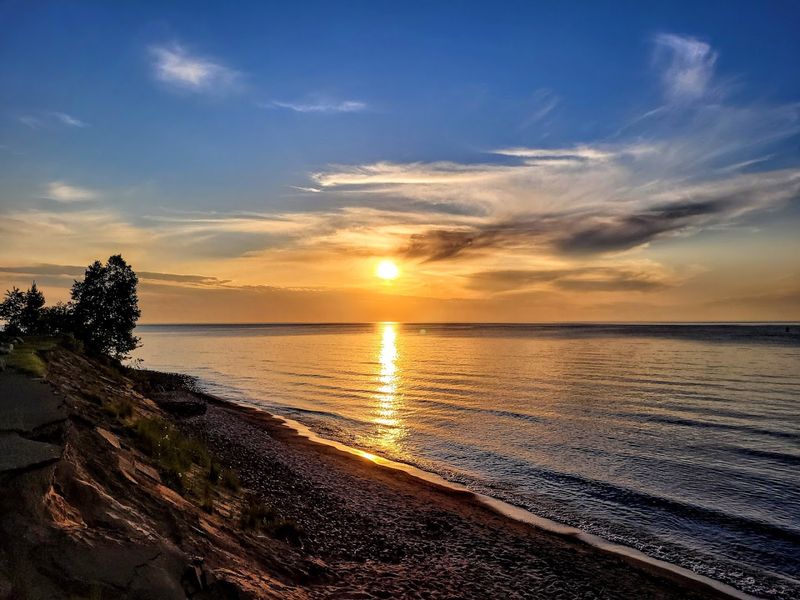
Sunset is not just a prelude here. McLain is a strong place to watch daylight drain out of Lake Superior, and that slow shift from gold to blue makes the later hunt feel earned rather than abrupt.
The park’s western views, open waterfront, and broad sky give you a natural transition into the night search without needing to rush.
There is also a psychological benefit to waiting through dusk. Your eyes adapt, the beach quiets, and the first fluorescent flash feels more dramatic against a darkened shoreline you have already watched transform.
If you build the evening this way, Yooperlites become part of a larger lake experience, not a gimmick detached from the place that produces them.
Expect More Than One Kind Of Rock
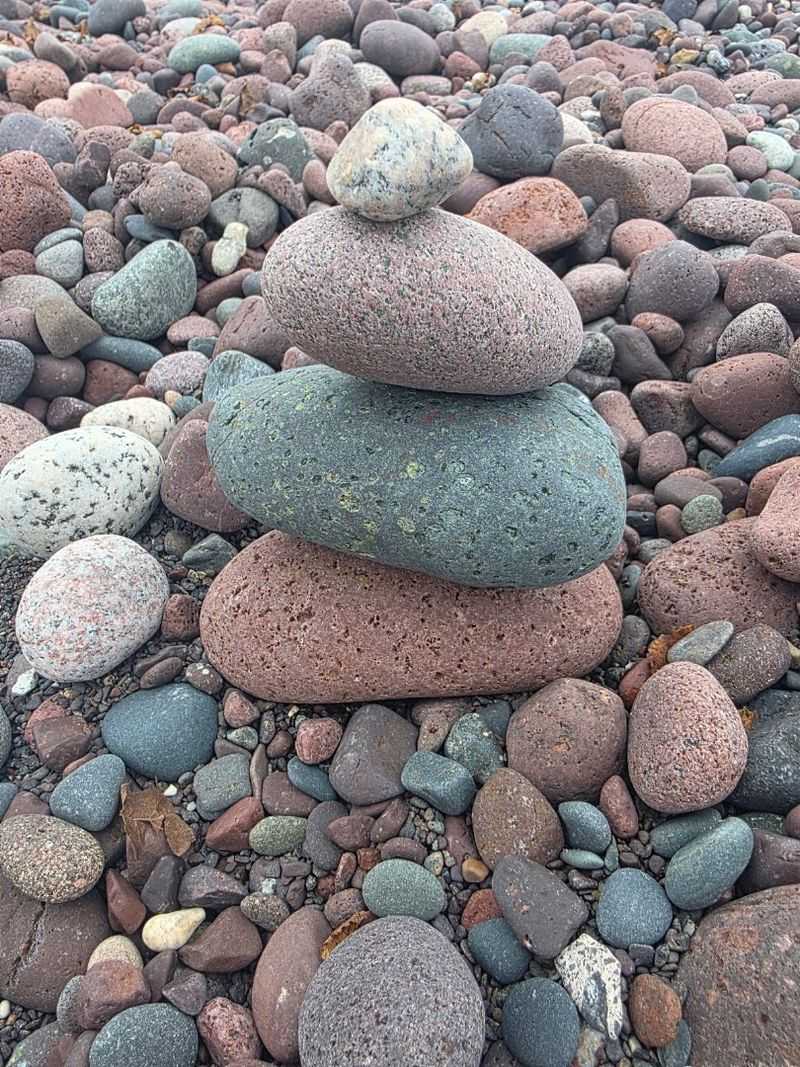
The Keweenaw is rich enough to distract you from your original mission, and McLain proves that quickly.
Even if you come looking specifically for Yooperlites, the shoreline can also turn up other interesting stones common to Lake Superior rockhounding culture, including agates and pieces of native copper in the broader region.
That wider context makes the hunt feel less like chasing a trend and more like learning how this coast presents itself.
You do not need expert credentials to enjoy that shift. A little curiosity goes a long way on this beach.
The pleasure is partly in noticing texture, weight, and color differences before the UV light ever enters the conversation, then realizing one ordinary gray stone has been keeping a fluorescent secret.
Treat It As A Night Walk With A Purpose
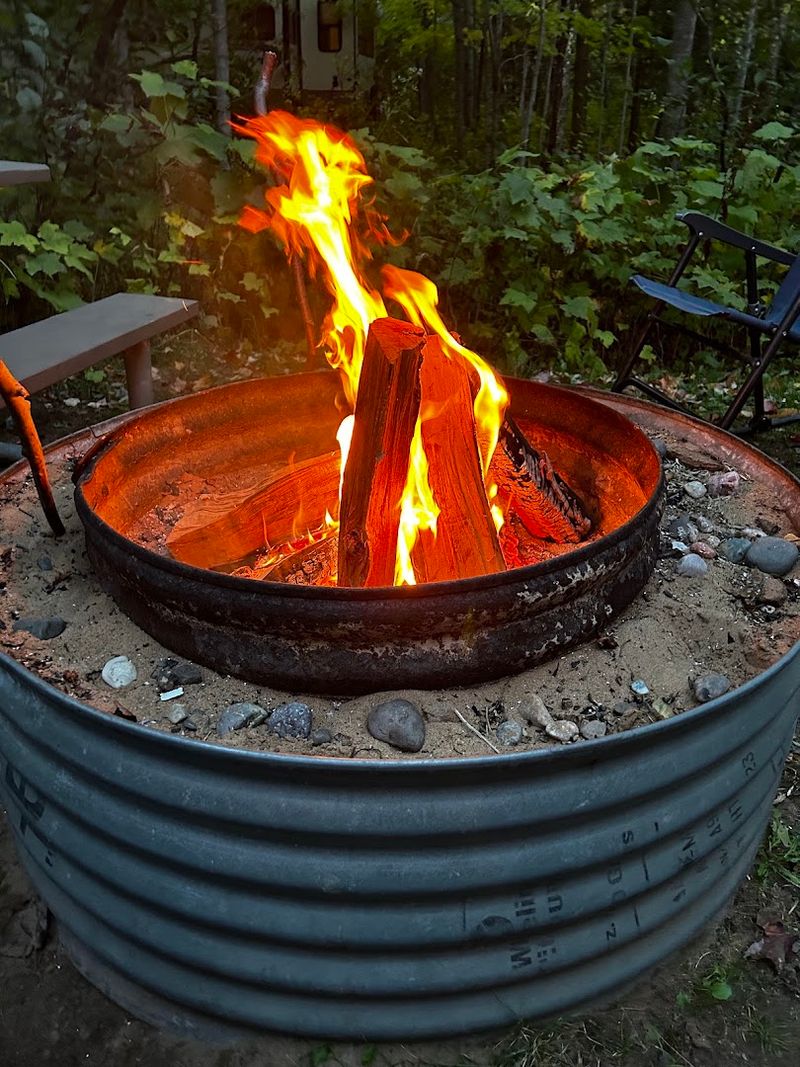
The best advice I can give is to stop treating the hunt like a race for the brightest stone. McLain works better as a night walk with a purpose, where the waves, wind, and intervals of total non-discovery are part of the pleasure.
When the beach is clean, the facilities are close, and the shoreline stretches on beside cold black water, the experience becomes quietly immersive.
That is why people keep returning to this park for more than one reason. It is good for sunsets, beach wandering, camping, fishing, and simply standing still long enough to let Superior rearrange your attention.
Yooperlites are the hook, certainly, but the real reward is how differently the shoreline teaches you to look.