
You Can Spend The Night Inside An Old Arkansas Jail, And The Rooms Are Surprisingly Cozy
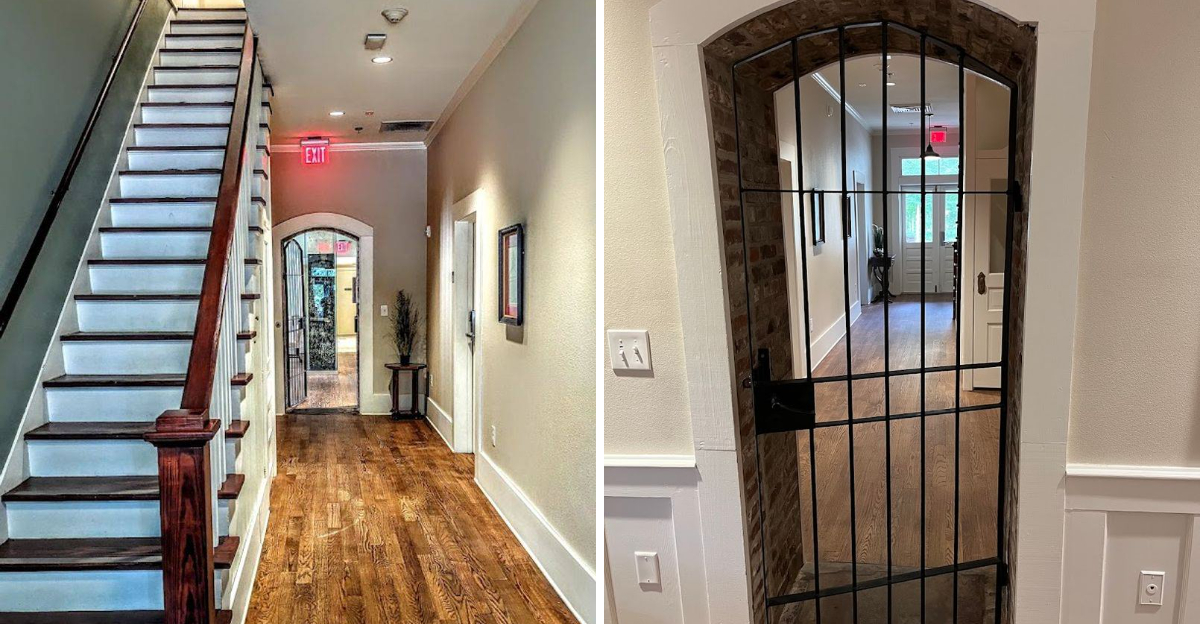
Most hotel check-ins do not begin with a building that once locked people inside. That twist makes this overnight stay impossible to ignore.
The brick walls still look stern from the outside, but step through the door and the mood changes fast. Former jail space now holds comfortable rooms, while original details keep the building’s past close enough to feel.
Nothing about the experience resembles an ordinary roadside stop. The surrounding village deepens the time-travel effect, with preserved structures that make modern life feel surprisingly distant.
In Arkansas, guests can fall asleep inside a place built for confinement, then wake up surrounded by living history. The contrast sounds strange, but it works beautifully.
Even turning the room key feels like part of the story. Part history lesson and part overnight adventure, this former lockup turns an unlikely address into the kind of stay people talk about long after checking out.
A Brick Jailhouse Frozen In Another Era
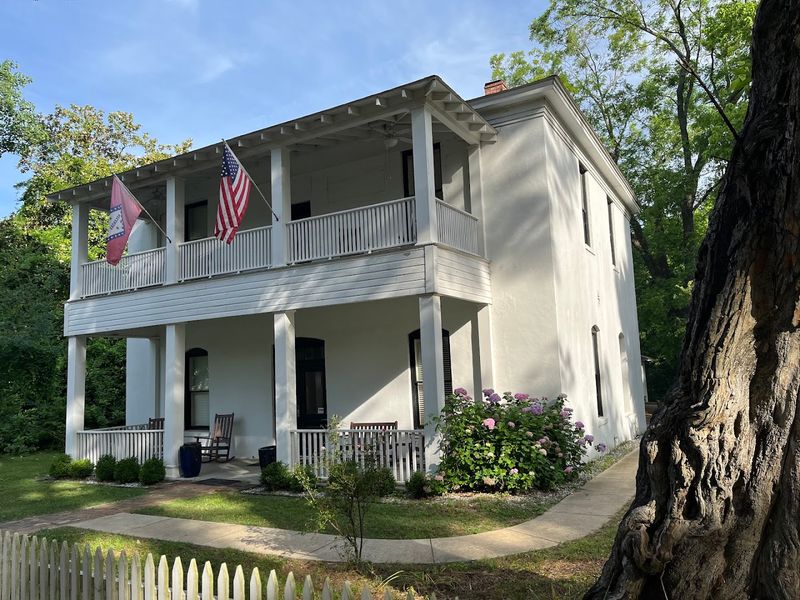
This two-story brick structure has stood within the historic village since 1918, carrying its age with a quiet strength that suits its original purpose.
Built to replace an older jail completed in 1873, the building represents more than a century of community history packed into reinforced walls and sturdy construction.
Arkansas State Parks renovated the property with care, giving the former lockup a new purpose without removing the historic details that make it worth visiting.
Six original cells once defined the layout before the building was converted into an eight-room bed and breakfast that still reflects its practical jailhouse design.
The brick exterior has a quiet authority, the kind that makes you slow your pace as you approach and wonder who once entered through the same doorway under very different circumstances.
Details around the exterior still hint at the building’s original role, giving the arrival a sense of weight before the more comfortable interior comes into view.
The moment this place comes into view, the whole road trip feels a little more memorable. It is the Historic Washington State Park Jail Bed & Breakfast at 306 Conway St, Washington, AR 71862.
Guest Rooms Behind Original Cell Doors
Once you turn the key, the door opens to a room that once kept someone locked inside. The moment feels surreal and oddly thrilling in a way no standard hotel can replicate.
Each of the eight guest rooms at this bed and breakfast comes fitted with a private bathroom, satellite television, WiFi, and a comfortable queen bed, all tucked within the original structure of the old jail.
Two rooms sit on the ground floor, including one that is fully accessible and another that welcomes pets, making the property more flexible than most historic accommodations tend to be.
The upper rooms require navigating a staircase of about 21 steps, which is worth knowing ahead of time if stairs present a challenge, though the effort is rewarded with a genuinely atmospheric sleeping space.
Modern conveniences blend into the historic setting without feeling out of place, because the renovation prioritized keeping the atmosphere intact rather than glossing over the building’s original bones.
Sleeping here feels like a quiet conversation with the past, one where you get the comfortable side of the exchange.
Weathered Walls With Stories Still Intact
Old buildings talk if you know how to listen, and the walls here have quite a lot to say once you start paying attention to the details.
The brick and reinforced concrete construction was built for function rather than beauty, designed to hold rather than impress, yet that raw honesty gives the interior a texture that polished modern spaces simply cannot manufacture.
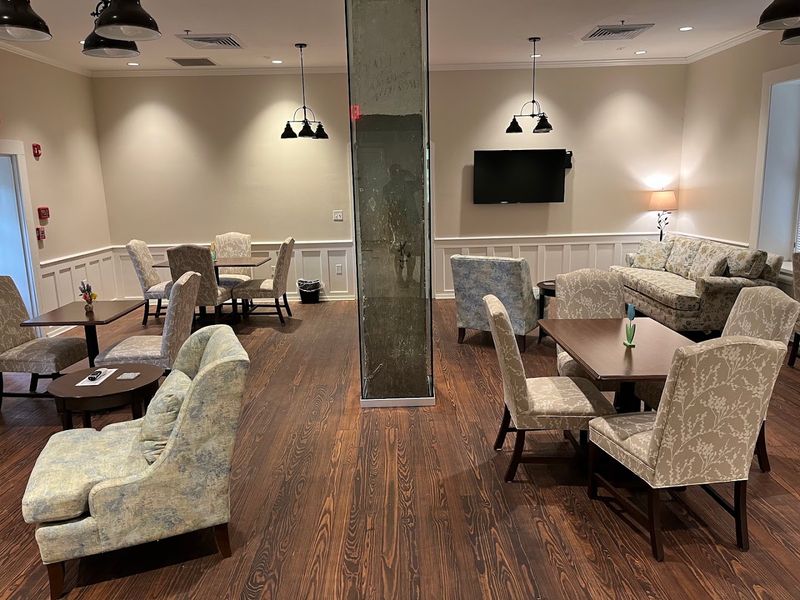
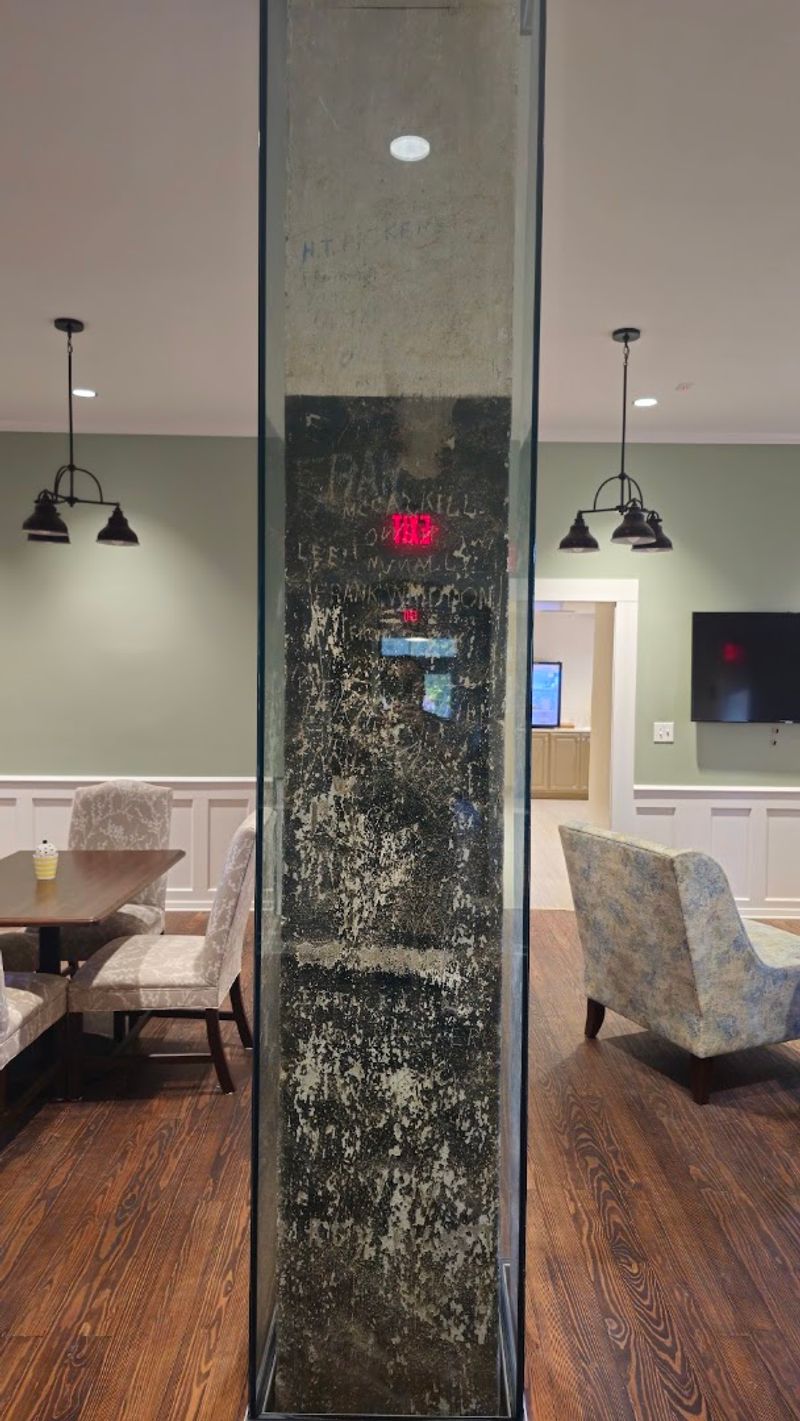
What makes the walls especially compelling is what former occupants left behind, specifically names and markings scratched into a concrete pillar by the very people who were once confined here.
Those inscriptions now sit protected behind glass in the dining area, transformed from graffiti into a kind of unplanned archive of human experience.
Running your eyes over those etched names connects you to lives that passed through this building under circumstances very different from a pleasant overnight stay.
The preservation team made a smart call keeping these marks visible, because they give the property an honesty that sets it apart from places that only show the comfortable side of history.
A Front Porch Facing A Living History Village
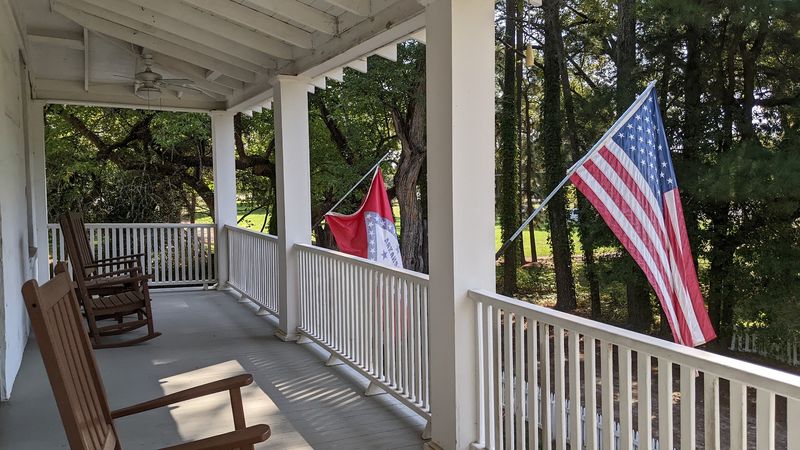
A covered front porch lined with rocking chairs is the kind of feature that immediately slows everything down, and this one earns its place by offering one of the most layered views in southwest Arkansas.
From those chairs, you look directly out onto the grounds of Historic Washington State Park, a working museum village that preserves more than 30 restored 19th-century structures within walking distance.
Interpretive guides dressed in period clothing move through the grounds throughout the day, and watching them from the porch gives the whole scene a theatrical quality that feels genuinely immersive rather than staged.
A blacksmith shop, a print shop, and various other restored buildings are all accessible on foot, making the porch a natural launching point for a morning of exploration before breakfast has even settled.
On quieter afternoons, the porch becomes a reading spot, a thinking spot, or simply a place to sit and absorb the unusual reality of being surrounded by so much preserved history.
Few porches anywhere offer a front-row seat to an entire living museum, and this one makes the most of every square foot of that view.
Preserved Details From Its Days As A Jail
Plenty of historic buildings get renovated in ways that sand away every rough edge until the past becomes purely decorative, but that is not what happened here.
The team behind this restoration made a deliberate effort to keep the original features that tell the building’s real story, including thick walls, heavy hardware, and the layout of the former cell block.
That concrete pillar running through the dining room and continuing up through two of the upstairs rooms is perhaps the most striking preserved element, a structural remnant that doubles as a document of incarceration history.
The prisoner etchings on that pillar, now carefully protected behind glass, represent one of the most unexpectedly moving details I encountered anywhere on this trip through Arkansas.
Original iron elements appear in several spots around the property, each one a quiet reminder that this building had a very different job before it started offering continental breakfasts.
Preservation done this thoughtfully turns a building into a layered object, one where every room holds at least one detail worth pausing over before you move on to the next.
An Iron Gate Framing The Dining Space
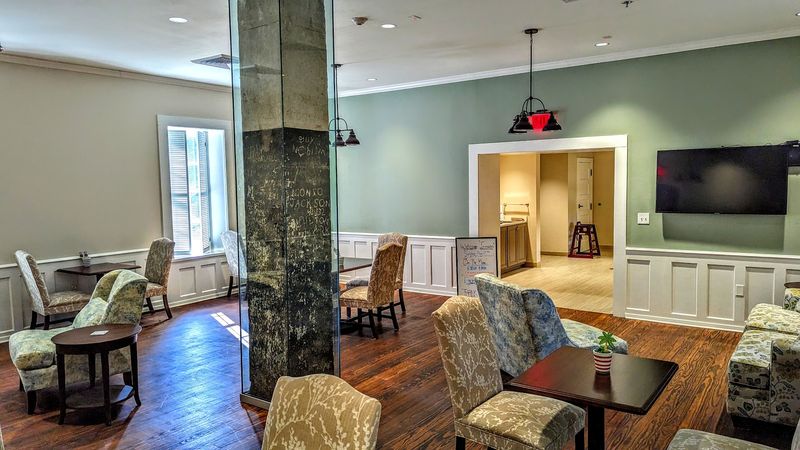
Breakfast tastes different when you eat it inside what used to be a concrete jail cell, and the dining room here leans fully into that unusual dynamic.
The space has been converted into a welcoming breakfast area with seating for guests, but the bones of its former purpose are still very much present if you know where to look.
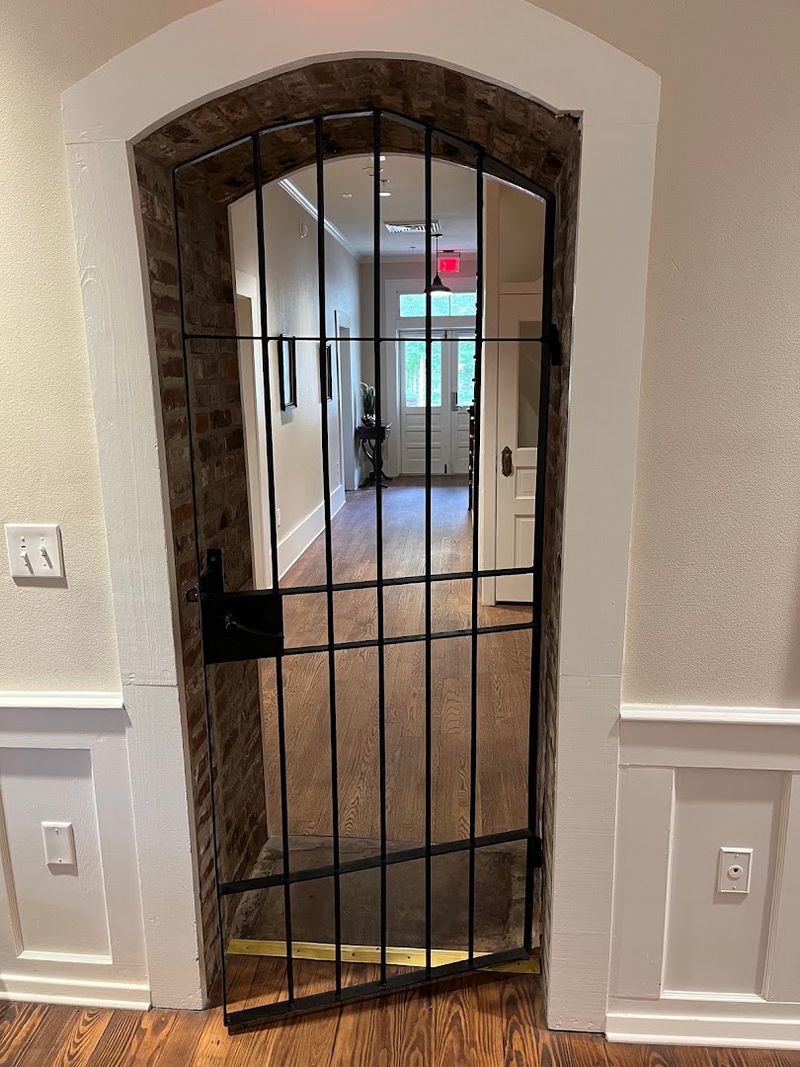
An iron gate, believed to be original to the building, frames part of the kitchen area and acts as one of the most visually striking elements in the entire property.
That gate pulls the eye immediately, its heavy construction a contrast against the warm morning light and the smell of coffee and eggs coming from the kitchen.
Guests can expect a continental-style breakfast that has included eggs, sausage, toast, and croissant bakes depending on the morning, all served in a setting that no chain hotel could dream up.
Eating here is one of those small travel moments that quietly becomes a highlight of the whole trip, partly because of the food and mostly because of that gate standing watch just a few feet away.
Quiet Evenings Inside A Landmark Building
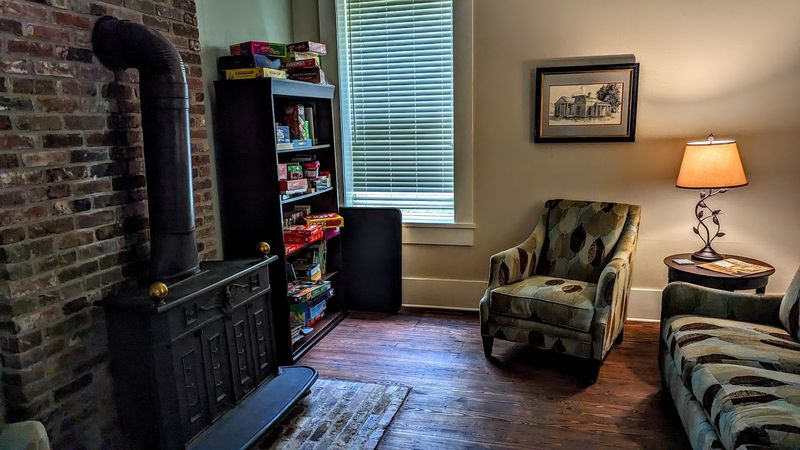
Once the park grounds grow quiet and the interpretive guides head home for the evening, the jailhouse takes on a completely different kind of energy, one that is calm, unhurried, and surprisingly easy to settle into.
As the only overnight lodging within Historic Washington State Park, this bed and breakfast offers a kind of solitude that most accommodations cannot promise, because once the gates close, the whole village essentially belongs to the guests.
A second sitting room stocked with board games and books gives guests a place to wind down without needing a screen, and on the right evening it becomes the kind of low-key gathering spot that feels more like a friend’s living room than a common area.
The building’s thick brick walls do an impressive job of muffling outside sound, creating a hush that makes the space feel genuinely removed from the pace of everyday life.
Some guests have noted having the entire property to themselves, which takes the quiet to a whole different level and makes the experience feel almost private.
Evenings here have a particular quality, slow, still, and layered with the kind of atmosphere that a good night’s sleep in a remarkable place tends to produce.
Historic Character In Every Narrow Corner
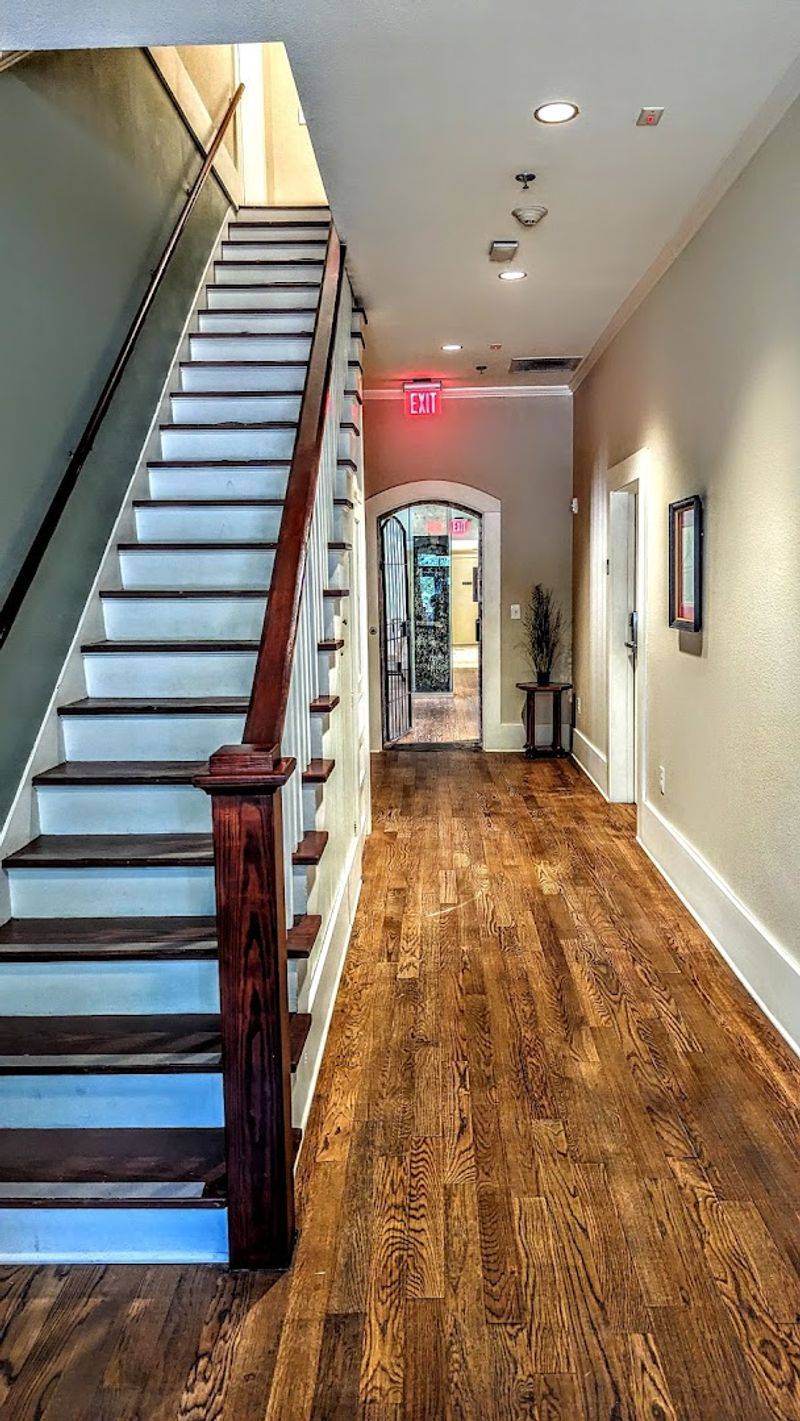
A building that started as a place of confinement does not easily shed its original personality, and at this property that turns out to be a feature rather than a flaw.
The narrow hallways, the thick doorframes, and the compact room layouts all reflect the practical logic of a working jail, and moving through the building feels like reading a floor plan written in an entirely different century.
Historic Washington State Park holds the largest collection of 19th-century structures in Arkansas, and the jailhouse fits naturally into that ensemble as one of the most hands-on buildings in the entire park.
What sets this property apart from simply touring a historic site is that you actually sleep here, which means the historic character stops being something you observe and starts being something you inhabit.
Small details reward the curious guest, from the weight of the doors to the texture of the walls to the way the light falls differently in each room depending on its original function.
Every narrow corner of this building holds a piece of a longer story, and spending a night here is the most direct way to read it.