
You Can Walk Through A Copper Mine, A 1920s Street, And A 1950s Home In This Michigan Building
I thought I would be in and out in an hour. Three floors later I had barely reached the halfway point. This museum does something I did not expect. It puts you inside the history instead of just showing it behind glass.
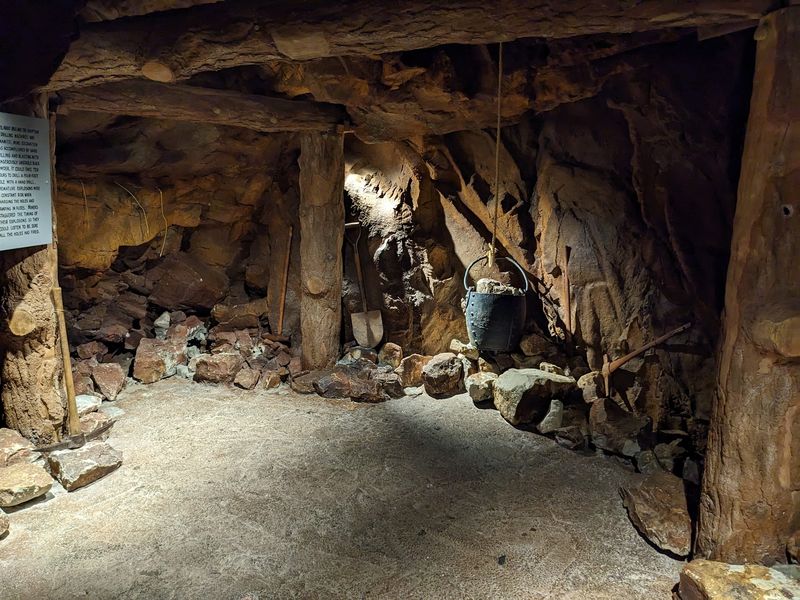
I walked through a copper mine with dim lighting and rocky walls that felt like I had been dropped underground in the Upper Peninsula. Around the next corner, an entire 1920s street stretched out with vintage storefronts and actual cars parked along the sidewalk.
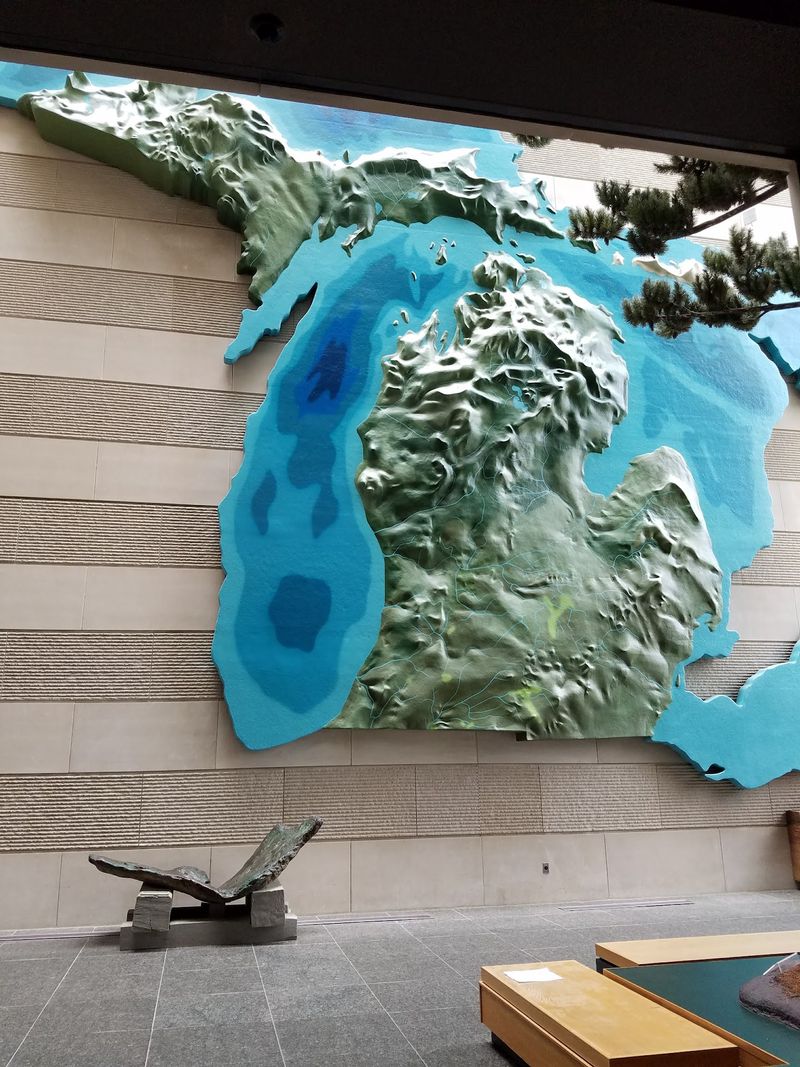
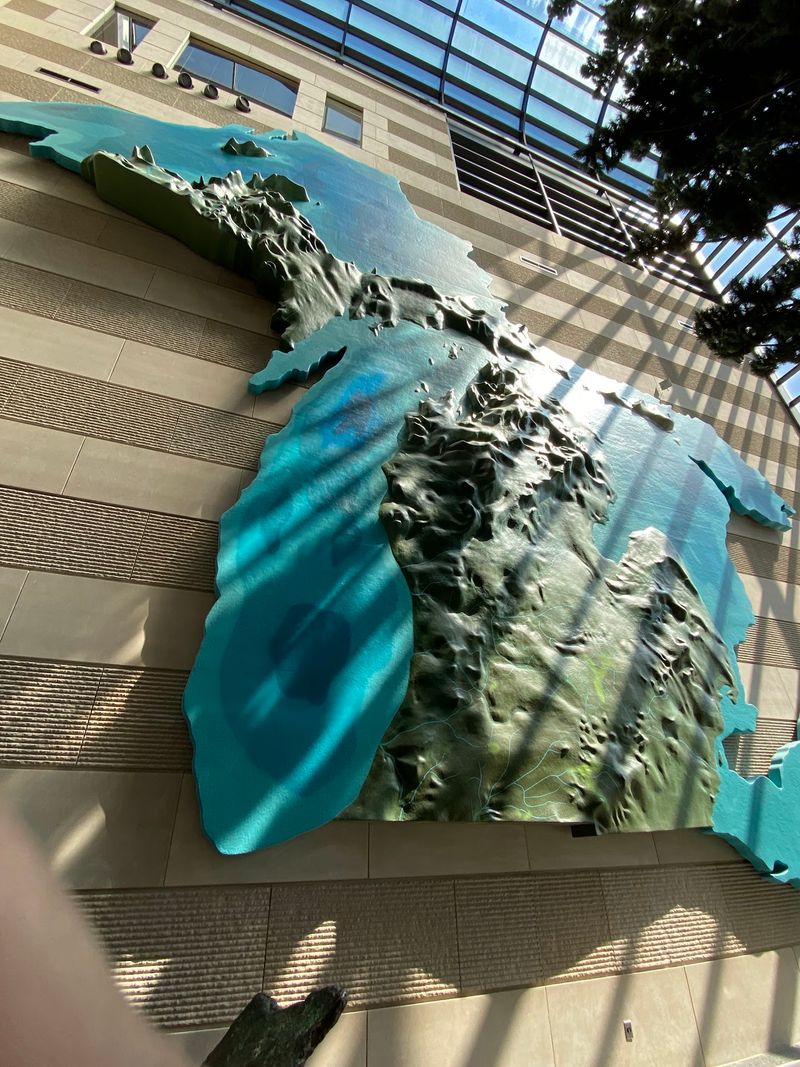
Further up, a 1950s kitchen sat frozen in time with appliances my grandmother would recognize. The three-story relief map of Michigan alone stopped me in my tracks.
Every river valley and ridge spread out above me in a way no flat map can capture. I spent two hours and still skipped sections. Sunday admission is free. Some buildings hold more than you expect.
Head To The Copper Mine Early
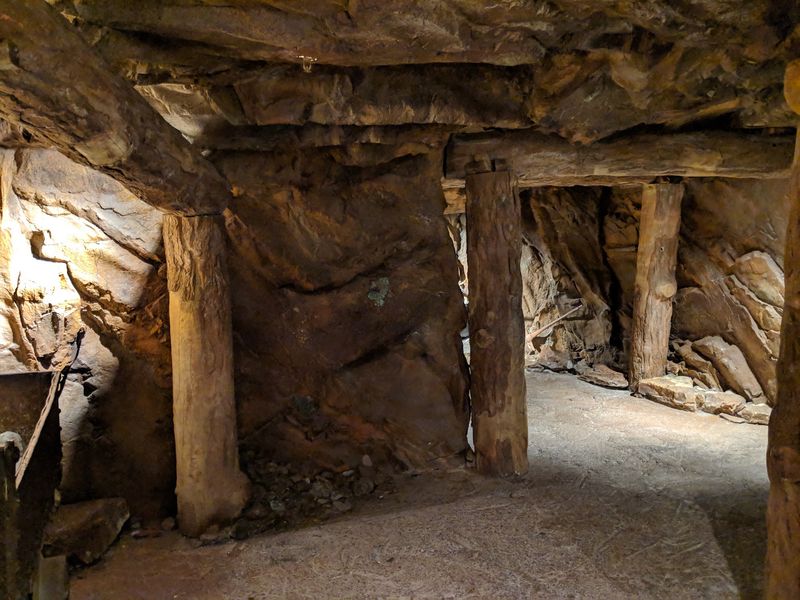
The light drops, the walls close in, and suddenly the museum feels like work instead of display. The replica copper mine is one of the strongest spaces in the building because it changes your mood the second you enter.
That chilly, rocky setting helps explain why copper mining mattered and why it demanded so much from workers in Michigan’s Upper Peninsula. Instead of reading one panel and moving on, you feel the pressure of the place.
I would take a moment to notice the details around the tunnel, from the timber supports to the tools and textures, because those small elements make the space feel less like a classroom reconstruction and more like a real workplace.
Go here early if you want a quieter look and better photos. Younger visitors may need a quick heads-up about darkness and sound, but for many people, this is the moment the museum becomes unforgettable for real.
Michigan’s Entire Story Begins At The Circle Drive
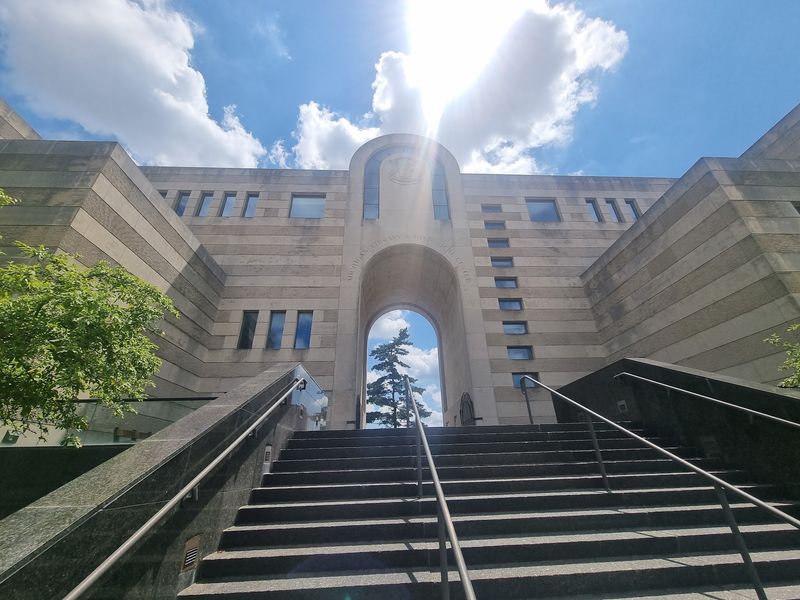
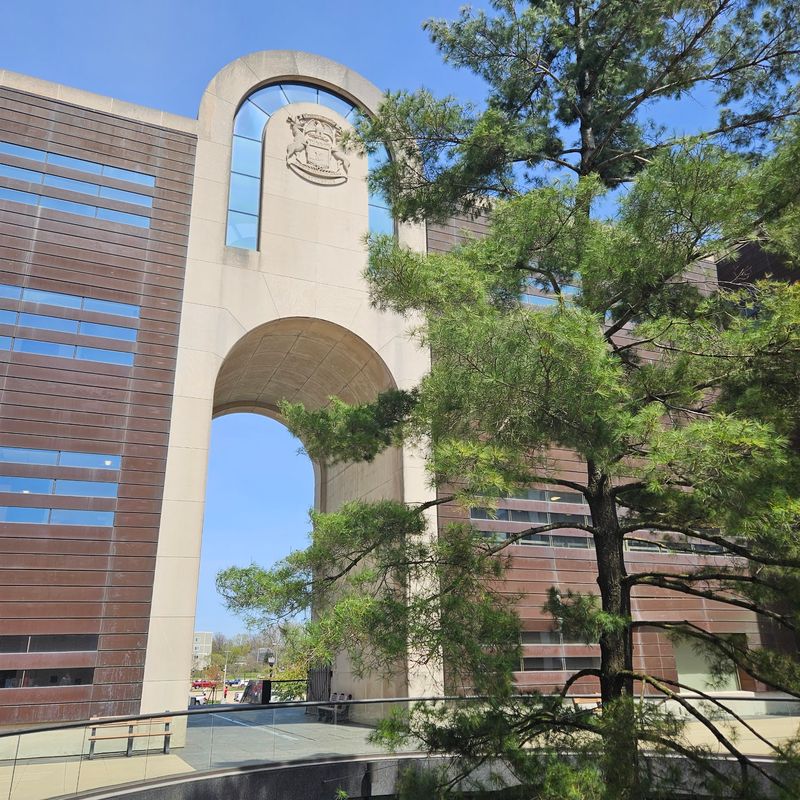
The Michigan History Museum is inside the Michigan Library and Historical Center at 702 West Kalamazoo Street in downtown Lansing, Michigan, two blocks west of the State Capitol. Approach along Kalamazoo Street and look for the large limestone government building on the north side of the road.
The final turn is onto the building’s circle drive from Kalamazoo Street. Follow it toward the visitor lot south of the center rather than continuing around to Allegan Street, since the north entrance is not open to museum visitors.
Parking costs $5 per entry on weekdays and is free on weekends, with credit or debit card payment required. From the lot, use the barrier-free south entrance and follow the interior signs to the Michigan History Museum.
Linger On The 1920s Street
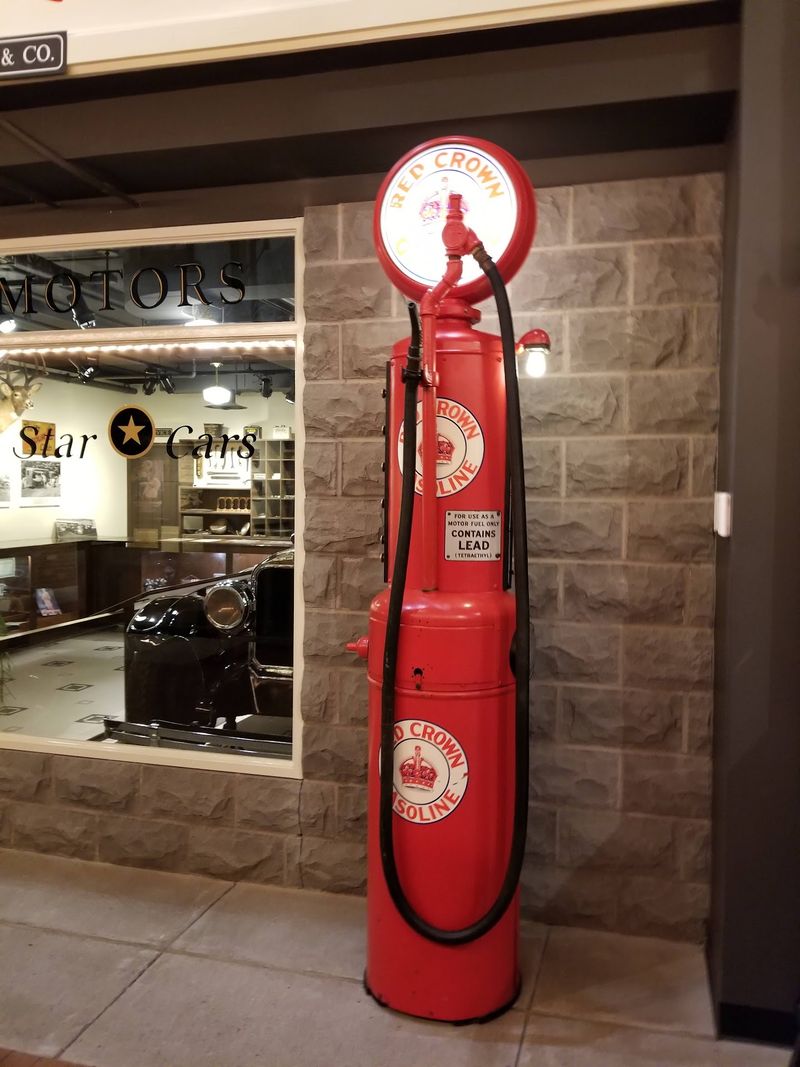
A museum hallway rarely feels like a movie set, but the 1920s streetscape comes close. Storefronts, period details, and the sense of stepping outdoors indoors make this part especially fun to wander slowly.
The exhibit does more than look charming. It captures a decade when cities, cars, business, and entertainment were reshaping daily life in Michigan, especially in places tied to industry and growing neighborhoods.
I found the atmosphere especially effective near the corners, where the illusion becomes easier to believe. Small objects, window displays, and carefully placed advertisements reward a second look, turning an ordinary museum stop into a compact walk through another era.
Give yourself permission to dawdle here. Peek into the recreated spaces, notice signs and textures, and take photos without rushing past them.
I liked this section best when I stopped trying to cover ground and just let the street reveal itself piece by piece.
Notice The Detroit Auto Show Details
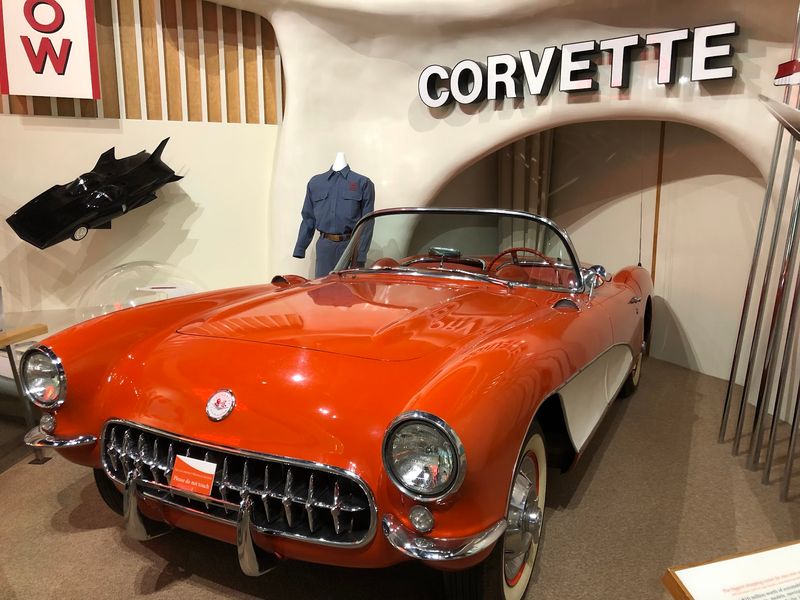
Chrome has a way of stealing attention, and the vintage car displays know it. In the Detroit Auto Show area, the museum reminds you that Michigan did not just build cars, it built dreams around them too.
The presentation connects industry with excitement, showing how automobiles became part of identity, design, and everyday ambition. Even if you are not a car person, the styling and display logic make the era easier to grasp.
Look beyond the obvious shine. Notice how the exhibit places vehicles within a broader cultural moment, not as isolated machines.
A good tip is to compare what you see here with the later mid-century section, where car design becomes even flashier and more confident.
Step Inside The Mid-Century Home Mindset
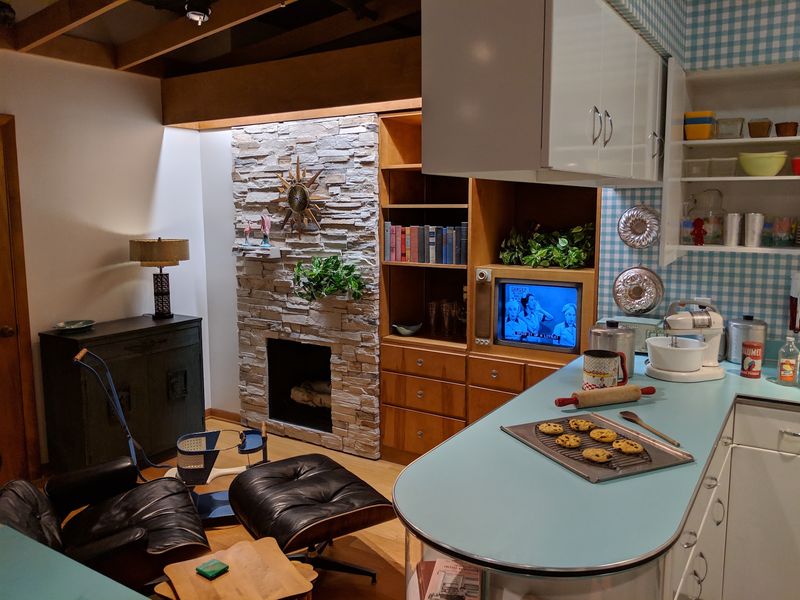
One room can hold a whole decade’s hopes, and the 1950s home proves it. Furniture, colors, and household details show how postwar life was being packaged as comfort, efficiency, and modern taste.
What makes the space interesting is not just nostalgia. It quietly shows changing ideas about family routines, technology, and what a successful American home was supposed to look like in Michigan and beyond.
Spend extra time on the small objects. Appliances, decor, and layout choices often say more than big signs do.
I caught myself imagining the sounds of a normal evening there, which is probably the best sign that the exhibit is doing its job well.
Look Up At The Tailfin Car
Some exhibits whisper, but the tailfin car hanging above the mid-century display absolutely does not. That white and gold vehicle is pure confidence, the kind of design choice that makes you grin before you even read the label.
It works as more than a visual stunt. Tailfins help explain the bold optimism of the 1950s, when style, speed, and futuristic thinking shaped Michigan’s auto culture in very public ways.
Stand back first, then move closer. From a distance, you get the theatrical effect.
Up near the details, you start noticing how design sold emotion as much as transportation. Kids usually spot it fast, so it can be a handy meeting point if your group spreads out.
Follow The Story From First Inhabitants Forward
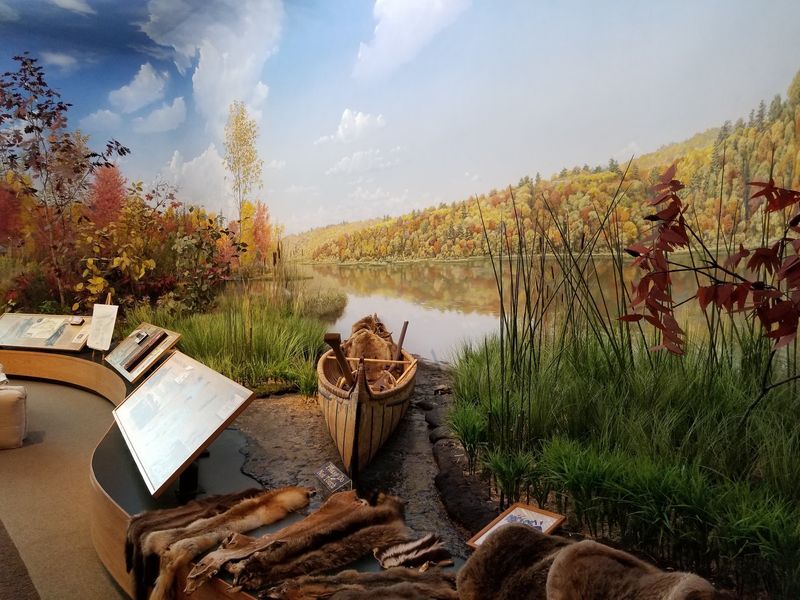
The museum’s timeline begins where it should, with the First Inhabitants exhibit and the history of the Anishinaabe people. Starting there gives the rest of the building more honesty and more depth.
Artifacts, murals, and interpretation help explain that Michigan’s story did not begin with factories or statehood. Trade routes, lifeways, and long-standing communities shaped the land long before later industries arrived.
Do not rush through this opening section just to reach the dramatic recreations upstairs. The later copper mine, street, and home all make more sense when you first understand whose land this was and how early movement, exchange, and knowledge already connected the region.
Use The Fur Trade Galleries As A Bridge
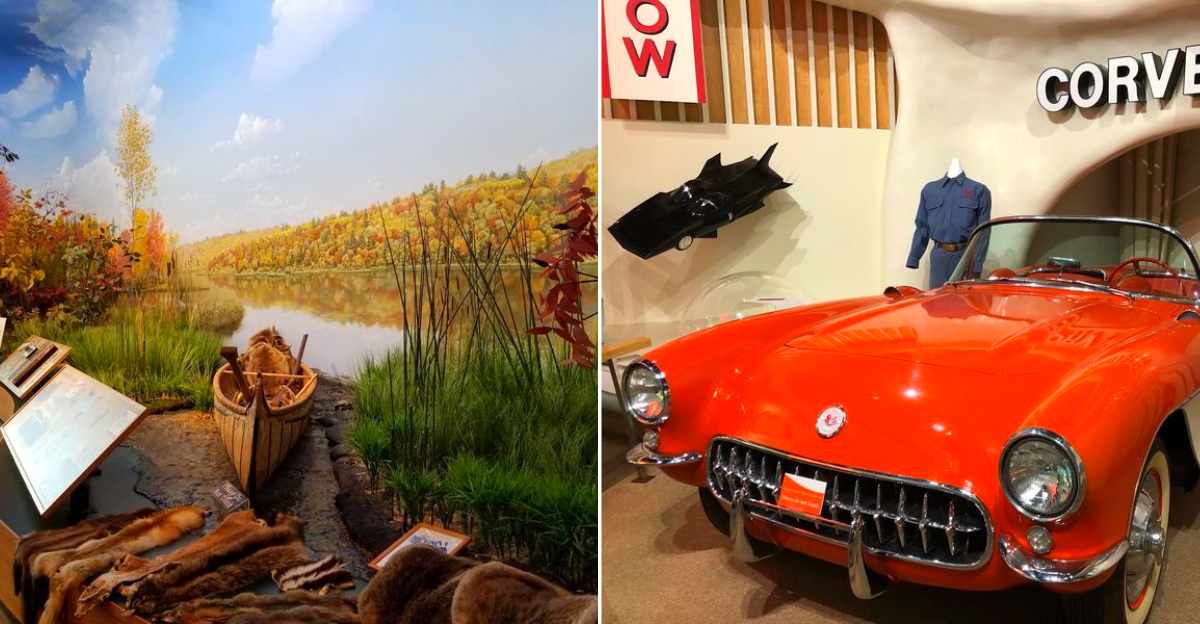
A canoe in a museum can seem quiet at first, almost too still for the history it carries. In the fur trade galleries, though, objects like that become a bridge between Indigenous history, European trade, and Michigan’s early economy.
The exhibits explain how waterways mattered, why beaver pelts held value, and how exchange reshaped communities across the region. It is a crucial middle chapter between ancient presence and later industrial growth.
If you visit with older children, this is a smart place to ask cause-and-effect questions. Who benefited, who lost, and what changed next?
The answers prepare you for the museum’s later rooms, where business expansion starts looking bigger and more complicated.
Plan For Five Levels, Not A Quick Lap
From the outside, the building does not fully warn you how much is packed inside. The museum spreads across three floors and five levels of exhibits, so a short stop can turn into a real afternoon.
That layered layout suits the subject. Michigan history is not one straight story, and the building lets you move through political, cultural, industrial, and domestic chapters at a human pace.
Wear comfortable shoes and set expectations early. If you like reading labels, plan for at least a few hours.
If your group prefers highlights, pick anchor exhibits first, then fill in around them. The place is easy to navigate, but it rewards visitors who leave breathing room in their schedule.
Make Accessibility Part Of Your Plan
Good logistics can change the whole mood of a museum day, especially with mixed ages or different needs. The Michigan History Center makes that easier with elevator access to exhibit floors and wheelchairs available at the front desk.
There are also social stories designed to help children know what to expect, including useful notes about light and sound in galleries. That kind of practical support feels thoughtful rather than flashy, and it matters.
Use the Kalamazoo Street entrance and ask questions as soon as you arrive if anyone in your group needs a smoother route. A little planning upfront helps everyone focus on the exhibits instead of tiring out before the most memorable rooms begin.
Pick The Right Day And Pace
Timing shapes the visit more than people expect. The museum is open Tuesday through Saturday from 10 AM to 4 PM, and Sunday from 1 PM to 5 PM, which makes mornings and early afternoons the easiest windows.
Sunday can be especially appealing because admission is free, while regular adult admission is modest on other days. Either way, the building is best enjoyed at a stroll, not at a race pace.
My favorite strategy is simple: arrive early, choose two must-see exhibits, then let the rest unfold naturally. That keeps the place from turning into a checklist. History lands better here when you leave room for surprise, especially in the recreated environments.