
You Can Watch Wild Bison And Horses Roam Free At This Hidden Florida State Preserve
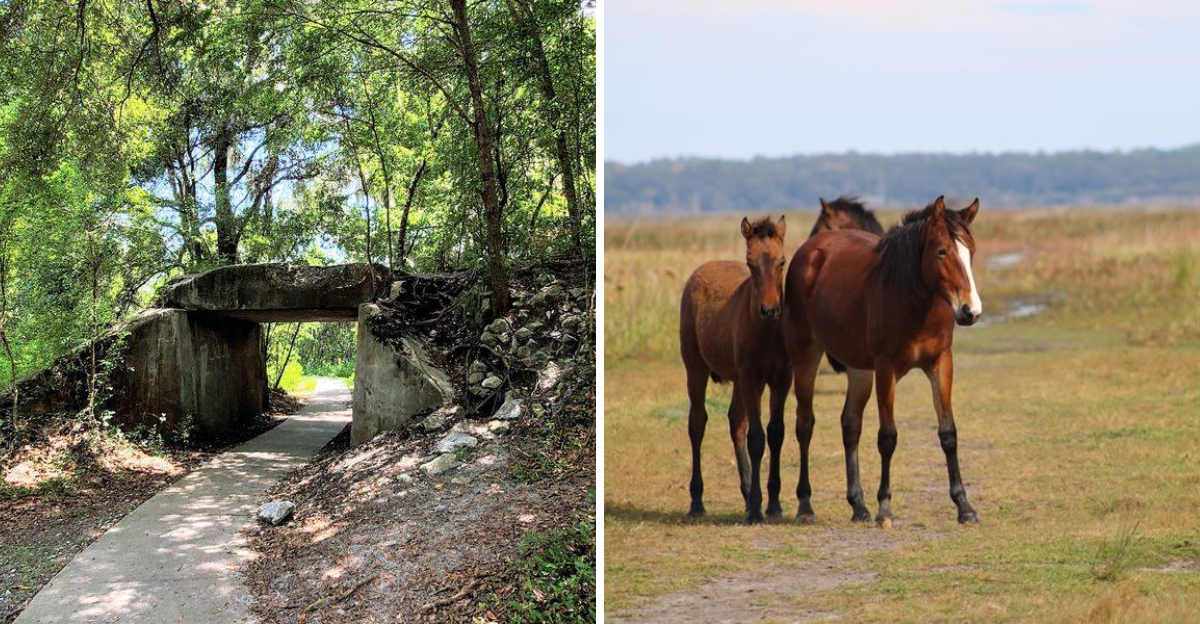
Forget palm trees and beach umbrellas for a moment, because this corner of Florida looks as though it borrowed its scenery from the American West. Open prairie stretches toward the horizon, wild horses move through tall grass, and enormous bison wander freely with the confidence of animals that know perfectly well who owns the place.
Spoiler alert: it is not the hikers.
There are no staged encounters or carefully timed appearances here. Wildlife follows its own schedule, alligators claim the wetlands, and every bend in the trail brings the possibility of another unforgettable sight.
One minute the walk feels peaceful. The next, a bison lifts its head and everyone suddenly remembers that phone cameras have a zoom function.
That contrast is what makes the experience remarkable.
This is Florida at its wildest, most unexpected, and least interested in behaving like a postcard. These ten facts reveal why this extraordinary trail feels like a journey out West without ever crossing the state line.
Bison Roam the Prairie Just Steps From The Trail
Standing at the edge of the La Chua Trail boardwalk and watching a bison herd move across the open prairie is the kind of moment that stops you mid-sentence.
Florida is not the first state that comes to mind when you think of bison, but Paynes Prairie Preserve State Park near Gainesville is home to a thriving free-roaming herd that has lived here since the 1970s.
These animals are not behind fences or inside enclosures, which makes the experience feel raw and genuinely wild.
Visitors sometimes encounter bison right on the trail itself, and rangers advise keeping a safe distance of at least 100 feet at all times.
The herd can number anywhere from around 60 to over 100 animals depending on the season, and watching them graze against the flat Florida horizon is a sight that feels almost cinematic.
Most people leave this trail talking about the bison long after everything else fades from memory.
Wild Horses Have Lived Here For Centuries
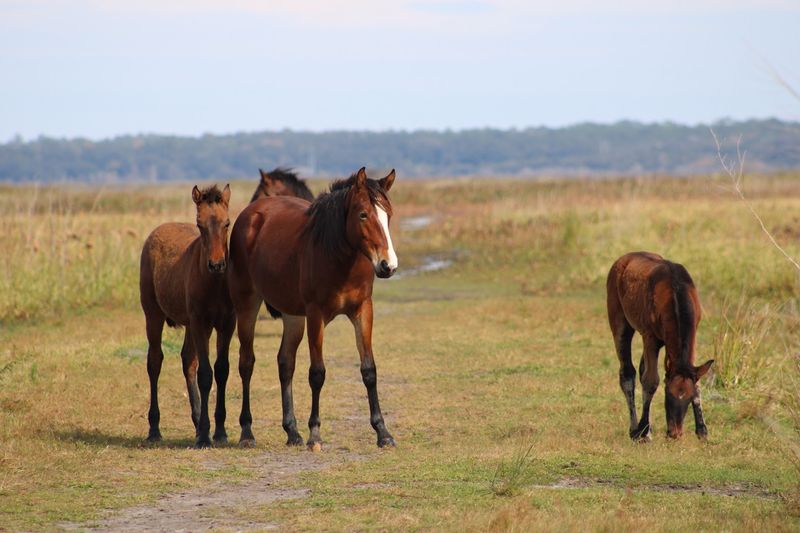
Long before tourists discovered this trail, wild horses were already calling Paynes Prairie home, and their story stretches back further than most people realize.
The horses at Paynes Prairie are descendants of Spanish horses brought to Florida in the 1500s, making them some of the oldest free-roaming horse populations in North America.
Known as Florida Cracker Horses, they are smaller and leaner than most domestic breeds, built to handle Florida’s heat and wet terrain with surprising ease.
Spotting them along the La Chua Trail feels less like a tourist attraction and more like a genuine encounter with living history.
The horses typically graze in small groups near the wetter edges of the prairie, and early morning visits give you the best chance of seeing them active and close to the trail.
Few places in the United States offer this kind of unhurried, fence-free encounter with wild horses, and La Chua Trail makes it accessible to almost anyone willing to lace up their walking shoes.
The Trail Sits Inside One Of Florida’s Largest Freshwater Marshes
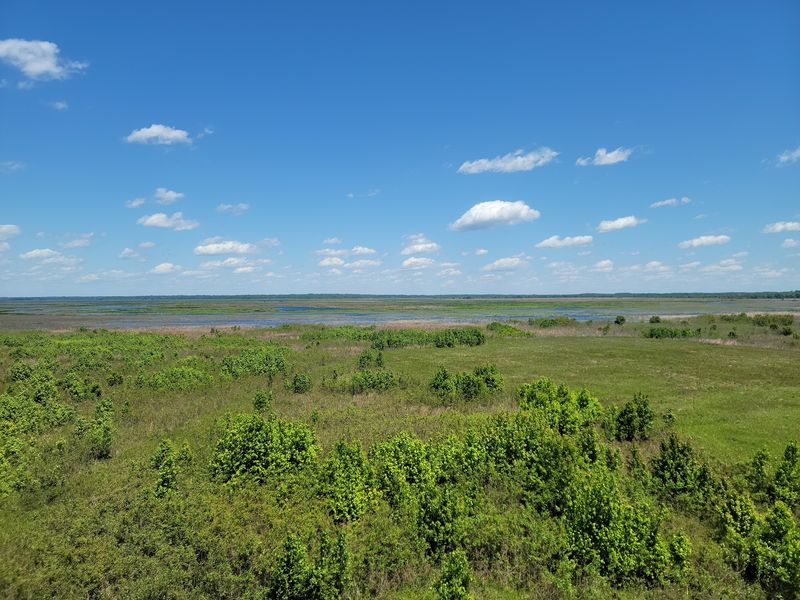
Paynes Prairie Preserve State Park covers more than 21,000 acres, and La Chua Trail cuts right through the heart of its most dramatic landscape.
The prairie itself is a massive basin that fills with water during the wet season, transforming into a shallow lake that attracts an extraordinary number of migratory birds and resident wildlife.
Walking the trail, you pass through wet prairie, open marshland, and areas of dense hammock, each one offering a completely different visual experience within a short distance.
This variety of habitats packed into a single trail is one of the main reasons La Chua consistently ranks among Florida’s top nature trails.
The basin has actually flooded so deeply in the past that historic records from the 1800s describe boats crossing what is now open grassland.
Today the prairie cycles between wet and dry phases, and whichever version you catch on your visit, the scale of it is genuinely humbling to stand inside.
Bird Watching Here Is Truly World-Class
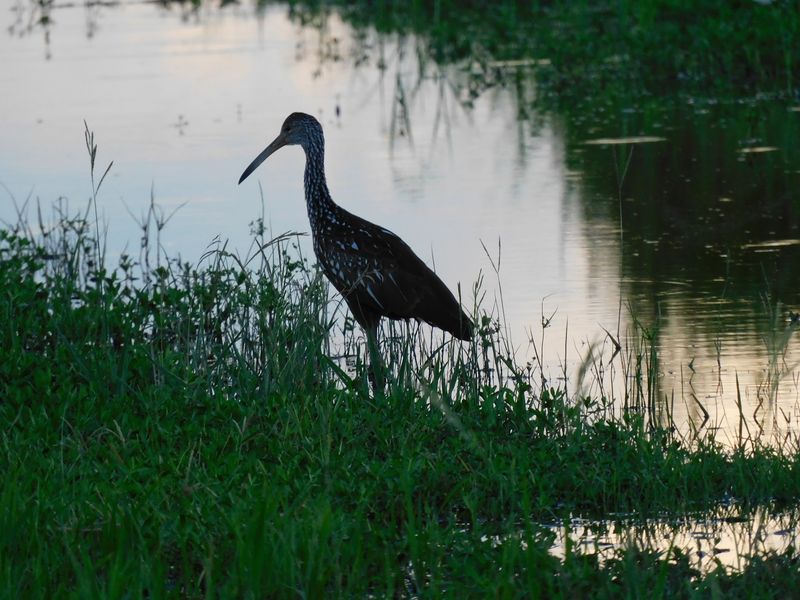
Birders from across the country make special trips to La Chua Trail, and once you see the variety of species gathered in one spot, that dedication makes complete sense.
The trail and its surrounding wetlands host over 270 species of birds, including sandhill cranes, snowy egrets, roseate spoonbills, anhingas, and the occasional bald eagle soaring overhead.
During winter migration, the prairie fills with thousands of sandhill cranes staging for their northern journey, and the sound of their calls rolling across the open basin is something you feel as much as hear.
Early morning is hands-down the best time to arrive, when the light is soft and most of the wading birds are actively feeding along the marsh edges.
Bring binoculars and a field guide, because even a casual walker tends to spot something new and unexpected on every visit.
La Chua Trail has a way of turning a casual nature lover into a committed birder after just one sunrise walk through its marshes.
A Sinkhole At The Trail’s End Creates A Dramatic Finish
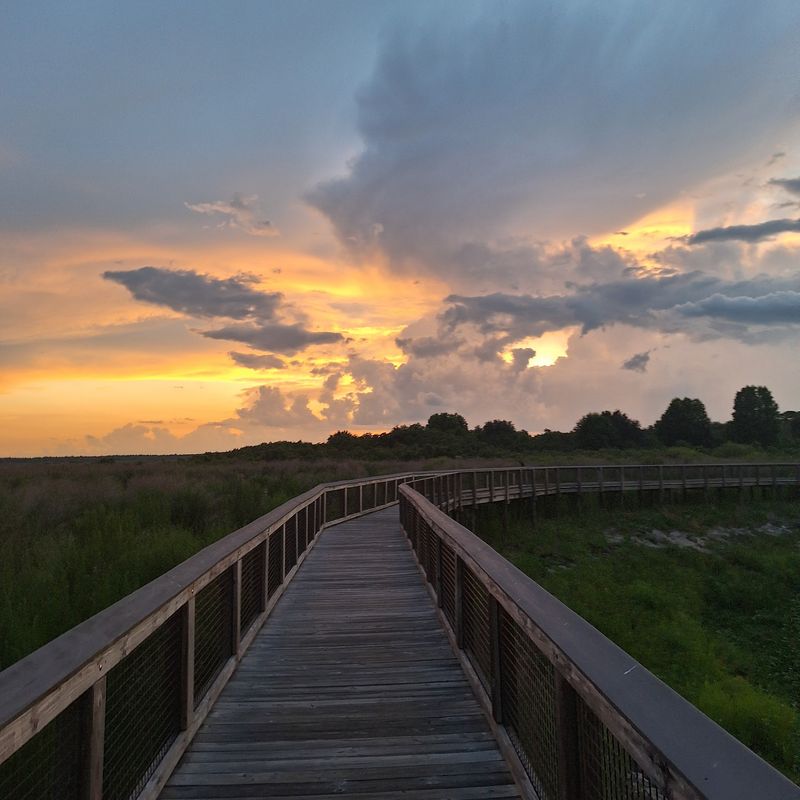
Most trails end with a view or a bench, but La Chua Trail wraps up with something far more dramatic: a massive sinkhole called Alachua Sink.
This natural karst feature is responsible for draining the entire prairie basin when water levels rise, essentially acting as a giant plug at the bottom of the bowl.
The sink sits at the end of a raised boardwalk observation platform, and from there you can look down into dark, still water surrounded by dense cypress and hammock vegetation.
Alligators congregate around the sink in impressive numbers, making it one of the most reliable spots in Florida to see multiple large gators in their natural habitat without any barriers between you and them.
The platform keeps visitors safely elevated while still delivering an up-close look at the gators below, which can reach lengths of over ten feet.
Alachua Sink turns what might be a simple nature walk into a full-on geological and wildlife experience that is hard to find anywhere else in the state.
Alligators Are Everywhere, And That Is Perfectly Normal Here
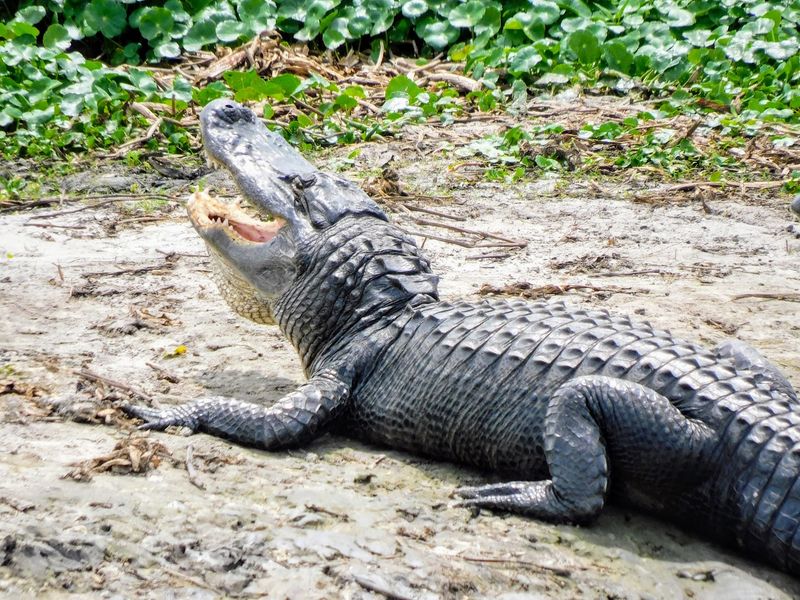
If you have a healthy respect for alligators, La Chua Trail will test your comfort zone in the most thrilling way possible.
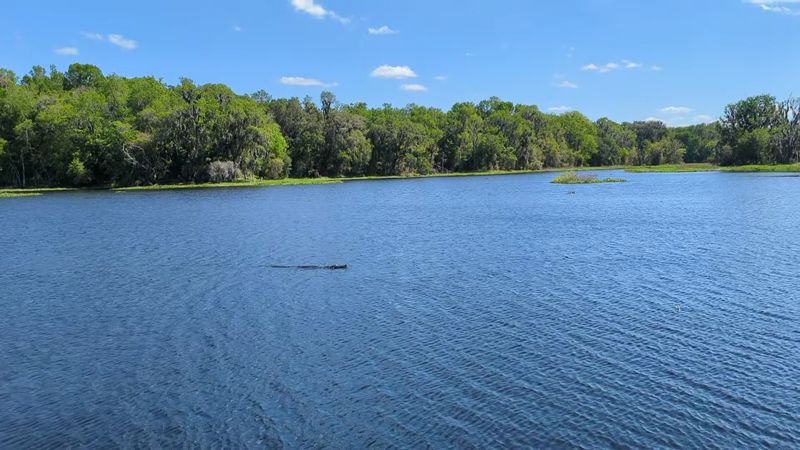
The trail passes directly alongside marshy channels and open water where alligators bask, swim, and occasionally decide to cross the path itself.
Park rangers confirm that alligator encounters are extremely common here, particularly during the warmer months when the reptiles are most active and visible.
Most gators on the trail are accustomed to human presence and tend to ignore visitors as long as people keep a respectful distance and never attempt to feed them.
Feeding wildlife is illegal in Florida state parks and can make animals dangerously bold, so treat every alligator as the wild animal it genuinely is.
The sheer number of alligators visible from the boardwalk section of the trail often surprises first-time visitors, who quickly realize this is not a manicured zoo exhibit but a fully functioning wild ecosystem that operates entirely on its own terms.
The Trail Is Only About 3 Miles Round Trip, Making It Very Accessible
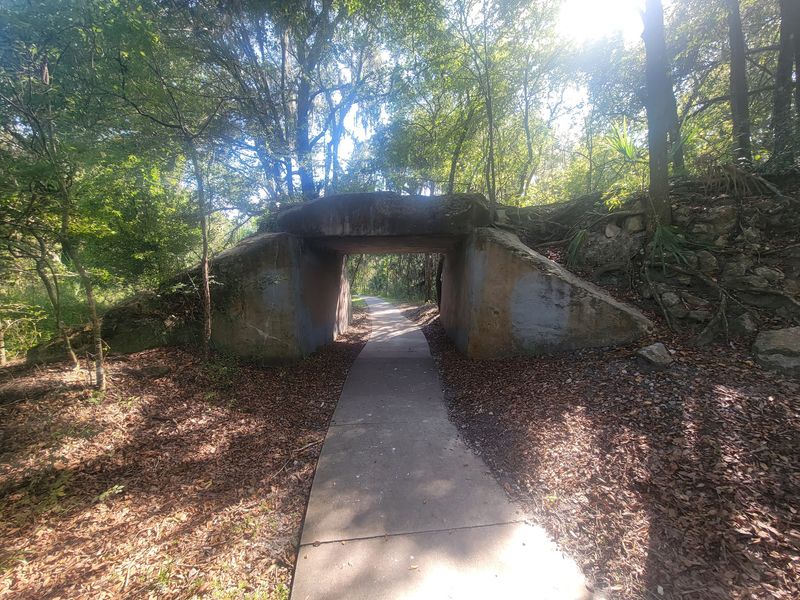
One of the most refreshing things about La Chua Trail is that you do not need to be an experienced hiker to enjoy everything it offers.
The trail runs approximately 1.5 miles one way from the trailhead to the Alachua Sink observation platform, making the full round trip about three miles on flat, easy terrain.
The path is mostly packed dirt and crushed shell with a raised boardwalk section over the wetter areas, so footing is generally stable even after rainfall.
Families with older children, casual walkers, and visitors with moderate fitness levels can all complete the trail comfortably in about two hours, including time to stop and watch wildlife along the way.
The trailhead is located off Southeast 15th Street in Gainesville, Florida, and parking is available nearby with a modest state park entrance fee required.
Short mileage does not mean a small experience here, because the wildlife density along those three miles consistently outperforms trails three times the length in other Florida parks.
Spring And Fall Are The Best Seasons To Visit
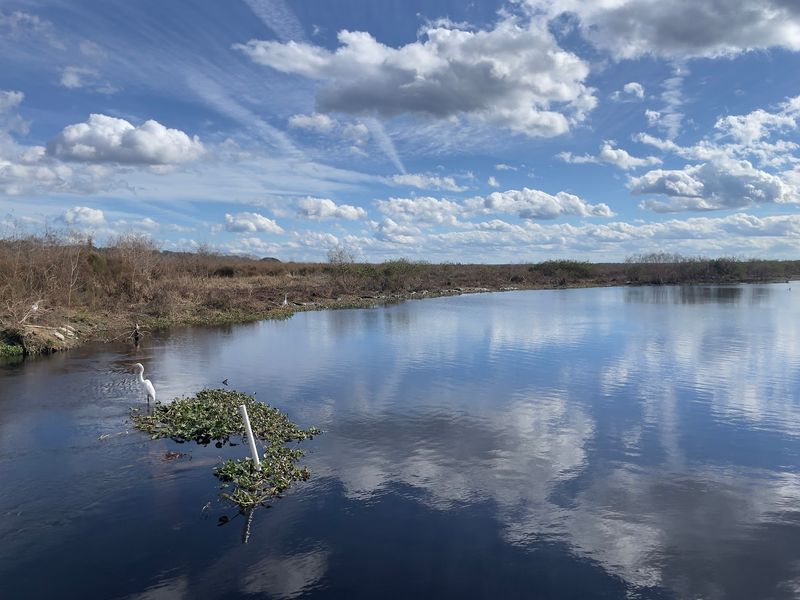
Timing your visit to La Chua Trail makes a significant difference in what you will see and how comfortable you will feel out on the open prairie.
Spring, from roughly March through May, brings active wildlife, blooming vegetation, and mild temperatures that make the walk genuinely pleasant rather than a sweaty endurance test.
Fall is equally rewarding, particularly October and November, when migratory birds begin arriving in large numbers and the oppressive summer heat has finally broken.
Summer visits are possible but come with intense heat, high humidity, and a serious mosquito population that can make the experience miserable without proper insect repellent and lightweight long sleeves.
Winter months are actually quite popular with birders, especially when the sandhill crane migration peaks between November and February, filling the prairie with thousands of birds at once.
Arriving early in the morning regardless of season is the single most reliable strategy for seeing the most wildlife activity before the midday heat pushes animals into the shade.
The Prairie Has A Rich And Layered Human History
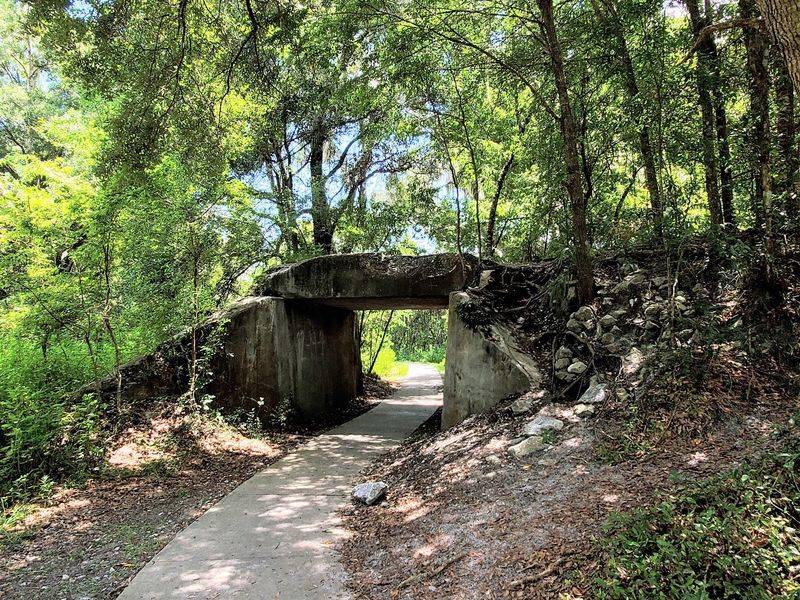
The land beneath La Chua Trail carries centuries of human history that adds a meaningful layer to every step you take across the prairie.
The Timucua people lived around Paynes Prairie for thousands of years before European contact, using the rich wetlands and grasslands as a primary source of food and resources.
Spanish explorers and missionaries arrived in the 1600s and established cattle ranches on the prairie, making it one of the earliest large-scale cattle operations in what would eventually become the United States.
The prairie later became closely associated with the Seminole leader Payne, for whom the preserve is named, and it served as a significant gathering place during the early 1800s.
William Bartram, the famous naturalist and explorer, visited the prairie in 1774 and wrote vivid descriptions of its wildlife and landscape that remain historically significant today.
Walking La Chua Trail with that history in mind transforms a wildlife outing into something that feels genuinely connected to the long, layered story of Florida itself.
Sunrise Walks Offer A Completely Magical Experience
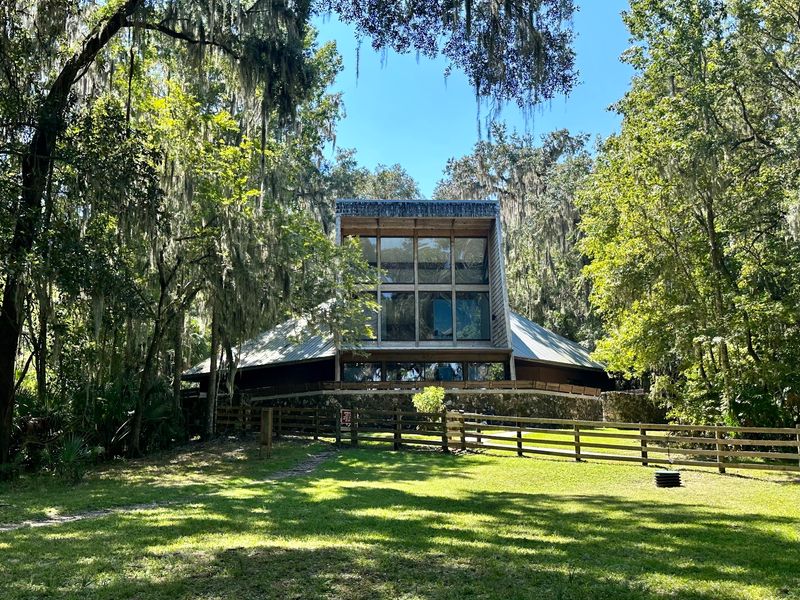
There is a particular kind of quiet that settles over the La Chua Trail in the hour after sunrise, and once you experience it, you will plan every future visit around catching it again.
The morning light hits the open prairie at a low angle, turning the marsh grasses golden and casting long reflections across the still water channels that run alongside the boardwalk.
Mist often hovers over the basin in the early morning, especially during cooler months, giving the whole landscape a soft, almost dreamlike quality that photographs beautifully.
Wildlife is most active during this window, with wading birds feeding aggressively, bison moving across the open grassland, and the air filled with layered bird calls from dozens of species at once.
The park gates open at 8:00 a.m., so arriving right at opening is the easiest way to catch that prime early light before the trail gets busier.
Mornings at La Chua Trail have a way of resetting your entire perspective on what Florida is actually capable of offering a curious traveler.