
You Don’t Need A Boat To See Hundreds Of Seals Hauled Out On This Washington Beach
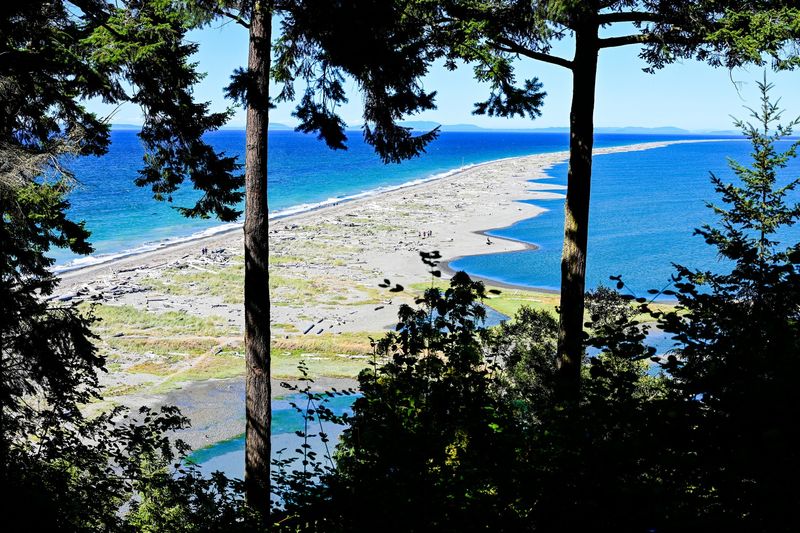
A skinny strip of sand runs more than five miles straight out into the sea, and a lighthouse waits at the very tip. Along the way, seals lounge on the beach like they pay rent there.
No ferry. No tour boat.
Just your own two feet.
The walk to that lighthouse is about 11 miles round trip. The good news?
You can turn around whenever you like and still get the views. Driftwood piles up in giant tangles, and seabirds swoop overhead the whole way.
I love that this corner of Washington feels wild yet asks so little of you. A small entry fee, a sturdy pair of shoes, and a tide chart will do it.
So why do so many longtime Washington residents still not know it exists? Let’s fix that today.
A Five-Mile Ribbon Of Sand That Refuses To Stop
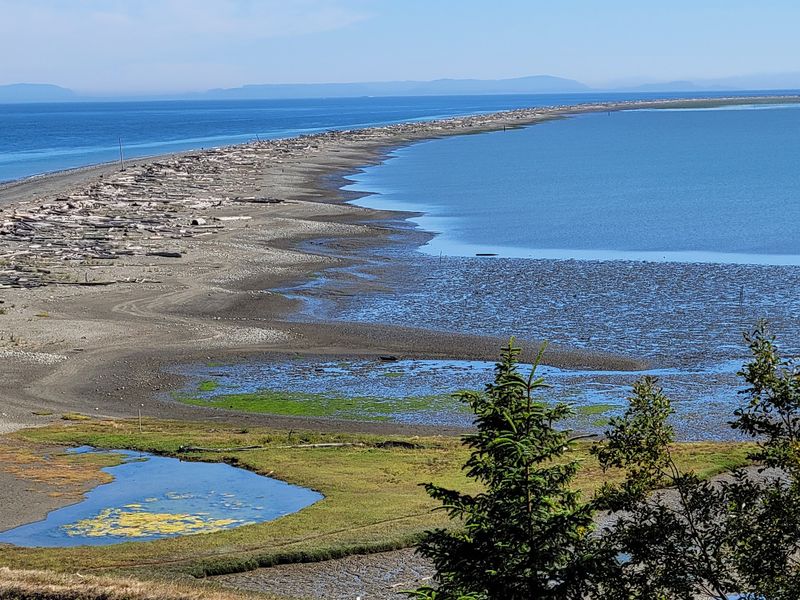
Few beaches come with a bragging right this big. Dungeness Spit near Sequim is the longest natural sandspit in the United States.
The narrow arm of sand curls out from the Olympic Peninsula into the Strait of Juan de Fuca. It stretches more than five miles before ending at an old lighthouse.
Most of the spit sits inside the Dungeness National Wildlife Refuge. That means the land exists first for birds, seals, and other creatures, with people as polite guests.
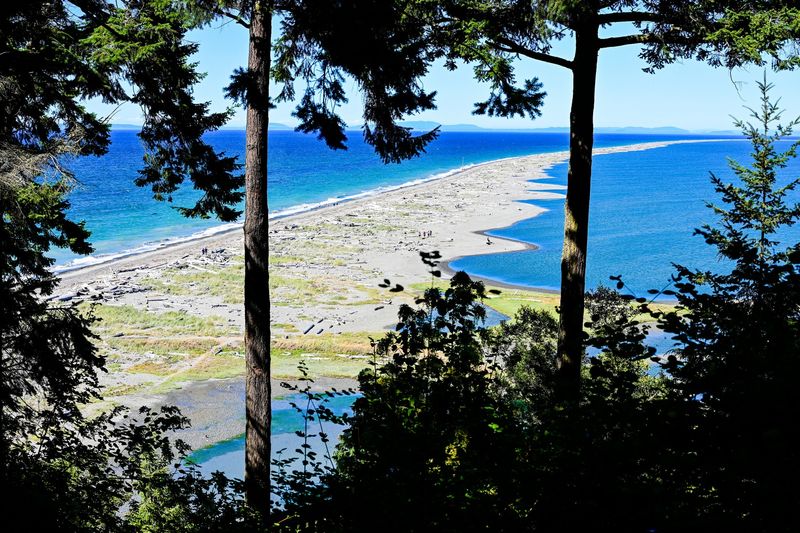
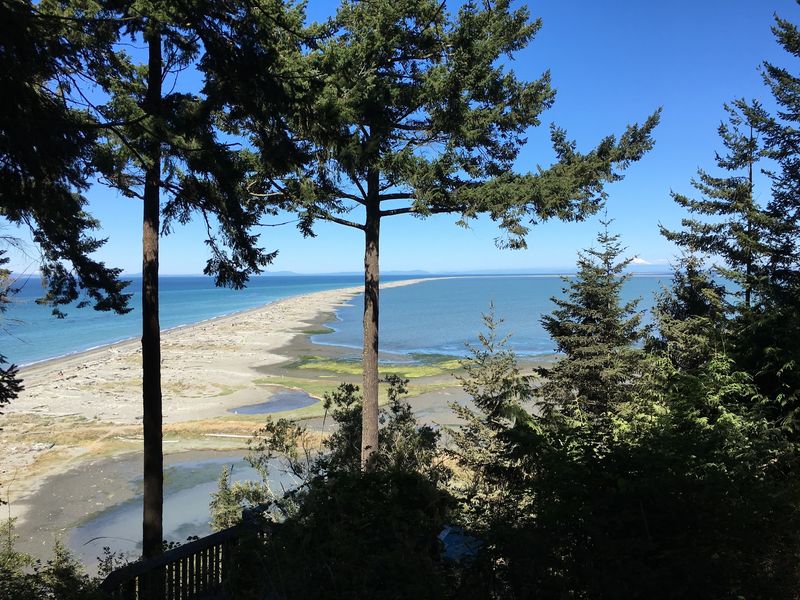
The setting feels almost unreal. Water stretches out on both sides, and the ribbon of sand looks impossibly thin from above.
It works well as a stop on the way to Port Angeles or Olympic National Park. You can spend an hour or a full day here, depending on your legs and your mood.
I like that the whole place rewards curiosity without demanding anything fancy. There are no rides, shops, or ticket booths with long lines.
Instead, you get wind, waves, and a horizon that keeps pulling you forward. For a Washington day trip, that’s a pretty generous deal.
Seals That Skip The Boat Tour Entirely
Seals are the headliners, and they don’t need a stage. Harbor seals haul out along the protected stretches of the spit to rest in the sand.
Walkers along the shoreline regularly spot them bobbing just offshore too. Otters sometimes join the show, adding a splash of comedy to the quiet beach.
Why do they gather here? The refuge limits human activity on large parts of the spit, which gives wildlife room to relax.
That protection is the whole reason you can see them without a boat. Your job is simply to keep your distance and enjoy the view.
Binoculars make a huge difference. Seals often rest in spots that are closed to people, so a little magnification brings them right up close.
Sightings depend on season, tide, and pure seal whim. Some days bring plenty of whiskered faces, while other days offer just a curious head or two.
Either way, watching a seal flop onto the sand never gets old. It’s like nature’s version of a lazy Sunday afternoon on the couch.
The Shady Forest Path Before The Big Reveal
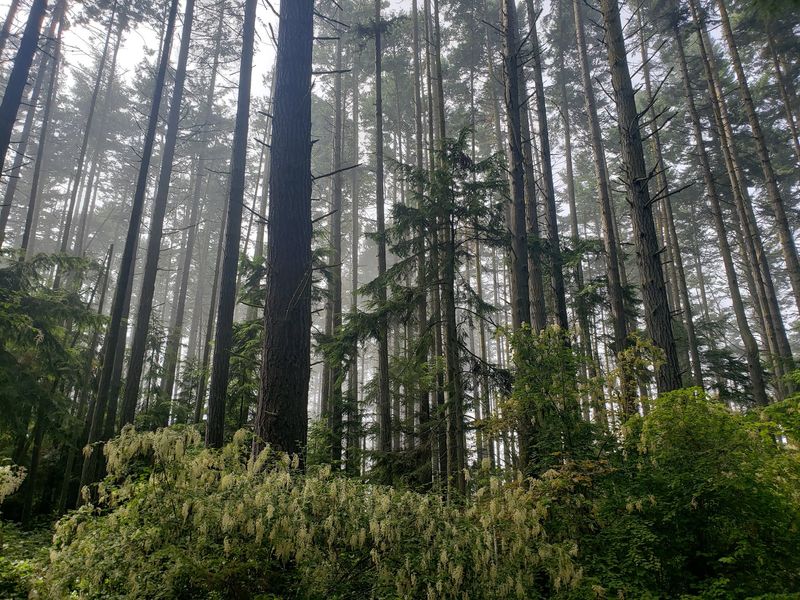
Before any sand appears, the trail treats you to trees. The route starts with a walk through a green, quiet forest above the beach.
Tall evergreens shade the path, and the air feels calm compared to the open shoreline below. It’s a gentle warm-up for the bigger adventure ahead.
Then the trail heads downhill toward the water. That descent is steep in places, so take your time and watch your footing.
The payoff arrives fast. The trees open up, and suddenly the spit stretches out ahead like a runway into the sea.
There are a couple of trail options near the start. A primitive nature trail winds through the woods, while a paved path leads down to the beach.
Families with small kids often prefer the paved route. It’s straightforward, easy to follow, and lands you right on actual sand.
I appreciate how the forest section sets the mood. It feels like turning the first page of a storybook before the real plot begins.
An Overlook For Anyone Not Up For The Long Haul
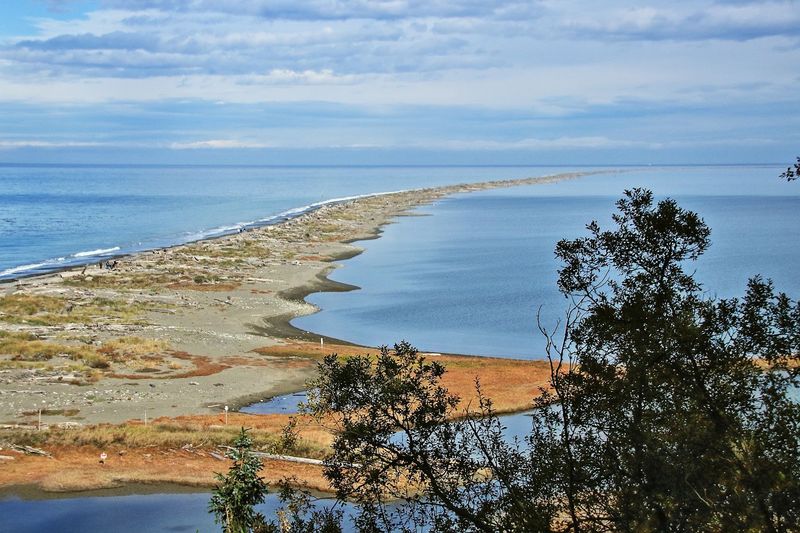
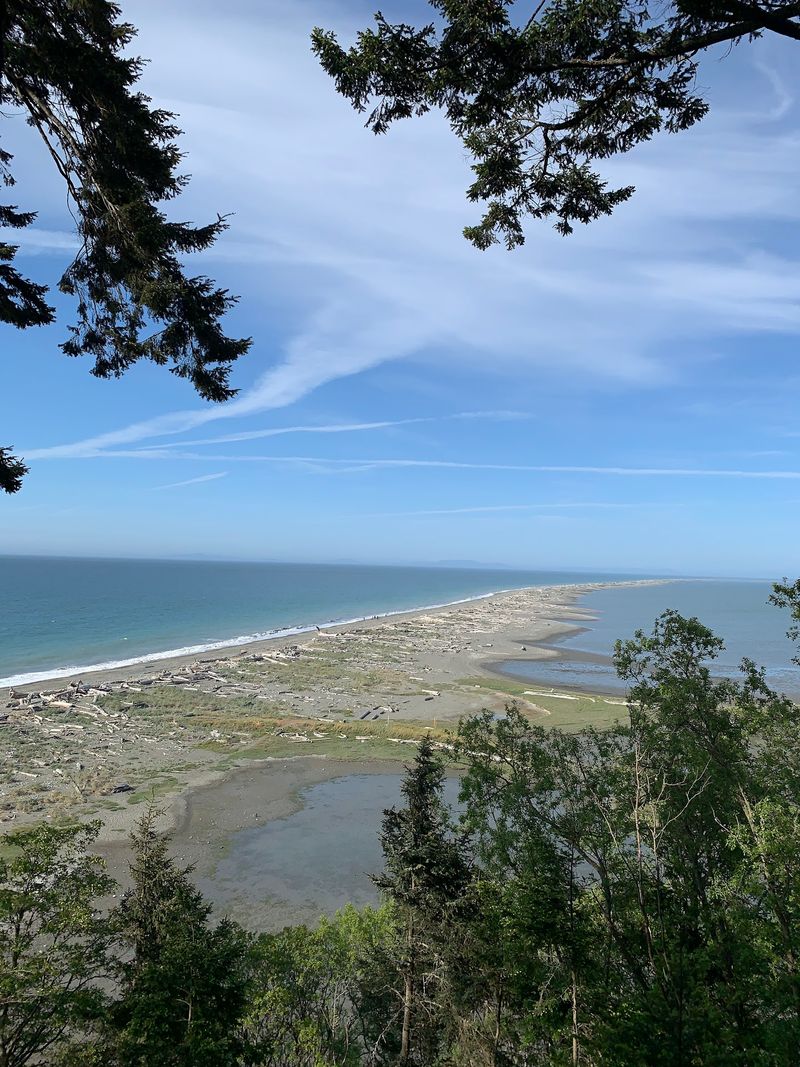
Not everyone wants an 11-mile walk, and that’s completely fine. A viewing platform near the top of the bluff offers a sweeping look at the spit.
From up there, the sand arm curves away toward the horizon. You can see how thin it really is, with water hugging both sides.
Getting down to the beach involves a steep stretch of trail. The lower area is not accessible, so visitors with mobility concerns may want to stop at the platform.
That still counts as a real visit. The view alone explains why people drive across Washington to see this place.
It’s also a smart scouting spot. You can check the weather, the wind, and the water before deciding how far to go.
Grandparents, toddlers, and anyone with tired knees can all enjoy the scenery together here. Nobody gets left behind in the parking lot.
Bring a camera and maybe a thermos of something warm. Then take a few slow minutes to soak in a view that took nature centuries to build.
Driftwood Piles Made For Building Forts
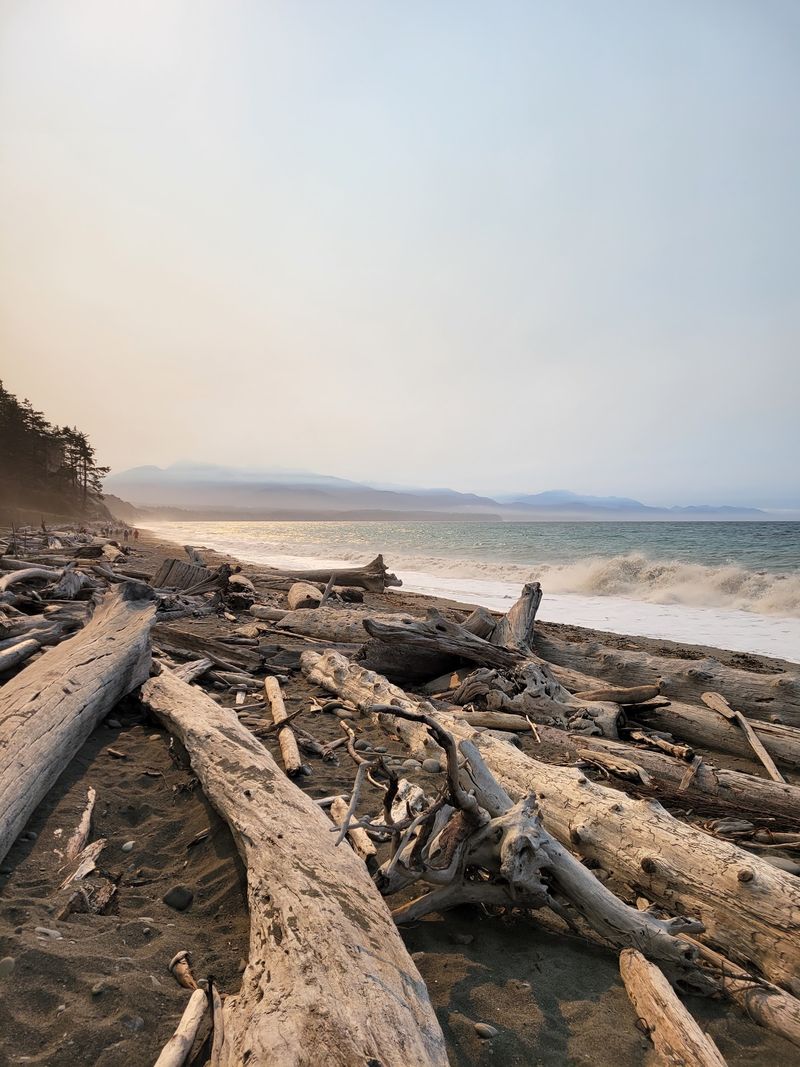
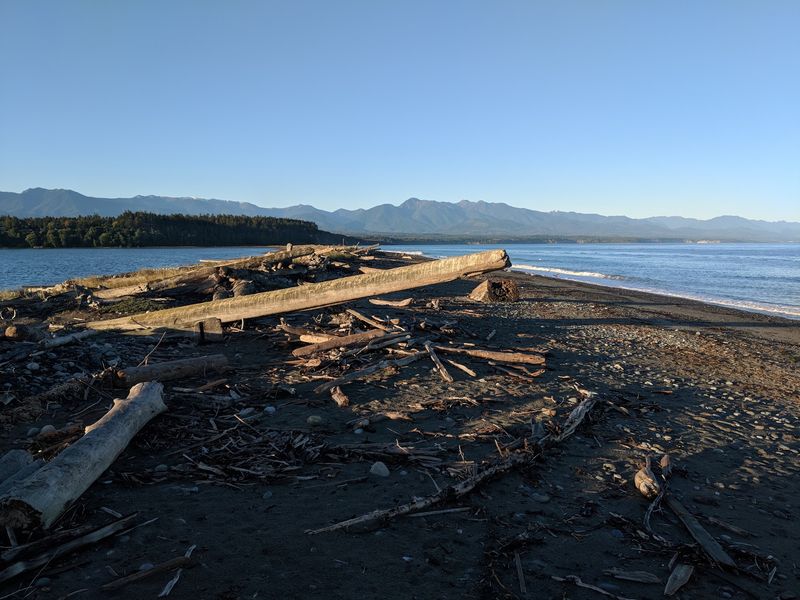
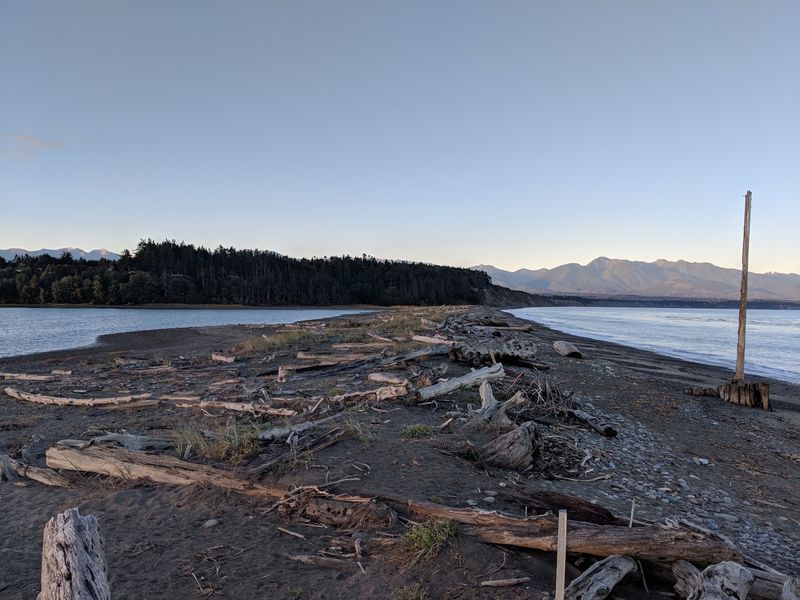
Massive logs lie scattered along the spit like a giant dropped a box of matchsticks. Huge washed-up trees line the beach, mixed with kelp and smooth stones.
Kids tend to see these piles as instant playgrounds. Driftwood forts have been a beach tradition here for generations of Washington families.
The first part of the beach allows recreation, so that’s where the fort building belongs. Farther out, the refuge rules shift toward simple walking.
Photographers love the shapes too. Bleached trunks, twisted roots, and silvery branches make striking subjects against the water.
Then there’s the sound. Waves wash over the stones and pull back with a soft rattle that feels wonderfully calming.
Keep an eye out while you walk, because sea glass sometimes turns up among the pebbles. It’s a small treasure hunt that costs nothing.
I can’t imagine a better low-budget activity for a family afternoon. A pile of driftwood and a bit of imagination beat most toy stores by a mile.
Herons, Sandpipers, And A Sky Full Of Wings
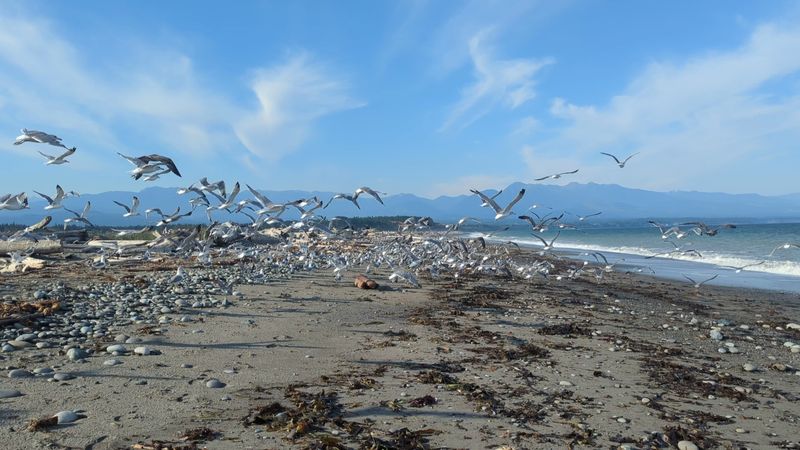
Birders, grab your notebook. The Dungeness National Wildlife Refuge exists largely to protect birds and their habitat.
Along the spit, you might see elegant herons standing perfectly still in the shallows. Sandpipers scurry along the waterline like tiny wind-up toys.
Flocks of seabirds often glide low over the waves. Early mornings can feel especially lively, with schools of birds working the calm water.
The quiet setting helps a lot. Without traffic or crowds, it’s easier to hear calls, wingbeats, and the soft splash of a diving bird.
Binoculars and a simple field guide will boost the fun. Kids especially enjoy checking off new species as the walk goes on.
Remember that some areas close to protect nesting and resting wildlife. Those signs aren’t suggestions, and the birds will thank you for respecting them.
Even if you can’t name a single species, the movement is mesmerizing. Watching a whole flock turn at once feels like seeing the sky take a breath.
The Old Lighthouse Waiting At The Tip
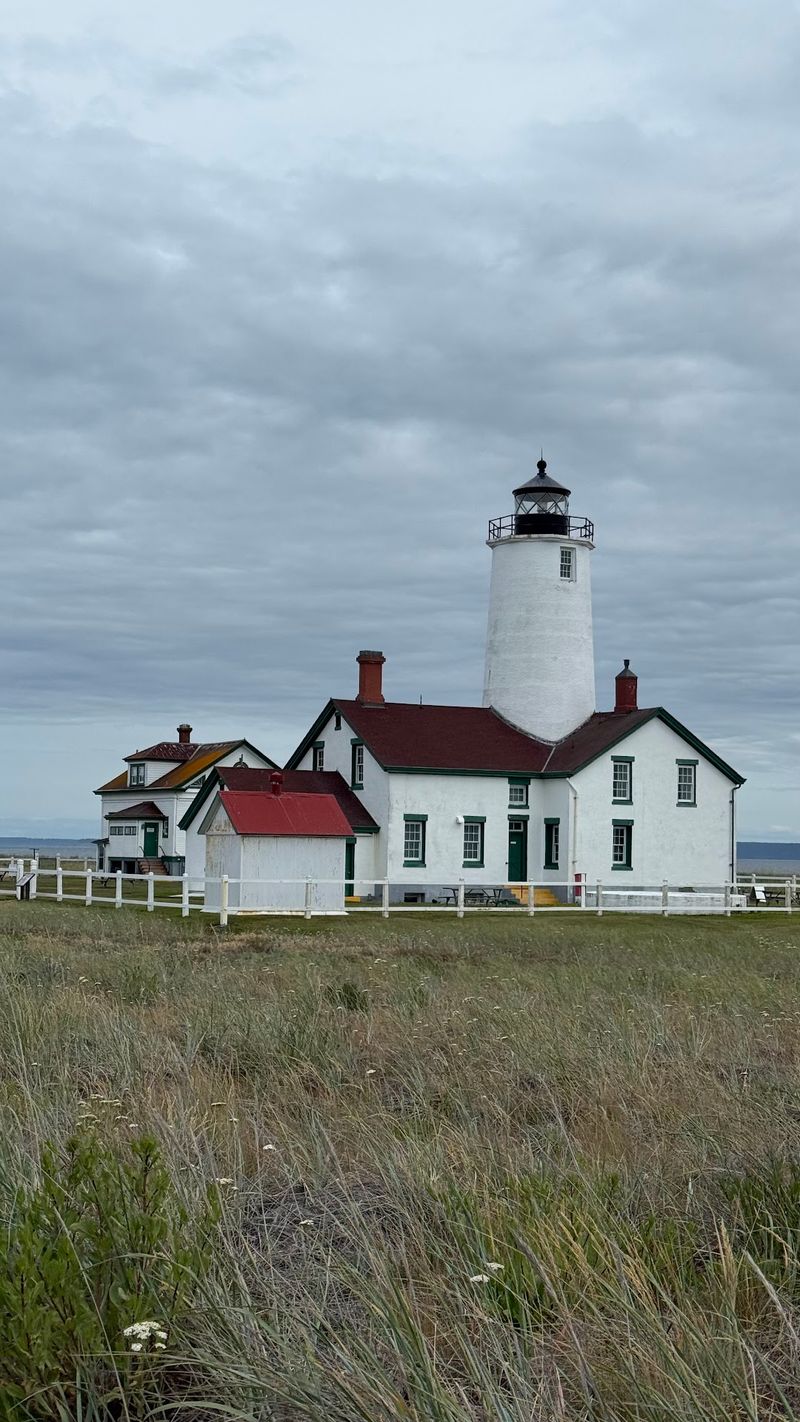
Five-plus miles of sand ends at a reward with a light on top. The New Dungeness Lighthouse stands near the tip of the spit, as it has since the 1850s.
Reaching it means roughly an 11-mile round trip from the parking lot. That’s a serious day, so pack snacks, water, and patience.
Once you arrive, the station offers some welcome comforts. There are bathrooms and fresh water, plus a self-guided tour.
Visitors may also be able to climb to the top. From there, the views across the water stretch wide in every direction.
Many people don’t make it on their first visit. Honestly, that just gives you a reason to return with better shoes and an earlier start.
The lighthouse makes a fantastic goal for active families or retirees who love a good challenge. Turning around halfway still delivers plenty of scenery.
I like how the tower changes the whole walk into a quest. Every step closer makes that white silhouette feel a little more like a finish line.
A Week Spent As An Actual Lighthouse Keeper
Here’s a vacation idea most people never hear about. Visitors can sign up to serve as a lighthouse keeper for a week at the New Dungeness station.
Yes, really. You get to live out a storybook fantasy at the end of the longest natural sandspit in the country.
Keepers help care for the station and greet hikers who make the long trek out. It’s hands-on, a little old-fashioned, and full of charm.
Spots for this kind of experience usually go fast. If it sparks your interest, check availability well ahead of your preferred dates.
Imagine evenings after the day hikers head back. Just you, the waves, the wind, and a historic light watching over the water.
It’s the kind of trip that turns into a family story told for years. Grandkids would certainly remember the summer Grandma kept a lighthouse.
Program details can change, so confirm everything directly before planning. Still, just knowing this option exists makes Washington feel a bit more magical.
Tide Charts Matter More Than Trail Maps
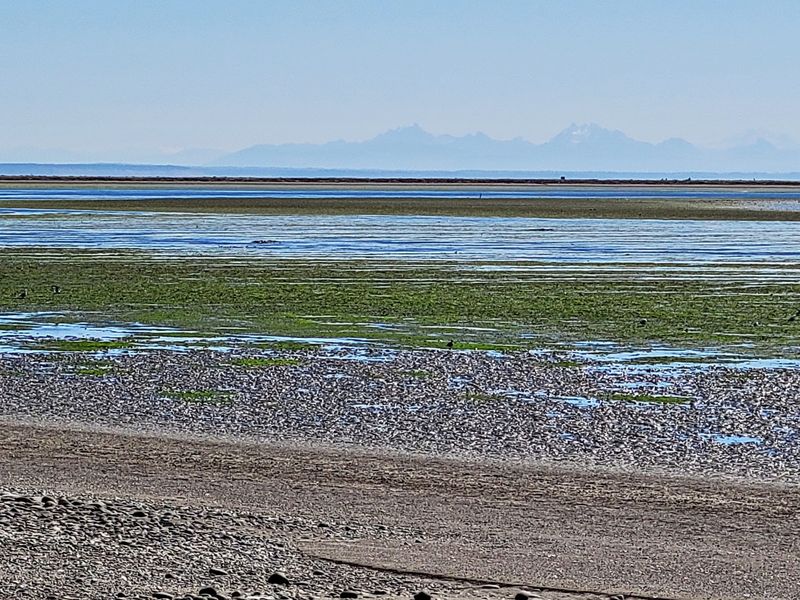
The trail never changes, but the beach sure does. Tides shape how easy, or tough, the walk along the spit will be.
Timing your hike near low tide is the smart move. More exposed sand gives you firmer footing and extra room to roam.
At higher tides, the walkable strip shrinks. You may end up trudging over loose gravel and driftwood instead of packed sand.
Planning helps with the lighthouse trip most of all. Heading out too late can leave you racing both the tide and the sunset.
A free tide app or printed chart solves most of this. Check it the night before, then set your alarm accordingly.
Morning starts tend to feel calmer and less busy. They also leave a comfortable cushion of daylight for the return walk.
Think of the tide as your silent hiking partner. Work with it, and the spit feels easygoing and generous instead of stubborn.
Wind, Chill, And The Art Of Packing Layers
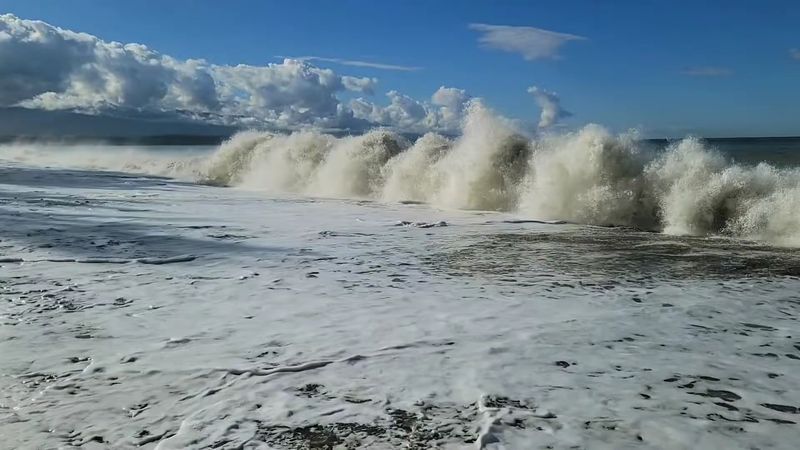
The forest feels calm, and then the beach says hello with a gust. Out on the open spit, the wind picks up and the air turns cooler.
That contrast surprises plenty of first-timers. A sunny parking lot doesn’t guarantee a cozy beach walk.
Layers are your best friend here. A light jacket, a hat, and maybe gloves can turn a chilly stroll into a pleasant one.
Good shoes matter just as much. The surface shifts between sand, gravel, and stones, so sturdy soles keep your ankles happy.
Bring more water than you think you’ll need. Wind and salty air can sneak up on you during a long walk.
Packed sandwiches make lunch breaks easy and budget-friendly. A driftwood log works perfectly as a picnic bench with a million-dollar view.
Yes, it can be breezy, sometimes very breezy. But that fresh ocean air is part of the reason you’ll sleep so well afterward.
Sunsets, Mist, And A Peek At Canada
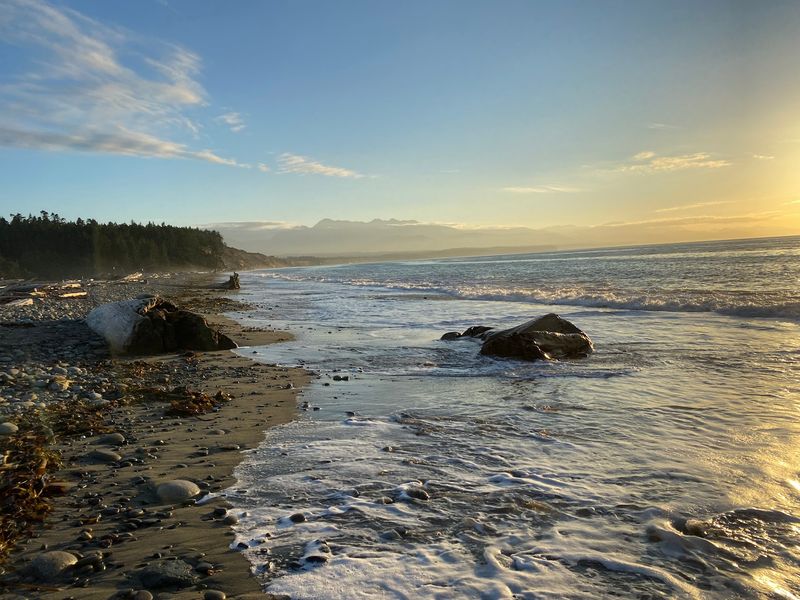
Golden hour here looks like someone cranked the color dial. Sunsets over the water rank among the most striking on the Olympic Peninsula.
Orange and pink light spills across the strait and paints the driftwood in warm tones. It’s a scene worth timing your whole visit around.
Morning offers its own magic. Mist sometimes drifts over the beach, giving everything a soft, dreamlike feel.
On clear days, you can see Canada across the water. That’s a fun surprise for kids who didn’t expect an international view from a Washington beach.
Photographers will find endless material. Long shadows, moody fog, and glittering water change the mood minute by minute.
Just remember the long walk back if you linger for sunset. A headlamp and an early turnaround keep the evening relaxed.
Many visitors describe the landscape as almost otherworldly. With the light just right, it feels far away from everything, even though town is close by.
Refuge Rules That Keep The Spit Wild
Protection comes first on this beach. Beyond the first stretch, the spit becomes a wildlife refuge where walking is the main allowed activity.
Some sections may be closed for habitat recovery or wildlife needs. Respecting those signs keeps the seals and birds coming back.
Pets are another key point. Dogs are not allowed in the refuge, so plan to leave furry friends at home.
That rule disappoints some dog lovers, which is understandable. Still, it helps wildlife rest without stress from curious noses.
Take only photos and leave the driftwood where it lies. Even small changes add up when many people visit.
Rules can shift with the seasons and conditions. Check refuge guidance before your trip so nothing catches you off guard.
I believe these limits are exactly why the place feels so peaceful. A little restraint from visitors buys a whole lot of wild beauty.
Fees, Parking, And Finding The Trailhead
Good news for budget-minded explorers. Entry requires only a small fee, making it one of the more affordable outings around.
The spit sits just outside Sequim, Washington 98382. Drive through the Dungeness Recreation Area toward the back to reach the spit trailhead.
Parking can fill up on popular days. Even so, the trails and beach rarely feel crowded once you spread out.
Arriving early helps with both parking and tides. It also gives you the best chance at quiet stretches of shoreline.
Want to stay longer? A campground sits nearby, letting you wake up close to the trail.
The location pairs nicely with other Olympic Peninsula plans. Port Angeles and Olympic National Park are both within reach for a bigger road trip.
Confirm hours and current fees before you go, since details can change. A quick check saves you a wasted drive and keeps the day stress-free.
Worth Every Sandy Step, Even Halfway
Some outings ask for big budgets and bigger plans. Dungeness Spit asks for decent shoes and a free afternoon.
In return, you get seals, seabirds, driftwood forts, and a lighthouse waiting at the edge of the sea. Few Washington day trips pack so much into one walk.
The beauty is in the flexibility. Stroll a mile, hike halfway, or chase the lighthouse, and every version feels complete.
Families can build forts and hunt for sea glass. Retirees can enjoy a peaceful walk with sweeping views and very little cost.
Plenty of longtime Pacific Northwest residents discover it late and wonder how they missed it. Don’t be the last in your circle to find out.
Check the tide, pack a jacket, and leave the dog at home. Then let the spit do the rest.
I can’t think of a better way to spend a Washington Saturday. Will you make it all the way to the lighthouse, or save that for round two?