
You Won’t Believe This Charming European-Looking Fishing Village Is Actually In South Carolina
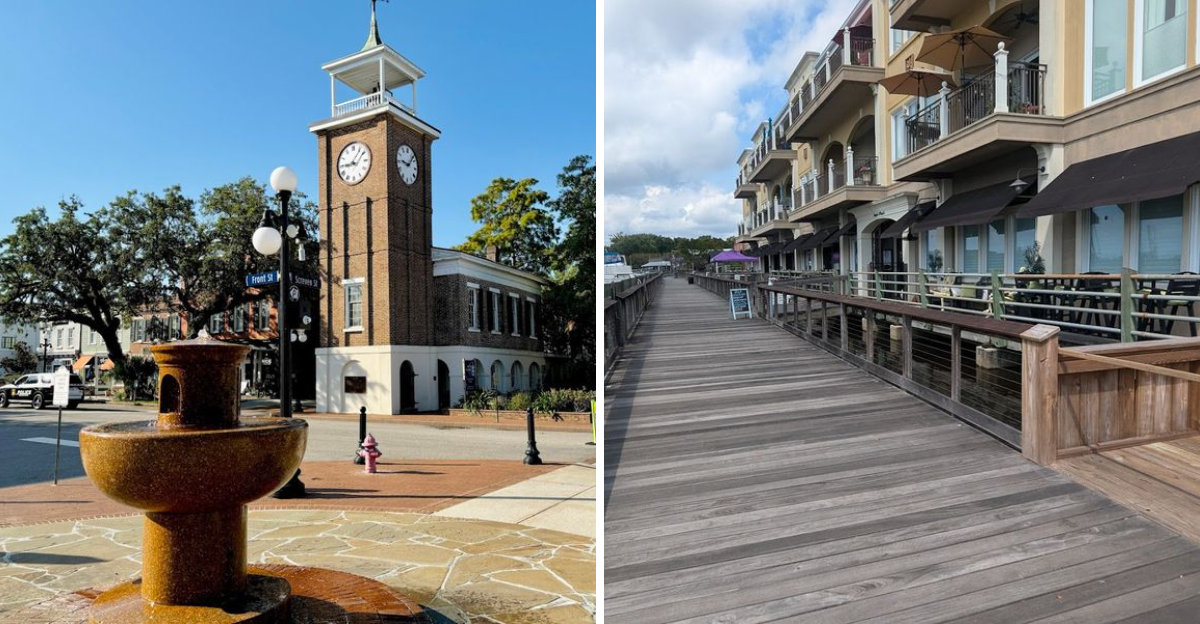
Some places in South Carolina make you wonder why they are not famous.
Georgetown is one of them.
The moment you arrive, it feels like you’ve stumbled onto a destination that somehow escaped the attention of the crowds. Colorful waterfront buildings reflect off the harbor.
Moss-draped oaks frame historic streets. And nearly every corner seems to hold a story stretching back hundreds of years.
It feels timeless.
It feels charming.
And it feels completely different from the busy beach destinations most visitors associate with the South Carolina coast.
That is part of its appeal.
While travelers rush between Charleston and Myrtle Beach, Georgetown quietly goes about being one of the most beautiful and historic towns in the state. The pace is slower.
The scenery is unforgettable. And the combination of waterfront views, rich history, and small-town character makes it surprisingly easy to fall in love with.
Spend a few hours here and you’ll understand why so many visitors wish they had discovered Georgetown sooner.
A Waterfront That Looks Straight Out of Europe
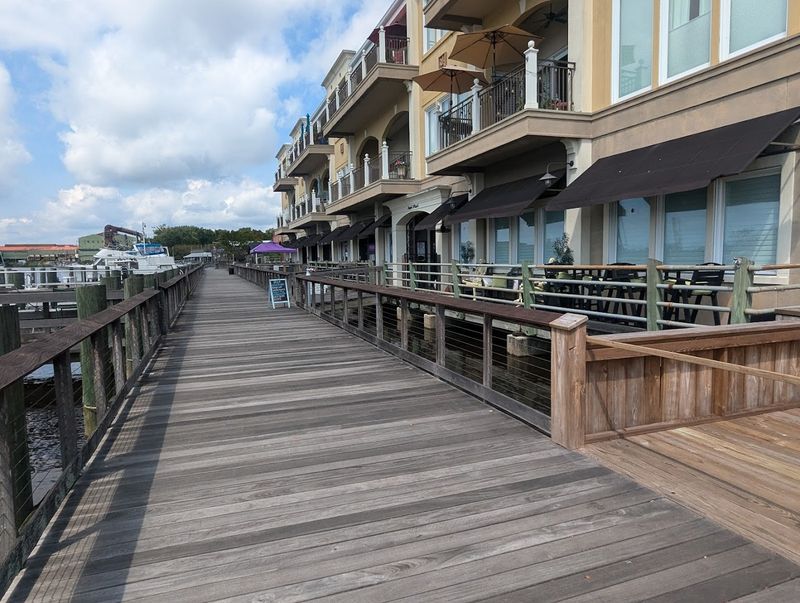
Walking along the Harborwalk in Georgetown, South Carolina, I kept stopping to double-check my surroundings because nothing about the scene looked like a typical American small town.
The wooden boardwalk stretches along the Sampit River, lined with pastel-painted buildings, boutique shops, and seafood restaurants that lean out over the water as if they are trying to get a better look at the shrimp boats below.
The whole atmosphere carries a quiet, unhurried European coastal energy that feels rare in the American South.
Locals gather at waterside benches in the evenings, watching the tides shift and the pelicans glide overhead, and the pace of life here genuinely slows you down in the best possible way.
If you visit during golden hour, the reflection of the old buildings shimmering on the river surface is the kind of view that makes your phone camera feel completely inadequate.
The Third-Oldest City In South Carolina Has Serious History
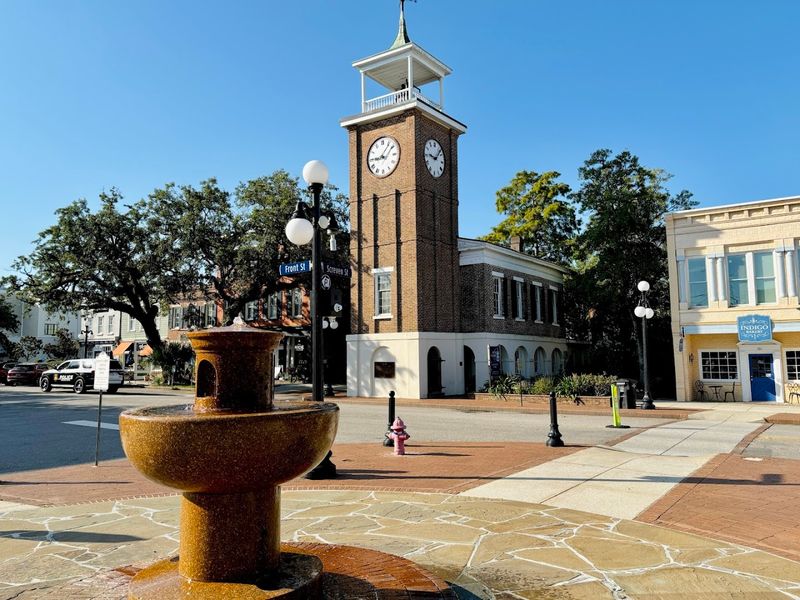
Most people associate colonial American history with Boston or Philadelphia, but Georgetown, South Carolina quietly holds its own with a founding date of 1729 that puts it among the oldest cities in the entire state.
Standing on Front Street, I could almost feel the weight of those centuries pressing down through the cobblestones and the thick walls of buildings that have survived wars, storms, and everything the Lowcountry could throw at them.
Georgetown served as a major hub for rice cultivation in the 1700s, and at its peak the surrounding plantations were producing nearly half of all the rice grown in colonial America.
That agricultural legacy shaped the culture, architecture, and even the landscape of the region in ways that are still visible today.
History here is not something kept behind a velvet rope in a museum; it is literally built into the streets you walk on.
Shrimp Boats And Fishing Culture That Still Thrives
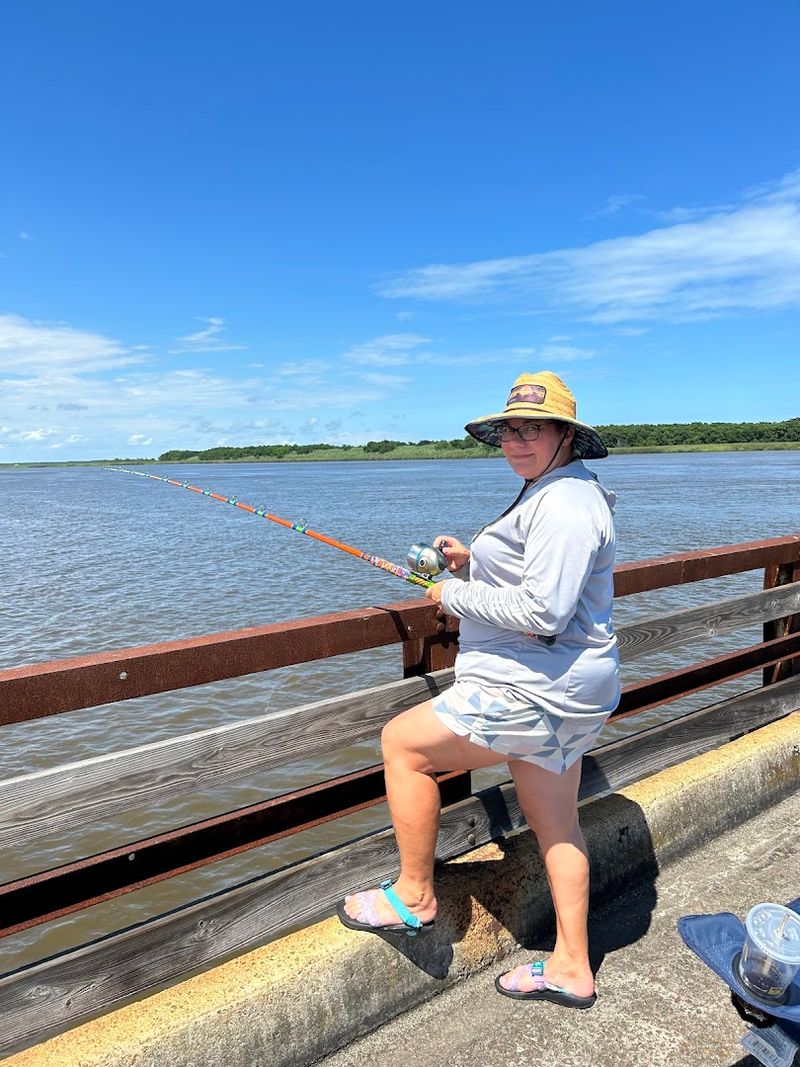
One of the first things that grabbed my attention in Georgetown was the sight of working shrimp boats tied up along the docks, their nets draped and drying in the salt-tinged breeze.
This is not a staged tourist attraction or a nostalgic display; Georgetown is still an active fishing community where generations of families make their living on the water, just as they have for over two centuries.
The shrimping culture here runs deep, and you can feel it in the menus of local restaurants where fresh-caught shrimp show up in everything from simple boils to elegant low country dishes.
Early mornings at the docks are especially rewarding, when the boats head out with the tide and the whole harbor smells like salt water and possibility.
Watching those vessels disappear into the mist reminded me that some corners of America still hold onto a way of life that the modern world has not fully swallowed.
Front Street: A Main Street That Feels Like A Film Set
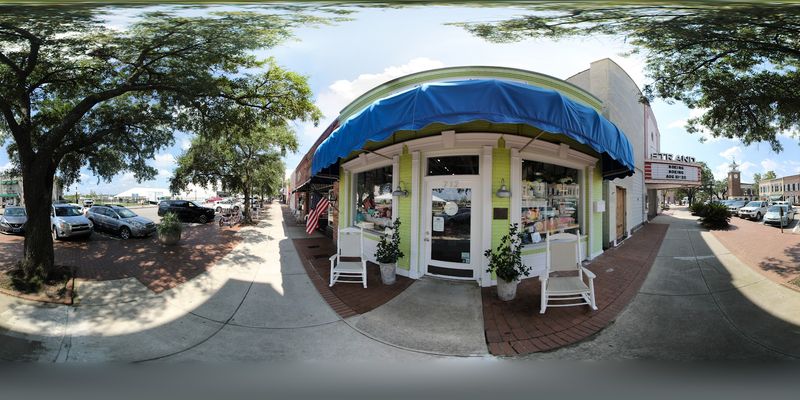
Front Street in Georgetown might be the most photogenic main street I have walked in the entire American South, and I say that having spent time in towns specifically known for their charm.
The street runs parallel to the Sampit River and is flanked by 19th-century brick buildings that house an appealing mix of local boutiques, art galleries, coffee shops, and restaurants that all seem to have been there forever.
Hanging flower baskets and hand-painted signs give the block a warmth that no chain store or strip mall could ever manufacture.
What surprised me most was how unhurried the whole street felt, even on a busy weekend afternoon, with locals stopping to chat and visitors browsing without anyone rushing anywhere.
Front Street is the kind of place where you plan to spend twenty minutes and somehow end up lingering for two hours, which honestly sounds like exactly the right way to spend an afternoon.
The Rice Culture Museum Tells A Story Few Know
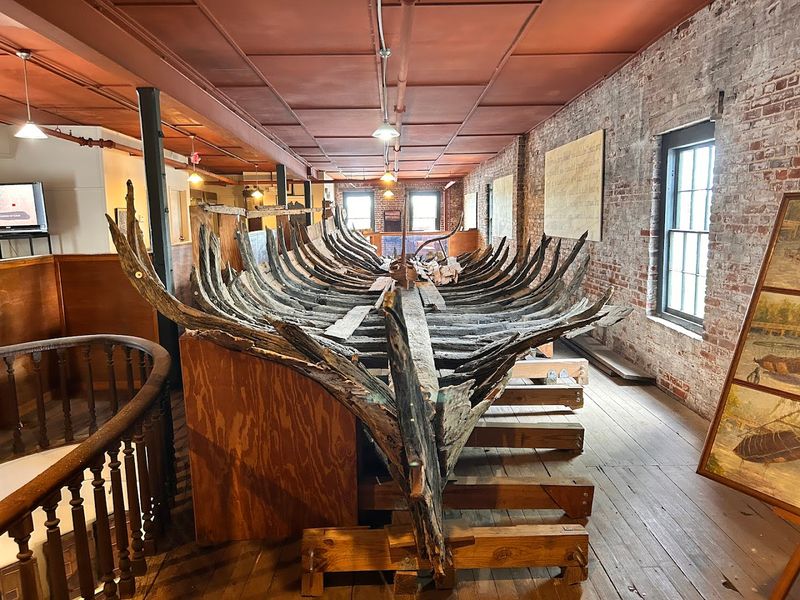
Tucked inside the Old Market Building on Front Street, the Rice Museum in Georgetown, South Carolina is one of those small museums that punches way above its size when it comes to storytelling.
I spent nearly two hours inside and walked out genuinely changed by what I had learned about the Lowcountry rice economy and the enslaved African people whose knowledge, labor, and expertise built it from the ground up.
The museum displays antique maps, tools, and artifacts that trace the full arc of rice cultivation from its West African origins through its transformation into Georgetown County’s dominant industry in the 1700s.
What makes this museum stand out is its honest, thoughtful approach to a complicated history that most places would rather skip over.
If you only have time for one indoor stop in Georgetown, this is the one that will stay with you long after you drive home.
More Antebellum Plantations Than Almost Anywhere In The South
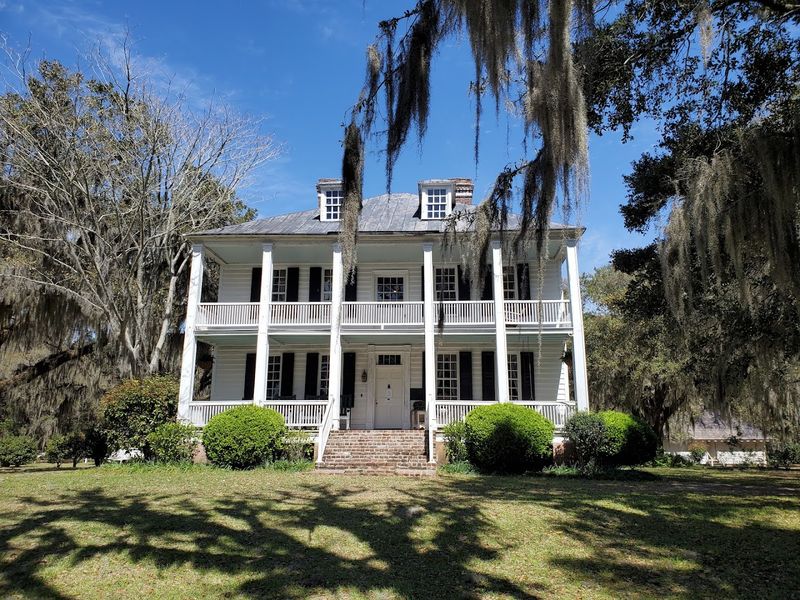
Georgetown County contains more surviving antebellum plantation sites than almost any comparable area in the American South, and driving through the surrounding countryside makes that fact feel very real very quickly.
Properties like Hopsewee Plantation, the birthplace of Thomas Lynch Jr., a signer of the Declaration of Independence, sit quietly along the rivers and backroads outside of town, offering a window into a past that is both fascinating and deeply sobering.
I visited Hopsewee on a weekday morning when the grounds were nearly empty, and walking through the original circa-1740 house with its wide pine floors and simple colonial furnishings felt genuinely transportive.
The surrounding landscape of ancient oaks, tidal creeks, and wild rice fields adds a layer of natural beauty that makes the history feel even more vivid.
These plantation sites are not comfortable places to visit, but they are important ones, and Georgetown handles that complexity better than most destinations I have seen.
The Lowcountry Landscape Is Genuinely Breathtaking
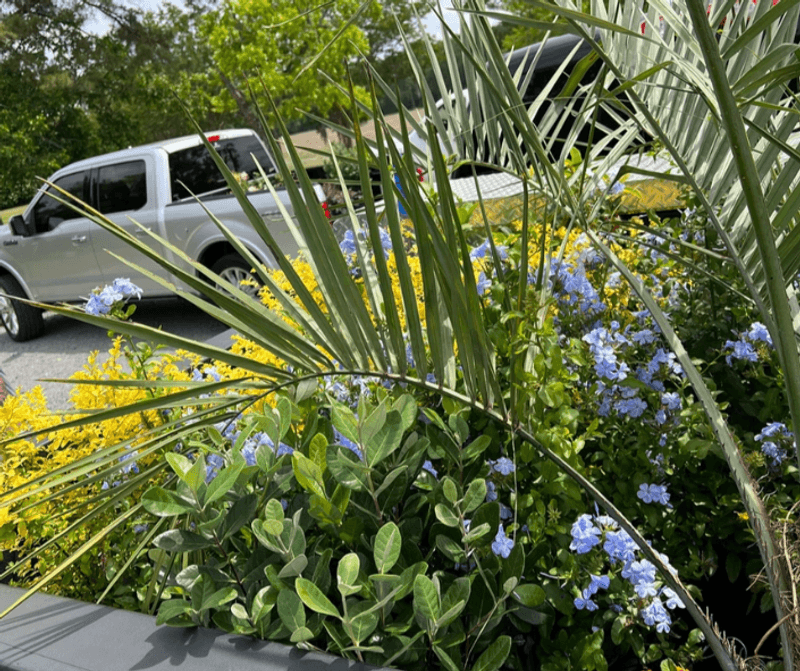
No photograph I took in Georgetown, South Carolina fully captured what it feels like to stand at the edge of a Lowcountry marsh as the tide pulls back and the golden cordgrass bends in the breeze.
The area sits at the confluence of five rivers, including the Pee Dee, Black, Waccamaw, Sampit, and Santee, creating an intricate web of tidal creeks, marshes, and barrier islands that stretches as far as you can see in every direction.
Kayaking through these waterways is one of the most peaceful things I have done anywhere in the South, with the only sounds being the dip of the paddle and the occasional call of a great blue heron lifting off from the reeds.
The landscape here has a moody, painterly quality that shifts completely depending on the light and the season.
Spring brings wildflowers along the banks, while autumn turns the marsh grasses into a tapestry of copper and amber that honestly needs to be seen to be believed.
Prince George Winyah Episcopal Church: A Colonial Landmark Still In Use
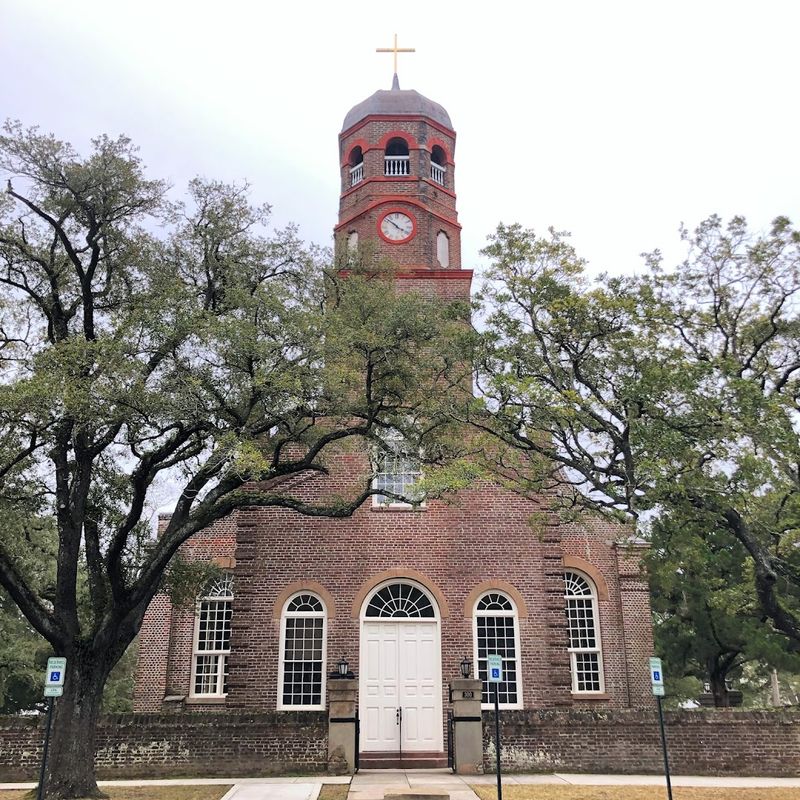
Some buildings make you stop walking and simply stare, and Prince George Winyah Episcopal Church on Highmarket Street in Georgetown, South Carolina is absolutely one of them.
Built in 1750, this colonial-era brick church is one of the oldest continuously operating Episcopal congregations in the United States, and it still holds regular services inside walls that have stood for nearly three centuries.
The churchyard cemetery is equally remarkable, with weathered headstones dating back to the colonial period crowded beneath the shade of enormous live oaks draped in Spanish moss.
I wandered through the cemetery on a quiet Tuesday morning and found myself reading epitaphs from the 1700s, each one a small, compressed life story carved in stone.
The church welcomes visitors, and the interior features original colonial woodwork and stained glass that survived the Civil War, which is a small miracle in itself given what the region endured during that period.
Fresh Seafood That Rivals Any Coastal City In The Country
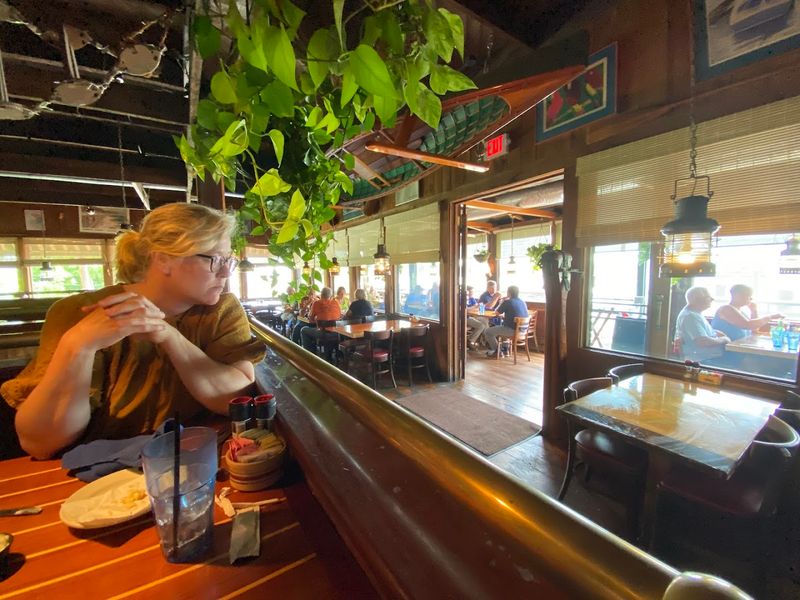
After a morning of exploring Georgetown’s historic streets, I sat down at a waterfront table and ordered shrimp and grits that arrived looking almost too good to eat, and then proceeded to eat every single bite in approximately four minutes.
Georgetown’s food scene is built on the kind of ultra-fresh seafood that only happens when the boats unloading the catch are literally visible from your restaurant window.
She-crab soup, deviled crab, fried flounder, and steamed oysters show up on menus throughout the downtown area, and the quality is consistently high because the supply chain here is about as short as it gets.
Several restaurants along Front Street and the Harborwalk have been family-owned for decades, which gives the dining experience a warmth and familiarity that newer trendy spots rarely manage to replicate.
Eating well in Georgetown does not require a big budget or a reservation, which is exactly the kind of travel math that makes a place worth returning to.
A Hidden Coastal Town That Has Not Been Overdeveloped
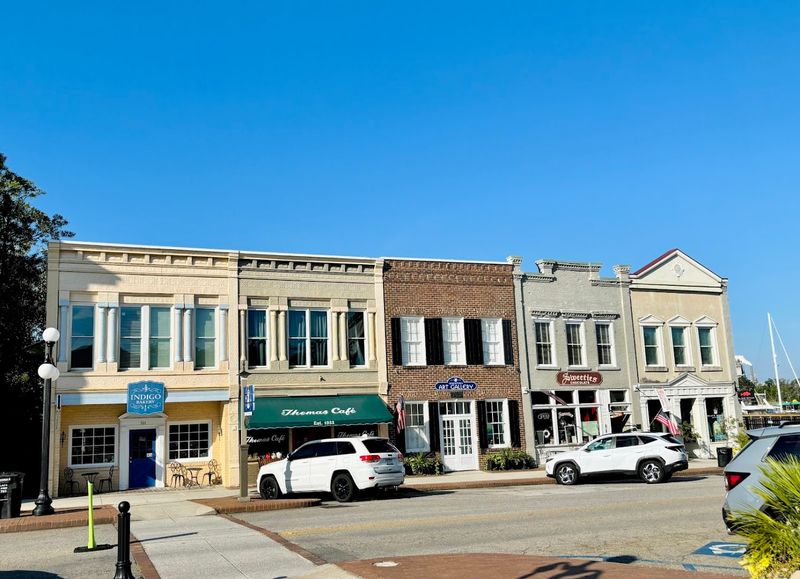
One of the things I appreciated most about Georgetown, South Carolina is precisely what it does not have: a boardwalk crammed with souvenir shops, a strip of chain restaurants blocking the water view, or a parking situation that requires a strategy session before you arrive.
With a population of around 8,400 people according to the 2020 census, Georgetown has stayed small enough to feel authentic without tipping into the kind of self-conscious quaintness that makes some small towns feel like theme parks.
The residential streets behind the main drag are lined with antebellum homes, magnolia trees, and front porches where people actually sit and wave at strangers passing by.
Development pressure is real in coastal South Carolina, but Georgetown has so far managed to preserve its character in a way that feels less like deliberate effort and more like a natural byproduct of a community that genuinely likes itself.
Finding a place this charming, this historically rich, and this unspoiled along the Atlantic Coast in the 21st century feels like a small travel miracle.