
You Won’t Believe Which South Carolina Town Was Just Named The Hottest In The South
Big cities usually dominate the headlines. This time, a smaller one stole the spotlight.
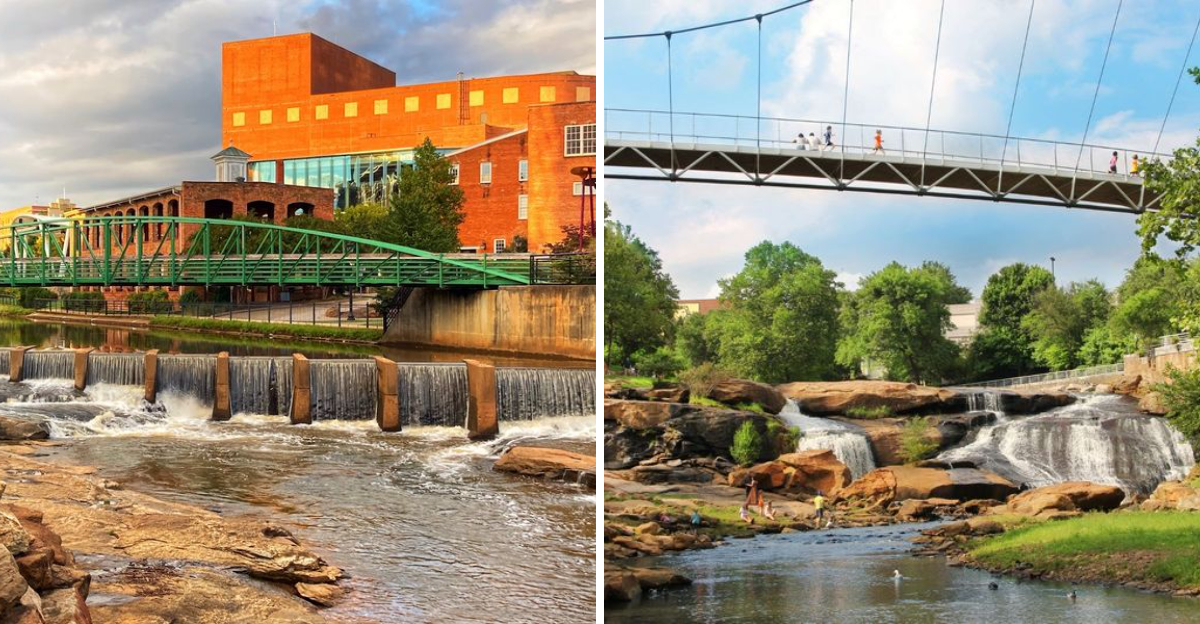
Tucked into the foothills of the Blue Ridge Mountains, one South Carolina destination has quietly transformed itself into a place people cannot stop talking about. What was once known primarily as a pleasant stop in the Upstate has evolved into one of the region’s most exciting places to live, visit, and explore.
Award-winning restaurants, a thriving downtown, scenic riverfront parks, and easy access to the mountains have created a combination that feels surprisingly effortless.
It takes something special to stand out in the South, and this South Carolina city has managed to do exactly that.
The recognition did not happen overnight. Years of thoughtful growth, a welcoming atmosphere, and a downtown that buzzes from morning coffee to late-night live music have turned this once-overlooked destination into one of the region’s biggest success stories.
When people start calling a South Carolina town the hottest place in the South, it is worth finding out what everyone else has already discovered. Whether you’re planning a weekend getaway or simply curious about the buzz, this city has plenty of reasons to live up to its new title.
Downtown Greenville Became The Blueprint For Urban Revitalization
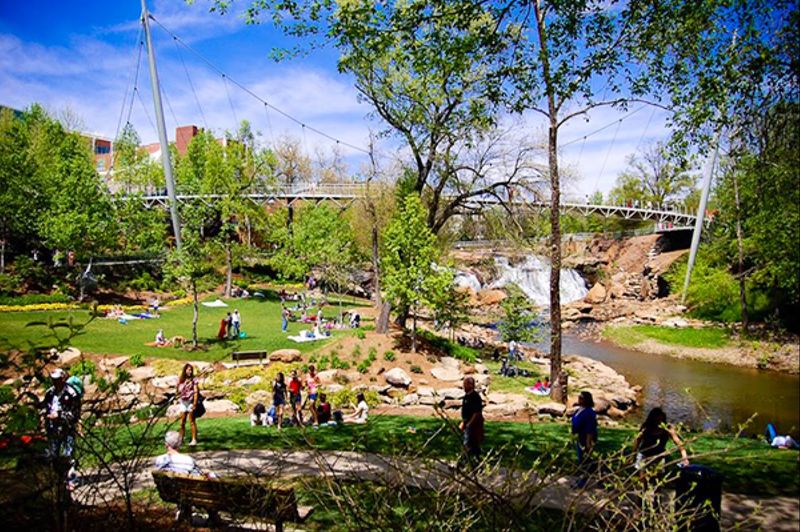
Walking down Main Street in downtown Greenville feels like stepping into what every American city wishes it could be. The fourteen-block stretch pulses with locally owned restaurants, boutique shops, and public spaces that actually make you want to linger instead of rush through.
I remember my first visit here fifteen years ago when downtown still had empty storefronts and cautious optimism. City planners made the bold decision to close Main Street to cars in certain sections, creating a pedestrian paradise that prioritized people over vehicles.
That gamble paid off spectacularly.
Today, downtown Greenville draws more than just locals. Visitors from across the Southeast make weekend trips specifically to experience the restaurant scene, catch shows at the Peace Center, or simply stroll past the mix of preserved historic buildings and sleek new construction.
The success story here has urban planners from other cities taking notes and asking how Greenville pulled it off.
What strikes me most is how the downtown manages to feel both polished and approachable. You’ll find high-end dining next to casual taco spots, with zero pretension about which belongs more.
That balance keeps the energy democratic and the sidewalks perpetually busy with everyone from business professionals to families with strollers.
Falls Park On The Reedy Proves Nature And City Can Coexist
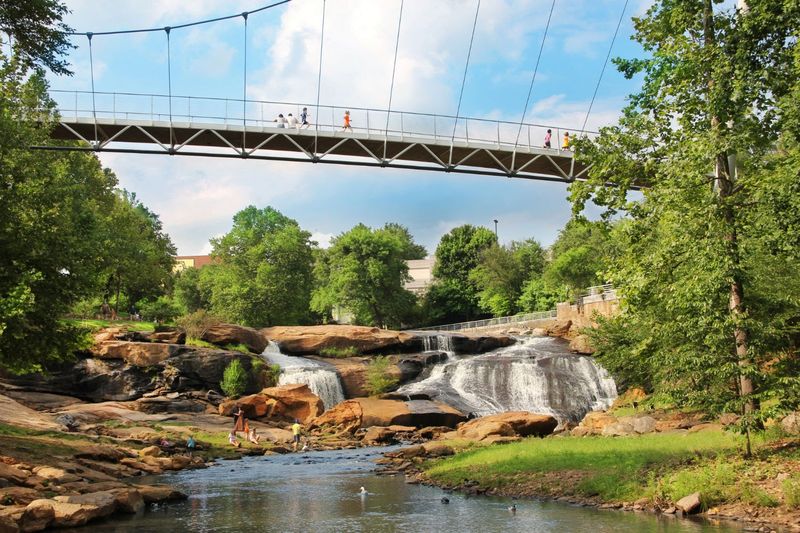
The moment I first crossed the Liberty Bridge and looked down at Reedy River Falls crashing over rocks in the middle of downtown, I understood why this park wins design awards. Falls Park on the Reedy sits right in the heart of Greenville, yet it feels like a mountain escape.
The curved suspension bridge floats 355 feet across the falls, offering views that change with every step you take. Below, carefully designed gardens follow the river’s edge, with paths that let you get close enough to feel the waterfall’s mist on your face.
The park replaced what used to be an industrial eyesore, complete with a textile mill that blocked the falls from public view entirely.
I’ve visited this park in every season, and each one reveals something different. Spring brings blooming gardens that frame the falls in color.
Summer means families spreading blankets on the grass while kids play near the water. Fall turns the surrounding trees into a painter’s palette.
Winter occasionally freezes the falls into sculptural ice formations that stop pedestrians mid-stride.
The park connects seamlessly to downtown’s restaurant district, making it ridiculously easy to grab coffee and spend an hour watching the water. That convenience means locals actually use this space daily instead of saving it for special occasions, which keeps the park feeling alive and integral to city life.
The Food Scene Rivals Cities Ten Times Greenville’s Size
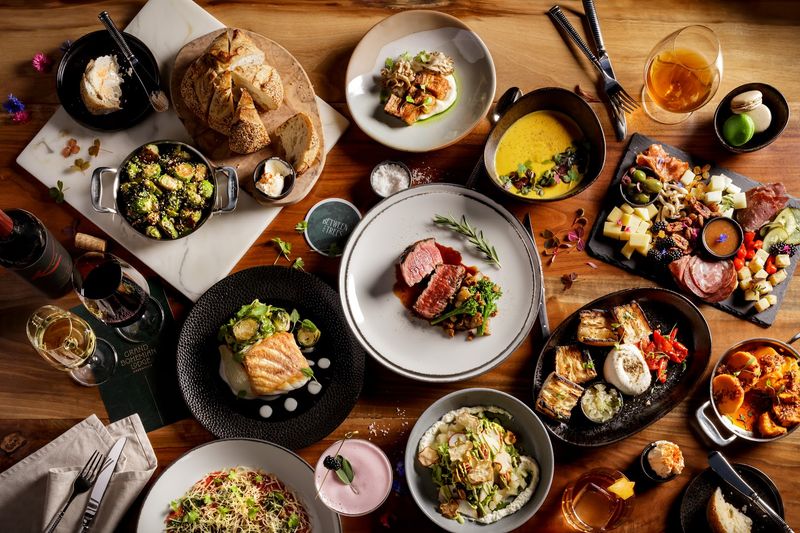
Greenville’s restaurant scene punches way above its weight class, and I say that as someone who’s eaten through Charleston, Asheville, and Atlanta. This city of roughly 70,000 people somehow supports James Beard-nominated chefs, internationally influenced kitchens, and farm-to-table concepts that actually know the farmers by name.
The culinary explosion here happened fast. A decade ago, you could count the standout restaurants on one hand.
Now I need a spreadsheet to track all the places I want to try, from elevated Southern cooking at Soby’s to the constantly evolving menu at Jianna. The variety spans Vietnamese, Italian, Mexican, Japanese, and creative American, often with Southern ingredients woven through in unexpected ways.
What makes the food scene work is the combination of local support and tourist traffic. Greenville residents eat out frequently and embrace new concepts, giving chefs the confidence to take risks.
Meanwhile, the steady stream of visitors keeps tables full even on weeknights.
I’ve noticed chefs here also collaborate instead of compete. They share suppliers, promote each other’s restaurants, and create a rising-tide mentality that elevates the entire scene.
Walking through downtown on a Saturday night means passing restaurant after restaurant with wait times, outdoor patios packed, and energy that rivals much larger cities.
Paris Mountain State Park Sits Minutes From Downtown
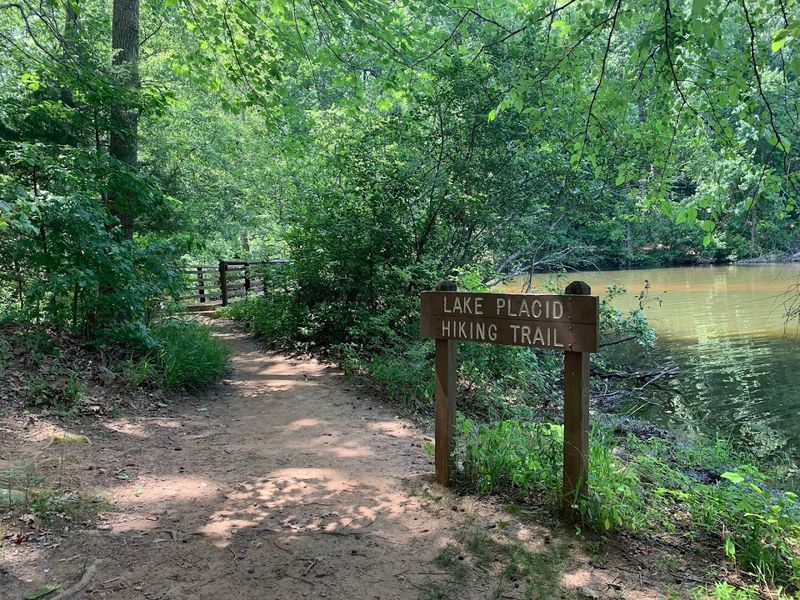
City limits and wilderness rarely share this much real estate, but Paris Mountain State Park proves it’s possible. Just a ten-minute drive from downtown Greenville, this 1,540-acre park offers hiking trails, mountain biking paths, and lakes that feel hours removed from civilization.
I’ve used this park as my personal escape valve more times than I can count. Bad day at work?
Twenty minutes on the Sulphur Springs Trail resets my entire mood. The trails here range from easy lakeside walks to steep climbs that reward you with views across the upstate.
Mountain bikers consider the single-track here some of the best in South Carolina, with technical sections that challenge experienced riders.
The park’s history adds another layer of interest. The Civilian Conservation Corps built much of the infrastructure during the 1930s, and their stonework and shelters still stand as testament to Depression-era craftsmanship.
Lake Placid and the smaller mountain lakes offer fishing and quiet spots to sit with a book while turtles sun themselves on logs.
What amazes me is how accessible this park stays year-round. Winter rarely brings snow that closes trails.
Summer heat gets tempered by tree cover. Spring wildflowers carpet the forest floor.
Fall colors rival anything you’d find further north in the mountains, and you can enjoy them during a lunch break instead of planning a whole weekend trip.
The Swamp Rabbit Trail Connects The Entire Region
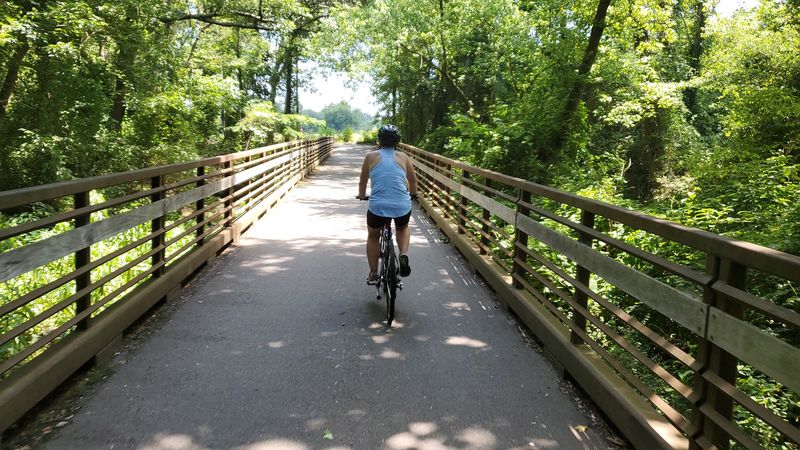
Mentioning a 22-mile paved trail usually makes people think of boring straightaways through industrial areas, but the Swamp Rabbit Trail defies every expectation. This converted rail line connects downtown Greenville to Travelers Rest, passing through neighborhoods, parks, and natural areas while following the Reedy River for much of its length.
I’ve biked this trail dozens of times, and it never feels repetitive. The downtown section starts near the baseball stadium and quickly enters tree-covered stretches where the city noise fades.
You’ll pass under historic bridges, alongside the river where herons fish in the shallows, and through sections where local artists have added murals and installations.
The trail’s real genius is how it sparked development along its entire route. Coffee shops, breweries, and restaurants opened specifically to serve trail users, creating destination stops that turn a simple bike ride into a whole day’s adventure.
Cleveland Park sits right on the trail, offering playgrounds and open space perfect for breaking up longer rides with kids.
Travelers Rest, at the trail’s northern terminus, transformed from a quiet mountain town into a bustling hub partly because of trail traffic. I’ve watched that transformation happen in real time, with new businesses opening every year to welcome the steady stream of cyclists and runners who now consider TR a natural extension of Greenville’s outdoor recreation scene.
The Job Market Attracts Young Professionals From Across The Country
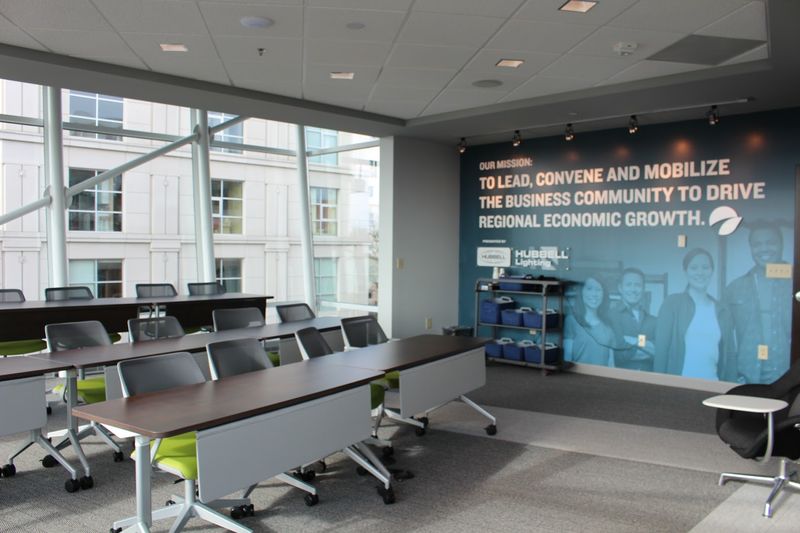
Economic development sounds boring until you realize it’s the engine making everything else possible, and Greenville’s job market is firing on all cylinders. Major employers like BMW Manufacturing, Michelin, and GE Power call the area home, joined by a growing tech sector and healthcare industry that keeps unemployment low and wages competitive.
The transformation I’ve witnessed in Greenville’s economy over two decades still amazes me. This used to be textile country, with mills providing most jobs until global competition shut them down.
Instead of declining, the region pivoted hard toward advanced manufacturing, international business, and knowledge-based industries. That pivot worked spectacularly.
Young professionals now move to Greenville from expensive coastal cities, attracted by job opportunities that pay well relative to the cost of living. A software developer or engineer can afford a house here, enjoy a genuine downtown scene, and still save money compared to living in Boston or San Francisco.
That value proposition has created a noticeable influx of transplants who bring fresh energy and ideas.
The business community here also supports entrepreneurship in ways that surprise people. Co-working spaces, startup incubators, and networking groups create infrastructure for new ventures.
I’ve met multiple people who left corporate jobs in other cities specifically to launch businesses in Greenville, citing the supportive environment and lower barriers to entry as major factors in their decision.
Proximity To Mountains And Beaches Creates Weekend Adventure Options
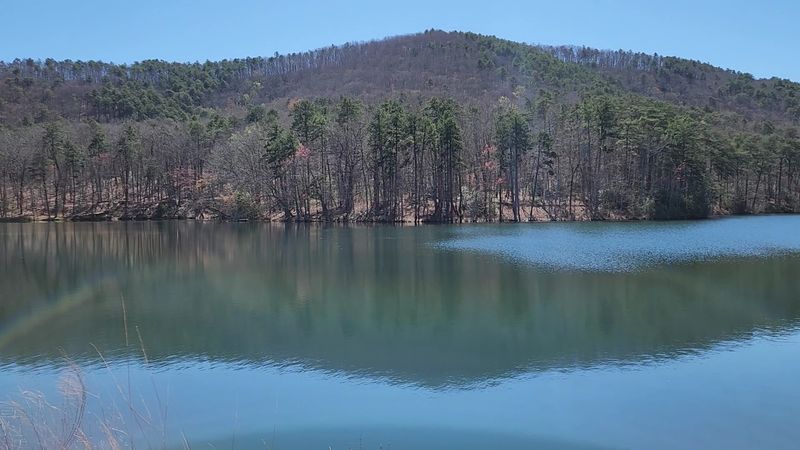
Geography dealt Greenville a winning hand, and the city knows how to play it. The Blue Ridge Mountains start just 30 minutes north, while Charleston and the Atlantic beaches sit roughly two hours southeast.
That positioning makes Greenville the perfect base camp for people who refuse to choose between mountain adventures and beach weekends.
I’ve used this geographic advantage constantly since moving here. Friday afternoon means I can finish work and reach mountain trails in time for a sunset hike.
Saturday morning means I can wake up in the mountains, enjoy breakfast with views, and still make it to the coast before dinner. That flexibility transforms how you experience the region.
The mountain access alone would be enough. Table Rock State Park, Caesar’s Head, and countless waterfalls sit close enough for spontaneous trips.
Asheville’s restaurant scene and mountain culture are just 45 minutes away. The Blue Ridge Parkway entrance near Brevard opens up hundreds of miles of scenic driving with overlooks that never get old.
Beach access adds the other half of the equation. Folly Beach, Isle of Palms, and Hilton Head all make easy day trips or weekend getaways.
I’ve watched friends in other cities spend their whole vacation traveling to reach either mountains or coast. Living in Greenville means both options stay perpetually available, turning weekend planning into a pleasant problem of too many good choices rather than too few.
Arts And Culture Scene Rivals Much Larger Southern Cities
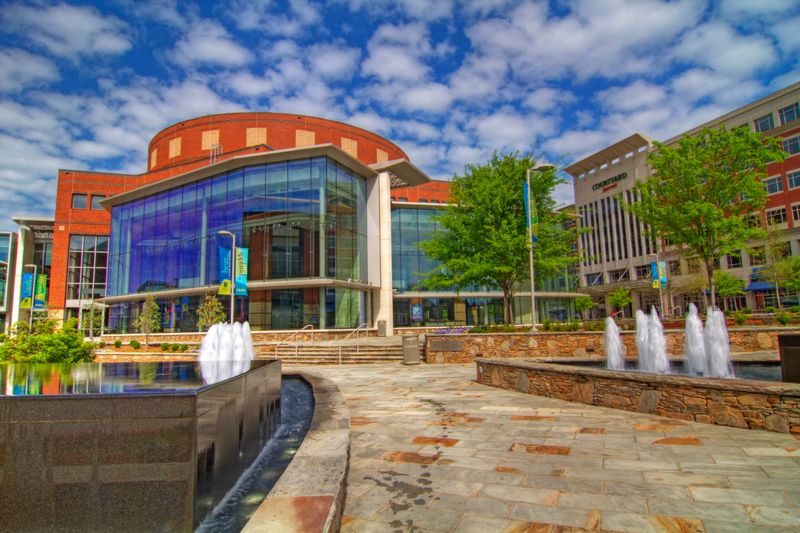
The Peace Center anchors Greenville’s cultural scene with a sophistication that catches first-time visitors off guard. This performing arts complex hosts Broadway tours, symphony performances, and national acts in venues that range from intimate theaters to a 2,100-seat concert hall with acoustics that do justice to every performance.
I’ve seen everything from Hamilton to local theater productions here, and the quality stays consistently high. The center sits right on the Reedy River with views of Falls Park, making the pre-show stroll as much a part of the experience as the performance itself.
The Peace Center’s programming also takes risks, bringing in experimental theater, world music, and contemporary dance alongside crowd-pleasing blockbusters.
Beyond the Peace Center, Greenville’s arts scene spreads throughout the city. The Greenville County Museum of Art houses an impressive collection of Southern art, including the world’s largest public collection of Andrew Wyeth watercolors.
First Fridays on Main Street turn downtown into an open gallery, with shops and restaurants hosting local artists and live music spilling onto sidewalks.
The Warehouse Theatre produces edgy, contemporary plays in an intimate setting that puts you close enough to see actors’ expressions clearly. The Children’s Museum of the Upstate draws families year-round with hands-on exhibits that actually engage kids instead of just warehousing them.
That cultural density creates a city where you can fill your calendar with performances, exhibitions, and events without ever repeating yourself.
The Cost Of Living Stays Reasonable Despite Growing Popularity
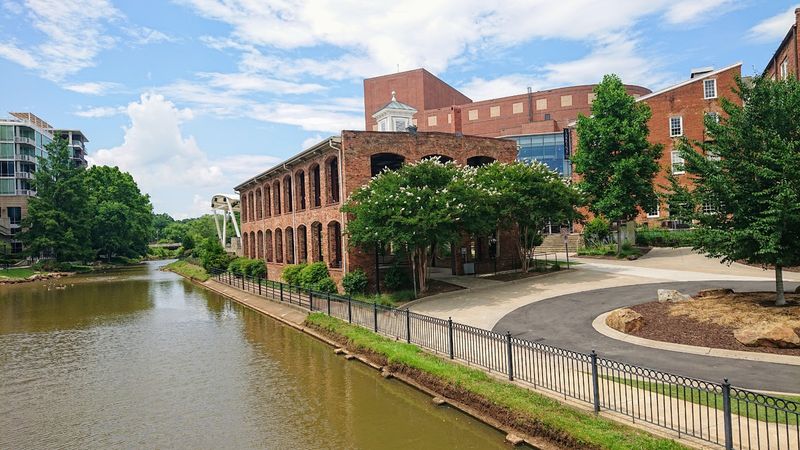
Hot markets usually mean pricing out regular people, but Greenville has managed to stay relatively affordable even as its popularity explodes. The median home price here runs significantly below national averages for cities with comparable amenities, and rent stays manageable compared to other fast-growing Southern cities.
I’ve watched the housing market here with the attention of someone who remembers when you could buy historic homes downtown for pocket change. Yes, prices have risen.
A bungalow that sold for $150,000 fifteen years ago now fetches $400,000. But that same house in Charleston or Asheville would cost $700,000, and in a coastal market like Portland or Austin, you’d need over a million.
Context matters.
The cost of living advantage extends beyond housing. Restaurant meals, entertainment, and daily expenses run noticeably cheaper than in comparable cities.
A nice dinner out costs $60 instead of $120. Concert tickets stay affordable.
Parking downtown is mostly free or cheap. Those differences add up to a lifestyle that feels accessible instead of reserved for high earners only.
The regional economy also supports middle-class wages that go further here. Teachers, nurses, tradespeople, and service workers can afford to live near where they work instead of commuting from distant suburbs.
That economic diversity keeps Greenville feeling like a real city where different income levels mix instead of a playground exclusively for the wealthy.
Community Events Create Year-Round Reasons To Celebrate
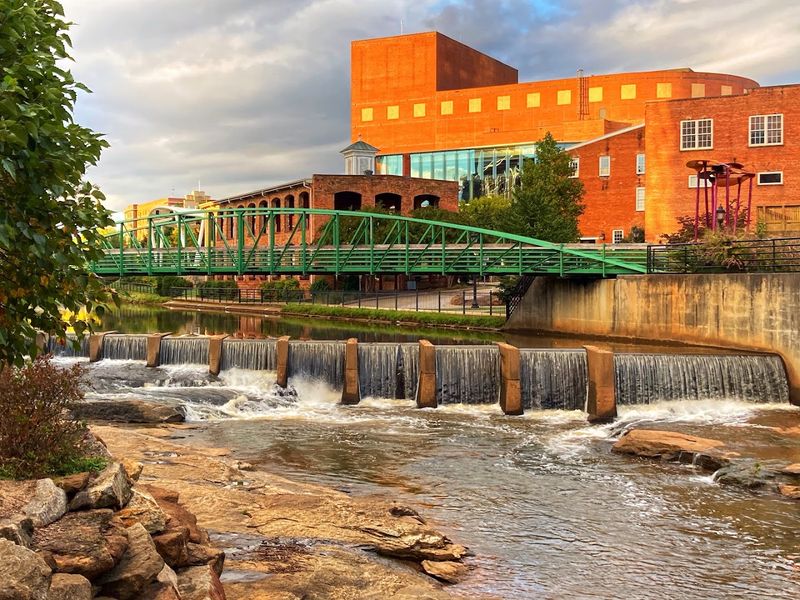
Greenville’s events calendar reads like a city trying to give you reasons to never leave, and honestly, it works. Artisphere brings 40,000 people downtown each May for three days of fine art, live music, and street performances that transform Main Street into a massive outdoor gallery.
Fall for Greenville packs downtown with 50,000 food lovers sampling from local restaurants while bands play on multiple stages.
I’ve stopped trying to attend every event because the calendar simply won’t allow it. Euphoria food and music festival celebrates the restaurant scene each September.
Shakespeare in the Park offers free performances at Falls Park every summer. TD Saturday Market runs year-round, connecting farmers, artisans, and the community every weekend with local produce, handmade goods, and prepared foods that make grocery shopping feel like a social event.
The events here also reflect genuine community participation rather than corporate-sponsored affairs that feel manufactured. Neighborhoods host their own festivals.
Churches organize fundraisers that draw crowds beyond their congregations. The minor league baseball team, the Greenville Drive, packs Fluor Field for games that feel more like block parties with baseball happening in the background.
What strikes me most is how these events stay accessible. Most are free or charge minimal admission.
They happen in walkable downtown areas with easy parking. Organizers create family-friendly atmospheres where you’ll see everyone from toddlers to grandparents enjoying themselves, which keeps the events feeling inclusive rather than exclusive.