
You’d Never Guess This Stunning South Carolina Botanical Garden Is Completely Free
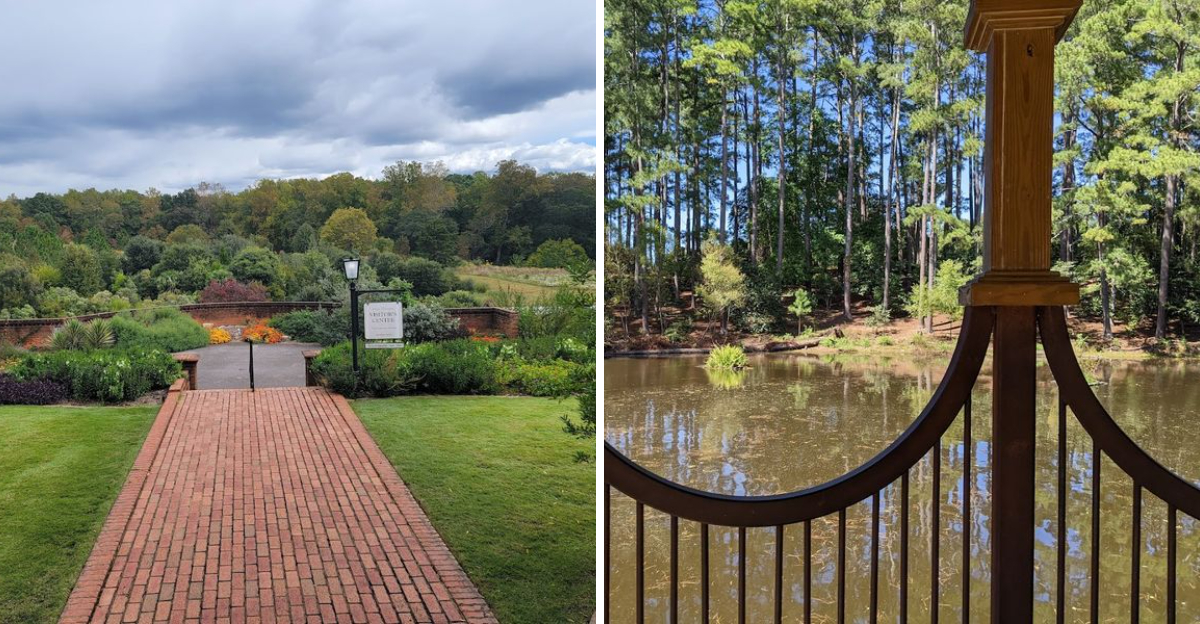
Free attractions in South Carolina are usually small.
This one covers 295 acres.
That is what makes the South Carolina Botanical Garden so surprising.
The moment you arrive, everything about the place suggests there should be an admission gate somewhere ahead. The manicured gardens.
The miles of scenic trails. The peaceful ponds, towering trees, and carefully maintained landscapes.
It feels like the kind of destination that would happily charge for entry and still attract visitors by the thousands.
Except it doesn’t.
Instead, visitors are free to wander through one of the most beautiful outdoor spaces in South Carolina without spending a single dollar.
That contrast is hard to ignore.
A destination this large.
A setting this impressive.
And a price tag of exactly zero.
In an age when almost every outing comes with a cost, the South Carolina Botanical Garden feels like discovering a secret that somehow hasn’t reached the rest of the country yet.
Open Every Single Day Without Admission Fees
Pulling up to the garden, I noticed something missing: the ticket window. South Carolina Botanical Garden operates on a philosophy that nature should be accessible to everyone, which means admission stays completely free every day of the year.
The gates open at 6 AM and close at 8 PM, giving you fourteen hours to explore without spending a dime.
Most botanical gardens charge ten to twenty dollars per person, making a family outing expensive before you even pack the picnic basket. Here in Clemson, I watched families with strollers, couples with cameras, and solo walkers all enjoying the same experience without reaching for their wallets.
Parking costs nothing either, with multiple lots scattered throughout the property.
I visited on a Saturday afternoon and found the grounds welcoming but never crowded. The free admission policy creates an atmosphere where people return often, treating the garden as their backyard rather than a special-occasion destination.
My favorite part is knowing I can stop by for thirty minutes or three hours without worrying about getting my money’s worth.
Bob Campbell Geology Museum Sits Right Inside
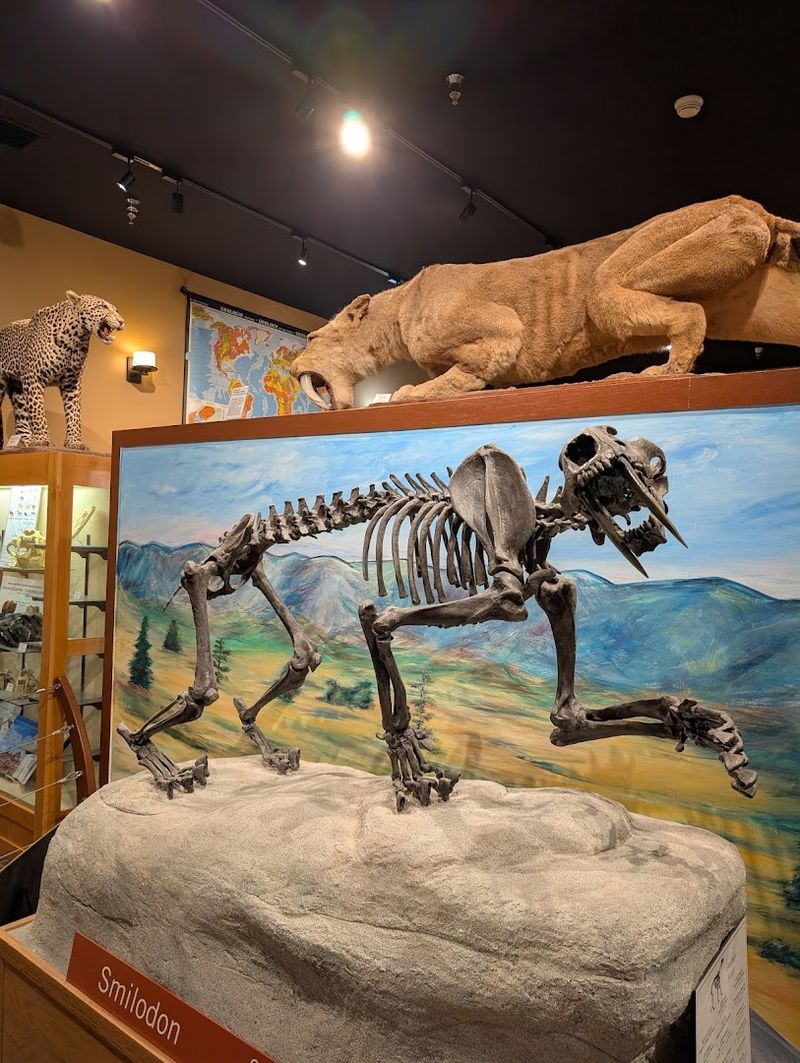
Tucked inside the visitor center, the Bob Campbell Geology Museum surprised me with its collection of minerals that glow under ultraviolet light. I stepped into a darkened room where ordinary-looking rocks transformed into neon masterpieces, glowing purple, green, and orange in ways that made my nephew gasp out loud.
The museum houses fossils, gemstones, and geological specimens from around the world, all presented with clear explanations that a middle schooler can understand.
What makes this museum special is its hands-on approach. I touched actual fossils, examined minerals under magnifying glasses, and learned about South Carolina’s geological history through interactive displays.
The staff encourages questions and exploration rather than keeping everything behind glass cases.
Best of all, the geology museum maintains the same free admission policy as the rest of the garden. I spent nearly an hour inside on a rainy afternoon, grateful for an educational indoor option that didn’t require an entrance fee.
Kids especially love the dinosaur exhibits and the chance to hold real specimens from ancient eras.
Miles of Nature Trails Wind Through Different Ecosystems
Beyond the manicured display gardens, I discovered miles of natural trails that feel more like hiking through protected wilderness than walking through a botanical collection. The Natural Heritage Trail took me past streams, through hardwood forests, and into areas where native plants grow exactly as they would in undisturbed nature.
My fitness tracker recorded three miles before I even realized how far I had wandered.
Each trail offers something different. Some paths stay paved and accessible for wheelchairs and strollers, while others venture onto dirt tracks that require sturdy shoes.
I appreciated the variety because I could choose my adventure based on my energy level and footwear that particular day.
Trail markers appear frequently enough that I never felt lost, but the experience still felt wild and unstructured. I spotted turtles sunning themselves near the pond, heard woodpeckers working on dead trees, and watched squirrels navigate the canopy overhead.
The trails connect different sections of the garden, so you can create your own route or follow suggested loops that range from easy strolls to more substantial hikes.
Themed Gardens Showcase Plants You Can Actually Grow Here
Walking through the Camellia Garden in late winter, I realized these themed sections serve as living textbooks for what thrives in South Carolina soil. Rather than importing exotic specimens that need special care, the garden focuses on plants that actually succeed in this climate.
I took notes on my phone about varieties I wanted to try in my own yard after seeing them flourish here.
The Heritage Gardens recreate historical garden styles, showing how people in different eras approached landscaping in the South. I found myself lingering in the butterfly garden, watching monarchs and swallowtails work the blooms while mentally planning which plants would attract similar visitors to my porch.
Each themed area includes labels that identify plants and explain their growing requirements. Instead of feeling like a museum of untouchable specimens, these gardens function as practical inspiration for home gardeners.
I appreciated seeing plants in different seasons too, understanding which ones provide winter interest and which ones peak in summer heat. The garden essentially offers free landscaping consultation through example.
Duck Pond And Gazebo Create Picture-Perfect Moments
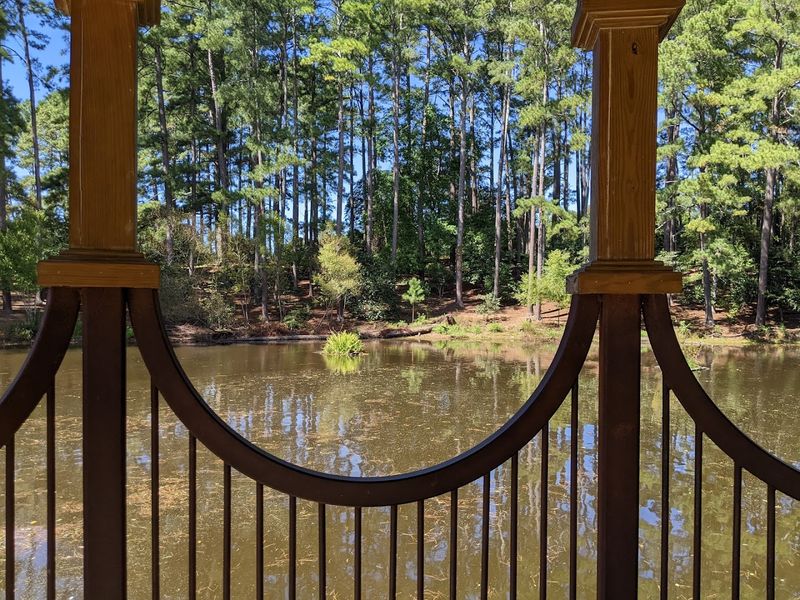
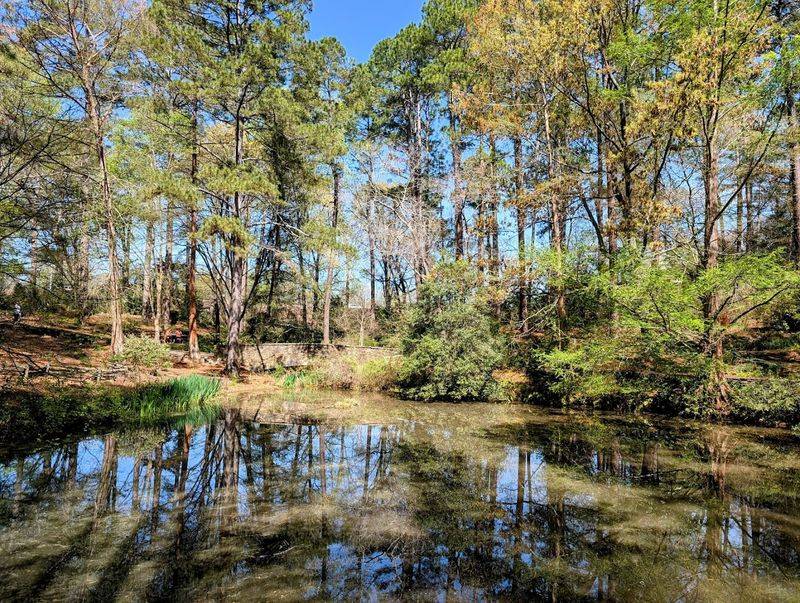
I sat on a bench near the duck pond for twenty minutes, watching turtles slide off logs and mallards paddle in lazy circles. The gazebo overlooking the water has become one of the most photographed spots in the garden, and I understood why when afternoon light turned the whole scene golden.
Couples take engagement photos here, families pose for holiday cards, and artists set up easels to capture the reflections.
The pond area feels separate from the more structured garden sections, offering a place to simply sit and breathe. I watched a grandfather teach his granddaughter to identify different duck species while other visitors sketched the scene in notebooks.
The water attracts wildlife beyond the ducks, including herons that stalk the shallows and dragonflies that hover over lily pads.
What struck me most was how this peaceful spot costs nothing to enjoy. I could spend an entire afternoon here with a book, returning week after week without any financial barrier.
The gazebo provides shade on hot days and shelter during light rain, making it functional beyond just being photogenic.
Children’s Garden Offers Hands-On Exploration Spaces
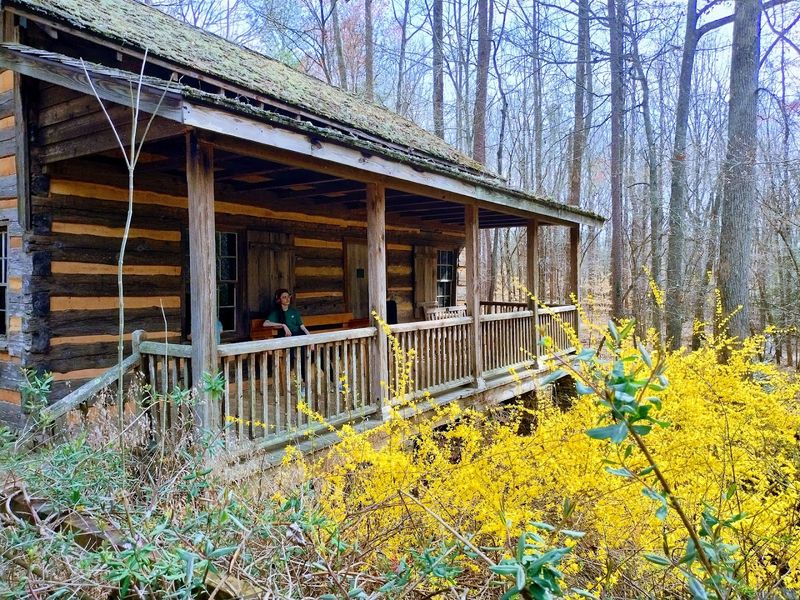
My niece made a beeline for the children’s garden, where a hobbit-like “hidey hole” burrows into a hillside and sensory plants beg to be touched. This section understands that kids learn through interaction rather than observation, so everything invites participation.
She ran her hands over lamb’s ear leaves, discovered plants that smell like chocolate when you crush their leaves, and played hide-and-seek among the pathways.
The design encourages curiosity without requiring constant adult supervision. I could relax on a nearby bench while she explored safely within the enclosed garden space.
Interactive elements teach children about plant life cycles, pollination, and garden ecosystems through play rather than lectures.
Other botanical gardens charge extra for children’s areas or limit them to members only. Here, the children’s garden maintains the same free access as everything else, making it a regular destination for local families.
I overheard one mom mention she brings her kids here twice a week because it offers outdoor play with educational value and costs nothing. The space works equally well for toddlers and elementary-age children, with different levels of engagement available.
Volunteers Maintain Everything Through Community Support
Behind every weeded path and pruned shrub, I noticed the work of dedicated volunteers who keep this place running without charging admission. The garden operates through Clemson University but relies heavily on community members who donate their time and expertise.
I chatted with a retired teacher who volunteers every Tuesday, deadheading flowers and answering visitor questions with equal enthusiasm.
This volunteer model creates a different atmosphere than gardens run purely as businesses. The people working here genuinely love the space and want others to experience it.
I watched volunteers lead informal plant identification walks, help families spot wildlife, and share propagation tips with anyone who asked.
The community ownership shows in how well-maintained everything stays despite the free admission. People treat the garden respectfully because they know their neighbors put in the work.
I saw visitors picking up litter without being asked and staying on designated paths to protect plantings. The volunteer structure makes the garden feel like it belongs to everyone rather than existing as a commodity to purchase.
Art Gallery And Gift Shop Support Garden Operations
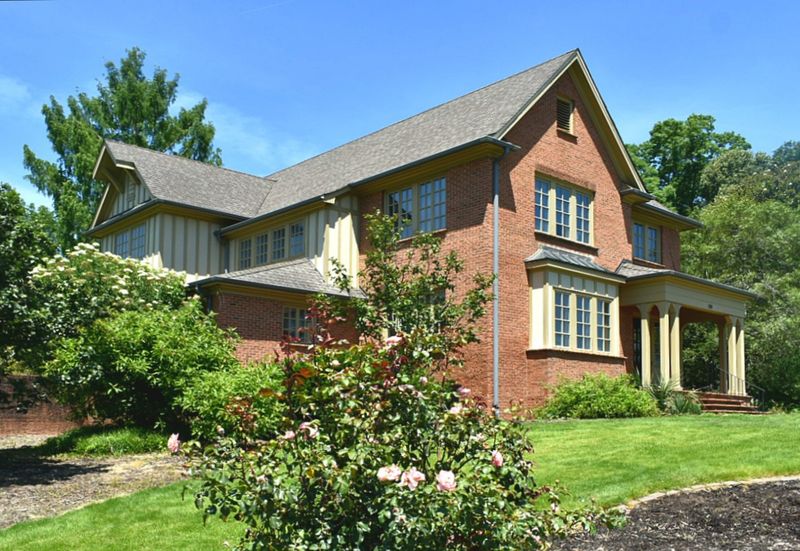
Upstairs from the main visitor center, I discovered an art gallery featuring local artists whose work draws inspiration from the gardens below. The rotating exhibits showcase paintings, photography, and sculptures that capture the beauty I just experienced on the trails.
Admission to the gallery follows the same free policy, though purchasing artwork directly supports both the artists and garden programs.
The gift shop downstairs offers another way to contribute if you choose. I browsed botanical books, garden tools, and locally made crafts while knowing my purchases help fund educational programs and garden maintenance.
The shop never feels pushy or obligatory, simply offering options for those who want to support the mission financially.
I appreciated this approach because it keeps the garden accessible while still generating revenue. Visitors who can afford to buy a plant guide or decorative item help subsidize free access for everyone else.
The gallery also hosts opening receptions and artist talks that add cultural programming beyond just plants and trails. I left with a small print that reminds me of my visit every time I see it.
Pet-Friendly Policies Welcome Leashed Dogs
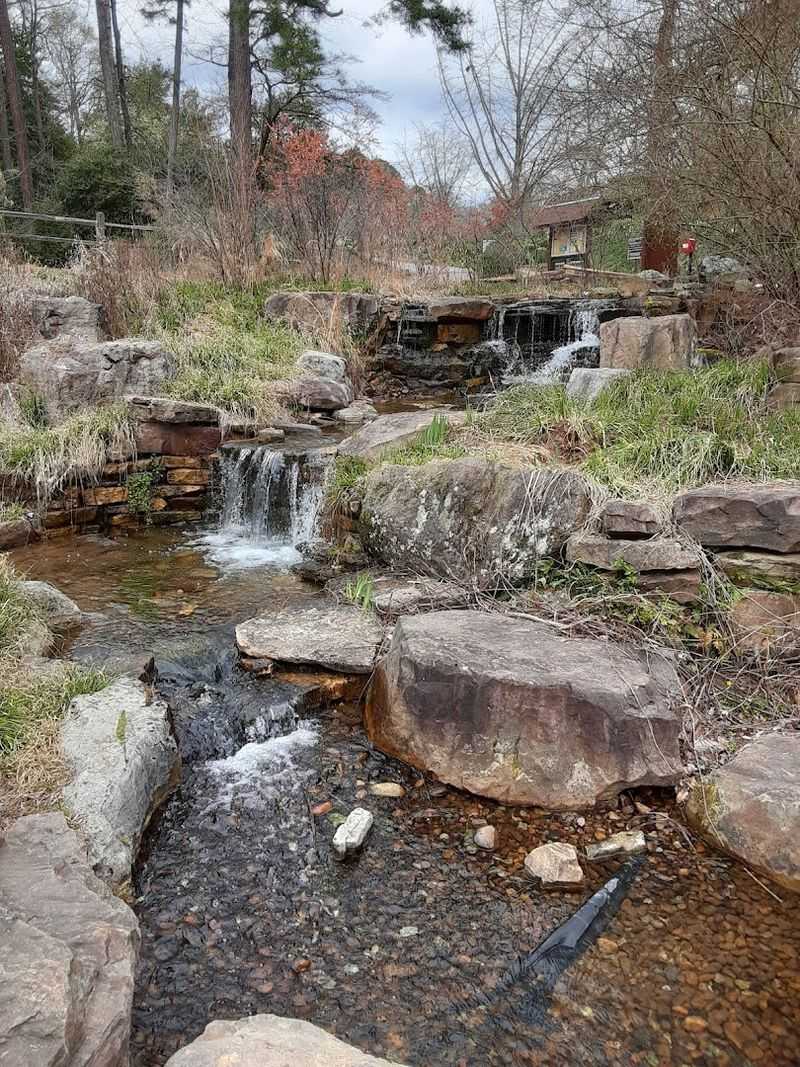
My dog practically dragged me down the trail, nose working overtime to process all the new scents. South Carolina Botanical Garden welcomes leashed dogs on most trails, recognizing that many people want their pets to experience nature too.
I passed other dog walkers throughout my visit, everyone maintaining good trail etiquette and cleaning up after their animals.
The pet-friendly policy makes the garden accessible to people who might otherwise skip it because they can’t leave their dog at home. I watched a golden retriever splash in the shallow stream crossing while its owner laughed and took photos.
The wide trails provide enough space for dogs to pass each other comfortably without tangling leashes or causing stress.
Some botanical gardens prohibit pets entirely, viewing them as threats to landscaping or wildlife. This garden takes a more inclusive approach, trusting visitors to be responsible.
I noticed posted reminders about keeping dogs on leash and staying on designated paths, but the overall atmosphere felt welcoming rather than restrictive. My dog got exercise, I got to explore beautiful scenery, and neither of us paid an admission fee.
Educational Programs Run Throughout The Year
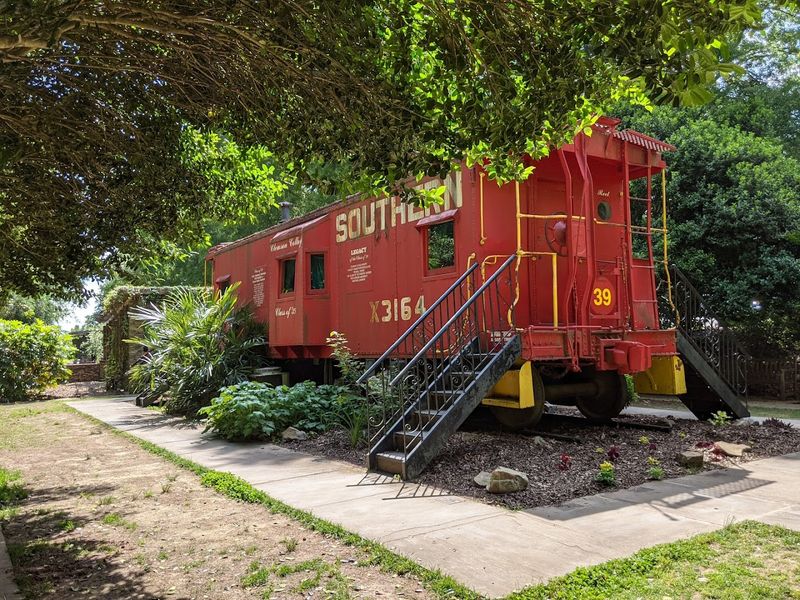
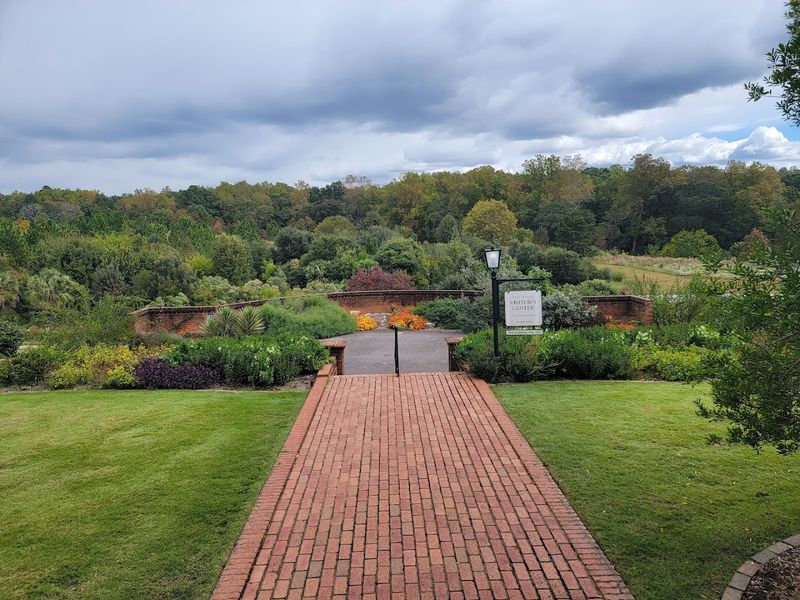
Standing near the visitor center, I picked up a calendar listing upcoming workshops on topics ranging from native plant landscaping to butterfly identification. The garden hosts educational programs year-round, many of them free or low-cost, extending the learning opportunities beyond self-guided exploration.
I signed up for a spring wildflower walk led by a botanist who pointed out species I had walked past dozens of times without noticing.
Programs cater to different age groups and interest levels. I saw listings for children’s nature camps, adult photography workshops, and family-friendly seasonal celebrations.
The educational mission runs deep here, treating the garden as an outdoor classroom that serves students from elementary age through retirement.
Even without attending formal programs, I learned constantly through interpretive signs and informational displays scattered throughout the property. The garden balances passive and active education beautifully, letting visitors choose their own level of engagement.
Some people want guided expertise while others prefer independent discovery, and the garden accommodates both approaches without charging extra fees for either experience.