
A Centuries-Old Legend Claims Lost Spanish Treasure Still Lies Hidden In An Arkansas Cave
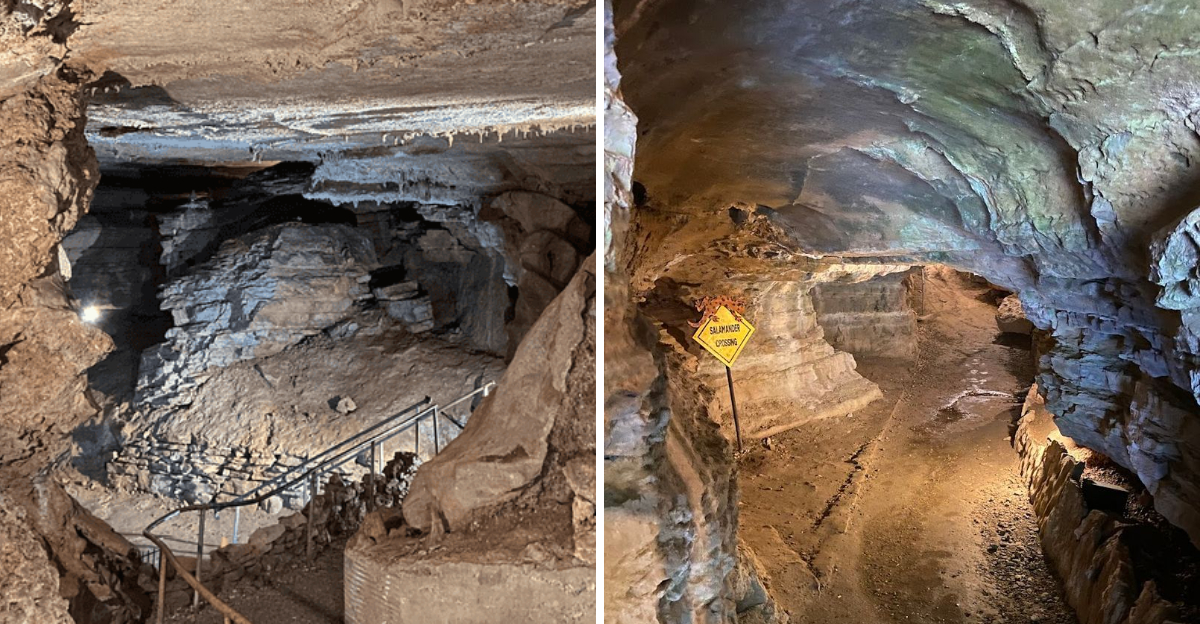
It starts with a step into cool, dim space carved from limestone. Then another step. The outside world fades fast. Sound shifts.
Shadows stretch. Suddenly, it feels like you are standing inside a story.
Tales of Spanish explorers and lost gold seem to linger in every corner. In the Ozark hills of northwest Arkansas, this cave has sparked curiosity for generations.
Treasure hunters have searched. Visitors have wondered. No one has proven the legend true or false. The claim is bold.
A massive Spanish fortune was left behind here and never recovered. That idea keeps pulling people in, again and again, year after year.
Some say it is long gone. Others believe it is still somewhere beyond reach.
Keep reading for compelling facts and see where you land. Something about this place keeps the question open, even now, for anyone willing to look closer.
Early European Expeditions Reached The Region In The 1500s
Long before Arkansas had a name on any English-language map, European boots were already pressing into its soil.
Spanish explorers pushed deep into the interior of North America during the sixteenth century, driven by the belief that enormous riches lay hidden somewhere beyond the horizon.
Hernando de Soto led one of the most ambitious of these expeditions between 1539 and 1542, cutting through what is now the southeastern and south-central United States with a large force of soldiers and supplies.
Historians generally agree that portions of his route passed through present-day Arkansas, making the region one of the earliest areas in the interior of the continent to receive documented European contact.
Spanish crown expeditions were not casual sightseeing trips, they were aggressive, resource-hungry missions designed to claim land and locate precious metals.
The Ozark highlands, with their rugged terrain and hidden cave systems, would have presented both a challenge and an opportunity to any group searching for a place to cache valuable goods.
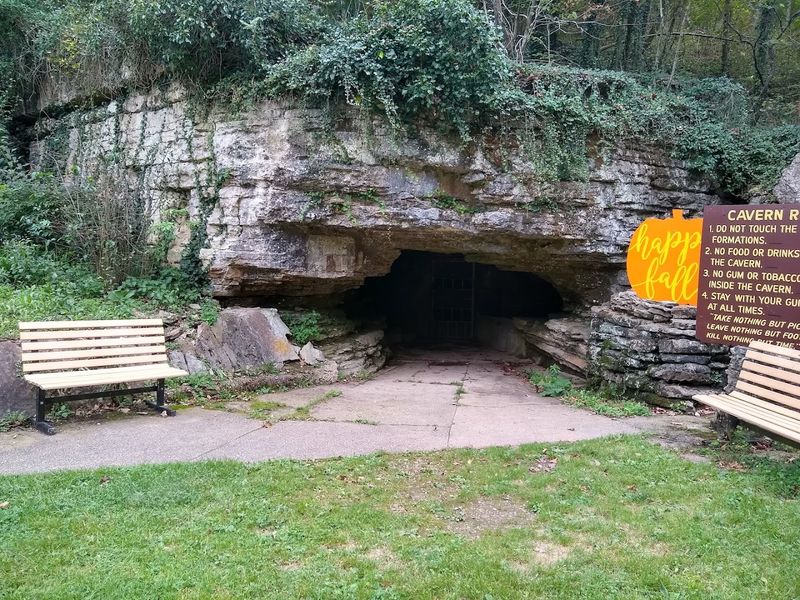
That early sixteenth-century presence in the region is often cited as part of the broader historical backdrop that helped inspire later treasure legends connected to caves like Old Spanish Treasure Cave at 14290 AR-59, Sulphur Springs, AR 72768 ultimately grew.
Local Folklore Links Hidden Wealth To Spanish Explorers
Every great legend needs a vivid origin story, and this one delivers with flair.
The most widely repeated tale centers on a man named Don Carlos Lavilla, described in local accounts as a Spanish prospector who was active in the Sulphur Springs area in the early 1700s.
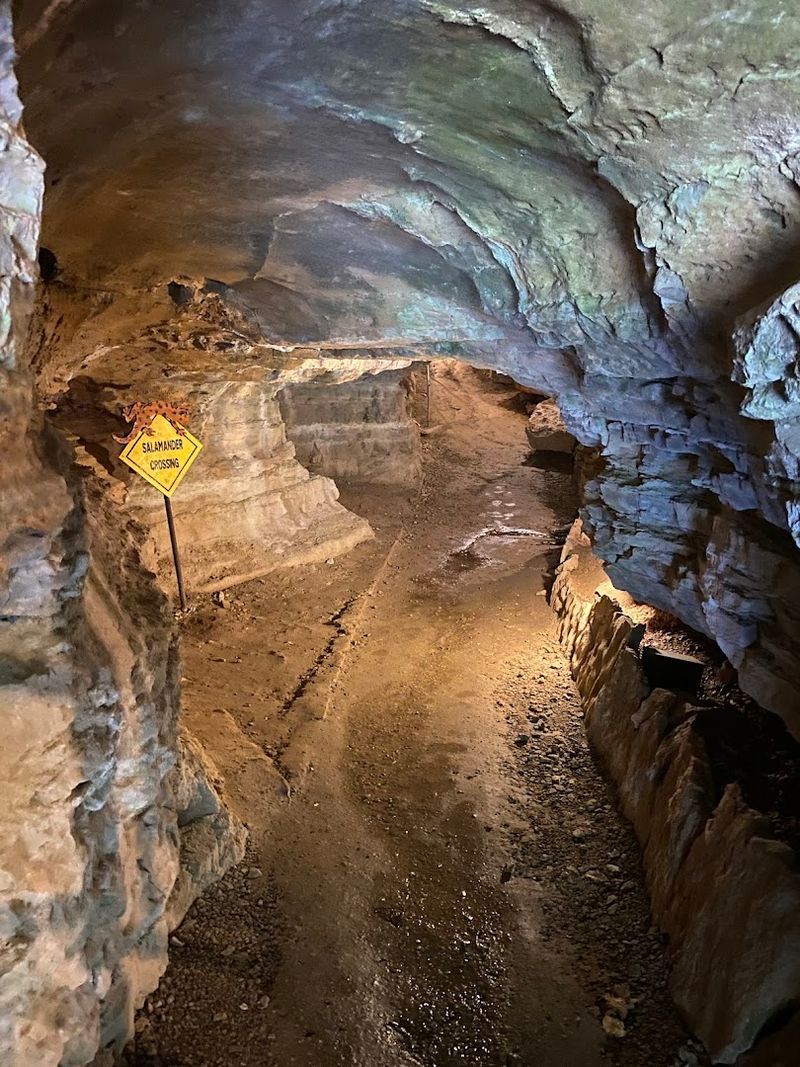
According to the story, Lavilla was tracking a black bear through the Ozark woods when the animal led him straight to the mouth of a previously unknown cave.
Inside, he reportedly discovered a natural chamber large enough to conceal an enormous cache of bullion, which some estimates have placed at a value of roughly three million dollars at the time, a figure that, in legend, translates to well over one hundred million dollars today.
Whether Lavilla actually existed as described, or whether he is a colorful invention layered onto older oral traditions, remains genuinely unclear.
What is clear is that the story spread through the region for generations, drawing in curious locals and outside speculators alike.
Folklore rarely survives this long without some emotional truth at its core, and the sheer persistence of this particular legend suggests it tapped into something people in the area deeply wanted to believe.
A Sealed Passage Was Discovered Behind A Natural Rock Wall
One of the most tantalizing physical details in the cave’s history involves accounts of blocked or concealed passages that have been described during exploration work.
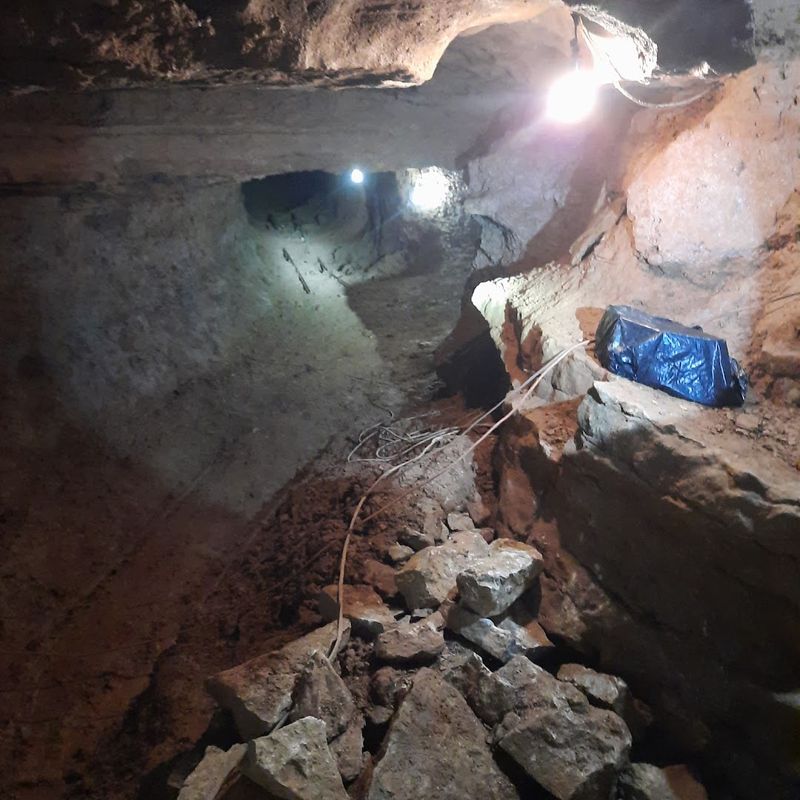
At some point in the exploration of the cave, visitors and investigators reported what appeared to be a deliberately constructed or naturally sealed rock wall blocking further entry into a deeper section of the cavern system.
When areas like this were eventually accessed or examined, they were said to reveal passages leading to chambers that had apparently gone undisturbed for a very long time.
These kinds of discoveries fueled enormous excitement, because a closed-off section of a cave in a region already thick with treasure legends is exactly the kind of physical detail that turns skeptics into believers.
Supporters of the treasure theory pointed to these reported features as possible signs that someone, at some point, had intentionally blocked access to protect something valuable stored deeper inside.
Critics countered that natural geological processes can produce wall-like formations that mimic human construction, making it difficult to draw firm conclusions without rigorous scientific analysis.
Still, these reported passages remain one of the most talked-about chapters in the cave’s history, and guides on current tours still point them out as highlights that tend to silence even the most doubtful visitors mid-step.
Recovered Artifacts Included Coins And Metal Objects
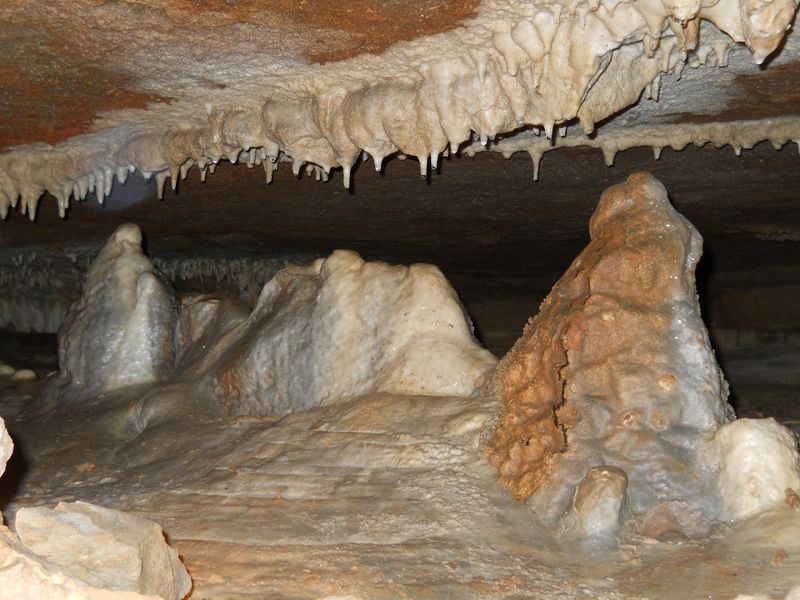
Treasure legends are easy to dismiss until someone starts talking about objects linked to the story.
Over the years, the cave and its surrounding property have been associated with reports of artifacts that supporters argue are consistent with a Spanish colonial presence in the area.
Among the items described in local accounts and tours are helmets, pieces of armor, weapons, and a small number of gold coins, objects that would not be unusual for a Spanish expedition party to carry during the colonial era.
These pieces have been displayed at the cave and referenced in guided tours as part of the narrative suggesting that Spanish explorers may have spent time in the region.
Skeptics have raised questions about the provenance of some of these objects, noting that without rigorous archaeological documentation, it is difficult to confirm exactly where and when each piece was recovered.
The coins in particular draw intense interest, because even a single authenticated Spanish colonial coin found in situ inside the cave would dramatically strengthen the case for the treasure story.
For now, the artifacts occupy a fascinating middle ground between hard evidence and compelling suggestion, which honestly might be the most entertaining place for them to be.
Conflicting Accounts Dispute Whether The Treasure Was Removed
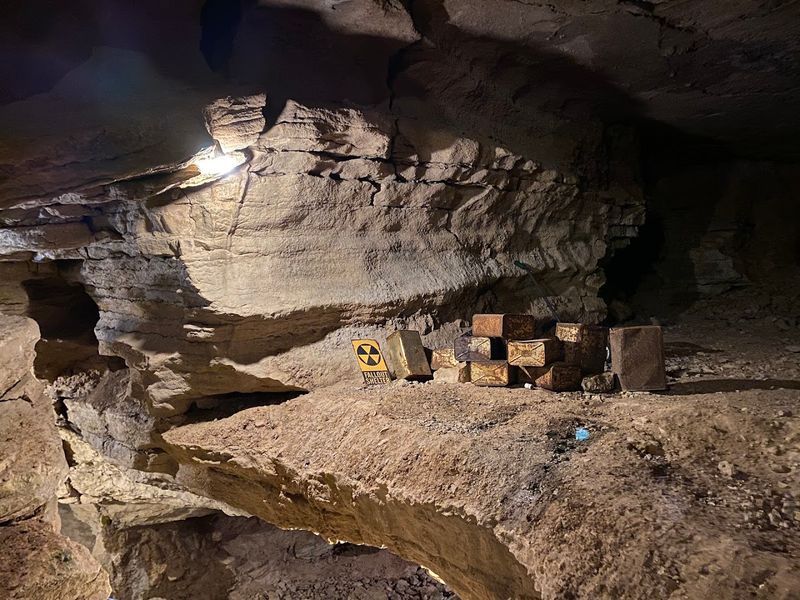
Here is where the story gets genuinely complicated, and honestly, a little maddening.
Not everyone who has investigated the cave over the decades agrees that the treasure is still there waiting to be found.
Some accounts suggest that the bullion was removed at some point, possibly by Lavilla himself or by parties who came after him with better maps and fewer witnesses.
In 1900, a man described as a Spaniard arrived in the area reportedly carrying a detailed map of the cave system and proceeded to organize a well-funded excavation effort with outside investors.
That expedition dug extensively but ultimately announced no discovery of gold, leaving open the question of whether they failed to find it or whether they found it and chose not to publicize the result.
A second major excavation in 1918 led by W. W.
Knight also ended without a confirmed find, adding another layer of ambiguity to the record.
The conflicting accounts do not cancel each other out so much as they layer on top of each other, creating a historical puzzle that is just unresolved enough to keep the whole story alive and actively argued about by visitors on every single tour.
Commercial Tours Began In The Mid Twentieth Century
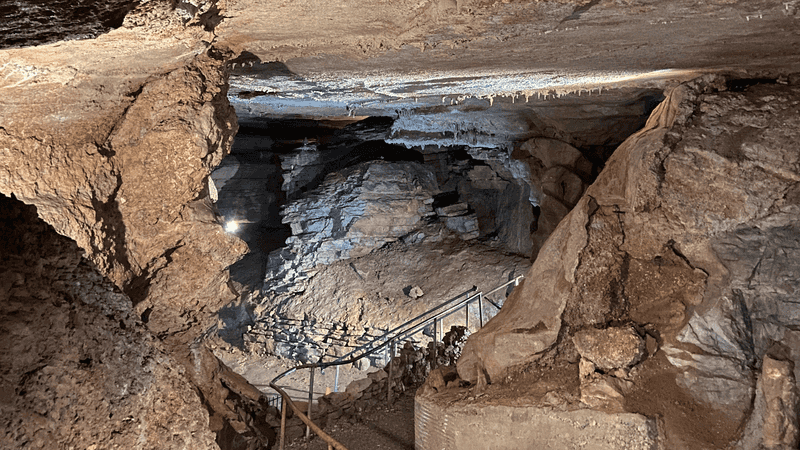
At some point, the people who owned the property made a smart decision: if the treasure was not going to come to the surface on its own, they would invite the public to come look for it together.
The cave had been known to locals and occasional visitors since at least 1908, but organized commercial tours became a regular feature by the 1930s, transforming the site from a local curiosity into a genuine tourist destination.
Opening a cave to the public is no small undertaking, it requires lighting, safe pathways, trained guides, and a presentation that balances entertainment with accurate information.
The family that has operated the cave brought all of those elements together, building a guided tour experience that walks visitors through the cavern’s geological highlights while weaving in the layers of legend that make the place so memorable.
Today the operation remains a family-run business, and that personal investment shows in the quality of the tours, which visitors consistently describe as warm, knowledgeable, and genuinely engaging.
Tours run roughly one hour and cover about one third of a mile inside the cave, with the full mapped system extending considerably farther than the public route currently reaches.
The Cave Features Extensive Limestone Formations And Narrow Chambers
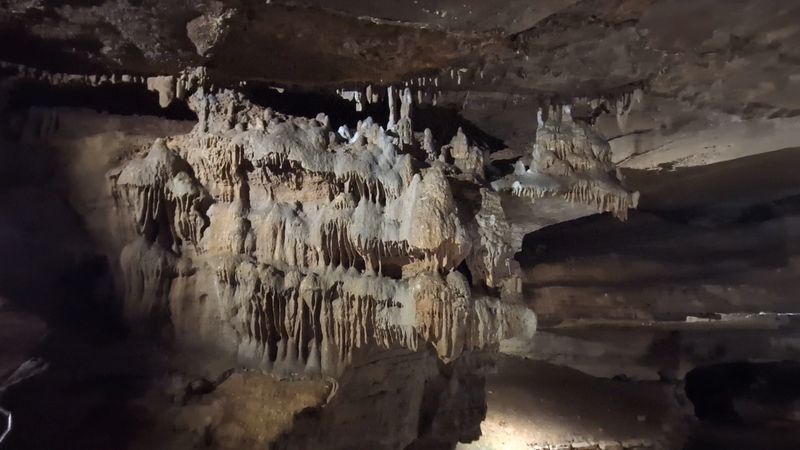
Even if you arrived here with zero interest in Spanish treasure, the cave itself would still earn the trip.
Carved over millions of years by water dissolving calcium carbonate from the surrounding bedrock, the cave is a classic karst formation packed with the kind of geological drama that stops people mid-sentence.
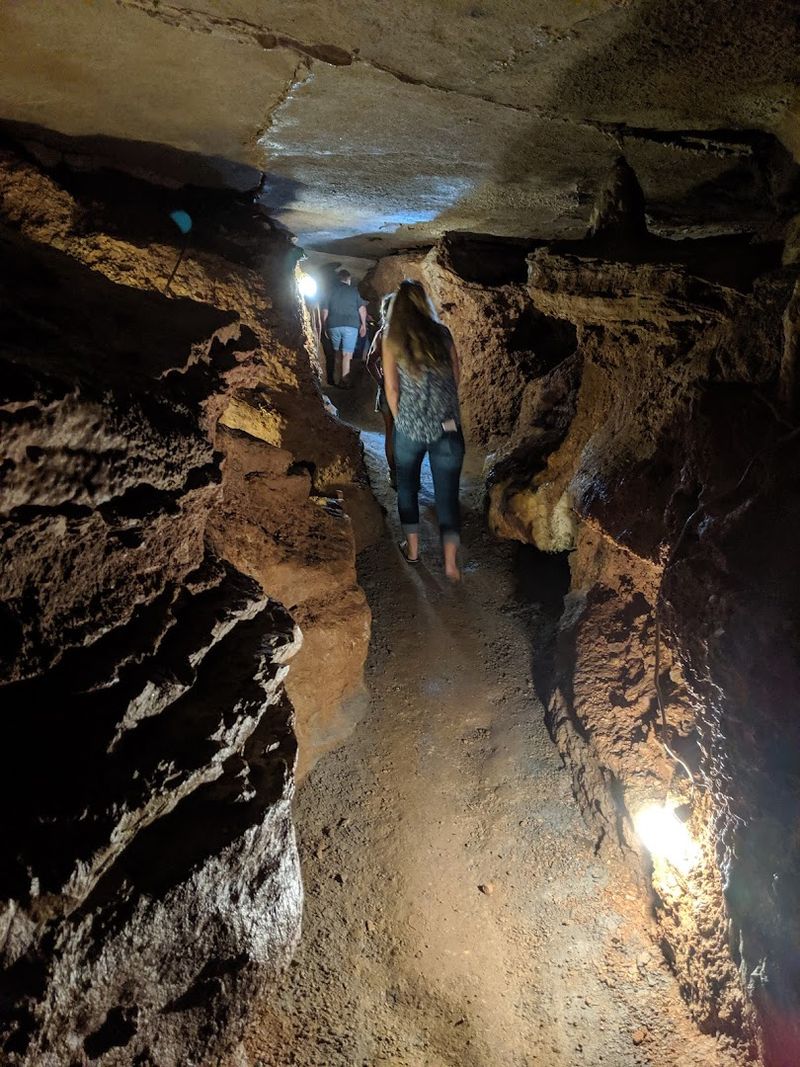
Stalactites hang from the ceiling like stone icicles, stalagmites push upward from the floor, and in places the two have fused into full columns that look like they belong in a fantasy novel rather than a hillside in northwest Arkansas.
Flowstone formations coat sections of the walls in smooth, rippled layers that catch the light in ways that feel almost theatrical.
The cave maintains a steady temperature of around 58 degrees Fahrenheit year-round, which makes it a genuinely refreshing stop during Arkansas summers and a surprisingly cozy retreat when the weather outside turns cold and rainy.
Narrow chambers force visitors to move carefully and attentively, which actually heightens the sense of discovery rather than making the experience feel cramped.
Guides encourage visitors to bring flashlights and cameras, and the cave rewards that preparation with views of deeper formations that the standard lighting does not fully illuminate.
No Confirmed Discovery Has Ever Verified The Legend
After all the excavations, all the maps, all the artifacts, and all the tours, the fundamental mystery remains perfectly intact.
No verified, scientifically documented discovery of a Spanish treasure cache has ever been announced from this site, which means the legend is technically still open.
That unresolved status is actually a large part of what makes the cave such a compelling destination, because a mystery that has already been solved is just a history lesson, while one that is still technically live is an invitation.
The cave system has never been fully explored, with new passages being charted on a continuing basis, which means the physical possibility of undiscovered chambers has not been eliminated.
Estimates of the treasure’s current value, if it exists and remains in place, have been cited at upward of forty million dollars, a number large enough to keep serious interest very much alive.
Visitors who come expecting a definitive answer will leave with something more interesting instead: a well-documented, genuinely unresolved puzzle set inside a beautiful natural formation.
That combination of geological wonder, layered history, and open-ended legend is exactly what keeps people coming back to Old Spanish Treasure Cave, year after year.