
One Of The World’s Most Impressive Petrified Forests Is Right Here In Washington
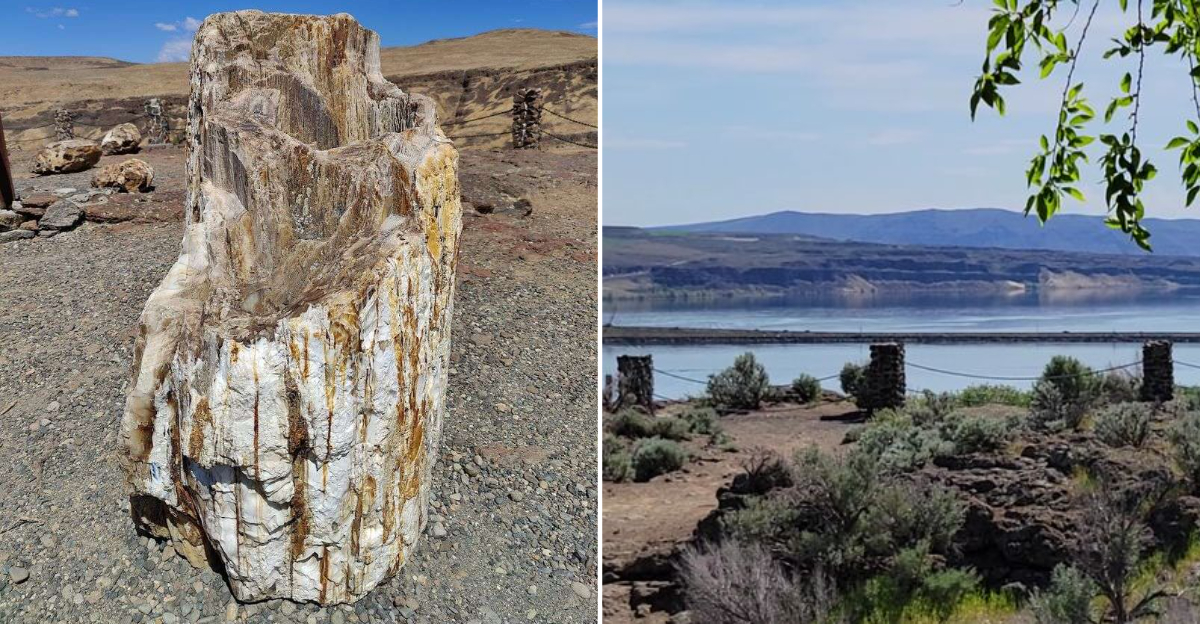
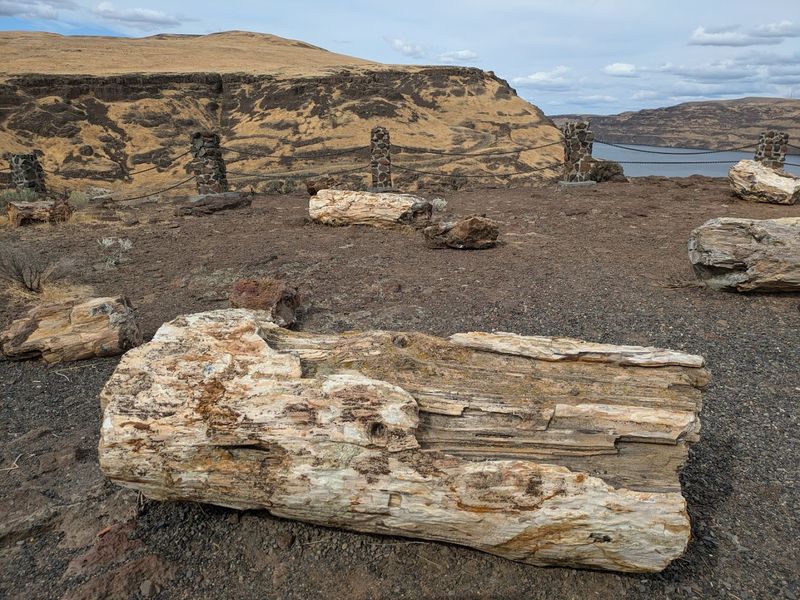
There is a strange, grounded magic in touching a piece of wood that has been stone for fifteen million years. I spent my morning tracing the intricate, fossilized rings of massive trunks that once thrived in a humid, lush paradise long before humans ever walked the earth.
It is a surreal experience to stand under a wide-open sky, surrounded by petrified remnants that have outlived entire civilizations.
If you could hold all the secrets of Washington in your hands, they would feel exactly like these heavy, kaleidoscopic fossils-cold, polished, and breathtakingly ancient. It is the kind of quiet, desolate beauty that forces you to pause, breathe, and realize just how fleeting our own tiny moment in the sun really is.
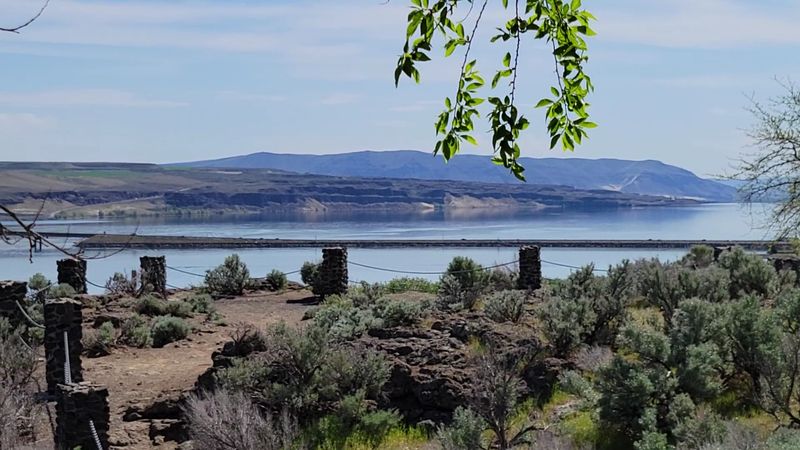
The landscape hits you immediately, a wide-open stretch of sagebrush hills meeting the glittering river, with fossils hiding in plain sight along the trails.
The Geological Story Behind The Stone Trees
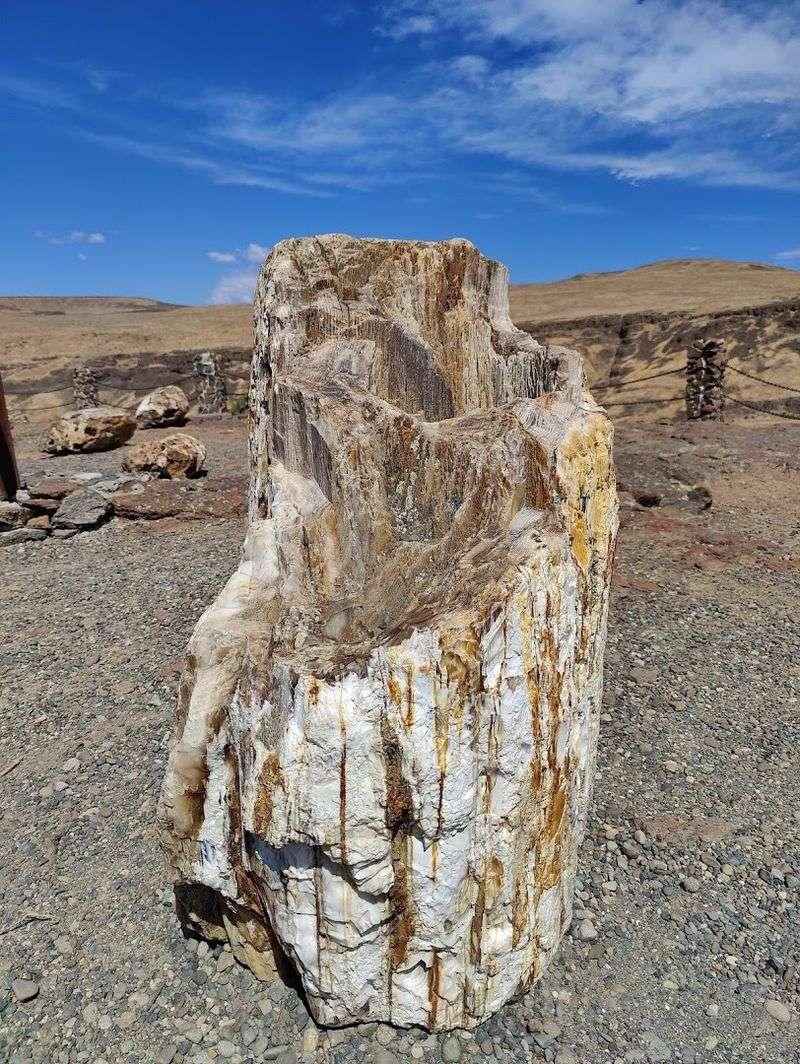
Around 15.5 million years ago, during the Miocene epoch, massive volcanic lava flows swept across what is now central Washington, burying entire forests beneath layers of basalt. The wood did not simply rot away. Instead, silica-rich groundwater slowly replaced the organic material cell by cell, turning each log into a near-perfect stone replica of the original tree.
What makes this process so remarkable is the sheer variety it preserved. Researchers have identified over 50 different tree species locked inside the rock, including ginkgo, redwood, sweetgum, walnut, and magnolia. That kind of diversity in a single location is almost unheard of anywhere on Earth.
When I first read about the geology before my visit to Ginkgo Petrified Forest State Park, I honestly thought the numbers were exaggerated. Standing next to an actual petrified log and seeing the wood grain still visible in the stone, I quickly changed my mind.
Few places on the planet offer this kind of direct, touchable connection to deep geological time.
The Interpretive Center And What It Teaches You
Before hitting the trails, I stopped at the Ginkgo Petrified Forest Interpretive Center, and it turned out to be one of the best decisions of the whole trip. The exhibits walk you through the volcanic history of the Columbia Plateau, explain how petrification actually works, and display dozens of polished and raw petrified wood specimens up close.
The staff there were genuinely enthusiastic about the park’s history, and one ranger spent nearly twenty minutes explaining how scientists identify tree species from stone samples. Seeing the cross-sections of petrified logs under glass, with their rings and textures perfectly preserved, made the outdoor experience feel even more meaningful afterward.
The center operates seasonally, so checking the Washington State Parks website before your visit is a smart move. Hours shift throughout the year, and arriving to find it closed would mean missing some of the richest context the park has to offer. Plan ahead and you will be rewarded.
Walking The Trees Of Stone Interpretive Trail
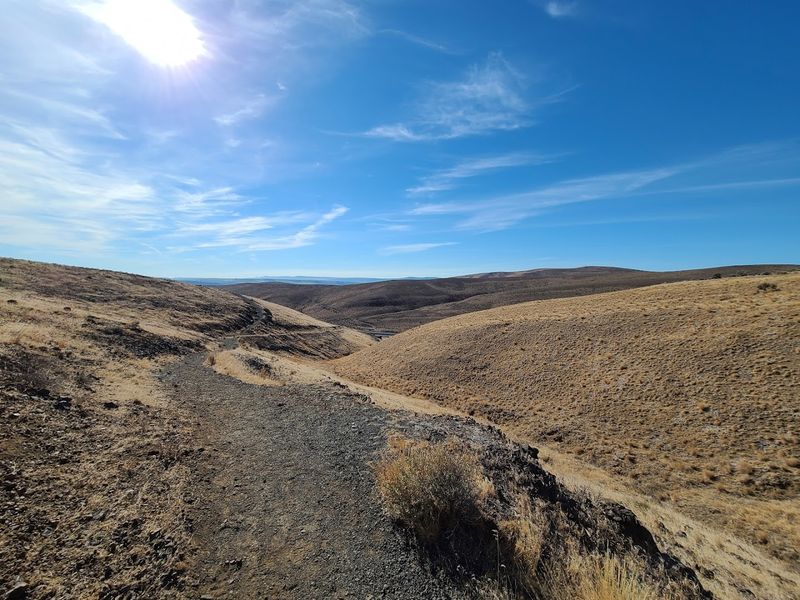
The Trees of Stone Interpretive Trail is the crown jewel of the hiking experience here, and it earns that title. The 1.25-mile loop winds through rolling sagebrush hills and brings you face to face with actual petrified logs resting in the exact spots where volcanic flows buried them millions of years ago.
There is something quietly powerful about that. Trail signage does a solid job of explaining what you are looking at without overwhelming you with jargon.
Each marked stop highlights a different specimen or tree species, giving the walk a scavenger-hunt quality that keeps kids and adults equally engaged. The total trail network in the park stretches to three miles, so there is enough ground to cover for a satisfying half-day outing.
I visited on a weekday morning and had long stretches of the trail entirely to myself. The silence, broken only by the wind moving through the sage, made the whole experience feel almost meditative.
Wear sturdy shoes because the terrain gets uneven near the exposed log sites.
The Wanapum Tribe And The Land’s Deep Human History
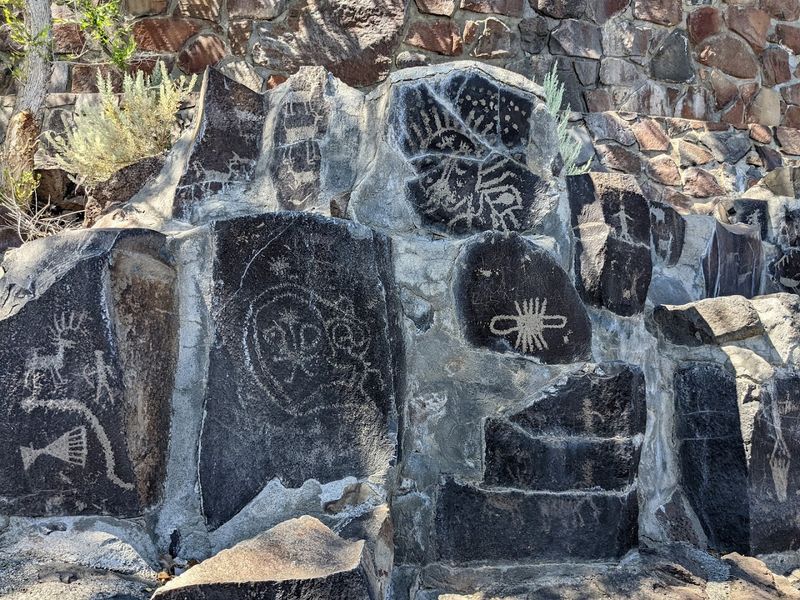
Long before geologists arrived with their notebooks, the Wanapum people called this stretch of the Columbia River home.
Their presence here stretches back thousands of years, and the land holds physical evidence of that history in the form of petroglyphs and pictographs carved and painted onto basalt surfaces along the riverbank.
The park’s interpretive materials acknowledge that the Wanapum used petrified wood to craft stone tools, a practical recognition of just how useful and abundant the material was. That connection between ancient human ingenuity and natural geology is one of the more thought-provoking angles of visiting this park.
Tragically, when the Wanapum Dam was completed in the 1960s, rising reservoir waters submerged some of the original rock art sites. Preservation efforts relocated a number of those cultural pieces before the flooding occurred.
Standing at the river’s edge today, knowing that history sits just beneath the surface, adds a layer of quiet significance to every view across the water.
Camping At The Wanapum Recreation Area
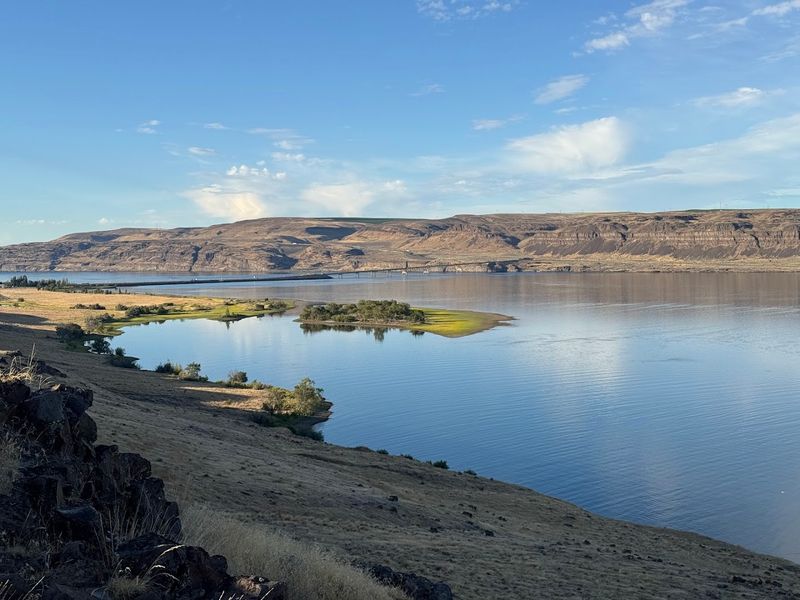
Spending a night at the Wanapum Recreation Area is a completely different experience from a quick day visit, and I mean that in the best possible way.
The campground sits right along the Columbia River, offering 50 full-hookup sites plus two hiker and biker spots, with a boat launch, picnic areas, and a swim beach all within easy walking distance.
Waking up to the sound of the river and watching the morning light spread across the basalt cliffs is genuinely something special. The campground fills up quickly during summer weekends, so reserving your spot well in advance through the Washington State Parks reservation system is strongly recommended.
One thing the park is refreshingly upfront about: the wind here can get intense, especially in the evenings. Stake your tent firmly and secure anything lightweight before dark.
I watched a camp chair make a spirited run toward the river on my first evening, which was both funny and a useful lesson. Come prepared and you will sleep just fine.
The Columbia River Setting And Its Scenic Pull
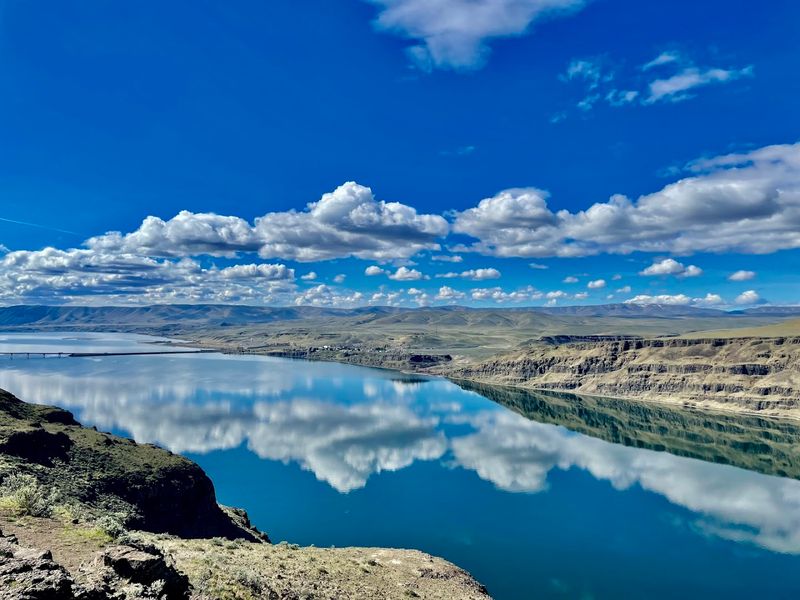
The Columbia River does not play a supporting role at this park. It is a full co-star. The park’s 27,000 feet of shoreline along the Wanapum Reservoir gives visitors a dramatic backdrop that somehow manages to feel both vast and intimate at the same time.
Standing on the bluff above the water with petrified logs at your feet is a perspective you simply cannot manufacture anywhere else.
Boating and swimming are popular activities along this stretch, and the recreation area’s beach draws families throughout the summer. The river’s deep blue color against the pale tan of the sagebrush hills and the dark grey of the basalt cliffs creates a color palette that photographers absolutely love.
I spent a long time just sitting near the water’s edge on my second afternoon, doing nothing more productive than watching the light shift across the opposite bank.
After months of city noise and screen time, that kind of unhurried stillness felt like a genuine luxury. The river has a way of slowing everything down.
Practical Tips For Planning Your Visit
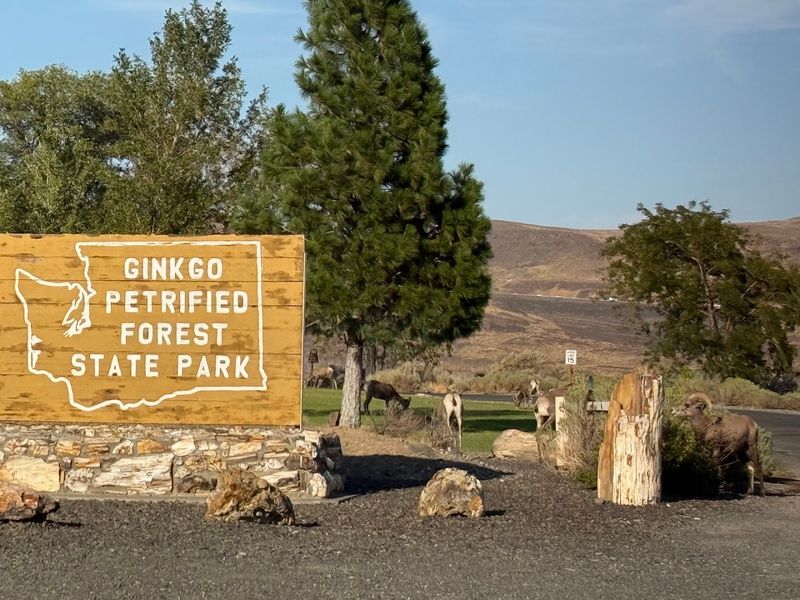
Getting the logistics right before you arrive makes a real difference at Ginkgo Petrified Forest. The park is located at 4511 Huntzinger Road, Vantage, WA 98950, sitting just off Interstate 90 about 30 miles east of Ellensburg.
The drive itself is scenic, cutting through the Columbia River Gorge and offering views that get better the farther east you go.
A Discover Pass is required for vehicle access. Annual passes run $45 and are worth every cent if you plan to visit multiple Washington State Parks throughout the year. Single-day passes cost $10.
Summer hours run from 6:30 a.m. to dusk, while winter hours begin at 8 a.m.
The best time to visit is late spring through early fall, when the interpretive center is open and the trails are dry and accessible. Summers can get quite hot in the Columbia Basin, so carrying plenty of water is non-negotiable.
Early morning visits beat the heat and give you the trails in peaceful, golden-light conditions that make every photo look effortless.
Why This Park Belongs On Your Washington Bucket List
There is a short list of places in Washington State that genuinely stop you mid-step and make you reconsider how much you actually know about this planet. Ginkgo Petrified Forest belongs on that list without any argument.
It is a 7,124-acre National Natural Landmark that delivers something rare: a landscape where science, history, and raw natural beauty all arrive at the same moment.
Most visitors I spoke with at the park had driven past the Vantage exit dozens of times on road trips without stopping. Every single one of them said they wished they had pulled over sooner.
The park rewards curiosity in a way that few outdoor destinations manage, because every rock you look at closely has a story that stretches back millions of years.
The park really leaves a mark. Not in a dramatic, overwhelming way, but in the quieter, more lasting way that only truly ancient places can manage. Some destinations change how you see the world, and this is one of them.