
This Once-Bustling Florida Landmark Is Now Facing Complete Removal
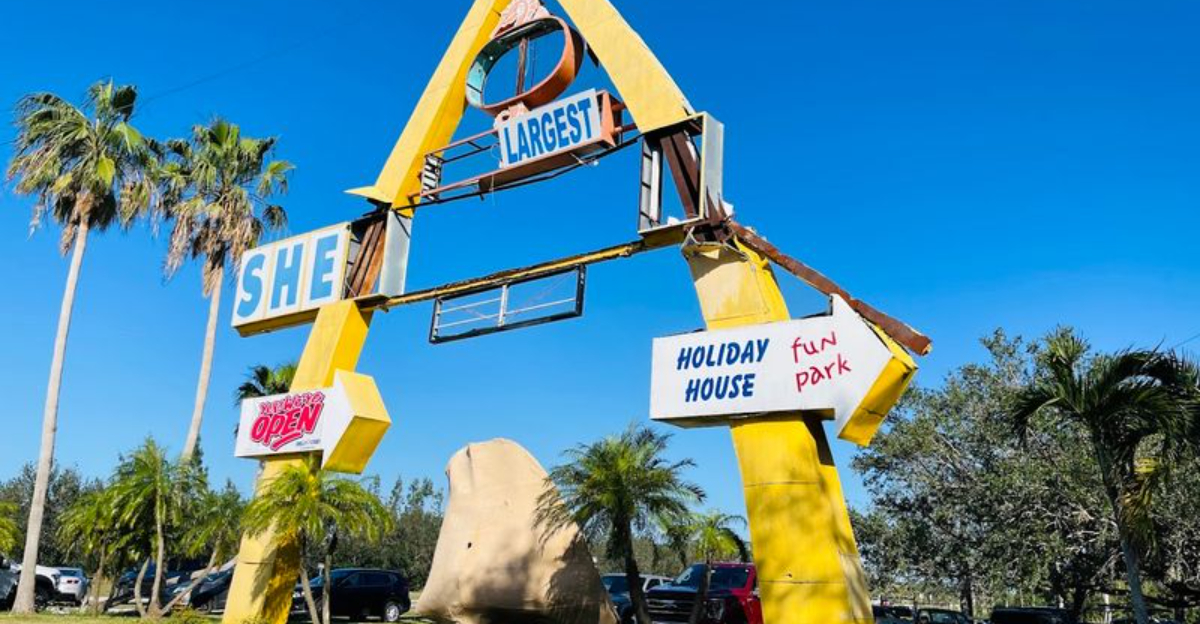
Along Florida’s Gulf Coast, a roadside stop once turned ordinary road trips into something unforgettable.
Step inside and it felt like entering a world packed wall to wall with seashells, coral, fossils, and unusual souvenirs that blurred the line between shop and museum. It wasn’t just a quick stop. It was a place where families wandered for hours, discovering something new at every turn.
For decades, this attraction became a landmark travelers planned their routes around, known far beyond its local roots. But today, the energy that once defined it has faded.
The crowds are gone, the doors are quieter, and the future of the property now hangs in uncertainty.
What was once a must-see Florida icon is now facing the possibility of complete removal, marking the end of a long roadside legacy.
The Rise Of A Florida Roadside Legend
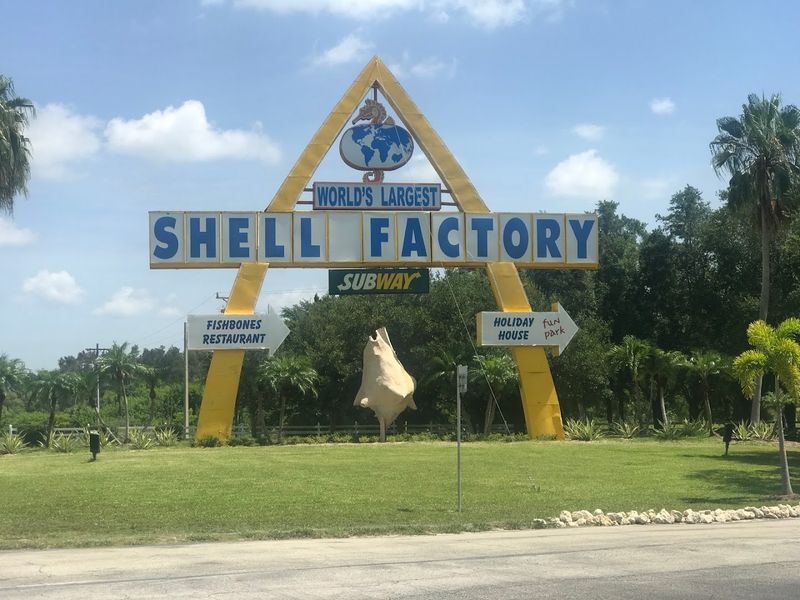
There are roadside attractions, and then there are roadside legends. The Shell Factory carved out a spot in the second category almost immediately after it opened in 1938.
Founded by Irving Rosenhaus, it started as a small shop selling shells and natural curiosities to curious travelers passing through Southwest Florida. What began modestly grew into something that genuinely stunned first-time visitors.
By mid-century, The Shell Factory had expanded into a massive complex that felt more like an experience than a store.
Rows upon rows of shells from around the world lined the shelves. Coral formations, fossils, sponges, and exotic sea creatures preserved behind glass made the space feel like a natural history museum that also happened to sell souvenirs.
It was educational and entertaining at the same time, which is a rare combo.
The location along Tamiami Trail was no accident. Highway 41 was a major travel corridor in Florida before interstate highways took over, meaning millions of travelers passed right by.
Smart, bold signage pulled them in. Word of mouth kept them coming back.
At its height, The Shell Factory attracted hundreds of thousands of visitors every single year, cementing its reputation as a true Florida original.
Few places in the state could claim that kind of organic, sustained popularity built entirely on curiosity and charm.
What Made 2787 N Tamiami Trail So Special
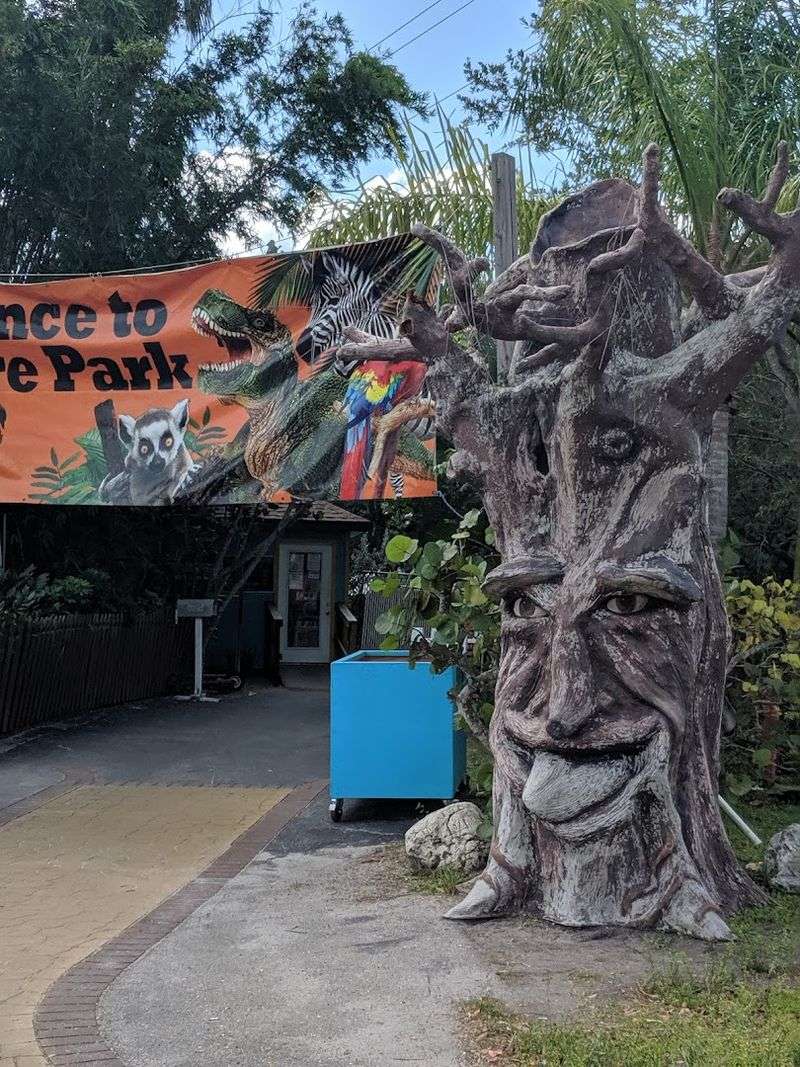
Walk up to 2787 N Tamiami Trail in North Fort Myers, FL 33903, and even today the sheer scale of the property tells you something important happened here. The building itself sprawls across a significant footprint, with exterior decorations and signage that hint at the spectacle that once lived inside.
It sits along a stretch of road that has seen decades of Florida tourism come and go, but The Shell Factory always stood apart from the crowd.
Inside, the experience was layered in a way few attractions managed to pull off. You could browse shells sourced from the Philippines, Australia, the Caribbean, and beyond.
Natural sponges the size of basketballs hung from displays. Mounted fish, preserved starfish, and gleaming conch shells caught the light from every angle.
There was a sensory richness to the place that photographs honestly could not capture fully.
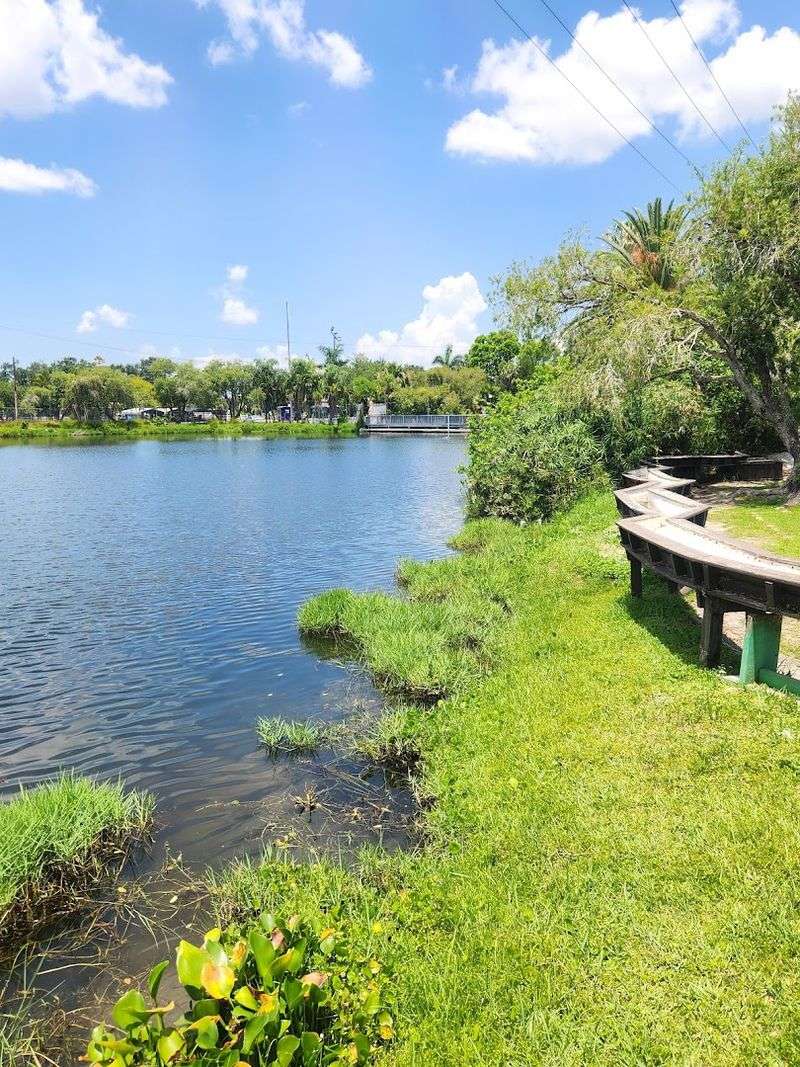
Beyond the shopping, the property eventually grew to include nature attractions, a small zoo area, carnival rides for younger visitors, and even food vendors.
It became a full-day destination rather than a quick stop. Families planned their Florida road trips around it.
That kind of gravitational pull is not something you build overnight, and it is not something you easily replace once it is gone.
The Shell Factory was not just a store. It was a destination with a heartbeat all its own.
The World-Record Shell Collection That Stopped People Cold
Forget everything you think you know about shell shops at the beach. The Shell Factory was operating on a completely different level than any boardwalk souvenir stand.
At its peak, the collection reportedly included over five million shells from more than 100 countries around the world. That number is not a typo.
Five million shells under one roof in North Fort Myers, Florida.
The variety was staggering. Tiny cowrie shells no bigger than a fingernail sat near massive Tridacna clams that weighed dozens of pounds.
Rare species that serious collectors spent years hunting down were casually displayed alongside affordable bags of mixed shells that kids could buy with their allowance money. The range made the place accessible to everyone, whether you were a casual browser or a dedicated enthusiast.
Shell collecting has a long and fascinating history. Ancient cultures used shells as currency, jewelry, and tools.
The Shell Factory tapped into that deep human fascination and turned it into something modern and accessible. Visitors left with a tangible piece of the ocean’s story, something they could hold in their hands and take home.
That tactile connection to nature is increasingly rare in a world dominated by screens and digital experiences. Losing a collection of that magnitude is not just a local story.
It is a genuine cultural loss for anyone who values the natural world.
When The Crowds Stopped Coming
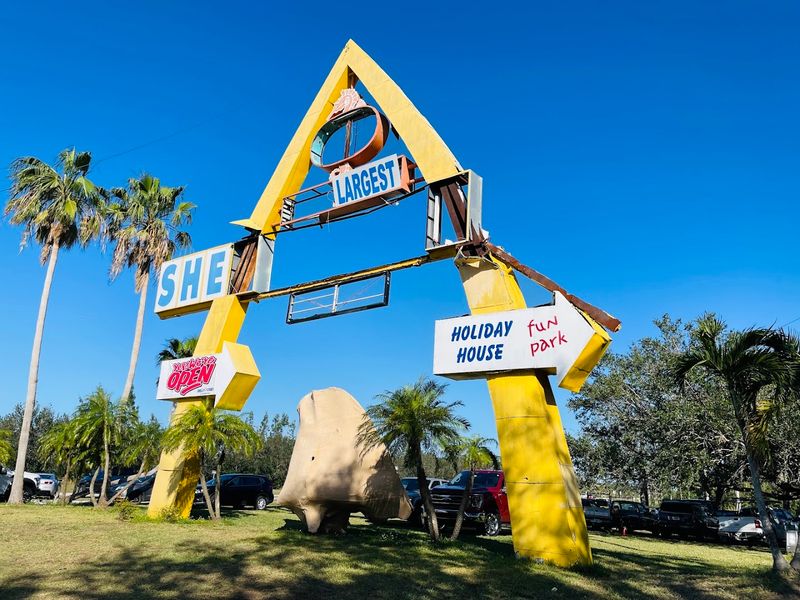
Every great run eventually hits a turning point. For The Shell Factory, the challenges started stacking up gradually rather than all at once.
Interstate highways rerouted traffic away from the old Tamiami Trail corridor, meaning fewer spontaneous stops from passing travelers.
Tourism patterns in Florida shifted as theme parks and beach resorts captured more of the family vacation market through the 1980s and beyond.
The rise of online shopping added another layer of pressure. Shells, fossils, and nautical decor that once required a road trip to find became available with a few clicks.
The unique selling point of having everything in one physical place lost some of its magic when the internet could theoretically connect buyers to sellers worldwide. That shift hit specialty retailers of every kind, and The Shell Factory was not immune.
Hurricane damage over the years also took a toll on the physical property. Southwest Florida sits squarely in hurricane territory, and repeated storm impacts are expensive to repair and demoralizing to recover from.
Each setback made rebuilding harder.
Ownership changes and economic pressures added further complications. By the time the property entered its quieter years, it felt less like a planned wind-down and more like a slow fade.
Places that once buzzed with energy have a particular kind of sadness when they go still. The Shell Factory’s silence became louder than its old crowds ever were.
The Demolition Conversation Nobody Wanted To Have
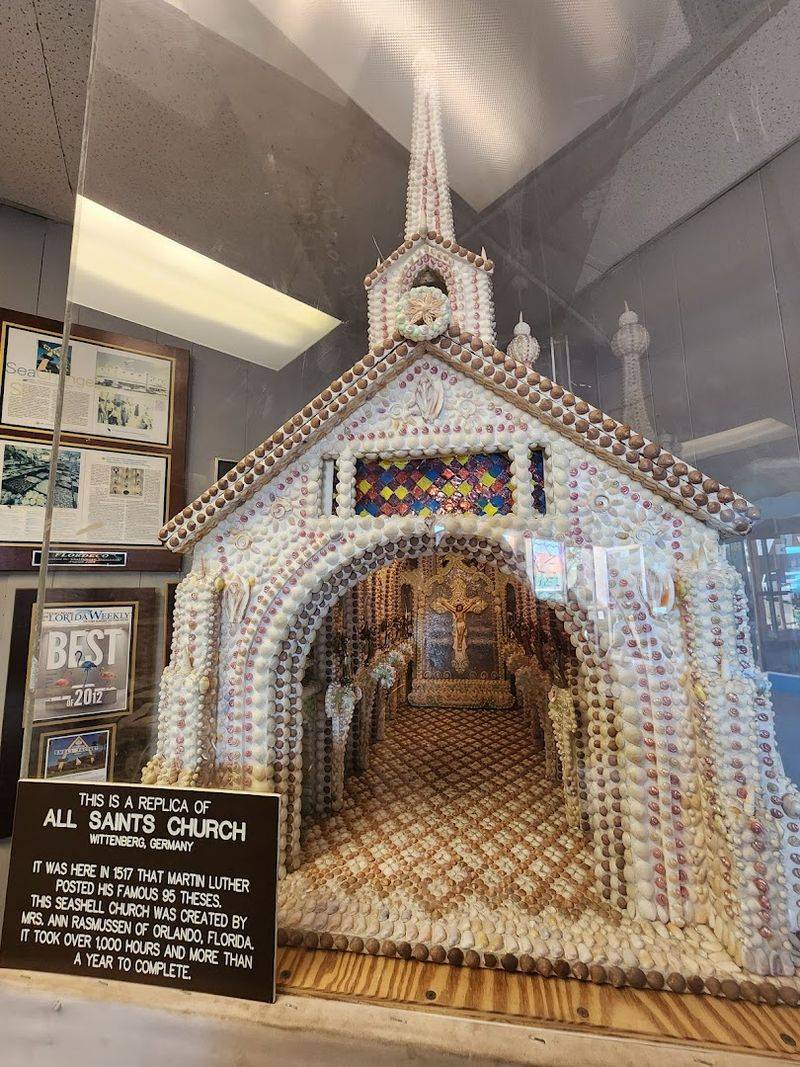
Hearing the word demolition attached to a beloved landmark always lands like a gut punch. For longtime fans of The Shell Factory, the news that the property at 2787 N Tamiami Trail could face complete removal has stirred up a wave of emotion across social media and local community groups.
People who visited as children are sharing old photographs. Families are recounting memories of summer road trips that always included a stop at the big shell store on Tamiami.
Demolition conversations around historic or culturally significant properties are rarely simple. On one side, there are developers and city planners looking at underutilized land and seeing opportunity.
On the other side, there are community members who understand that some things hold value that does not show up neatly on a spreadsheet. The Shell Factory falls firmly into that second category for a significant number of people.
Similar debates have played out across Florida in recent years. City of Palms Park in Fort Myers faced its own demolition process, with a local company submitting bids to tear it down.
The Southernmost Point Buoy in Key West was temporarily removed after storm damage, sparking preservation conversations. Florida has a complicated relationship with honoring its past while chasing its future.
The Shell Factory represents that tension perfectly, a place too beloved to forget but too costly to easily save. Something has to give, and the clock is ticking.
What Could Rise In Its Place And What That Means
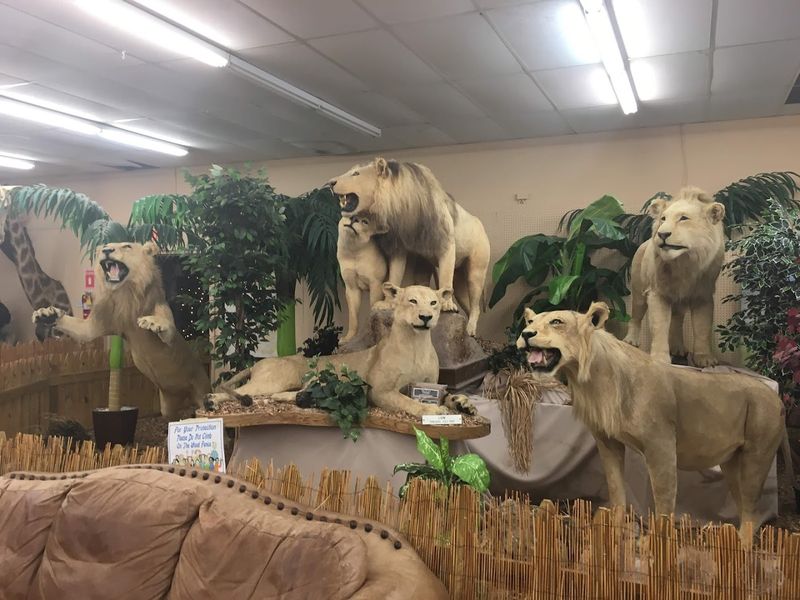
Whenever a significant property like The Shell Factory enters the demolition conversation, speculation about what comes next is never far behind.
North Fort Myers has been experiencing development pressure as the broader Fort Myers area continues to grow. The land along Tamiami Trail holds real commercial value, and developers are keenly aware of it.
Mixed-use projects, retail centers, and residential developments have all been floated as possibilities for various properties along the corridor.
The question of what replaces The Shell Factory matters for reasons beyond simple curiosity. New development brings economic activity, jobs, and updated infrastructure.
Those are genuine benefits that communities need. But there is a meaningful difference between growth that honors a place’s character and growth that simply erases what came before without any acknowledgment.
Some cities have found creative middle ground, incorporating historical markers, preserved architectural elements, or dedicated museum spaces within new developments.
Fort Lauderdale, Tampa, and Miami have all seen examples of adaptive reuse projects that balance modern needs with historical respect. Whether North Fort Myers and any potential developer choose a similar path remains to be seen.
The decision made at this site will send a signal about how the broader community values its own story. Buildings come and go, but the choice of how we treat them reveals something real about our priorities as a community and as a culture.
Keeping The Memory Of The Shell Factory Alive
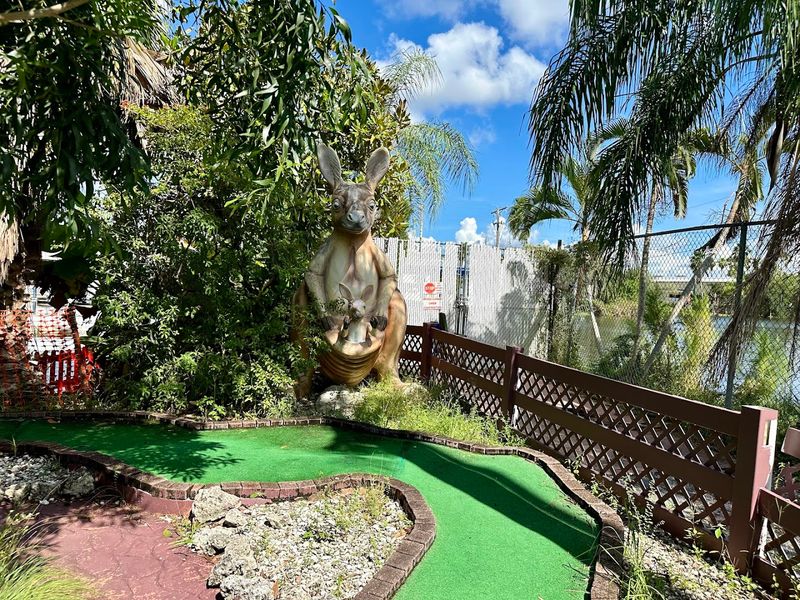
Even if the building at 2787 N Tamiami Trail ultimately cannot be saved, the memory and legacy of The Shell Factory absolutely can be. Preservation does not always mean keeping four walls standing.
Sometimes it means capturing stories, cataloging collections, and ensuring that future generations have access to the history of a place that shaped a region’s identity for nearly a century.
Local historical societies in Lee County have a role to play here. Digital archives, donated artifacts, and community-contributed photographs can build a lasting record of what The Shell Factory was and why it mattered.
Schools, libraries, and museums can incorporate its story into broader narratives about Florida’s tourism history and the evolution of roadside Americana. That kind of educational legacy has real staying power.
There is also something powerful about the way shared memories function in communities.
The Shell Factory exists in thousands of family photo albums, vacation slides, and childhood stories across multiple generations. Those memories do not disappear when a building does.
They live in the people who carry them forward and choose to share them. If the stories get told loudly enough and often enough,
The Shell Factory will remain a part of Florida’s cultural conversation long after the physical structure is gone. So keep talking about it, keep sharing those old photos, and ask yourself what other beloved places in your own community might need your attention before it is too late.