
Discover 15 Hidden Gems With Fascinating Arkansas History
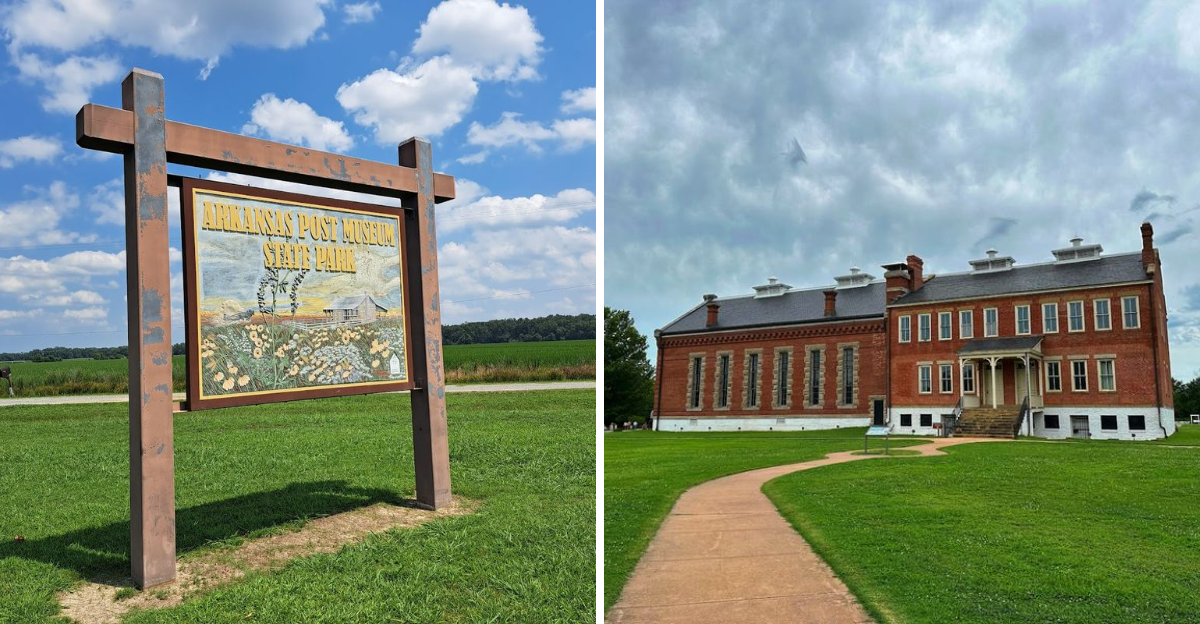
Arkansas catches you when you are not even looking for it. You think it will be a simple stop, then something shifts.
You are standing in a courthouse where history was decided in real time. You walk past ancient mounds that have been there for generations beyond counting.
It makes you slow down. It makes you curious.
Museums across the state feel different too. They are not trying to impress you with big displays.
They let the stories speak, and somehow that works better. I have been to each of these places, and none of them felt like a quick stop or a checklist moment.
You linger. You look around a little longer.
You start connecting the dots. Keep reading, because this is more than a list of places to visit.
It is a different way to experience Arkansas, one that stays with you long after the trip is over.
1. Historic Washington State Park, Washington
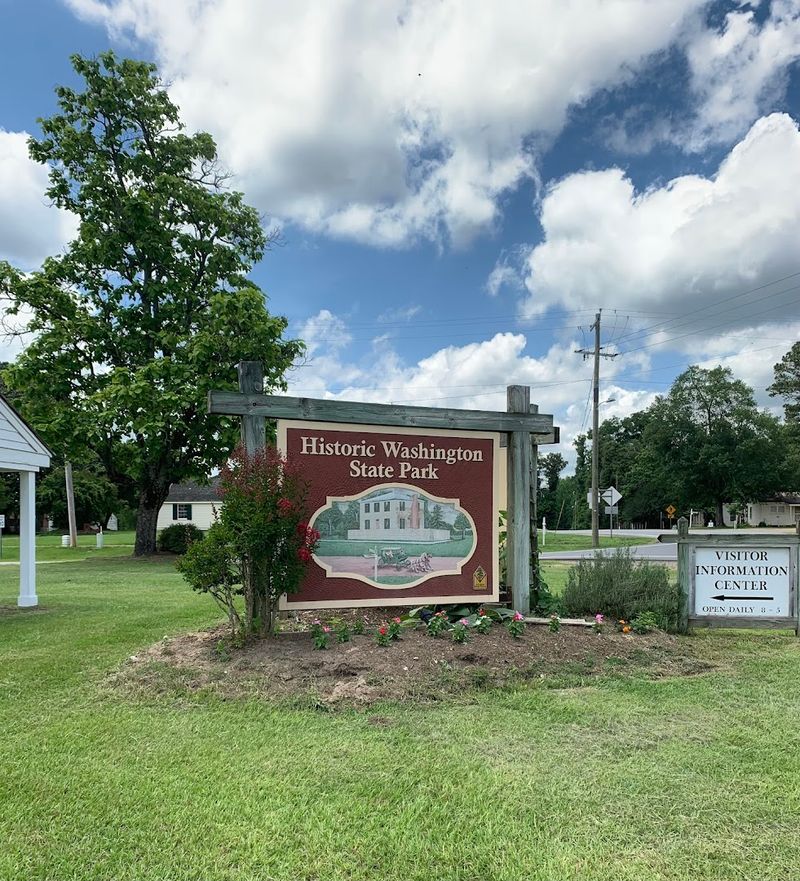
Rolling down the brick-paved streets of Washington, Arkansas, aboard a classic surrey feels like the calendar has quietly rewound itself by about 150 years.
Historic Washington State Park sits at 103 Franklin St, Washington, AR 71862, and it is one of the most authentically preserved antebellum towns in the entire South.
The park itself served as the Confederate capital of Arkansas during the Civil War, which means every corner of this place carries a story worth hearing.
Surrey rides here are often available as part of special programs, and they help bring to life how people actually moved through this town in the 1800s.
Spring and fall are the best seasons to visit, since the temperatures are comfortable and the foliage adds richness to every photograph you will inevitably take.
Once the hooves stop clicking and the ride ends, you will find yourself wishing the streets were just a little bit longer.
2. Plum Bayou Mounds Archeological State Park, Scott
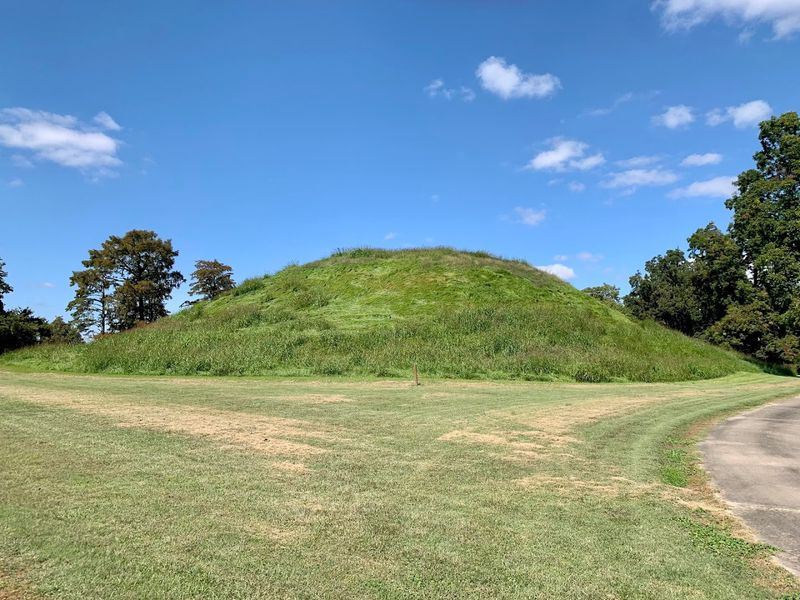
Long before any European set foot in Arkansas, a sophisticated culture was already shaping the landscape near what is now Scott, Arkansas.
Plum Bayou Mounds Archeological State Park, located at 490 Toltec Mounds Road, Scott, AR 72142, preserves 18 ancient earthen mounds that were built and used by the Plum Bayou people during the Late Woodland period.
Walking among these mounds, some of which rise dramatically from the flat Delta plain, gives you a very real sense of the engineering skill and community organization these people possessed.
The on-site museum offers well-organized exhibits with artifacts recovered during careful excavations, and the staff here are genuinely enthusiastic about sharing what researchers have uncovered.
Fall visits are especially pleasant, as the cooler air makes the outdoor walking trails comfortable for extended exploration.
Leaving this park, you carry with you a quiet respect for a culture that shaped this land centuries before the state had a name.
3. Parkin Archeological State Park, Parkin
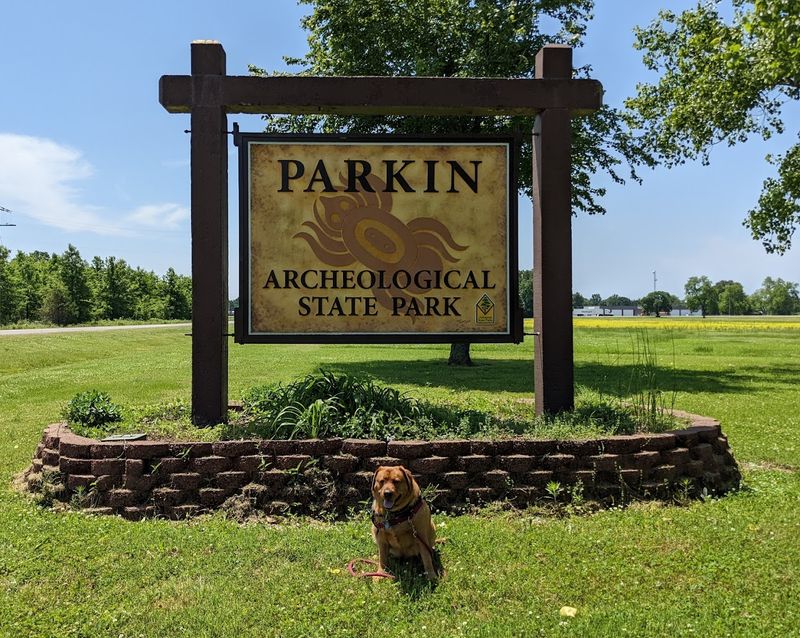
Set beside the St. Francis River in the small town of Parkin, Arkansas, this site holds one of the most significant stories in the entire American Southeast.
Parkin Archeological State Park, at 60 State Hwy 184, Parkin, AR 72373, is widely believed by many researchers to be the Native American town of Casqui, the very place that Spanish explorer Hernando de Soto visited during his 1541 expedition through the region.
That connection alone makes this a genuinely remarkable stop, because you are standing on ground where two completely different worlds met for the very first time.
The interpretive center does an excellent job of presenting both the Native American perspective and the European encounter without reducing either side to a footnote.
Active archeological work continues at the site periodically, so you may even catch researchers in the field during your visit.
History has a way of feeling abstract until you are standing right on top of it.
4. Davidsonville Historic State Park, Pocahontas
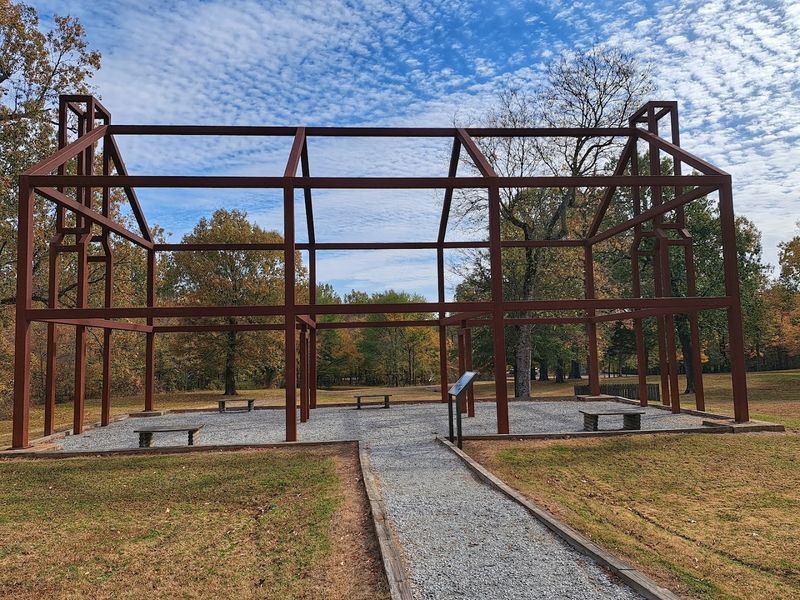
Most people drive through Pocahontas, Arkansas without realizing that just south of town lies the site of one of the earliest American settlements west of the Mississippi River.
Davidsonville Historic State Park, at 8047 Hwy. 166 South, Pocahontas, AR 72455, preserves the remains of Davidsonville, a frontier town that once served as a post office, land office, and courthouse hub for the entire region in the early 1800s.
The town was abandoned by the mid-1800s, and today the park offers a peaceful, somewhat haunting landscape where you can trace the outlines of vanished buildings through careful interpretive markers.
A walking trail guides visitors through the site, and the signage is detailed enough to help even casual history fans picture what daily frontier life actually looked like here.
Fishing in the nearby Spring River is also a popular activity, making this a spot where history and outdoor relaxation come together in a genuinely satisfying way.
There is something quietly powerful about standing where a whole community once thrived and then simply faded away.
5. Hampson Archeological Museum State Park, Wilson
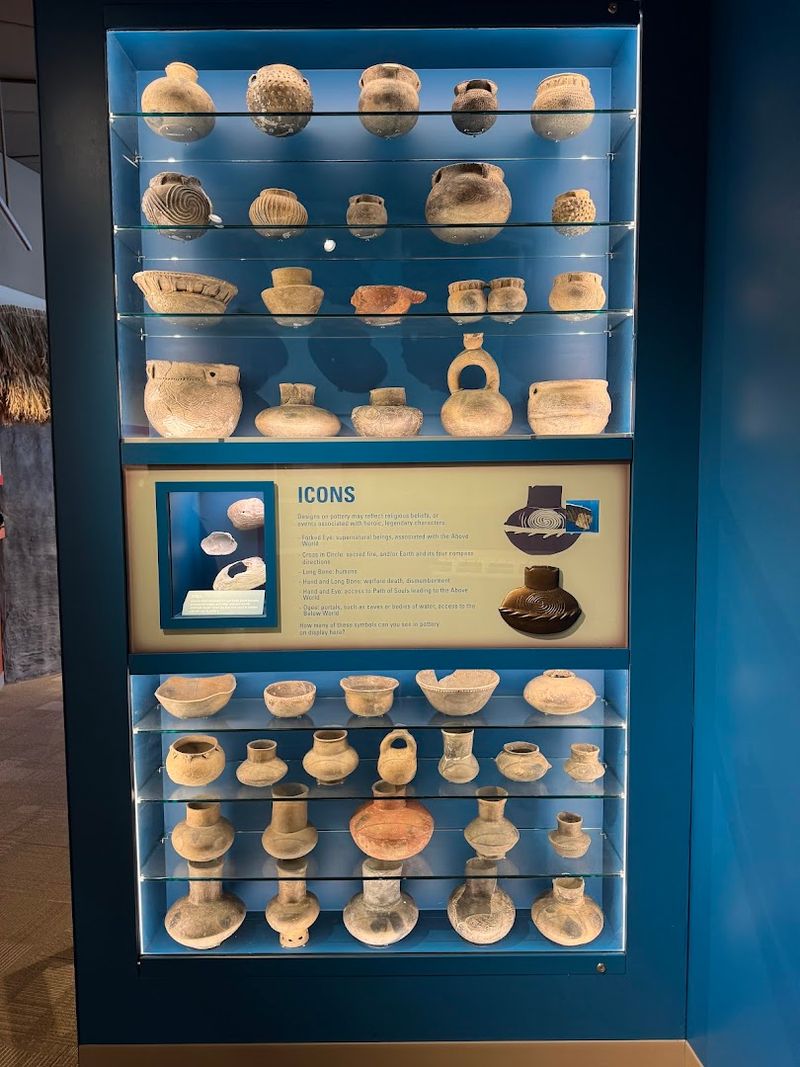
Sitting quietly in the small Delta town of Wilson, Arkansas, this museum holds one of the most focused and impressive collections of Native American artifacts in the entire Mid-South.
Hampson Archeological Museum State Park, at 33 Park Avenue, Wilson, AR 72395, is built around the findings from the Nodena Site, a Late Mississippian period Native American village that was excavated by Dr. James K. Hampson beginning in the early twentieth century.
The collection includes pottery, tools, jewelry, and ceremonial objects that paint a vivid picture of a culture that was thriving in the Arkansas Delta long before European contact.
What sets this museum apart is its intimacy; the collection is compact and thoughtfully arranged, so you never feel overwhelmed and every artifact gets the attention it deserves.
Wilson itself is a charming, walkable small town worth exploring before or after your visit.
Rarely does a small-town museum deliver such a concentrated dose of genuine archaeological wonder.
6. Prairie Grove Battlefield State Park, Prairie Grove
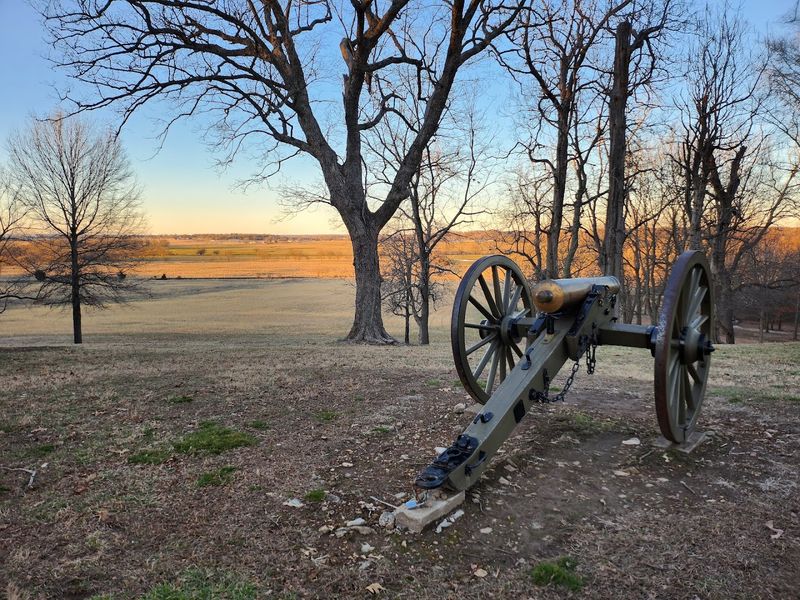
Standing on the open fields of Prairie Grove, Arkansas in the quiet of a weekday morning, it is hard to believe this peaceful landscape was once the site of one of the most significant Civil War battles west of the Mississippi.
Prairie Grove Battlefield State Park, at 506 East Douglas Street, Prairie Grove, AR 72753, preserves the ground where Union and Confederate forces clashed in a brutal engagement that helped secure Union control of northwest Arkansas during the war.
The park features a well-preserved historic district with original structures, including the Borden House, which was used as a field hospital during the fighting.
A self-guided driving and walking tour takes visitors through the key positions of both armies, and the interpretive signage is detailed without being overwhelming.
The annual Clothesline Fair held at the park each fall brings history to life with living history demonstrations and period crafts.
Battlefields like this one remind you that history is not just in books; it is written into the land itself.
7. Arkansas Museum of Natural Resources, Smackover
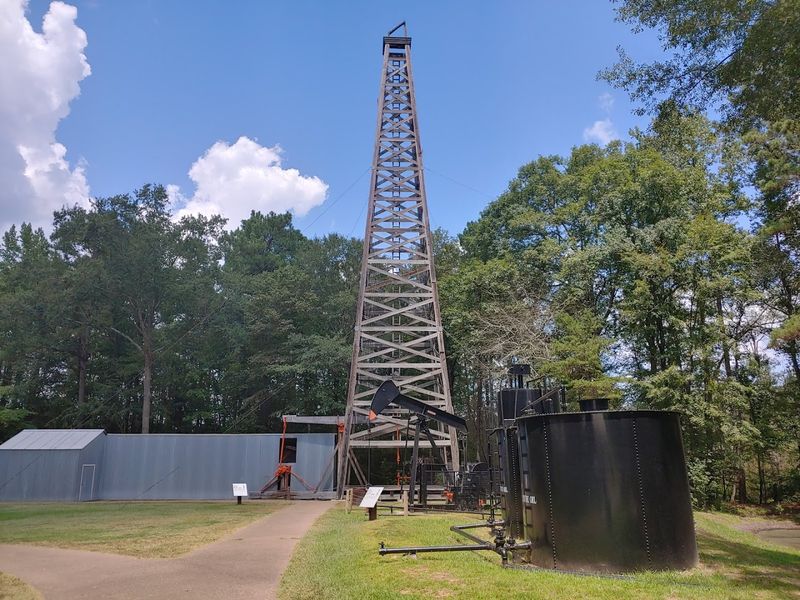
The town of Smackover, Arkansas may not be a household name, but in the early twentieth century it was one of the most talked-about oil boomtowns in the entire country.
Arkansas Museum of Natural Resources, at 4087 Smackover Hwy, Smackover, AR 71762, tells the full story of that dramatic oil rush and the natural resources that have shaped the state’s economy and identity for generations.
The outdoor exhibit area features towering wooden oil derricks that you can walk right up to, and the sense of scale they provide is genuinely impressive.
Inside, the museum covers everything from brine and bromine production to the environmental science of the region, making it relevant to visitors of every age and background.
The staff are knowledgeable and clearly proud of the collection, which adds a warm, personal quality to the experience.
You will leave Smackover with a much richer understanding of how natural resources quietly shaped the modern American South.
8. Lower White River Museum State Park, Des Arc
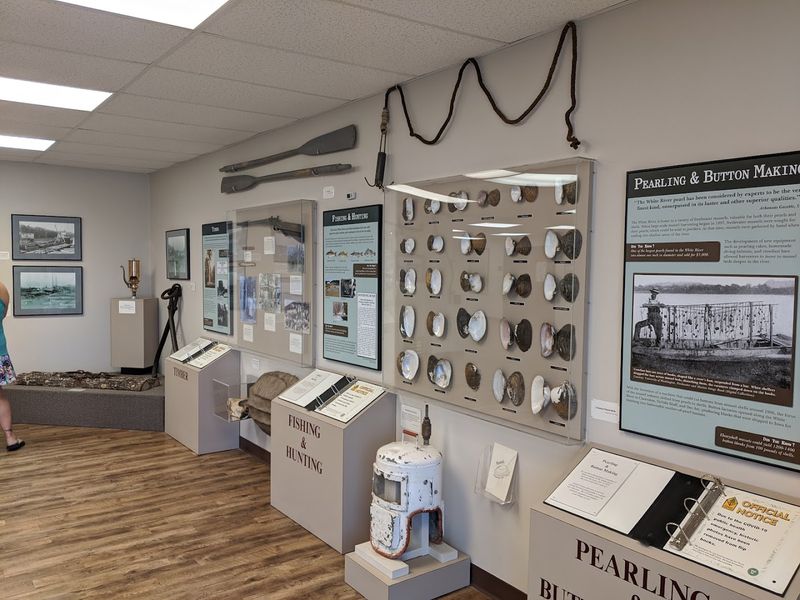
The White River has been a lifeline for communities across the Arkansas Delta for centuries, and Des Arc sits right at the heart of that story.
Lower White River Museum State Park, at 2009 Main Street, Des Arc, AR 72040, is dedicated to documenting the river’s enormous influence on trade, travel, and daily life throughout the region’s history.
The museum is housed in a structure designed in the style of a beautifully restored 1920s building that itself feels like a piece of the history being told inside.
Exhibits cover the steamboat era with particular depth, featuring artifacts, photographs, and personal accounts that bring the river’s commercial heyday to life in a surprisingly vivid way.
The Arkansas Delta landscape surrounding Des Arc is flat and wide-open, giving the whole visit a sense of quiet drama that city museums rarely manage to produce.
Practical tip: the museum is closed on certain weekdays, so checking hours before making the drive is always a good idea.
Rivers, it turns out, have long memories.
9. Arkansas Post Museum
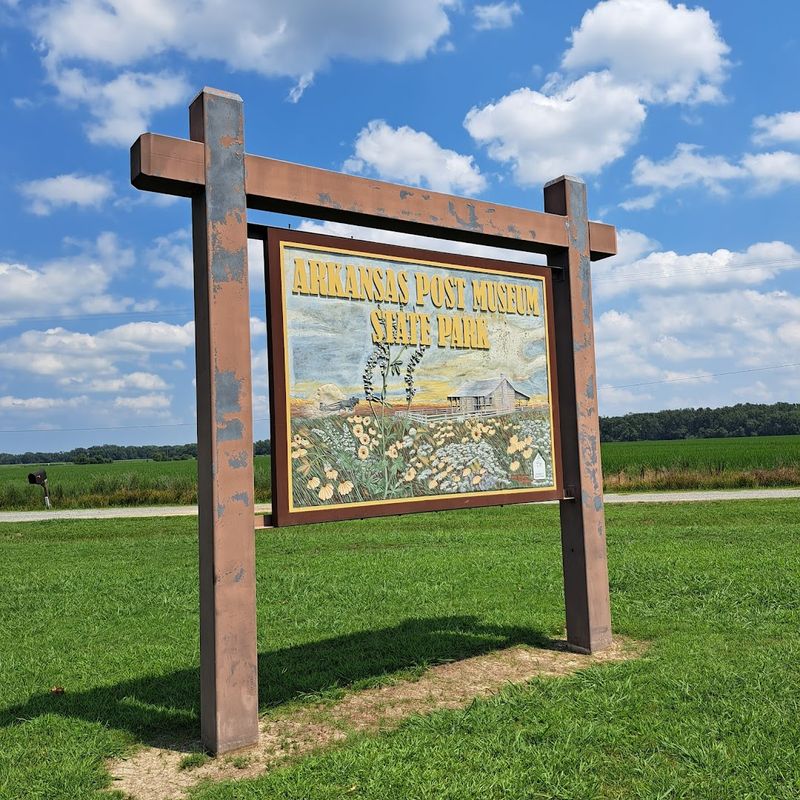
Few places in Arkansas carry as many layers of history as the stretch of land near Gillett, where the Arkansas and Mississippi rivers once shaped the fate of an entire region.
Arkansas Post Museum, at 5530 Hwy. 165 South, Gillett, AR 72055, interprets the later regional and local history connected to Arkansas Post, including life in the Delta after the area’s early colonial era.
The museum’s exhibits walk visitors through each of these eras with clarity and depth, using maps, artifacts, and period illustrations that make the timeline easy to follow.
The surrounding landscape is classic Arkansas Delta, low and wide with a sky that seems to stretch forever, which adds an atmospheric quality to the whole visit.
Arkansas Post Museum pairs naturally with a visit to the nearby Arkansas Post National Memorial, and doing both in a single day gives you a remarkably complete picture of this historically loaded area.
History stacks up quietly here, layer by layer, like sediment along the river.
10. Plantation Agriculture Museum, Scott
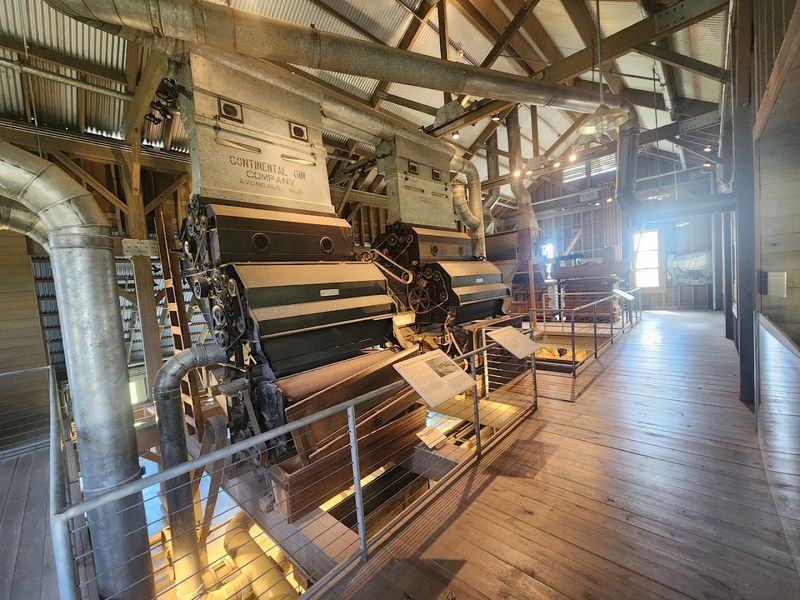
Cotton once ruled the Arkansas Delta with an iron hand, and no museum in the state tells that story more honestly or completely than this one in Scott.
Plantation Agriculture Museum, at 4815 AR Hwy 161 South, Scott, AR 72142, explores the full arc of cotton farming in Arkansas, from the antebellum plantation era through the mechanization of the twentieth century.
The exhibits do not shy away from the difficult history of enslaved labor that made plantation agriculture possible, and that honesty gives the museum a moral weight that many agricultural museums lack.
A restored cotton gin building on the grounds is particularly impressive, with massive vintage machinery that helps visitors understand the industrial scale of the cotton economy.
The museum sits close to Plum Bayou Mounds, making it easy to combine both sites into a single rich day of Delta exploration.
Understanding where Arkansas came from is the only honest way to understand where it is going.
11. Arkansas Post National Memorial, Gillett
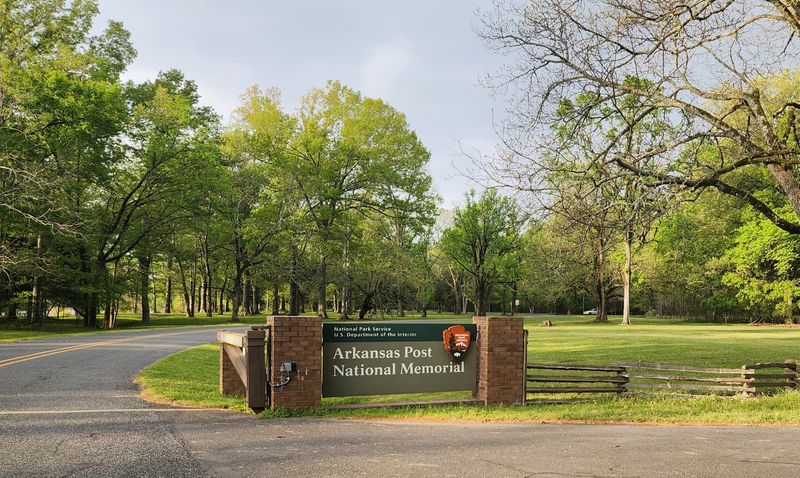
Just a short drive from the Arkansas Post Museum, the National Memorial version of this storied site takes the history outside and puts it right under your feet.
Arkansas Post National Memorial, at 1741 Old Post Road, Gillett, AR 72055, is managed by the National Park Service and protects the actual ground where French explorer Henri de Tonti established the first permanent European settlement in the lower Mississippi Valley in the late 1600s.
The visitor center is well-designed and informative, but the real reward here is walking the outdoor trails along the Arkansas River, where the scenery is peaceful and the historical context makes every step feel meaningful.
Wildlife is abundant on the grounds, and birdwatching is genuinely excellent, particularly during spring migration season.
Admission to National Park Service sites is generally covered by the America the Beautiful pass, which is worth having if you travel to multiple federal sites in a year.
Standing beside the river here, you feel the full weight of how much history this quiet bend of water has witnessed.
12. Fort Smith National Historic Site, Fort Smith
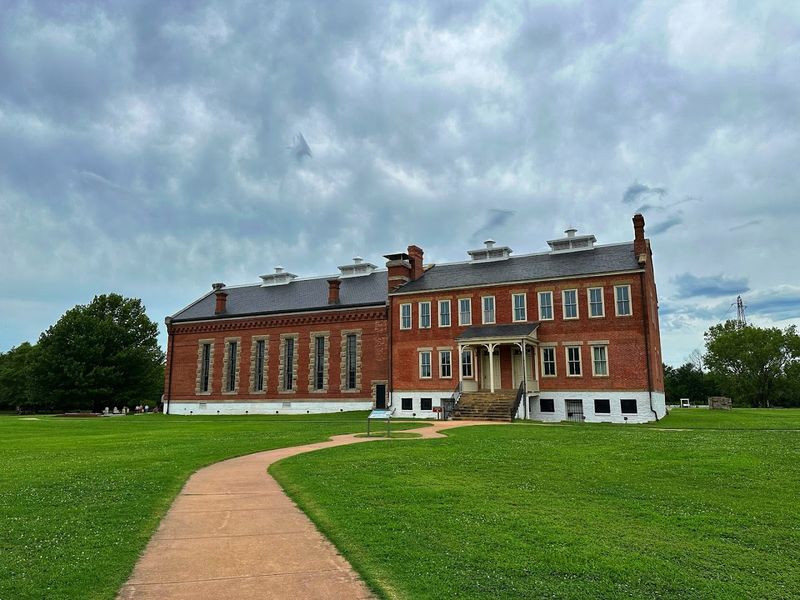
If any place in Arkansas carries the raw, unfiltered energy of the frontier West, it is the old federal courthouse and jail complex sitting above the Arkansas River in Fort Smith.
Fort Smith National Historic Site, at 301 Parker Avenue, Fort Smith, AR 72901, preserves the legacy of Judge Isaac Parker, whose court held jurisdiction over Indian Territory and earned him the nickname “Hanging Judge” for his strict enforcement of federal law.
The reconstructed gallows on the grounds is one of the most striking outdoor exhibits I have encountered at any National Park Service site in the country.
Inside the courthouse, the restored courtroom and basement jail cells are remarkably well-preserved and give visitors a visceral sense of frontier justice that no textbook can replicate.
Fort Smith itself is a lively city with excellent food options nearby, making it easy to turn this into a full-day outing.
Judge Parker’s courtroom still commands a kind of silence that feels entirely earned.
13. Historic Arkansas Museum, Little Rock
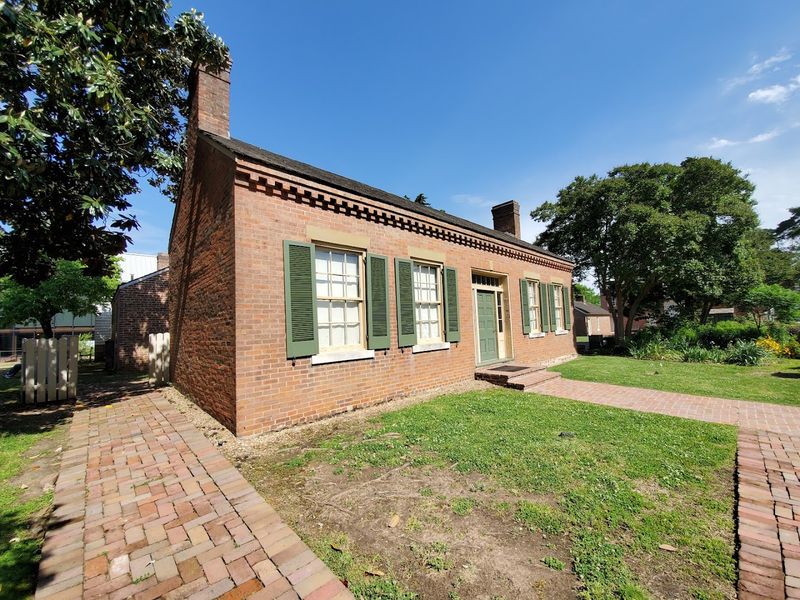
Right in the middle of downtown Little Rock, a cluster of carefully restored antebellum houses sits quietly beside a modern museum building, creating one of the most visually striking contrasts in the state.
Historic Arkansas Museum, at 200 East 3rd Street, Little Rock, AR 72201, preserves several of the oldest surviving structures in the city and uses them as the backdrop for an extensive collection of Arkansas-made decorative arts, crafts, and historical objects.
The restored houses are open for guided tours, and the guides here are particularly good at connecting the physical spaces to the real people who lived and worked in them.
The museum also features a working blacksmith shop and a hands-on discovery area that makes it a genuinely engaging stop for visitors of all ages.
Admission is free for the main museum galleries, which makes it one of the best value cultural experiences in the entire state.
In a city that moves fast, this museum asks you to slow down and look closely.
14. Mosaic Templars Cultural Center, Little Rock
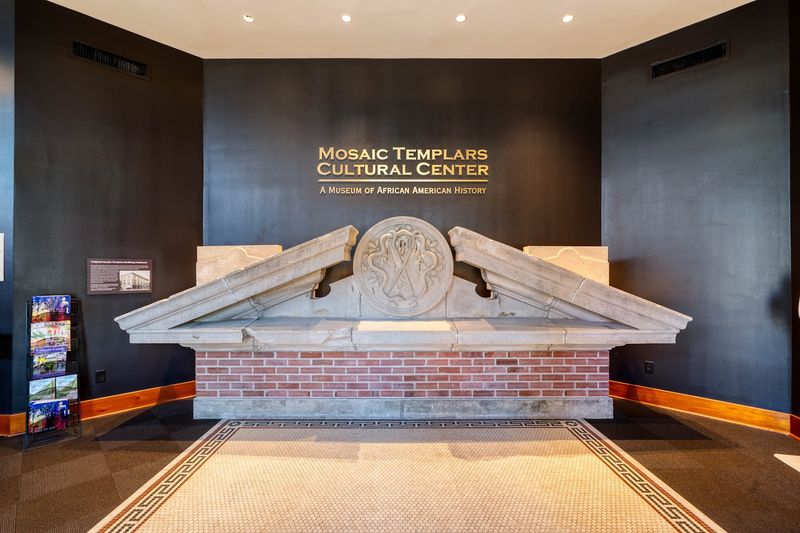
The story of African American life in Arkansas is rich, complex, and far too often overlooked by mainstream history, and the Mosaic Templars Cultural Center exists precisely to change that.
Located at 501 West 9th Street, Little Rock, AR 72201, the center is named for the Mosaic Templars of America, a fraternal organization founded by two formerly enslaved men in Little Rock in the 1880s that grew into one of the largest African American fraternal organizations in the United States.
The museum’s exhibits cover Black entrepreneurship, civil rights history, music, community life, and the broader African American experience in Arkansas with impressive depth and visual appeal.
The building itself is modern and beautifully designed, and the exhibits feel current, engaging, and thoughtfully curated rather than dated or static.
Admission is free, which removes every possible barrier to what is genuinely one of Little Rock’s most important cultural institutions.
This is the kind of museum that lingers in your mind long after you have walked back out into the sunlight.
15. Delta Cultural Center, Helena
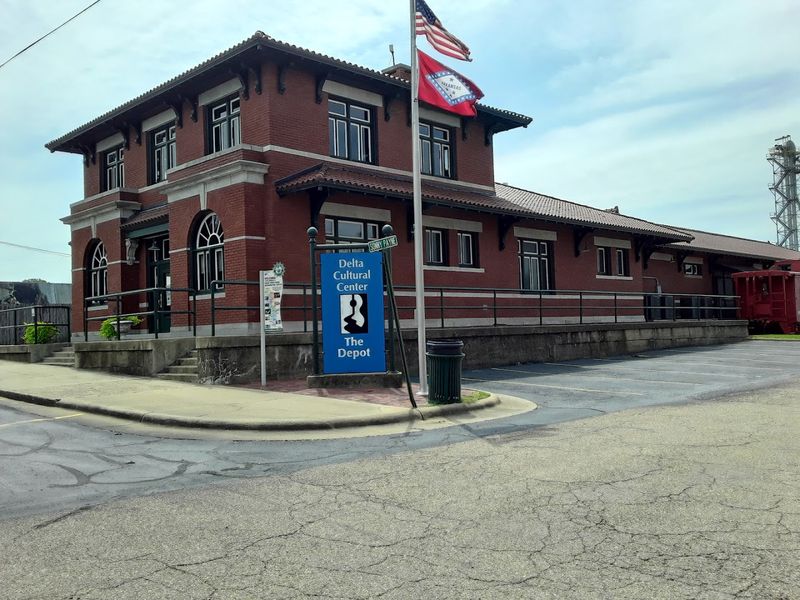
Helena, Arkansas sits right on the Mississippi River, and the Delta Cultural Center at 141 Cherry Street, Helena, AR 72342, uses that geography as the foundation for one of the most culturally rich museum experiences in the entire Mid-South.
The center celebrates the history and culture of the Arkansas Delta with a particular focus on the blues music that was born and nurtured in this region, making it a must-visit for anyone who cares about American musical heritage.
The exhibits are spread across two historic buildings and cover everything from Native American history and the Civil War to the cotton economy and the Great Migration, weaving together a narrative that feels both local and deeply American.
Helena is also home to the legendary King Biscuit Blues Festival each October, so timing your visit to coincide with that event turns a museum trip into a full cultural immersion.
The Delta has a sound, and you can feel it humming through every room of this place.