
The Quietest Mind-Clearing Spring Trip In Colorado Might Be Crestone
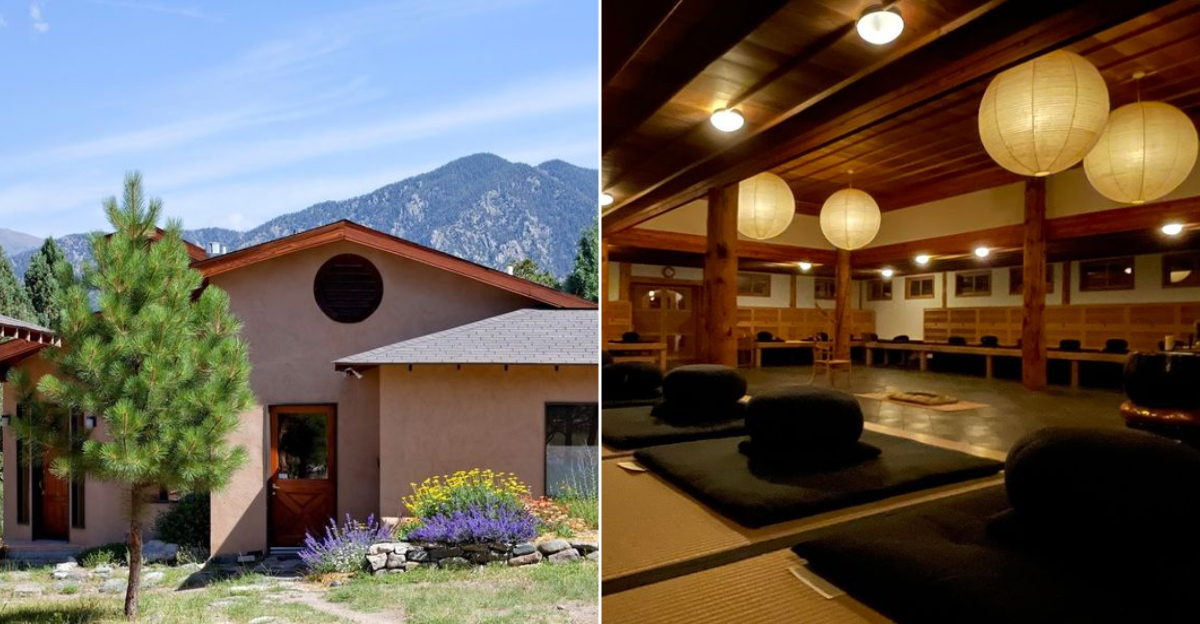
Somewhere in the high desert of southern Colorado, pressed against a jagged wall of mountains and endless sky, sits a tiny town that feels less like a destination and more like a deep exhale. It is the kind of place people do not casually wander into.
You head there when the noise of everyday life starts rattling around in your chest and you are ready to trade chaos for stillness, traffic for sagebrush, and crowded calendars for wide-open hours. In Colorado, places like this have a rare kind of magic, the sort that makes silence feel rich instead of empty.
The air seems lighter, the horizon feels bigger, and even your thoughts begin to slow to a gentler speed. Colorado’s hidden corners can do that to a person.
What starts as a getaway quickly turns into a quiet little fantasy about staying longer than planned, maybe even forever out there.
Why It Deserves Your Full Attention
There are places you visit and places that visit you back. This spot, located at 2000 East Dreamway in Crestone, Colorado, falls firmly into the second category.
Sitting at the foot of the Sangre de Cristo Mountains, this working Zen monastery carries a 4.9-star rating from over 120 visitors, which in the world of contemplative retreats is essentially a standing ovation.
The center operates as an active Soto Zen monastery, meaning the practice here is genuine, structured, and deeply intentional. Visitors are not window dressing.
They are welcomed into a living community where meditation, meals, and daily rhythms form the backbone of each day.
Why It Matters: Spring is an ideal time to visit because the mountain light arrives at a slant that makes everything look like it was painted by someone who had all the time in the world. The air is sharp, the valley is quiet, and the center is ready.
Best For: Adults seeking a structured, community-supported retreat experience with real depth rather than a weekend wellness trend.
The Simple, Honest Promise This Place Makes
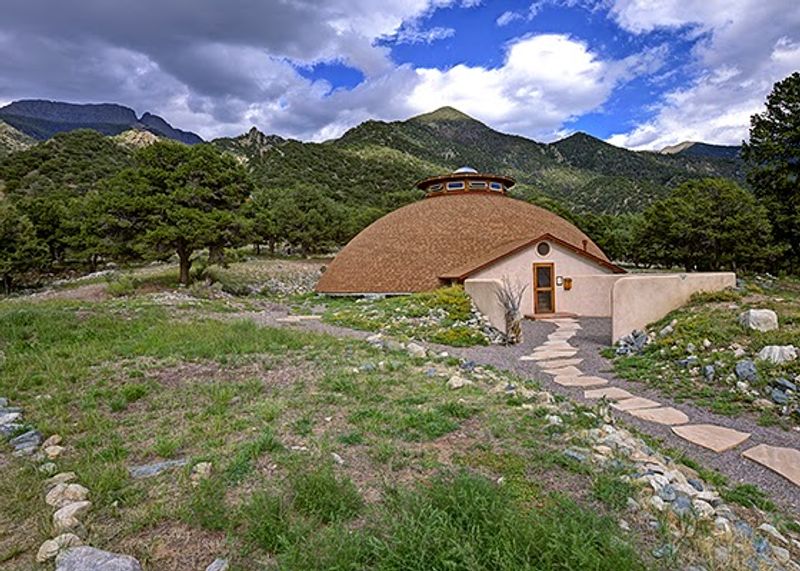
Some places promise transformation and deliver a scented candle. Crestone Mountain Zen Center promises something smaller and harder to find: actual quiet.
Not the performative hush of a spa, but the real, sustained silence that comes from being somewhere that means it.
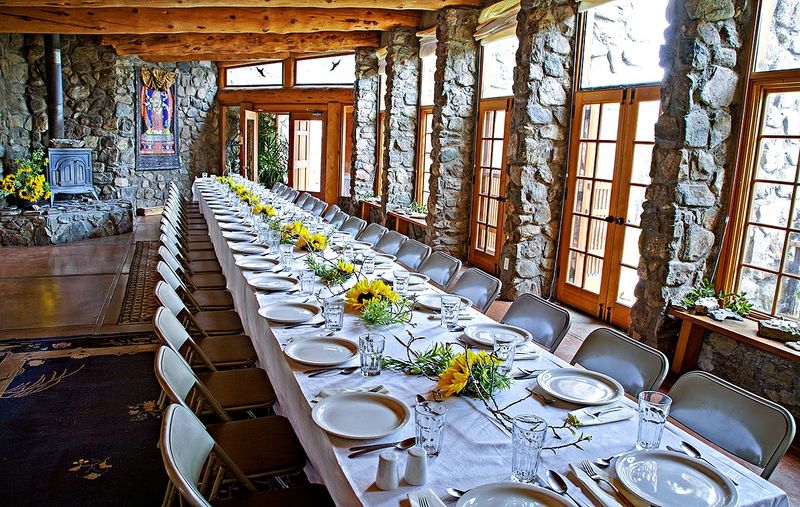
The center offers simple accommodations, homemade vegetarian meals, and access to a meditation practice schedule that runs morning to evening. Visitors can join the monastic rhythm fully or shape a personal retreat at their own pace.
Either way, the structure is there if you want it and genuinely optional if you do not.
Quick Tip: Call ahead at +1 719-256-0285 or visit dharmasangha.org to discuss which retreat format fits your experience level. First-timers are welcomed without judgment, and the community takes real time to introduce guests to Soto Zen etiquette.
Who This Is For: Anyone who has Googled the phrase “how to stop overthinking” more than twice this month. Also couples, solo travelers, and professionals who need a genuine reset rather than a change of scenery.
What Arrival Actually Feels Like
Getting to Crestone requires a commitment. The town sits in the San Luis Valley, and the final stretch of road gives you enough time to wonder whether your GPS has quietly given up on you.
Then the mountains appear, stacked and enormous, and suddenly the drive feels less like an inconvenience and more like an overture.
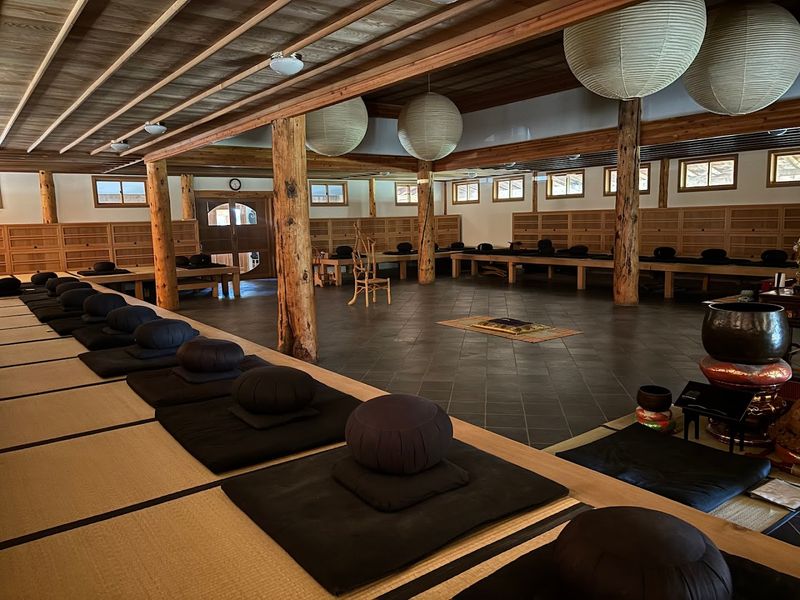
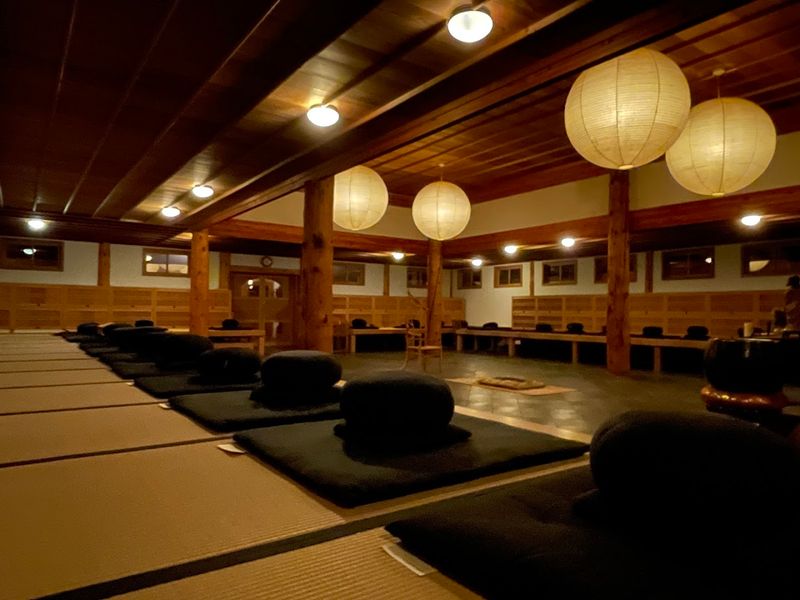
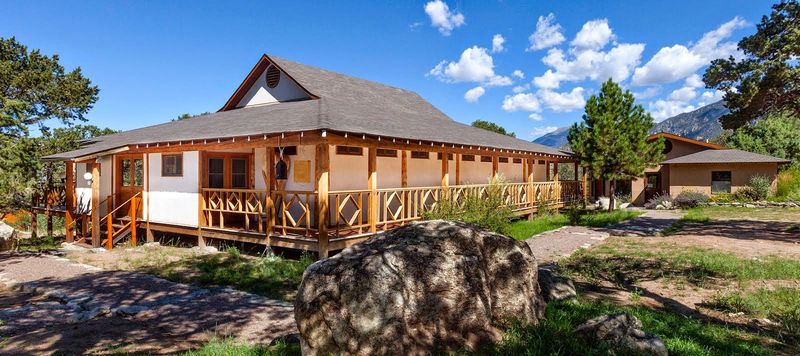
Pulling up to the center, the first thing most visitors notice is the zendo, a clean, Japanese-style meditation hall that looks like it was placed there with extraordinary care. The grounds are tidy, the air smells like high altitude and pine, and someone will almost certainly greet you before you finish parking.
Insider Tip: If you are arriving by public transit, plan carefully. One visitor noted that bus schedules in and out of Crestone run early and infrequent, meaning a car or a rideshare arrangement is worth arranging in advance to avoid missing retreat sessions on either end of your stay.
Pro Tip: Arrive with your phone already on silent. Not as a rule, just as a gesture of good faith to yourself.
The transition will feel less abrupt.
How the Community Keeps People Coming Back
A 4.9-star rating built on over a hundred visits does not happen by accident. It happens because the people running a place genuinely care about the people showing up.
At Crestone Mountain Zen Center, that care takes practical form: staff who accommodate dietary sensitivities without making a production of it, teachers who give undivided attention to questions from newcomers, and a community that introduces guests to rituals rather than assuming they already know them.
Multiple visitors have returned two, three, even more times. One guest described three separate stays, each equally meaningful.
Another lived at the center for three years and continues to return for retreats. That kind of loyalty does not come from good marketing.
It comes from a place that holds its standard consistently.
Common Mistakes to Avoid: Do not assume this is a drop-in yoga studio. The center is an active monastery, and showing up without contacting them first can limit what you are able to participate in.
A quick email or phone call before your trip changes everything.
Best Strategy: Plan a minimum of four to seven days. Visitors who stay longer consistently report that the first two days are adjustment, and the real experience begins after that.
How It Works for Families, Couples, and Solo Visitors
Not every retreat center is built for everyone, and honesty about that is a feature, not a flaw. Crestone Mountain Zen Center in Colorado draws a wide range of visitors: solo practitioners looking to deepen their practice, couples who want to spend time in shared silence without the pressure of conversation, and individuals at a crossroads who need a week where the only agenda is presence.
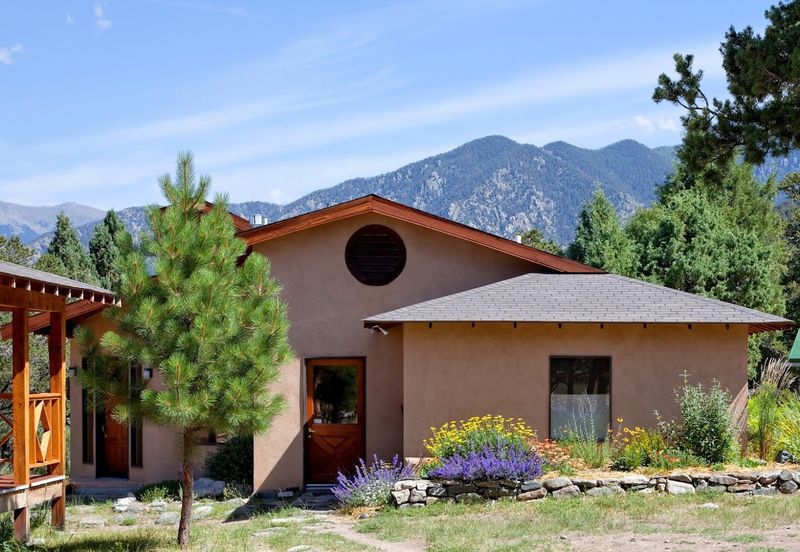
The vegetarian meals are prepared with care and adapted for food sensitivities, which removes one of the more common logistical anxieties of group retreat life. Accommodations range from studio rooms to camping options, meaning the experience scales to different comfort levels without losing its integrity.
Spring adds a particular dimension for those who enjoy the outdoors. The surrounding mountains and valley provide access to hiking trails, and nearby natural landmarks are accessible for day excursions without pulling you far from the center’s rhythm.
Who This Is Not For: Anyone expecting resort-level amenities or a passive, fully catered experience. The center operates as a working monastery, and participation, even light participation, is part of what makes it meaningful.
Best For: Solo adults, couples seeking intentional shared time, and curious beginners with no prior Zen experience.
Making It a Real Spring Outing Without Overcomplicating It
Crestone is a small town with a short Main Street and the particular energy of a place that decided long ago not to rush. After a morning meditation session, a walk through town takes maybe twenty minutes and rewards you with the kind of unhurried atmosphere that feels increasingly rare.
There are a handful of small businesses and a community that operates at a pace your nervous system will quietly appreciate.
For a low-effort spring outing, the formula is straightforward: book a stay at the center, plan one or two days on either side for the drive and decompression, and let the schedule do the rest. The center sits within reach of the Great Sand Dunes National Park and natural hot springs, both of which make excellent post-retreat additions if you want to extend the trip without adding complexity.
Planning Advice: Spring weather in the San Luis Valley can shift quickly, so pack layers regardless of what the forecast says. The altitude at Crestone sits above 8,000 feet, which means mornings are genuinely cold even when afternoons are pleasant.
Quick Tip: A post-retreat soak at a nearby hot spring is the kind of practical reward that requires no justification whatsoever.
Final Verdict: The One Trip That Actually Delivers the Quiet
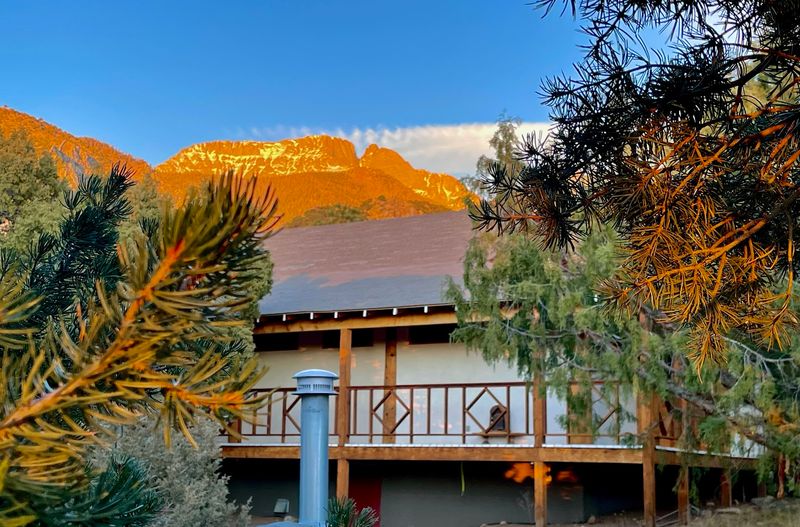
Here is the honest summary: Crestone Mountain Zen Center is one of those places that earns its reputation through consistency rather than spectacle. The mountains are real, the food is genuinely good, the staff are warm without being performative, and the silence is the kind you have to travel to find.
Spring is the right season for it. The crowds that descend on Colorado’s more famous destinations have not arrived yet, the landscape is transitioning from winter in a way that feels like a slow exhale, and the center’s rhythm matches the season almost perfectly.
Key Takeaways: Plan ahead by contacting the center directly. Stay at least four to seven days for the full benefit.
Bring layers, leave your agenda at the trailhead, and resist the urge to document everything. Some experiences are better stored in the mind than the camera roll.
If a friend texted you right now asking where to go for a spring reset that actually works, this is the address you would send them: 2000 East Dreamway, Crestone, Colorado. Tell them to go soon, before the secret gets any louder.