
This Remote Arkansas Wilderness Feels Like A True Ozark Retreat Surrounded By Waterfalls
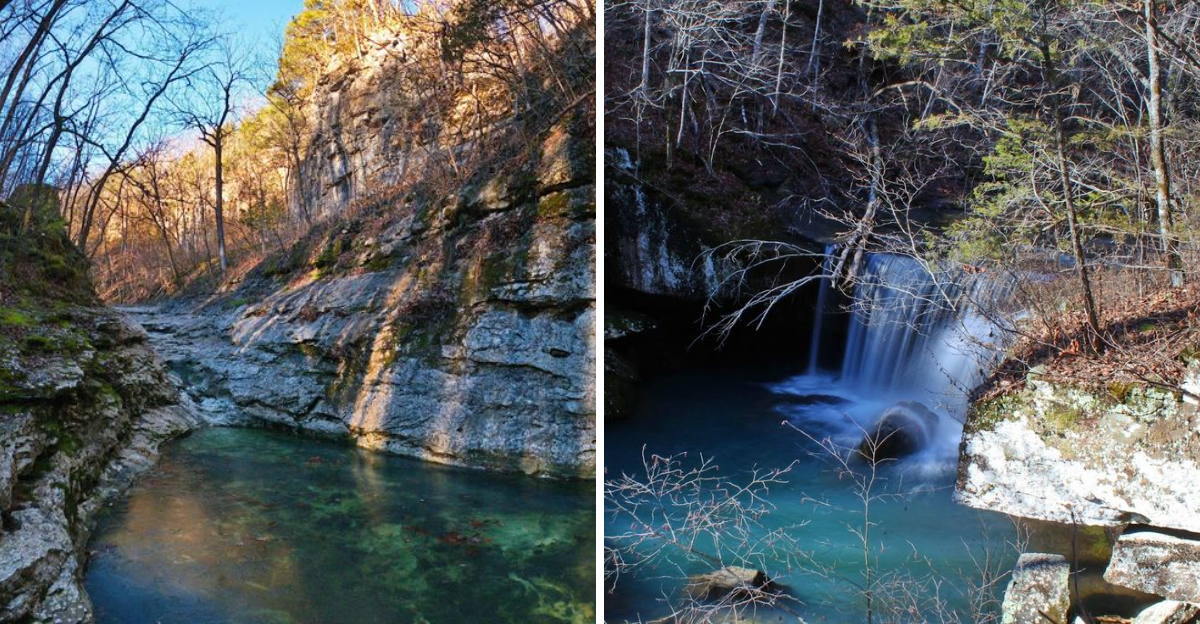
It starts with the sound of water before you even open your eyes. A steady rush, mixed with birdsong, nothing else competing for your attention.
No traffic. No nearby houses.
Just the natural rhythm of a landscape that has not been shaped around convenience. This part of the Arkansas Ozarks offers that kind of quiet in a way that feels increasingly rare.
Tall cliffs, dense forest, and cold, clear streams define the terrain in every direction. I came across this area without planning to, and it completely changed what I look for in a trip.
This is not about checking into a stay or following a packed itinerary. It is about stepping into a place that moves at its own pace.
Time feels different here, slower and less structured. You start noticing details again.
Light through trees, water over rock, and the absence of urgency. Keep reading, because this landscape offers far more than first impressions suggest.
Cascading Ozark Stream Cutting Through Remote Terrain
Finding a place this remote feels like winning a small, personal lottery that nobody else knows about.
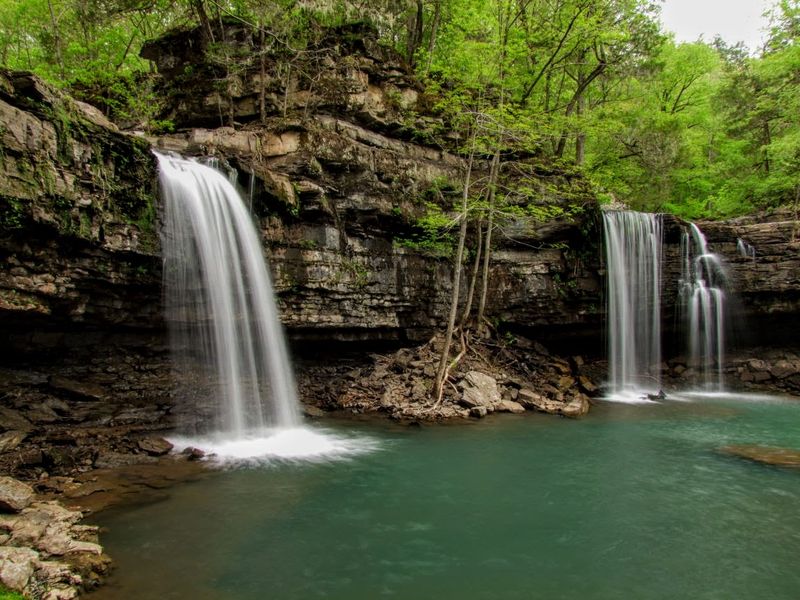
This area sits along the edge of a cascading Ozark stream, close enough that the sound of water carries through the surrounding forest.
Tall hardwood trees close in around the landscape, giving it the feeling of a hideout rather than a developed recreation site.
The stream itself runs clear and cold, fed by the highlands above, and it moves with that particular urgency that mountain water always seems to carry.
I spent a long afternoon just sitting on the bank, watching the current pull leaves around smooth limestone rocks while a wood thrush called somewhere back in the trees.
There are no streetlights here, no distant highway hum, and no visible development from most vantage points.
The surrounding acreage acts as a natural buffer, keeping the whole scene feeling quiet and largely uninterrupted.
Time here feels less structured, with the landscape shaping the pace rather than any set itinerary.
This is the kind of solitude you can only find within Richland Creek Wilderness near Pelsor, Arkansas.
Waterfalls Hidden Throughout Rugged Forest Landscape
Not every travel experience earns the word secluded, but this one comes close.
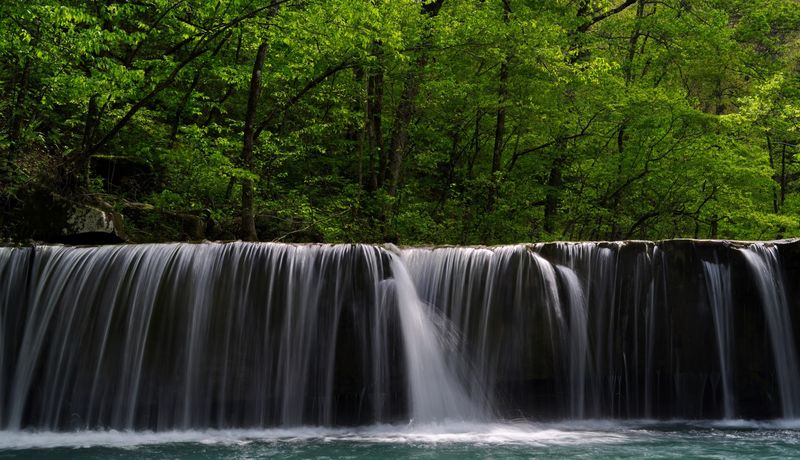
A short walk through the forest can lead to waterfalls that feel far removed from crowded trails and busy viewpoints.
The Richland Creek Wilderness area is known for its rugged terrain, clear streams, and scenic cascades spread throughout its 11,801 acres, creating countless opportunities to encounter moving water in a natural setting.
The sound of falling water carries through the trees, creating a natural backdrop that no playlist could replicate.
I stood at the base of one cascade as the light dropped behind the ridgeline, and the mist caught what remained of the sun in a way that made everything glow faintly orange and gold.
The pool beneath the falls was shallow and cold, offering a refreshing pause after time spent exploring nearby terrain.
Mossy ledges and fern-covered banks frame the scene with the kind of effortless natural composition that photographers spend hours chasing elsewhere.
Moments like that one are what make this place genuinely hard to leave.
Unbroken Forest Views With No Development In Sight
Some places promise seclusion and deliver a view of someone else’s back porch instead.
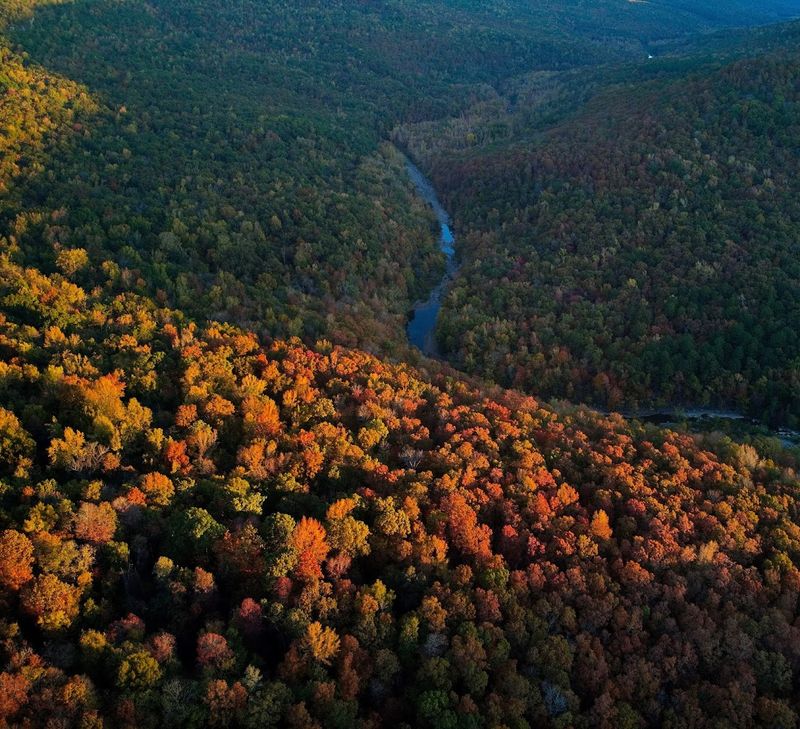
Here, the forest simply swallows most signs of development and hands you back a wall of green that stretches as far as the eye can follow.
Standing in a small clearing, I turned a full circle and saw nothing but hardwoods, scattered cedar, and the occasional sandstone bluff breaking through the canopy in the distance.
The Richland Creek Wilderness covers more than 11,800 acres within the Boston Mountains of the Ozarks, and that sheer scale creates a strong sense of distance from developed areas.
Mornings here carry a particular stillness that feels almost physical, as if the forest is holding its breath before the day begins.
Light moves through the canopy in slow, shifting patterns that change the mood of the landscape every hour.
Connectivity can be limited in remote sections, which at first feels like an inconvenience until the quiet starts to feel like a gift rather than a limitation.
Views like these remind you that true wilderness is not just scenery but an actual state of being, one that takes a little effort to reach and a lot of reluctance to leave behind.
Raw Ozark Terrain Shaped By Rock Water And Time
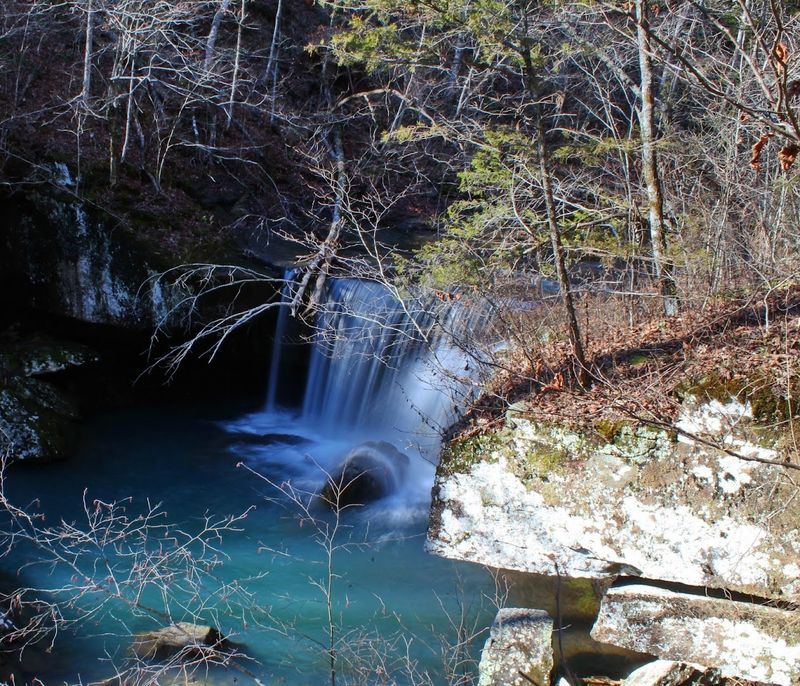
Cool nights in the Ozarks have a way of making simple shelter feel more meaningful than expected.
The surrounding environment reflects a rugged character, shaped by natural materials and changing conditions throughout the seasons.
Time spent here often centers around the outdoors, especially when temperatures drop quickly after sunset.
Warm layers and a prepared setup make a noticeable difference once the evening air settles in.
Ambient sounds shift after dark, with the forest growing quieter while the creek continues its steady movement nearby.
Natural textures dominate the setting, from rough stone along the water to weathered wood found throughout the landscape.
Simplicity defines the experience, with comfort coming more from the environment than from decorative features.
After a day of hiking and exploring, settling into the quiet of the surroundings feels less like routine and more like a reward for making the trip.
Morning Light Moving Across Cliffs And Creek
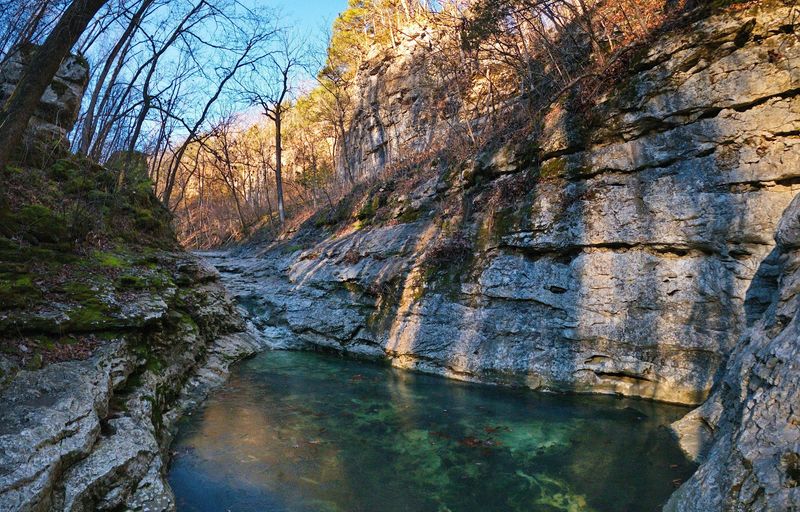
There is a specific kind of morning that only happens when water is involved, and this place delivers it consistently.
A quiet start to the day near Richland Creek brings steady movement below and sandstone bluffs catching the first angle of morning light.
The cliffs that rise above the creek are a defining feature of this landscape, carved over long periods into dramatic vertical faces streaked with mineral color.
I watched a great blue heron work the shallows one morning while my coffee cooled in my hands, completely forgetting I had planned to check a trail map.
The combination of moving water and still rock creates a visual contrast that keeps the scene interesting no matter how long you sit with it.
Mist often hangs low over the creek in the early hours, softening the edges of the bluffs and giving the whole setting a quietly atmospheric quality.
Seasons shift the palette dramatically here, from the deep greens of summer to the fiery oranges and reds of an Ozark autumn.
That first quiet moment each morning became the ritual I looked forward to most, and honestly, it set the tone for every single day of the trip.
Rugged Routes Leading To Bluffs Riverbanks And Overhangs
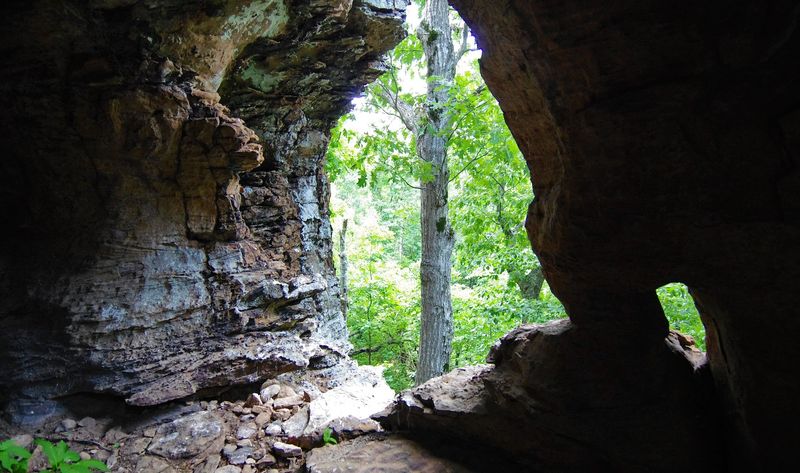
Putting on your boots here means choosing between a range of rugged routes, and the terrain does not disappoint.
The Ozark Highlands Trail passes through the broader region, connecting this area to a wider network of routes that range from gentle creekside walks to more demanding ridge climbs.
One route I followed traced a riverbank where exposed sandstone created natural benches at the water’s edge, then climbed sharply to a bluff overlook that made the effort feel immediately worthwhile.
Rock formations appear throughout the wilderness, with overhangs and bluff shelters adding visual interest along the way.
Exploring the landscape reveals unexpected features, from narrow passages to shaded rock recesses that offer relief from the sun.
The terrain here is genuinely rugged, with uneven footing, creek crossings, and steep sections that reward hikers who come prepared with proper footwear and a sense of patience.
Trail conditions can shift quickly after rain, so checking in with the U.S. Forest Service before heading out is always a smart move.
Every route here seems to end somewhere worth finding, which is the best thing you can say about any hiking destination.
Wildlife Moving Quietly Through Dense Forest Habitat
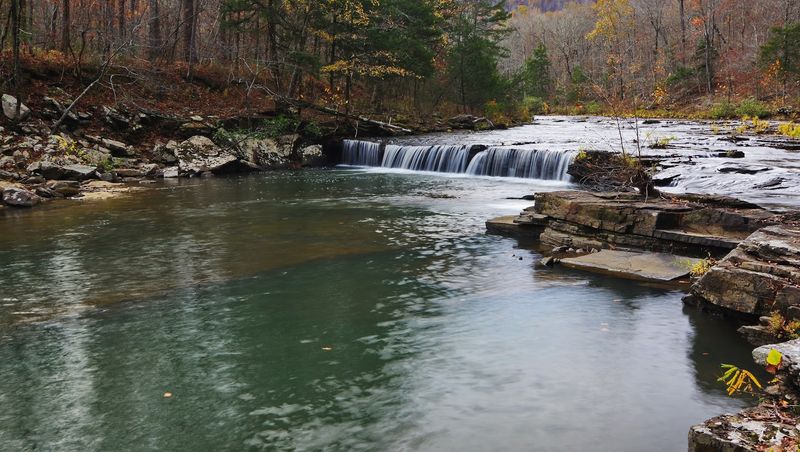
Waking up before sunrise here is not just about catching good light; it is also the best strategy for seeing who else is using the forest.
The Richland Creek Wilderness supports a varied wildlife community, including white-tailed deer, black bears, wild turkey, and a wide range of songbirds that fill the canopy with layered sound from dawn onward.
Elk have been reintroduced to parts of the Arkansas Ozarks, and sightings in the broader region have become more common over time.
I spotted a group of deer crossing the creek one morning at a shallow ford, moving with that unhurried confidence that animals carry when they genuinely believe no one is watching.
Bird activity here is constant and varied, with species appearing and disappearing depending on the season and time of day.
The creek itself supports water-loving species, and I noticed kingfishers working the banks with impressive efficiency during my stay.
Bringing a pair of binoculars is one of those packing decisions that feels optional until you are standing in the middle of this forest and suddenly very glad you did not skip it.
Wildlife here does not perform for visitors; it simply goes about its business, and watching it feels like a privilege every single time.
Rough Backroads That Keep The Wilderness Intact
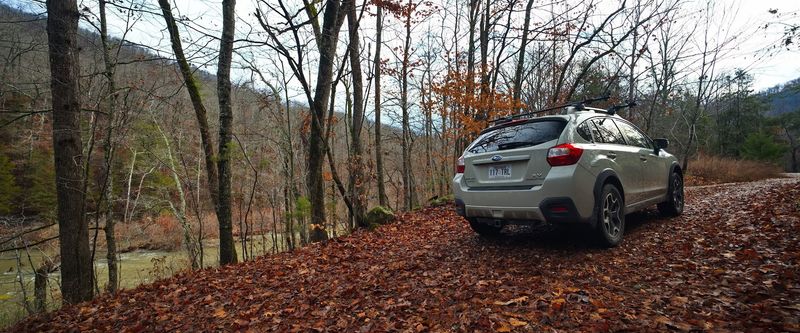
Getting here requires commitment, and that turns out to be one of the best features of the whole experience.
The roads leading into the Richland Creek Wilderness are narrow, unpaved, and in some stretches genuinely rough, with potholes and seasonal washouts that remind you this area was not designed with convenience in mind.
Visitors consistently recommend arriving in a truck or four-wheel-drive vehicle, and after navigating the final stretch of Forest Road 1205, I understood exactly why that advice exists.
The difficult access is not a flaw; it is a filter that keeps the setting undisturbed by the kind of high-volume traffic that erodes wild places over time.
Fewer vehicles mean quieter trails, cleaner creek banks, and a wilderness atmosphere that feels authentic rather than managed.
The U.S. Forest Service, which oversees this area as part of the Ozark-St. Francis National Forest, has intentionally maintained limited infrastructure here to preserve the landscape’s natural character.
Camping trailers are strongly discouraged due to the road conditions, which keeps the campground itself simple and low-impact.
Arriving at a place that made you work a little to reach it always changes how you experience it, and by the time I pulled in and cut the engine, the silence that greeted me felt completely and absolutely earned.