
This Huge Michigan State Park Has More To Explore Than Most People Realize
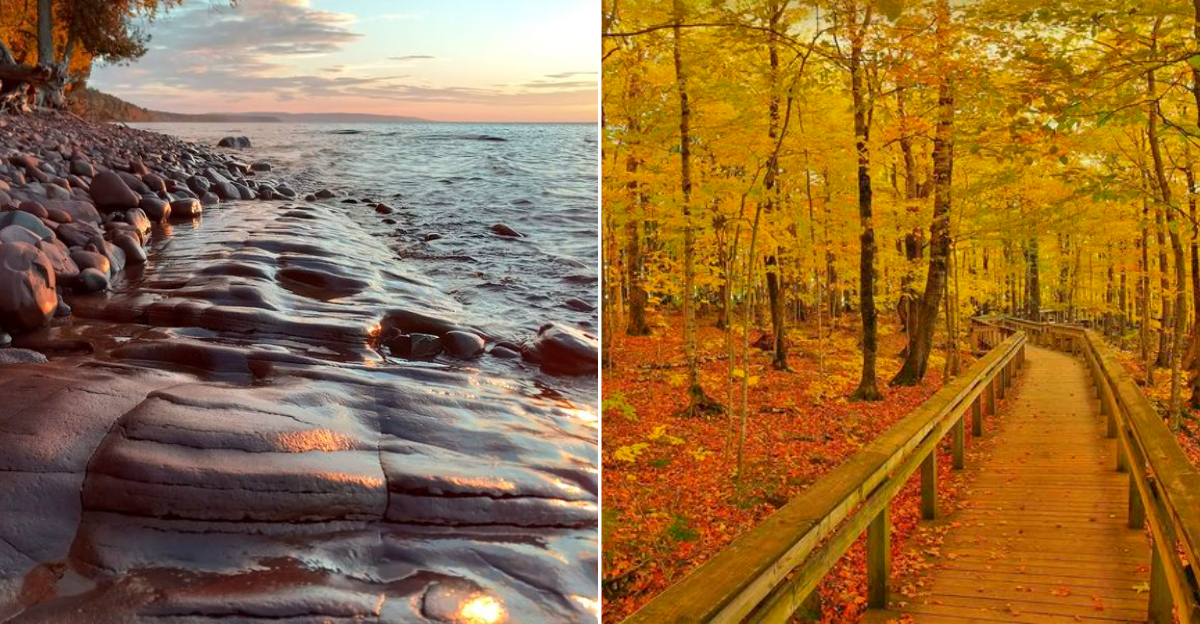
The wilderness in Michigan’s far western Upper Peninsula has a funny way of making your mental map feel suddenly, embarrassingly small. It’s a green stronghold anchored against the moods of Lake Superior, where the sky seems to zoom out the further you trek into its sixty thousand acres.
While the famous overlooks are breathtaking, the real magic happens when you push past the obvious and find the secret lakes hiding in the old-growth shadows.
The ultimate Michigan wilderness adventure should be experienced with hiking trails, rustic cabin rentals, and stunning Lake Superior views in the Porcupine Mountains.
This isn’t a place for a frantic checklist; it’s a landscape that demands you let your plans breathe and your curiosity lead the way. To truly see it, you have to embrace a slower pace and a bit of patience. Ready to lose yourself in the majesty of the Porkies?
Lake Of The Clouds Overlook
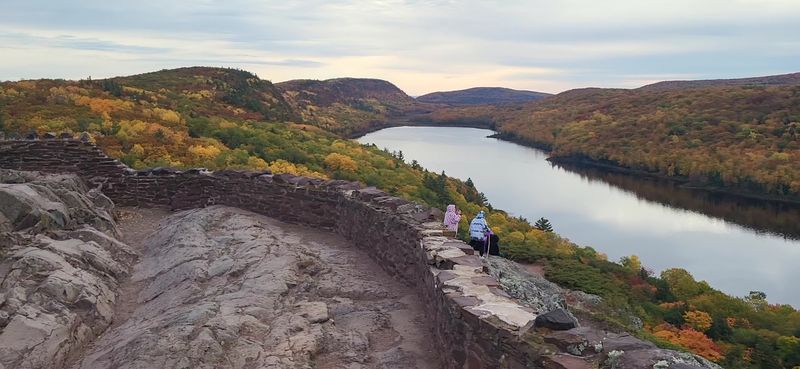
Sunlight pools across Lake of the Clouds like spilled metal, framed by ridgelines of sugar maple and hemlock. The overlook sits off M-107, an easy drive that still delivers a true big-country reveal. Stone walls and railings give everyone room to breathe while cameras click and wind pushes your hat.
Look east for layered hills rolling like a green sea, then west toward the glint of Superior. Arrive early or late for softer light, fewer buses, and hawks banking on rising air.
Trails drop from the parking area, but the view itself justifies a pause, a snack, and quiet. Rangers post condition updates at the lot, so check for closures or muddy sections before heading down. Carry water and layers.
Location
Reaching Porcupine Mountains Wilderness State Park involves a drive to the far western edge of the Upper Peninsula, where the road ends and the wild begins. Following M-107 through Ontonagon County leads you toward the park’s eastern entrance and the towering ridgeline of the “Porkies.”
The transition from the coastal highway to the dense, old-growth forest happens almost immediately, surrounding you with some of the most rugged terrain in the Midwest.
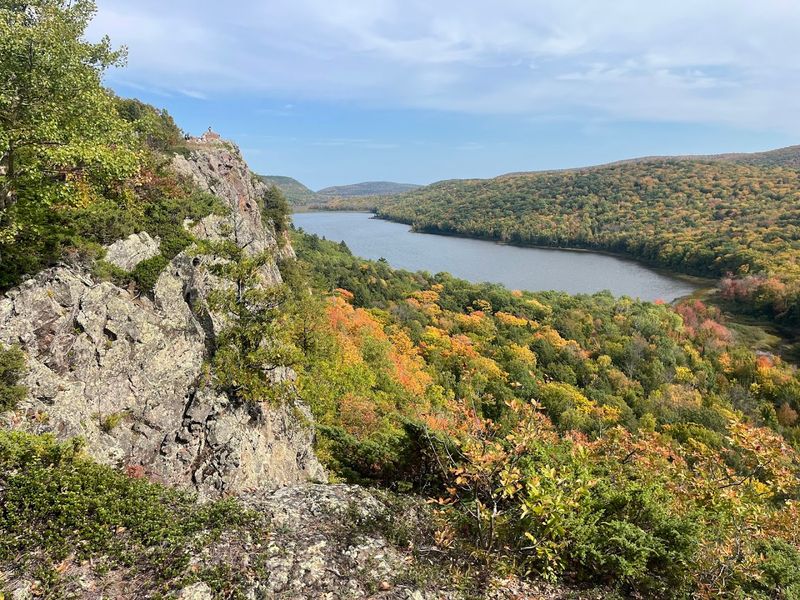
Within minutes of arriving at the Lake of the Clouds overlook, the landscape opens into a dramatic vista of a blue lake cradled by emerald ridges.
Presque Isle River Waterfalls
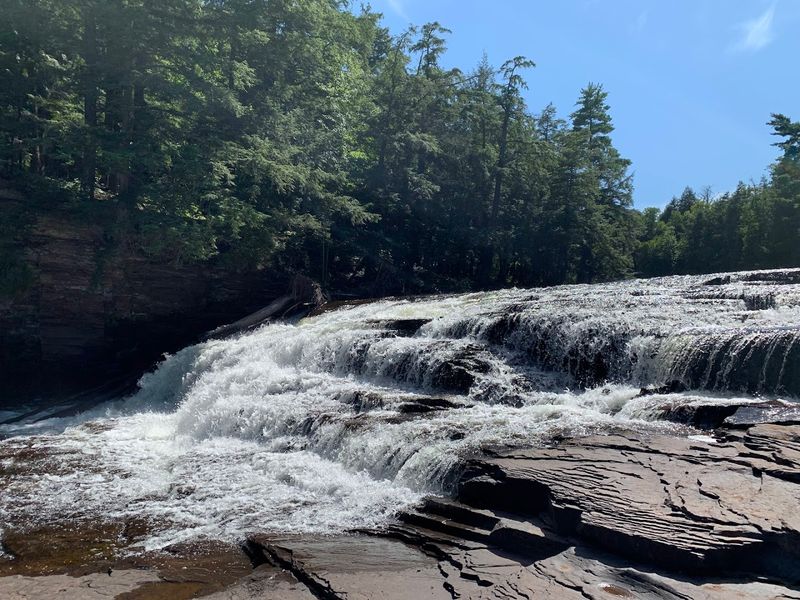
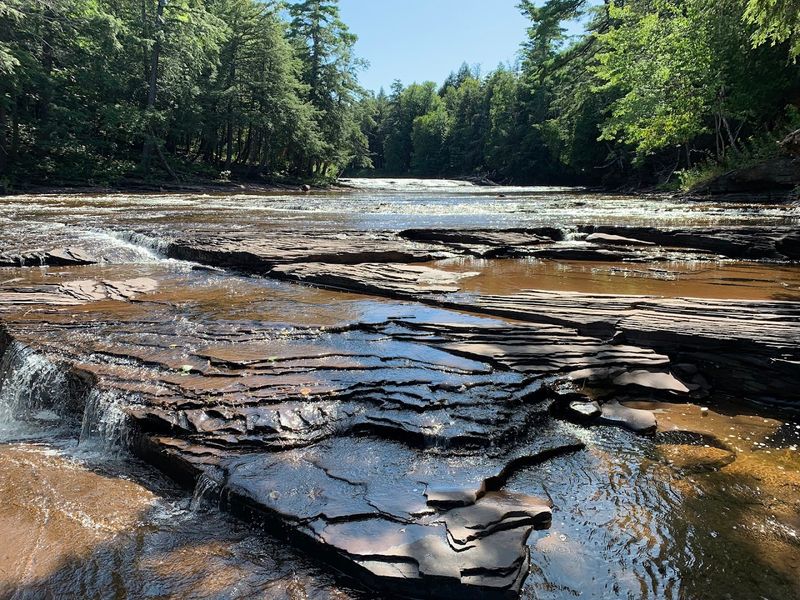
Water froths down the Presque Isle River in stepwise drops named Manabezho, Manido, and Nawadaha. Boardwalks and stairways keep you safe while protecting riverside plants from thousands of eager boots. The sound ranges from sewing-machine chatter to a freight-train roar after big rains.
Start at the Presque Isle unit parking area and follow the loop to sample every angle. Watch for undercut banks, wet steps, and sudden gusts blowing mist across your glasses.
Come during spring melt for drama, or late summer for clearer pools revealing rock textures and swirling foam. Interpretive signs share Ojibwa names and stories connected to the river, adding context without clutter. Keep noise modest to hear rushing water modulate as you move between bends. Gently.
Summit Peak Tower Perspective
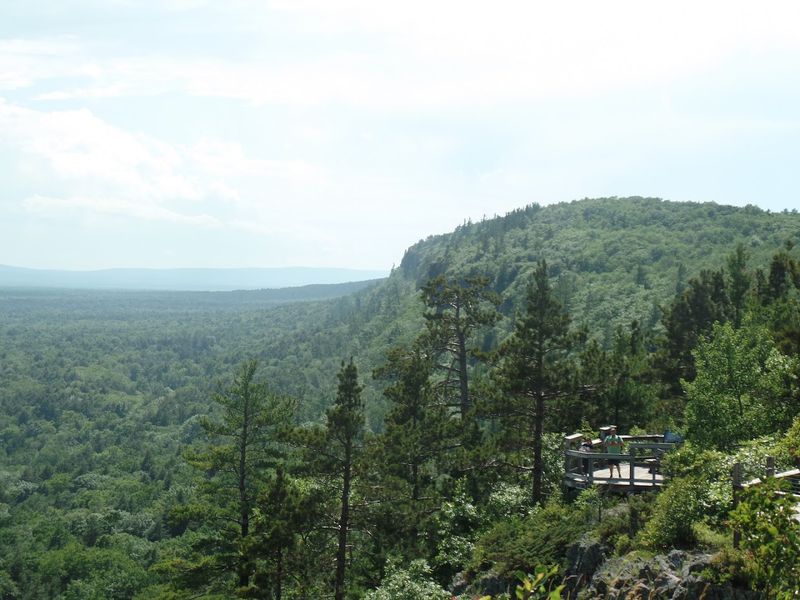
Wooden stairs climb to Summit Peak, where a tower lifts you above layered green like stacked quilts. The structure feels solid underfoot, creaking just enough to remind you that wind rules here. On clear days you might spot the Apostle Islands specking Lake Superior’s horizon.
The trailhead lies off South Boundary Road, with a short, steady grade to the base. Carry water, respect passing space on stairs, and linger to read sky movements changing the view.
If storms threaten, skip the tower and let the forest canopy be your theater instead. Interpretive panels discuss geology and the Porcupine Mountains’ distinctive cuestas, rewarding those who pause between breaths. Morning visits often bring calmer air and cool shade along the approach. Photographs.
Backcountry Cabins and Yurts
A cabin door thunks shut, and silence arrives like a helpful neighbor carrying blankets and patience. The park rents rustic cabins and yurts scattered near lakes or trails, each with a wood stove. Expect bunks, simple tables, and an outhouse, plus starry ceilings when clouds finally move.
I book early through the Michigan DNR site and always study maps for water access and distance. Pack headlamps, fire starters, and a backup plan for wet wood.
Leave cabins tidy, sweep ashes carefully, and sign the logbooks that become tiny archives of weather. Many spots sit along mirror-still waters, so mornings reward patient coffee drinkers with loons and layered reflections. Winter stays demand extra insulation and diligent stove tending overnight. Bring mittens.
North Country Trail Rhythm
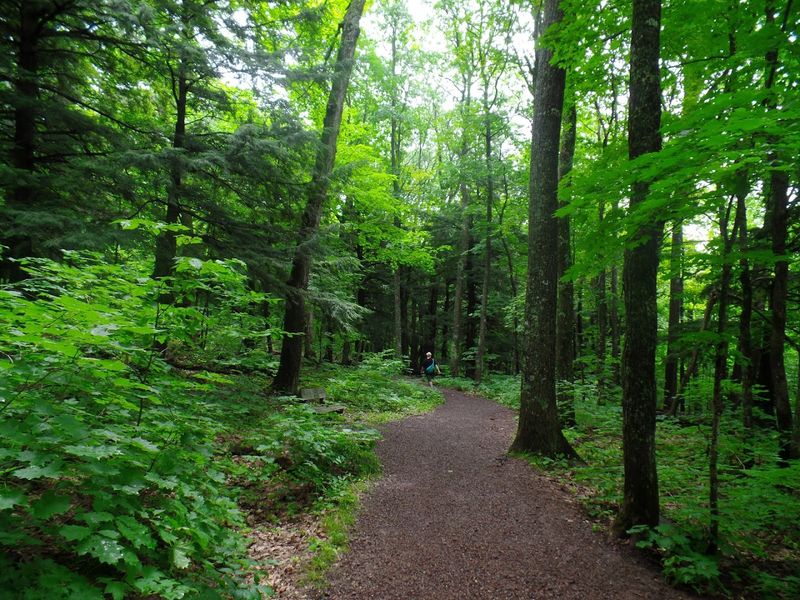
The North Country Trail threads through the park, stitching hardwood ridges to cedar swamps and rocky creeks. Wayfinding is straightforward, with blue blazes and intersections signed at logical intervals. Underfoot shifts constantly, from pine needles to ankle-turning cobble to springy boardwalk.
Choose segments matching energy and daylight, remembering mosquitoes love indecision during humid spells. Water filters matter, because creeks welcome silt after storms and beaver mischief.
Shuttle options are limited, so loop hikes or out-and-back plans keep logistics easy and enjoyable. Expect to share tread with toads, red squirrels, and the occasional garter snake sunning near roots. Carry a paper map even if a phone app tracks progress, since coverage fades in deep valleys. Early starts win.
Light feet help.
Winter Snowshoeing And Ski Laps
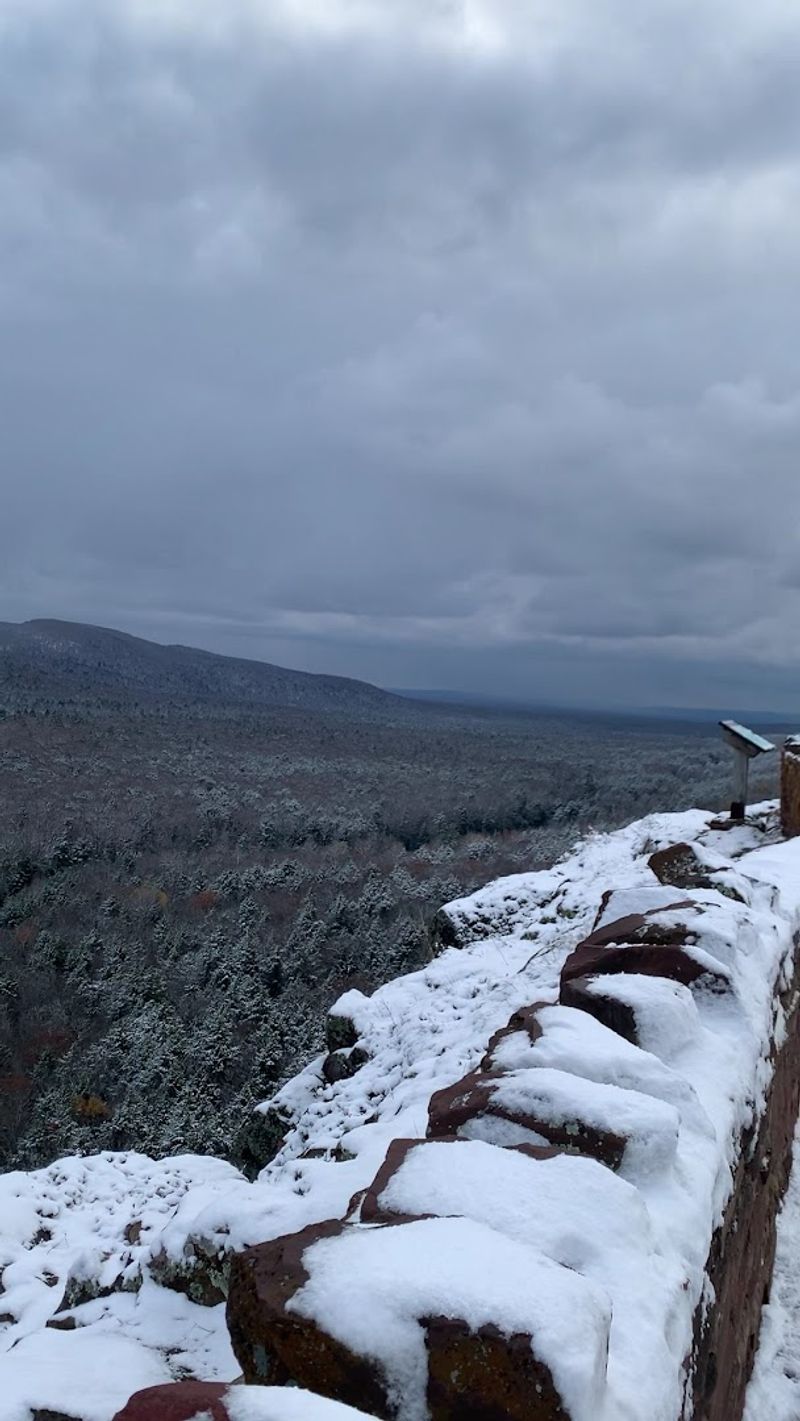
Snow hushes the Porkies into a softer world, punctuated by chickadee chatter and squeaky cold. The Porcupine Mountains Winter Sports Complex offers downhill runs, rentals, and a cozy day lodge. Elsewhere, marked snowshoe routes and groomed Nordic trails explore forests and lakes under dependable lake-effect snow.
Dress in breathable layers, stash dry gloves, and avoid cotton near skin. Wind off Superior can rise suddenly, turning gentle flakes into sharp projectiles. Daylight is short, so set conservative turnarounds and celebrate every warm-up break with real food.
Trail maps at the lodge outline difficulty, and volunteers gladly clarify conditions before you clip into bindings. Headlamps prove essential when clouds stack early over the escarpment. Hot cocoa waits in your thermos. Stretch gently.
Night Sky And Quiet Hours
Stars return with a generosity urban eyes forget, mapping constellations between black fir silhouettes. The Porkies sit far from big light sources, so dark-sky conditions often reward patient watchers. Waves on Superior add a low metronome that steadies cold hands while tripod timers blink.
I like beach clearings near Union Bay campground, where horizons stay open and wind keeps bugs honest. Use red light to preserve night vision and give neighboring campers plenty of quiet. Winter skies can dazzle, but footwear needs insulation or the Milky Way becomes an icy dare. Check aurora forecasts, since geomagnetic spikes sometimes paint surprising curtains over Superior.
Pack a sit pad, and let your ears learn the park’s multilingual nighttime hush. Batteries hate cold.
Mining History Underfoot
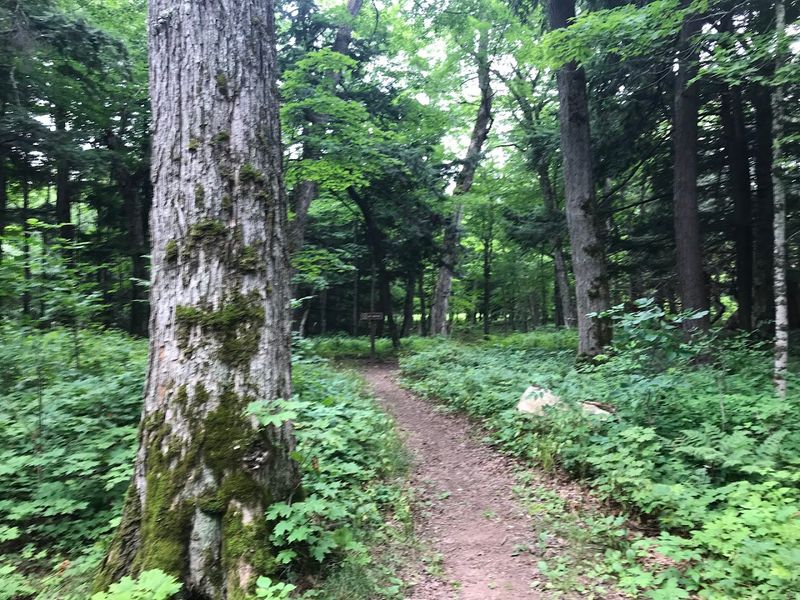
Mossy foundations surface near old workings, quiet reminders of nineteenth century copper ambitions. The Union Mine Interpretive Trail threads among pits, collapsing shafts, and hardware repurposed by roots. Signs connect the dots without romanticizing the labor that built, and broke, these remote ventures.
Notice cribbing techniques, stacked stone, and water diversion channels hugging slopes with stubborn practicality. Tread lightly, since cavities and rust lurk where vegetation looks inviting. Bring curious patience, and the forest offers a layered seminar on extraction, aftermath, and slow repair.
The visitor center exhibits provide timelines that link these sites to regional booms stretching toward Keweenaw mines. Wear gloves if you touch interpretive railings during cold mornings. Photographs help compare then and now. Respect posted boundaries.
Union Bay Shoreline Habits
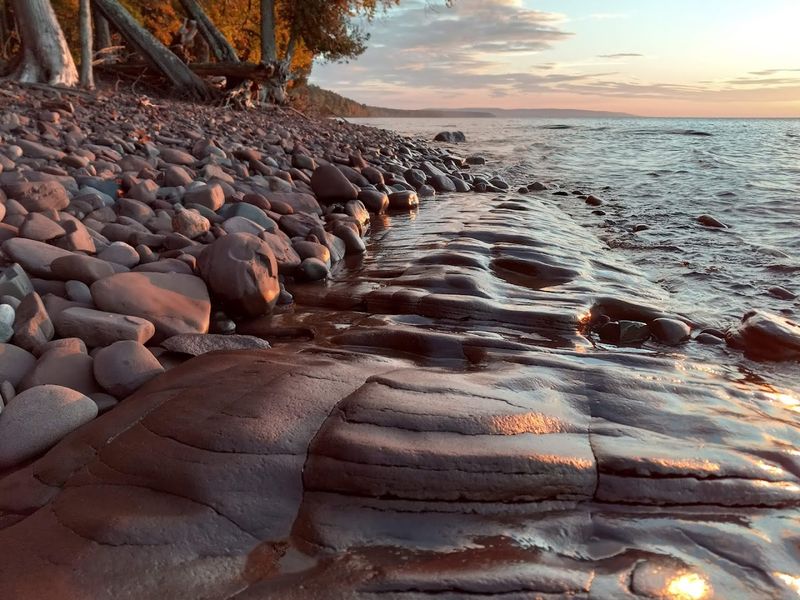
Pebble beaches along Union Bay clack underfoot, each stone polished by Superior’s relentless tumbler. Campsites sit near the water, where loons call and soft surf writes temporary hieroglyphs. Driftwood piles become windbreaks, benches, and artful rabbit holes for curious children.
I recommend rock sandals, because rounded shore stones surprise ankles when waves tug. Water temperatures are brisk even in July, so wading beats full swims for most. Keep camps tidy, store food securely, and give gulls zero encouragement.
Sunset often lights low clouds pink while inland hills darken, making silhouettes pop against pewter water. Mornings favor skipping stones when breezes rest. Bring a small towel for dew-soaked benches and sit long enough to notice color shifts. Watch changing rip currents.
Seasonal Color And Timing
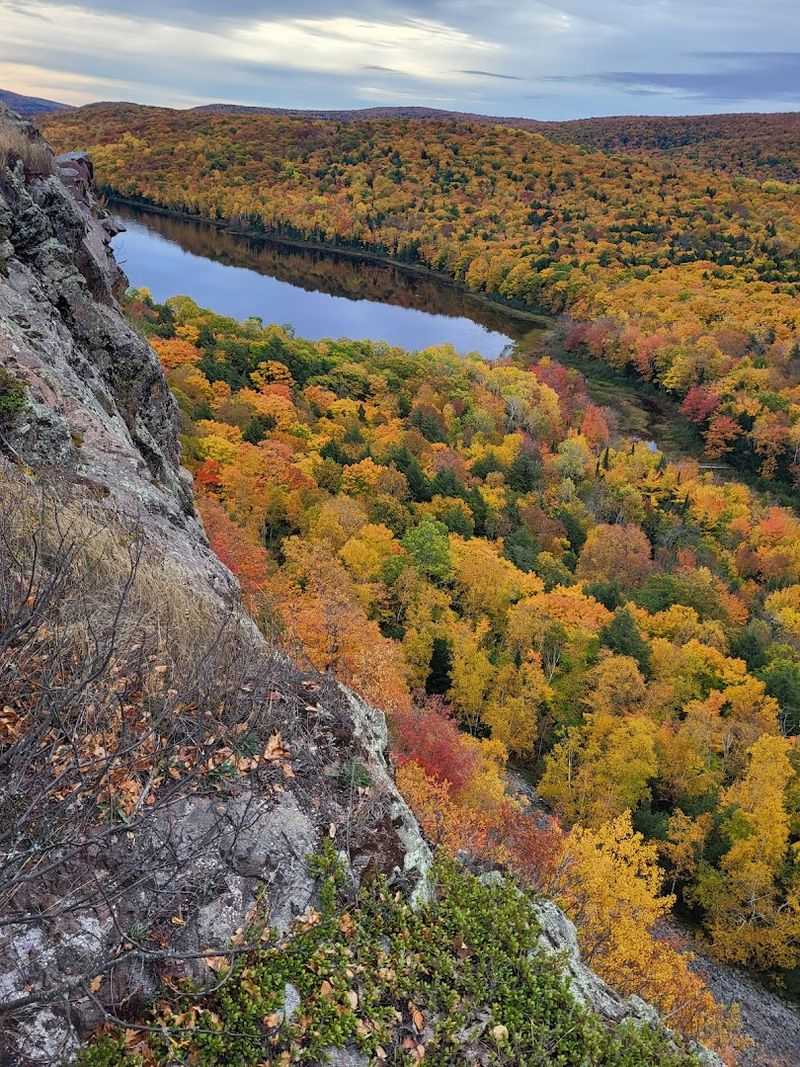
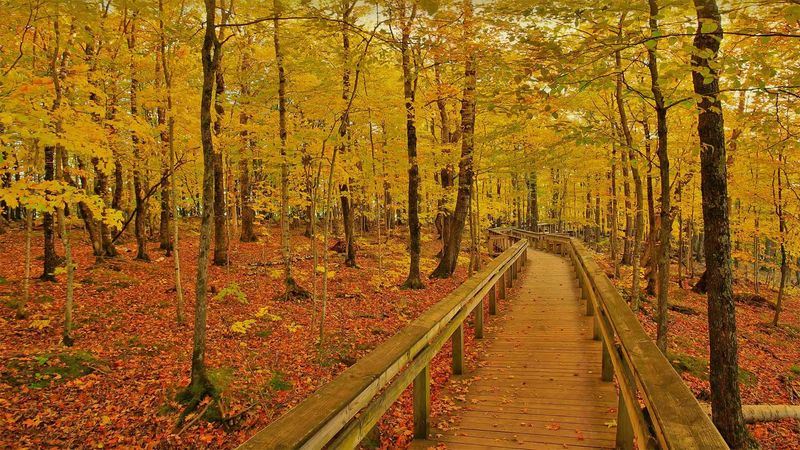
Fall arrives in waves here, starting on high ridges, then sliding downslope toward wetlands like a careful painter. Birch and maple ignite first, while hemlock holds the deep greens that make everything pop. Sunny days sparkle, but overcast skies often amplify color without harsh shadows.
Peak timing shifts yearly, so check the Michigan DNR fall color reports before locking plans. Weekday visits reduce crowding at prime overlooks and waterfalls. Morning frost can make boardwalks slick, rewarding slow feet and good traction. Shoulder seasons bring quieter trails, cool nights, and clearer views through thinning leaves.
Pack warm layers, a thermos, and elastic patience for weather mood swings that change hourly near Superior. Photos reward lingering.
Logistics At Headquarters Road
Orientation starts smoothly at the visitor center on Headquarters Road, where staff share maps and conditions. The park spans about sixty thousand acres, with campgrounds, rustic cabins, and wide backcountry zones. A Michigan Recreation Passport covers entry, while nonresidents can purchase daily or annual passes.
Weather turns fast near Superior, so stash rain layers and a dry bag. Cell coverage varies wildly, making printed maps and a compass more than nostalgic props. Dispose of gray water properly, protect wildlife by storing food, and leave schedules flexible to meet surprises.
Seasonal road closures affect the South Boundary and M-107, so confirm openings before ambitious loops. Bear hangs, odor-proof bags, and kitchen discipline keep campsite visits strictly imaginary. Restrooms at key hubs.