
This Thrilling Michigan ATV Adventure Earns A Spot On Your Bucket List
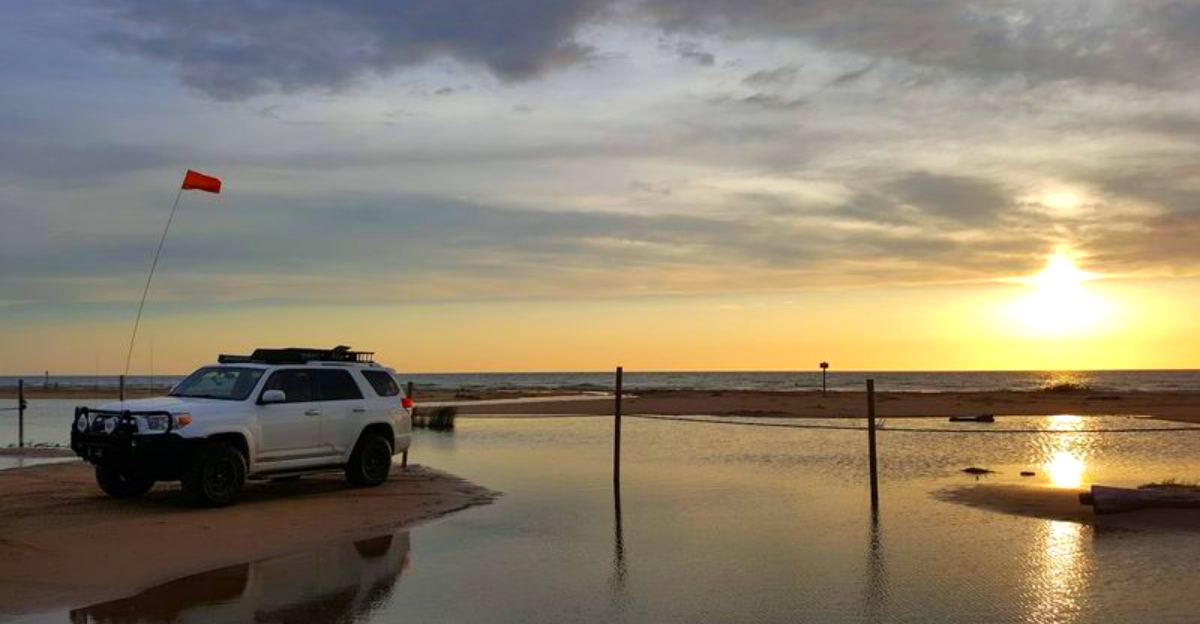
If you think “scenic Michigan” only means quiet lighthouses and watercolor sunsets, you’ve never been to this particular stretch of the Lake Michigan shoreline. Here, the soft whisper of the waves is accompanied by a much more visceral soundtrack: the roar of engines and the spray of bright, shifting sand.
One day a ridge is a gentle slope, the next it’s a heart-dropping crest that tests your suspension and your nerves. I’ve found that the real magic happens in those split-second pauses at the top of a dune, where the adrenaline hits a fever pitch just as the cobalt horizon of the big lake stretches out, impossibly calm, in front of your front tires.
Michigan’s sand dunes ORV adventure should be experienced with off-road vehicle rentals, dune buggy trails, and scenic Lake Michigan views at this premier state park.
Ready to find out why this shifting sandbox is the loudest, most addictive fun you can have on four wheels?
First Look At The Moving Dunes
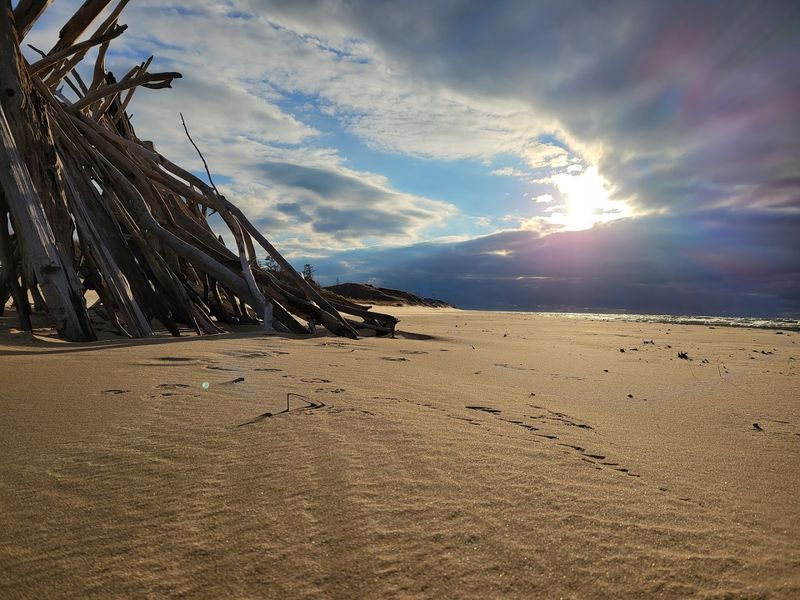
The first surprise is motion. Wind sketches new ribs across the sand every hour, so familiar lines vanish and fresh routes appear. From a high ridge, the lake looks painted in steel blues, and engines rise and fade like shorebirds.
You feel the terrain telling stories through your steering wheel, a language of soft give and sudden firmness. Read the surface before you throttle. Ripples hint at grip, while silky patches warn of bottomless sugar.
Keep momentum gentle, not frantic, and scan for flags cresting toward you. The designated zones are clearly signed, with entrance checks and helpful DNR staff. Patience here earns longer, calmer runs and fewer digs with a shovel.
A Shifting Dune Playground
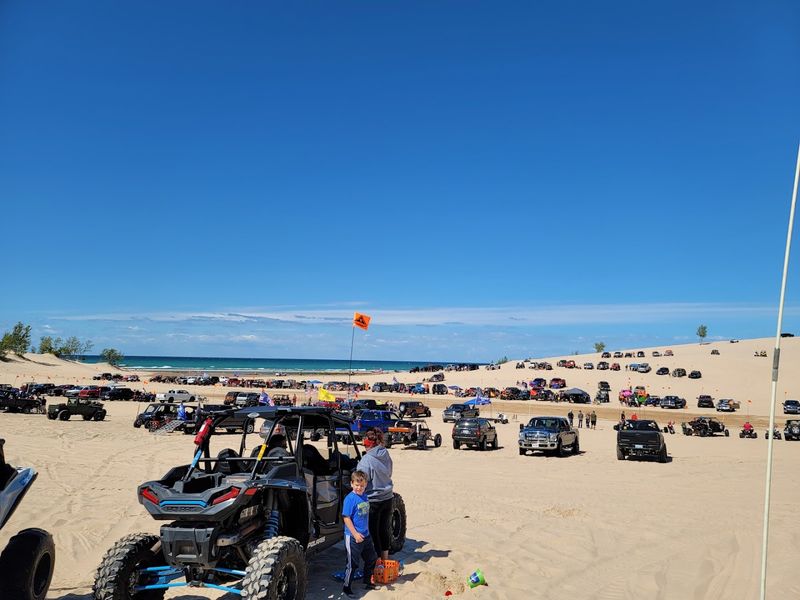
Finding Silver Lake State Park ORV Area at 8969 W Fox Rd, Mears, Michigan 49436 is a thrilling trip to the Lake Michigan shoreline. The entrance is impossible to miss as the road gives way to massive, towering mountains of sand that dominate the local horizon.
The first sound you notice is the powerful roar of engines echoing across hundreds of acres of open dunes. Within minutes, the vast landscape of shifting peaks and valleys creates an adrenaline-charged atmosphere, marking it as the only spot east of the Mississippi where you can drive private vehicles on moving sand.
Pro tip: arrive early to secure a required voucher during busy summer weekends, as entry is carefully managed to ensure safety on the sand. Between the panoramic lake views and the challenge of the steep climbs, the experience is a rugged and unforgettable coastal adventure.
Tire Pressure And Traction Smarts
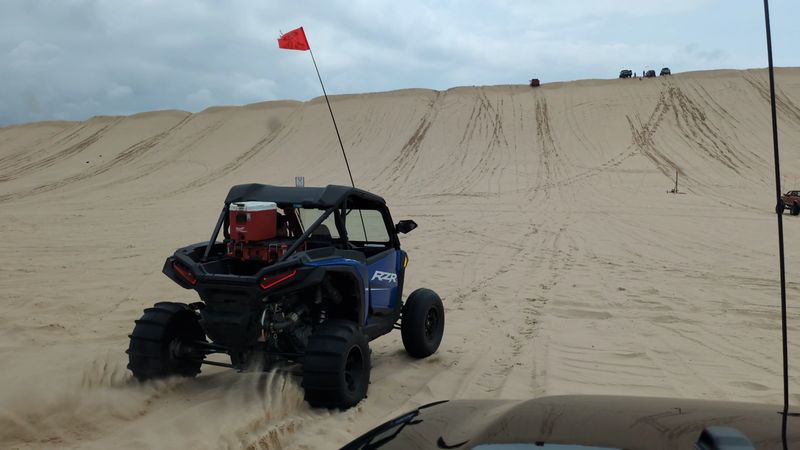
Sand forgives low pressure and punishes stubborn sidewalls. Airing down widens the tire footprint, adding float and bite while protecting driveline parts from panic spins. Locals often drop into the teens, adjusting for load, temperature, and tire type.
Paddle tires claw elegantly in soft bowls, while all-terrains manage mixed approaches and exits with fewer surprises. Deflate at the lot, cap stems, and walk around to spot cuts or debris. Roll gently at first to feel sidewall flex, then add or bleed air until steering steadies.
Keep pressure notes on your phone for repeat visits. After riding, use the park’s compressors to return to pavement-safe numbers. Predictable traction turns big dunes into friendly puzzles.
Test Hill Without The Drama
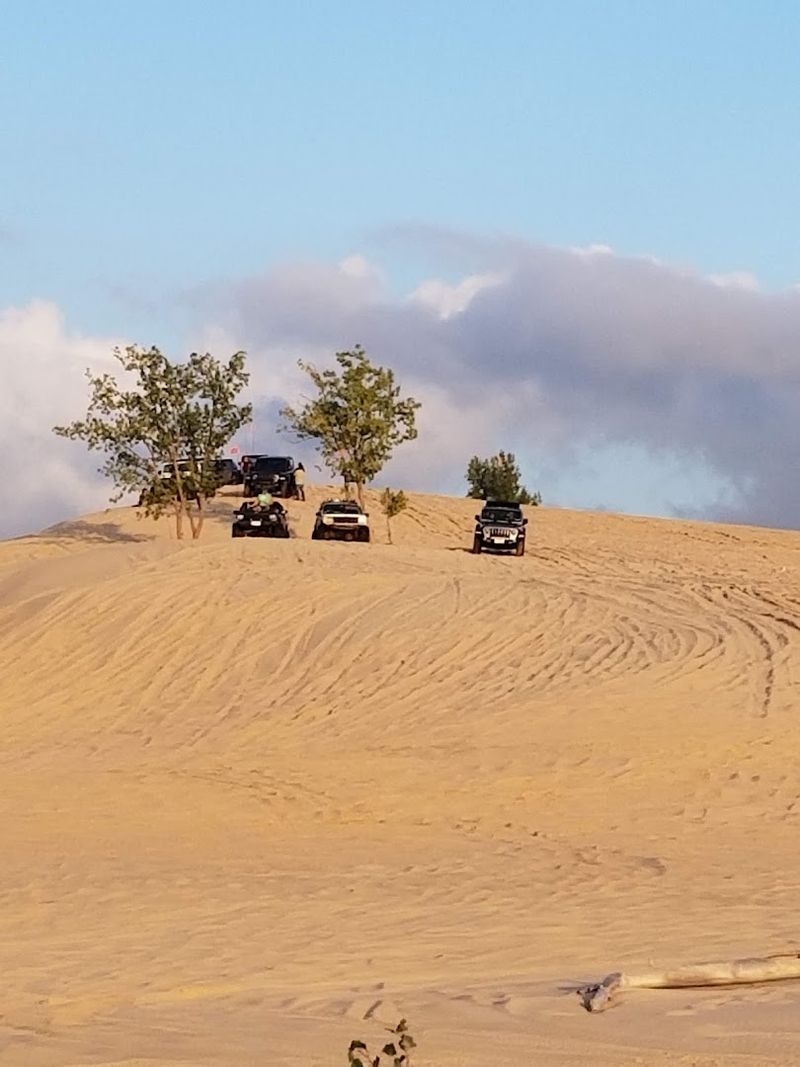
Test Hill looks simple from the bottom, then tilts the sky into your windshield. The slope concentrates traffic and attention, so composure wins over horsepower. Line choice starts early, away from ruts and rooster tails.
Build speed smoothly, keep the front light but not floating, and resist chopping throttle near the crest where sand softens quickest. I like to scout from the side first, watching how different machines settle and surge. That read saves guesswork.
If the approach gets bumpy, back off and reset rather than digging holes. At the top, pause before crossing because downhill traffic may appear unexpectedly. There is no trophy for first, only the relief of a clean, respectful pass.
Ridge Lines And Lake Horizons
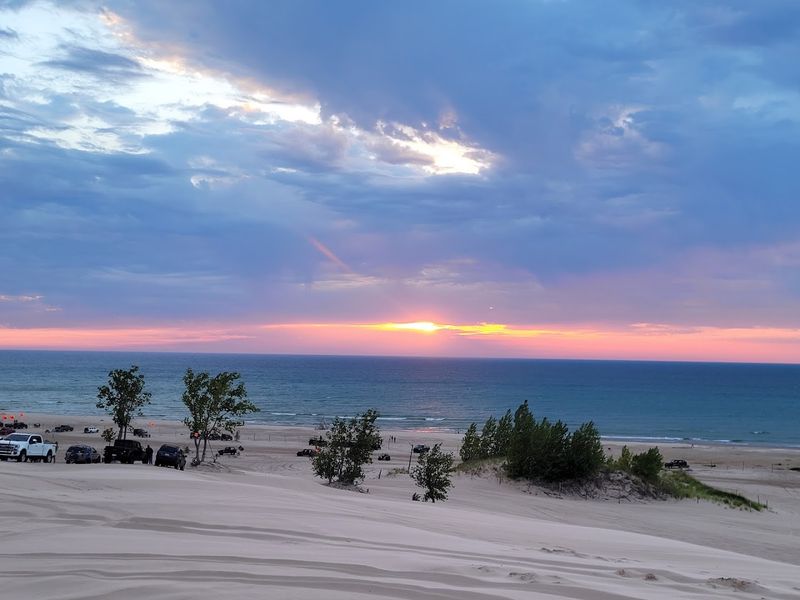
Quiet rides often follow the spines. Ridge lines feel like slacklines for tires, with gentle camber tugging you toward either basin. The trick is to keep steering small and steady, letting momentum counter the lean. Below, Lake Michigan throws a long shimmer that settles nerves.
That horizon turns throttle blips into something almost meditative. Give space on narrow crests and keep flags high and forward. Avoid parking directly on the crown where silhouettes confuse approaching drivers.
Instead, pull a few yards downslope to chat, snap photos, or plan routes. The view is public, the ridge is shared, and simple placement keeps it that way. Horizon therapy becomes safer when everyone anticipates blind approaches.
Seasonal Rhythms And Best Times
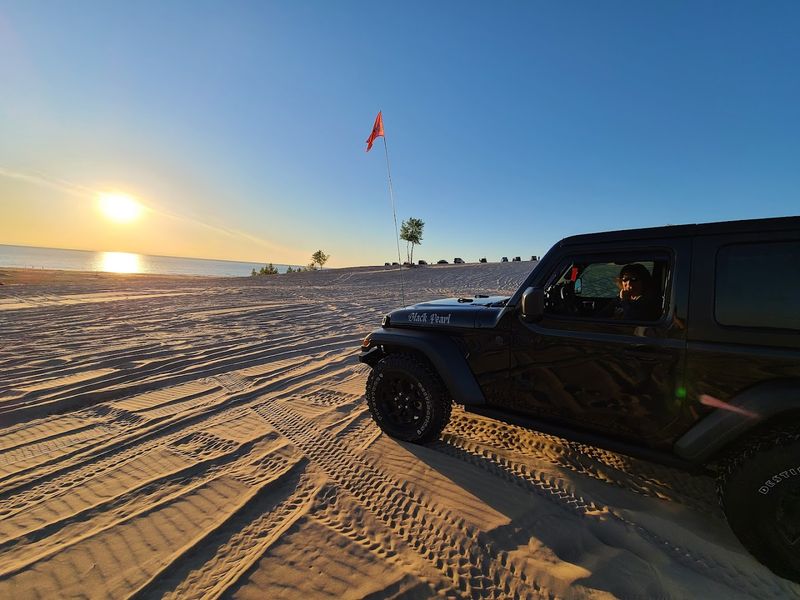
Spring brings firm, cool sand that rewards finesse, while early summer warms the surface into velvet. Crowds swell with sunshine, and afternoons stack tracks into chop. Late day light calms the mood, turning the lake silver and the dunes peach.
The ORV area typically operates April through October, then shifts to non-motor seasons such as equestrian access in November. Arrive early for mellow lines and easy parking. Mornings often deliver better visibility with fewer cross-traffic surprises.
Watch weather: wind reshapes lips and hides trenches, fog flattens depth, and rain firms surfaces into a grippy dream. Off-peak weekdays feel generous. Choosing your window is the rare mod that changes every ride for the better.
Guides Rentals And Local Know-How
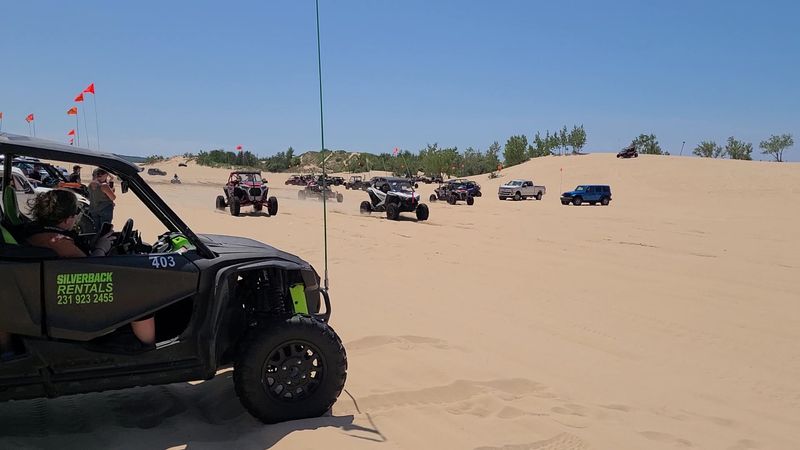
Not everyone arrives with a built rig, and that is fine. Rental outfits near the entrance supply buggies and side-by-sides matched to experience, plus helmets and quick briefings. The best operators review flags, zones, yields, and recovery basics before starting.
A short tutorial on reading bowls and spotting cross traffic converts nerves into practiced calm. I have watched first-timers glow after an hour behind the wheel when a guide paced them through Test Hill. That pacing shrinks the learning curve dramatically.
Ask about air-down targets, soft-sand restarts, and safe camera stops. Local pointers echo on the dunes all day, but a guided start turns chatter into usable habits you will keep.
Etiquette With DNR And Neighbors
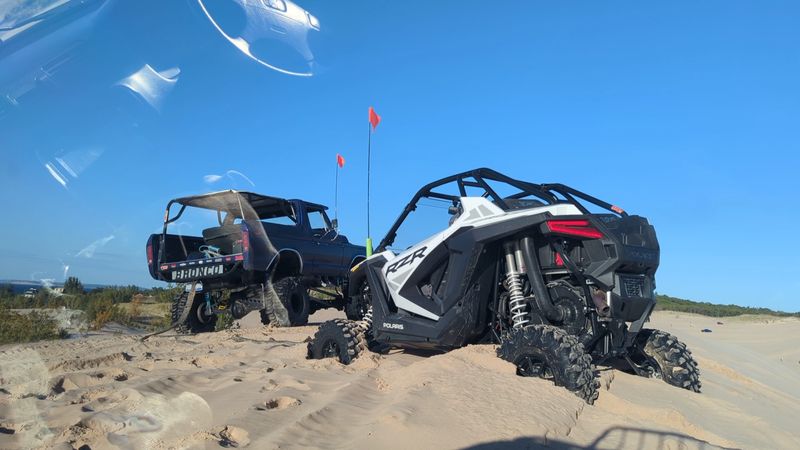
Enforcement here feels present but purposeful. Officers check permits, sound, seat belts, and youth safety gear, and they keep speed sensible in staging lanes. Courtesy makes everything smoother. Signal thanks, yield when vision is poor, and do not crowd recoveries.
The dunes host a mix of machines and skill levels, so patience becomes real safety gear. When someone is stuck, confirm they want help before nudging forward. Secure tow points, steer gently, and clear bystanders.
If an area looks busy, explore another bowl rather than adding to the knot. Simple decisions reduce frustration and preserve the open-play spirit. Rules read like burdens until a near miss proves them timely and precise.
Family Staging And Calm Corners
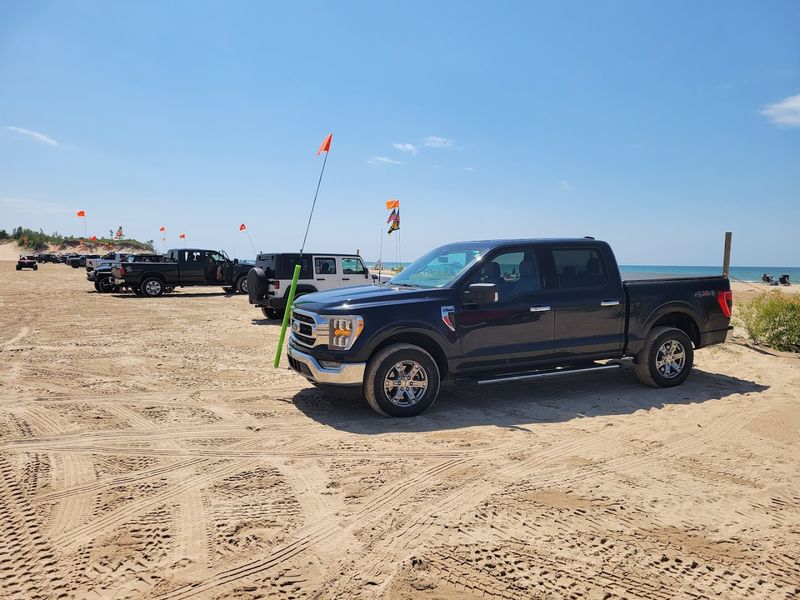
Not every moment needs wide-open throttle. The staging lot and beach-adjacent zones make soft landings for families, with space to sort gear, breathe, and plan loops. Nearby amenities include restrooms and posted maps.
You can build skills on gentle rollers before graduating to bowls where sight lines are longer and speeds stay comfortable. I prefer a loop that ends near the water, where wind cools helmets and sand rinses from boots.
Short sessions keep energy high and tempers low. Bring shade, snacks, and a simple checklist so keys and flag mounts do not walk away in the shuffle. Low drama days often become the ones everyone remembers kindly.
Weather Visibility And The Oddities
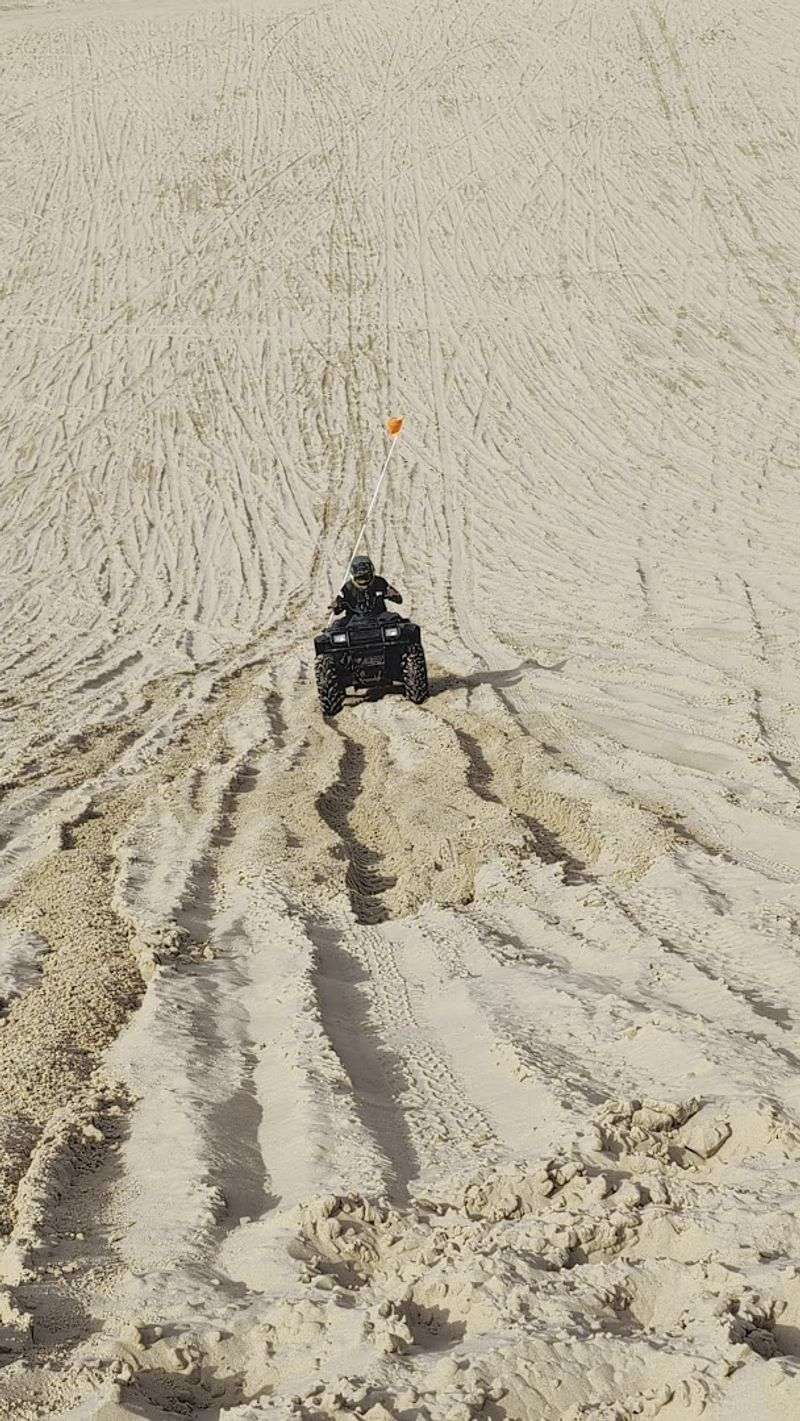
Fog erases edges and turns bowls into blank paper. When that happens, drop speed and tighten your scanning cone to flags, sound, and subtle contrasts in the sand. Afternoon wind can carve cornices sharper than expected, so approach crests obliquely to test support.
After rain, the top crust rides fast until you punch through into pudding beneath. Lights help but do not cure fog, and dust behaves similarly on crowded weekends.
If you cannot see a safe out, you do not have one. Pause, reposition, or trail a confident line at generous distance. Weather is the quiet trip leader here, and it rewards those who listen closely.
Photography Without Blocking Flow
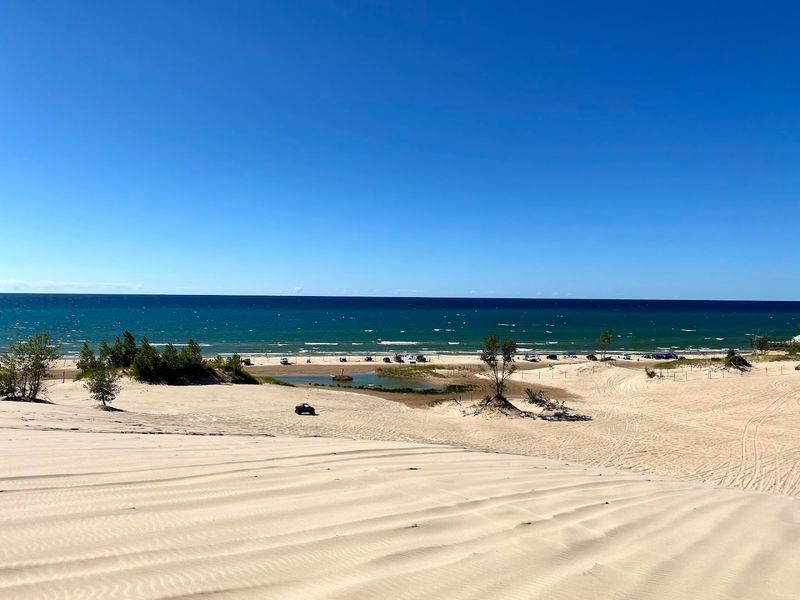
The dunes photograph best when the story includes space. Step a few yards below a crest so your silhouette does not lure riders toward you. Face uphill to watch flags and time frames with oncoming traffic. A long lens compresses ridges into dramatic layers while keeping you clear of preferred lines.
I stash the camera in a dust bag and shoot in bursts between passes. Hand signals help drivers know you are stationary, not stalled. Do not stop at blind crests, and keep vehicles pulled off the flow before posing. Tracks renew fast, so a second chance always appears.
Safety first makes great photos repeatable instead of lucky.
Clean Up Refuel And Reset
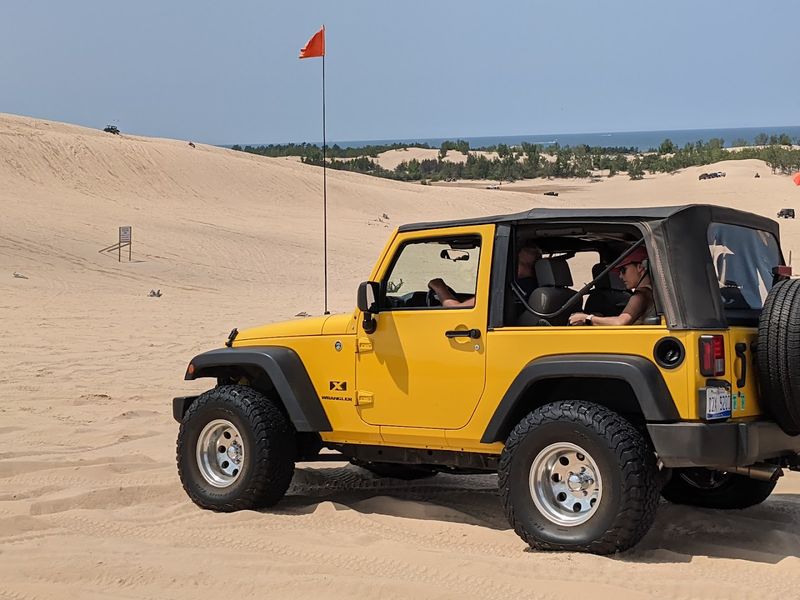
Post-ride chores feel satisfying here. Use the air stations to bring tires back to road numbers, then brush sand from belts, brakes, and radiators. Shake helmets and pack goggles where lenses will not scratch. Double-check flags and mounts for fatigue after hours of vibration.
A quick walk-around under fading light reveals loose hardware before it becomes tomorrow’s rattle. Fuel options cluster near the entrance, and rinses help zippers survive the week. I keep a small notebook of pressures, routes, and conditions, because repetition makes skill durable.
Leaving the lot tidy and calm completes the loop. The dunes will still be moving tomorrow, and your machine should be ready to meet them.