
This Brilliant Blue Arizona Reservoir Feels Like A Secret Hidden Deep Within The Pines
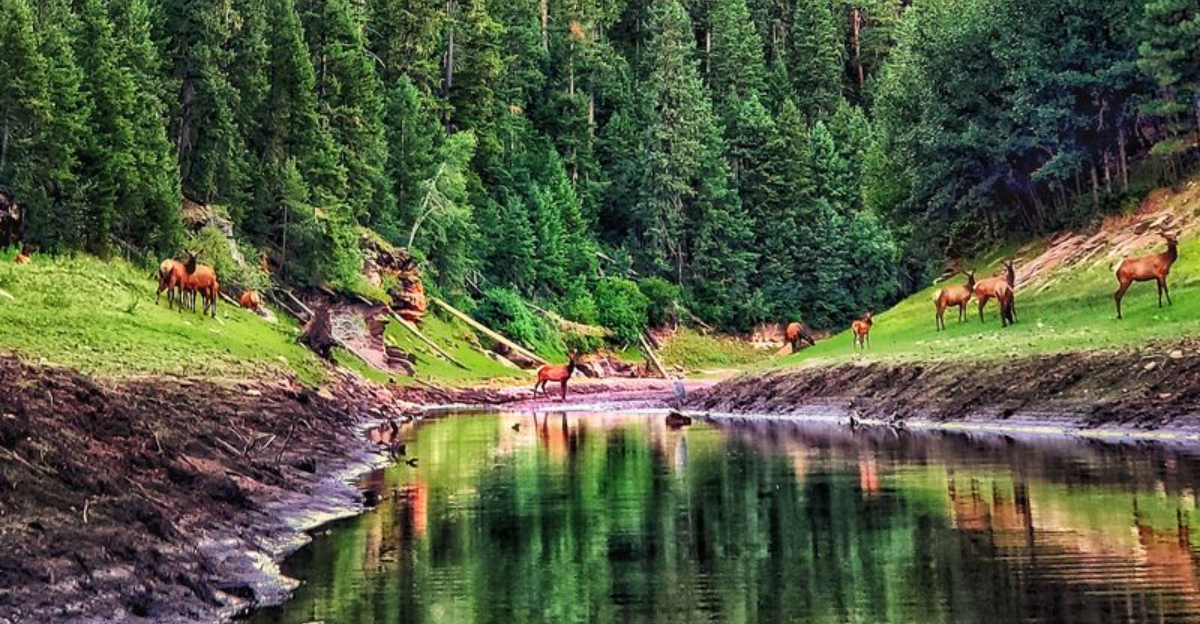
Let’s be honest: when most people think of Arizona, they imagine parched cacti and shimmering heat waves. They definitely don’t imagine a deep, cool-blue reservoir buried in the high-country pines.
When I first crested the ridge and caught a glimpse of this water, I actually had to blink twice. It’s a glittering mirror of cobalt hidden so masterfully by nature that it feels like a secret I shouldn’t even be sharing.
I spent the entire afternoon just watching the light dance across the ripples, completely forgetting that civilization existed just a few miles away. It’s the kind of spot that restores your soul and makes you wonder why you ever spend your weekends indoors.
Ready to disconnect? Pack your gear-we’re heading into the deep woods.
The Story Behind The Name
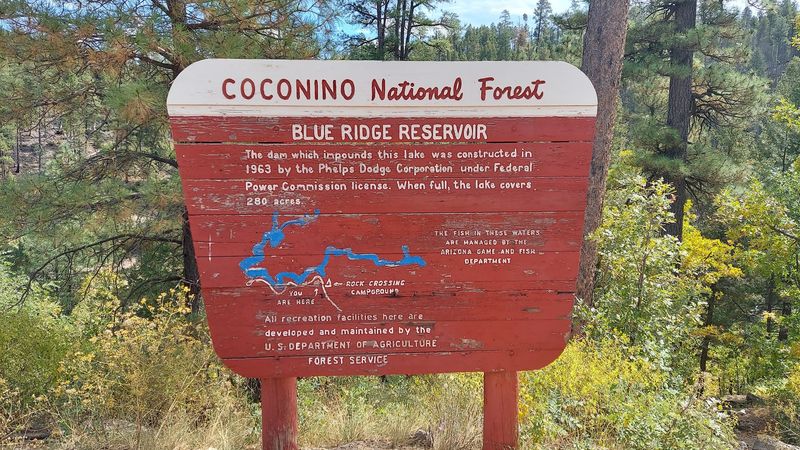
Before it carried its current name, this reservoir was known simply as Blue Ridge, and that older name tells you everything you need to know about the color of the water. C. C.
CraginReservoir was renamed to honor Carl C. CraginSr., a long-time Arizona water advocate who worked for decades to secure water rights and infrastructure for the communities of the White Mountains region. His legacy is literally built into the landscape here.
The reservoir sits within the Salt River Project’s water supply system, which means it serves a practical purpose beyond recreation. Water stored here eventually makes its way to communities across central Arizona, making this quiet pine-forest pool a surprisingly important piece of the state’s water puzzle.
Understanding that history adds a layer of meaning to every visit. You are not just floating on a pretty lake. You are floating on a resource that generations of people worked hard to protect and preserve for the future.
Getting There Without Getting Lost
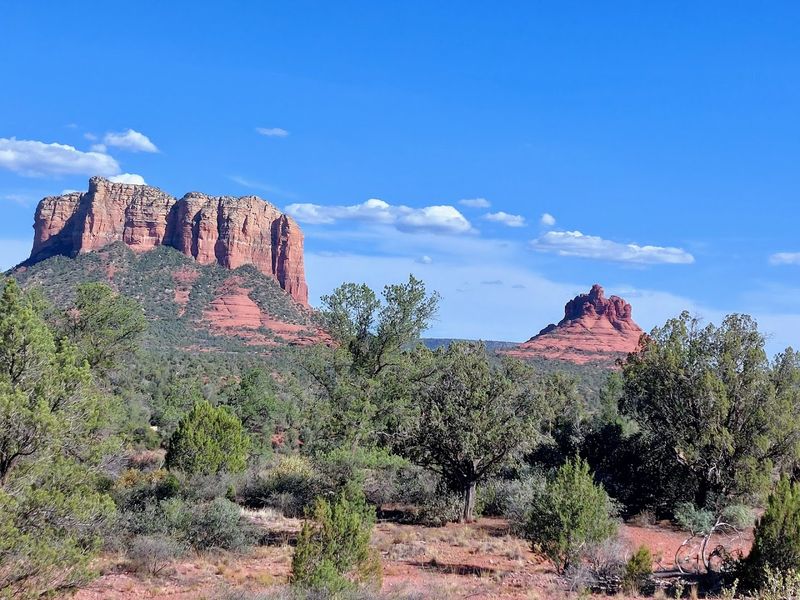
Finding C. C. CraginReservoir is half the adventure, and knowing the route ahead of time saves a lot of guesswork.
From head south about 55 miles on Lake Mary Road to ClintWell, then turn northeast on State Route 87. From there, look for Forest Road 751, a gravel road that winds southeast for about six miles until the trees part and the blue water appears.
Forest Road 751 is generally passable for regular passenger vehicles in dry conditions, but it is worth checking current road conditions before you go, especially in early spring when snowmelt can make things muddy. The drive itself is genuinely scenic, passing through open meadows and thick stands of pine that make you feel increasingly far from city life with every mile.
No gas stations or convenience stores exist near the reservoir, so fuel up and pack everything you need before leaving the main highway. A little preparation goes a long way out here, and the reward waiting at the end of that gravel road is absolutely worth the effort.
What The Water Actually LooksLike
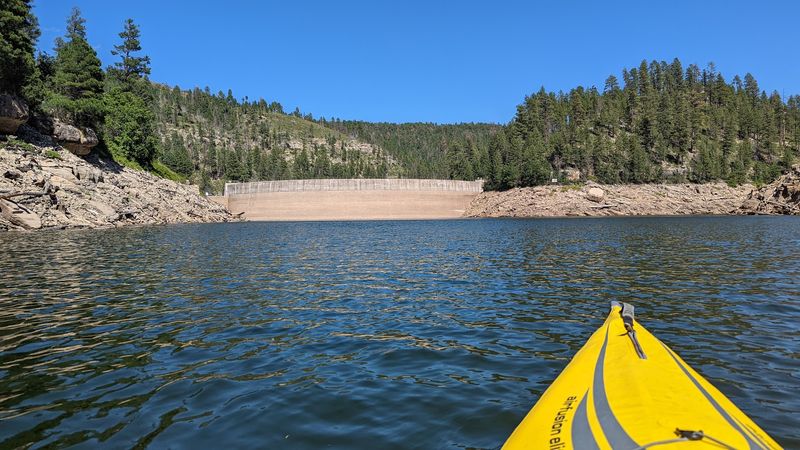
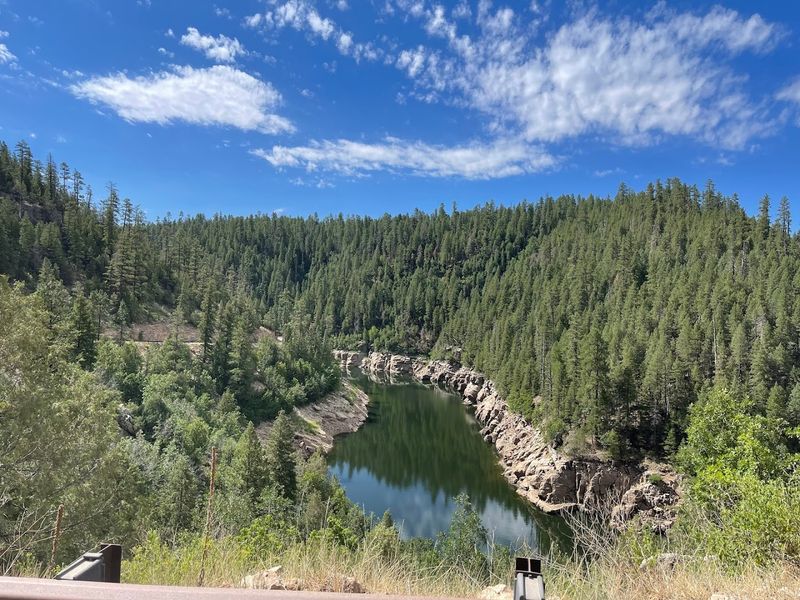
Nothing quite prepares you for the color of the water when you first see it. The reservoir’s brilliant blue tone comes from its depth, the surrounding geology, and the clarity of the water itself. It sits in a narrow, winding canyon that gives it more of a river-like shape than a traditional wide-open lake, and that unique form makes the color feel even more concentrated and intense.
The steep canyon walls rise on both sides, reflecting back into the water and creating a sense of being enclosed in something wild and ancient. I stood at the water’s edge for a solid five minutes just staring.
Early morning is the best time to appreciate the color, when the light hits the surface at a low angle and the water glows almost turquoise. By midday the sun is high and the blue deepens into something richer and darker, like a piece of sky that decided to stay on the ground.
PaddlingThrough A Pine-FringedCanyon
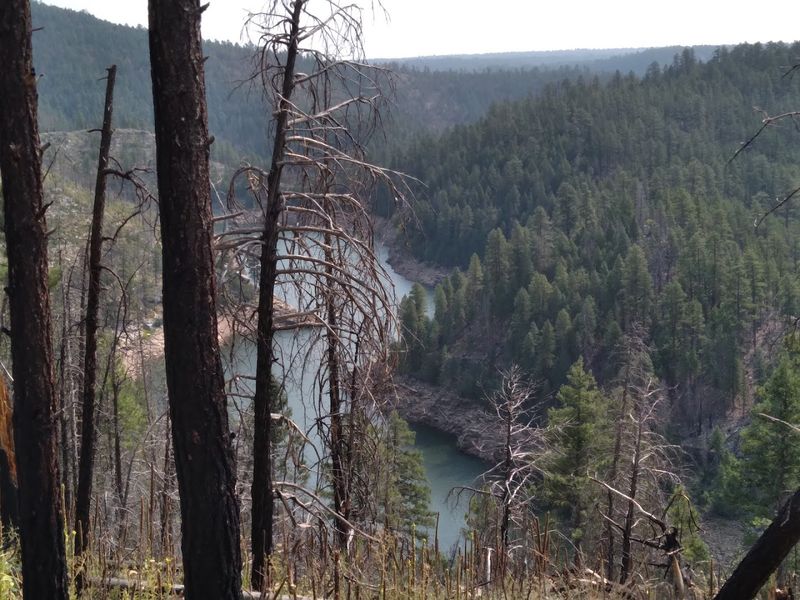
A kayak or canoe is genuinely the best way to experience this reservoir, and the narrow canyon shape makes paddling feel like an exploration rather than just exercise. The walls close in on both sides as you move deeper into the reservoir, and the silence is remarkable. You hear your paddle dipping into the water, the occasional bird call from the pines above, and not much else.
Stand-up paddleboarding is also popular here, and the calm, sheltered water makes it manageable even for beginners on most days. If you prefer a motorized boat, the rules are clear: only single electric motors or gasoline engines of 10 horsepower or less are allowed. That restriction keeps the noise level low and the atmosphere peaceful, which is a big part of what makes this place special.
One important heads-up: as of early 2026, the boat launch ramp is closed due to low water levels. Hand-carrying non-motorized watercraft to the water is still permitted, so a lightweight kayak or inflatable paddleboard is your smartest choice right now.
FishingFor Trophy TroutIn The Trees
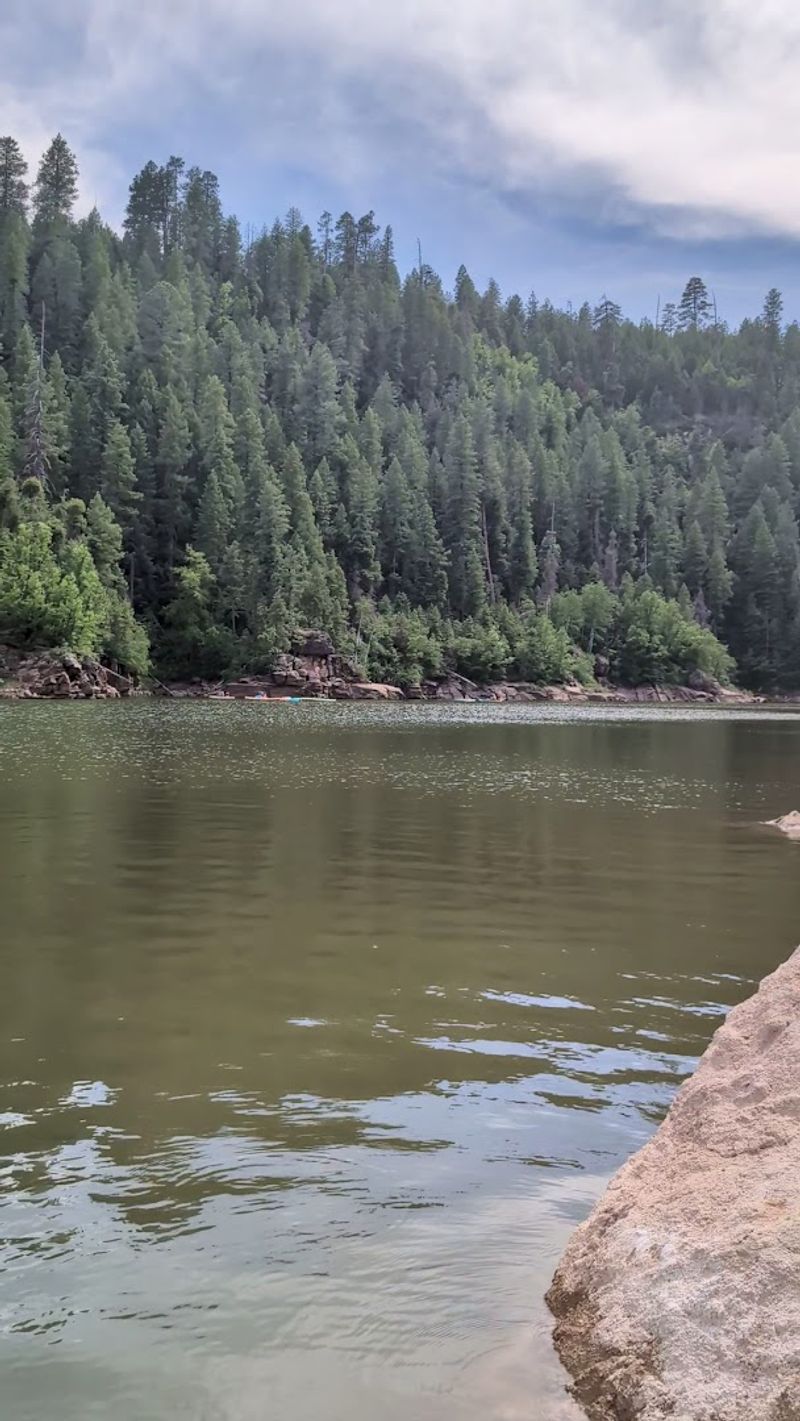
The Arizona Game and Fish Department stocks C. C. CraginReservoir with rainbow, brown, and brook trout, making it a legitimate destination for anglers who want a scenic experience to go along with their catch.
The narrow canyon shape and cold, clear water create ideal conditions for trout, and fishing pressure here is noticeably lighter than at more accessible lakes in the state.
Shore fishing is possible in certain spots, though the steep canyon walls limit where you can comfortably set up. Most serious anglers bring a small watercraft so they can access more of the reservoir and find the best holding spots along the canyon walls. A valid Arizona fishing license is required, and standard trout regulations apply.
There is one quirky fishing rule worth knowing: if you catch a green sunfish, you are asked to remove it rather than release it back into the water. Green sunfish are considered invasive in the reservoir and can disrupt the trout population that makes this fishery worth visiting in the first place.
Where To Sleep When The Stars Come Out
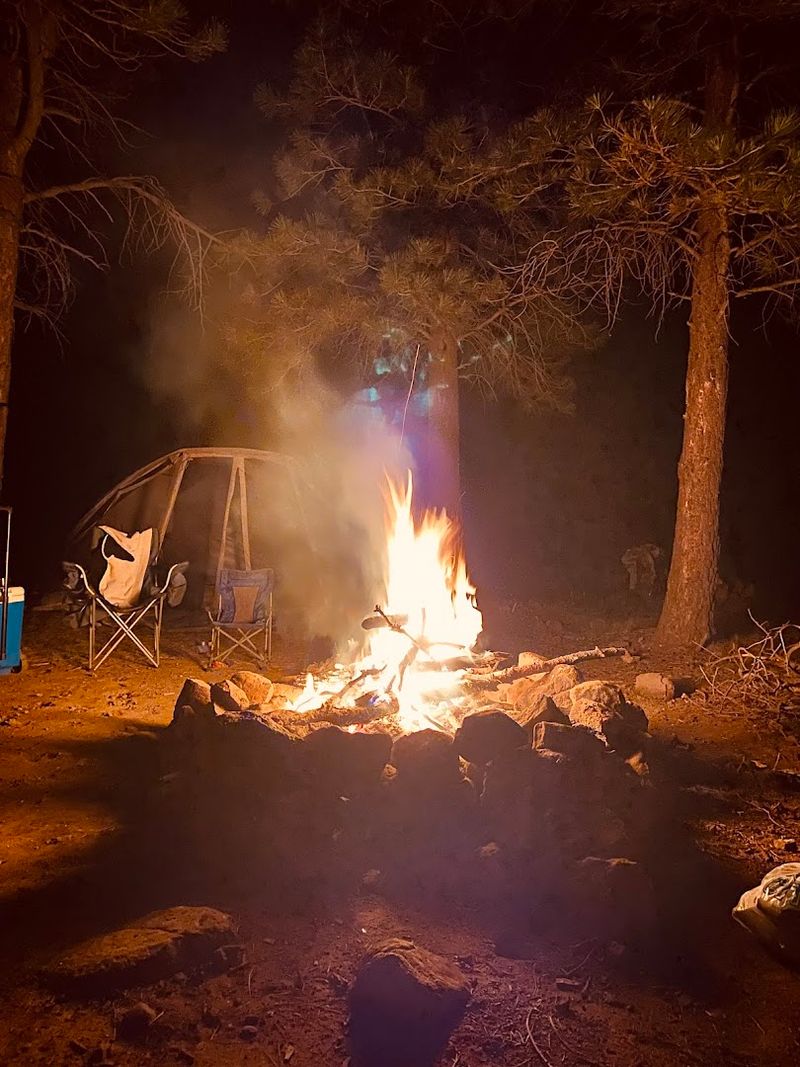
You cannot pitch a tent directly at the reservoir’s edge, but that does not mean you have to drive back to a motel. Rock CrossingCampground is the nearest designated camping area, offering a proper base camp experience with the sights and sounds of the surrounding pine forest. It sits close enough that an early morning drive to the reservoir takes only minutes.
For those who prefer a more flexible setup, dispersed camping is allowed along Forest Road 751 in the surrounding CoconinNational Forest. That means you can park and camp in a spot that suits you, as long as you follow Leave No TraceLeave No principles and stay off sensitive vegetation. No hookups, no camp store, no crowds, just trees and stars overhead.
Pack all your own water, food, and supplies regardless of where you plan to sleep. No potable water is available at the reservoir itself, and the nearest services are back on the main highway. Going in prepared means you can focus entirely on enjoying one of Arizona’s most underrated overnight escapes.
Best Time To Visit
Summer is the sweet spot for visiting C. C. CraginReservoir, when temperatures on the MogollonRim hover in the comfortable 70s while the rest of Arizona bakes below.
The elevation sits around 6,800 feet, which keeps things pleasantly cool and makes outdoor activity genuinely enjoyable rather than something to survive. July and August bring afternoon monsoon storms that are dramatic and beautiful, so keep an eye on the sky if you are out on the water.
Spring visits are possible but come with some uncertainty. Snow lingers at this elevation well into March and sometimes April, and Forest Road 751 can become muddy and difficult after snowmelt. Fall is a quieter time with golden aspens and fewer visitors, making it a strong choice for anyone who values solitude over warm weather.
Whatever season you choose, arrive early. The parking area near the reservoir is small, and popular summer weekends can fill up faster than you might expect for such a remote spot. Getting there by 8 a.m. practically guarantees you the place largely to yourself.
Wildlife You Might Spot Along The Shore
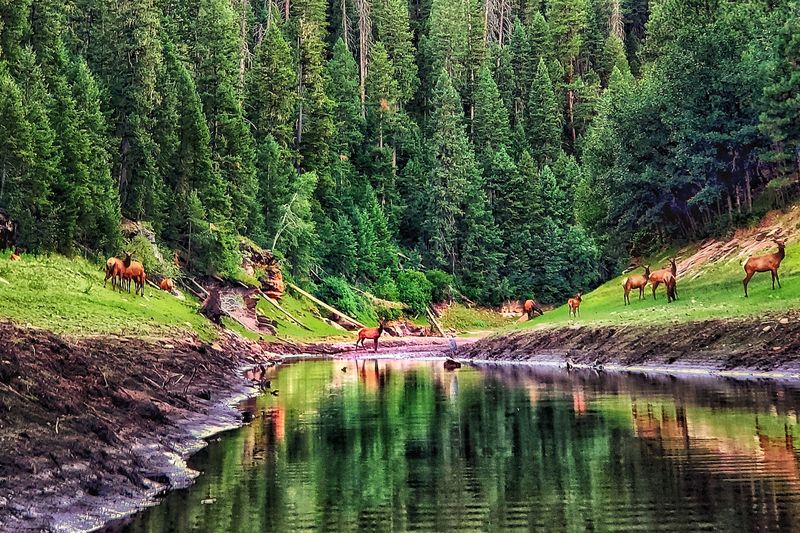
Some of the best surprises at C.C. cragin happen when you’re not even looking for them. Mule deer often wander down to the shoreline in the early morning hours, barely flinching as kayakers drift quietly past. Bald eagles have been spotted circling above the water, scanning for an easy meal near the surface.
Great blue herons stand like statues along the rocky banks, patient and perfectly still. If you bring binoculars, you might also catch a glimpse of osprey or wild turkey moving through the trees. The wildlife here feels unhurried, almost like the animals know this place is theirs too.
That quiet wildlife presence gives the reservoir an even more peaceful feel. Nothing seems rushed here, and that slower rhythm is part of what makes time by the water so rewarding.
Even when the shoreline is calm, there is always the chance that something beautiful is about to appear. It makes every visit feel a little different, which is part of the reason people keep coming back.