
This Arkansas Museum Reveals A Somber Piece Of American History Hidden In Plain Sight
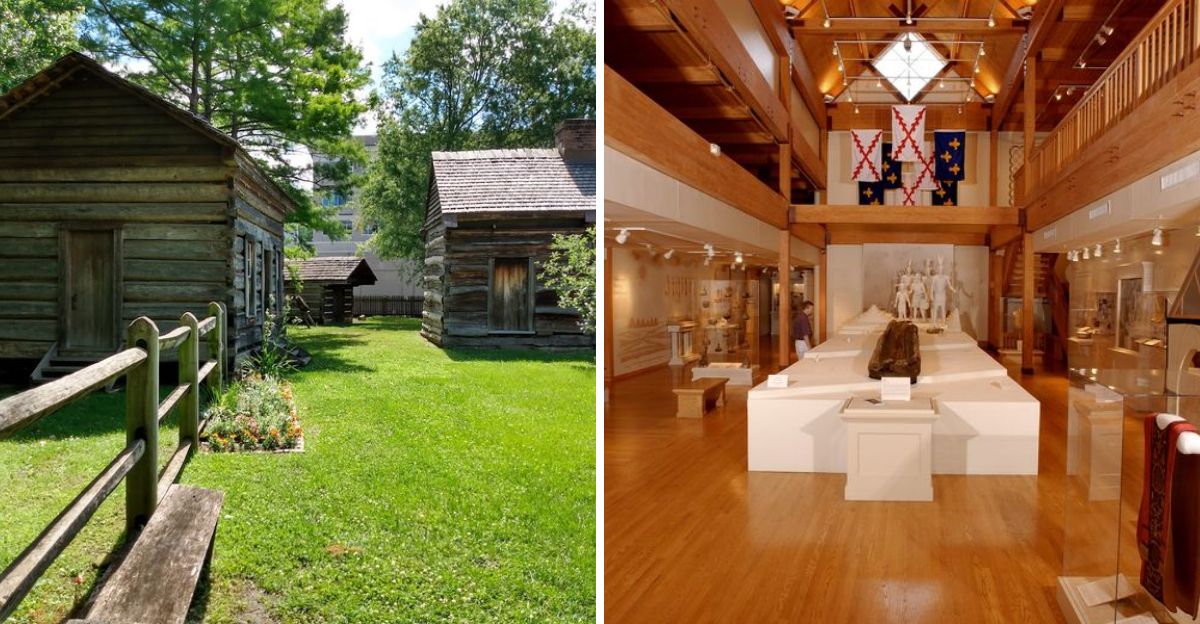
You know that feeling when a place quietly surprises you? That’s what happened here.
At first, everything feels calm and familiar. Then the stories begin to unfold, some expected, others less so.
I found myself slowing down and returning to certain exhibits more than once. Themes like relocation and wartime experiences are present, shared in a thoughtful and balanced way.
Everything exists within one compact space, yet it feels layered. The atmosphere is calm, but still meaningful if you take the time to notice the details.
This corner of Arkansas might seem unassuming at first, but it reveals a deeper appreciation for the people and experiences that shaped this place over time. It’s the kind of place that stays with you in a quiet, lasting way.
Quiet Courtyard With Layers Of Untold Memory
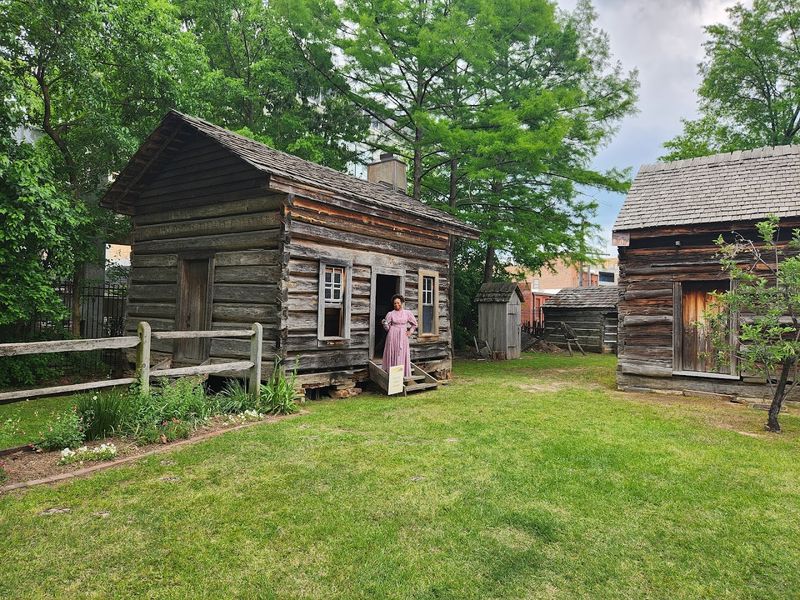
A particular kind of stillness settles over you the moment you step into the outdoor courtyard here, and it feels different from a typical open space.
It is the kind that naturally encourages you to slow down and take in your surroundings, especially when you realize how much history is connected to this space.
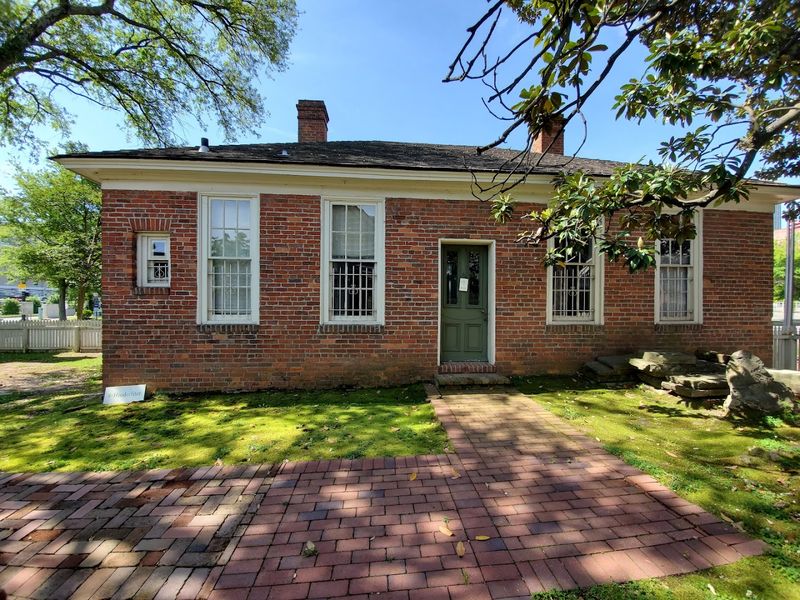
The courtyard connects several restored 19th-century structures, and even on a busy afternoon, something about the arrangement of the space draws visitors into a quieter, more reflective mood.
I watched a group of schoolchildren grow noticeably quieter as their guide began explaining what this block once witnessed, and that shift in energy said a lot.
The landscape itself feels intentional, with plantings that reflect the agricultural history of the region, a detail that becomes more noticeable the longer you spend here.
Every corner of this outdoor space holds a layer of context that the indoor galleries expand upon, making the courtyard feel like a natural starting point rather than just a passageway.
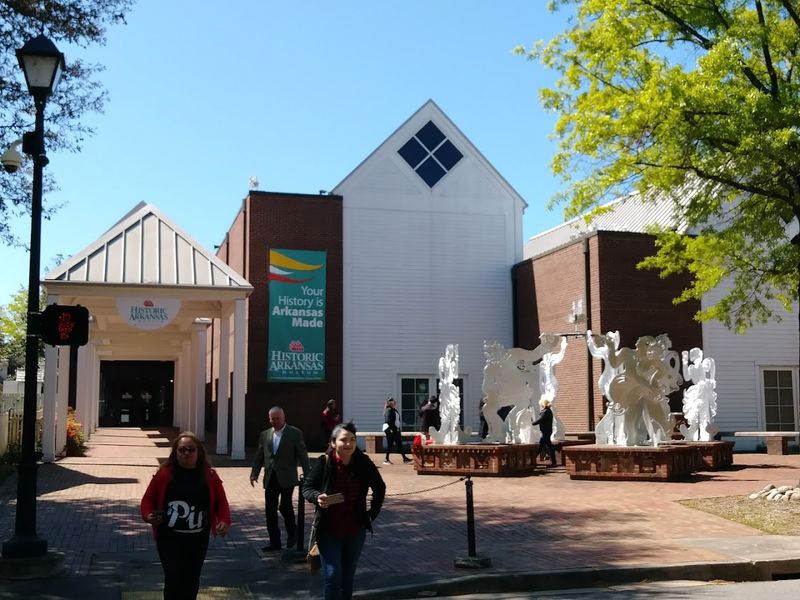
If you are planning a day in Little Rock, this is an easy place to slow down and ease into the experience, and you will find it at Historic Arkansas Museum, 200 E 3rd St, Little Rock, AR 72201.
Restored Structures Reflect Early Frontier Craft Traditions
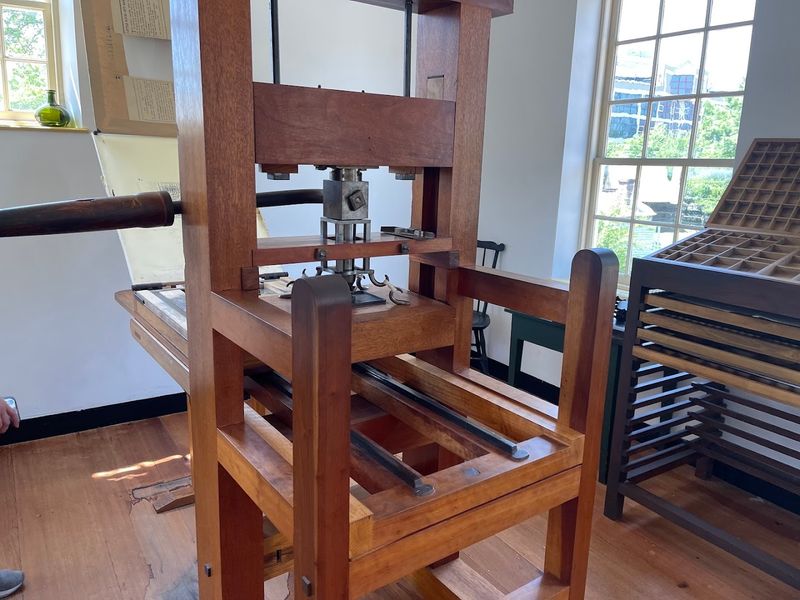
Step inside the print shop and you will quickly understand why living history works so much better than a wall of text ever could.
The restored structures on the museum grounds, some dating as far back as 1827, were not simply preserved for appearance but actively staffed by interpreters who practice the crafts that defined early Arkansas life.
On Living Craft Saturdays, visitors can watch and even take part in skills like basket weaving, blacksmithing, and printing, activities that become surprisingly engaging once you see them up close.
I spent longer than I planned watching a costumed interpreter demonstrate the printing press, partly because the process was fascinating and partly because the enthusiasm was easy to connect with.
The Hinderliter Grog Shop, established in 1827 and recognized as the oldest surviving building in Little Rock, anchors the entire outdoor village with a strong sense of continuity.
Each structure tells a craft story through its layout, tools, and small details that might otherwise go unnoticed.
Walking between these buildings feels less like touring a museum and more like stepping into a working Arkansas settlement from another time.
Galleries Blending Decorative Arts And Regional Heritage
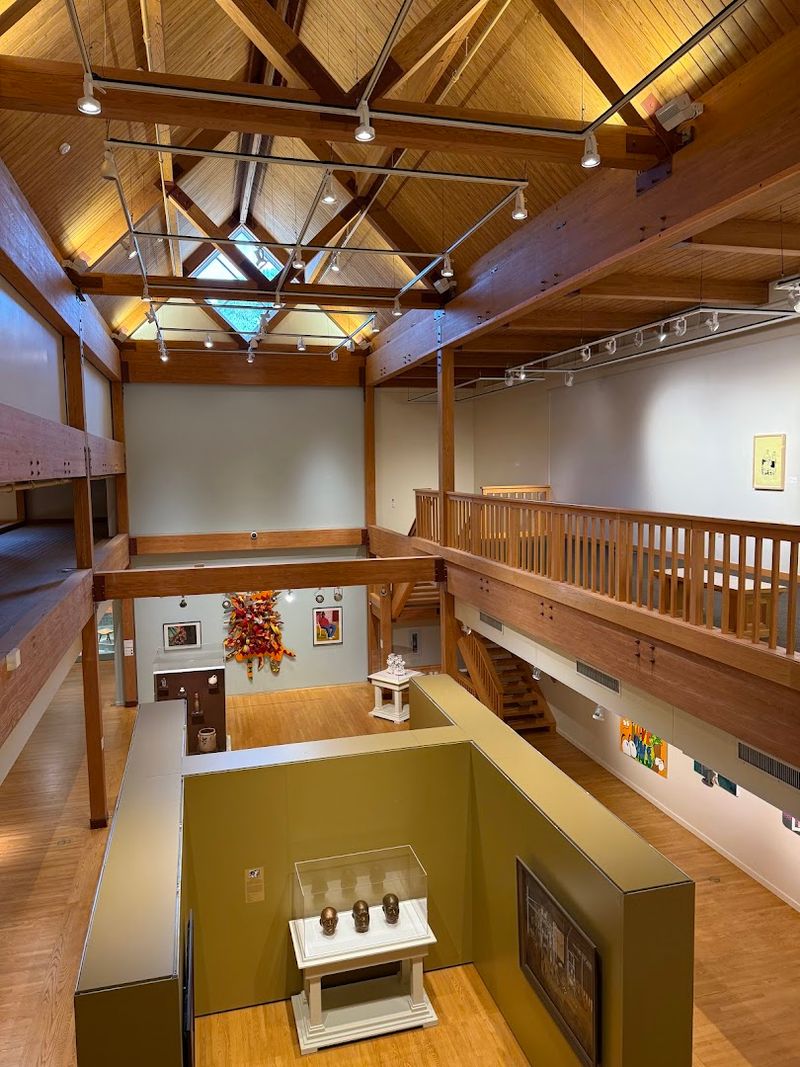
Not every history museum takes time to highlight the artistic side of its region, but this one shows clearly how craft and culture are closely connected in the Arkansas story.
The Arkansas Made Gallery showcases works created entirely within the state, from paintings by Edward Payson Washbourne and George Catlin to knives crafted by James Black.
Seeing these knives displayed alongside paintings makes it easy to understand how functional objects could also carry artistic value.
The decorative arts collection moves naturally between the practical and the expressive, showing how early Arkansans shaped identity through what they created.
I found myself lingering in front of a portrait by Henry Byrd, noticing how much personality still comes through.
The gallery admission is free, which makes it easy to take your time and explore without feeling rushed.
It is the kind of space that rewards curiosity more than speed.
Pathways Connecting Historic Buildings Across A Compact Setting
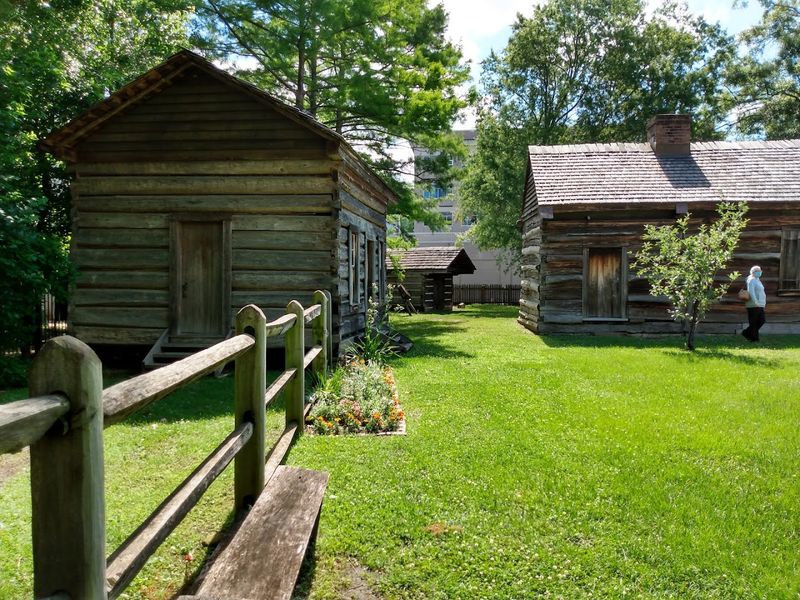
One of the underrated pleasures of this museum is how thoughtfully it uses its space, fitting a full 19th-century village experience into a single downtown block without ever feeling crowded.
The pathways between buildings are gently paced, giving you just enough time to shift focus between exhibits before arriving at the next stop.
Some of the historic buildings are located directly across the street, and that short walk becomes a natural pause that helps separate different parts of the story.
Public transit runs nearby, making it easy for first-time visitors to navigate and connect the museum to the surrounding historic district.
I appreciated that the layout rewards slower movement, because the details you notice along the way add up to a richer experience.
Guided tours depart regularly and help make the layout even clearer, but it is just as enjoyable to explore on your own.
If you are building a relaxed itinerary in downtown Little Rock, this stop fits in naturally without needing much planning.
Interpretive Displays Expanding Beyond Surface Narratives
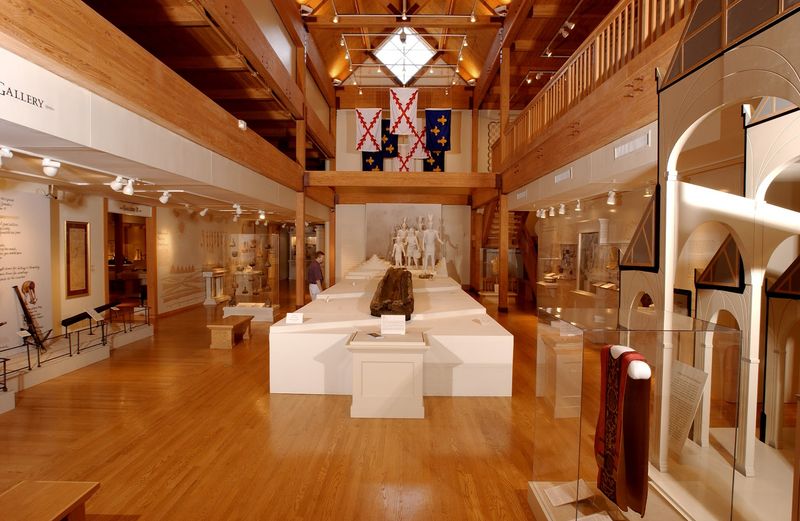
Most history museums tell you what happened. This one also gives you a chance to think about why it happened and how it shaped the people who lived through it.
The “We Walk in Two Worlds” exhibit traces the stories of Arkansas’s first peoples, including the Caddo, Osage, and Quapaw nations, from early history through the present day.
It presents Indigenous history as something ongoing rather than something that ended in the past, which adds helpful context to everything else in the museum.
I spent a long time reading the panels in this section, not because they were difficult, but because they offered perspectives I had not seen presented so clearly before.
The museum also uses an introductory film to help connect different parts of the story, making the experience feel more complete as you move through it.
Costumed interpreters are available to answer questions and often share small details that are not written anywhere else.
For a museum with free gallery admission, the depth here is easy to appreciate at your own pace.
Stranded Cherokee Group Faced Hardship During Forced Removal
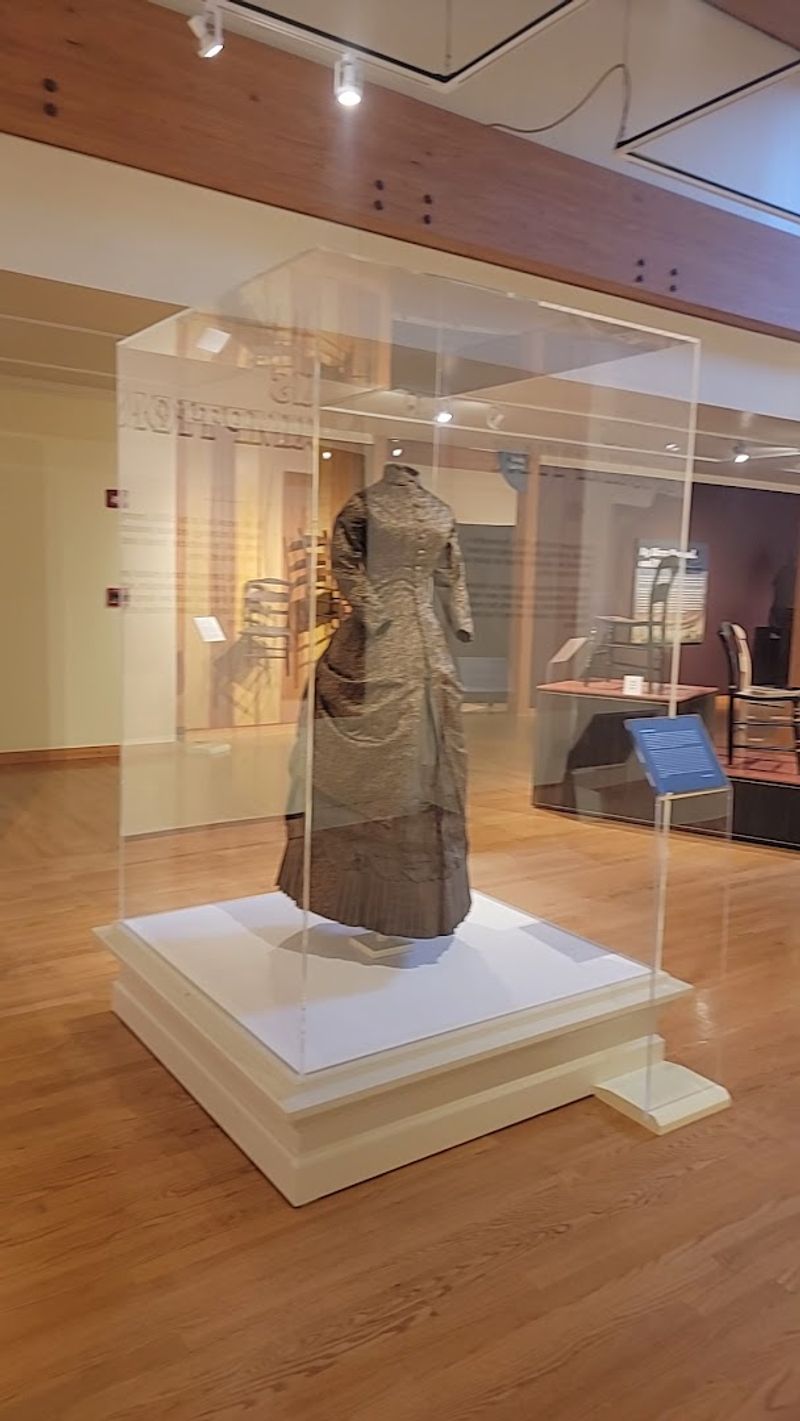
One of the stories presented here is the account of Cherokee groups who passed through Arkansas during the Trail of Tears.
The Indian Removal Act of 1830 led to the relocation of many Native American communities, with routes that brought large groups through this region as they moved westward.
Travel during the winter of 1838 to 1839 was especially difficult, with challenging weather, limited resources, and long distances affecting the pace of the journey. These conditions often made progress slower and more uncertain.
One Cherokee detachment remained in the Arkansas area for more than two weeks while dealing with illness among its members, adding another layer to an already demanding route.
Moments like this are easy to overlook in broader historical summaries, but the museum gives them space in a way that helps you better understand what travel during that time could feel like on a more personal level.
The exhibit presents this history in a clear and straightforward way, focusing on context and understanding rather than intensity.
Standing there, I found myself thinking about how rarely these details are explored in depth, and how much they add to the overall picture when they are given time and space.
Burial Ground Linked To Cholera Outbreak During Westward Journey
One detail that stood out to me was learning about a burial site connected to a cholera outbreak that affected a Cherokee group during their journey through Arkansas.
Cholera spread quickly in the 19th century, especially among groups already dealing with long travel, limited resources, and unfamiliar conditions. Even a short delay along the route could make things more difficult.
The group that remained near Little Rock during the winter of 1838 to 1839 faced circumstances that made them more vulnerable as illness moved through the group.
The burial site connected to this period serves as a quiet reminder that these journeys included many individual experiences, each shaped by changing conditions along the way.
Rather than focusing on dramatic details, the museum presents this part of the story with care, allowing visitors to understand what happened in a calm and thoughtful setting.
I appreciated that the information is shared in a way that feels respectful and clear, without overwhelming the overall experience.
It becomes one of those moments where you naturally slow down and reflect before moving on.
Wartime Confinement Of Japanese Americans In Nearby Delta Camps
Arkansas holds a chapter of World War II history that is not always widely discussed, with two Japanese American internment camps located in the Arkansas Delta.
Between 1942 and 1945, more than 16,000 Japanese Americans were relocated to these camps following Executive Order 9066, signed by Franklin D. Roosevelt.
Many of those affected were U.S. citizens who were required to leave their homes and adjust to new surroundings.
For families who had been living on the West Coast, the move to the Arkansas Delta meant adapting to a very different environment and daily routine. Even simple aspects of everyday life had to be rebuilt in unfamiliar conditions.
Life in the camps followed a structured routine, with shared spaces and limited privacy, creating a very different experience from what many families had known before.
What stands out here is how the museum explains how this situation came about through official decisions, helping visitors understand the broader context in a clear and approachable way.
This section also connects naturally with earlier themes in the museum, showing how movement and relocation appear across different periods.
By the time you leave, it adds another layer to the overall experience without feeling overwhelming.