
This Crystal-Clear Lake In Arkansas Feels Like A Summer Paradise
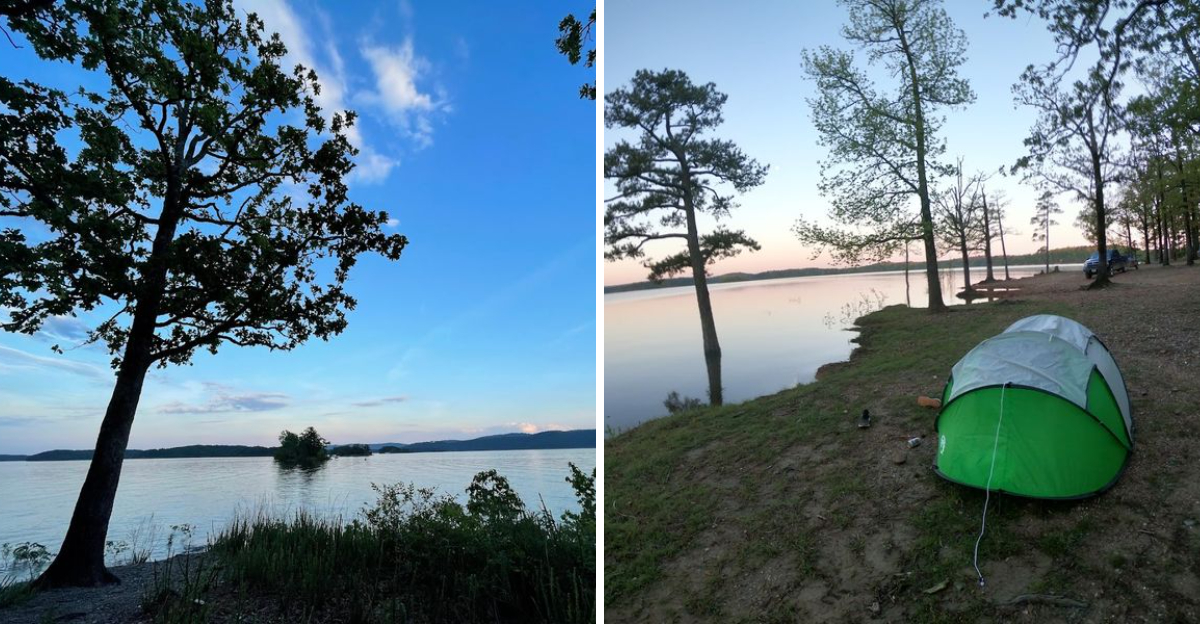
Picture a lake so clear you can see fish darting beneath your kayak like they’re right in front of you. The water is so still, it feels like you could reach down and touch the bottom.
Surrounded by thick forested mountains, this place feels like a secret. I stumbled upon it during a road trip through the Ouachita Mountains in Arkansas and wow, it took me by surprise.
The water is like glass, reflecting the sky and surrounding trees. Every curve revealed another little island, some big, some tiny.
And the quiet? Pure bliss. No chatter, no traffic, just peaceful silence. If you’re after a place that swaps noisy, crowded lakes for crystal-clear waters and wide-open space, you’ve found it.
There’s something magical about being surrounded by so much untouched nature, with nothing but the sound of water and wind. It is the kind of place that makes you feel truly connected to the earth.
Spring Fed Waters With Exceptional Clarity
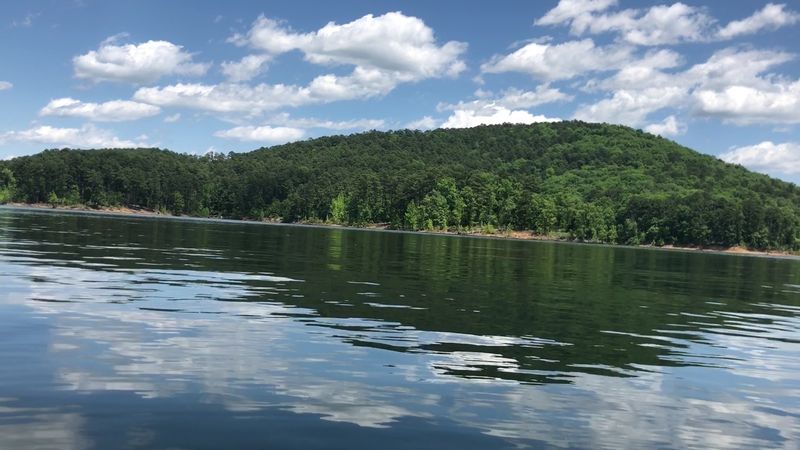
With the water reaching my waist, I could count the individual pebbles beneath my feet, and I genuinely had to remind myself I was in a lake and not a swimming pool. Lake Ouachita earns its reputation as one of the cleanest lakes in the entire United States, and that title is not handed out lightly.
The lake draws much of its water from natural springs and carefully managed watershed areas in the surrounding Ouachita Mountains, which keeps sediment levels remarkably low throughout the year. Visibility can reach impressive depths, allowing swimmers and snorkelers to observe aquatic life with a clarity that most freshwater lakes simply cannot match.
Rare freshwater jellyfish, known scientifically as Craspedacusta sowerbyi, have been spotted drifting through these pristine waters, a tiny translucent surprise that thrives only in exceptionally clean environments. Locals and repeat visitors often describe the water as having a blue-green tint on bright days, which gives the surface an almost tropical appearance that feels completely out of place in landlocked Arkansas.
That crystalline quality is not just beautiful; it is the single detail that keeps drawing people back season after season to Lake Ouachita, Arkansas.
Strict Conservation Policies Preserving Natural Purity
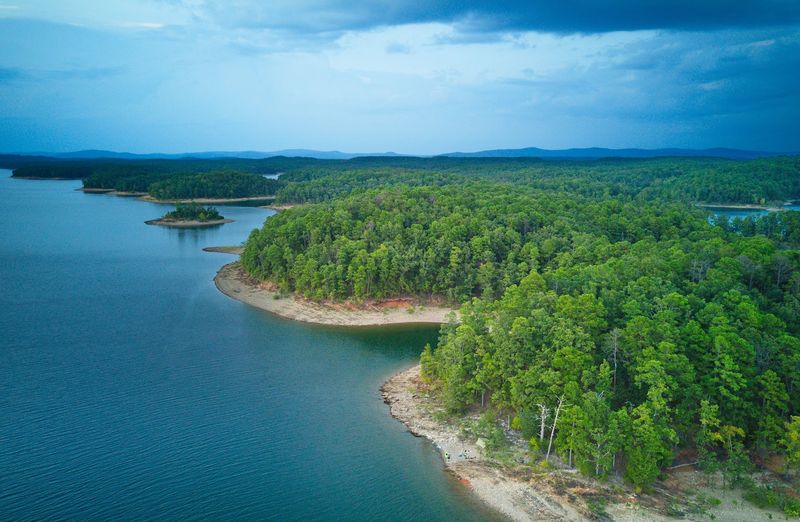
Clean water does not maintain itself, and the remarkable purity of this lake is no accident rooted in luck or geography alone. The U.S.
Army Corps of Engineers, which manages Lake Ouachita, enforces some of the strictest conservation regulations of any recreational lake in the South. Development along the shoreline is tightly controlled, which means no sprawling subdivisions or commercial strips crowding the banks the way you see at so many other popular lakes.
Boaters are required to follow specific rules about waste disposal, and many coves carry no-wake restrictions that protect both the fragile shoreline and the underwater ecosystems below. Camping on the islands is permitted in designated areas, but visitors must pack out everything they bring in, keeping those little patches of land as pristine as they were before anyone arrived.
During my visit, I noticed how noticeably absent litter was, even in areas that clearly received heavy foot traffic from weekend boaters and campers. These policies are not just bureaucratic red tape; they are the reason future generations will still be able to peer through twenty feet of water and see the bottom as clearly as I did on a golden Tuesday afternoon.
Over Two Hundred Undeveloped Islands Across The Lake
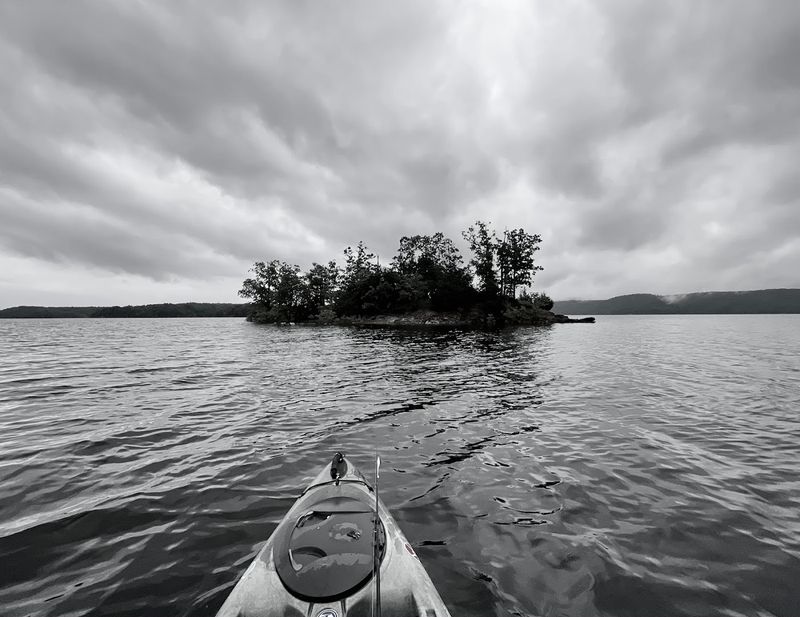
More than two hundred islands are scattered across Lake Ouachita, and every single one of them is undeveloped, untouched, and practically begging to be explored by anyone with a boat and a sense of adventure.
On my second morning out on the water, I lost count somewhere around island number twelve, which felt like a personal failure and also a very good problem to have.
Each island has its own character: some are wide enough for a full campsite with a sandy beach, while others are narrow slivers of pine trees and rock that barely fit a hammock. Boaters can pull right up to the shoreline on most of them, wade through shallow water, and claim a private beach for the afternoon without seeing another soul.
Some visitors make a full weekend of island-hopping, loading a boat with camping supplies and spending nights under the stars on these quiet, forested patches of land. The sheer number of islands means there is almost always a quiet spot available, even during peak summer weekends when the main marina areas see heavier traffic.
Finding your own private slice of Arkansas wilderness is easier here than almost anywhere else I have visited in the entire region.
Mountain Forest Landscape Surrounding The Shoreline
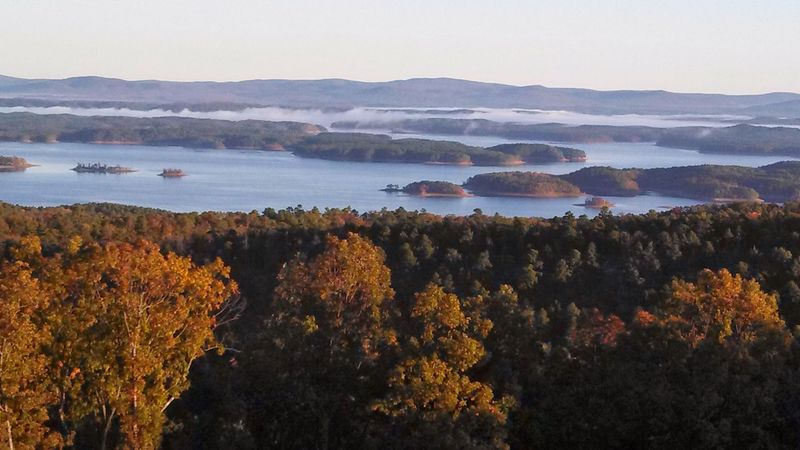
The Ouachita Mountains surround this lake on every side, pressing their forested ridgelines right up to the water like they are trying to get a closer look at their own reflection.
The surrounding landscape is dominated by a thick mix of shortleaf pine and hardwood forest that rolls across the hills in waves of deep green, shifting to amber and rust in the fall months.
Hiking trails like the Caddo Bend Trail wind through this forest and offer elevated viewpoints where the lake spreads out below you in a sweeping panorama that stops most hikers mid-step.
Wildlife moves freely through these woods, and I personally spotted white-tailed deer at the tree line during an early morning paddle near the eastern shore.
The forest also acts as a natural buffer, keeping runoff and noise from reaching the water, which contributes directly to both the lake’s clarity and its sense of peaceful remoteness.
Sunsets viewed from the water are particularly dramatic here, with the mountain silhouettes catching the last light and casting long reflections across the glassy surface below.
That combination of mountain, forest, and open water creates a landscape that feels cinematic, the kind of scenery that makes you reach for your camera about every three minutes.
Calm Conditions Ideal For Swimming And Snorkeling
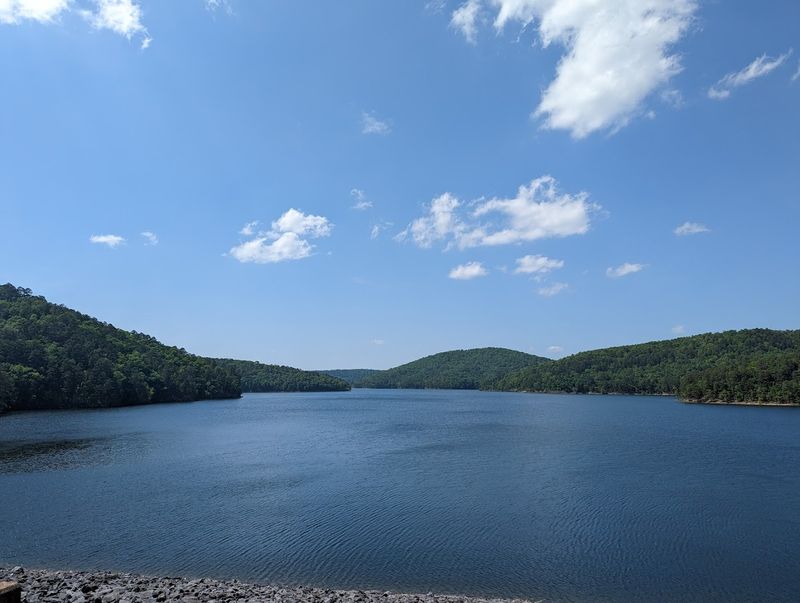
Few lakes in the South offer the kind of calm, clear conditions that make swimming and snorkeling genuinely rewarding rather than just splashing around in murky green water. Lake Ouachita manages both beautifully, with large protected coves that stay sheltered from wind-driven chop and maintain visibility levels that serious snorkelers travel hours to experience.
One afternoon I spent nearly two hours floating face-down through a shallow cove, watching bass glide beneath me and studying the way sunlight bent through twenty feet of completely transparent water. The lake also contains a fascinating underwater feature left over from when it was first filled in the 1950s: a submerged forest of standing trees that now serves as a habitat for fish and a remarkable destination for scuba divers.
Even without gear, swimmers appreciate the water temperature, which stays comfortable through the summer months without becoming the lukewarm bath that some shallower Arkansas lakes turn into by August. Families with younger children tend to gravitate toward the sandy-bottomed coves near Lake Ouachita State Park, where the gradual depth and calm water make for a relaxed and easy afternoon.
Honestly, the hardest part of swimming here is convincing yourself to climb back into the boat when the water feels that good.
Boat Access Coves Offering Secluded Day Retreats
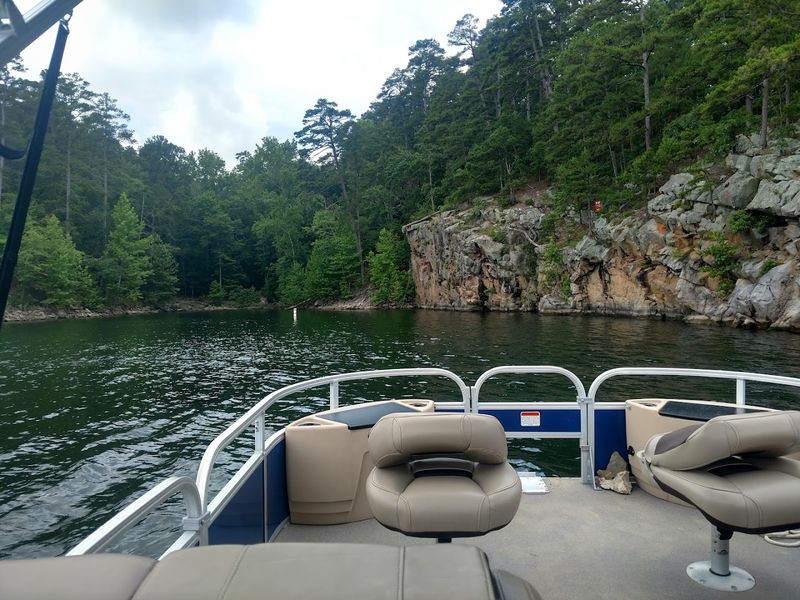
As you round a bend on a boat, discovering a cove so quiet and tucked away feels like stumbling onto something the rest of the world simply forgot to find. Lake Ouachita has dozens of these coves scattered around its more than six hundred miles of shoreline, each one accessible only by water, which naturally keeps them calm and uncrowded.
Renting a pontoon or a fishing boat from the marina at Lake Ouachita State Park gives you full access to this network of hidden spots, and the staff there are genuinely helpful about pointing visitors toward their favorites.
I anchored in one cove on a Saturday afternoon that had a small sandy beach, a wall of pine trees on three sides, and water clear enough to see my anchor sitting on the bottom.
With a packed lunch, a paddleboard, and a good playlist, that cove became a full half-day retreat that cost almost nothing and required almost no planning.
The boat-only access also means these coves stay quiet even during busy holiday weekends, since most day visitors without boats stick to the accessible shoreline areas near the park.
Finding a cove you can call your own for an afternoon is one of those small Lake Ouachita pleasures that feels disproportionately rewarding every single time.
Minimal Light Pollution Creating Brilliant Night Skies
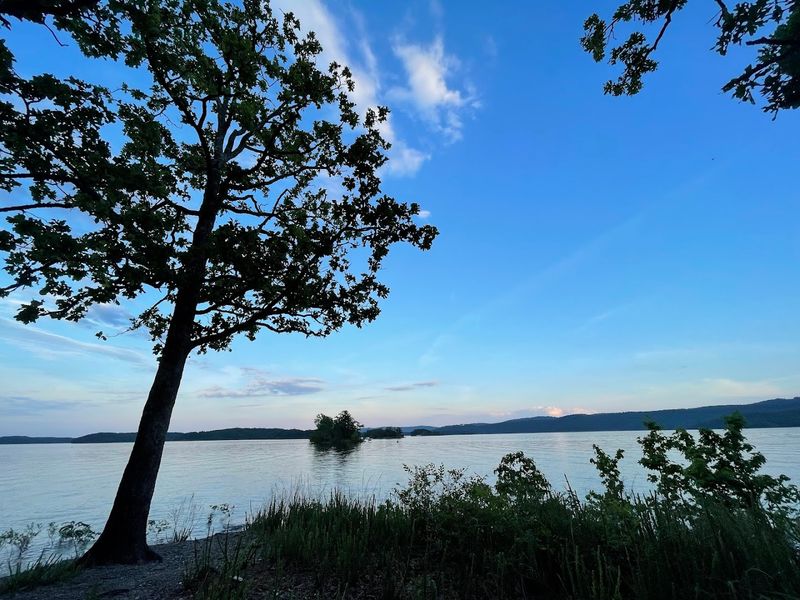
After the sun drops behind the Ouachita Mountains and the last boat heads back to the marina, something remarkable happens to the sky above this lake. Because the surrounding area has very little urban development, artificial light sources are sparse, and the darkness that settles over the water is the kind of genuine, velvety dark that city dwellers almost never experience anymore.
On a clear night during my stay at one of the island campsites, I lay on my back and watched the Milky Way stretch across the full width of the sky in a way that genuinely felt unreal.
The lake surface acts as a mirror for this display, doubling the star count and making the whole scene feel slightly surreal, like floating inside a planetarium that nobody built on purpose.
Serious stargazers and astrophotographers have discovered Lake Ouachita as a reliable dark-sky destination in the region, and it is easy to understand why once you spend a single night out on the water.
Meteor showers, visible planets, and the slow arc of the International Space Station are all regular sights here for anyone patient enough to stay up past the campfire.
That kind of sky is a reminder that the natural world offers experiences no screen can replicate, and Lake Ouachita delivers it for free every cloudless night.
Late Spring And Early Fall Offering Optimal Conditions
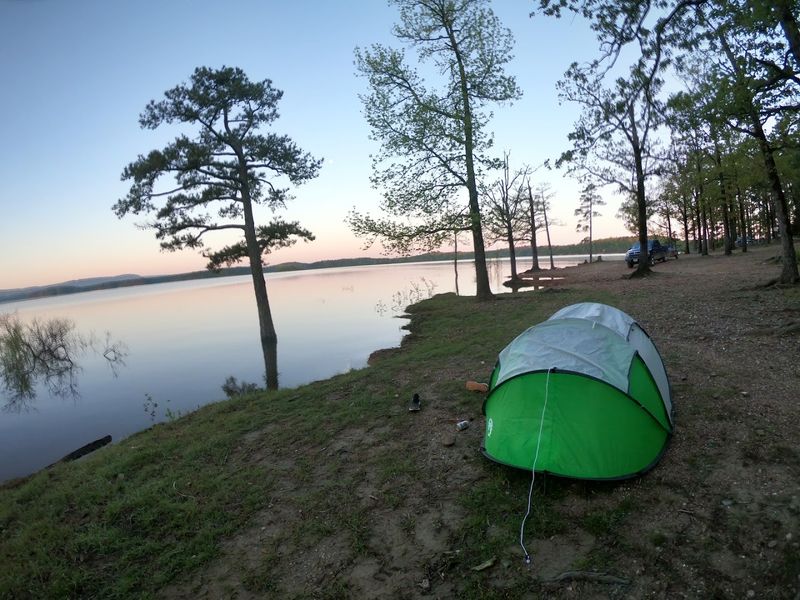
Timing a trip to a lake correctly can make all the difference between a perfect getaway and a sweaty, overcrowded weekend spent mostly looking for parking. Late spring, roughly from mid-May through early June, is widely considered one of the best windows for visiting Lake Ouachita, when the water has warmed enough for swimming but the summer crowds have not yet arrived in full force.
Wildflowers bloom along the trails during this period, the dogwood trees put on their annual show near the state park, and the air carries that particular freshness that only exists before summer heat sets in properly.
Early fall, from September into October, brings its own set of rewards, including cooler temperatures, dramatically reduced boat traffic, and the beginning of the hardwood color change that turns the surrounding mountains into something resembling a painting.
Fishing also peaks during these shoulder seasons, with largemouth bass, striped bass, crappie, and catfish all becoming more active as water temperatures shift.
Campsite availability is noticeably better outside of peak July weekends, and the overall pace of the park slows to something that feels genuinely restful rather than just busy-with-nature.
Visiting during these sweet-spot seasons is the kind of insider knowledge that separates a good trip to Lake Ouachita, Arkansas from a truly unforgettable one.