
This South Dakota Town Still Lives In The Wild West Era
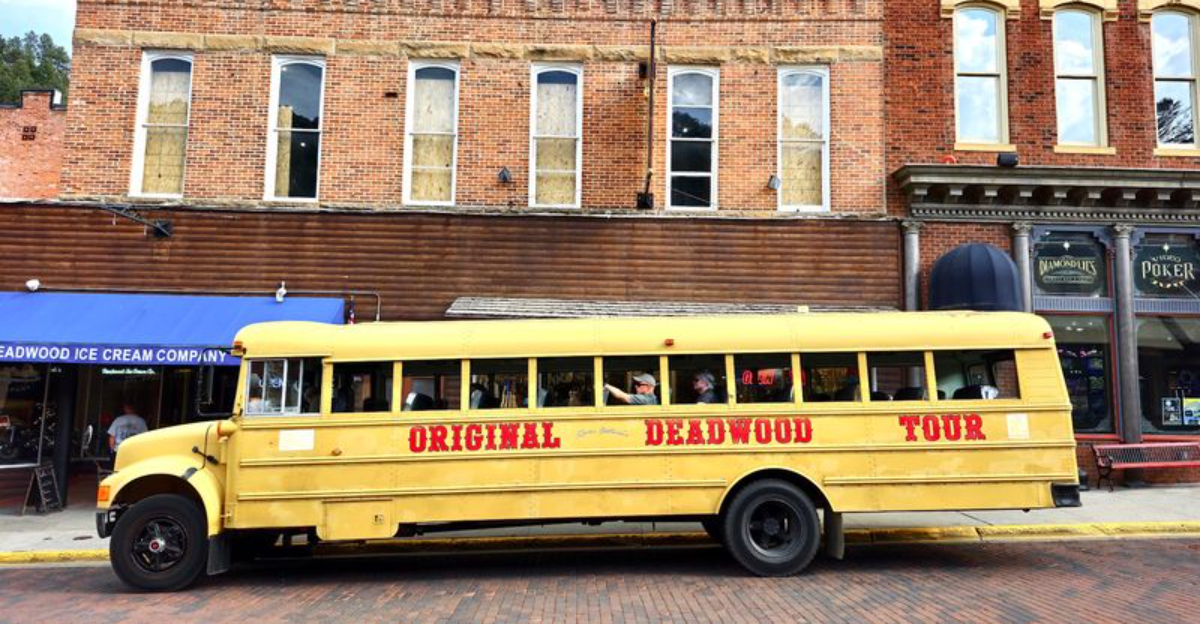
If you have ever watched HBO’s Deadwood and thought, “this can’t be real,” buckle up. It is.
This town in South Dakota, is still alive with Wild West energy. Rough. Rowdy. Unfiltered.
Just like 1876. Sitting in the Black Hills, this place of about 1,300 people feels frozen in time. But not in a quiet way. In a loud, dusty, gold-rush kind of way.
Main Street looks like a film set, except it is real. Wooden facades. Old saloons. 19th-century buildings packed side by side. Miners. Outlaws. Their stories still hang in the air.
This is a National Historic Landmark District for a reason. History is not behind glass here.
It is on the streets. Gold once fueled the chaos just beyond town.
Deadwood does not imitate the Wild West. It never left it.
Where The 19th Century Never Left
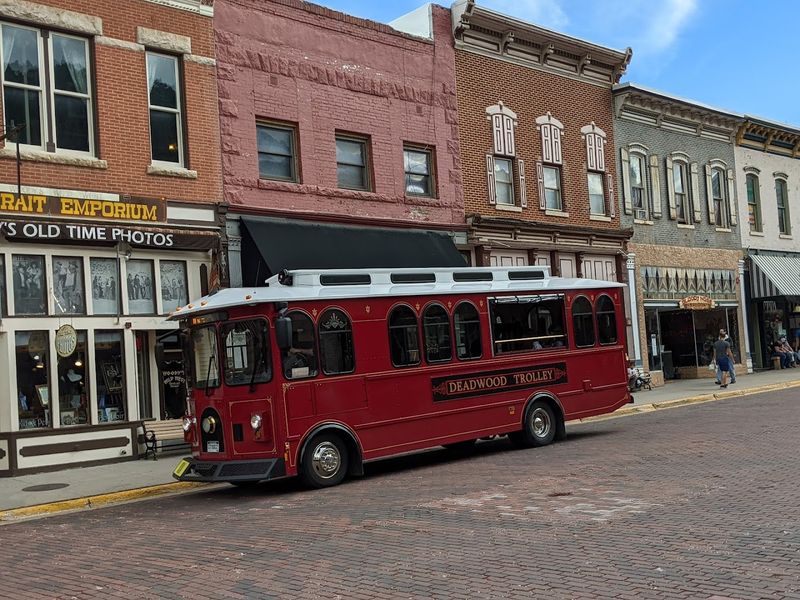
Walking down Main Street in Deadwood feels like stepping through a time portal. The buildings lining both sides of the street are authentically preserved 19th-century structures that have survived fires, floods, and more than a century of history.
Nothing here feels like a theme park recreation.
After a devastating fire in 1879, Deadwood rebuilt using brick, which is why so many of those original facades still stand today.
The National Historic Landmark designation ensures that any changes to these structures must meet strict preservation standards. That commitment to authenticity is part of what makes Main Street so special.
You can stroll past old saloons, historic hotels, and quirky shops all housed in buildings that miners and gamblers once passed through.
The cobblestone sidewalks and vintage lampposts add to the atmosphere. Main Street does not just look historic.
It breathes it. Every storefront seems to whisper stories of the gold rush days, when this street was packed with fortune seekers from all over the country.
The energy here is hard to describe but very easy to feel. Standing on Main Street in Deadwood is one of those rare travel moments that genuinely stops you in your tracks.
History You Can Actually Touch
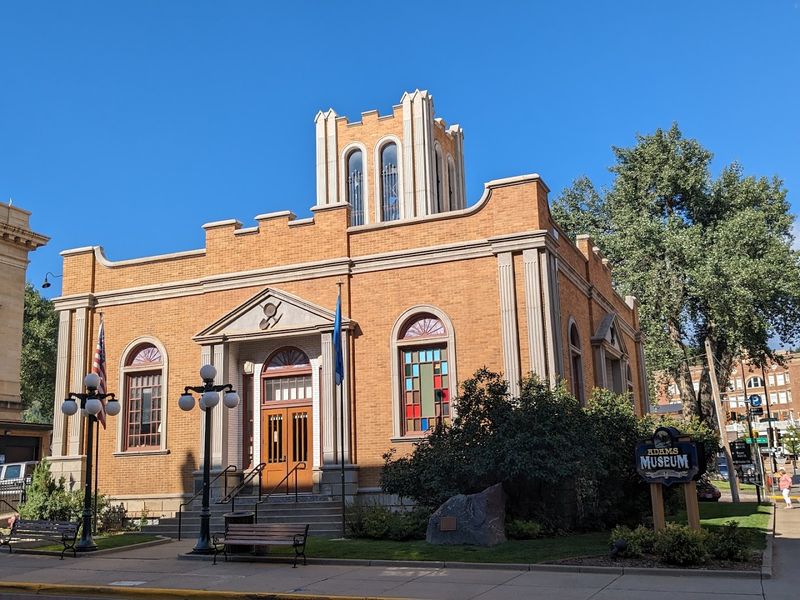
Right in the heart of Deadwood sits the Adams Museum, the oldest museum in the Black Hills and one of the most underrated stops in the entire town.
Founded in 1930, this museum holds an extraordinary collection of artifacts that bring the gold rush era to life in a way that textbooks simply cannot match.
Inside, you will find original gold nuggets, Native American artifacts, historic photographs, and exhibits covering everything from the founding of Deadwood to the lives of its most colorful characters. The collection is thoughtfully curated and presented in a way that feels genuinely engaging rather than dry or academic.
One of the standout pieces is a display dedicated to the Thoen Stone, a carved sandstone slab discovered in 1887 that may document one of the earliest accounts of gold discovery in the Black Hills.
Whether it is authentic or not, the debate around it is fascinating. The Adams Museum also explores the lives of everyday Deadwood residents, giving context to the broader story of life on the frontier.
Admission is free, which makes it one of the best value experiences in a town full of great options.
Walking through its exhibits, you get the feeling that Deadwood takes its history seriously, not as a gimmick, but as something genuinely worth protecting.
The Wildest Party In The West
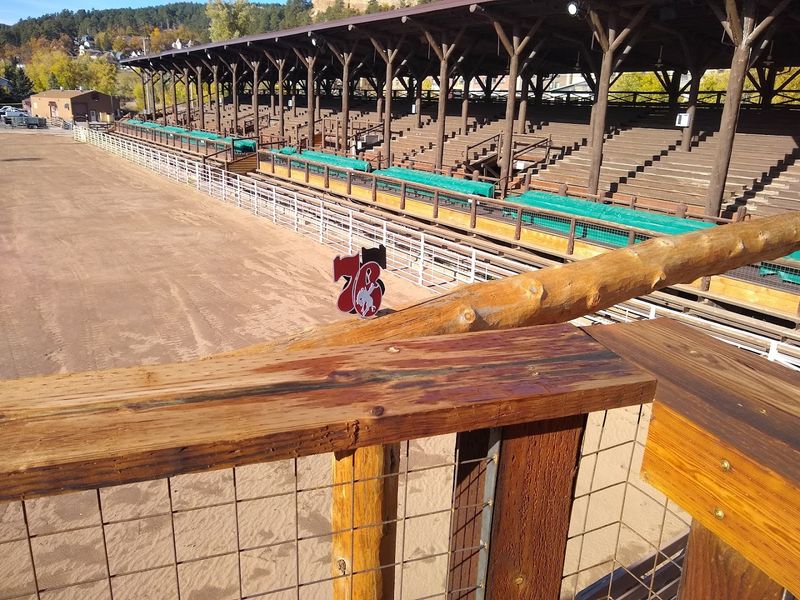
Every July, Deadwood transforms into the most festive version of itself during the annual Days of ’76 celebration. Started in 1924, this event is one of the oldest and most beloved traditions in South Dakota, drawing thousands of visitors who come to experience the Wild West in full swing.
The celebration includes a massive parade through Main Street, a professional rodeo, live entertainment, and historical reenactments that bring the founding days of Deadwood back to vivid life. The rodeo is a particular highlight, featuring bull riding, barrel racing, and roping competitions that showcase genuine cowboy skill and tradition.
What makes Days of ’76 feel special is how deeply the community embraces it. This is not a corporate event dressed up in western costumes.
It is a real, heartfelt celebration of heritage that has been passed down through generations.
The parade alone features covered wagons, horse-drawn carriages, and performers in authentic period costumes. Kids and adults alike line the streets with the same wide-eyed excitement.
The whole town comes alive in a way that feels organic and joyful rather than staged. If you want to experience Deadwood at its most electric and most historically immersive, planning your trip around the Days of ’76 is a decision you will absolutely not regret.
Go Underground For Real
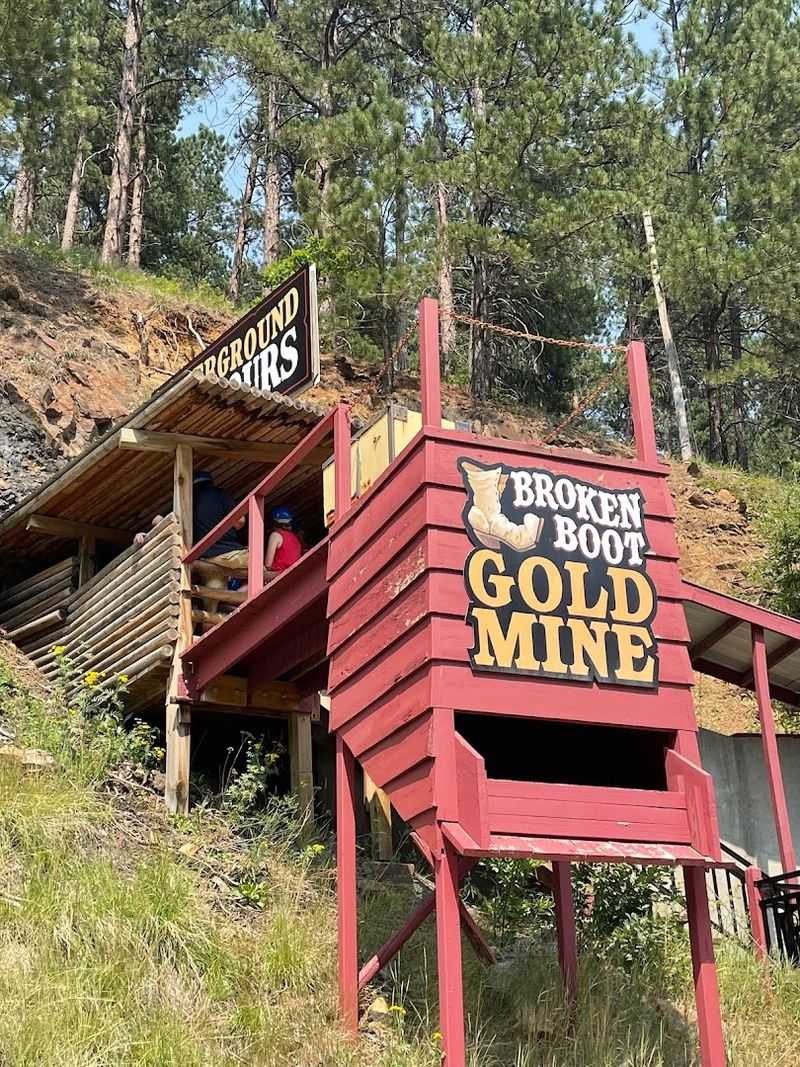
Not many places let you walk into an actual 19th-century gold mine, but Broken Boot Gold Mine does exactly that.
Located just off Main Street, this underground mine dates back to 1878 and offers guided tours that take you deep into the tunnels where real miners once worked by candlelight and sheer determination.
The tour guides are knowledgeable and engaging, explaining the mining techniques of the era and sharing stories about the men who spent their lives underground chasing veins of gold through solid rock.
You get to see original equipment, hand-cut tunnels, and the raw, unfiltered conditions that defined life as a gold miner in the Black Hills.
After the tour, visitors get the chance to pan for gold in a sluice box, which sounds simple but quickly becomes completely addictive.
Finding even a tiny flake of real gold in your pan produces an excitement that is surprisingly hard to describe. It connects you to the gold rush in a physical, tangible way that no museum exhibit can replicate.
Broken Boot Gold Mine is the kind of experience that appeals to every age group and every type of traveler. It is hands-on, educational, and genuinely thrilling.
If you want to understand what actually drove thousands of people to flood into the Black Hills in 1876, this is your answer.
See It All Without Sore Feet
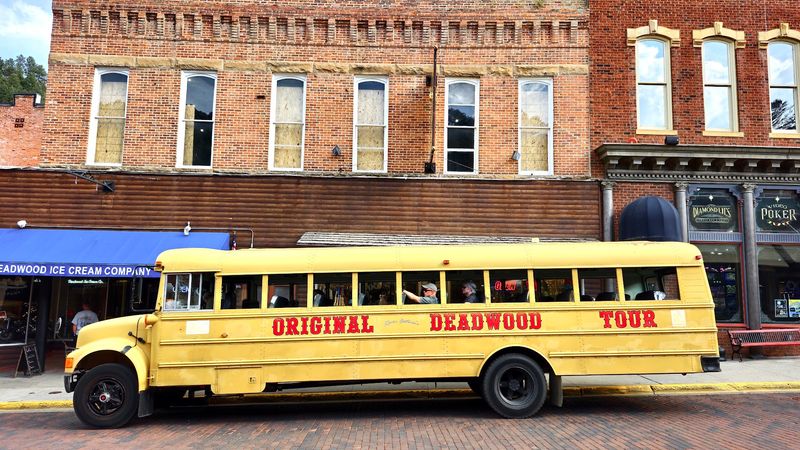
Deadwood is a compact town, but it is packed with so many historic sites that navigating it all on foot can get overwhelming fast. Enter the Historic Deadwood Trolley, a charming and practical way to see the town’s highlights without wearing out your shoes on the hilly terrain.
The trolley runs a narrated loop through Deadwood’s most important landmarks, giving passengers a guided overview of the town’s history as it rolls past saloons, museums, cemeteries, and historic buildings. The narration is informative and entertaining, making it a great first stop for anyone new to Deadwood who wants to get oriented before exploring on foot.
The trolley also connects many of the town’s major attractions, making it easy to hop on and off throughout the day.
It is a relaxed, low-pressure way to experience Deadwood, especially for those who prefer a guided introduction before wandering independently. The vintage-style design of the trolley itself adds to the overall atmosphere, fitting right into the aesthetic of a town that takes its historical identity seriously.
Riding the trolley on a sunny afternoon, with the Black Hills rising around you and the historic skyline of Deadwood rolling past, is one of those simple pleasures that ends up being a genuine highlight of the trip. Sometimes the best way to see a legendary town is at a slow, scenic pace.
Where Old Hollywood Meets The Wild West
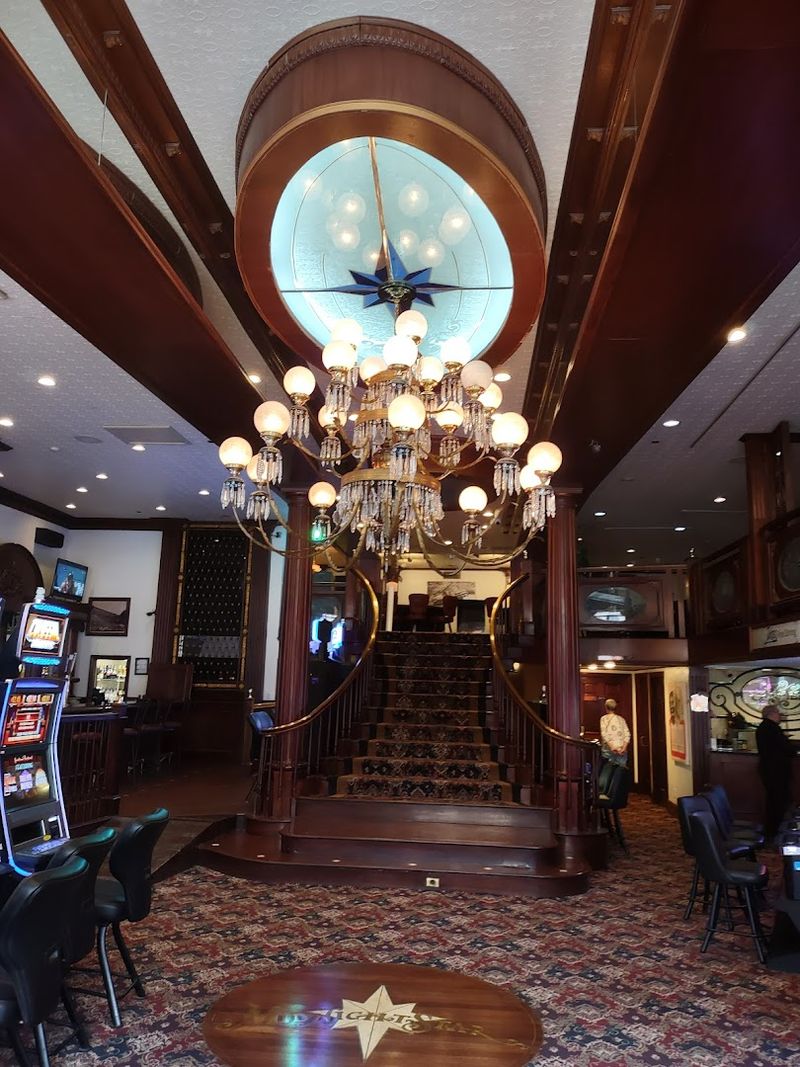
The Midnight Star is one of the most recognizable buildings on Main Street in Deadwood. Originally opened in 1991, this entertainment venue became famous partly because of its connection to actor Kevin Costner, who was heavily involved in its creation following the massive success of the film Dances With Wolves.
The building itself is a beautifully restored historic structure that blends Old West architecture with a touch of Hollywood glamour. Inside, the walls are lined with movie memorabilia, costumes, and props that bridge the world of frontier history with modern pop culture.
It is an unexpected combination that somehow works perfectly in Deadwood’s eclectic atmosphere.
The Midnight Star houses a restaurant and entertainment space that draws visitors looking for a slightly different experience within the historic district. The decor is rich and atmospheric, giving you the sense that you are somewhere genuinely special rather than just another tourist stop.
Deadwood has always attracted dreamers and performers, from gold rush gamblers to Hollywood celebrities, and the Midnight Star captures that spirit beautifully. It is a reminder that the Wild West mythos did not disappear.
It simply evolved, finding new storytellers and new audiences across every generation. Stopping here feels like a nod to both the past and the present of this remarkable town.
The Treasure That Started Everything
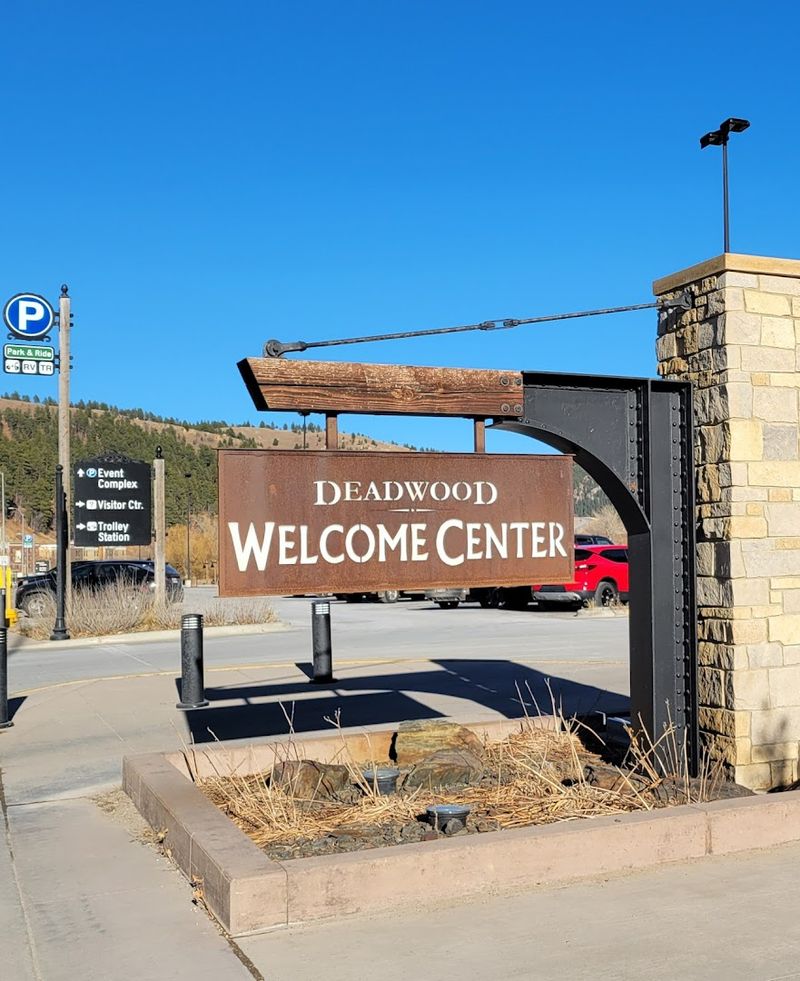
Before Deadwood was a town, before it was a legend, it was a rumor. A rumor about gold.
When Lieutenant Colonel George Custer led an expedition into the Black Hills in 1874 and confirmed the presence of gold, it set off one of the most explosive gold rushes in American history.
Within two years, Deadwood existed.
The gold rush brought thousands of prospectors, merchants, and settlers flooding into what was then Lakota Sioux territory. The legal and ethical complexities of that history are significant and important to acknowledge.
But the gold itself, its discovery, its extraction, and its legacy, shaped everything that Deadwood became.
Today, Black Hills gold has a different kind of fame. The distinctive tri-color gold jewelry featuring grape and leaf designs originated in the Black Hills and has become one of the most recognizable jewelry styles in the country.
Shops throughout Deadwood sell authentic Black Hills gold pieces, connecting modern visitors to that original rush of excitement and ambition.
The Broken Boot Gold Mine still lets visitors pan for real gold, keeping the hands-on tradition alive. Gold is not just a chapter in Deadwood’s history.
It is the opening line of the whole story, the spark that lit a fire still burning nearly 150 years later.
A Town That Refused To Fade
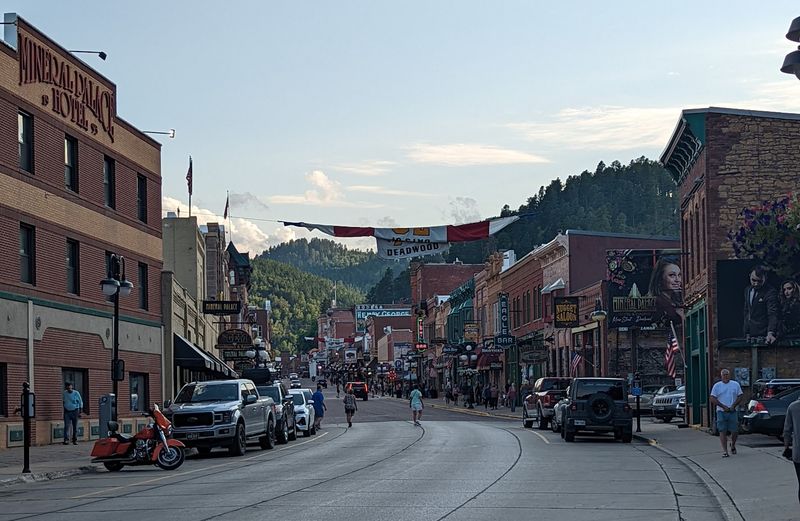
By the 1980s, Deadwood was in serious trouble. The town’s economy had declined sharply, and many of its historic buildings were falling into disrepair.
The population had dwindled, and the future of one of America’s most historically significant towns looked genuinely uncertain. Something had to change.
In 1989, South Dakota voters approved limited gaming in Deadwood as a way to fund historic preservation efforts. The decision was controversial but transformative.
Revenue from gaming poured into restoration projects, and one by one, Deadwood’s historic buildings were brought back to life. The town reinvented itself without losing its soul.
Today, Deadwood is a National Historic Landmark District, recognized by the federal government as a place of exceptional historical and cultural significance. More than 80 historic buildings have been restored using preservation funds, and the town attracts over one million visitors annually.
The preservation story of Deadwood is as compelling as the gold rush story itself. It is a story about a community deciding that its history was worth fighting for, and then actually doing the work to protect it.
Walking through Deadwood today, you are not just seeing the Wild West. You are seeing what happens when a town refuses to let its story be forgotten.
That kind of stubborn, passionate commitment to the past is exactly what makes Deadwood one of the most remarkable small towns in the entire United States.