
The Pennsylvania Cave Where An Early American Doomsday Group Waited For The Apocalypse In 1694
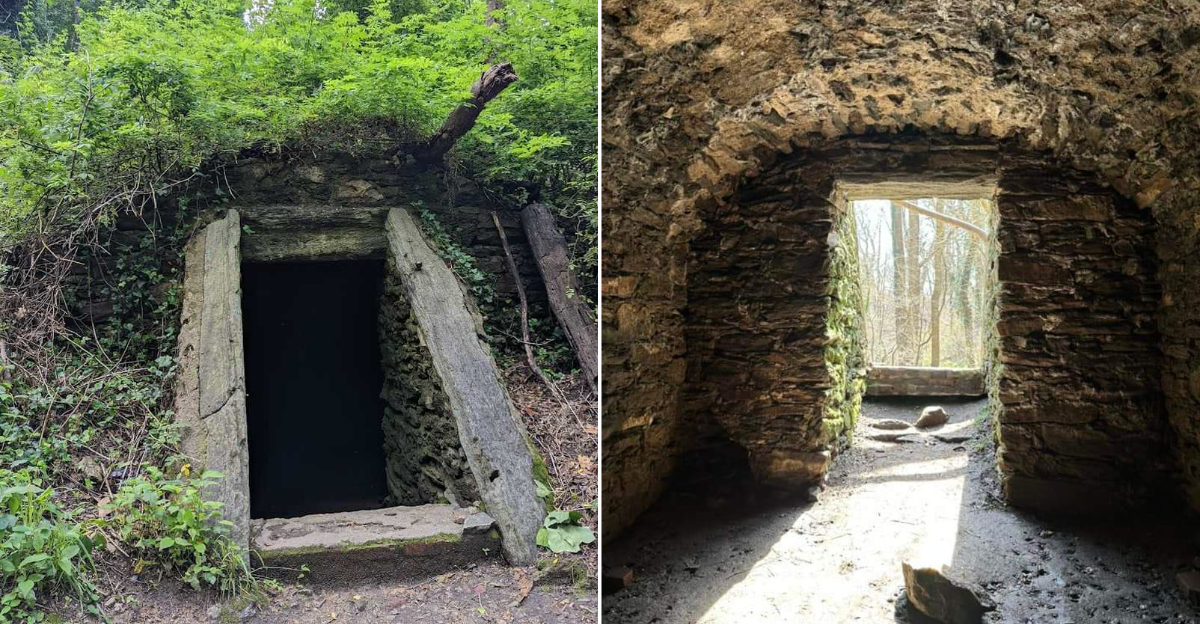
Some historic places feel strange before you even know the full story.
A quiet Pennsylvania cave tied to an early American doomsday group has exactly that kind of eerie pull, the kind that makes a simple walk feel like it brushed against a secret chapter of the past.
Long before modern ghost tours, viral mysteries, and end-of-the-world headlines, a small band of believers came here waiting for prophecy, silence, and something they thought was bigger than everyday life. That gives the spot a haunting kind of fascination.
It is not just stone, shadow, and woodland quiet. It is a reminder that history was full of unusual hopes, fears, and people chasing answers in the wilderness.
The setting feels part mystery, part legend, and part time capsule, with just enough atmosphere to make your imagination start working overtime.
I have always been drawn to places where the past feels a little unsettled, and this is exactly the kind of strange Pennsylvania story that would make me slow down and listen harder.
The Year 1694 And Why It Mattered To The Group
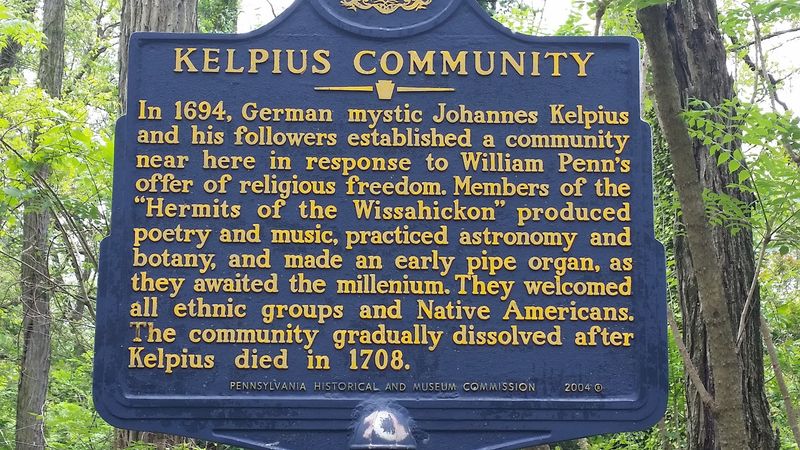
The year 1694 was not chosen randomly. Kelpius and his followers had studied numerology, astrology, and biblical prophecy carefully, and they calculated that this specific year aligned with signs pointing toward the end of the world.
This kind of apocalyptic date-setting was not unusual in 17th-century European religious circles.
Many devout groups across the continent were reading the same texts and coming to similarly urgent conclusions about when history would reach its final chapter.
What made the Kelpius group stand out was their decision to act on it so dramatically, packing up their lives in Germany and sailing to a completely new continent.
They arrived in Pennsylvania in June 1694, and the energy of that arrival must have felt electric with anticipation.
The apocalypse never came, of course, but their journey gave Philadelphia a historical landmark that still sparks genuine curiosity at Cave of Kelpius.
Johannes Kelpius: The Man Behind The Cave
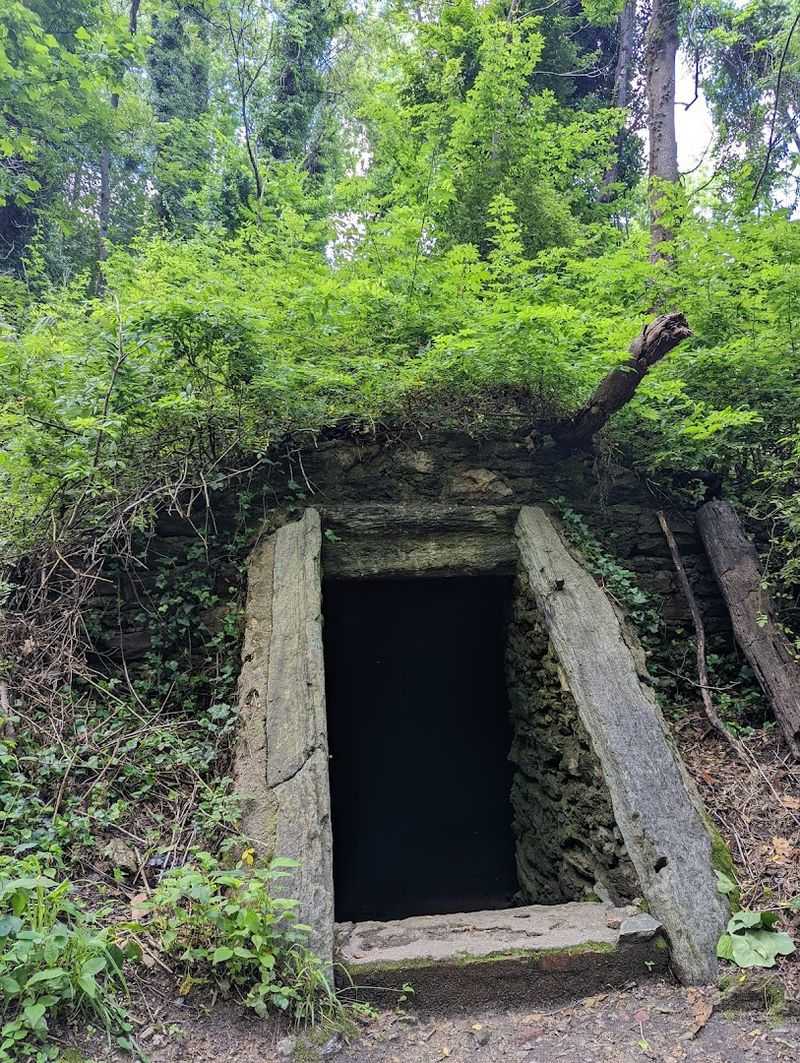
Not every historical figure decides to settle in the Pennsylvania wilderness while waiting for the world to end, but Johannes Kelpius was not your average person.
Born in Transylvania in 1667, he was a deeply religious scholar who became convinced that the apocalypse was approaching fast.
Kelpius led a group of German mystics called the Chapter of Perfection, also known as the Woman in the Wilderness, across the Atlantic Ocean to Pennsylvania in 1694.
He believed the New World offered the perfect place to prepare spiritually for the end of days.
He was only in his mid-twenties when he arrived, yet he was already considered a serious religious thinker and leader.
Kelpius spent his remaining years in the Wissahickon area, practicing astronomy, herbal medicine, and mystical prayer.
He passed away around 1708, leaving behind a legacy that still draws curious visitors to the so-called Cave of Kelpius in Wissahickon Valley Park today.
The Woman In The Wilderness: A Doomsday Sect In The New World
Few groups in early American history are as fascinating and strange as the Woman in the Wilderness.
This was a sect of German Pietists who genuinely believed the biblical apocalypse was imminent, and they were not going to miss it.
The name came from the Book of Revelation, which describes a woman fleeing into the wilderness to await divine salvation.
The group took this passage literally and saw the forests of Pennsylvania as their destined refuge.
Around forty men made the journey from Germany to Pennsylvania, most of them educated scholars and musicians.
They built a tabernacle on the ridge above Wissahickon Creek, where they kept a telescope on the roof to watch for heavenly signs.
The Cave of Kelpius, Philadelphia area became their base of spiritual operations, and their story remains one of the most unusual chapters in colonial American religious history.
What the Cave Actually Looks Like Today
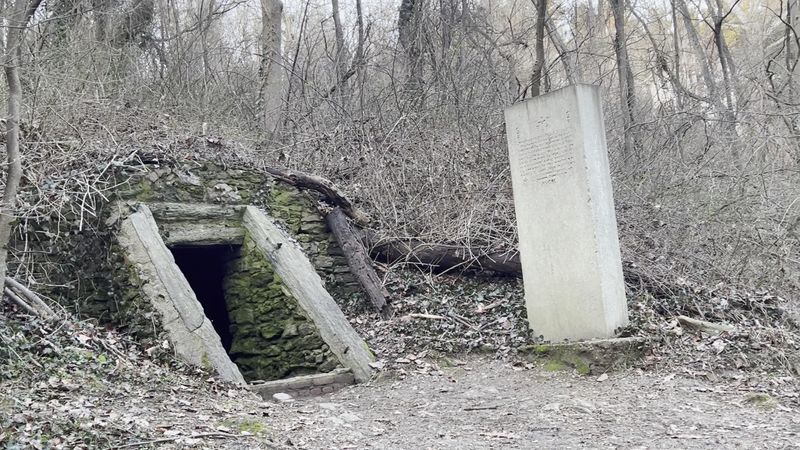
If you are imagining a dramatic, cathedral-like cavern dripping with stalactites, it is time to adjust your expectations.
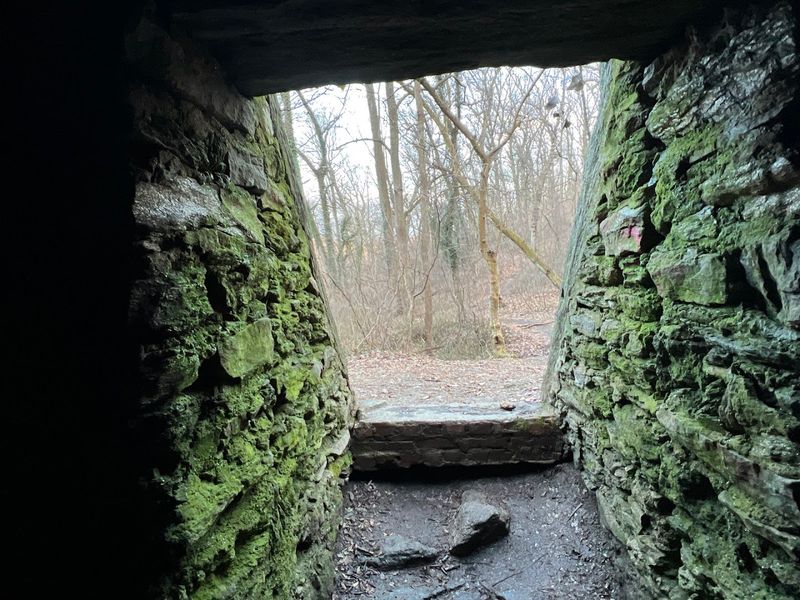
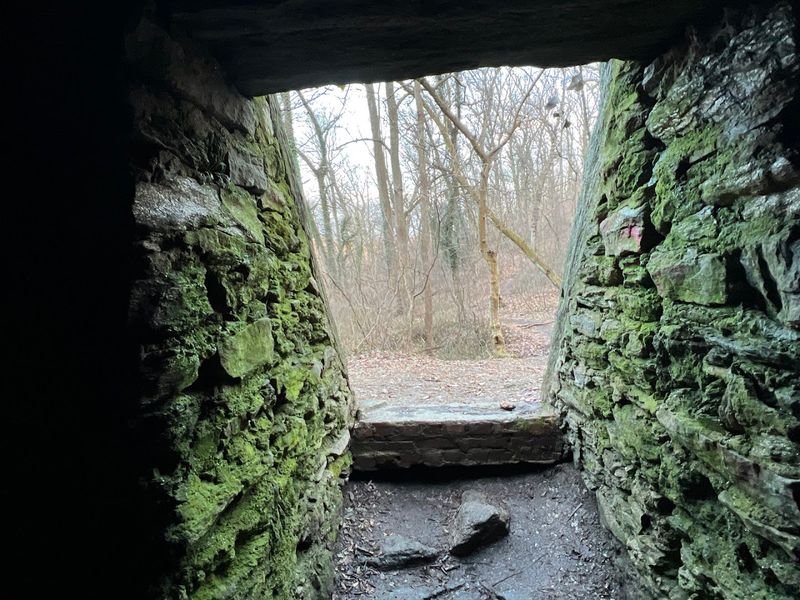
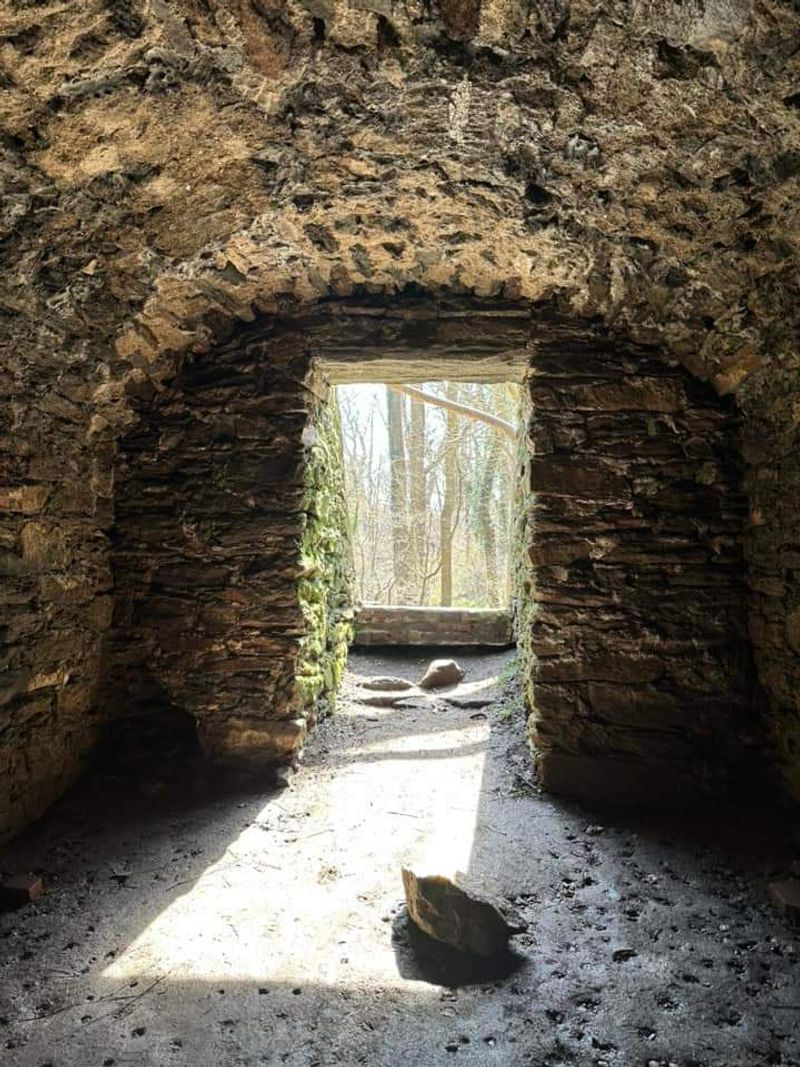
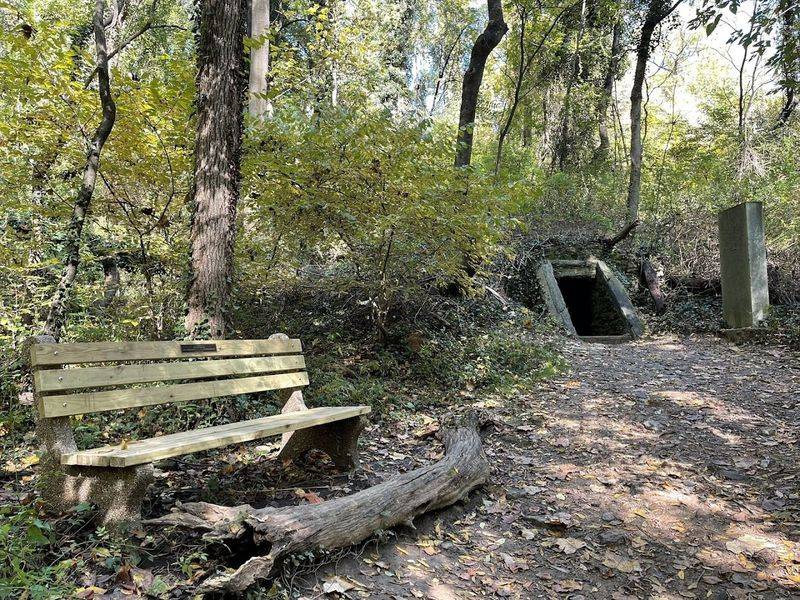
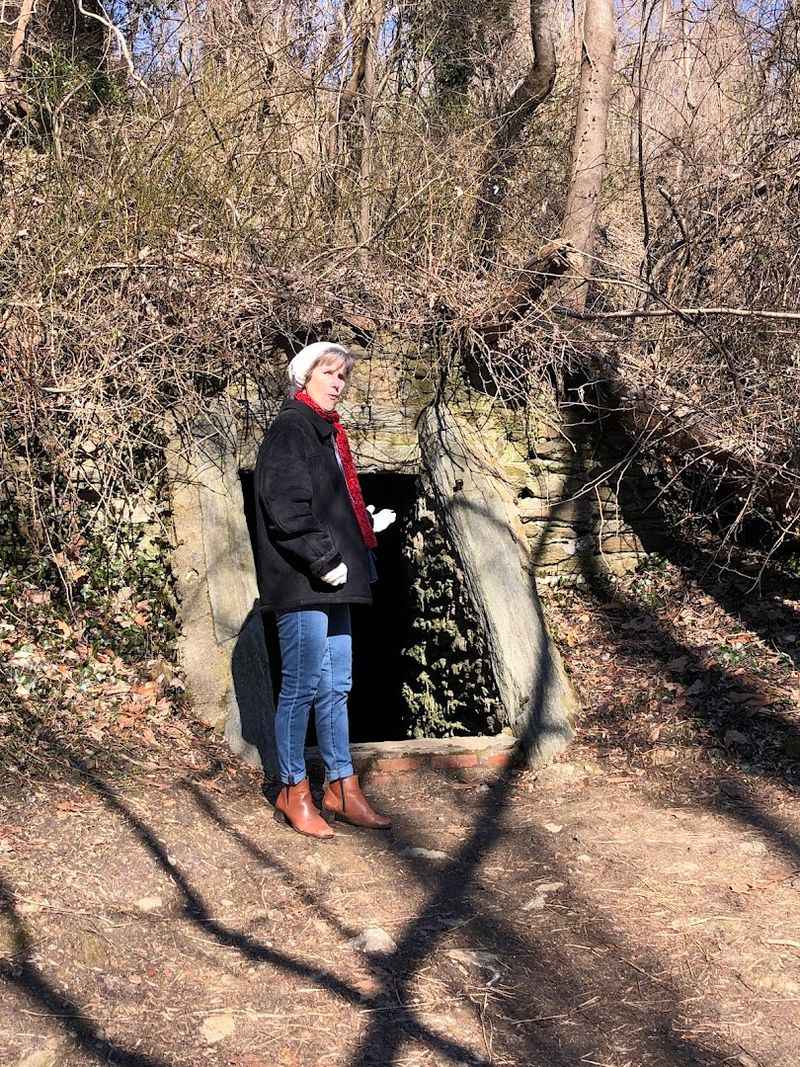
The so-called Cave of Kelpius is a small, single-room stone structure built into the side of a hill, and it is genuinely dark and damp inside.
Some visitors describe it as more of a root cellar or an old springhouse than a traditional cave, and that honest description is closer to the historical debate surrounding the site.
Standing inside, you can feel the cool, earthy air and sense the quiet that made this stretch of Wissahickon feel spiritually charged to Kelpius and his followers.
A marker and local historical tradition provide context for what you are looking at.
The structure sits within the lush trail system of Wissahickon Valley Park, and the surrounding forest adds a genuinely mysterious quality to the whole experience that no photograph fully captures.
The Location: Wissahickon Valley Park And Its Trails
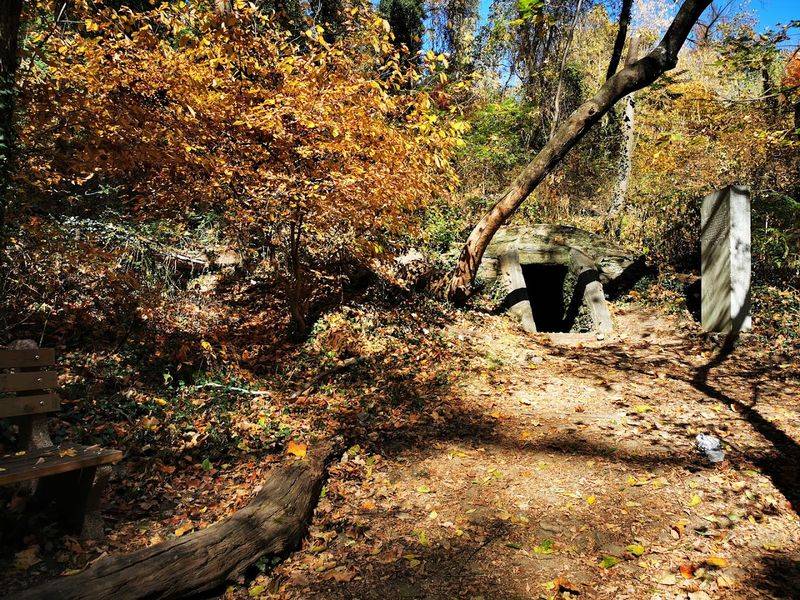
Wissahickon Valley Park is one of those places that makes you forget you are inside a major American city.
Stretching across roughly 1,800 acres of forested land in Philadelphia, it offers miles of hiking and biking trails that wind alongside Wissahickon Creek.
The park has a long and layered history, and the cave site is just one of its many fascinating stops.
Getting to it involves a short uphill hike from the Hermit Lane area, and the walk itself is genuinely enjoyable through tall trees and rocky terrain.
Visitors often use Hermit Lane in Roxborough as the point of reference for finding the site.
Whether you are a history enthusiast or just someone who enjoys a good forest walk, the Cave of Kelpius area in Wissahickon Valley Park delivers a rewarding combination of nature and storytelling that is hard to find anywhere else in the city.
Astronomy, Mysticism, And The Rooftop Telescope
One of the most captivating details about the Kelpius community is that they kept a working telescope on the roof of their tabernacle, pointed at the sky each night. This was not just stargazing for fun.
They were actively scanning the heavens for signs that the apocalypse was beginning.
Kelpius blended Christian mysticism with astrology, alchemy, and early scientific observation in a way that was unusual even for his era.
He and his followers built a tabernacle near the Wissahickon and used it as a center for prayer, study, and observation.
This mix of science and mysticism is part of what makes him such a compelling historical figure.
Most people in 17th-century colonial America were focused on survival and farming, not building observatories in the woods.
The intellectual ambition behind the Kelpius community in the Wissahickon sets it apart from almost every other colonial settlement story you will ever read.
Herbal Medicine And Healing Practices Of The Community
Beyond their apocalyptic beliefs, the Kelpius community was genuinely skilled in herbal medicine and healing.
Members of the group were trained in European botanical traditions and brought that knowledge with them to Pennsylvania.
They became known among local settlers for providing remedies and medical help, which earned them a degree of respect even from those who found their beliefs strange.
Kelpius himself was said to have a deep knowledge of plants and their medicinal properties, and he used the forests around Wissahickon Creek as his natural pharmacy.
This practical side of the community is easy to overlook when focusing on the more dramatic apocalypse-watching story, but it tells you something important about who these people really were.
They were not simply fearful dreamers sitting in a cave. The area around Cave of Kelpius was their living laboratory, and they engaged with it with serious intellectual and spiritual purpose.
The Influence Of Kelpius On Early American Spirituality
Johannes Kelpius and his community left a mark on American spiritual history that goes far beyond one small cave in Philadelphia.
Their presence in Pennsylvania helped establish a tradition of religious tolerance and mystical exploration that influenced generations of thinkers after them.
Some historians credit the group with bringing Rosicrucian and Hermetic ideas to the American continent for the first time, planting seeds that would later bloom in various spiritual and philosophical movements.
Their willingness to practice their beliefs openly, even unusual ones, reflected the broader promise of Pennsylvania as a place of religious freedom.
William Penn had founded the colony specifically as a place where people of different faiths could coexist, and the Kelpius group took full advantage of that invitation.
Much like how Ohio developed its own traditions of religious diversity in later centuries, Pennsylvania under Penn set an early American standard for spiritual openness that shaped the nation’s character.
How To Find The Cave And What To Expect On The Hike

Finding the cave site requires a little bit of planning, but the effort is absolutely worth it. From the Hermit Lane area in Philadelphia, the hike to the site is short and moderately uphill through beautiful forest.
Trail references and hiking guides can help guide the way, though some visitors note that it can feel a bit tricky to locate on your first attempt.
Bringing a trail map or using a GPS app is a smart move, especially if you plan to explore more of the surrounding Wissahickon trails afterward.
The site itself is open to view, though it is small and can feel quite enclosed. Wearing comfortable shoes is recommended since the terrain is rocky in places.
The park follows Philadelphia park rules, including curfews rather than simple museum-style open hours, and the peaceful atmosphere of the Cave of Kelpius area makes it a perfect half-day outing for anyone who enjoys history mixed with a genuine outdoor adventure.
Why This Cave Still Captures The Imagination Centuries Later
There is something genuinely magnetic about a place where real people once sat and waited for the world to end. The Cave of Kelpius is not grand or polished, but its smallness is actually part of its power.
Standing at this mossy stone opening in the woods of Philadelphia, it is easy to feel a connection to the earnest, strange, and deeply human story that unfolded here over three centuries ago.
Kelpius and his followers were not villains or fools. They were scholars and dreamers who acted on their convictions with remarkable courage and commitment.
Stories like theirs echo across American history, from the early colonies of Pennsylvania to the frontier communities of Ohio and beyond, reminding us that the search for meaning has always driven people to extraordinary places and decisions.
Cave of Kelpius is a small cave with a very large story, and it deserves far more attention than it typically receives.