
The Tiny Ohio Town Where Bookstores And Antiques Hide Around Every Corner
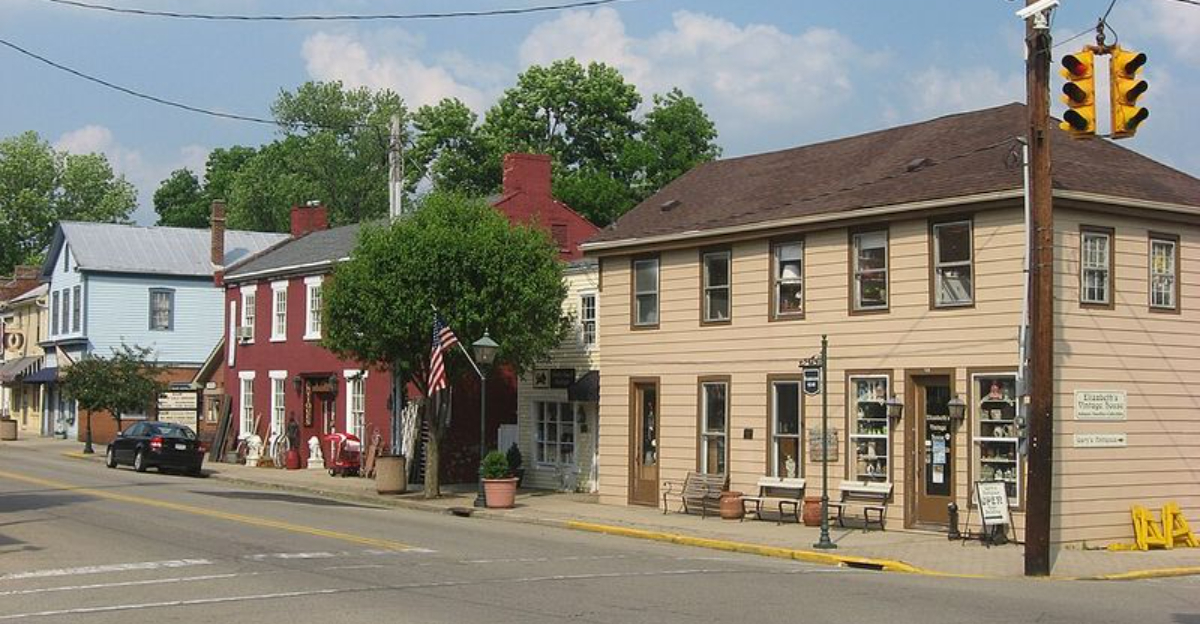
A small-town stroll gets a lot more interesting when every doorway seems to lead to old books, antique finds, and objects with stories attached.
In this tiny Ohio town, the sidewalks feel made for curious wanderers who like their shopping with a little mystery and a lot of personality. This is treasure hunting with a bookmark in one hand and a vintage lamp in the other.
Book lovers, antique hunters, and casual browsers can spend hours moving from shelf to shelf and shop to shop, never quite knowing what will appear next. One minute it is a worn hardcover with character, and the next it is a quirky piece of decor you suddenly cannot imagine leaving behind.
The charm comes from how real it all feels. The streets, storefronts, local shopkeepers, and well-loved old treasures create the kind of Ohio day trip that does not need flash to be memorable.
Welcome to Waynesville: The Antique Capital of the Midwest
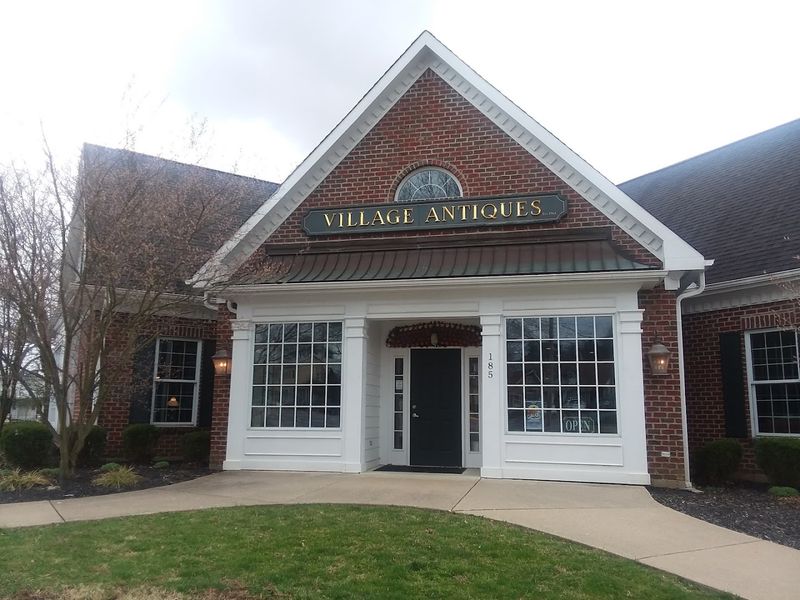
Most small towns in America have one or two antique shops tucked between a hardware store and a pizza place. Waynesville, Ohio has a whole downtown shopping scene built around antique shops, antique malls, specialty stores, and dealer spaces, and that is not an exaggeration.
The village sits at the crossroads of U.S. Route 42 and State Route 73 in Warren County, and it has earned a serious reputation as one of the top antique destinations in the entire Midwest.
With a population of just 2,669 people as of the 2020 census, this is a genuinely tiny place that punches well above its weight when it comes to shopping, history, and local character.
The village is named after General “Mad” Anthony Wayne, the Revolutionary War figure tied to the region’s early history, which gives the town a proud historical foundation.
First-time visitors are often surprised by how much is packed into such a compact area. You can park your car once and spend an entire afternoon exploring on foot, moving from one shop to the next without ever needing to drive.
A good place to begin is the historic downtown shopping district around Main Street in Waynesville, OH 45068.
A Street Full of Antique Shops Worth Every Minute
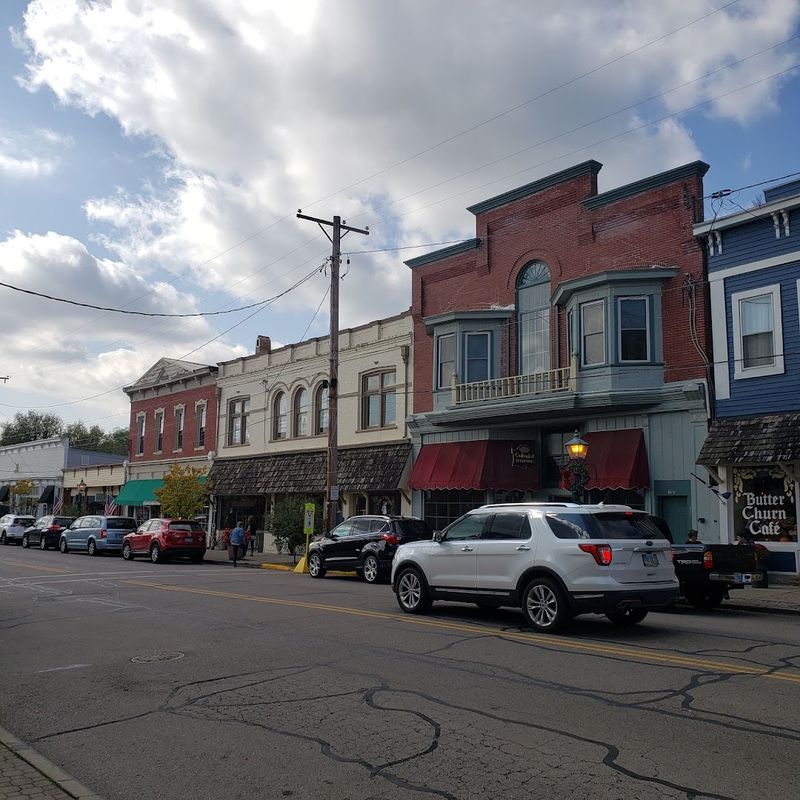
The density of antique stores here is something that genuinely has to be seen to be believed. Along the main commercial stretch, shop after shop offers furniture, glassware, old toys, vintage clothing, rare coins, and collectibles spanning more than a century of American life.
Many of the dealers are long-time locals who have spent years curating their collections, so the quality tends to be higher than what you might find at a random flea market.
Some shops are organized with careful precision, while others have that wonderful chaotic energy where you never know what might turn up behind a stack of old magazines or underneath a display table.
Serious collectors come here with specific wish lists, but casual browsers often end up leaving with something they never knew they needed until they spotted it on a shelf.
Prices range from very affordable to genuinely investment-worthy, so there is something for every budget. The experience of wandering through these stores feels less like shopping and more like a hands-on history lesson that occasionally rewards you with a fantastic bargain you will treasure for years.
The Annual Sauerkraut Festival: A Tradition Like No Other
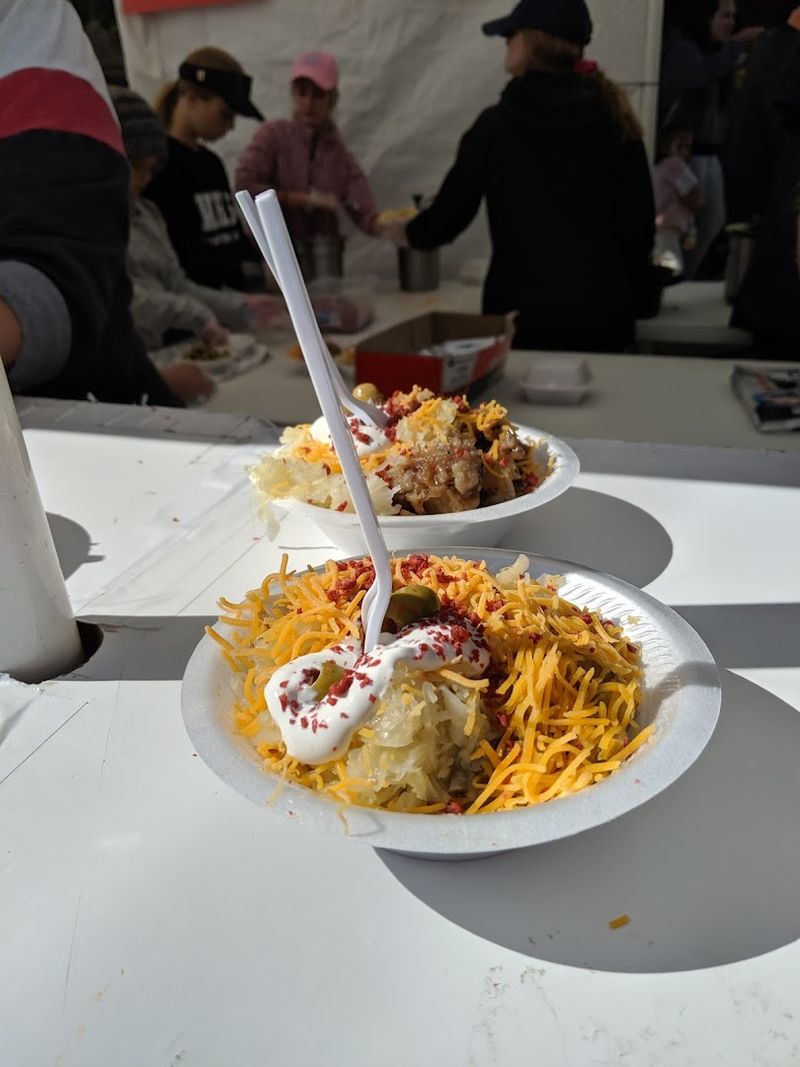
Every October, Waynesville transforms into something even more lively than usual when the annual Sauerkraut Festival takes over the streets. This event draws hundreds of thousands of visitors over two days, making it one of the biggest traditions connected to the village.
The festival began in 1970 and has grown from a small local event into a major Ohio gathering with hundreds of vendors, nonprofit food booths, entertainment, and crowds that fill downtown Waynesville.
Sauerkraut appears in forms you might never have imagined, including pizza, ice cream, and other festival creations, alongside more familiar cabbage-forward dishes that have become part of the event’s personality.
Beyond the food, the festival features craft vendors, handmade goods, entertainment, and small-town energy spread across historic Main Street.
The festival has built up more than five decades of tradition and community pride. If you plan to visit during festival weekend, arriving early and planning ahead is a smart move because the surrounding area gets extremely busy.
The History Behind the Village’s Name and Character
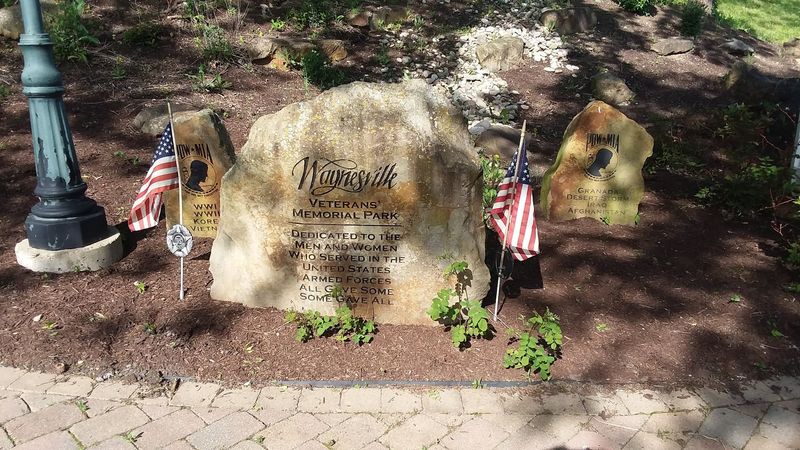
Not every small town can trace its name back to a Revolutionary War legend, but Waynesville can. The village was named for General Anthony Wayne, famously nicknamed “Mad” Anthony for his fearless and sometimes unpredictable battlefield style.
Wayne’s military campaigns in the Northwest Territory during the 1790s helped open up much of what is now Ohio to American settlement, making his legacy deeply tied to the region’s development.
The town itself was platted in the early 19th century and grew steadily as settlers moved through the area, drawn by the fertile farmland of Warren County and the accessibility provided by the road network at the Route 42 and Route 73 crossroads.
That crossroads location turned out to be a real advantage over time, making the village a natural stopping point for travelers and traders moving through southwestern Ohio.
Today, the historical identity of the town is worn with genuine pride rather than just as a marketing angle. The architecture, the festivals, and the community culture all reflect a place that has maintained a strong sense of where it came from while welcoming visitors from all directions.
Architecture and Streetscapes Worth Slowing Down For
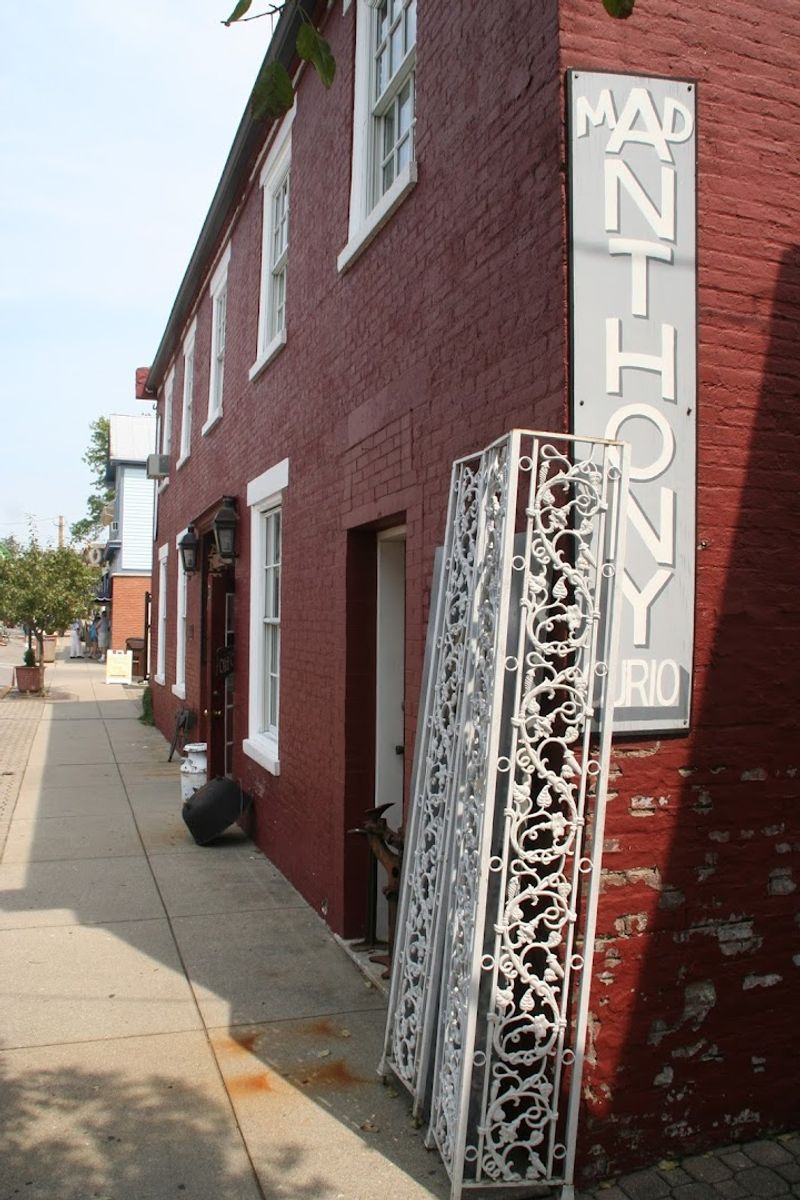
The built environment of Waynesville is one of its underappreciated pleasures. Much of the historic commercial district retains its 19th-century architecture, with brick facades, decorative cornices, and original window proportions that have survived remarkably well.
Walking slowly down the main street and actually looking up at the upper floors of the buildings reveals details that most hurried visitors miss entirely. There are carved stone accents, old painted signs fading beautifully on brick walls, and rooflines that tell the story of different eras of construction.
The residential streets nearby are equally worth exploring, with Victorian-era homes and older farmhouses that reflect the prosperity of the region during the late 1800s and early 1900s.
Several buildings have been carefully restored rather than simply renovated, which means the character has been preserved rather than replaced with modern materials that would have erased the historical feeling.
Photography enthusiasts tend to find Waynesville extremely rewarding because the light in the late afternoon hits those old brick facades in a way that makes even a casual phone photo look like something worth framing. The town genuinely earns its reputation as a visually distinctive destination.
Local Shops and Small Businesses That Keep Things Interesting
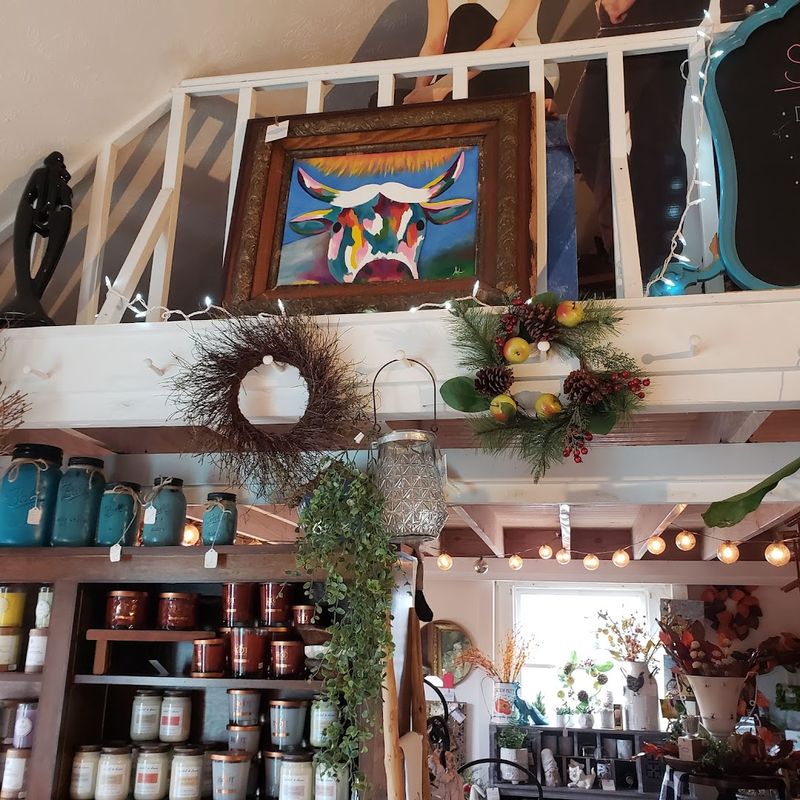
Beyond the antique stores and bookshops, Waynesville has a small but genuinely varied collection of local businesses that give the town its distinct personality.
Specialty gift shops, craft stores, and small galleries fill in the spaces between the larger dealers, making the whole district feel layered and interesting rather than one-note.
Some shops focus on a specific era or category, such as mid-century modern furniture or vintage kitchenware, while others take a broader approach and seem to stock a little of everything from every decade.
A few businesses have been family-owned for multiple generations, which gives conversations with shop owners a depth that you simply do not get from a chain retail experience. These are people who know their merchandise and genuinely enjoy talking about it.
Handmade and locally crafted items also appear throughout the shopping district, offering a nice counterpoint to the antique focus and giving visitors the chance to bring home something brand new that was still made with real care and skill.
The variety keeps the shopping experience from feeling repetitive, even after several hours of browsing. There is almost always one more doorway worth opening, one more shelf worth scanning.
Food and Refreshment Stops Between the Treasure Hunting
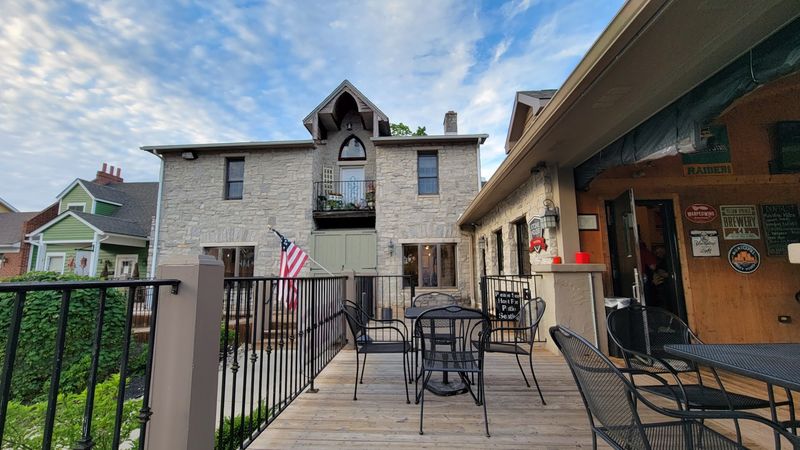
All that browsing and hunting for treasures works up a real appetite, and Waynesville has a handful of spots where you can refuel without straying far from the action. The dining options in and around the village tend toward the unpretentious and satisfying, with cafes and local eateries that fit the overall character of the town.
Small food stops are close enough to the shopping district that you can grab a meal and be back on the hunt within a reasonable amount of time. The pace at these spots tends to be relaxed and friendly, which fits perfectly with the unhurried rhythm of a day spent antiquing.
The broader shopping district also includes coffee houses, eateries, and specialty businesses, so a break between shops does not have to turn into a whole separate outing.
During the Sauerkraut Festival, the food options expand dramatically, with vendors lining the streets and offering sauerkraut dishes, festival favorites, and plenty of reasons to loosen the day’s schedule.
Even on a regular weekend, taking a break at one of the local spots gives you a chance to rest your feet and chat with other visitors who are inevitably comparing notes on what they found and where.
Warren County’s Green and Scenic Surroundings
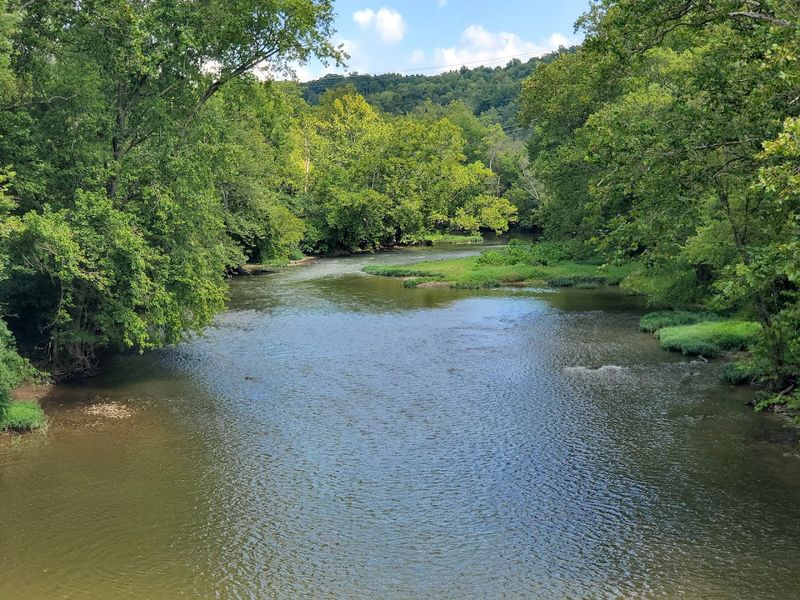
The village of Waynesville does not exist in isolation. It sits within Warren County, a region of southwestern Ohio that offers genuinely pretty countryside, with rolling farmland, creek valleys, and stretches of woodland that make the drive to town part of the overall experience.
The Little Miami River runs through the broader area, and its scenic corridor is a well-known destination for paddlers, hikers, and cyclists who use the Little Miami Scenic Trail, a paved rail-trail that passes through Warren County and nearby communities.
The trail does not run straight through the middle of downtown Waynesville, so it is more accurate to treat it as a nearby outdoor option rather than a direct sidewalk-to-shelf route into the village.
That still makes the area appealing for travelers who want to combine small-town shopping with a dose of fresh air before or after the main visit.
The surrounding landscape changes beautifully with the seasons, from the fresh greens of spring through the warm amber and orange tones of autumn, which happen to coincide with the Sauerkraut Festival and make October visits especially visually rewarding.
Tips for Getting the Most Out of Your Visit
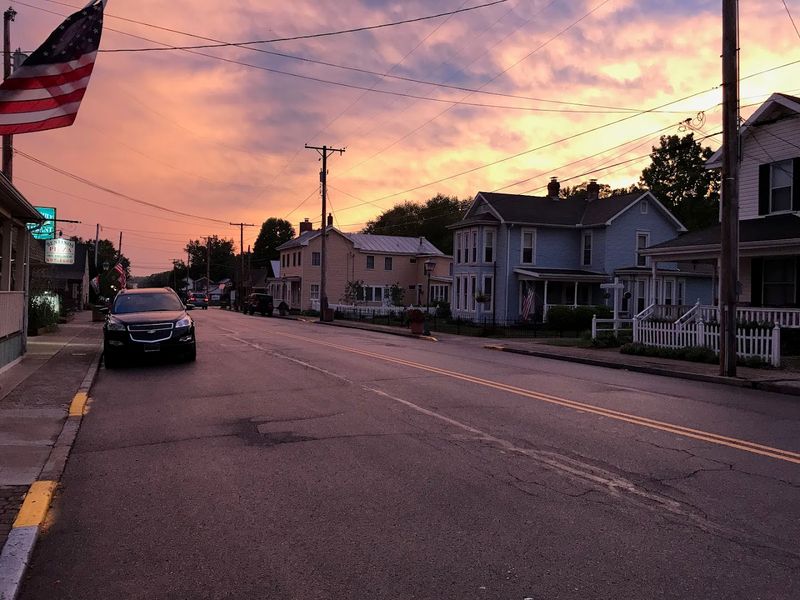
A little planning goes a long way when visiting Waynesville, especially on busy weekends when the village can get genuinely crowded with fellow treasure hunters. Arriving early in the morning gives you the best selection and the most relaxed atmosphere before the crowds build through midday.
Wearing comfortable shoes is not just a suggestion here. The combination of walking the main street, wandering through multi-room antique shops, and occasionally climbing narrow stairs to upper floor galleries adds up to a serious amount of walking over the course of a day.
Bringing cash is still a smart move at many of the older, smaller dealers who may not accept cards or who offer better prices for cash transactions. An ATM is available in the area, but having some on hand saves time.
If you are serious about furniture or larger pieces, knowing your vehicle’s cargo capacity before you go prevents that painful moment of falling in love with a piece you cannot physically transport home.
Weekend visits during spring and fall tend to offer the best combination of weather, shop hours, and overall village energy. Mid-week visits are quieter and can feel almost like having the whole town to yourself.
The Community Spirit That Makes Waynesville Feel Real
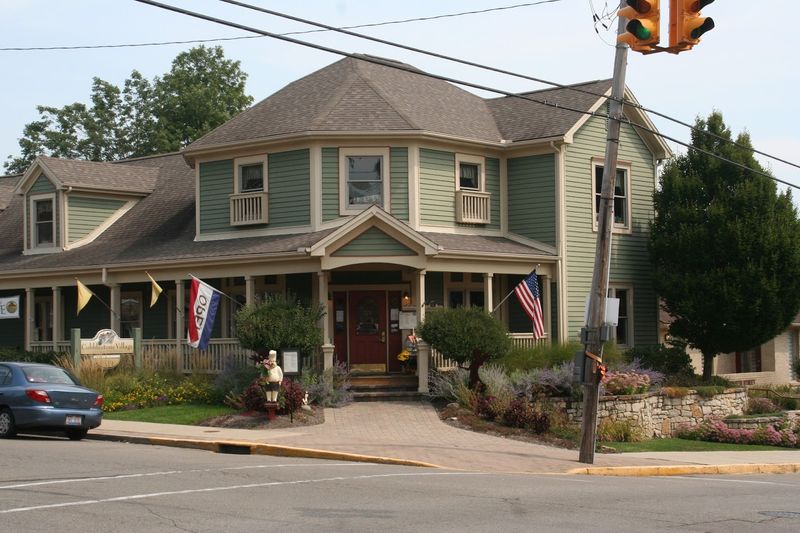
What separates Waynesville from a purely commercial antique destination is the sense that this is still a real, functioning community where people actually live and take pride in their surroundings.
The shop owners are neighbors, the festival volunteers are locals, and the care taken with the historic buildings reflects genuine community investment rather than just tourist-facing polish.
That human quality comes through in small ways throughout a visit. A shop owner who remembers what you were looking for last time you stopped in, a neighbor sweeping the sidewalk in front of a building that has been in the family for three generations, or a hand-lettered sign in a window that has clearly been there for years.
Community events beyond the Sauerkraut Festival keep the village active and engaged through the rest of the year as well, with seasonal gatherings and local celebrations that reflect a town that genuinely enjoys being a town.
Visitors who treat the experience as a cultural exchange rather than just a shopping trip tend to leave with a much richer impression of the place.
The warmth here is not performed for tourists. It is simply what the community has always been, and that authenticity is perhaps the most valuable thing Waynesville offers.
Why This Little Village Deserves a Spot on Your Travel List
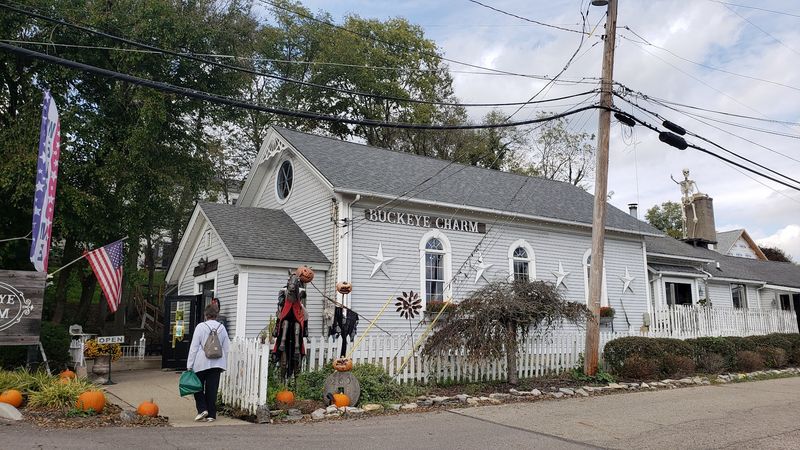
There is a specific kind of satisfaction that comes from spending a day in a place that has held onto its identity without apology. Waynesville has been doing exactly that for well over a century, and the result is a destination that feels earned rather than manufactured.
The combination of serious antique shopping, used-book browsing, rich local history, and an annual festival that draws crowds from across the state makes this village unusually well-rounded for its size.
Day-trippers from Cincinnati, Columbus, and Dayton have known about Waynesville for years, but the town still manages to feel like a discovery to first-time visitors who stumble across it without expecting much.
That pleasant surprise is part of what keeps people coming back, often multiple times a year as the seasons change and new inventory cycles through the shops.
Ohio has its share of well-publicized destinations that attract attention through marketing and spectacle.
Waynesville attracts attention through the simple, durable appeal of a place that is genuinely itself, full of real objects with real histories, sold by real people who are happy to tell you the story behind every single one.