
This Ann Arbor Michigan Store Turns Recycled Materials Into Budget-Friendly Craft Supplies
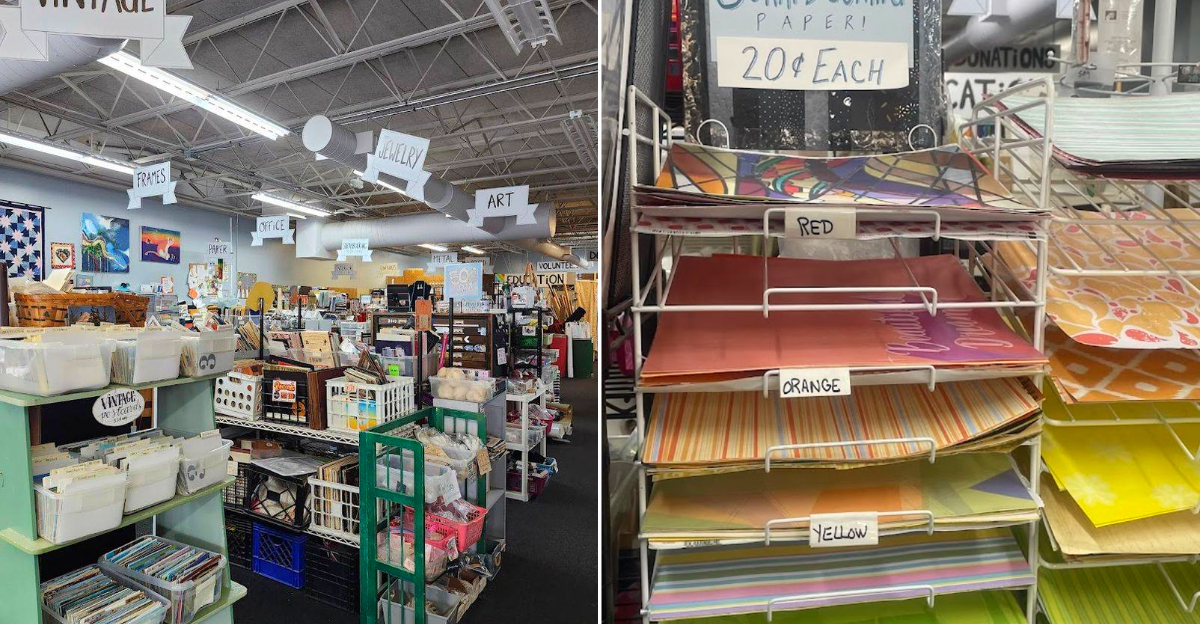
I love a shop that makes me feel smarter for not buying something new. In Ann Arbor, this kind of stop has a very specific charm: bins of paper, fabric, tools, buttons, containers, strange little objects, and materials that seem to whisper, “You could definitely become a more creative person today.”
The fun is not in polished perfection. It is in digging slowly, noticing texture, and letting one odd find rearrange your entire afternoon.
For creative shopping in Michigan, this Ann Arbor reuse shop offers affordable art supplies, donated materials, local mission, and the thrill of sustainable discovery.
What I like most is that it feels useful and imaginative at the same time. You can come in with a project, or with no plan at all, which is more dangerous. Either way, you leave with possibilities, and probably a few things you will have to explain later.
Start With A Cart And A Plan
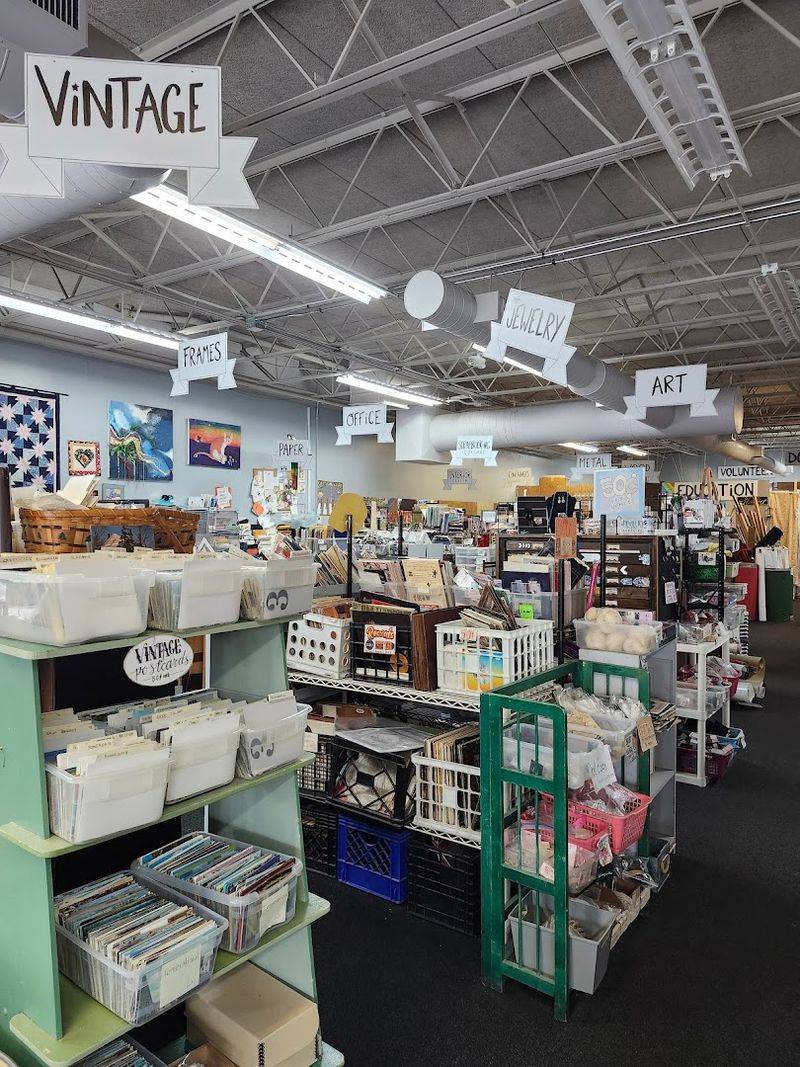
The first surprise is how quickly your hands fill up. SCRAP Creative Reuse carries donated art, office, and craft materials, so a simple browse can turn into a stack of cardstock, ribbon, frames, and odd treasures before you reach the second aisle. A rolling cart makes the visit calmer and much smarter.
The atmosphere is lively but not chaotic, because categories keep the abundance readable. I found it easiest to begin with one project in mind, then leave room for useful accidents.
That balance matters here, since the inventory shifts constantly and the best finds often appear where you were not planning to look. A cart gives you space to compare, edit, and stay pleasantly curious instead of overloaded at the counter.
How To Get To This Creative Reuse Shop
The SCRAP Creative Reuse shop sits at 4567 Washtenaw Avenue in Ann Arbor, Michigan, on one of the area’s busier commercial corridors. It is not hidden deep downtown, which makes it fairly easy to reach by car, especially if you are already moving between Ann Arbor and Ypsilanti.
Washtenaw Avenue can feel practical rather than scenic, but that actually fits the stop. You are heading to a place built around useful surprises, donated materials, and second-chance objects, so the everyday roadside setting makes the discovery feel even more satisfying once you arrive.
The easiest plan is to check traffic and parking before you go, especially during busy shopping hours. Once you are there, give yourself enough time to browse slowly, because this is the kind of place where the best finds usually appear after a second lap.
Look For Organization Beneath The Abundance
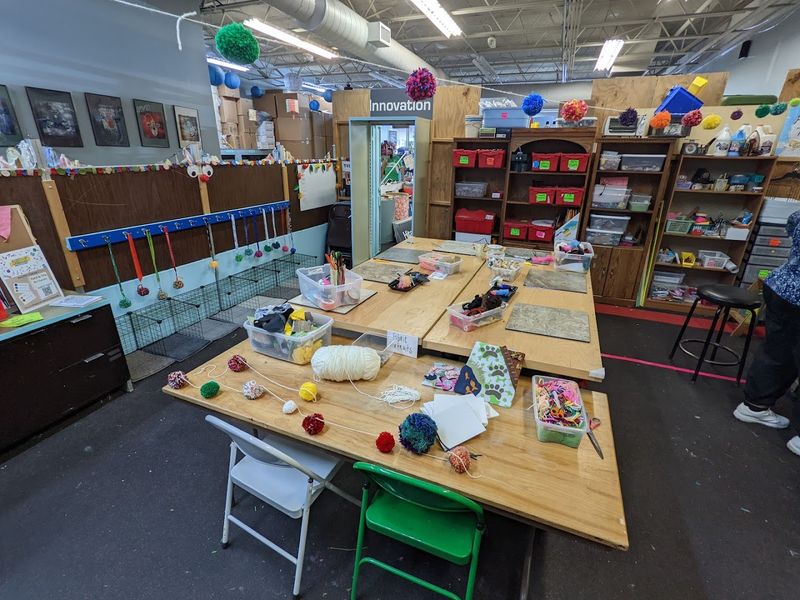
From the doorway, SCRAP can read as a cheerful overload. Then your eyes adjust, and the layout starts making sense: like materials grouped together, colors often clustered, bins inviting enough to dig through without losing the thread of your visit.
That hidden order is one reason the place feels welcoming rather than exhausting. The store began in 1983 as The Scrap Box and joined the national SCRAP Creative Reuse network in 2020, but the older local spirit still shows in the practical setup.
It is a nonprofit with a clear mission, not a decorative idea of reuse. My best advice is to scan the whole room first, then circle back slowly. Once you understand the structure, the hunt becomes sharper, cheaper, and much more fun.
Check Prices With Flexibility, Not Fantasy
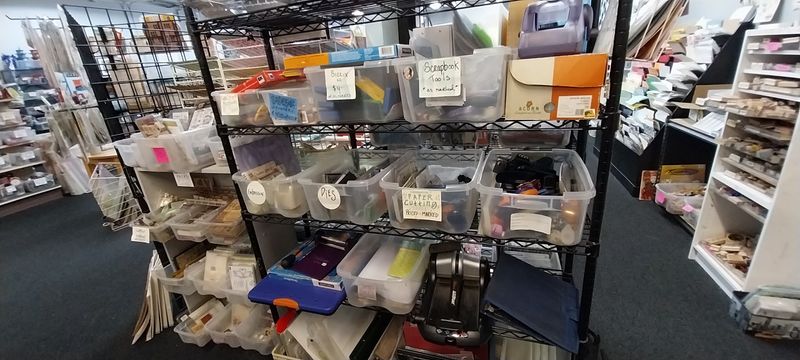
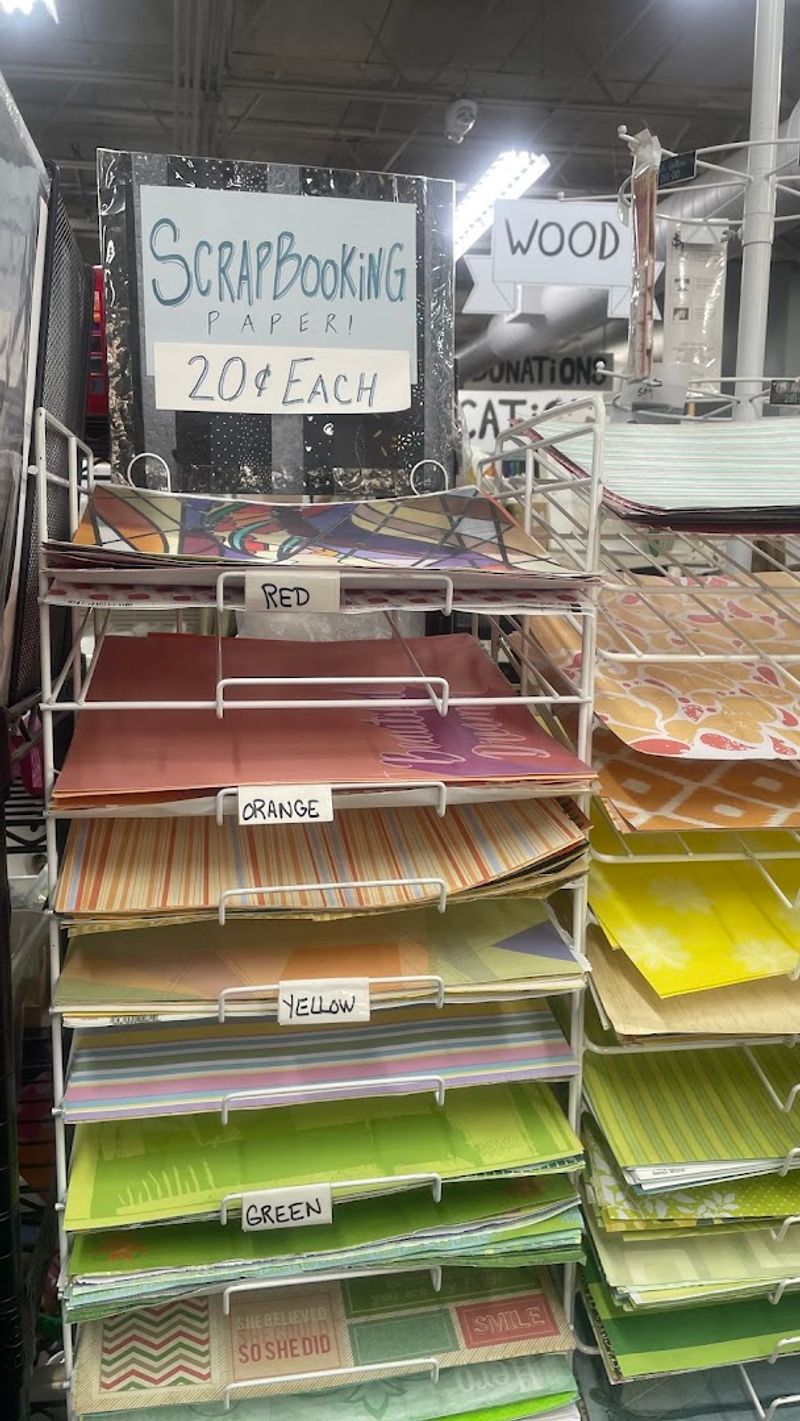
Budget friendly does not mean every single object is the deal of the century. Most materials at SCRAP are priced around one third to one half of retail because they are donated, but some categories require a more flexible eye, especially when quantities, condition, or brand vary from item to item.
Thoughtful shopping works better here than impulse stacking. The good value often appears in mixed lots, unusual remnants, and materials you only need in small amounts.
That makes the store especially useful for testing techniques, stocking a classroom, or finishing a project without buying new bulk supplies. I try to compare usefulness, not just sticker price. When you shop that way, the store’s mission and your budget usually meet in a satisfying middle ground.
Let The Odd Bins Teach You What You Need
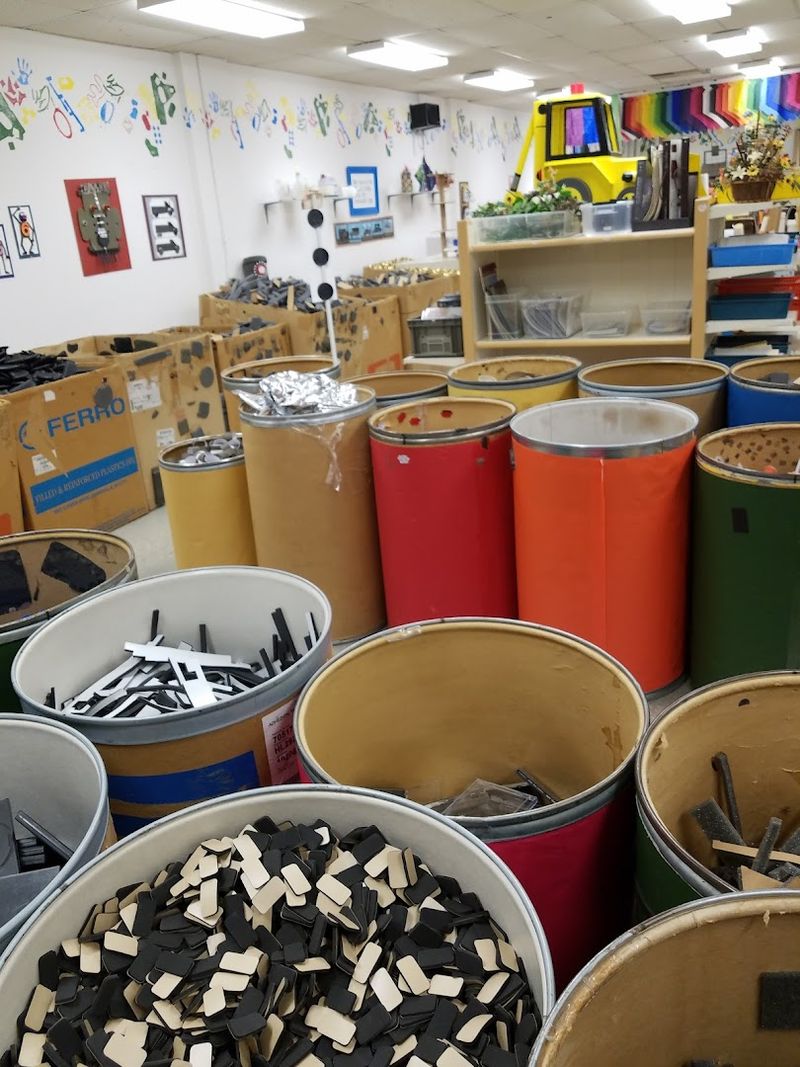
Some of the best moments happen in the least glamorous containers. A barrel of clips, a bin of plastic bits, a tray of old notions, or a basket of vintage ephemera can shift a project from ordinary to memorable in about thirty seconds. This store excels at materials you would never buy in standard packaging.
That is also where SCRAP’s environmental purpose becomes tangible. Last fiscal year, the organization processed 30 tons of material, and the result is not abstract sustainability language but actual objects waiting for a second life in someone’s hands.
If you arrive with only a shopping list, leave a little room for serendipity. The strange small things often become the finishing detail, the visual joke, or the texture your project was missing.
Ask About Workshops Before You Leave
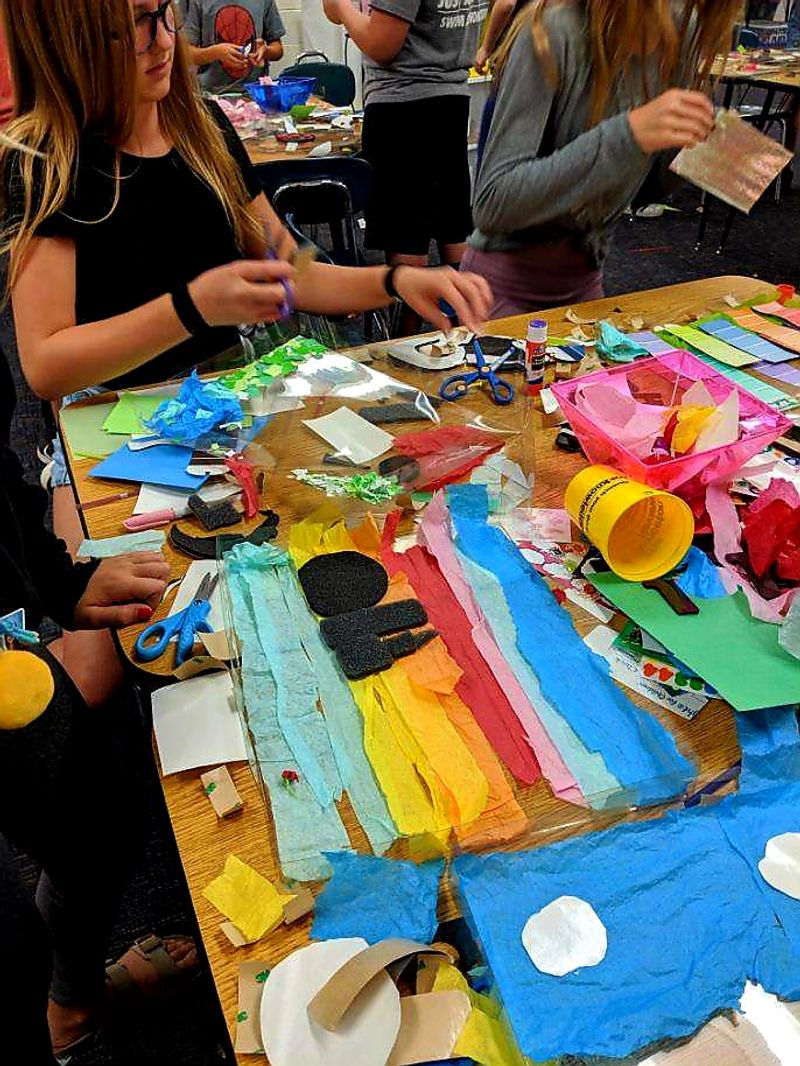
Beyond the store itself, SCRAP runs workshops, crafternoons, summer Camp Scrap!, field trips, and scouting outings, which gives the place a fuller civic life than a casual shopper might expect. The classroom energy changes how you read the shelves.
Materials are not just products here. They are prompts for learning, experimentation, and shared making.
I like places that let curiosity continue after the purchase, and this one clearly does.
Jewelry making and sewing classes fit naturally with the stock, but the broader lesson is creative reuse as habit rather than slogan. Before leaving, check what is coming up and whether online ordering, pickup, or shipping might help you plan a later visit. The store feels richer when you see it as both resource center and classroom.
Notice The Nonprofit Mission In The Smallest Details
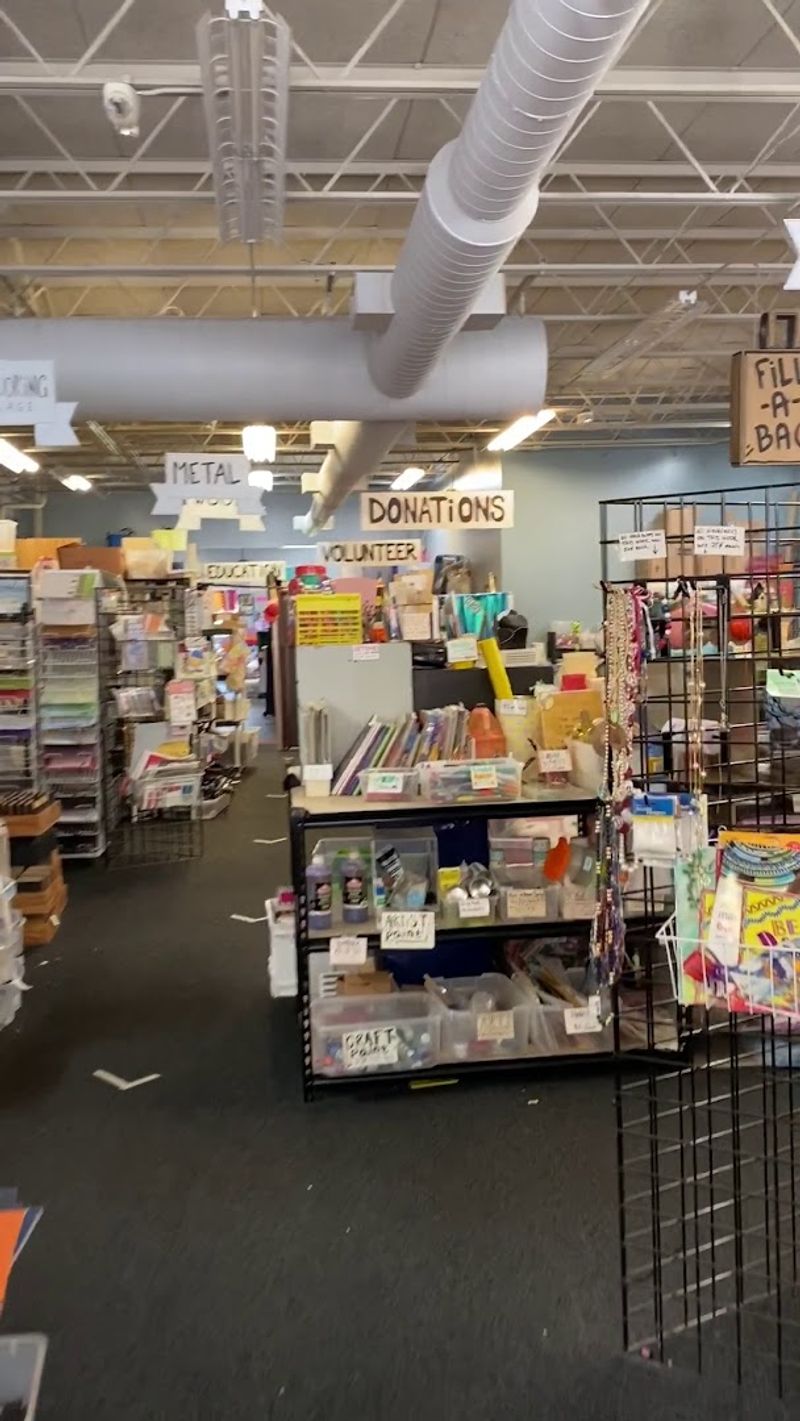
What lingers after a visit is not just the pile of supplies but the logic behind it. SCRAP Creative Reuse is a 501(c)(3) nonprofit, and proceeds support a mission centered on creative reuse and environmentally sustainable behavior.
That purpose shows up in practical ways, from the donation-based inventory to the educational programming. The effect is subtle but important. Instead of feeling like a store built around endless consumption, it feels like a local system for keeping useful materials in motion.
You can see that in the mix of office supplies, fabric, markers, wood, metal, and paper, all waiting for another chapter. If you care about circular economy ideas, this is one of those rare stops where the concept becomes visible, affordable, and refreshingly hands on.
Go When You Have Time To Browse Slowly
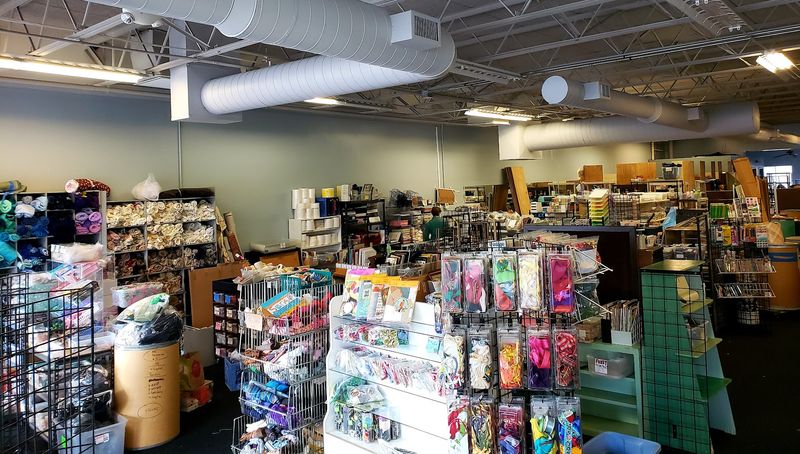
SCRAP is open daily from 11 AM to 6 PM, and that consistent schedule helps, but this is not an ideal errand for a rushed half hour. The store rewards unhurried attention because new possibilities appear only after your eyes settle.
Fabric near the sewing notions may spark one idea, then a stack of paper or a box of frames quietly suggests another. Slow browsing also helps you distinguish between something merely interesting and something genuinely useful.
Since the stock changes often, a visit has a mild seasonal feeling even without holiday décor or special fanfare. I would choose a time when you can wander, compare, and think. The point is not just to buy cheaply. It is to let the place reorganize your imagination a little.
Bring Donations Only After Checking The Rules
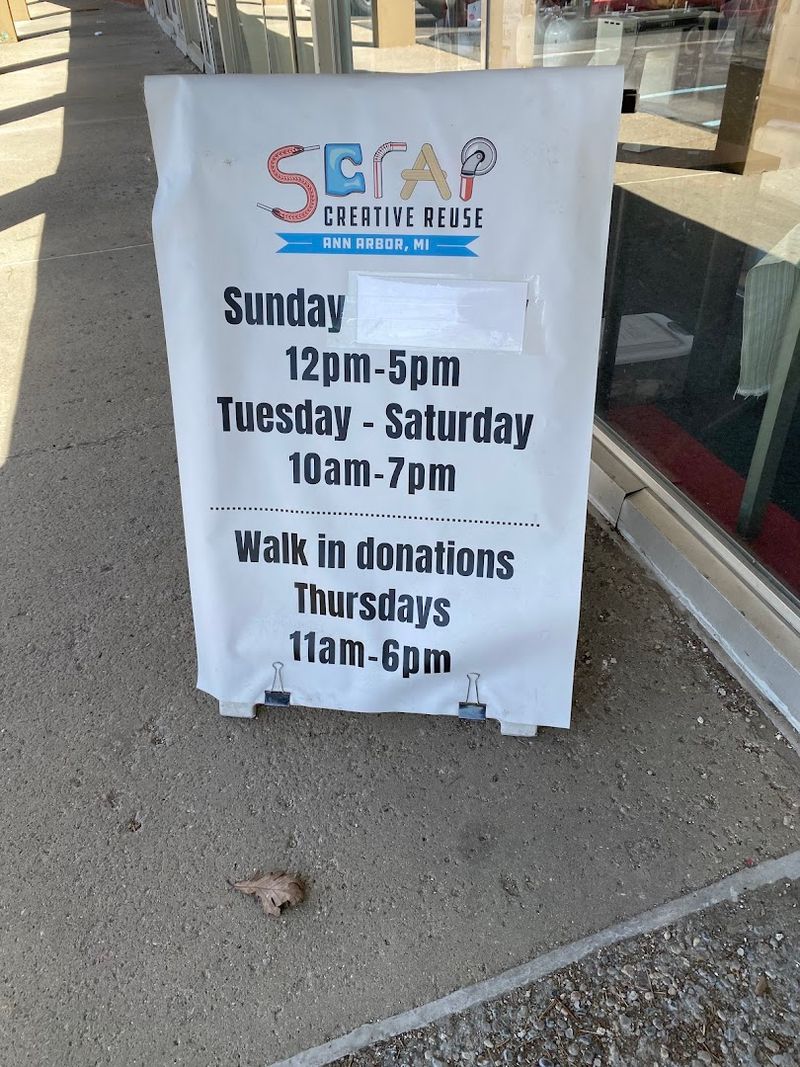
A good visit can make you want to go home and clear a closet immediately, but donation logistics are specific. SCRAP depends on donated materials, yet items should be brought according to current guidelines, with appointments for donations or walk-in donation hours on Thursdays, plus a needed-items list available on the website.
That structure protects the store from becoming a random dumping ground. The distinction matters because the quality of the shopping experience begins with careful intake. When donations are usable and timely, everyone benefits: teachers, artists, families, and anyone trying to make something without paying full retail for every component.
Check scrapa2.org before loading the car. Thoughtful giving is part of what keeps the place practical, not just idealistic, and that practicality is one reason it works.
Use It For Experimentation, Not Perfection
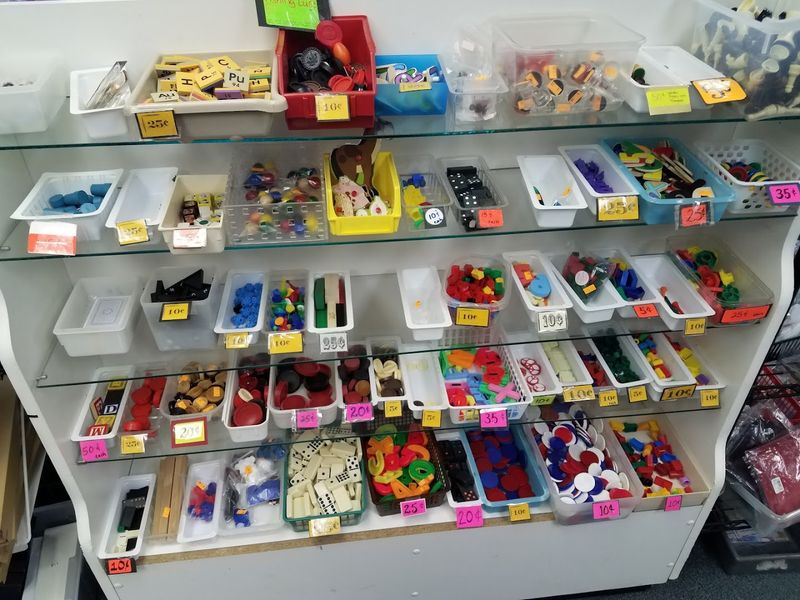
Perfection is not the most interesting mindset to bring through these doors. SCRAP is strongest when you want to test a material, try a new format, or solve a project problem with resourcefulness instead of pristine matching supplies.
Pens, markers, paper, fabric pieces, and specialty leftovers make experimentation cheaper and much less intimidating. That practical freedom is especially useful for beginners, teachers, and experienced makers who know that prototypes can be messy.
I have seen how quickly a small purchase here can unlock an idea that would have felt too expensive to attempt with brand-new materials. The store even carries a small selection of new basics like glue and magnets, which helps bridge the gap between found supplies and finished work without breaking the spell.
Think Of The Visit As Local Culture, Not Just Shopping
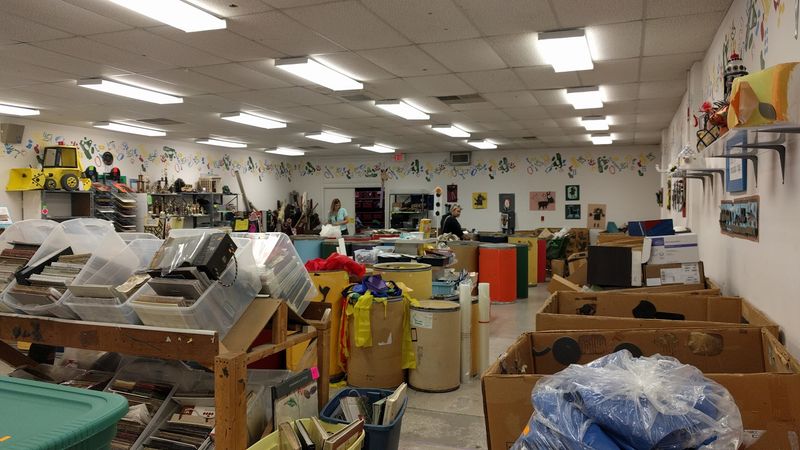
By the time you leave SCRAP Creative Reuse at 4567 Washtenaw Ave, the store feels less like a bargain stop and more like a portrait of Ann Arbor’s practical imagination. People come for supplies, of course, but the deeper appeal is a community habit of saving, sorting, repurposing, and making room for another person’s next idea.
That is a local culture worth noticing. The address is easy enough to reach, the hours are straightforward, and the website and phone line make planning simple. Yet the real recommendation is less logistical than philosophical: go ready to be surprised by usefulness.
In a retail landscape built around excess, this place offers a rarer pleasure. It turns leftovers into possibility, and does it with warmth, purpose, and plain good sense.