
This Bloomfield Hills Michigan Museum Turns A Science Visit Into A Campus-Wide Escape
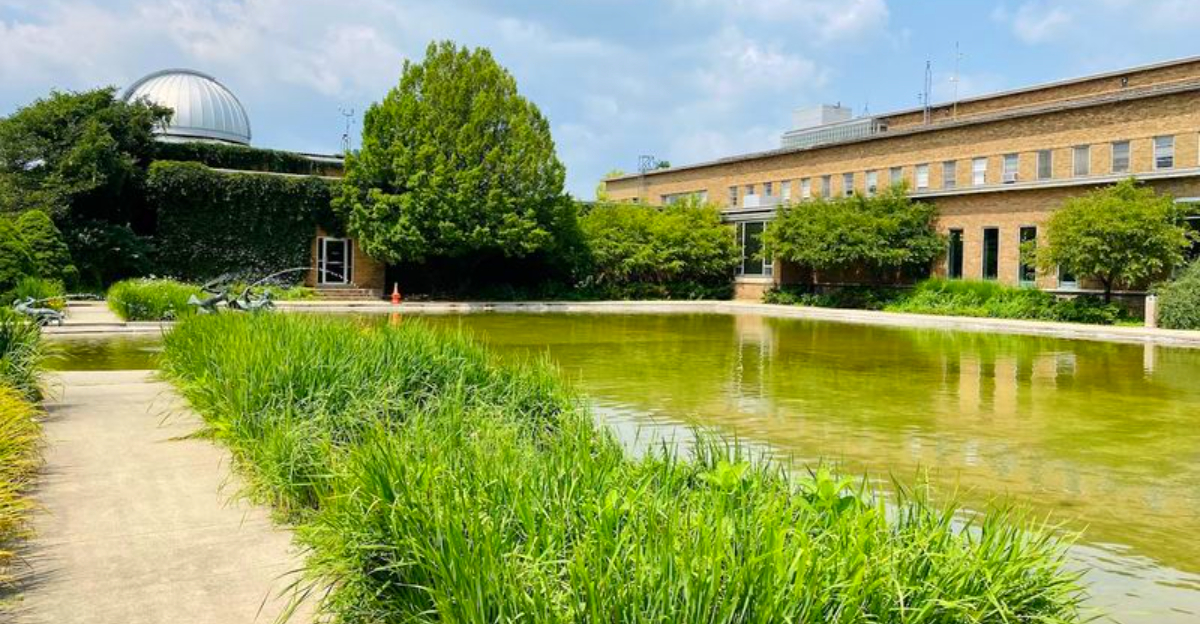
This is not the kind of museum where you shuffle past glass cases wearing your “I am being educational” face. It has better instincts. First, there is the dinosaur doing its obvious excellent work. Then the planetarium starts making your daily problems seem comically small.
Before long, you are wandering through rocks, fossils, natural history, and campus scenery with the pleasant feeling that your brain has been taken outside for fresh air.
A Michigan science outing feels especially rewarding here, where prehistoric drama, star-filled shows, thoughtful exhibits, and Bloomfield Hills beauty turn curiosity into a full-day mood.
What I like is the balance. It is smart without feeling stiff, family-friendly without becoming chaos, and spacious enough to let you follow your attention instead of a strict itinerary.
Start with the spectacle, then give the quieter corners a chance, because that is where the visit starts feeling less like a stop and more like a small expansion of your day.
Start With The T. Rex, Then Slow Down
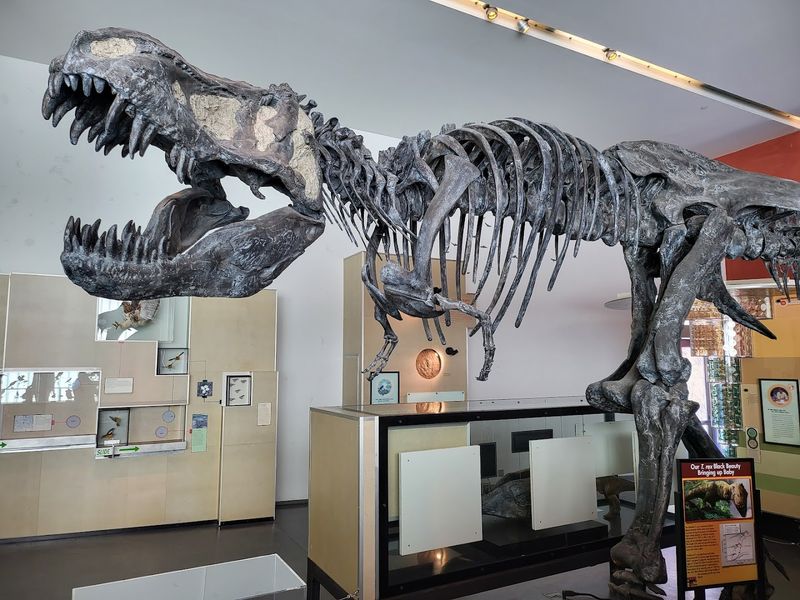
The first thing that resets your expectations is the full-sized Tyrannosaurus rex skeleton cast. It gives the entrance hall a jolt of scale, but the smarter move is not to sprint past it in search of something bigger. I paused there longer than expected, letting the museum’s tone settle in.
From that point, the Institute starts reading less like a checklist and more like a sequence. The collections are broad rather than overwhelming, which makes careful looking possible.
If you begin with the showstopper and then intentionally decelerate, the rest of the museum opens up with much more clarity, and the visit feels richer than the square footage first suggests.
Getting There Without Losing The Calm Before The Museum
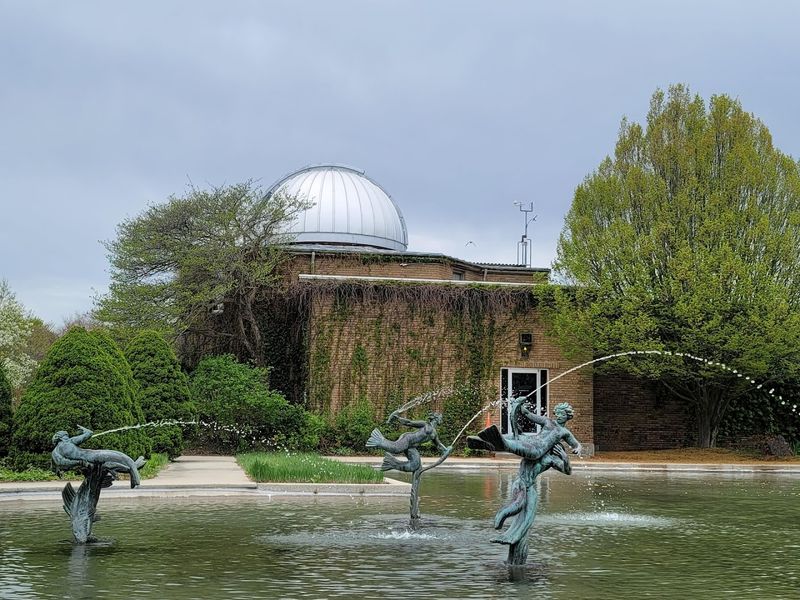
Cranbrook Institute of Science, 39221 Woodward Ave, Bloomfield Hills, MI 48303 sits on the Cranbrook campus, so the arrival already feels different from a standard museum stop. You are not just pulling up to a building on a busy road, you are entering one of Michigan’s major education, art, and science campuses.
Woodward Avenue keeps the route simple, especially if you are coming from Detroit, Birmingham, Royal Oak, or the northern suburbs. The important thing is to slow down once you reach the campus area, because this is the kind of place where signage, turns, and parking matter more than speed.
Once you arrive, let the setting do some of the work. The museum has that polished Cranbrook feeling, with architecture, trees, and campus space giving the visit a more elevated mood before you even get to the exhibits, planetarium, or science displays.
Give The Mineral Collection Real Time
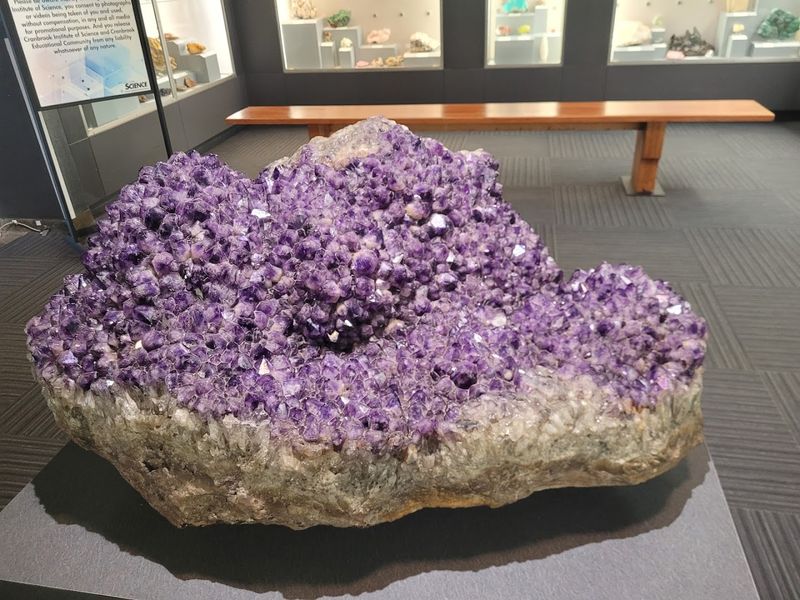
Bright mineral cases can look, at first glance, like a visual intermission between bigger attractions. That would be a mistake here. The Mineral Study Gallery is one of the Institute’s most quietly absorbing spaces, and it rewards the kind of close attention that turns color and structure into something almost architectural.
What I liked most was the way the room changes your pace. Instead of moving exhibit to exhibit for quick facts, you start comparing surfaces, shapes, and improbable colors.
Visitors often talk about lingering here, and I understand why. If you usually think geology is not your subject, this is the place to test that assumption and probably abandon it.
Expect A Focused Museum, Not A Marathon
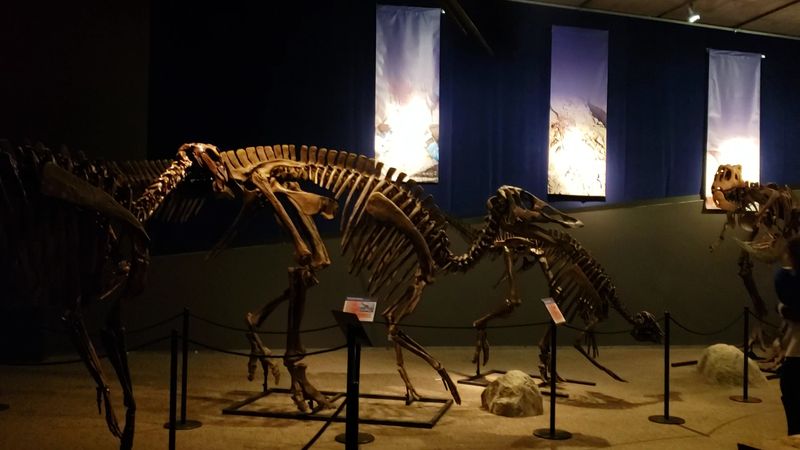
One useful truth about Cranbrook Institute of Science is that it is not enormous. That sounds limiting until you realize the scale makes concentration possible, especially if you are traveling with mixed attention spans or simply do not want a six-hour endurance test.
A half day is often enough for the permanent exhibits and a show. The key is to respect the museum’s size without underestimating its content. There are collections on natural history, astronomy, Michigan wildlife, and more, but they are arranged in a way that stays approachable.
I found that the smaller footprint made the visit feel curated rather than reduced, which is a much rarer quality than museum planners probably admit.
Use The Interactive Exhibits Selectively
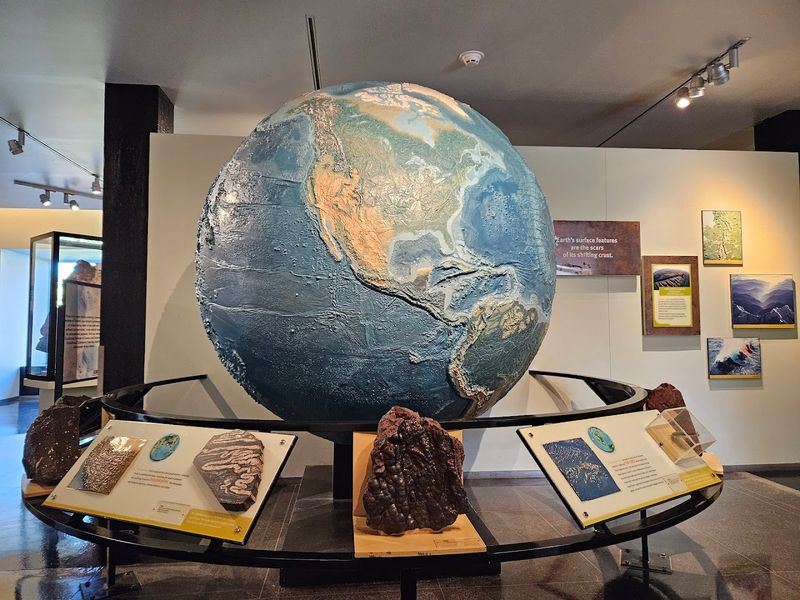
The hands-on areas are part of what makes the Institute especially useful for families, but they are not only for children. A few minutes with an interactive exhibit can break up the denser object-based galleries and keep the visit feeling alive.
Used well, they change the energy without turning the museum into noise. That said, I would not try to touch everything. Pick the stations that genuinely interest you, then move on before novelty turns into clutter.
The museum’s strength is its balance between specimens, interpretation, and participation. If you approach the interactives as punctuation rather than the entire sentence, you get a more satisfying experience and leave with clearer memories of what actually stood out.
Step Outside When You Need Your Brain To Reset

A small but important trick is to leave the galleries before you feel finished with them. The Institute includes an outdoor science garden and access to nature-oriented spaces that act like a pressure valve after darker rooms and glass cases. Even a short walk changes your attention in a helpful way.
Because the museum sits within the larger Cranbrook setting, the transition from exhibit hall to outdoors feels unusually graceful.
I liked that the day never had to become all fluorescent interiors and reading labels. If you are visiting with children, this matters even more. Fresh air in the middle of the trip often prevents the late-visit slump and makes a return to the museum feel intentional instead of dutiful.
Check The Temporary Exhibits Before You Go

The permanent collections give Cranbrook Institute of Science its backbone, but temporary exhibitions often provide the spark that shapes a specific visit. Several recent visitors made the trip for changing shows, and that seems exactly right.
A timely exhibit can turn a familiar museum into a reasoned return rather than a repeat. Before heading over, I would always check what is currently on view through the museum’s website. That single step helps you decide how long to stay and whether to pair the exhibition with a planetarium show.
It also prevents that mildly annoying feeling of discovering, too late, that the thing you most wanted to see required better planning than your spontaneous self supplied.
Aim For The Right Time Of Day
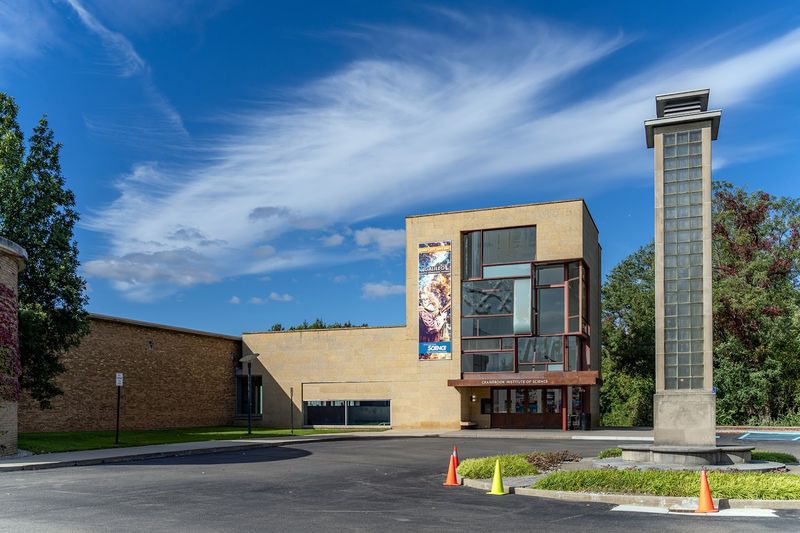
Timing changes the feel of this museum more than you might expect. Arriving near opening usually means easier parking, quieter galleries, and a better chance to choose your pace before school groups or weekend surges alter the acoustics.
For a place built around attention, that calmer start matters. There is also a practical reason to plan ahead: regular hours are not seven days a week, with the museum generally open Wednesday through Saturday from 10 a.m. to 5 p.m. and Sunday from noon to 4 p.m.
I keep those boundaries in mind because the Institute rewards intention. It is not the kind of stop you should leave to vague afternoon optimism.
Use The First Friday Free Admission Wisely
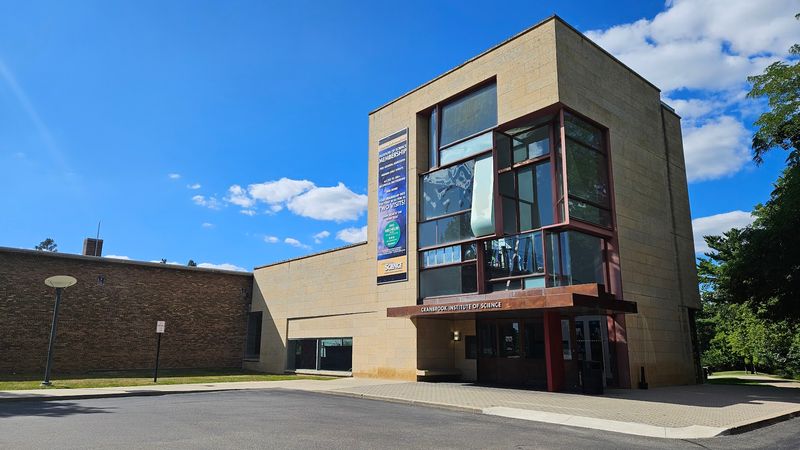
The Institute often offers free general admission after 5 p.m. on the first Friday of each month, which is generous and worth knowing about. The important nuance is that free entry can change your strategy. You may not have the quietest possible experience, but you gain a low-risk way to get oriented.
I like this option for a reconnaissance visit, especially if you are deciding whether to return for a longer day, a planetarium program, or a temporary exhibition.
Just remember that some experiences, including planetarium and changing exhibit access, may cost extra. Treated sensibly, the free evening is less a bargain hunt than a smart introduction to the museum’s particular style and scale.
Plan Your Meal Break Instead Of Improvising One

Museum fatigue often arrives disguised as indecision, and lunch is where that usually becomes obvious. Cranbrook Institute of Science makes this easier than many places by offering Reflections Cafe and allowing visitors to pack a lunch to eat on the lower level.
That flexibility can rescue the middle of the day.
Rather than pushing through until everyone becomes vague and irritable, schedule the break before your attention dips. I have found that the museum reads better after a pause, especially if you are planning a planetarium show or revisiting a favorite gallery.
It also helps keep the visit from feeling transactional. Eating there, or simply resting there, lets the day breathe between bursts of looking and learning.
Read The Accessibility Notes Before Arriving
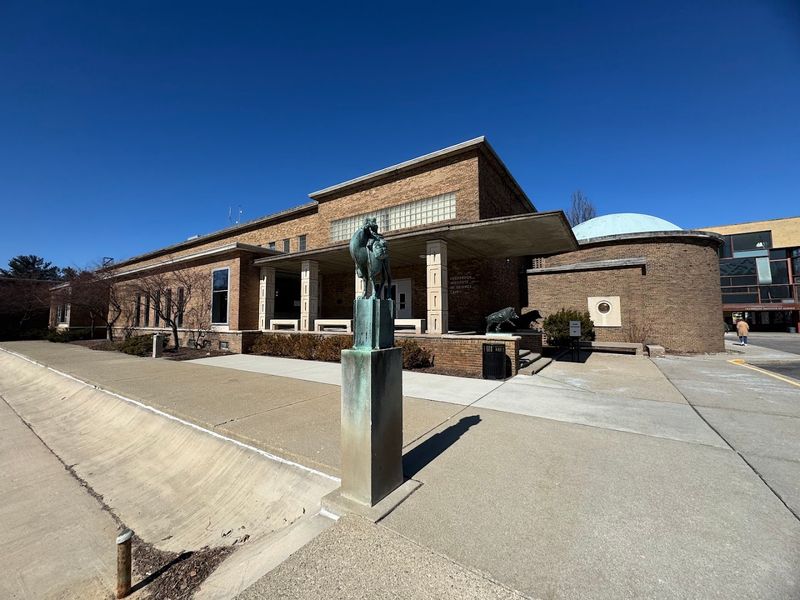
A thoughtful visit starts before the front door, especially at a place that mixes indoor galleries with outdoor features. Cranbrook provides accessibility information, and it is worth reading in advance rather than assuming every path or surface will feel the same.
That is particularly helpful if you want to include the outdoor areas. Some nearby garden spaces on the broader property note uneven natural and artificial surfaces that may make walking or wheelchair use difficult, with assistance recommended.
Even if your focus stays on the Institute itself, planning ahead removes uncertainty and makes the day more comfortable. Good logistics are not glamorous, but they are often what separate a merely possible museum trip from a genuinely enjoyable one.