
You’ll Want To Visit This Magical Hidden State Park In Washington
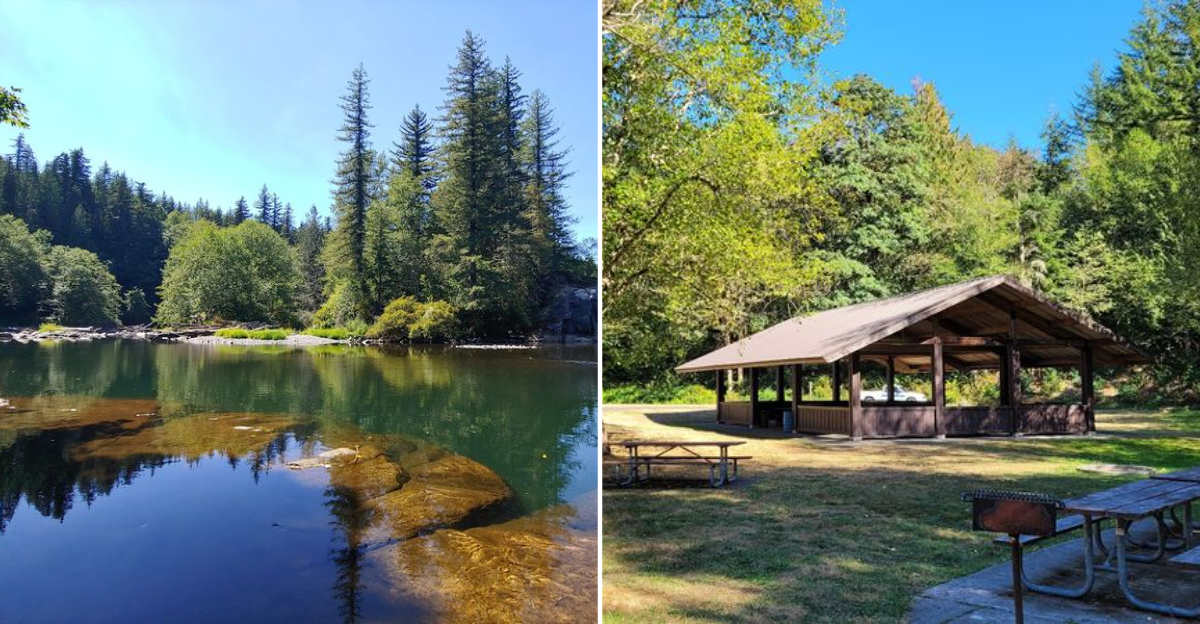
Sometimes the best adventures start with a wrong turn, a friend’s vague recommendation, or a random photo that makes you wonder “where is that?” For those curious enough to investigate, Washington harbors a truly magical state park that fits that description perfectly.
This hidden gem offers an immersive wilderness experience without requiring hours of driving or expensive permits-just pure, accessible nature that restores the soul. Rolling trails wind through magnificent forests, picnic spots invite lingering lunches, and the peaceful atmosphere makes it easy to forget about life’s stresses entirely.
Once you experience the quiet beauty of this special place, you’ll understand why visitors become devoted fans who keep returning year after year. I stumbled upon this 320-acre forested park on a whim one autumn weekend, and I left completely hooked.
The Green River And Its Whitewater Adventures
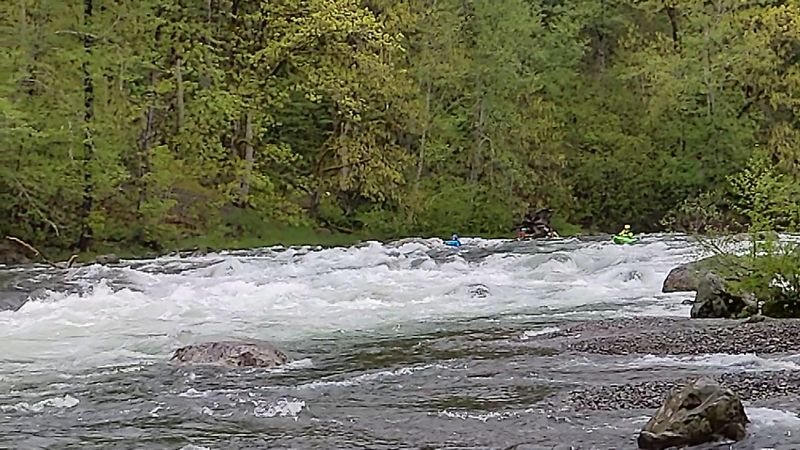
Few things wake you up faster than standing at the edge of the Green River and watching it charge through the gorge like it has somewhere very important to be. The park sits right at the mouth of the Green River Gorge, giving paddlers access to some of the most exciting whitewater in western Washington.
Rapids here range from Class II to Class IV, which means the river suits skilled kayakers and experienced rafters who want a serious challenge. Hand-launch access for watercraft is available within the park, making it straightforward to get on the water without hauling gear across long distances.
I watched a group of kayakers gear up one morning, their faces lit with that particular mix of focus and excitement that only fast water seems to produce.
Even if you are not paddling yourself, standing on the riverbank and watching the current rush through ancient sandstone formations is a pretty thrilling way to spend an afternoon.
Camping Under A Forest Canopy
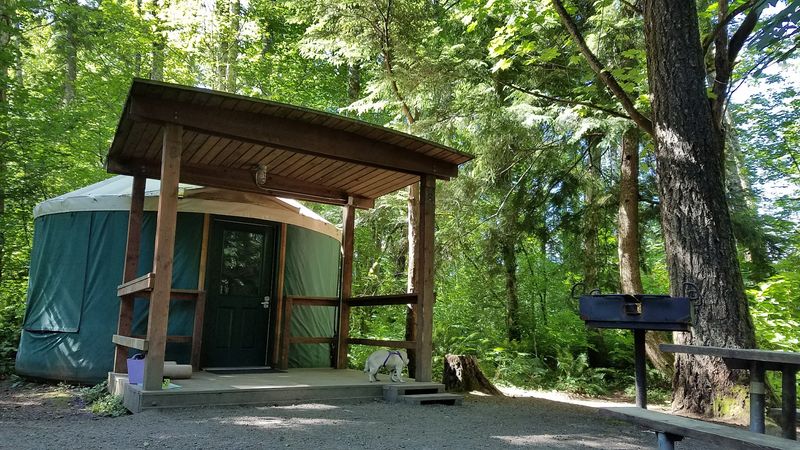
Spending a night under the hemlock and cedar trees at Kanaskat-Palmer State Park feels like the forest quietly wraps itself around your campsite and keeps the rest of the world out.
The park offers 50 campsites total, including standard sites and 19 partial-hookup sites with electric connections, which means RVs up to 50 feet long can settle in comfortably.
I set up my tent one Friday evening and was genuinely surprised by how calm and uncrowded the campground felt compared to more popular parks in the region. The sound of the river drifting through the trees replaced the usual background noise of traffic and notifications.
Reservations are a smart move for summer weekends, but shoulder-season visits often mean you can snag a great spot without much planning.
Clean bathrooms and showers, a dump station for RVs, and an automated pay station round out the practical side of things, keeping the focus on enjoying the surroundings rather than scrambling for logistics.
Staying In A Yurt For Something Different
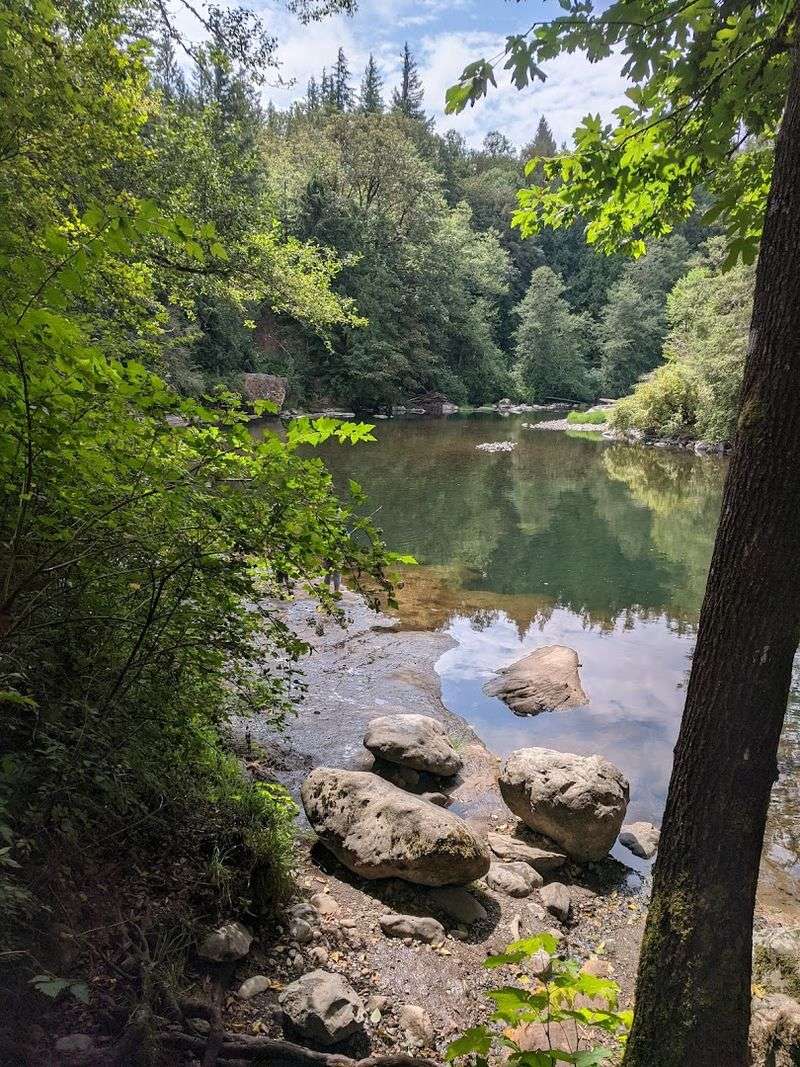
Not everyone wants to sleep on the ground, and the six yurts at Kanaskat-Palmer State Park offer a clever middle ground between roughing it and checking into a hotel. Each yurt comes equipped with electric heat, lighting, a locking door, bunk beds, and futons, which means you arrive with gear rather than furniture.
Accessible restrooms and showers are close by, adding another layer of comfort that makes yurt stays popular with families and groups who want the forest experience without sacrificing every convenience.
I reserved one on a rainy November weekend and quickly discovered that listening to rain tap against the roof of a yurt is one of the more satisfying sounds in the Pacific Northwest.
The yurts book up quickly during peak season, so reserving early through the Washington State Parks reservation system is genuinely worth the effort. For first-time campers or anyone easing back into outdoor overnights, a yurt stay here is a warm and welcoming starting point.
Hiking The River Trail Through The Gorge
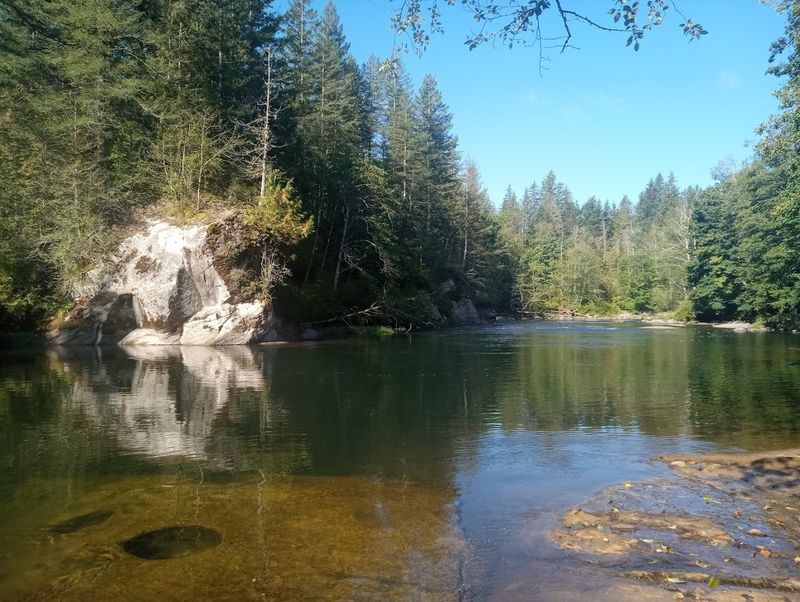
About three miles of trails wind through the park, and the River Trail is the one that earns its name honestly, hugging the riverbank and threading through a forest that feels genuinely old and unhurried. Cottonwood, spruce, alder, cedar, and hemlock line the path, creating a layered canopy that filters the light into something almost cinematic on clear mornings.
The trails here are generally well-maintained and gentle enough for kids and casual walkers, while still offering enough scenery to keep seasoned hikers engaged. I walked the River Trail on a quiet Tuesday and counted three great blue herons along a single stretch of water, which felt like a small personal record.
Views of the gorge appear at several points along the route, where the river has carved through ancient sandstone bedrock over thousands of years, exposing geological formations that geologists and curious visitors alike find fascinating.
Bring a camera, because the light hitting the canyon walls in the afternoon is the kind of scene that earns its own folder on your phone.
Fishing The Green River For Cutthroat Trout
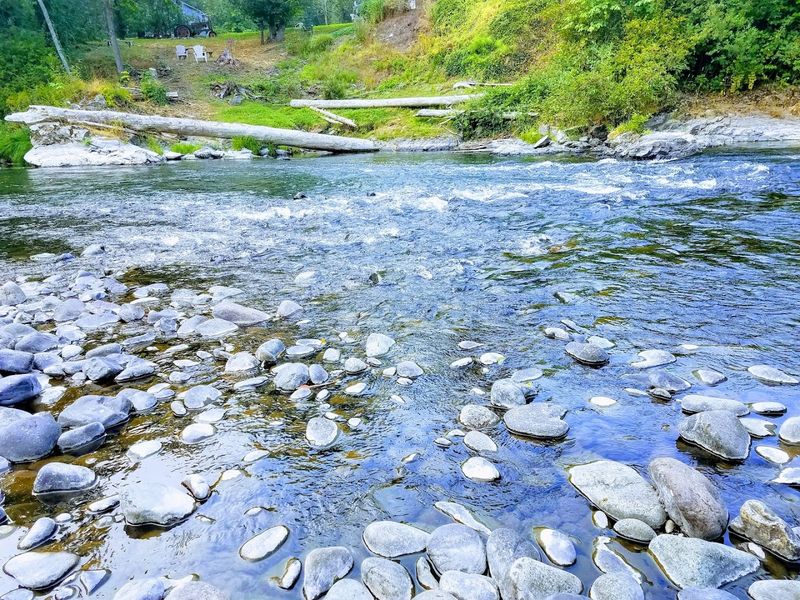
After the spring runoff settles down and the water clears, the Green River becomes a genuinely rewarding place to fish, particularly for cutthroat trout. The river moves with energy year-round, but late spring through summer tends to be the sweet spot when conditions align and the fish are active.
A valid Washington recreational fishing license is required, so picking one up before your trip saves you from that particular forehead-slapping moment when you are already standing at the water’s edge.
The park’s two miles of river shoreline give anglers plenty of room to spread out and find a comfortable spot without feeling crowded.
I tried my luck one June morning with modest results, but the experience of casting a line while listening to the current and watching the forest come alive around me was reward enough on its own.
The History Behind The Park’s Name
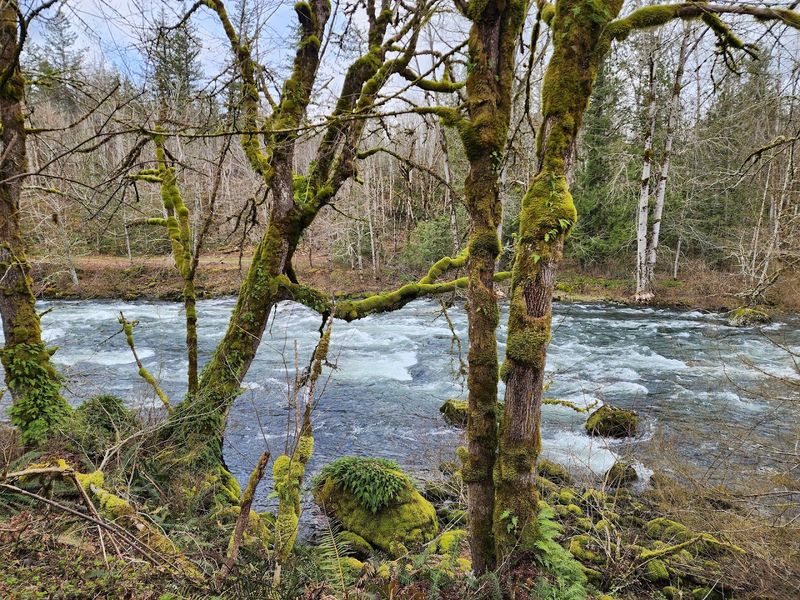
The name Kanaskat carries real weight, honoring a Klickitat chief who resisted territorial encroachment during the turbulent 1850s in what is now Washington State.
Learning that history before or during your visit adds a meaningful dimension to the experience of walking through land that has been significant to Indigenous peoples for generations.
The park lies within the traditional territories of Coast Salish Indigenous people, including the Muckleshoot Indian Tribe, whose connection to the Green River and surrounding landscape runs far deeper than the park’s official establishment in 1983. Recognizing that history feels like the respectful way to engage with a place this layered.
The area also carries a more recent industrial past, with coal mining operations once fueling local industries in the early twentieth century.
Land acquisition for the park began in the 1970s as part of broader efforts to preserve the Green River Gorge, and officially opening in 1983 marked a meaningful shift from extraction to conservation that still shapes the park’s character today.
Wildlife Watching And Bird Spotting
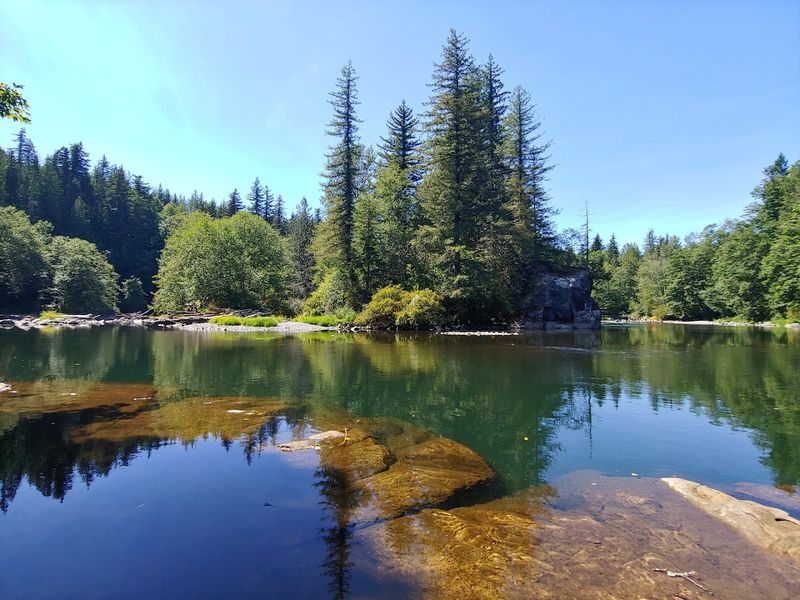
The forest and river corridor at this park support a surprisingly rich variety of wildlife, and paying attention as you walk or sit quietly by the water tends to pay off in memorable sightings.
Great blue herons are practically regulars along the riverbank, standing with that unhurried patience that makes them look like they have been there since the trees were young.
Bald eagles, osprey, and various songbirds move through the park depending on the season, and the dense mixed forest provides habitat for deer, river otters, and other mammals that occasionally appear near the water’s edge or along the trails. I spotted what I am fairly confident was a river otter one rainy morning, slipping through the current near a bend in the river.
Bringing binoculars makes a noticeable difference, especially for bird watchers who want to study the canopy or scan the opposite riverbank without startling anything. The park’s relatively low visitor traffic compared to more famous state parks means wildlife encounters here feel genuinely unscripted and unhurried.
Picnicking, Group Gatherings, And Shoreline Exploration
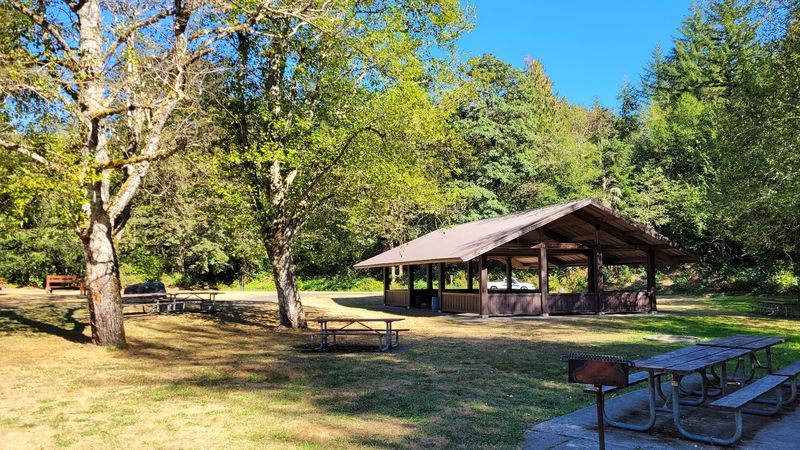
Not every visit to a state park needs to revolve around an adrenaline-fueled activity, and Kanaskat-Palmer handles the relaxed day-trip crowd just as well as it handles the whitewater crowd.
A large reservable kitchen shelter with water, electricity, and barbecue grills is available for groups who want to organize a proper outdoor meal, along with additional picnic shelters and unsheltered tables on a first-come, first-served basis.
One group camp within the park can accommodate up to 80 people, making it a practical and scenic option for family reunions, school outings, or community events that need both space and a natural backdrop. Horseshoe pits add a casual competitive element that tends to keep people entertained between meals.
Beach exploration along the two miles of river shoreline is one of those simple pleasures that kids and adults both seem to enjoy without any prompting. Poking around the riverbanks, finding interesting rocks shaped by the current, and watching the water move through the gorge keeps the curious entertained for longer than most people expect.
Planning Your Visit: Practical Tips And Getting There
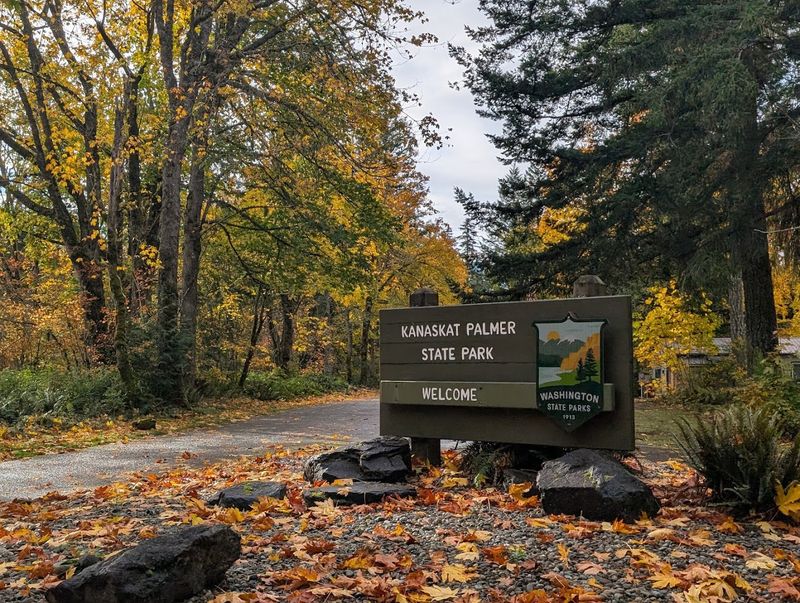
Kanaskat-Palmer State Park sits at 32101 Cumberland-Kanaskat Road, Ravensdale, WA 98051, tucked into the foothills southeast of Seattle and roughly an hour’s drive from the city. The park is open year-round from 8:00 a.m. to dusk, which gives visitors a reasonable window across every season.
A Discover Pass is required for vehicle access during day use, and both annual and single-day options are available for purchase, with the annual pass quickly paying for itself if you plan to visit multiple Washington State Parks throughout the year.
The park welcome station sells souvenirs and ice, which is a handy detail if you packed a cooler but forgot to stop on the way.
Summer and early fall tend to draw the most visitors, but spring visits offer blooming wildflowers and lively river conditions that make the gorge look especially dramatic. Winter visits bring a quieter, misty atmosphere that feels almost private, and the park’s year-round accessibility means there is genuinely no bad season to make the trip.