
This Historic Florida Mansion Is The Last Surviving Plantation Home In The State
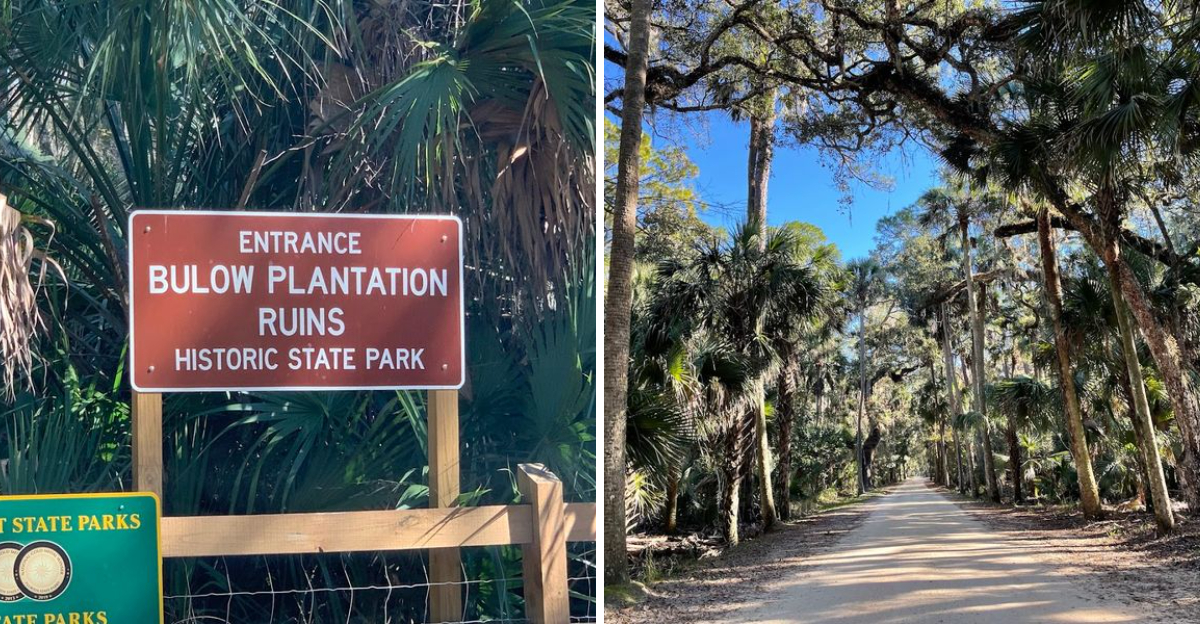
Nothing about this part of Florida prepares you for what’s waiting at the end of the road.
The trees close in, the dirt path grows quieter, and suddenly massive stone ruins rise out of the forest like something abandoned centuries ago.
Hidden in Florida is a place where history doesn’t feel distant, it feels heavy the moment you arrive.
The old sugar mill walls still stand beneath the oaks, weathered but impossible to ignore. Trails wind through the property carrying stories tied to slavery, war, survival, and a version of Florida most people never learn about.
You don’t move quickly through a place like this.
People lower their voices, stop to read every marker, and spend longer staring at the ruins than they expected to.
It’s beautiful, but not in a carefree way.
There’s a seriousness to it that stays with you while you walk.
And by the time you leave, it’s hard to look at Florida’s history the same way again.
The Bulow Plantation Was Once The Largest In East Florida
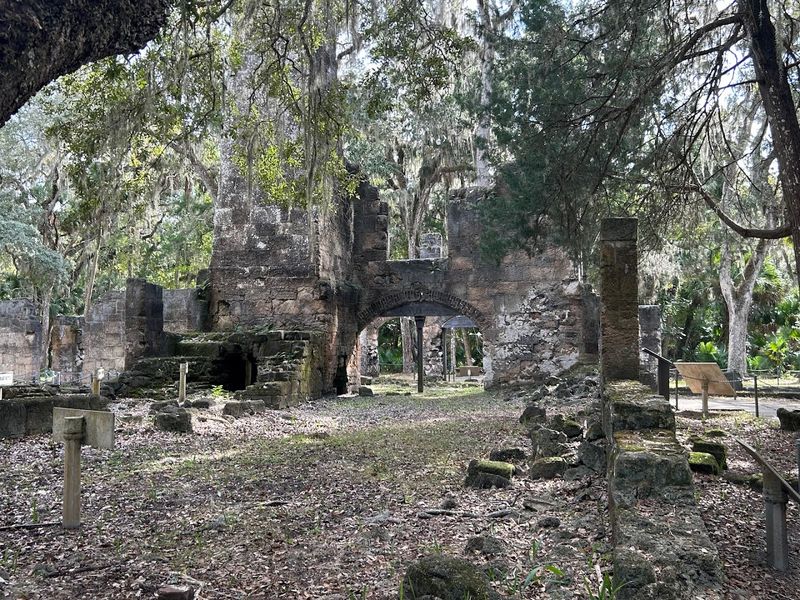
Few people realize that long before Florida became a land of theme parks and beach resorts, it was home to sprawling agricultural empires, and Bulow was the biggest of them all in East Florida.
Major Charles Wilhelm Bulow established the plantation in the early 1800s, eventually cultivating thousands of acres of sugar cane, cotton, rice, and indigo along the banks of Bulow Creek.
At its peak, the operation was a massive enterprise that shaped the economy of the entire region.
The plantation covered roughly 4,675 acres, making it a dominant force in Florida’s antebellum agricultural landscape.
Walking through the park today, it is hard to imagine the scale of what once existed here, yet the ruins speak volumes about the ambition that drove men like Bulow to carve such a large operation out of the Florida wilderness.
The sheer size of this place still catches first-time visitors completely off guard.
Coquina Stone Built The Sugar Mill That Still Stands Today
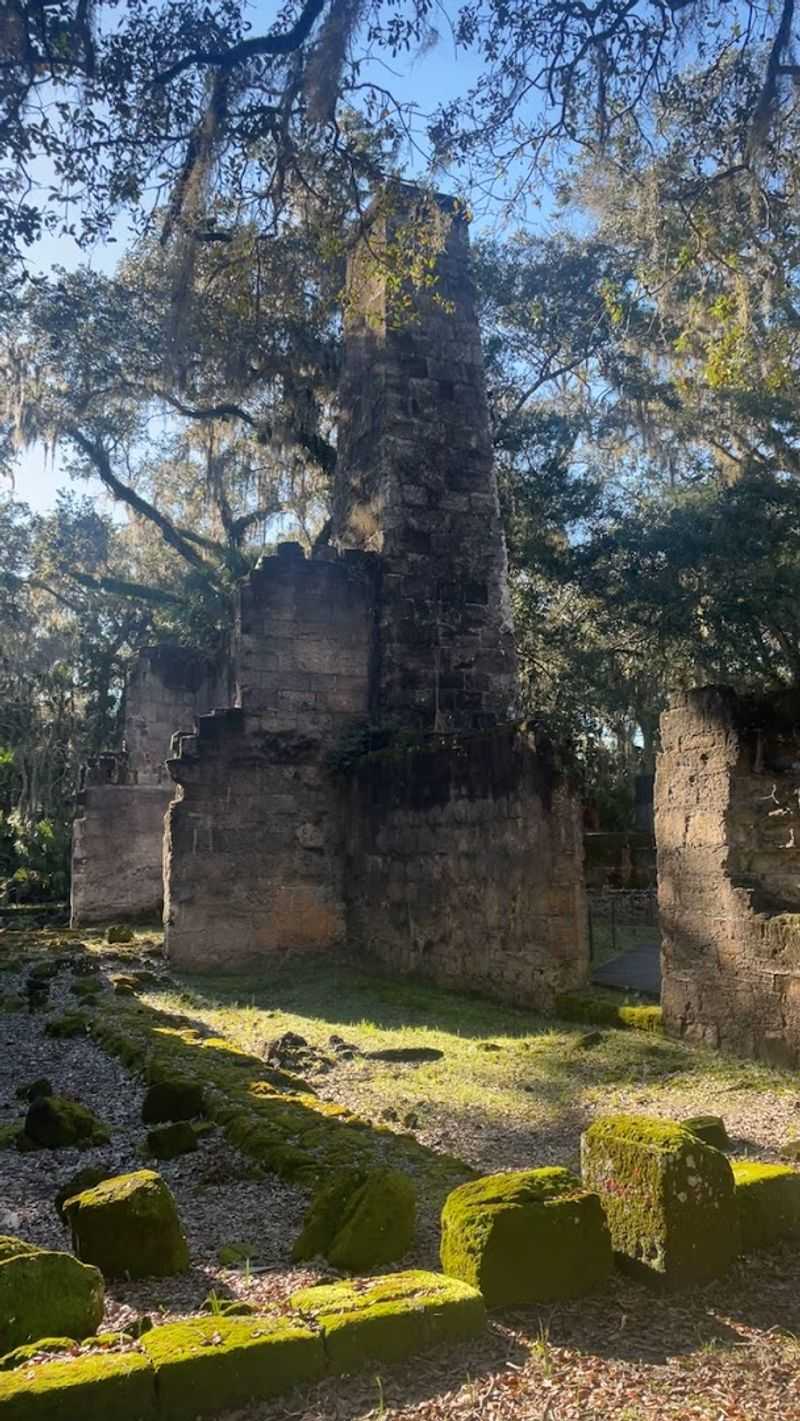
There is something almost surreal about standing next to a wall built nearly two centuries ago and realizing it is still standing firm, and the coquina stone sugar mill at Bulow is exactly that kind of moment.
Coquina is a naturally occurring limestone made from compressed shells, and it was a popular building material in early Florida because it was both abundant and surprisingly durable.
The builders of the Bulow sugar mill used this local stone to construct walls thick enough to house the heavy machinery needed to process sugar cane in the brutal Florida heat.
Today, those same walls rise dramatically from the forest floor, partially draped in vegetation but structurally impressive enough to stop you mid-step.
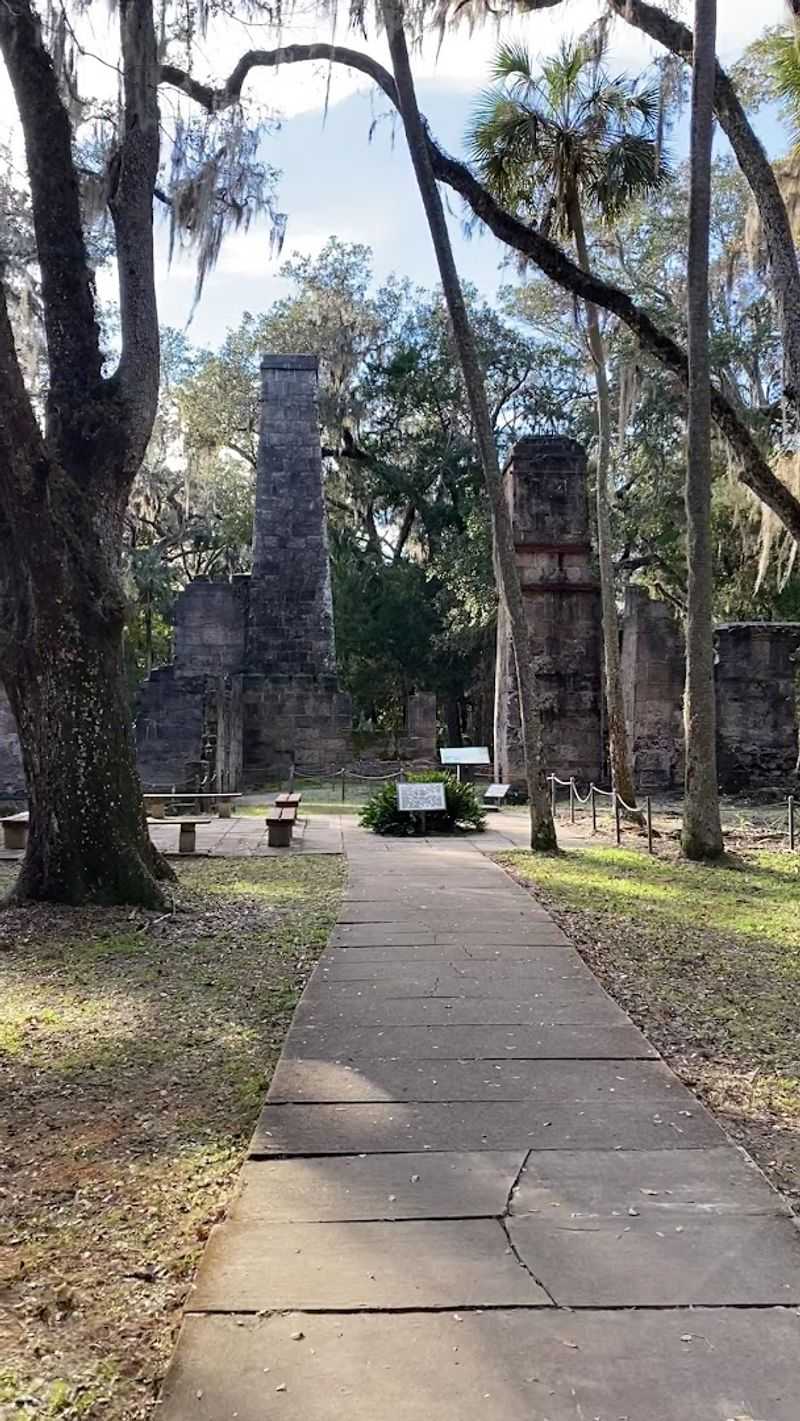
Interpretive signs near the ruins explain how the mill operated, walking visitors through each stage of the sugar-making process in clear, accessible language.
Seeing those walls in person makes history feel surprisingly, almost stubbornly, alive.
Enslaved People Built And Operated The Entire Plantation
Honesty matters when visiting a place like this, and the park does not shy away from acknowledging the full truth of what happened here.
The plantation’s staggering output of sugar, cotton, rice, and indigo was made possible entirely through the forced labor of enslaved African Americans, whose lives and work powered every aspect of the operation.
The park preserves the remains of tabby slave cabins, small structures built from a mixture of oyster shells, sand, lime, and water, offering a sobering glimpse into the living conditions of those who had no choice but to be there.
Educational signage throughout the park addresses this history with care and directness, encouraging visitors to reflect on what these ruins truly represent.
One reviewer noted that the site made them appreciate the hardship endured by enslaved workers in a way that textbooks simply cannot replicate.
This is history that deserves to be felt, not just read about from a comfortable distance.
The Second Seminole War Brought The Plantation To A Sudden End
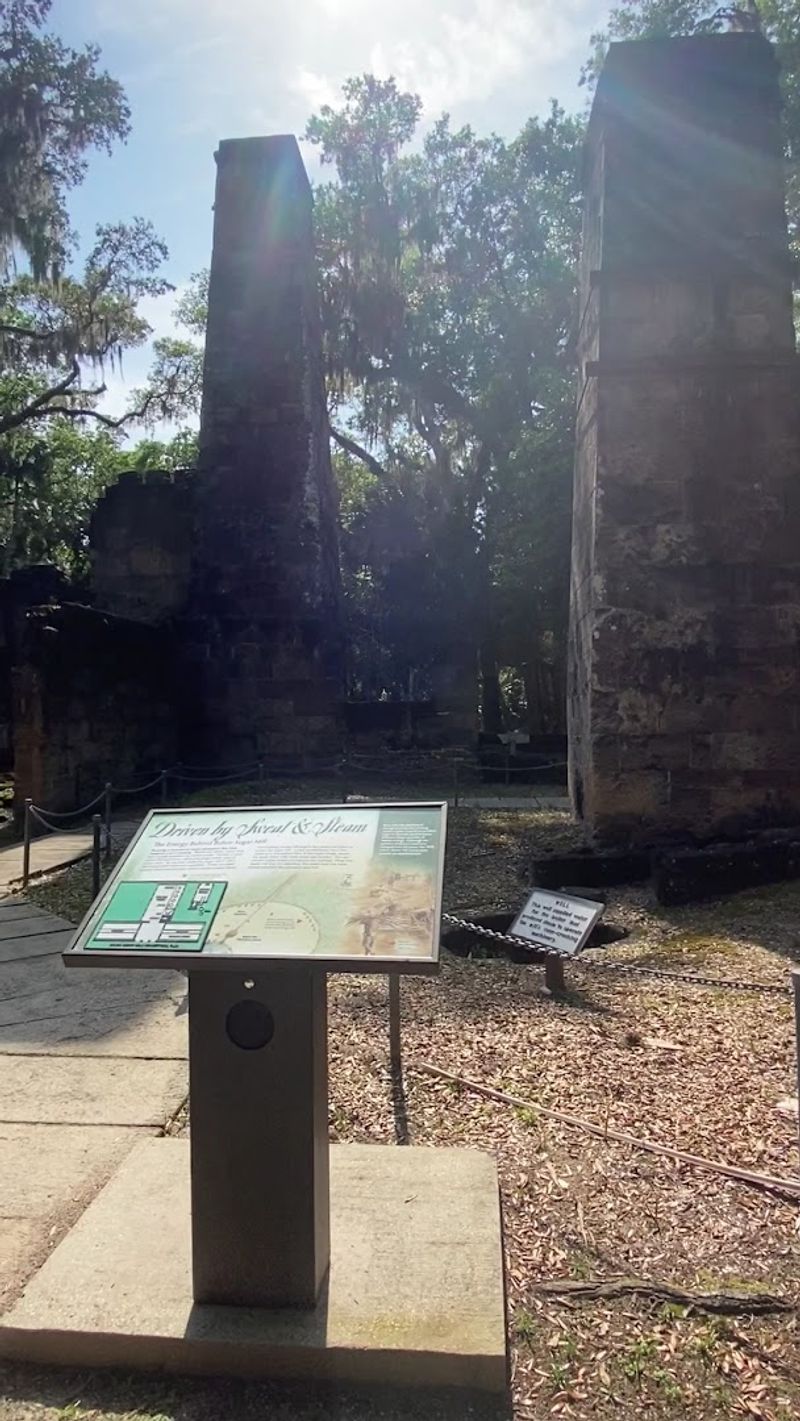
In 1836, everything at Bulow Plantation changed in a single dramatic event that no amount of careful planning could have prevented.
During the Second Seminole War, Seminole warriors burned the plantation to the ground, destroying the main house, outbuildings, and much of the surrounding infrastructure in an act of resistance against the expanding colonial settlement of Florida.
John Joachim Bulow, who had inherited the plantation from his father, had actually attempted to maintain a neutral position during the conflict, but the plantation’s location made it a target regardless.
The burning of Bulow Plantation in January 1836 was part of a wider wave of destruction along Florida’s east coast as Seminole forces pushed back against U.S. military and settler encroachment.
John Bulow never recovered from the loss and passed away in Paris later that same year at just 26 years old.
What the fire left behind became the ruins that visitors quietly explore today.
The Park Sits Inside A Stunning Coastal Hammock Landscape
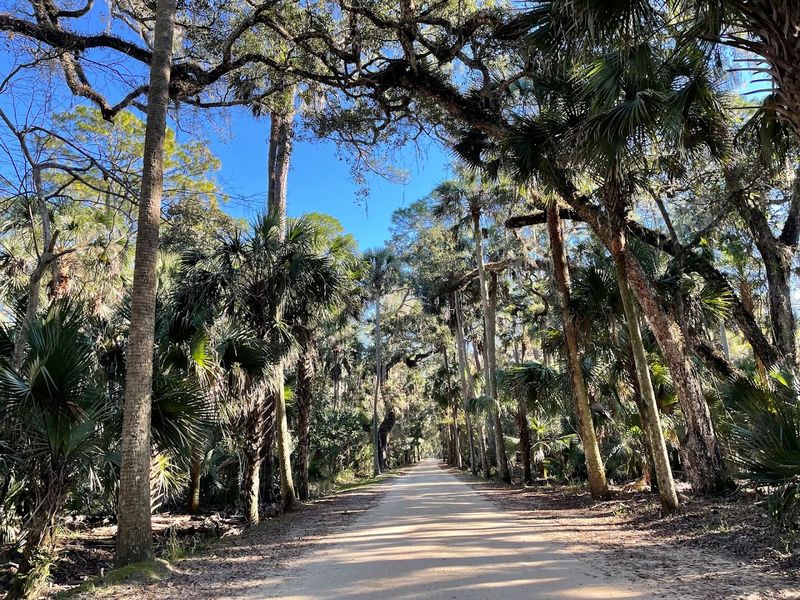
Before I even reached the ruins on my visit, the landscape itself had already made a strong impression that I was not expecting from a state park tucked off a rural road.
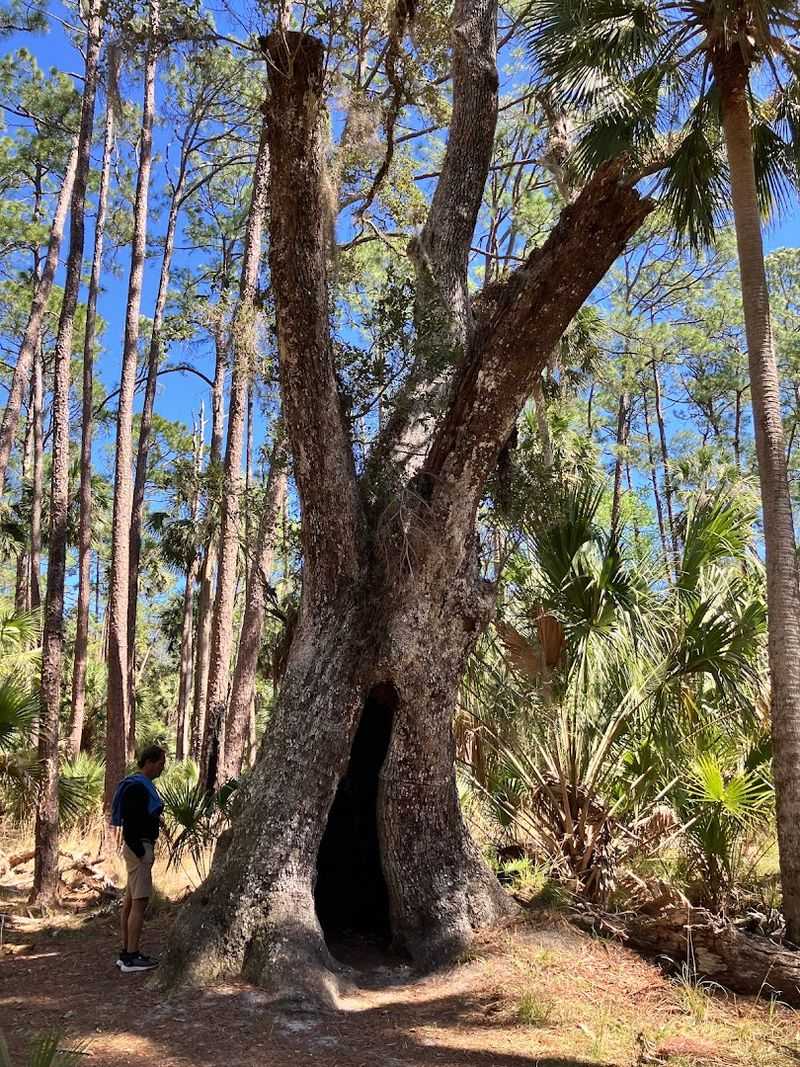
Bulow Plantation Ruins Historic State Park sits within a coastal hammock, a type of dense, shaded forest ecosystem found along Florida’s eastern coast that features live oaks draped in Spanish moss, saw palmettos, and a canopy thick enough to block out most of the midday sun.
The drive along the dirt road into the park sets a mood that feels genuinely removed from the modern world, and that sense of quiet isolation only deepens once you step out of your car.
Birdsong, rustling leaves, and the faint sound of water from nearby Bulow Creek create a natural soundtrack that makes the whole experience feel immersive.
One reviewer described feeling miles away from everything while still being close to Ormond Beach and Flagler Beach.
The setting earns its reputation without trying very hard at all.
Bulow Creek Offers Kayaking And Canoeing Through Wild Florida
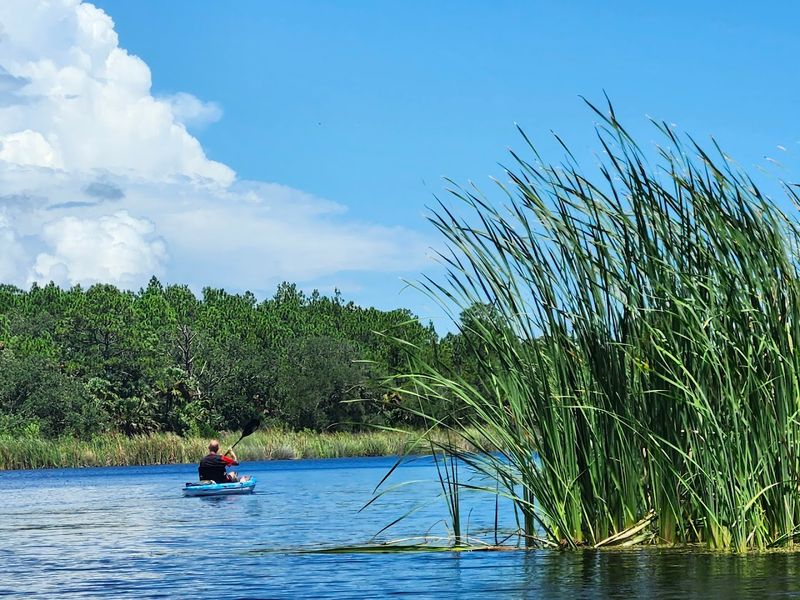
Not every historic site gives you the option to paddle your way through it, but Bulow Plantation Ruins Historic State Park offers exactly that kind of layered experience.
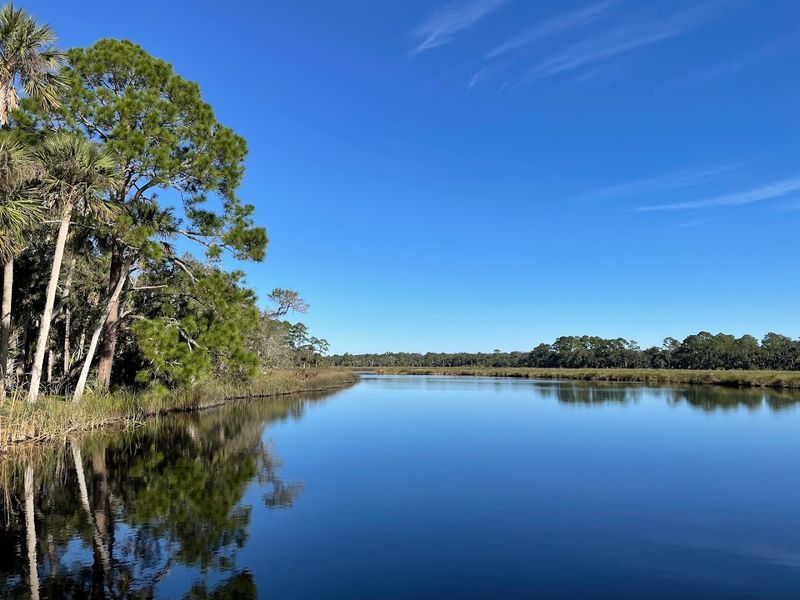
Bulow Creek winds alongside the park and serves as a designated canoe trail, allowing visitors to explore the waterway by kayak or canoe and take in the natural beauty of the surrounding hammock from a completely different perspective.
The park provides a boat ramp that is easily accessible, with enough parking for trucks and trailers, making it a practical launching point for anyone arriving with their own watercraft.
One reviewer shared that they launched their kayaks at the park and paddled up Bulow Creek, returning to find the ruins glowing in golden afternoon light with no one else around.
The creek is calm, well-shaded, and rich with wildlife, including birds, turtles, and the occasional alligator keeping a low profile near the bank.
Paddling here feels like floating through a living postcard of old Florida.
A Self-Guided Tour Brings The Ruins To Life With Detailed Signage
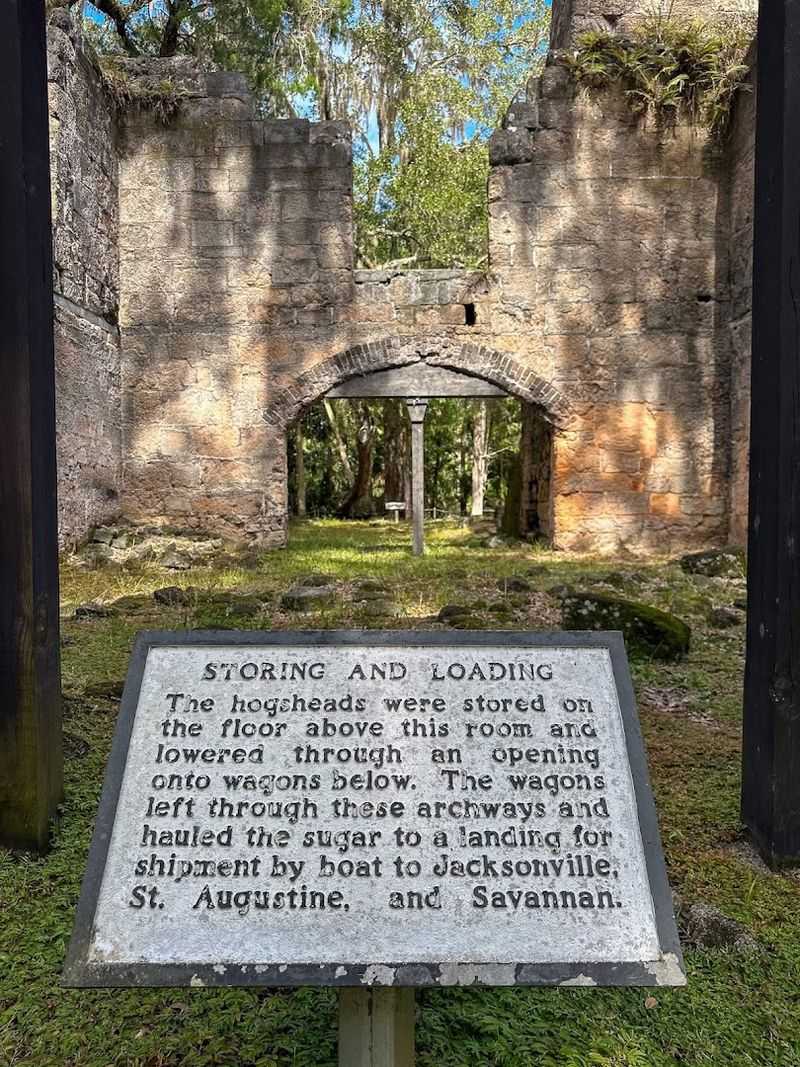
One of the smartest things the Florida State Parks system has done at Bulow is design the visitor experience so that you never need a tour guide to understand what you are looking at.
A well-planned self-guided tour route takes visitors through the main ruins, including the coquina sugar mill walls, the outline of the plantation house foundation, and the remains of the tabby slave cabins tucked along a short side trail near the picnic area.
Interpretive signs posted throughout the site explain the sugar-making process in surprising detail, describing how raw cane was crushed, boiled, and refined under the relentless Florida sun using the labor of enslaved workers.
Several reviewers specifically praised the quality of the educational displays, with one noting that the signage explained the complexity of sugar production in a way that was both engaging and sobering.
The trail to the ruins from the main picnic area is only about 0.3 miles, making it accessible for most visitors.
You leave knowing far more than when you arrived.
The Park Charges Just Four Dollars Per Car To Enter
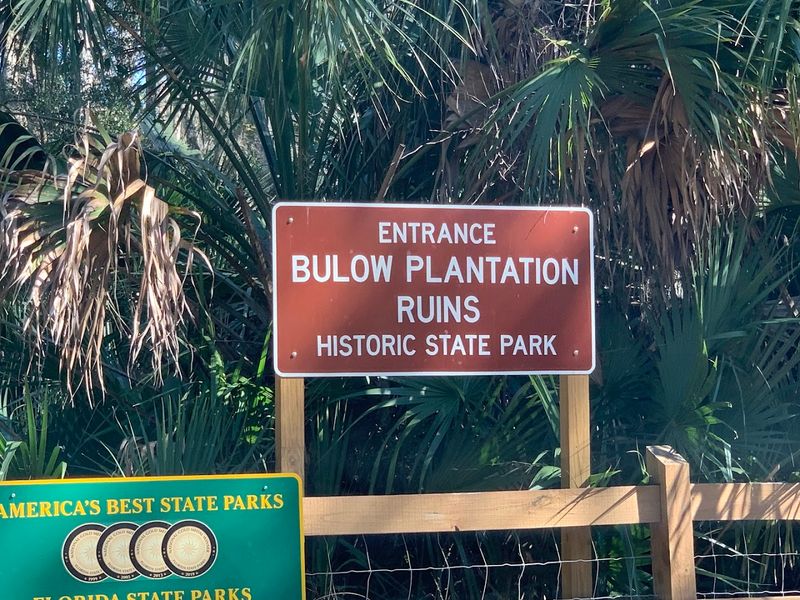
Budget-friendly travel and meaningful history rarely come packaged together this neatly, but Bulow Plantation Ruins Historic State Park manages to deliver both without breaking anyone’s wallet.
The entrance fee is just four dollars per vehicle, collected through an honor system box at the park entrance where visitors place cash in an envelope and pick up a parking tag.
A QR code is also available at the entrance for those who prefer to pay digitally, which reviewers have appreciated as a modern convenience in an otherwise wonderfully old-fashioned setting.
Pedestrians and cyclists pay just two dollars, making this one of the most affordable outdoor and historical experiences in the entire state of Florida.
Multiple reviewers agreed that the value far exceeds the price, with one calling it easily worth it and another describing it as a very well-spent four dollars.
For the price of a small coffee, you get an afternoon of history, nature, and quiet reflection that stays with you long after you leave.
Trails Range From Short Strolls To A Six-Mile Wilderness Hike
Whether you are the type who likes a quick thirty-minute walk or the kind who packs a full day’s worth of snacks and heads deep into the woods, Bulow has a trail that matches your energy.
The shortest option is the 0.3-mile path from the main picnic area to the sugar mill ruins, which is flat, shaded, and perfectly suited for families with young children or anyone with limited mobility.
On the other end of the spectrum, the park also offers access to a roughly six-mile hiking trail that cuts through the coastal hammock and connects to Cedar Creek, rewarding those who make it that far with a stunning view from a small footbridge.
One reviewer recalled getting as far as Cedar Creek before the humidity convinced them to turn back, and they described the view as well worth every sweaty step.
The park is also bike-friendly, adding another way to cover more ground without rushing.
Every trail here rewards curiosity in its own way.
The Park Is Open Thursday Through Monday And Welcomes Dogs
Planning a visit to Bulow Plantation Ruins Historic State Park at 3501 Old Kings Rd, Flagler Beach, FL 32136, requires a quick check of the calendar, because the park keeps a specific weekly schedule that catches some visitors off guard.
The park is open Thursday through Monday from 9 a.m. to 5 p.m. and remains closed on Tuesdays and Wednesdays, so arriving on the wrong day means a wasted trip down that scenic dirt road.
Phone inquiries can be directed to the park at 386-517-2084, and more details are available through the official Florida State Parks website.
One detail that dog owners will genuinely appreciate is that the park is pet-friendly, welcoming leashed dogs on the trails and throughout the grounds.
One reviewer specifically mentioned bringing their dog on a cool, breezy day and described the experience as a perfect outing that combined nature, history, and fresh air.
Few historic sites manage to be this welcoming to the whole family, four-legged members included.