
This Historic Maine Fort Feels Like Traveling Back To 1754
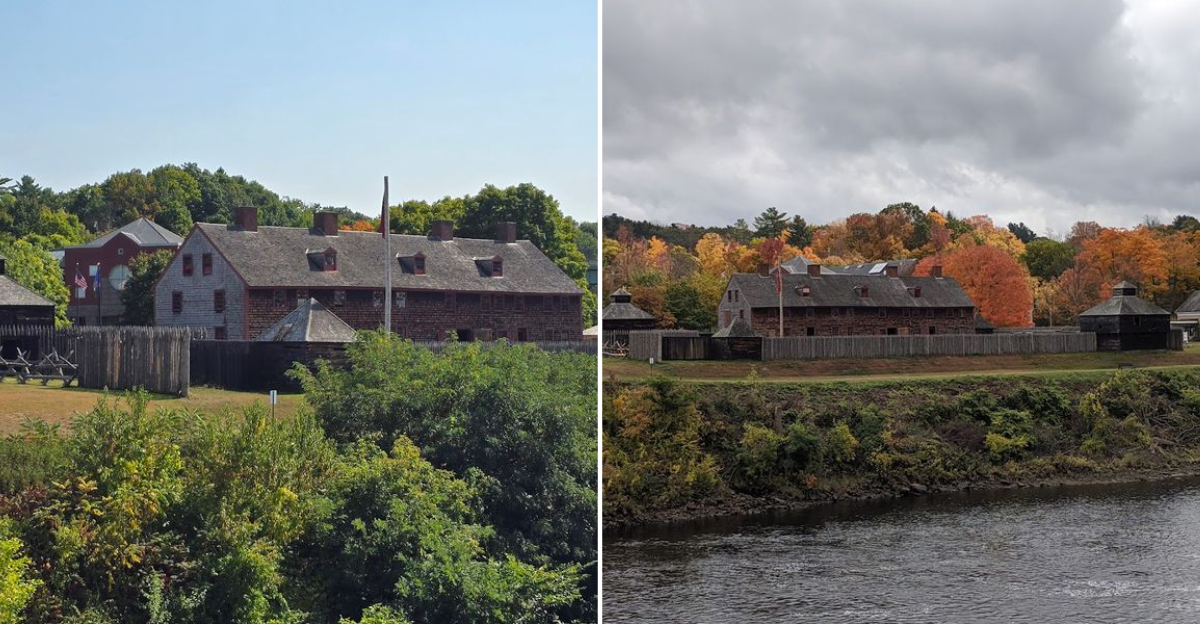
A walk through one weathered wooden gate along the Kennebec River can feel like stepping straight into 1754. The scent of old timber, the creak of uneven floorboards, and rows of hand-forged colonial tools create an atmosphere that barely feels touched by modern life.
Hidden in Maine’s capital region stands the oldest surviving wooden fort in New England, a rare structure that has endured wars, brutal winters, floods, and nearly three centuries of change.
Built during the French and Indian War, the fort once served as a frontier supply post at the edge of contested territory.
Benedict Arnold even passed through during his 1775 expedition toward Quebec. Today, costumed interpreters, preserved rooms, and authentic artifacts transform the site into a vivid snapshot of colonial America that feels far more immersive than any museum exhibit or history textbook.
The Oldest Wooden Fort In New England
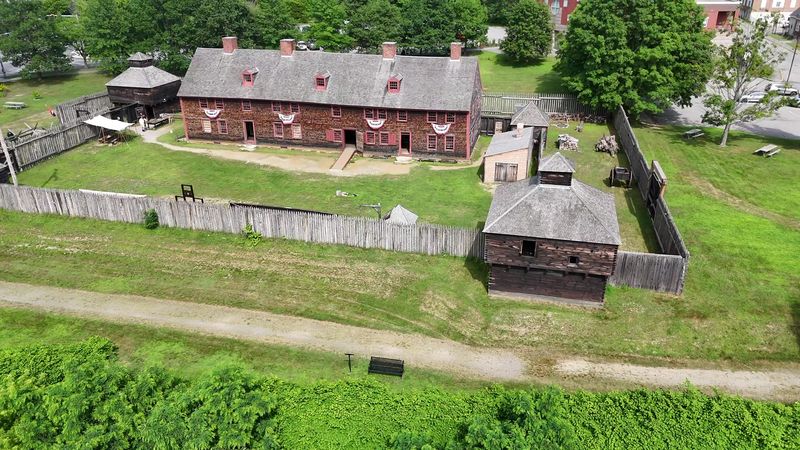
Built in 1754, Old Fort Western holds the impressive title of being the oldest surviving wooden fort in all of New England. That is not a small achievement when you consider how many storms, wars, and centuries have passed since its construction.
The fact that it still stands today along the Kennebec River in Augusta, Maine, is a remarkable story of preservation and community dedication.
The fort was originally constructed by the Kennebec Proprietors in 1754 as a fortified trading post and supply depot during the tense years of the French and Indian War.
Thick wooden timbers form the walls, and the craftsmanship reflects the urgency and practicality of frontier building in colonial America. Nothing about it feels decorative or staged.
Visiting Old Fort Western at 8 Cony St, Augusta, ME 04330, gives you a front-row seat to nearly 270 years of history that somehow managed to survive into the modern world. That kind of staying power deserves serious respect.
Its Role During The French And Indian War
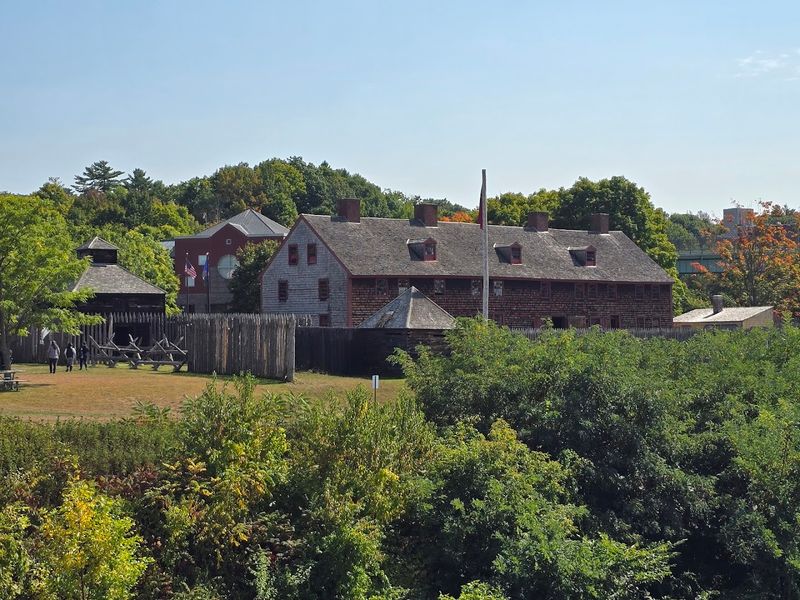
The French and Indian War was one of the most dangerous and defining conflicts in early American history, and Old Fort Western was right in the middle of it.
Constructed in 1754, the fort served as a supply point and military stronghold during a period when British and French forces were fighting over colonial claims across North America. Augusta, Maine, was far from peaceful at that time.
The Kennebec River valley was a contested corridor, and Fort Western stood as one of three forts built along the river to protect British interests.
Fort Western was part of a larger network of Kennebec River forts, including Fort Halifax to the north and earlier defensive positions farther south along the river corridor. Fort Western was the southernmost anchor of that network.
Understanding this military context makes a visit far more meaningful. You are not just looking at old wood and artifacts.
You are standing inside a structure that once represented the edge of a very uncertain world, and that context changes everything about how the place feels.
Benedict Arnold Stopped Here In 1775
Not every fort can claim a visit from one of the most famous figures of the American Revolution, but Old Fort Western absolutely can.
In 1775, Benedict Arnold led an ambitious military expedition through Maine toward Quebec, Canada, hoping to bring that territory into the revolutionary cause. His route took him directly up the Kennebec River, and he stopped at Fort Western to repair his boats before pushing north into the wilderness.
At the time, Arnold was still a celebrated patriot commander, years before his name became synonymous with betrayal.
The stop at Fort Western was a logistical necessity, but it planted this relatively quiet Maine structure firmly into the larger story of the American Revolution. That connection gives the fort an extra layer of historical weight that surprises many first-time visitors.
Standing in the same space where Arnold once organized his men and assessed his battered fleet of bateaux boats is one of those quiet, goosebump-worthy moments that only a genuinely historic site can deliver. Fort Western earns its place in the Revolutionary War story.
Living History Guided Tours
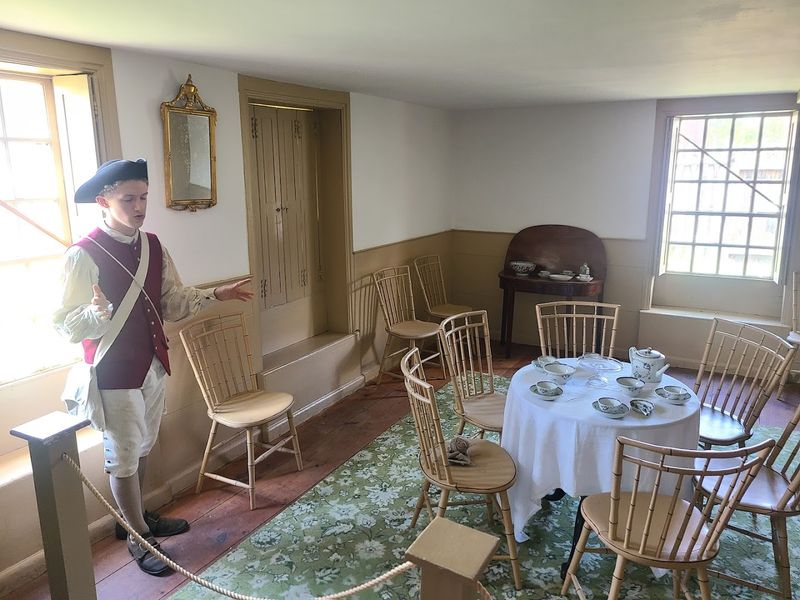
One of the most memorable parts of any visit to Old Fort Western is the guided tour experience. Knowledgeable historical interpreters dressed in period-accurate 18th-century clothing walk visitors through the fort’s rooms, sharing stories about daily frontier life, military strategy, and the people who actually lived and worked within these walls.
The detail and passion they bring to each tour is genuinely impressive.
Tours cover a wide range of topics, from how colonists prepared food and made clothing to how the fort’s defenses worked along the river.
Guides explain the purpose of specific artifacts, demonstrate how tools were used, and answer questions with the kind of depth that comes from real historical training. The experience feels more like a conversation than a lecture.
Groups of all ages benefit from this format, and the staff has a talent for adjusting the level of detail to match their audience.
Younger visitors get engaging, hands-on moments, while adults come away with a much richer understanding of what colonial frontier life actually demanded of ordinary people every single day.
The Fort Became A National Historic Landmark
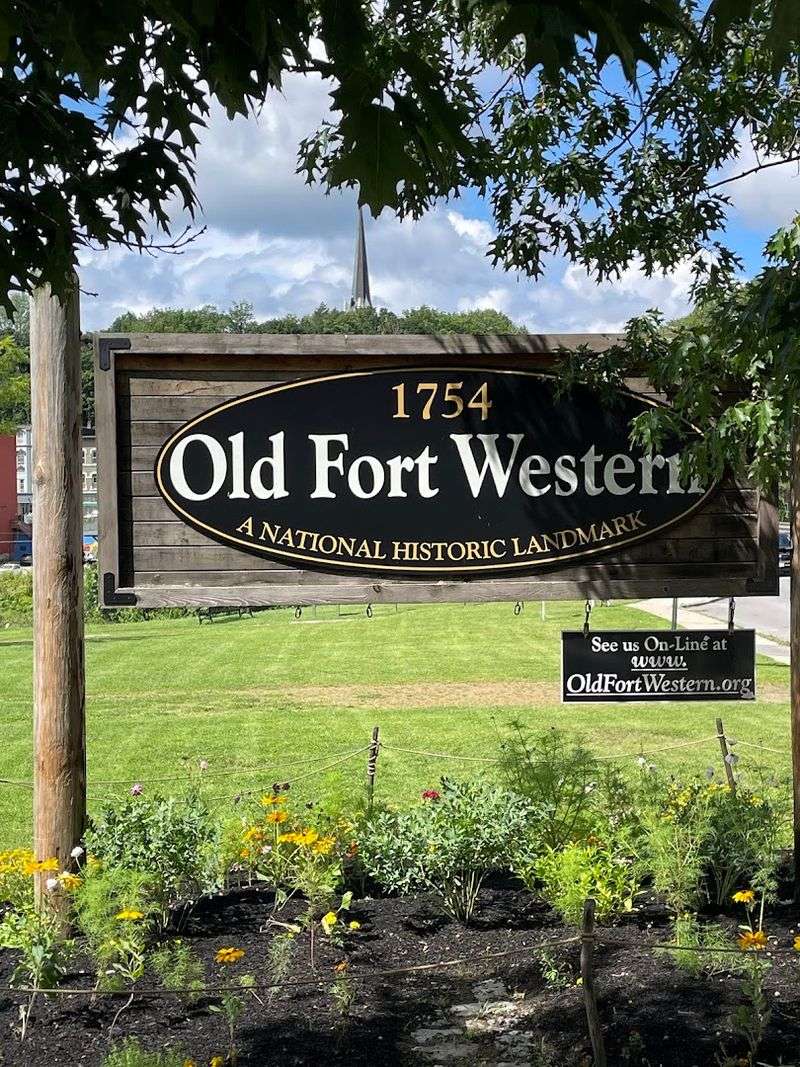
Old Fort Western is not just a local attraction. It carries the official designation of a National Historic Landmark, which places it among the most significant historic sites in the entire United States.
That recognition reflects the fort’s extraordinary age, its architectural integrity, and its importance to the story of early American settlement and military history.
The fort was added to the National Register of Historic Places in 1969 and was also designated a National Historic Landmark that same year, formalizing what historians had long understood: this structure is irreplaceable.
Very few colonial-era wooden buildings have survived in such a recognizable and intact state. Most structures from the same period were lost to fire, decay, or demolition long ago.
For visitors, that landmark status adds a layer of gravity to the experience. You are not walking through a reconstruction or a themed attraction.
You are moving through an authentic, federally recognized piece of American heritage that has been carefully maintained for generations.
That distinction matters, and it is something you genuinely feel the moment you step through the fort’s wooden gateway.
The Fort’s Long Life
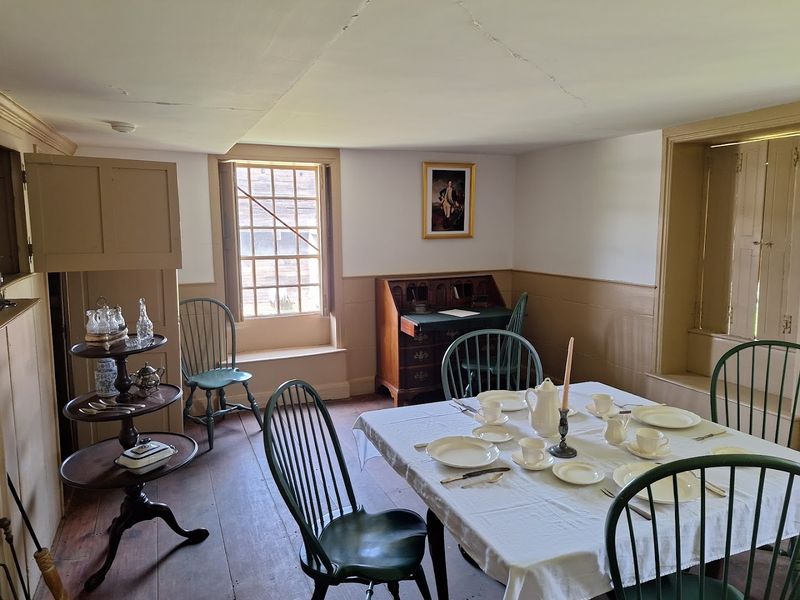
After its military use ended in 1767, the structure served as a private residence and trading store for decades before later being converted into tenement housing, meaning real families lived and worked within these walls long after the colonial era ended.
That long stretch of domestic use is part of what makes the fort’s survival so unusual. Because it remained occupied and functional, there was always a reason to maintain the building rather than let it fall apart.
The fort was not treated as a relic during those years. It was simply home.
In the early 1920s, the City of Augusta purchased the property and began the process of preserving and transforming it into the museum it is today. That civic decision turned out to be one of the most culturally valuable investments Augusta ever made.
The transition from trading post to military outpost to family home to public museum is itself a fascinating story layered inside the larger history of the building.
Hands-On Artifacts And Original Objects
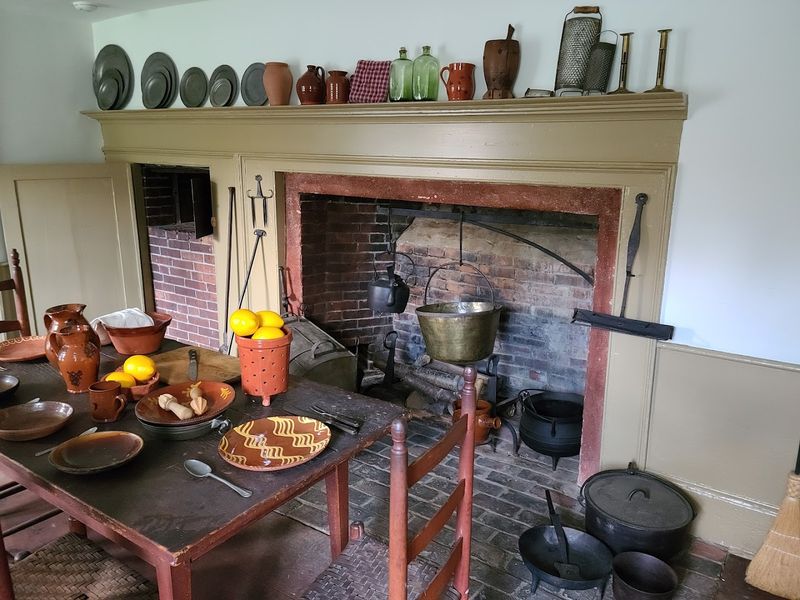
History feels most real when you can get close to the actual objects people once used, and Old Fort Western delivers that experience in an impressive way.
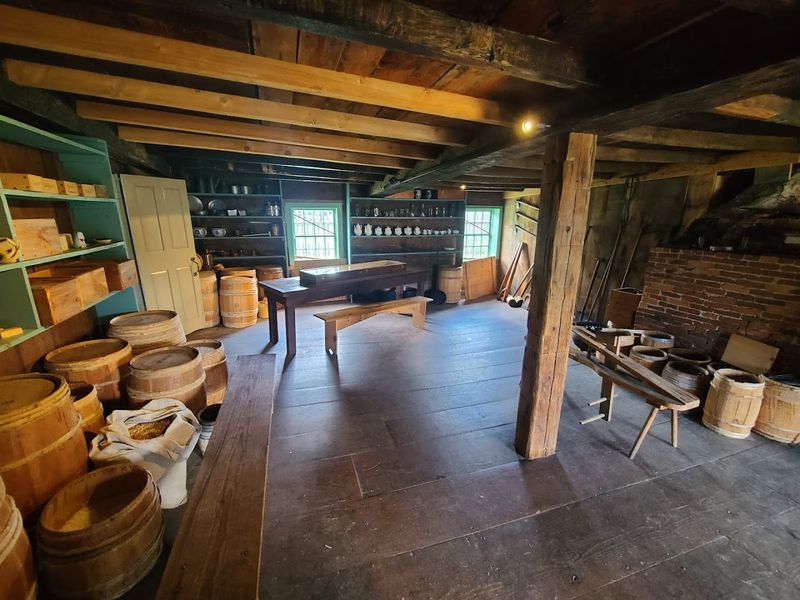
The fort houses a collection of genuine artifacts from the colonial period, including tools, cookware, furniture, and household items that were part of everyday life in the 1700s. Many of these objects are original, not reproductions.
The kitchen area is a particular standout, giving visitors a vivid sense of the labor involved in preparing meals over an open hearth in a frontier setting. Iron pots, wooden utensils, and period-accurate storage containers fill the space with authentic detail.
Seeing these items in their original context is far more powerful than viewing them in a glass case at a conventional museum.
Visitors are sometimes allowed to handle certain items, which adds a tactile connection to the past that is hard to replicate elsewhere. Touching a tool that a colonial settler may have actually held is the kind of small, specific moment that stays with you long after you have left the fort and returned to the present day.
Reenactments And Special Educational Programs
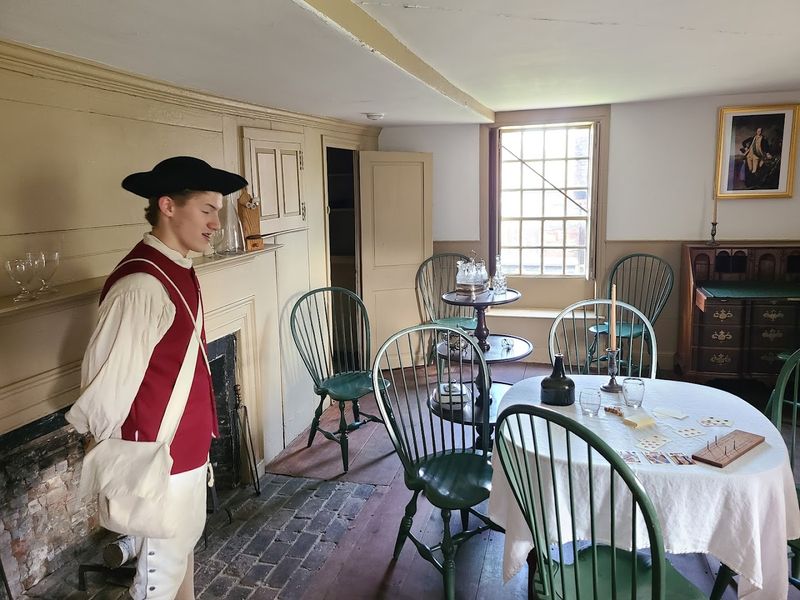
Beyond the standard guided tour, Old Fort Western hosts a calendar of reenactments and educational programs that bring the colonial period to life in a much more dynamic way.
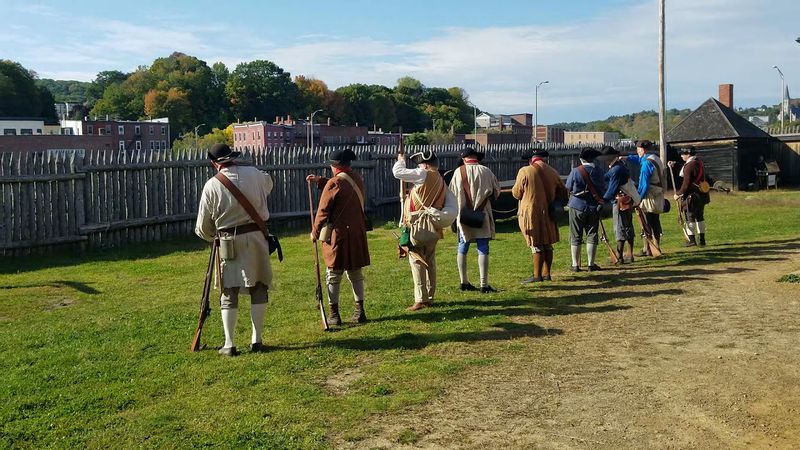
On special event days, the grounds fill with costumed interpreters demonstrating everything from military drills to colonial crafts, creating an atmosphere that feels genuinely immersive rather than theatrical.
The Fourth of July is one of the most popular times to visit, when a large number of staff and volunteers appear in full period dress, each equipped with detailed historical knowledge about the fort and its era.
The energy on those days is electric in the best possible way, and the level of commitment from participants is obvious.
Educational programs are also available for school groups and homeschool families, offering structured experiences tailored to different age groups.
Younger children explore what daily life looked like for kids in colonial times, while older students engage with the military and political history of the fort. Few field trips offer this kind of layered, curriculum-connected learning in such an authentic physical setting.
The Fort’s Stunning Setting
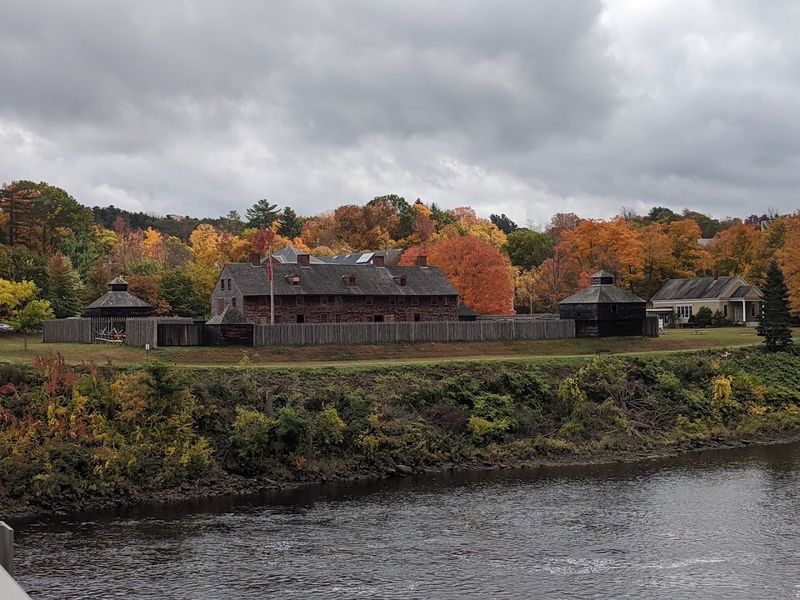
Geography was never random when it came to colonial fort placement, and Old Fort Western’s location on the Kennebec River makes complete strategic sense.
The river was the main highway of the region, connecting the coast to the interior and serving as the primary route for trade, military movement, and settlement expansion. Controlling a point along the Kennebec meant controlling access to a vast stretch of territory.
Today, that same river setting gives the fort an undeniable visual appeal. Standing near the wooden palisade walls and looking out over the Kennebec, with the city of Augusta spread across both banks, is one of those genuinely peaceful moments that travel tends to offer when you least expect it.
The view has changed over the centuries, but the river itself remains the same. The surrounding area includes green lawns and picnic spots just south of the fort’s palisade, making it easy to extend your visit into a relaxed outdoor afternoon.
The combination of history and natural scenery along the riverbank makes the location feel like a reward in itself, not just a backdrop.
Visitor Experience Details
The fort operates seasonally, with tour season typically running from June through the summer months, so checking the schedule online before arriving is a smart move.
Admission is reasonably priced for what the experience offers, with family rates available to make it accessible for groups.
Tours are guided rather than self-directed, which actually enhances the visit because the interpreters provide context that no printed sign could replicate. If time is limited, guides have shown flexibility in condensing the tour to fit shorter windows.
The gift shop is a genuinely enjoyable final stop, stocking period books, handmade pottery, specialty teas, crafting kits, and historical ledgers that reflect the fort’s trading post roots. It is the kind of small shop where you actually want to browse rather than just grab a souvenir on your way out the door.