
This Recreated Medieval Village In Washington Brings The 14th Century To Life
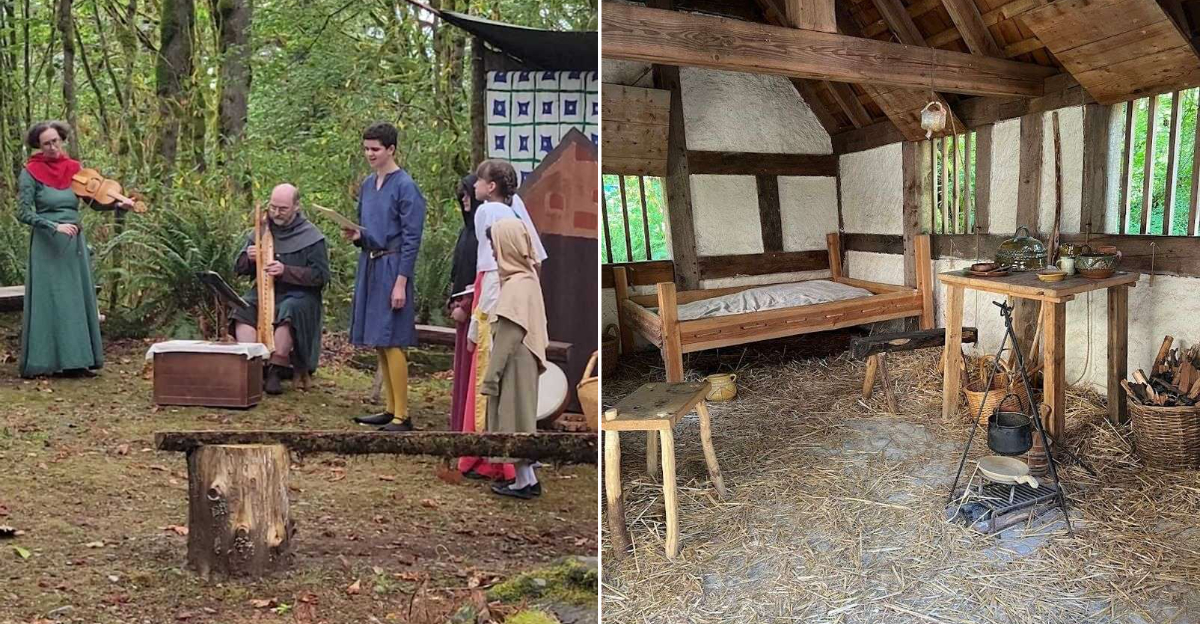
My expectations were low-I figured I’d see some folks in period costumes posing for photos and maybe purchase an overpriced candle. Boy, was I wrong. This hidden gem in Washington completely shattered my cynical assumptions about historical reenactments.
What I discovered was an authentic recreation of medieval village life that had me spellbound from the moment I arrived. The level of detail here is staggering: every wooden beam, every piece of furniture, every demonstrated craft has been carefully researched to ensure historical accuracy from the 1300s.
Watching a Fletcher craft arrows by hand while his “neighbor” explained crop rotation practices from that era, I realized this wasn’t a performative display-it was a living education disguised as entertainment.
Three hours disappeared like a knights’ tale at twilight, and I left with a newfound appreciation for just how clever our medieval ancestors really were.
The Story Behind Camlann Medieval Village
Back in 1981, a group of history enthusiasts decided that reading about the Middle Ages was not nearly enough. They founded the Camlann Medieval Association, a nonprofit educational organization with a bold mission: build an authentic recreation of a 14th-century English rural village and open it to the public.
The result is Camlann Medieval Village, located in Carnation, Washington, a place where the year is permanently set to 1376. The organization operates as a 501(c)(3) nonprofit, meaning every ticket purchase and donation goes toward preserving and expanding this one-of-a-kind experience.
What makes Camlann genuinely special is the depth of its commitment to accuracy. This is not a theme park with cartoonish costumes and staged performances. Every detail, from the architecture to the food recipes, is rooted in careful historical research.
Walking through the gate for the first time, I felt the weight of centuries settle around me in the most surprisingly pleasant way.
Authentic Period Buildings That Transport You Instantly
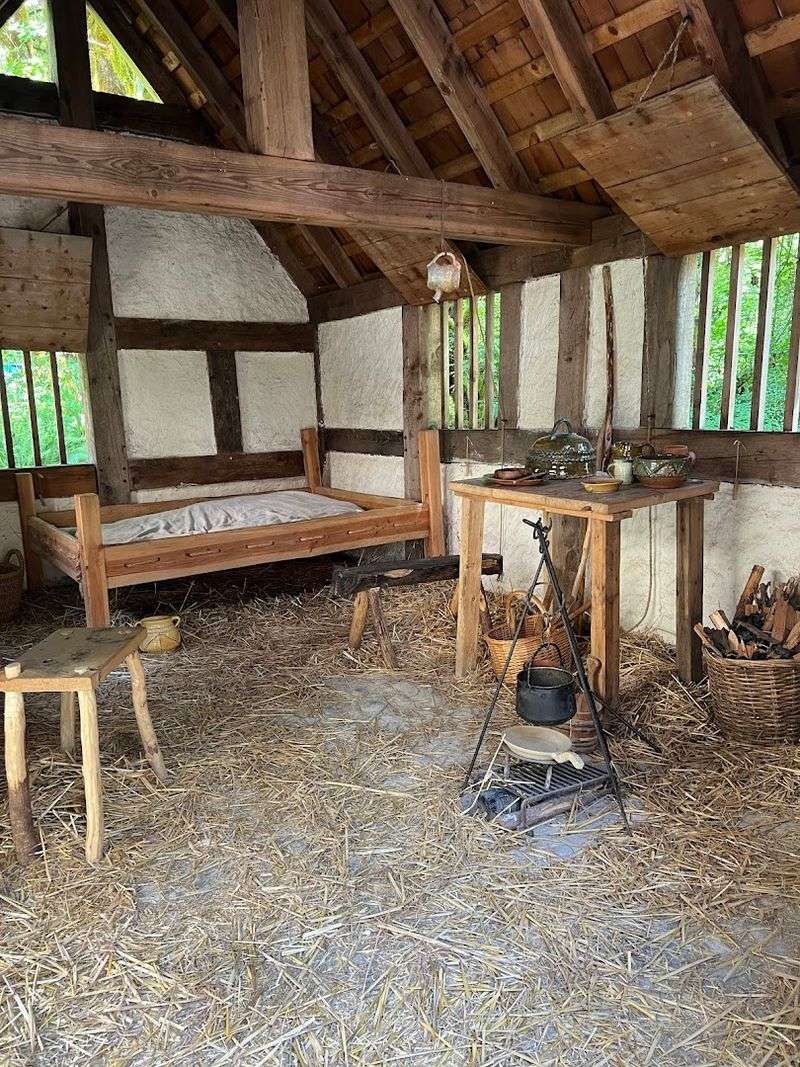
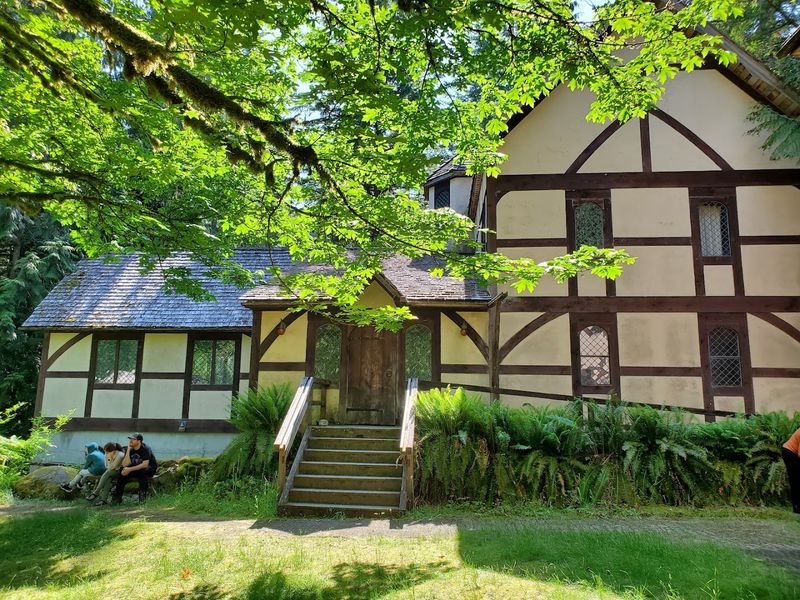
The buildings at Camlann are not props. They are carefully constructed structures designed to reflect the architecture of rural England in the late 1300s, and standing next to them feels genuinely surreal in the best possible way.
Timber frames, wattle-and-daub walls, and thatched rooflines define the village skyline. Each structure serves a purpose, housing craftspeople, cooking spaces, and communal gathering areas that bring the whole living history concept together beautifully. The craftsmanship is detailed enough that even architecture enthusiasts will find plenty to admire.
I spent a good chunk of time just wandering between buildings, peeking into doorways and marveling at how much thought went into each construction choice.
There are no modern conveniences visible anywhere inside the village boundaries, which makes the immersion feel total and surprisingly easy to fall into. It is the kind of setting that makes your phone feel oddly out of place, and honestly, putting it away for a while is the right call here.
Meet the Villagers: Living History Interpreters
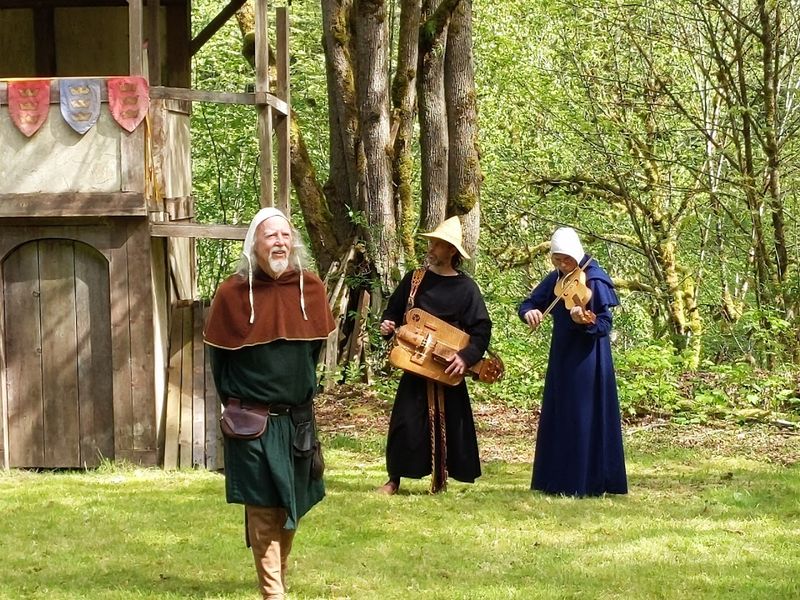
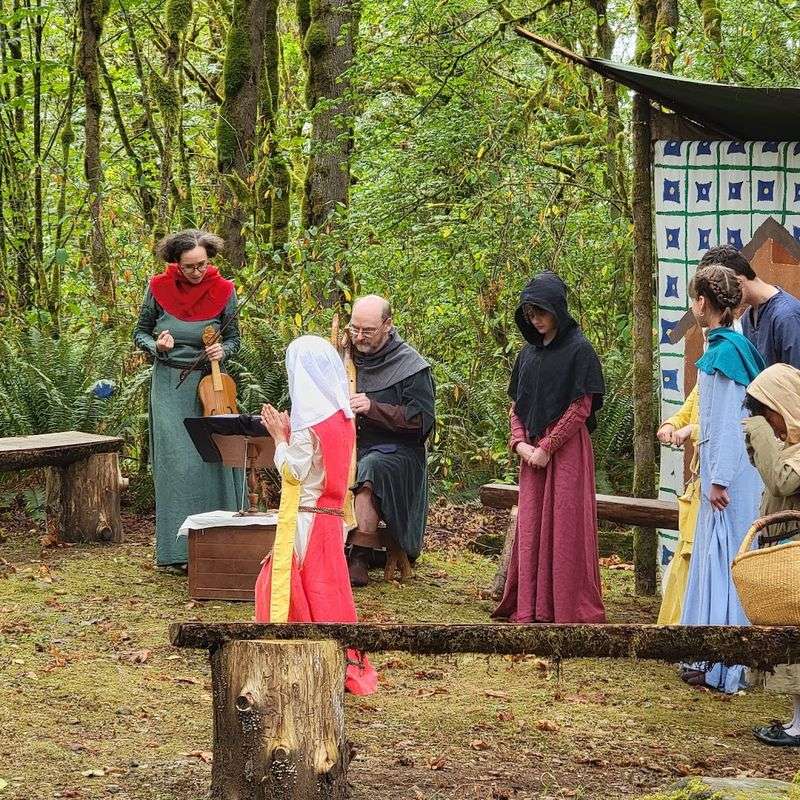
One of the most unexpectedly charming parts of my visit was meeting the villagers, or more accurately, the volunteer interpreters who portray them. These are trained, dedicated individuals who speak entirely from the perspective of their 14th-century characters, sharing personal histories, local gossip, and period-appropriate opinions with complete commitment.
Ask one of them about a modern invention and watch their face go delightfully blank. They stay in character with impressive consistency, making every conversation feel like a genuine window into another era rather than a rehearsed script. Some volunteers have been doing this for years, and their depth of knowledge is remarkable.
The interpreters are trained to represent a realistic cross-section of medieval village life, from farmers and weavers to blacksmiths and cooks. Talking with them turns a simple walk through the village into something much richer.
By the end of my visit, I found myself genuinely curious about what would happen to my favorite villager after the harvest season ended.
Hands-On Crafts And Demonstrations You Can Actually Try
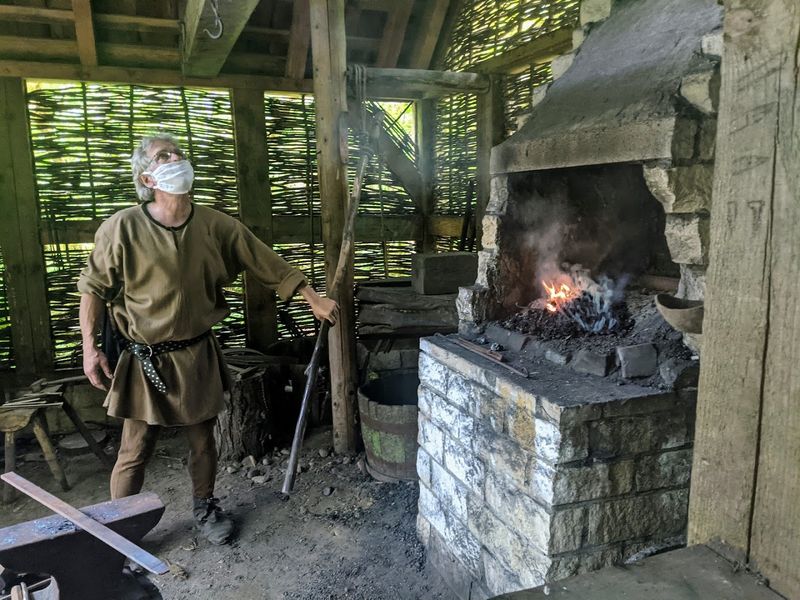
Watching someone make an arrowhead by hand is one of those experiences that makes you quietly rethink everything you know about human effort. At Camlann, demonstrations cover an impressive range of medieval crafts, including blacksmithing, weaving, pottery, woodworking, candle-making, spinning, dyeing cloth, archery, and calligraphy.
What sets this apart from a typical museum exhibit is the interactivity. Many of these crafts are hands-on, meaning you can try your hand at some of them rather than just watching from behind a rope barrier.
Field trip groups and workshop visitors get even deeper access, with structured sessions covering skills like leather working, bow-making, and sewing.
I tried my hand at a brief weaving demonstration and walked away with a new appreciation for every piece of fabric I have ever owned. The instructors are patient, knowledgeable, and clearly love what they do.
There is something quietly meditative about learning a craft the way people learned it 650 years ago, and I was not expecting to enjoy it quite so much.
The Bors Hede Inne: A Medieval Dining Experience
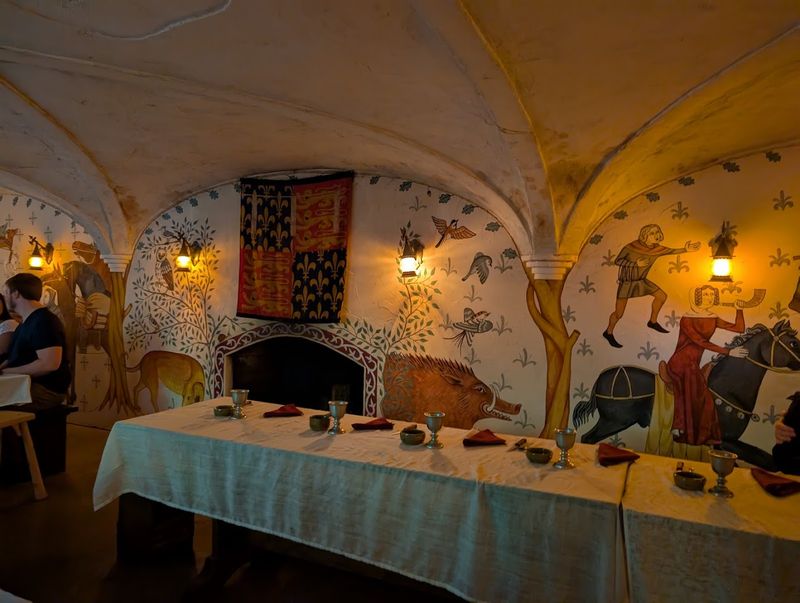
Forget everything you think you know about dinner theater, because the Bors Hede Inne operates on a completely different level. This medieval restaurant, located inside the village, serves food prepared from authentic historical recipes dating back to the 14th century, and the whole experience is as immersive as anything else Camlann offers.
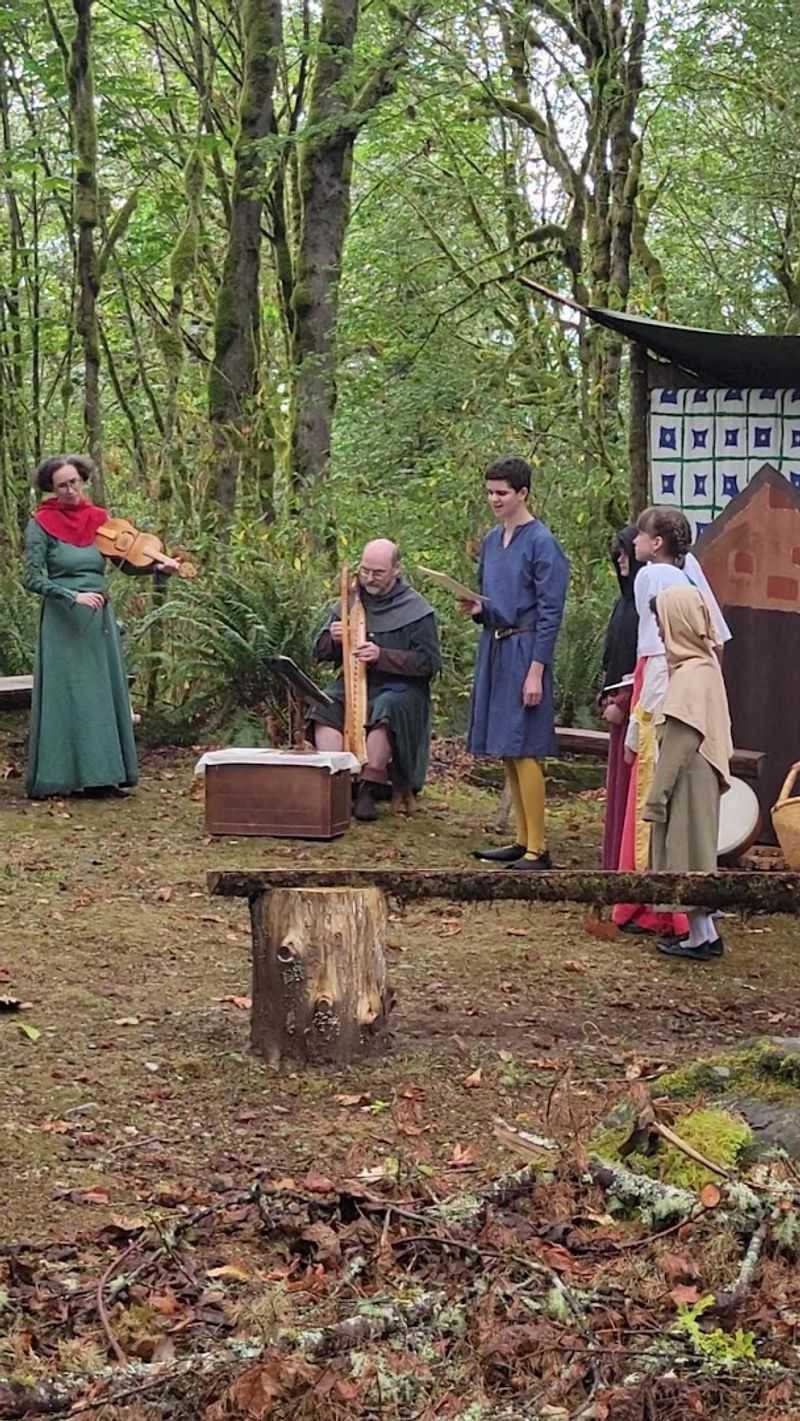
Guests receive a special knife, a spoon, and a trencher, which is a thick slice of bread that doubles as your plate, just as it would have in medieval England. Minstrels perform period-appropriate songs throughout the meal, creating an atmosphere that feels theatrical without being over the top.
Dinner service runs on Saturdays and Sundays from 5 PM to 7 PM by reservation, year-round.
Lunch is also available from 12 PM to 3 PM on village and festival days without a reservation. The food itself surprised me with its depth of flavor. Medieval cooks clearly knew what they were doing, and the recipes translated to a modern palate far better than I had expected going in.
Festivals And Seasonal Events Worth Planning Around
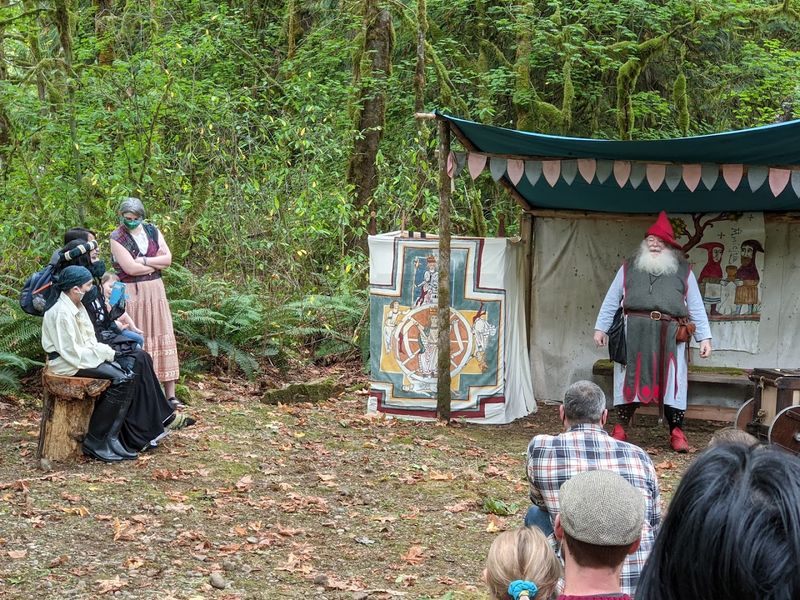
Camlann does not slow down just because the main season wraps up. Throughout the year, the village hosts a rotating calendar of public feasts and festivals that draw crowds and add extra layers of pageantry to an already theatrical setting.
The May Faire kicks off the warm season with music, dancing, and the kind of cheerful chaos that only a medieval celebration can produce. The Midsomer Festival, St. James Festival, and Harvest Festival each bring their own character, featuring puppetry, magic performances, live music, and community feasting. 4These events tend to have slightly higher admission fees, around $15 for adults and $10 for children and seniors, but the extra programming more than justifies the difference.
Planning your visit around one of these festivals transforms the experience from interesting to genuinely unforgettable. I attended during a festival weekend and found myself swept up in the energy of the crowd, the music, and the spectacle in a way that a regular village day simply could not replicate.
Regular Village Days: What To Expect On A Typical Visit
The village is open every weekend from May through September, typically from 12 PM to 5 PM, which makes it a very manageable half-day outing from Seattle or other nearby areas. Regular admission runs $10 for adults and $5 for children aged 5 to 12, making it a surprisingly affordable way to spend an afternoon.
On a standard village day, you can expect to wander freely through the grounds, interact with interpreters, watch craft demonstrations, and enjoy the overall atmosphere at your own pace. There is no rigid schedule forcing you from station to station, which I appreciated because it let the experience unfold naturally.
Payment is flexible, with credit cards, mobile payments, and cash all accepted at the gate. I recommend arriving closer to noon to maximize your time, especially if you want to catch multiple demonstrations before they wrap up.
Bringing a light jacket is a smart move too, since Carnation mornings can stay cool even in midsummer.
Archery And Combat: The Action Side Of Medieval Life
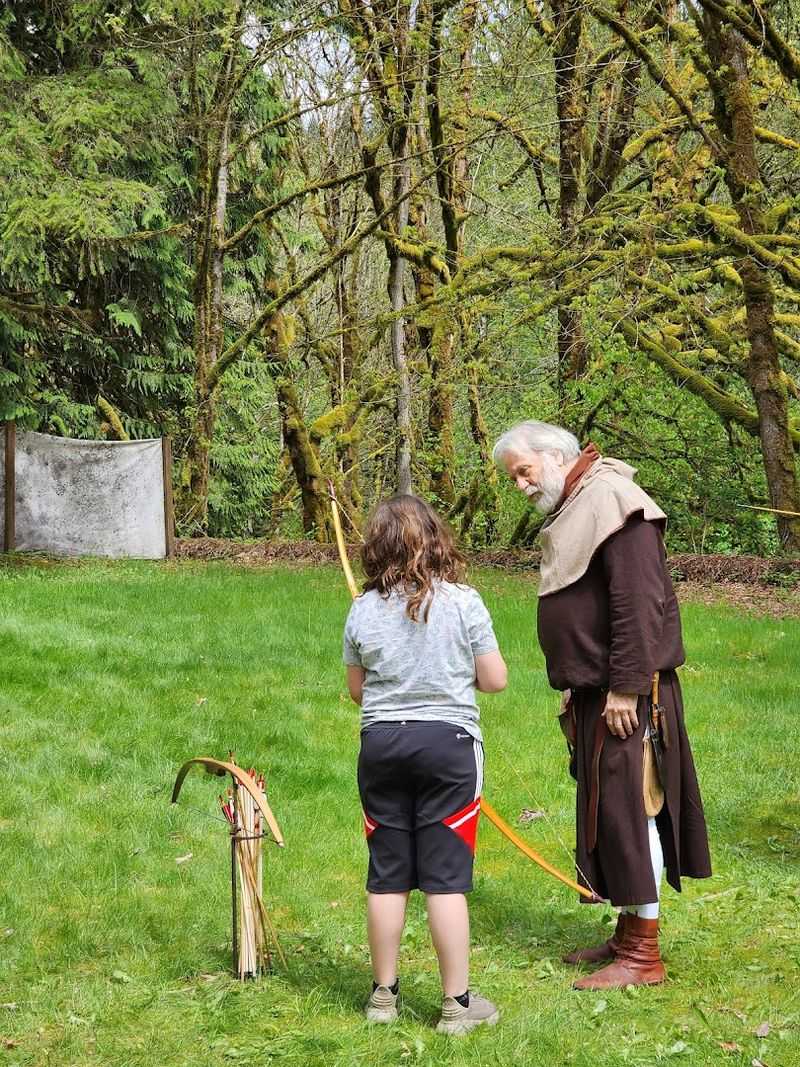
Medieval life was not all spinning wheels and candle-making. Camlann makes sure visitors get a taste of the more action-oriented side of the era, with archery demonstrations and combat displays that add genuine energy to the experience.
Watching trained interpreters demonstrate period-accurate combat techniques is both educational and entertaining. The movements are deliberate and historically grounded, reflecting how soldiers and villagers of the 1300s would have trained and defended themselves.
It is a far cry from the choreographed stage combat you might expect, and that grounded quality makes it much more compelling to watch. Archery is another highlight, with demonstrations that walk visitors through the mechanics and skill required to use a traditional bow effectively.
The instructors break down technique in a way that makes you realize just how demanding medieval archery actually was as a discipline. I left with a much deeper respect for anyone who mastered it, and a slightly bruised ego after my own brief attempt at the basics.
The Gate Shop: Taking A Piece Of The Middle Ages Home
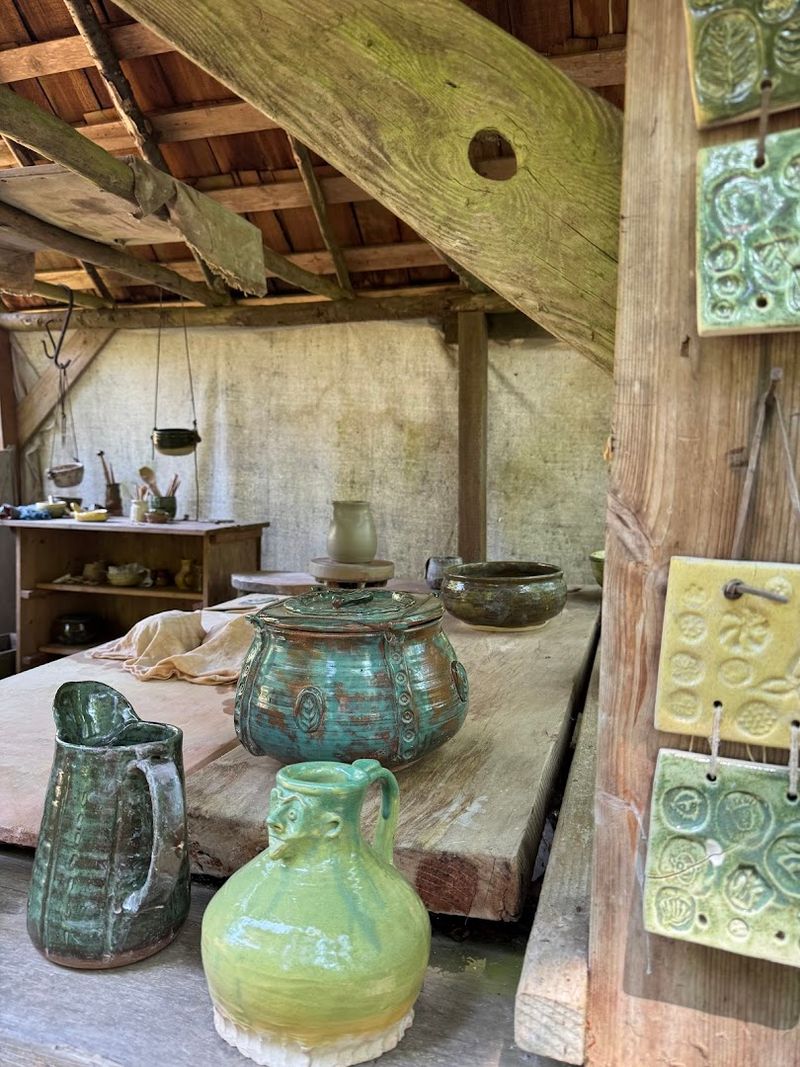
Right near the village entrance sits the Gate Shop, a small but well-stocked retail space where visitors can purchase handcrafted goods made by Camlann’s own artisans. This is not your typical tourist trap filled with mass-produced trinkets.
Everything in the shop reflects the same commitment to authenticity that defines the village itself.
You will find pottery, woven textiles, candles, and other handmade items that the village’s craftspeople produce using period-appropriate techniques. Buying something here feels genuinely meaningful because you know exactly who made it and how. It is a direct connection to the living history experience you just walked through.
I picked up a hand-thrown ceramic mug that now lives on my desk as a daily reminder of the visit. The prices are reasonable given the quality and the craftsmanship behind each piece.
If you are the kind of traveler who prefers meaningful souvenirs over generic keychains, the Gate Shop will feel like a small but satisfying reward at the end of your visit.
Planning Your Visit: Tips For Getting The Most Out Of Camlann
Camlann Medieval Village is located in Carnation, Washington, a small town in the Snoqualmie Valley about 30 miles east of Seattle. The rural setting is part of the charm, and the drive through the valley is a pleasant preview of the pastoral atmosphere waiting for you inside the village gates.
Arriving with a bit of curiosity and a willingness to engage with the interpreters will dramatically improve your experience. The more questions you ask, the more you get back, and the villagers are genuinely enthusiastic about sharing their knowledge.
Wearing comfortable shoes is a practical must, since the grounds are uneven in the way that actual medieval villages presumably were. If you want the full experience, book a dinner reservation at the Bors Hede Inne in advance and time your visit around one of the seasonal festivals.
Children tend to have an absolute blast here, and adults who arrive with an open mind usually leave just as enchanted. Camlann rewards curiosity, and that is the best kind of travel destination there is.