
These Northern Michigan Hikes Keep You Close To Traverse City And Feel Made For May
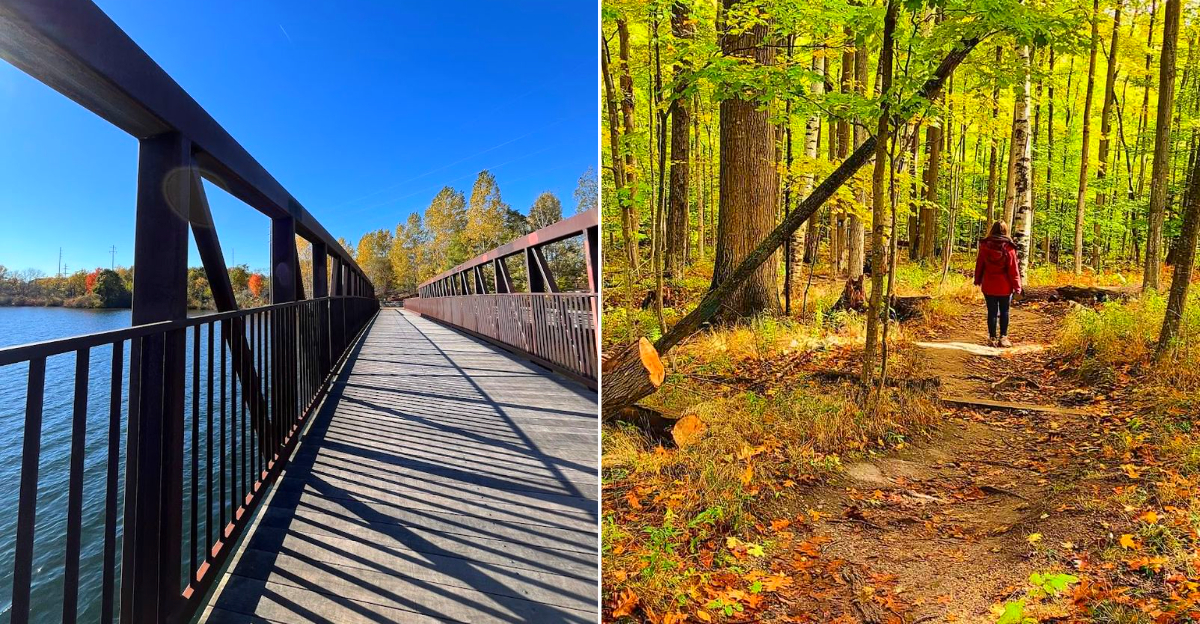
May is the month when northern Michigan stops looking like it survived winter and starts showing off again.
Around Traverse City, the trails feel freshly awake: damp boards underfoot, pale green leaves unfolding, lake views flashing blue through bare branches, and just enough mud to make you feel outdoorsy without requiring a survival montage.
I love this season because the crowds have not fully arrived, but the landscape is already flirting shamelessly.
These Traverse City-area hikes are ideal for May, with scenic trails, lake views, spring woods, manageable drives, and enough variety for casual walkers and restless adventurers.
Some routes are quick mood resets; others give you room to wander, breathe, and remember that your phone does not need to be consulted every ninety seconds.
Bring layers, expect soft ground, and follow the light. These walks make spring feel like a personal invitation outside, one you should probably accept today.
13. Boardman Lake Loop Trail
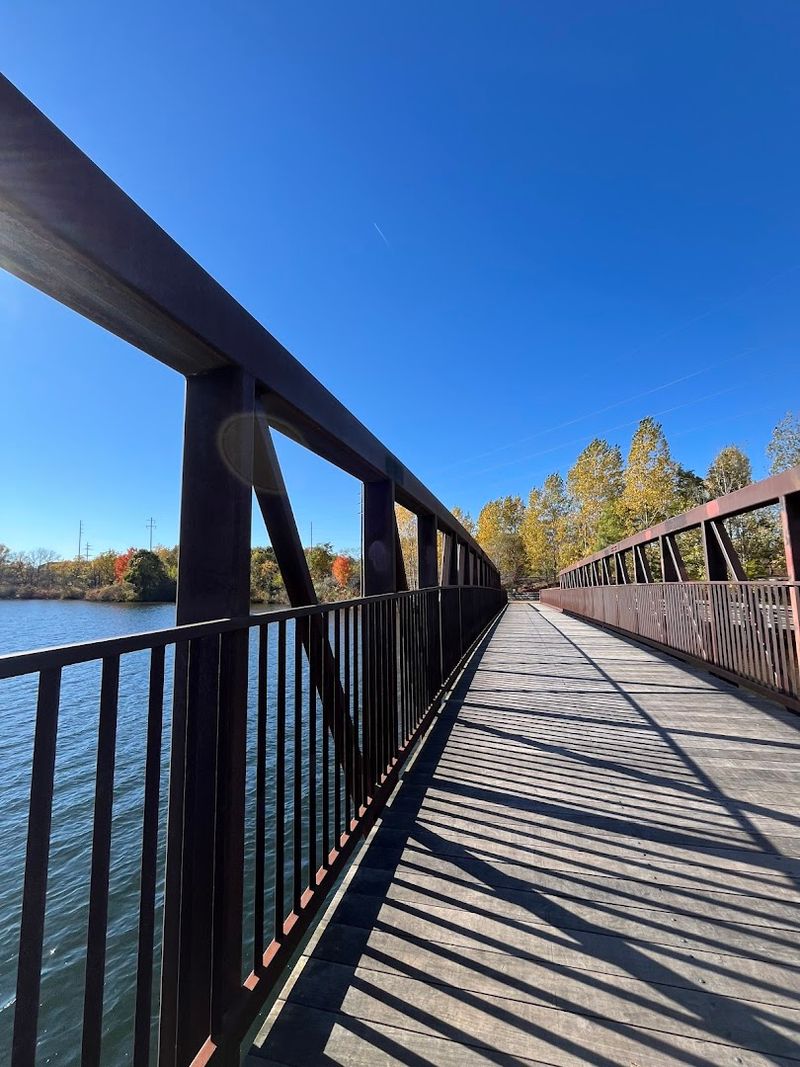
Boardman Lake Loop is the rare in-town trail that still gives you genuine quiet. The full loop is about four miles, and the surfaces shift between asphalt, gravel, and a long boardwalk that floats you out over the lake in a way that feels surprisingly cinematic in May. Fresh leaves soften the city edges fast.
The north side keeps one foot in Traverse City, while the east side turns notably woodier. That contrast is part of its charm: you can watch waterfowl, pass marshy pockets, and still be back near coffee without making a production of the outing. It is easy, accessible, and excellent for a low-stakes spring reset.
I like it most on cool mornings, when the lake holds a little mist and the boardwalk sounds louder than traffic. For visitors easing into hiking season, this one is a gift.
12. Grand Traverse Commons Natural Area
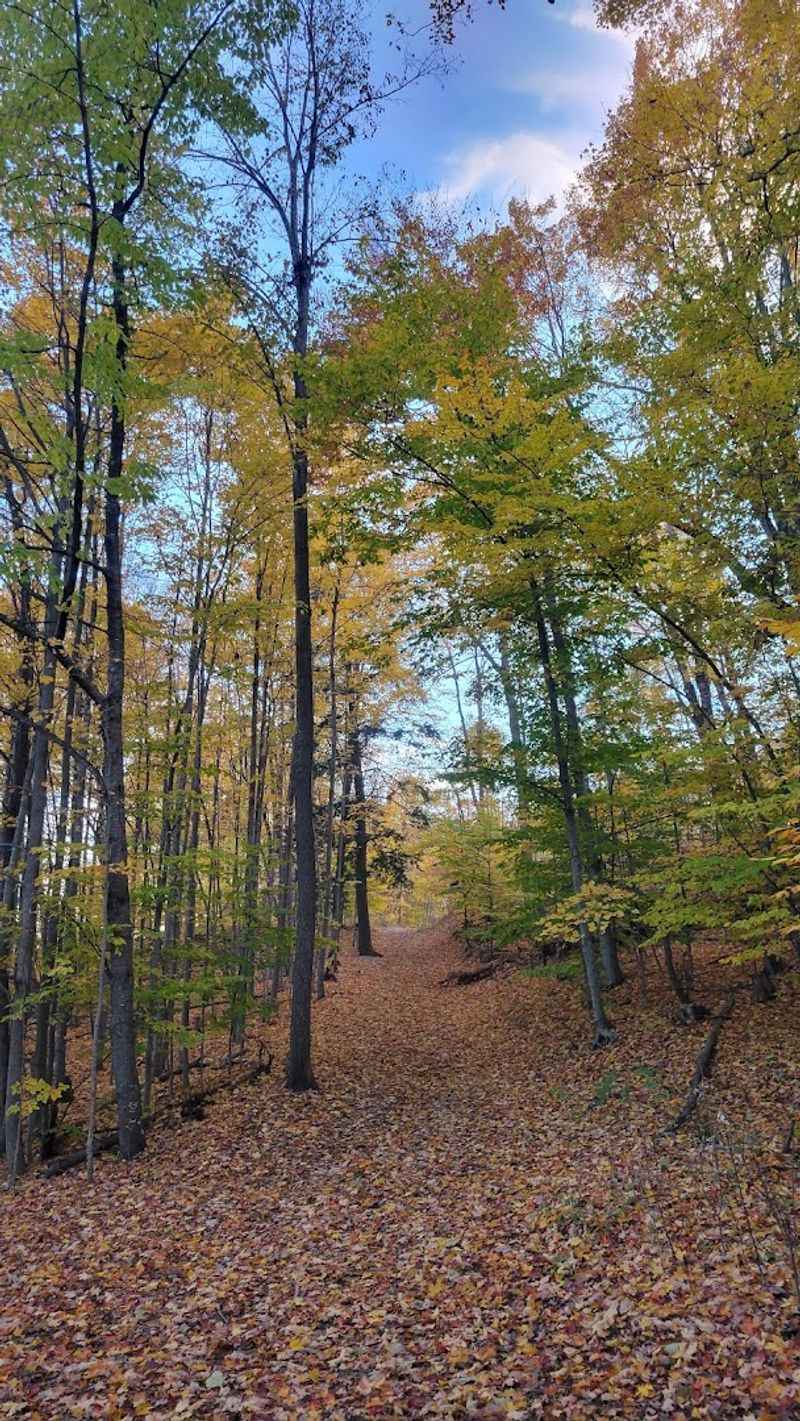
At the Grand Traverse Commons Natural Area, the first surprise is how quickly the old asylum grounds give way to woods, hills, and wetland edges. There are nine short trails within roughly 480 acres of protected land, so you can keep things brief or stitch together a longer ramble.
May suits the place beautifully, with fresh green under hardwoods and fewer people than later in summer.
The setting carries history without feeling heavy. The former state hospital buildings remain one of Traverse City’s most distinctive landmarks, and the nearby paths now invite a different kind of restoration, quieter and more local. Cedar Cathedral’s fairy house stretch and the painted Hippie Tree add a slightly offbeat note.
If you enjoy trails that balance mood with convenience, this is an easy favorite. Wear shoes you do not mind getting a little muddy after rain.
11. Miller Creek Nature Reserve
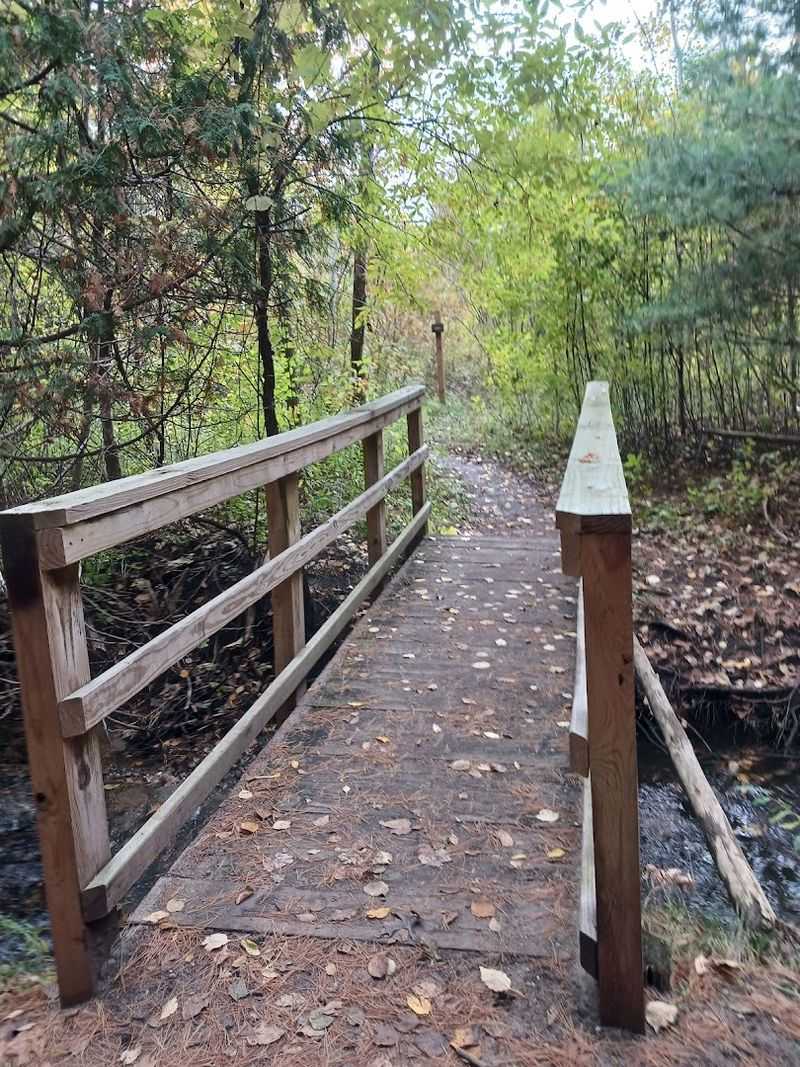
Miller Creek Nature Reserve has the kind of low-key spring beauty that can be easy to miss if you are chasing only famous overlooks. In May, the creek gives the place its tempo: a little movement, a little shine, and that damp woodland smell that makes northern Michigan forests feel newly unwrapped. The trail experience is intimate rather than expansive.
Because this is a nature reserve, the pleasure comes from scale and detail. You notice water threading through the landscape, fresh growth along the trail margins, and the way sound carries under leafing trees before summer gets dense. It is the sort of place where you naturally lower your voice.
I would choose this one for a quieter hour, especially after a busier day around town. Check conditions before heading out, because spring can leave sections muddy, and that is part of the deal with creekside walks.
10. Grand Traverse Natural Education Reserve
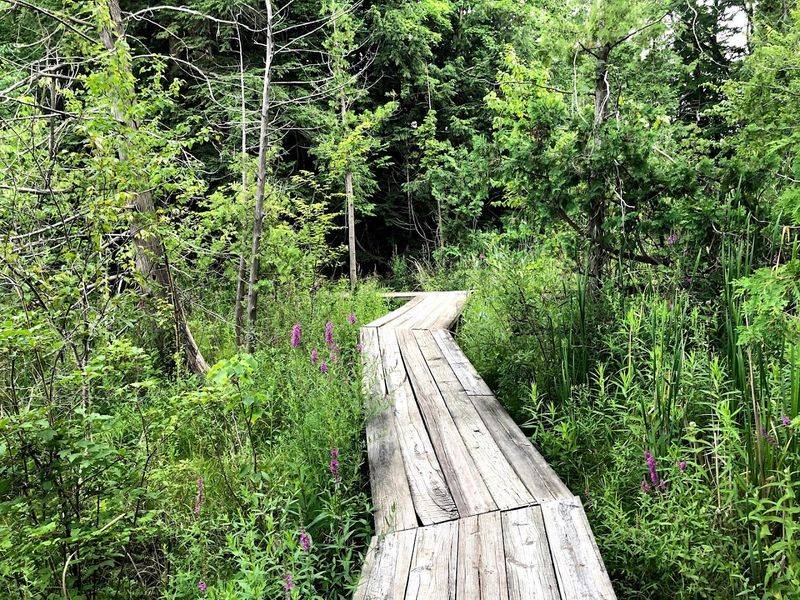
Grand Traverse Natural Education Reserve is the kind of place that rewards curiosity more than speed. Near Traverse City, it offers a quieter educational slant on a spring walk, where habitat changes, birds, and plant life become part of the outing instead of background scenery. In May, that feels especially right because everything is in visible transition.
The reserve’s appeal is less about a single grand vista and more about paying attention. Wet areas, woodland pockets, and open sections can all feel newly animated in spring, and you do not need expert knowledge to enjoy that. You just need enough time to stop when something catches your eye.
For families, beginner hikers, or anyone craving a gentler pace, this is a strong choice. Bring binoculars if you have them, wear waterproof footwear after rain, and let the place set its own tempo rather than forcing mileage onto it.
9. Sand Lakes Quiet Area
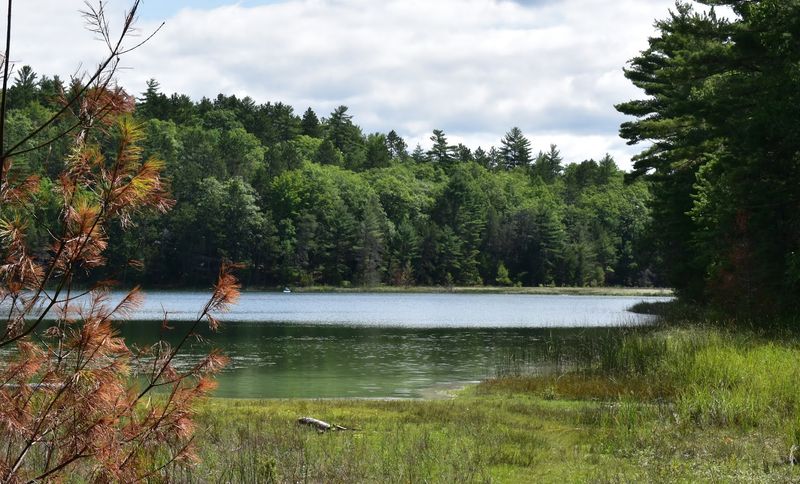
Sand Lakes Quiet Area is one of those places that makes an ordinary morning feel usefully larger. About 49 minutes from Traverse City, it offers roughly 7.4 miles of trails through wooded hills and around five small lakes, so the scenery keeps changing without becoming flashy. In May, the combination of fresh green and still-cool air is close to ideal.
The lakes are the key. They appear and disappear through the trees, giving the route a stop-and-start rhythm that keeps you curious, and the forested terrain has just enough contour to feel like a real outing. It is peaceful, but not sleepy.
I think this one shines when you have half a day and want immersion more than bragging rights. Pack water, expect uneven ground in spots, and give yourself permission to linger at shorelines, because that is where the place quietly wins you over.
8. Vasa Pathway
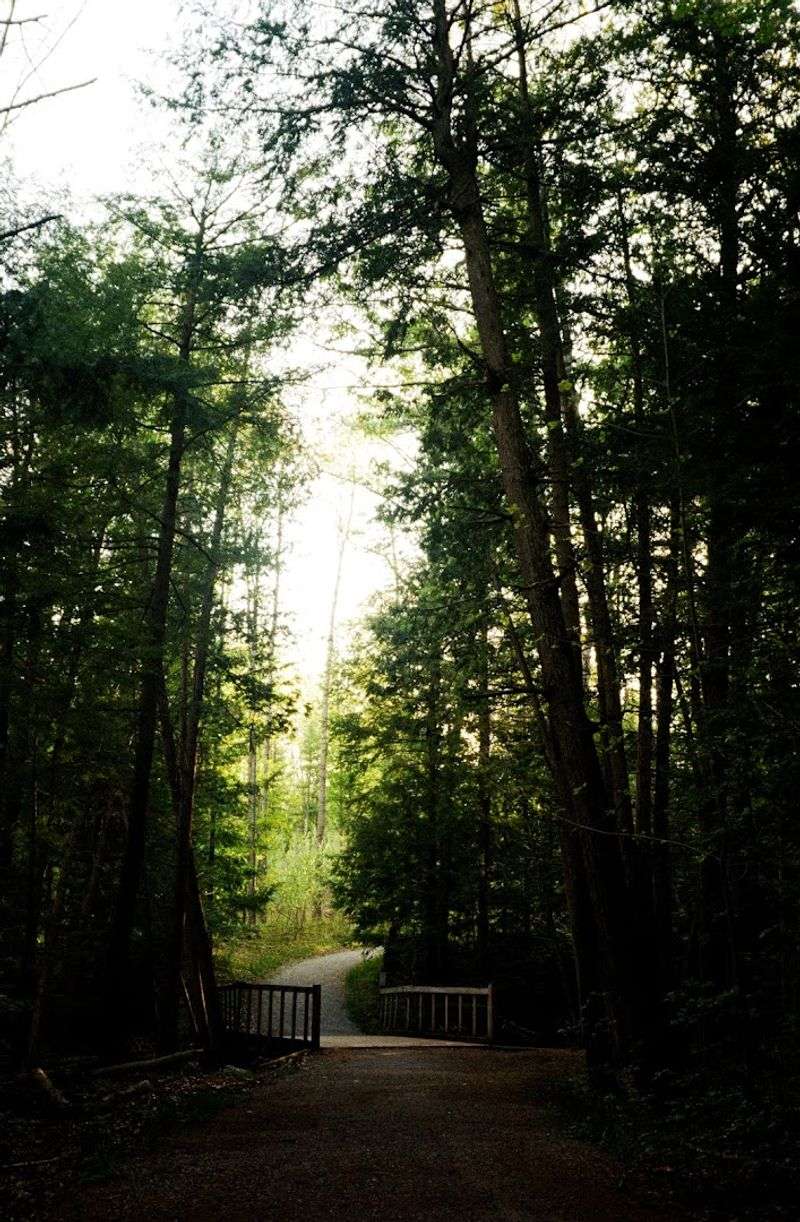
Vasa Pathway has a reputation for skiing and trail running, but in May it becomes a very satisfying hiking option close to Traverse City. The trails are generally well groomed and wooded, with a broad, purposeful feel that makes walking easy even when spring conditions elsewhere are messy. You get forest immersion without too much fuss.
There is something appealingly straightforward about Vasa. Instead of dramatic overlooks or quirky landmarks, the draw is movement through trees, steady footing, and the sense that locals actually use the place. That everyday quality makes it useful when you want a real hike but do not need ceremony.
Go after a wet spell and you may still find some soft spots, but usually it handles shoulder season well. If you are traveling with people who have different fitness levels, this is a smart compromise because you can tailor distance without sacrificing atmosphere.
7. Empire Bluff Trail
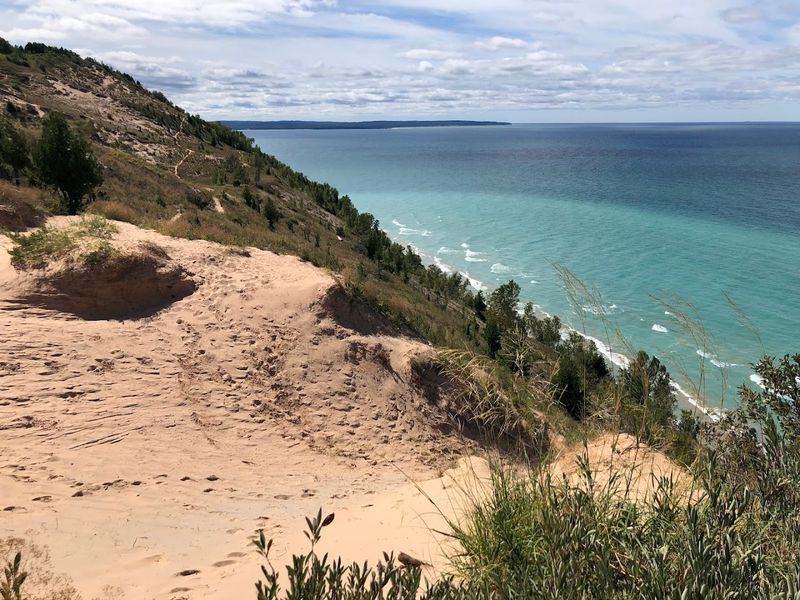
Empire Bluff is the classic near-Traverse City spring hike for a reason. In Sleeping Bear Dunes National Lakeshore, the loop is only about 1.5 miles, but the payoff is a broad Lake Michigan view from the bluff that feels much larger than the effort required. In May, wildflowers begin to show and the water often looks almost improbably blue.
The trail has gradual inclines and is generally moderate, though spring mud can make it feel a bit more serious than the mileage suggests. An early start helps, especially on warm weekends when this trail draws plenty of company. A park entrance pass is required.
I still think Empire Bluff is best treated as a short, sharp mood changer rather than a box to check. Wear waterproof shoes, linger at the overlook, and let the wind do some of the talking for you.
6. Pyramid Point Trail
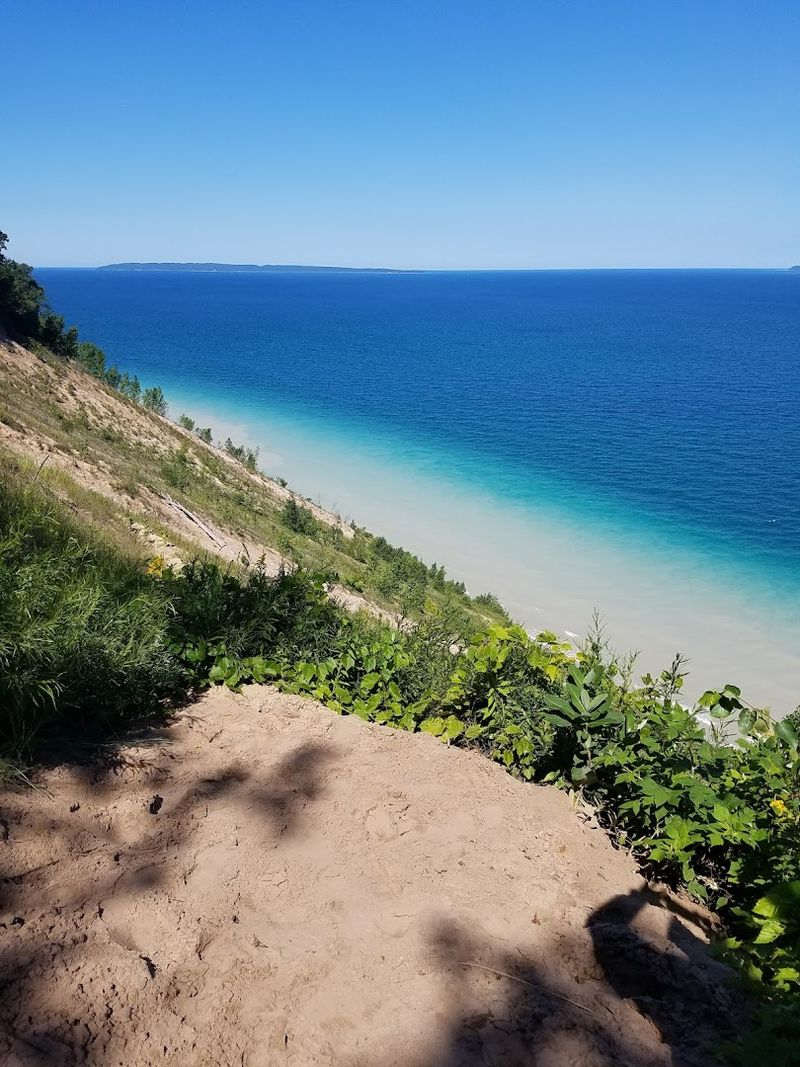
Pyramid Point has a slightly wilder feel than Empire Bluff, even though both sit within Sleeping Bear Dunes National Lakeshore. Depending on your route, you can keep it short or stretch it out, but the scenic overlook at about 1.5 miles is the magnetic point, with Lake Michigan and the Manitou Islands laid out in front of you. May gives the whole approach a lovely just-awake look.
The trail moves through a mix of forest and field, which keeps the light shifting in interesting ways. It is a touch more challenging than Empire Bluff, and the famous dune shortcut is not a casual idea on the way back, so staying on the established route is the sensible move.
Come prepared for wind at the overlook and softer ground after rain. If you like views that arrive with a bit of anticipation, this one absolutely earns its popularity.
5. Alligator Hill Trail
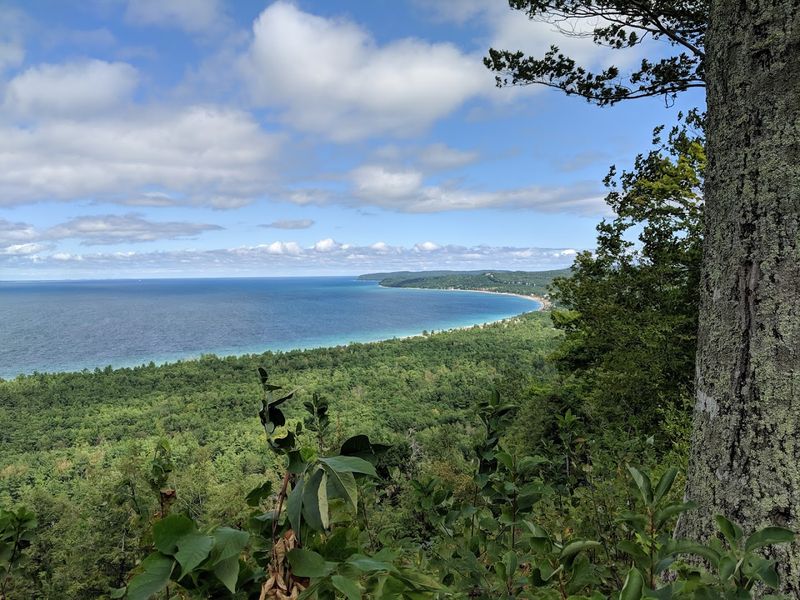
Alligator Hill gives you options, which is part of why it works so well in May. In Sleeping Bear Dunes National Lakeshore, you can choose loop hikes around 2.5 to 3 miles each or combine sections for something more ambitious, with hills, meadow stretches, and lush maple forest changing the mood as you go. The place never feels visually monotonous.
The headline view is from Glen Lake Overlook, where blue water and the surrounding landscape line up in a way that feels almost carefully arranged. But the approach matters too. Spring leaf-out in the maples makes the woods glow, and the meadows still have that early-season openness.
This is a good pick when your group cannot agree on distance, since the trail system gives you flexibility without sacrificing scenery. Bring layers, because exposed sections can feel cooler than the forest, especially on breezy May afternoons.
4. Good Harbor Bay Trail
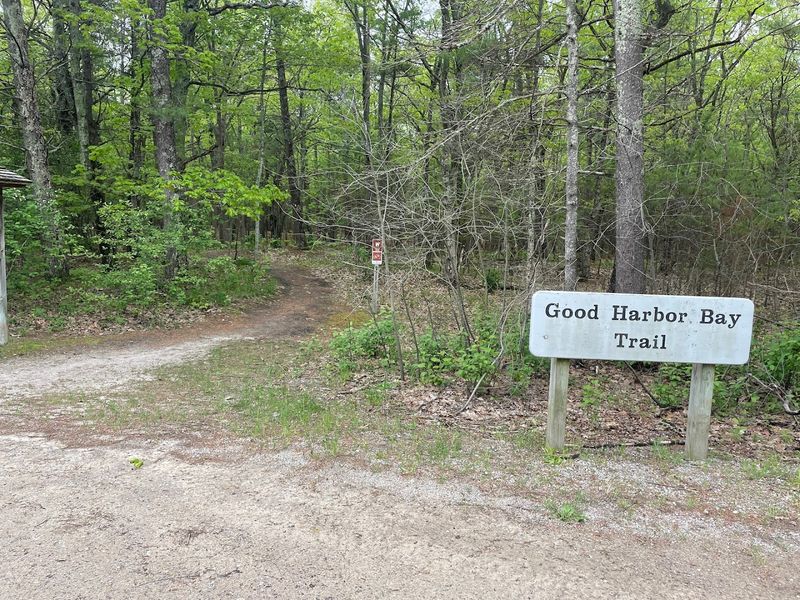
Good Harbor Bay Trail is a fine example of how Leelanau County can be quietly spectacular without making a show of itself. The route leads through forest toward the Lake Michigan shoreline, and in May that combination of cool shade, sandy soil, and glimpses of open water feels especially well balanced. It is less about conquest than arrival.
Spring is a smart time here because the woods are active but not overgrown, and the beach still holds some of that off-season spaciousness. You get the sensory shift from inland trail to lakeshore without committing to a huge day, which makes it easy to tuck into a broader Leelanau outing.
I would pair this one with a relaxed drive and no strict schedule. Conditions can vary with recent weather, but generally it is approachable, and the payoff is that very northern Michigan sensation of forest giving way to light.
3. Clay Cliffs Natural Area
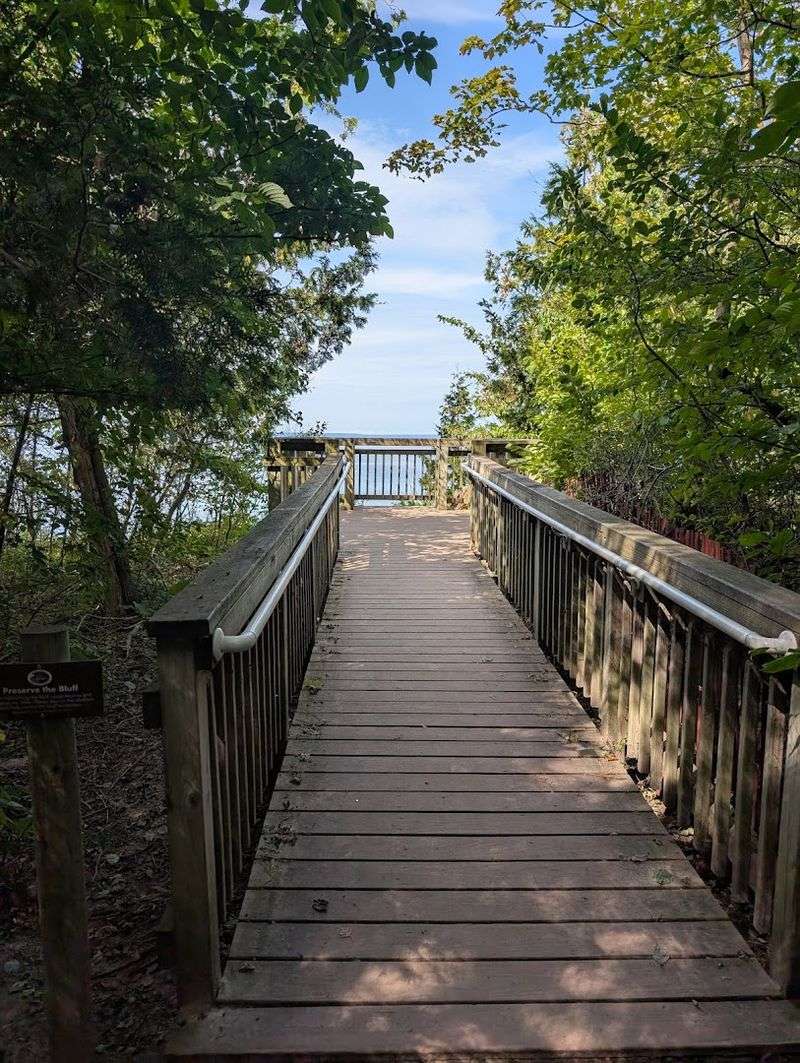
Clay Cliffs Natural Area is short enough to feel tempting on a whim and rewarding enough that it never feels throwaway. This Leelanau hike is known for its views of both Lake Michigan and Lake Leelanau, and in spring the trail often comes with wildflowers and active birdlife, which gives the whole outing a lightly celebratory mood. May is an excellent time to catch it.
Because the hike is not especially long, you notice details instead of pacing for endurance. The blufftop perspective arrives quickly, and the contrast between inland lake, big water, and emerging leaves does a lot of visual work for a relatively small effort. It is scenic without being overcomplicated.
Bring binoculars if birds are part of your fun, and tread carefully near overlooks. For visitors building a day around several stops, Clay Cliffs is one of the smartest high-payoff detours in the region.
2. Whaleback Natural Area
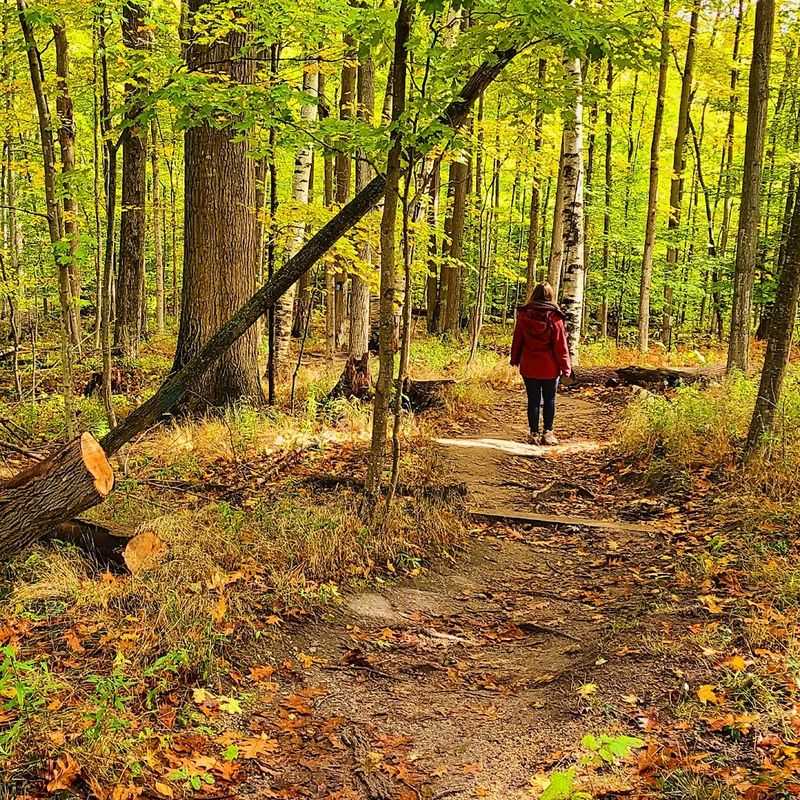
Whaleback Natural Area has a name that already suggests topography, and the landscape follows through. On the Leelanau Peninsula, this preserve offers a more rugged, ridge-oriented feel than some of the easier nearby walks, which makes it a satisfying May choice if you want spring softness without giving up terrain. The woods feel freshly awake, but the ground asks for attention.
What I like here is the sense of shape. Instead of one simple path to one obvious view, the hike is about contours, tree cover, and that steady awareness that you are moving across a landform with personality. In shoulder season, before summer foliage fully closes in, the place can feel especially legible.
Come in good shoes and expect a more natural trail underfoot. This is not the polished introduction hike for every traveler, but for people who like a little grit with their scenery, it has real appeal.
1. Grass River Natural Area
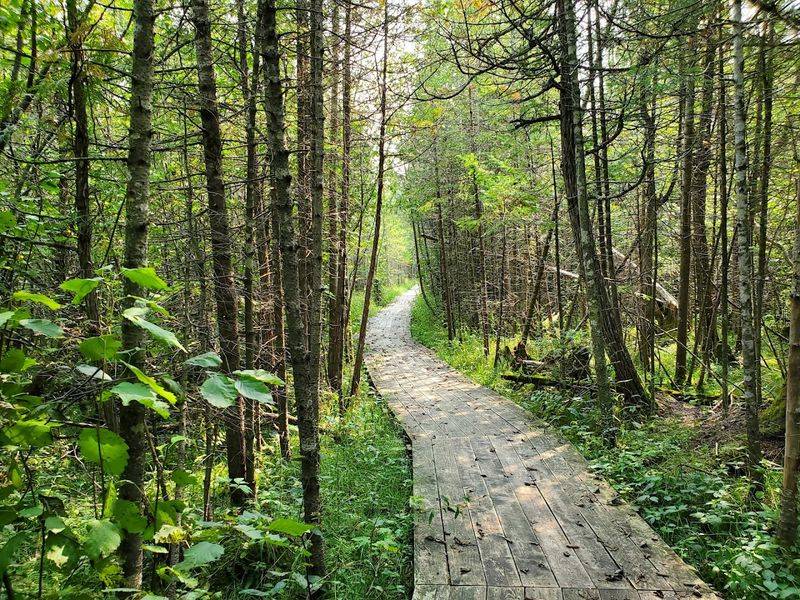
Grass River Natural Area trades high overlooks for wetlands, boardwalks, and the kind of layered habitat that keeps changing as you move through it.
Near the Traverse City region, it is a particularly strong May destination because spring migration, fresh marsh growth, and cool air make the whole preserve feel lively without being hectic. The atmosphere is observant by nature.
Boardwalk sections shape the experience, giving you an intimate way into marsh and forest transition zones that would otherwise stay at a distance. It is the sort of place where you start by looking for a simple walk and end up scanning water, listening for birds, and reading the landscape more carefully than expected.
I would recommend this one to anyone who enjoys quieter forms of drama. Bring binoculars, move slowly, and resist the urge to compare it to the bluff hikes, because its pleasures are subtler and completely its own.