
There’s A Fascinating Engineering Landmark In Arizona That Everyone Should Visit Once
Everyone has that one place they visit where the photos never quite capture the real thing, where standing there makes you feel oddly emotional about people you’ll never meet. For me, that place is buried in the Arizona desert, far from the golf courses and retirement communities that usually dominate the conversation about this state.
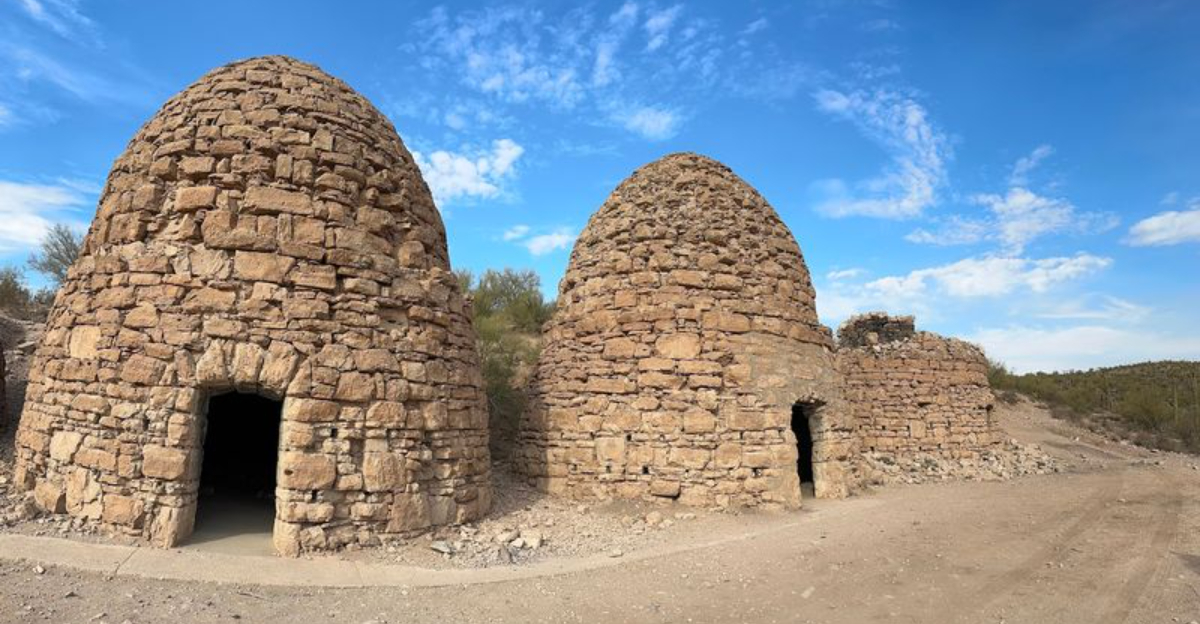
Arriving at this spot, you could be forgiven for thinking you’ve found an ancient civilization’s cookie cutter collection.
The beehive-shaped structures cling to the hillside like oversized terracotta soldiers, silent but somehow still telling a story. Each oven represents countless hours of brutal labor, extreme temperatures, and the kind of determination that modern humans can barely imagine.
A visit here doesn’t just teach you about history-it makes you grateful for air conditioning and mildly obsessed with 19th-century industrial processes.
The Beehive Design That Has Stood For Over A Century
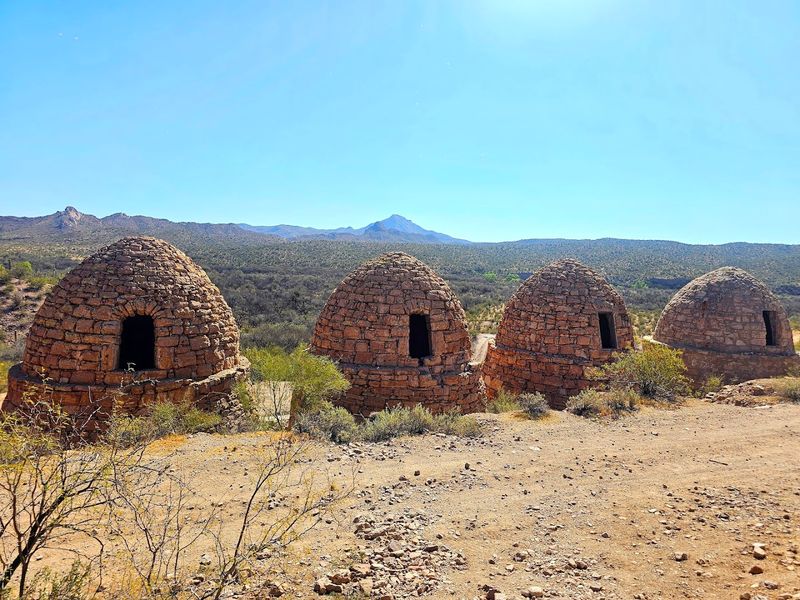
Few structures in the American Southwest carry the same quiet authority as these five dome-shaped ovens rising from the Sonoran Desert floor. Built from native stone cut into blocks and bonded with decomposed granite, each oven measures roughly 25 feet in diameter, stands about 30 feet tall, and stretches 72 feet in circumference.
That is not a small structure. Standing near one of them, you genuinely feel the weight of the engineering ambition behind it. A ground-level entry arch allows access into the chamber, while several vents positioned higher up allowed heat and gases to escape during the slow-burning process.
The beehive shape was not chosen for style. It was a deliberate engineering decision that allowed heat to circulate evenly inside the chamber, ensuring a consistent burn over multiple days.
Centuries of desert wind, summer heat, and flash flooding have tested these walls, and they are still standing, which says everything about the craftsmanship behind them.
The Industrial Purpose Behind The Stone Walls
Most visitors arrive expecting ruins and leave with a crash course in 19th-century metallurgy. The ovens were built to produce coke, a superheated form of charcoal created by slowly burning mesquite wood inside a sealed chamber over the course of several days. That coke burned far hotter than ordinary wood or charcoal.
That extra heat was exactly what nearby mining operations needed. Gold and silver ore pulled from the surrounding hills required intense, sustained temperatures to separate the valuable metals from raw rock, and standard campfires simply could not deliver that.
Once the coke was ready, it was transported across the Gila River to the now-vanished ghost town of Cochran, where smelters processed the ore. The remote desert location was intentional.
Keeping the kilns away from populated areas meant fewer disruptions to the slow, multi-day burn cycle. The whole operation was a precisely choreographed industrial process running in the middle of the wilderness, which makes the site feel even more remarkable today.
Two Origin Stories That Historians Still Debate
History rarely delivers a clean story, and the Florence Coke Ovens are no different. Two competing accounts of their origin have circulated for years, and neither has been definitively proven.
The more widely cited version credits the Pinal Consolidated Mining Company with constructing the ovens in 1882 to produce charcoal fuel for processing silver ore from Cochran. The second theory pushes the timeline back further and adds an unexpected international angle.
Some historical accounts suggest that Scottish miners built the ovens in the 1850s, possibly functioning as smelters rather than kilns. That distinction matters because smelting and charcoal production are two different industrial processes, which would change how the structures were actually used.
What both accounts agree on is that the ovens played a meaningful role in the regional mining economy of territorial Arizona.
The National Registry of Historic Places lists them as the Butte-Cochran Charcoal Ovens, giving them official recognition regardless of which origin story turns out to be closer to the truth.
The OHV Trail That Takes You There
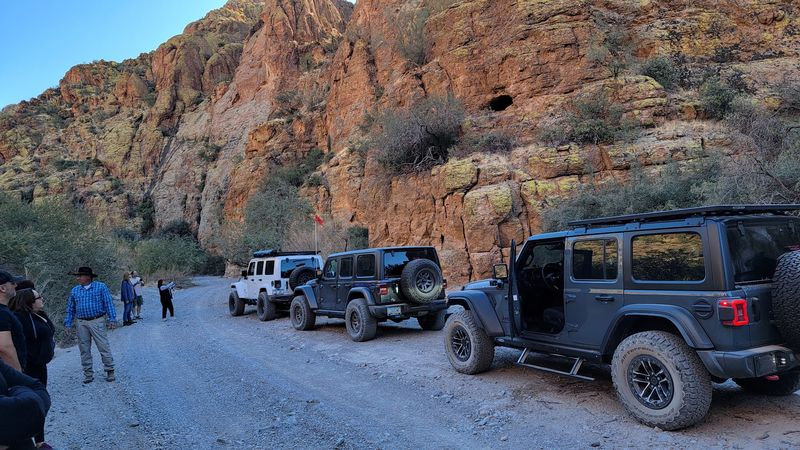
Getting to the ovens is part of the experience, and it is not a casual Sunday drive. The Florence Coke Ovens OHV Route stretches nearly 25 miles and is rated as strenuous, meaning you will want a capable off-highway vehicle and a solid sense of adventure before you commit to it.
A State Trust Land permit is required to access the trail. One of the most talked-about sections is Box Canyon, a dramatic stretch that features a seasonal stream crossing, steep rocky climbs, and obstacles that will test both your vehicle and your nerves.
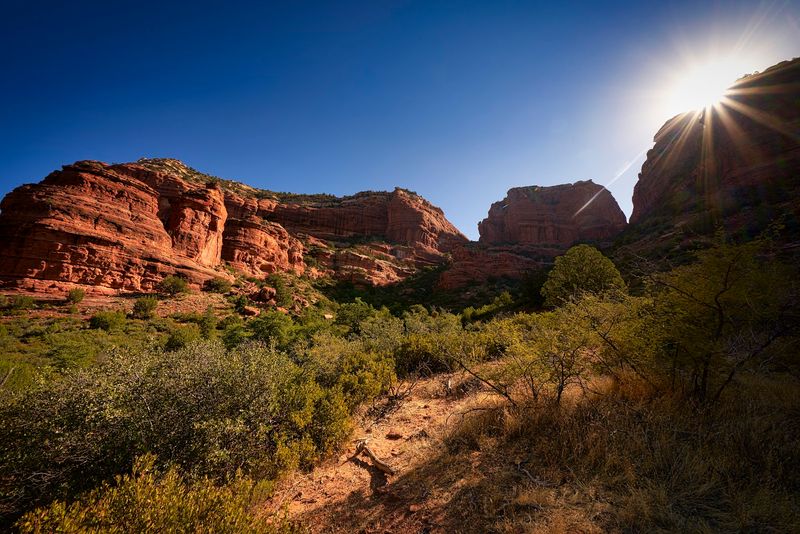
The surrounding scenery shifts between open desert flats and tighter canyon passages, keeping the route visually interesting throughout.
Hikers also use the trail, though the distance and terrain demand proper preparation, including plenty of water, sun protection, and sturdy footwear.
The route passes remnants of old mine shafts and abandoned cabins along the way, turning the journey into a rolling history lesson that rewards the effort long before you even spot the ovens on the horizon.
Visiting Responsibly And Understanding The Rules
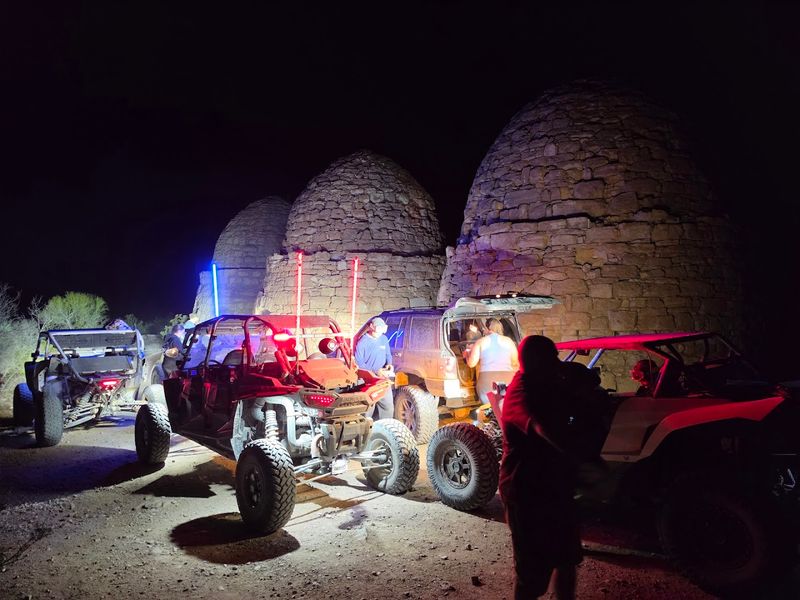
Here is something every visitor needs to know before making the trip: the ovens themselves sit on private property and are closed to the public.
The roads and trails leading toward them are accessible, but stepping onto the property surrounding the structures is considered criminal trespassing, and authorities do issue citations.
Vandalism and stone theft have been ongoing problems at the site, which is a genuine shame given how irreplaceable these structures are. Every stone removed or surface damaged chips away at a piece of Arizona history that cannot be rebuilt or restored once it is gone.
Viewing the ovens from a respectful distance is the right move, both legally and ethically. Planning ahead makes the visit far smoother.
Picking up a State Trust Land permit before you go, checking current trail conditions, and bringing navigation tools suited for remote desert travel will keep the day enjoyable rather than stressful.
Respecting the site ensures future visitors can experience it too, which is the whole point of preserving landmarks like this one.
Why This Corner Of Arizona Deserves Your Attention
The stretch of desert surrounding Florence, Arizona carries a quiet intensity that is easy to underestimate.
The Gila River cuts through the landscape nearby, and the combination of river corridor, open desert, and rugged canyon terrain creates a setting that feels genuinely wild even though it sits within a reasonable drive of the Phoenix metro area.
Beyond the coke ovens, the trail system passes traces of the mining era that shaped this region, including collapsed shafts and weathered timber structures slowly returning to the earth. Those details add texture to the experience, reminding you that this was once a busy industrial corridor humming with activity and ambition.
For travelers who prefer destinations that reward curiosity over convenience, this area delivers something hard to find on a typical itinerary.
The Florence Coke Ovens at approximately 15 miles east of Florence, AZ, sit at the intersection of engineering history, desert adventure, and preserved wilderness, a combination that makes the effort of reaching them feel entirely worth it.
The Best Season To Plan Your Desert Visit
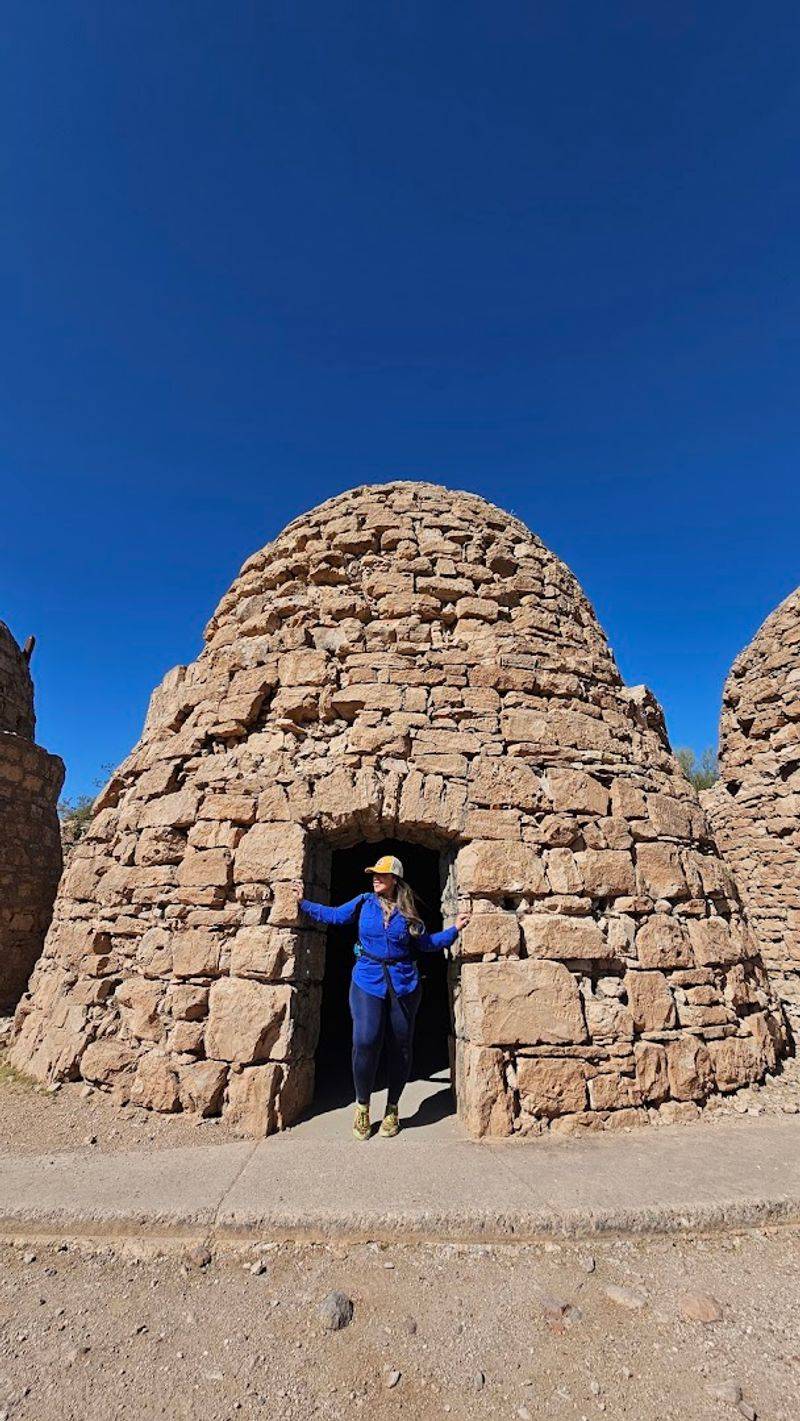
Arizona’s Sonoran Desert can be unforgiving, so timing your trip to the Florence Coke Ovens genuinely matters. Fall and spring offer the most comfortable conditions, with mild temperatures, clear skies, and golden light that makes those stone domes practically glow for photographs.
Summer heat regularly climbs past 100 degrees, and the exposed trail provides almost no shade along the way. Even in cooler months, carrying extra water is essential since the terrain stays dry and the sun reflects sharply off pale desert rock.
Winter visits are surprisingly pleasant, with crisp mornings and easy afternoons that make the whole trip feel effortless and well worth the drive. The road in can also be rough, so a high-clearance vehicle makes the journey feel a lot less stressful.
Checking conditions before you go is smart, especially after storms, since desert routes can change quickly. Comfortable shoes matter here too, because the ground around the ovens is uneven and rocky.
Arrive earlier in the day if you can, when the light is softer and the desert feels calmer.
What The Surrounding Landscape Quietly Tells You
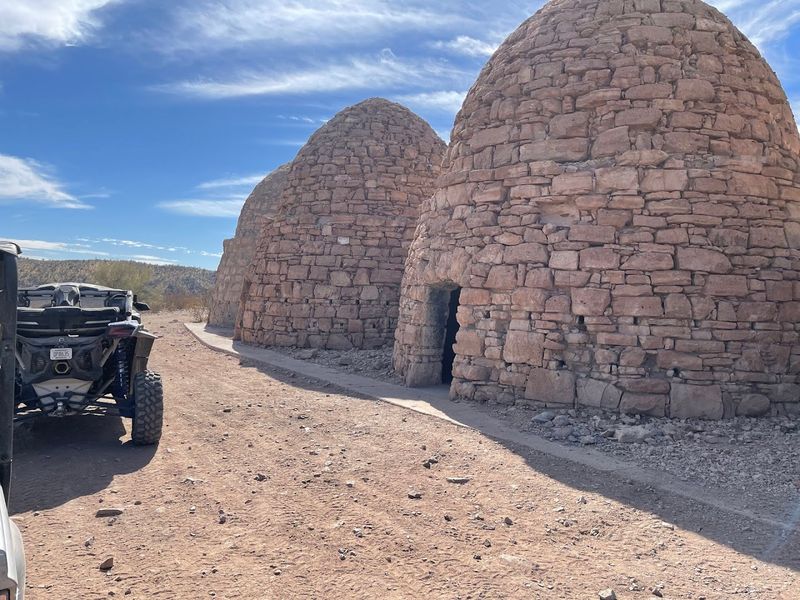
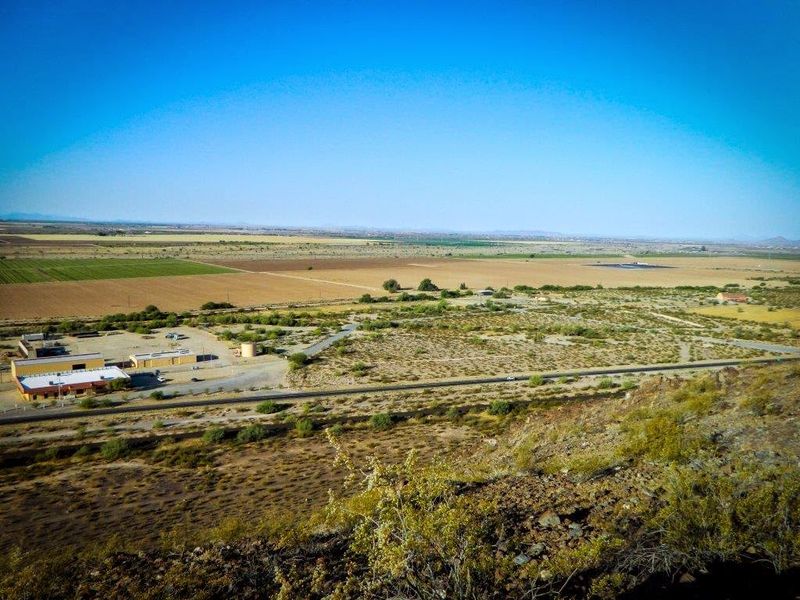
Standing beside the ovens, it is easy to focus entirely on the structures themselves, but the land stretching out in every direction carries its own compelling story. Scrubby desert brush, dry washes, and wide-open sky remind you just how isolated this operation once truly was.
Workers who tended these ovens lived and labored miles from any real town, enduring harsh desert conditions to keep industrial production moving forward.
That isolation was not accidental, since remote sites kept operating costs lower and minimized friction with established communities nearby.
Gazing across that empty horizon today gives you an honest sense of how determined and resilient those early laborers must have been. The silence around the site makes that history feel even more vivid.
There are no city sounds to soften the scene, just desert wind and the rough outline of what people built here by hand.
It gives the place a lonely beauty that feels very different from a polished historic attraction. Every direction seems to stretch farther than expected, making the ovens feel small against the desert but powerful because they survived it.
That contrast is part of what makes the Florence Coke Ovens so memorable.