
This Small Town In Maine Has Quietly Become A New England Favorite
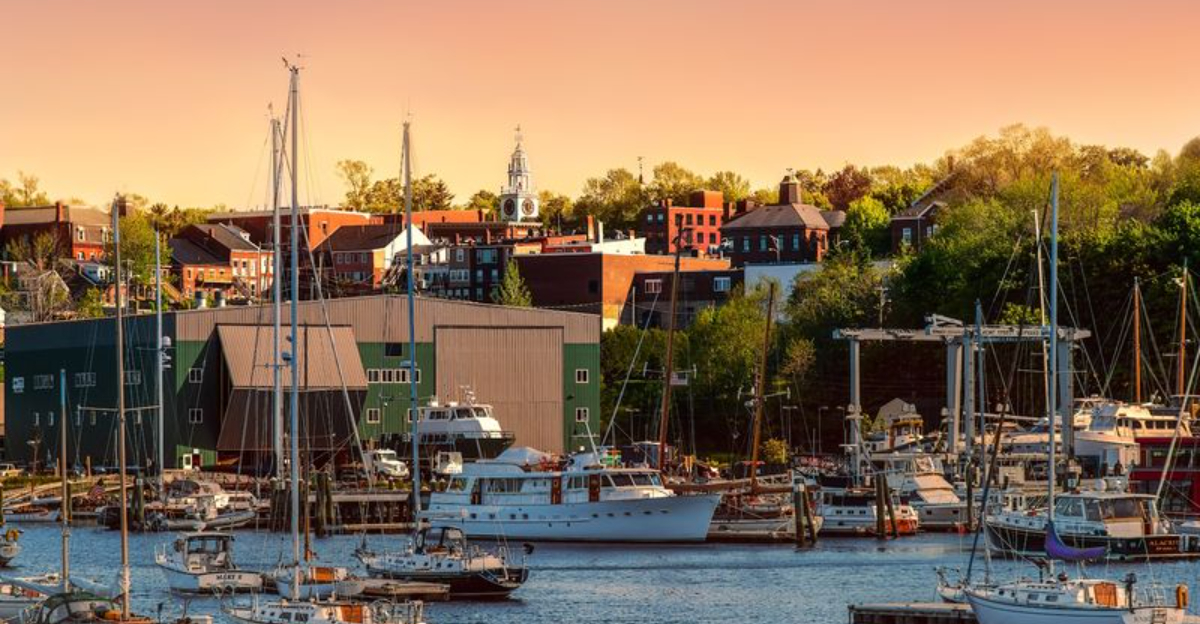
Some coastal towns are pretty in a predictable way. This one feels different the second you arrive.
Set along Maine’s Midcoast, where a quiet river estuary opens into a wide blue bay, this small city of about 7,000 has way more going on than you would expect. You get a working waterfront, old brick storefronts, independent galleries, local restaurants, and salty harbor views all within an easy walk.
Nothing about it feels overly polished or made for tourists, which is exactly the appeal. It has history, art, good food, scenic trails, and that hard-to-fake coastal character people are always hoping to find in Maine.
For travelers craving a Maine town with beauty, creativity, history, and a little edge, this under-the-radar harbor city deserves a much closer look.
A Settlement With Deep Scots-Irish Roots
Long before Belfast, Maine became a trendy coastal stop, its story began with a boatload of determination. In 1770, Scots-Irish families from Londonderry, New Hampshire, put down roots here, and just three years later, in 1773, the town was officially incorporated and named after Belfast, now in Northern Ireland.
That transatlantic connection is more than just trivia. It shaped the community’s character from the very beginning, blending a rugged work ethic with a strong sense of place.
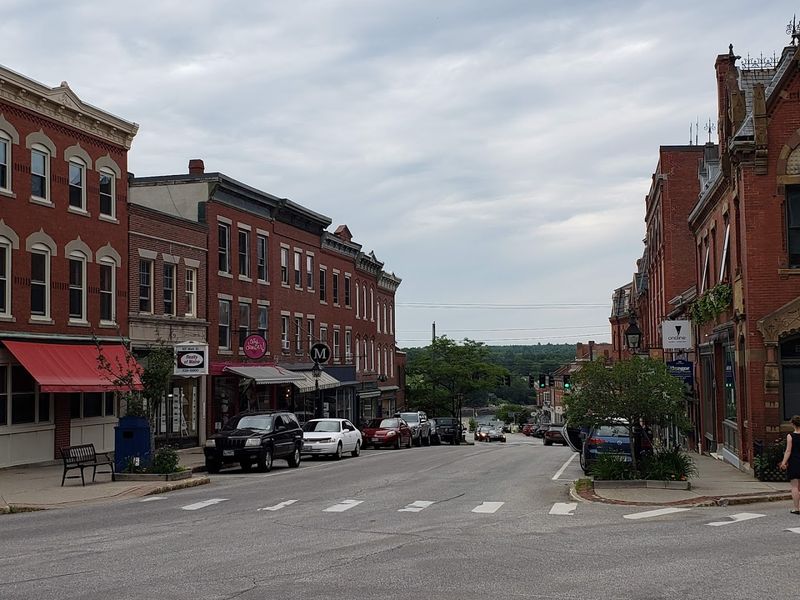
You can feel that layered history just walking through downtown, where buildings have been standing for well over a century.
For history enthusiasts, Belfast offers a rare chance to trace American colonial settlement patterns back to their European origins. The town’s name is a living reminder of the immigrant families who crossed an ocean and then kept moving until they found exactly the right spot on the Maine coast.
Where Artists Took Root
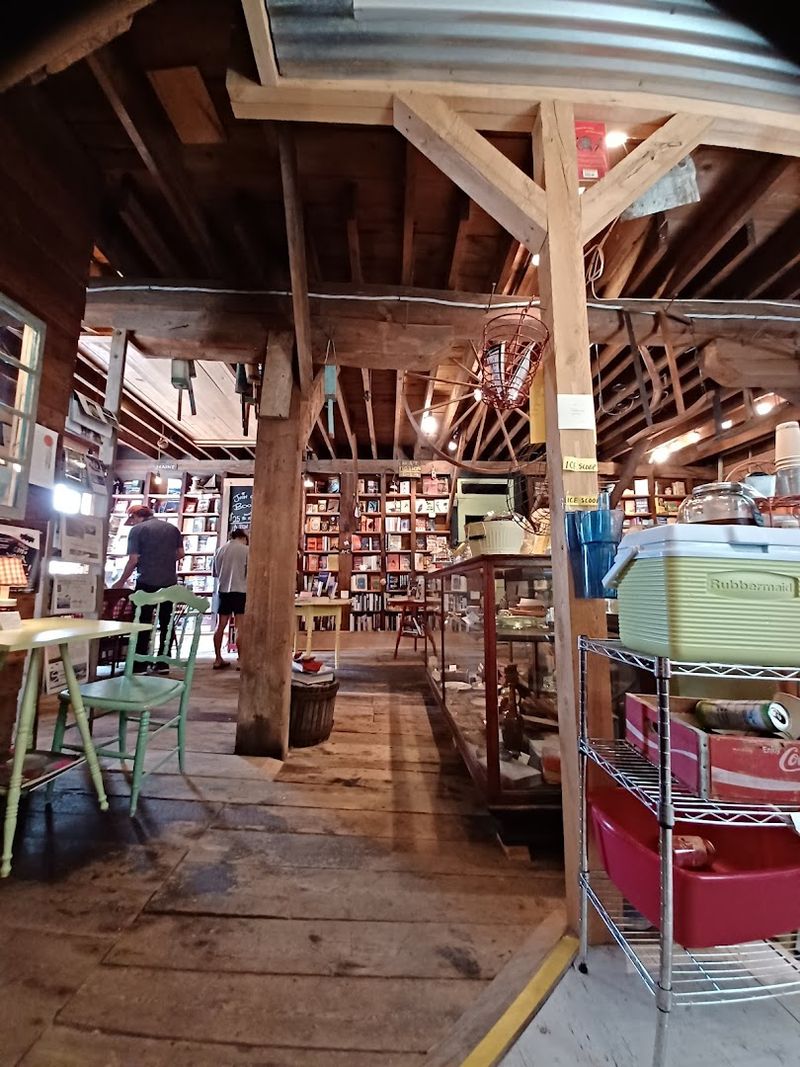
Walk through Belfast on any given weekend and you will quickly realize this is not your average small town. The creative energy here is palpable, driven by organizations like Waterfall Arts and Artivism in Maine, which help bring exhibits, live music, theater productions, and community workshops into the heart of the city.
Waterfall Arts, in particular, operates out of a beautifully repurposed school building and serves as a true community hub. It offers studio space, classes for all ages, and rotating gallery exhibitions that showcase both local and visiting artists.
The programming is ambitious for a city this size.
What makes Belfast’s arts scene feel so authentic is that it grew organically out of necessity. When economic hardship hit in the mid-20th century, creative people moved in and filled the gaps.
That grassroots origin gives the whole scene an unpretentious, welcoming energy that even the most casual visitor can immediately sense and appreciate.
The Downtown That Held On
Some towns talk about preserving history. Belfast actually did it.
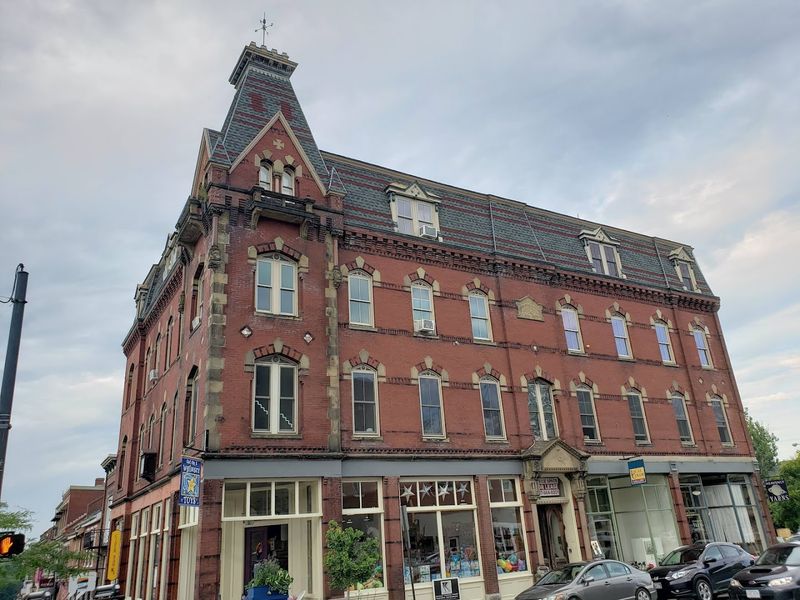
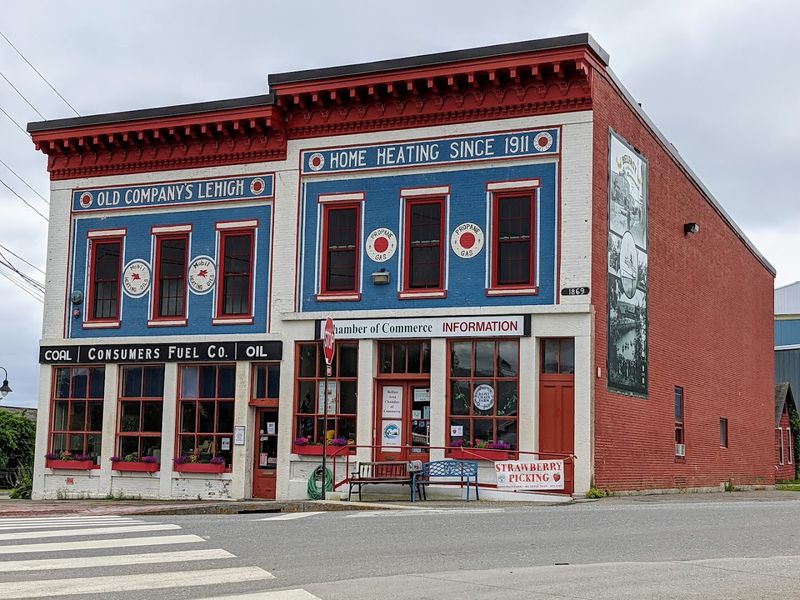
The downtown has earned the distinction of being a Nationally designated Main Street Community, and the streetscape delivers on that promise with rows of beautifully maintained pre-Civil War brick buildings that house independent shops, restaurants, and galleries.
What I love most is that the architecture is not just decorative. These buildings are working spaces, filled with locally owned businesses that give the street real life.
You will find bookstores, artisan boutiques, coffee shops, and art galleries all operating inside structures that have been standing for over 150 years.
The ornate detailing on many of the facades, including carved cornices, arched windows, and decorative brickwork, speaks to the prosperity Belfast once enjoyed as a 19th-century commercial hub.
Walking these blocks feels less like a tourist activity and more like a genuinely immersive history lesson that happens to come with good coffee and excellent browsing.
Belfast’s Waterfront Revival
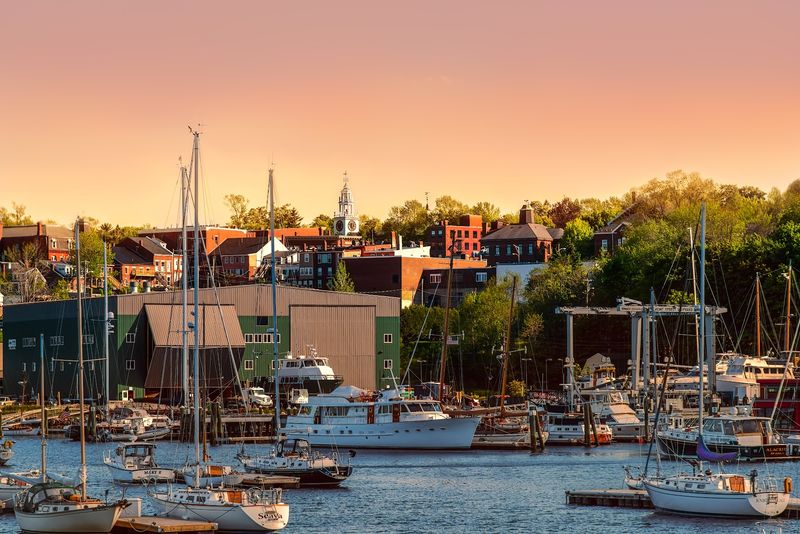
Belfast’s waterfront has lived multiple lives, and every chapter is fascinating. In the 19th century, this stretch of coastline was a bustling shipbuilding and commercial hub.
Later, it pivoted to poultry and sardine processing, industries that defined the local economy for decades before eventually fading away.
The transformation since then has been nothing short of remarkable. Front Street Shipyard stepped in and revived the waterfront’s maritime soul by re-establishing classic wooden yacht building and restoration.
Watching skilled craftspeople work on traditional wooden vessels is a genuinely moving experience that connects the present to Belfast’s deep seafaring past.
Today, the waterfront blends working maritime industry with recreational access in a way that feels completely natural rather than staged.
You can watch a yacht take shape in the boatyard, then stroll along the water’s edge and take in sweeping views of Belfast Bay. It is the kind of place where industrial heritage and natural beauty complement each other perfectly.
The Town That Reinvented Itself
Every great town has a turning point, and Belfast’s came in the late 1970s and 1980s. After the poultry industry declined sharply in the 1970s, Belfast faced real economic uncertainty.
Rather than slowly fading, the city attracted a wave of artists, writers, and free-thinkers who saw potential where others saw problems.
That creative influx reshaped Belfast’s identity in lasting ways.
By the early 1990s, the transformation was so striking that USA Today named Belfast one of America’s culturally cool communities, a recognition that surprised exactly no one who had already discovered the place. The label stuck because it was earned honestly.
That revival spirit is still very much alive today. The community has a strong sense of ownership over its own story, and residents actively participate in shaping what Belfast becomes next.
Visiting now, you can feel that energy in the mix of old architecture, new businesses, and a population that genuinely cares about where they live.
Trails, Tides, And Bay Views
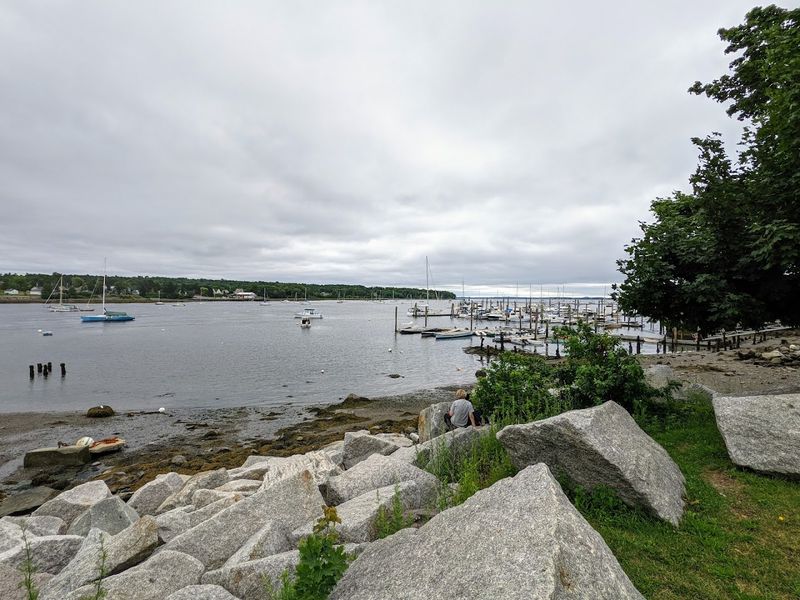
For a city with fewer than 7,000 residents, Belfast offers an almost unfair amount of outdoor recreation. The Belfast Harborwalk runs right along the waterfront, giving walkers and joggers some of the most scenic coastal views in all of Maine without requiring a single mile of driving to access them.
The 2.3-mile Belfast Rail Trail is another local favorite, converting an old railway corridor into a smooth, accessible path that winds through town and connects to the surrounding landscape.
For those who want a longer challenge, the trail links up with the Hills to Sea Trail, a 47-mile route that extends through the broader Waldo County region.
Kayaking on Belfast Bay, cycling the rail trail, or simply watching the tides roll in from the harborwalk, the options are genuinely varied. Whether you are a serious outdoor athlete or someone who just wants a peaceful morning walk with a harbor backdrop, Belfast has exactly the right trail waiting for you.
Belfast’s Farm-To-Harbor Table
Fresh food is not a marketing buzzword in Belfast. It is genuinely the foundation of how people here eat.
The city supports two notable farmers’ markets, the Belfast Farmers’ Market and the United Farmers Market of Maine, with the latter being the largest indoor farmers’ market in the entire state.
Walking through the United Farmers Market of Maine is a sensory experience. Vendors line up with locally grown vegetables, handmade cheeses, fresh-baked bread, smoked meats, and handcrafted goods that reflect the agricultural richness of the surrounding region.
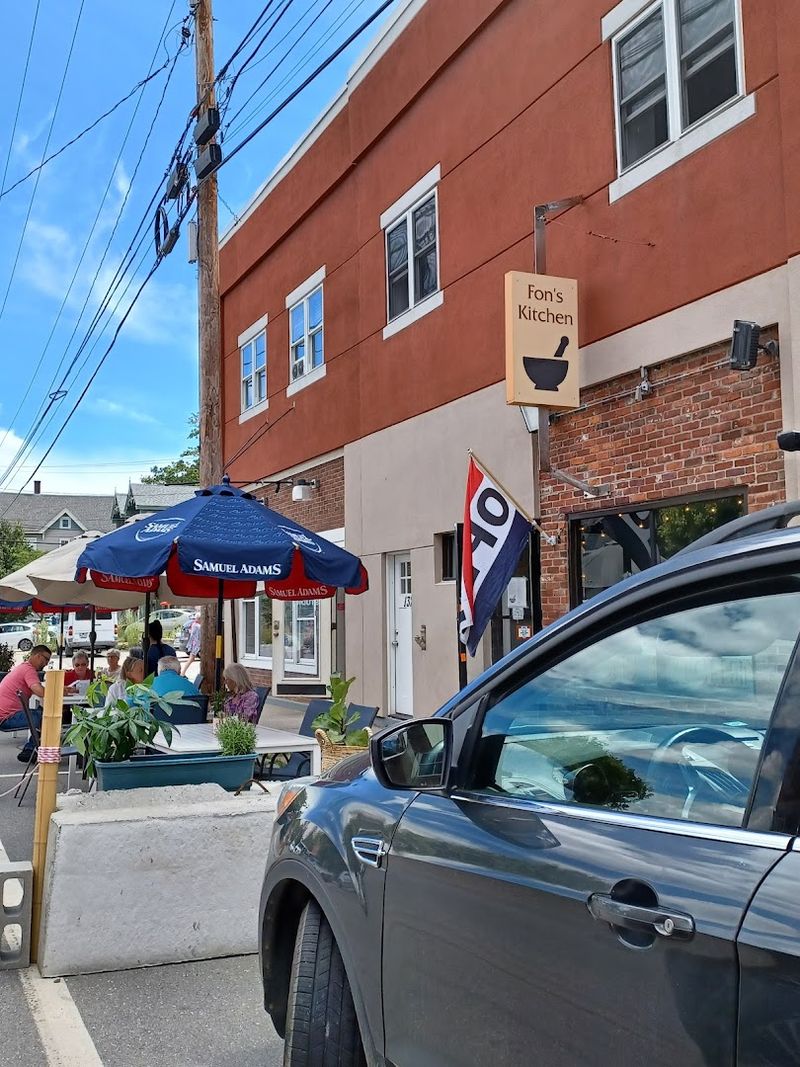
The variety for a market of this size is genuinely impressive. Beyond the markets, Belfast’s restaurant scene leans hard into fresh seafood, with chowders, lobster rolls, and daily catch specials that taste the way coastal Maine food is supposed to taste.
The combination of strong farmers’ market culture and talented chefs who source locally creates a food experience that feels both unpretentious and exceptional at the same time.
A Festival Calendar With Personality
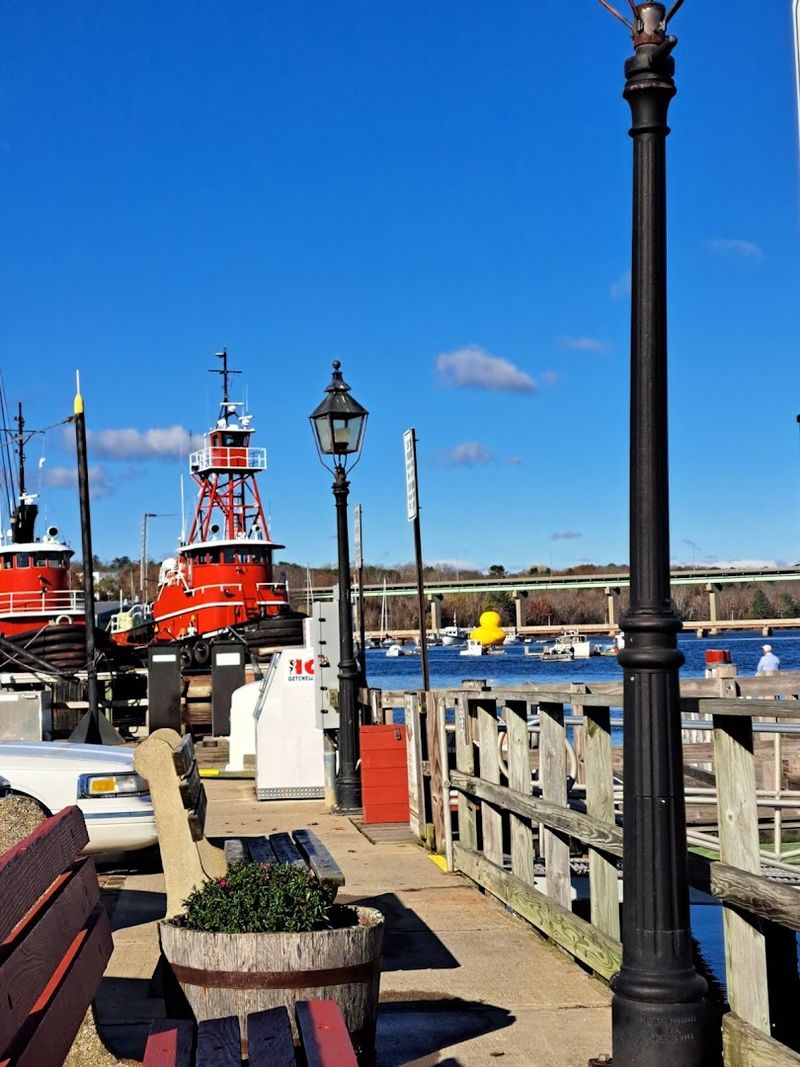
A town that hosts a Maine Wienerfest is a town that does not take itself too seriously, and I mean that as the highest possible compliment. Belfast’s annual event calendar is a reflection of its personality: creative, community-driven, a little quirky, and genuinely fun for visitors of all ages.
Historically, the Maine Celtic Celebration has been one of Belfast’s more distinctive cultural events, honoring the Scots-Irish heritage that shaped the city’s founding. It brings together Celtic music, dance, and cultural programming in a setting that actually makes historical sense given the city’s origins.
Arts in the Park and Belfast Harbor Fest round out a summer schedule that keeps the waterfront and downtown buzzing with activity.
What strikes me about Belfast’s festivals is that they feel like events the community throws for itself, and visitors are warmly invited along.
There is no manufactured tourism energy here. The celebrations are real expressions of local pride, and that authenticity makes attending them far more enjoyable than your average regional festival circuit.
Small-Town Charm

There is a difference between a town that markets itself as charming and a town that simply is charming, and Belfast falls firmly into the second category.
The pedestrian-friendly streets, the locally owned shops, the neighbors who actually know each other, these are not features added to attract tourists. They are just how Belfast operates.
The city has made conscious decisions to support local businesses over chain development, which means downtown Belfast is full of one-of-a-kind shops, independent restaurants, and community spaces that you will not find replicated anywhere else.
That commitment to local ownership gives the whole place a texture and personality that feels increasingly rare.
There is also a strong civic culture here. Residents are actively engaged in conversations about preservation, development, and community planning.
Belfast is not coasting on its charm. It is a community that works at being the kind of place it wants to be, and that ongoing effort shows in every well-kept block and thriving small business.
Midcoast Maine At Its Best
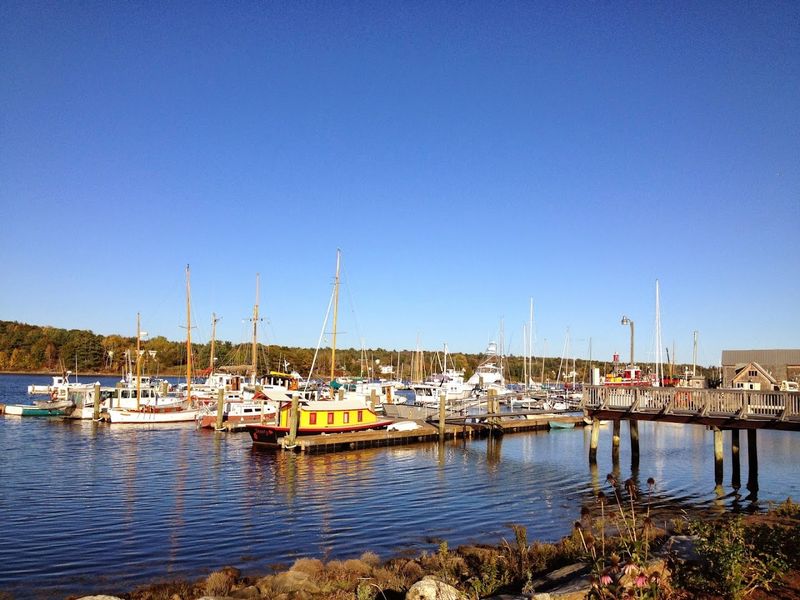
Geography gave Belfast a serious head start. Positioned at the mouth of the Passagassawakeag River estuary where it meets Belfast Bay, an arm of Penobscot Bay, the city enjoys a waterfront setting that delivers memorable views across the harbor and bay.
As the county seat of Waldo County, it also serves as a practical hub for the surrounding region. The combination of river, bay, and broader Gulf of Maine coastal waters creates a dynamic natural environment that changes with the tides, seasons, and light conditions.
On a clear morning, the reflection of the hills across Belfast Bay is the kind of scene that makes you stop walking and just stand there for a moment longer than planned.
Belfast’s ZIP code is 04915, and its location places it in the heart of Midcoast Maine, one of the most scenically rewarding stretches of the northeastern United States.
The city’s website at cityofbelfast.org is a solid starting point for planning a visit that does full justice to everything this remarkable coastal city has to offer.