
A Walk Through This New Hampshire Seaport Feels Like Stepping Into Early America
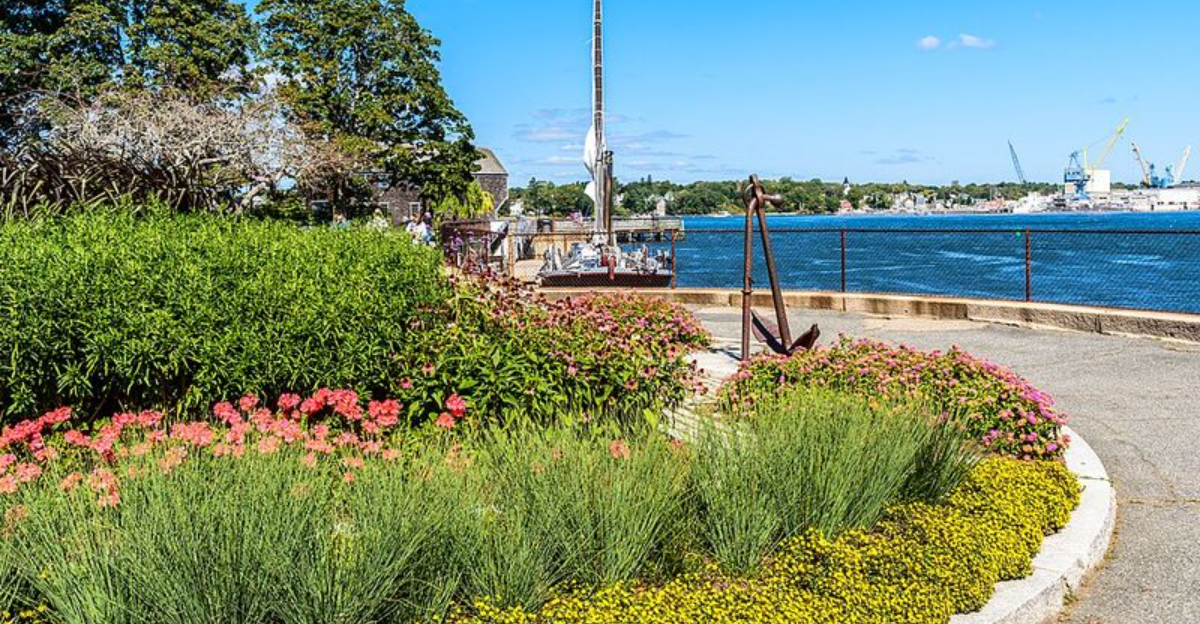
If you’ve ever wanted to step straight into a period drama, this coastal New Hampshire seaport basically makes it possible. It feels like a Bridgerton-style world dropped onto the Atlantic coast.
Cobblestone streets, colonial homes, and salty air that makes everything feel a bit more cinematic. One of the region’s oldest settlements, once a major port and early capital, it grew from a busy shipbuilding hub into a living showcase of American history.
Every street carries layers of stories from centuries of trade and maritime life, yet it’s compact enough to explore entirely on foot.
No rush, no chaos, just history unfolding block by block. For anyone who loves charm, architecture, or a walk through time, this place delivers it effortlessly.
Where 1630 Comes Alive
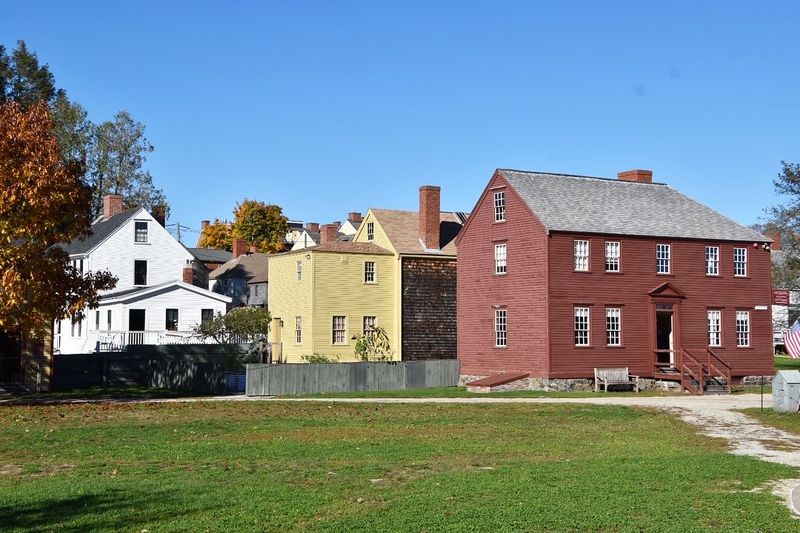
Picture stepping into a neighborhood where four centuries of American life exist side by side, and you start to get a feel for Strawbery Banke Museum. This outdoor living history museum sits on the very land where Portsmouth was first settled in 1630.
It preserves more than 30 restored buildings, many still standing on their original foundations. That is not a recreation.
That is the real thing.
Costumed interpreters bring the past to life through craft demonstrations, role-playing, and hands-on activities that make history feel immediate rather than distant. You might watch a cooper shape a barrel or see a period kitchen in full operation.
Each building tells its own story, spanning the 17th through 20th centuries. The museum does not just cover one era.
It layers them, showing how the same neighborhood evolved over time.
The name Strawbery Banke comes from the wild strawberries early settlers found growing along the riverbank. Europeans formally settled here in 1630, making it one of the oldest continuously occupied neighborhoods in the country.
The museum opened in 1965 to preserve what urban renewal threatened to demolish. Visiting feels like flipping through a living history book, one where you can actually walk through the pages.
If early American history is your thing, this place will completely win you over.
The Beating Heart Of Colonial Commerce
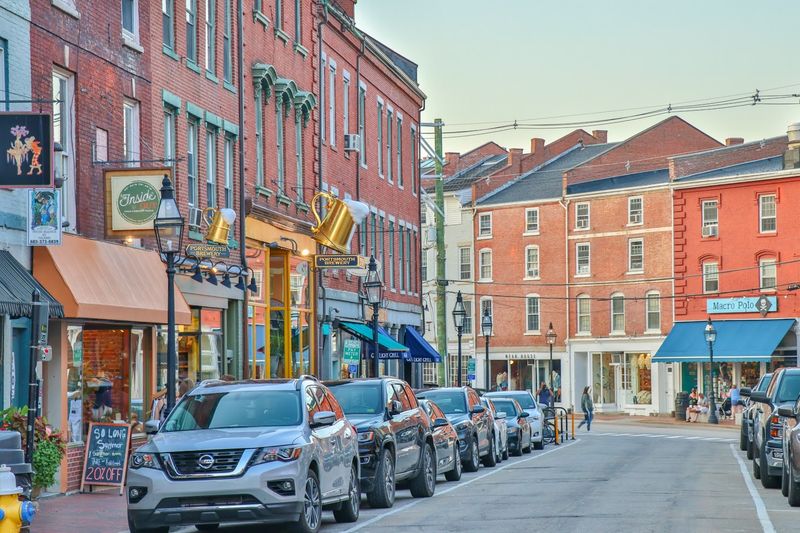
Market Square has been the commercial and social center of Portsmouth since the mid-1700s, and it still holds that energy today. First paved in 1762, this square was where merchants, sailors, and townsfolk gathered to trade, argue politics, and catch up on the latest news.
Some of the brick commercial buildings lining the square were rebuilt after a major fire in 1802, giving the area a cohesive Federal-style look that feels remarkably intact.
Standing in the square today, you can look up at the steeple of North Church, which has anchored this space since 1854. The surrounding architecture pulls you back in time without even trying.
Historic storefronts now house restaurants, boutiques, and cafes, blending old bones with present-day energy in a way that feels organic rather than forced.
What makes Market Square special is its sense of continuity. People have been gathering here for nearly three centuries, doing more or less the same things.
Shopping, eating, talking, and watching the world go by. The scale of the square feels human and approachable, not overwhelming.
It is small enough to feel intimate but lively enough to keep things interesting.
On a warm afternoon, grab a coffee from one of the nearby shops, find a bench, and just soak in the layers of history surrounding you. Market Square is not a museum.
It is a living, breathing piece of American urban life.
A Skyline Built By Shipbuilders
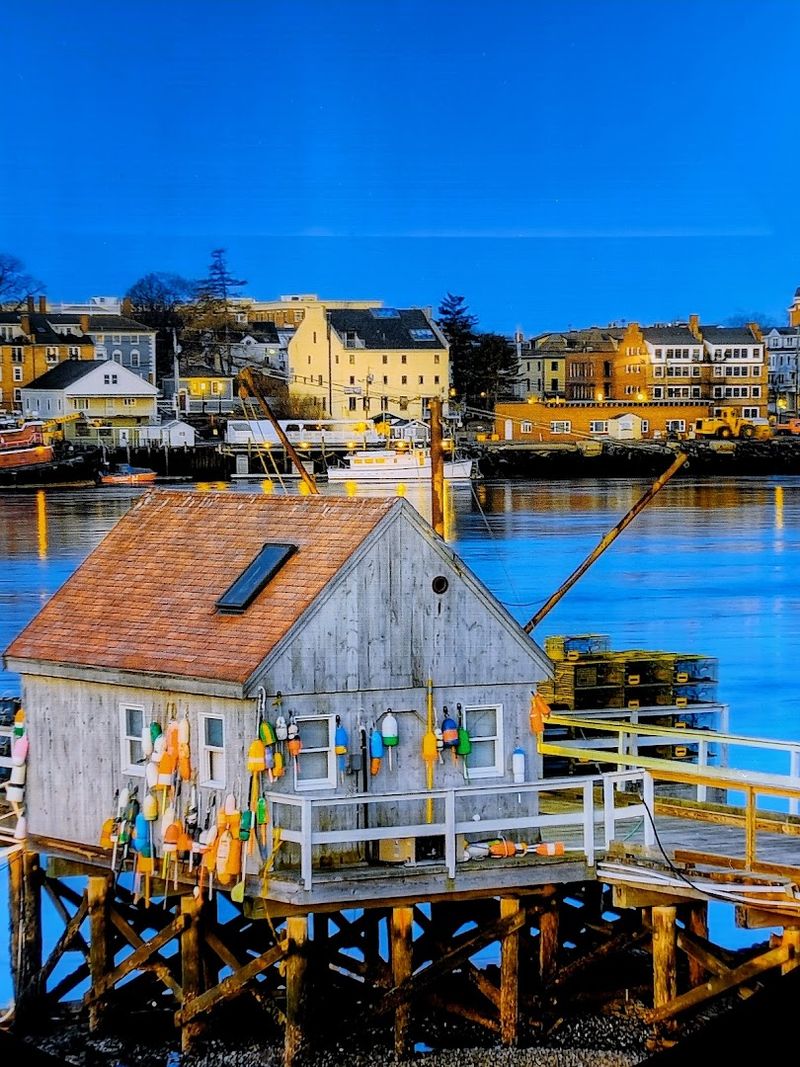
Portsmouth’s prosperity during the colonial era came largely from shipbuilding, and the wealth that trade generated is written all over the city’s architecture. Strolling through downtown, you encounter a parade of Colonial, Georgian, and Federal-style buildings that feel almost too well-preserved to be real.
The city’s downtown is listed on the National Register of Historic Places and claims seven National Historic Landmarks within its boundaries. That is a remarkable concentration of architectural heritage for a city this size.
Georgian architecture dominated during the 18th century, characterized by symmetrical facades, brick construction, and elegant proportions.
Federal-style buildings followed after the Revolution, with refined ornamentation and graceful details that reflected a young nation’s ambitions. Walking through Portsmouth’s streets feels like taking an architecture class where the buildings themselves are the textbook.
The craftsmanship visible in these structures speaks to the skills of the artisans who built them. Shipwrights who worked on ocean-going vessels brought the same precision to residential and commercial construction.
The result is a built environment that has aged with remarkable grace. Unlike many American cities that razed their historic fabric for parking lots and highways, Portsmouth, New Hampshire largely held on to its architectural identity.
That decision to preserve rather than demolish is exactly why a walk through downtown today feels so genuinely transportive. The city did not build a theme park version of early America.
It kept the original.
The Oldest Surviving Wood-Frame House in New England
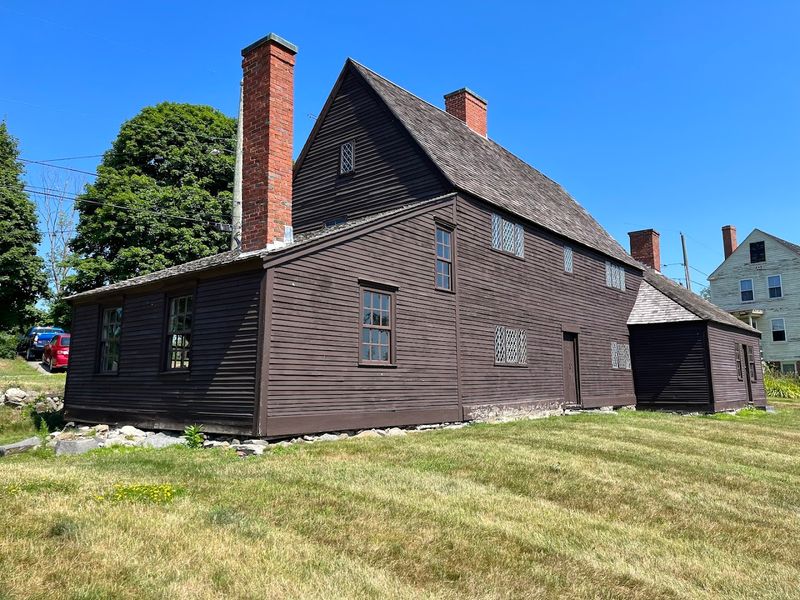
Built around 1664, the Jackson House holds a title that stops most visitors in their tracks. It is the oldest surviving wood-frame house in all of New England.
That means this structure was already standing when the Pilgrims’ grandchildren were growing up.
Sitting quietly in a residential neighborhood, it does not announce itself with fanfare. But once you know what you are looking at, the weight of that history hits hard.
The house is managed by Historic New England, the oldest and largest regional preservation organization in the country. Its construction reflects the building techniques brought over from England, adapted to the harsh New Hampshire climate.
The steeply pitched roof, small windows, and heavy timber framing were practical choices as much as stylistic ones. Early settlers built for survival first and aesthetics second.
Visiting the Jackson House is a quiet, almost meditative experience compared to the bustle of Strawbery Banke or Market Square. There are no crowds, no gift shop distractions.
Just an extraordinarily old building that has somehow outlasted centuries of weather, war, and change. Standing in front of it, you realize how rare this kind of survival is.
Most buildings from this era are long gone, lost to fire, neglect, or progress.
The Jackson House made it through all of that. For anyone who appreciates the sheer endurance of old things, this house is an absolute must-see on any Portsmouth itinerary.
Georgian Elegance At Its Finest
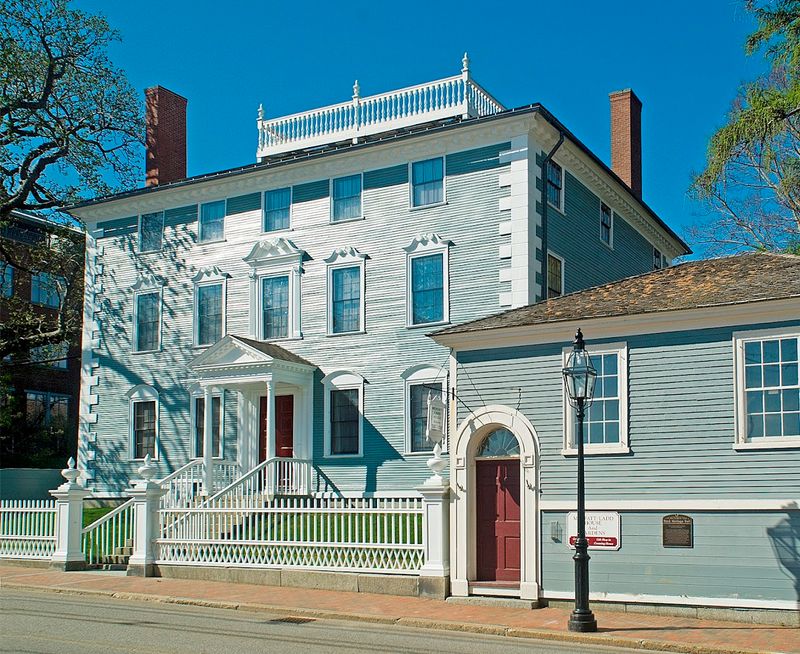
Some houses just carry themselves differently, and the Moffatt-Ladd House is absolutely one of them. Built in 1763 for a prosperous merchant family, this Georgian mansion sits on Market Street with the quiet confidence of someone who knows exactly how important they are.
The three-story structure features a commanding facade, original period furnishings, and one of the most remarkable historic gardens in New England.
The garden alone is worth the visit. Terraced and formal in design, it has been maintained continuously since the 18th century.
A massive horse chestnut tree planted in 1776 still stands in the garden today, making it a living witness to the founding of the United States. That tree was a sapling when the Declaration of Independence was signed.
Let that sink in for a moment.
The interior of the house is equally impressive, filled with original family furnishings, decorative arts, and architectural details that reflect the taste and wealth of Portsmouth’s colonial merchant class.
Grand staircases, carved woodwork, and period wallpapers paint a vivid picture of upper-class life in 18th-century New England. The Moffatt-Ladd House is a National Historic Landmark and is operated by the Colonial Dames of America.
Tours bring the house’s layered history to life in a way that feels personal and engaging. This is not just a pretty old building.
It is a window into the ambitions and aesthetics of early American prosperity.
Where A Naval Legend Once Slept
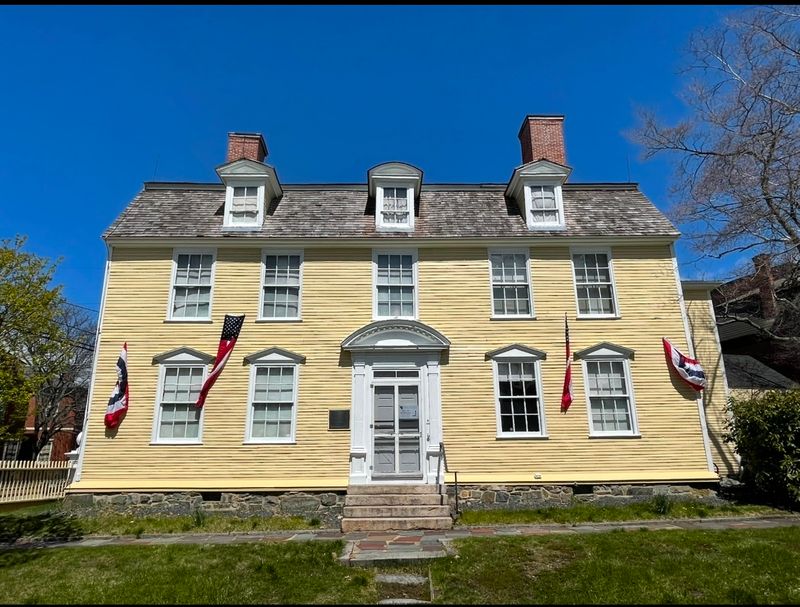
John Paul Jones is the kind of figure who makes history feel genuinely thrilling, and his connection to Portsmouth adds a real charge to this already electric city.
The John Paul Jones House, built in 1758, served as his boarding house while he oversaw the construction of two ships for the Continental Navy during the Revolutionary War. The man who famously declared he had not yet begun to fight actually slept here.
That is not a small thing.
The house is a handsome Georgian structure, well-preserved and full of period artifacts that tell the story of both the Jones family and Portsmouth’s deep ties to naval history. Operated by the Portsmouth Historical Society, it functions as a museum with rotating exhibits that explore the city’s past from multiple angles.
The collection includes furniture, portraits, decorative objects, and maritime memorabilia that paint a rich picture of 18th-century life.
Portsmouth’s maritime identity is inseparable from its history, and the John Paul Jones House captures that connection beautifully.
The city was a crucial shipbuilding center long before the Revolution, and its role in building the Continental Navy was a natural extension of that expertise. Walking through the rooms of this house, you get a real sense of how intertwined personal ambition and national destiny were during that era.
Portsmouth did not just witness early American history. It actively shaped it, one ship at a time.
Portsmouth’s Greatest Free Attraction
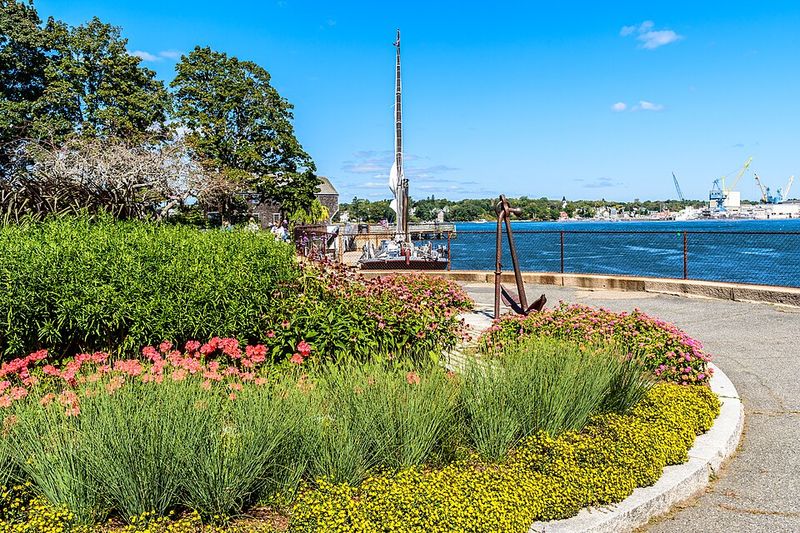
Here is the thing about Portsmouth that no guidebook can fully prepare you for. The city itself is the attraction.
Walking its streets is not just a way to get from one landmark to another.
It is the experience. Portsmouth is extraordinarily compact and walkable, with most historic sites, restaurants, and points of interest clustered within a comfortable strolling distance of each other.
The streetscape shifts as you move through different neighborhoods. Downtown offers Federal-style brick facades and lively storefronts.
Venture a few blocks in any direction and you find quieter residential streets lined with clapboard houses that look largely unchanged from the 18th century. Plaques and markers appear on buildings throughout the city, offering bite-sized history lessons at every turn.
You do not need a tour guide to feel the depth of this place. The city narrates itself.
Portsmouth also rewards slow exploration. Pause at an alley, peer through a garden gate, or duck into a courtyard, and you will find details that most visitors rush past.
The city has preserved its human scale in a way that feels increasingly rare in modern America. No towering glass buildings interrupt the sightlines.
No highway cuts through the historic core. What you get instead is an urban environment that still feels connected to its origins, one that invites curiosity rather than passive observation.
Have you ever walked through a city and felt like it was actually talking back to you? Portsmouth does exactly that.