
Step Inside This 1850s Illinois Mill That Once Held One Of History’s Bravest Secrets
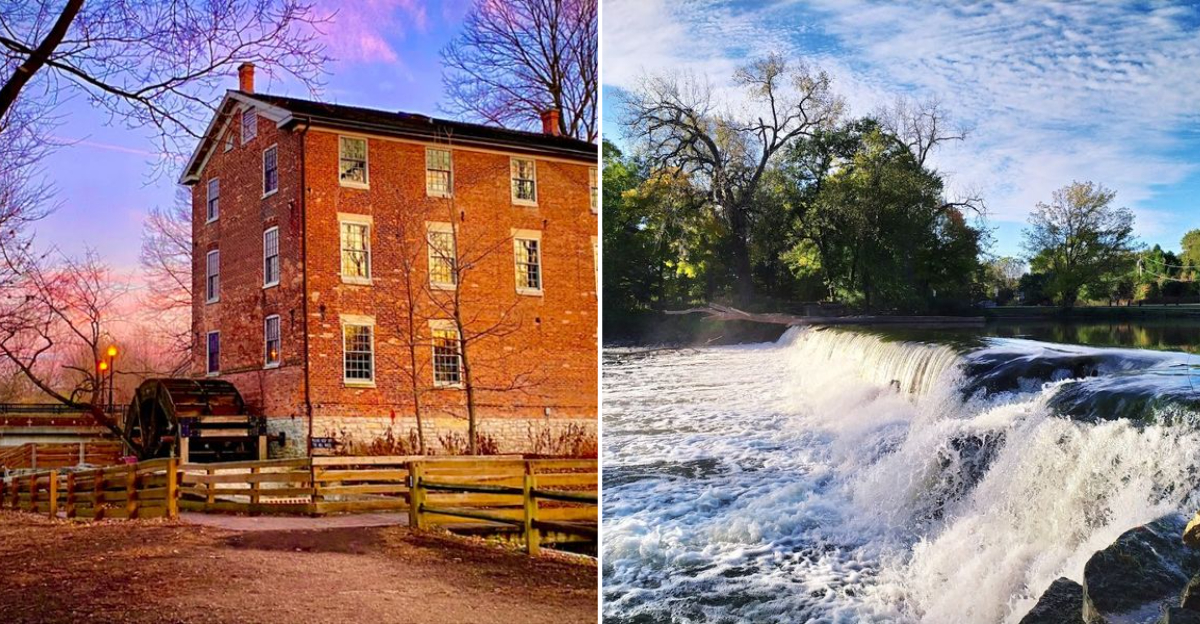
A secret hiding in suburban Illinois carries a story as gripping as anything tucked inside a forgotten frontier diary. Step inside this historic gristmill, opened in 1852, and the scent of freshly ground corn still hints at its working past.
Near Salt Creek, the old waterwheel setting, stone basement, and preserved milling equipment make history feel close enough to touch. This unnamed landmark is widely recognized as Illinois’ only operating waterwheel gristmill and an authenticated Underground Railroad site.
Its rooms reveal more than machinery. They carry the memory of courage, risk, and ordinary people making extraordinary choices.
History here does not sit quietly behind glass. It moves through creaking floors, old beams, milling demonstrations, and stories that turn a simple visit into something unforgettable.
Built In 1849 From Local Limestone
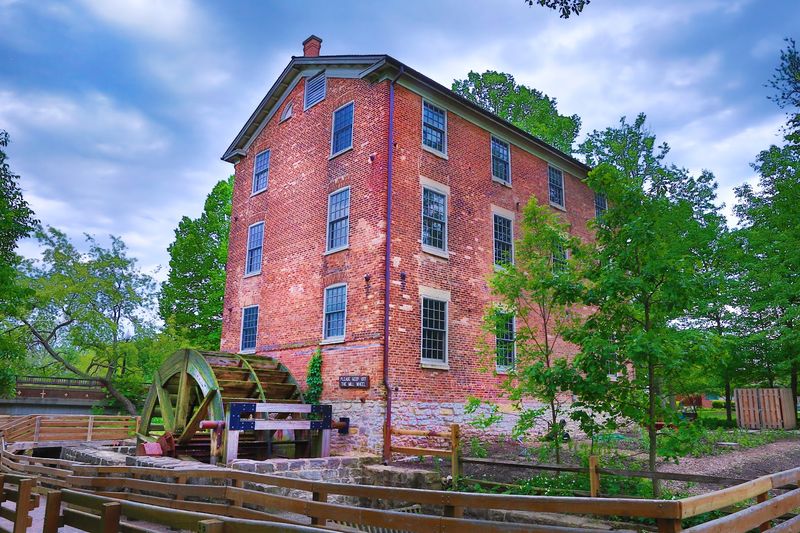
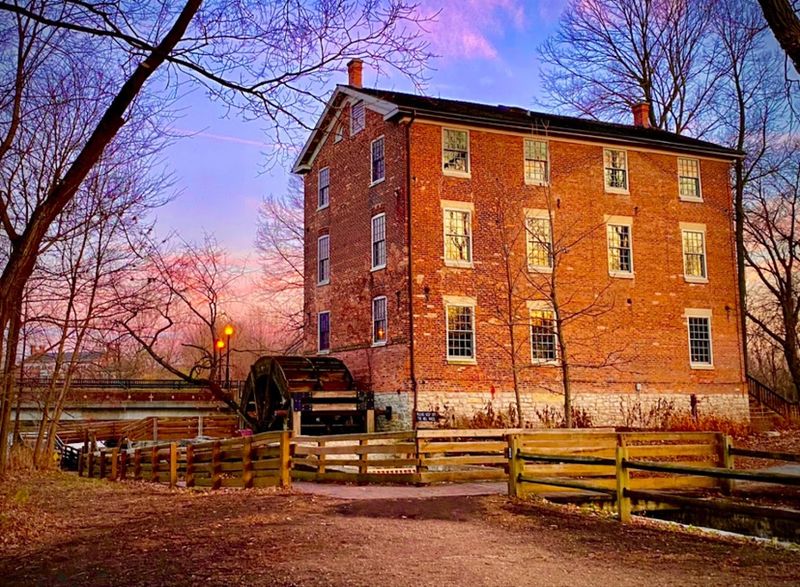
Some buildings are old. Graue Mill is ancient by Illinois standards, constructed in 1849 using locally quarried limestone that still forms its sturdy walls today.
The craftsmanship visible in every stone course reflects a time when builders relied on skill, patience, and community effort rather than modern machinery.
The mill was completed and began operating around 1852, making it one of the oldest surviving structures in DuPage County. Frederick Graue, a German immigrant, commissioned and oversaw its construction, bringing practical milling knowledge from Europe to the growing frontier settlement near Salt Creek.
Walking up to the building for the first time, you immediately sense its age in the best possible way. The thick walls, the small windows cut into the stone, and the weathered wooden beams all tell a story of durability and purpose.
This is not a replica or a reconstruction. Every stone is original, giving the mill an authenticity that no amount of careful restoration could manufacture.
The Only Operating Gristmill In Illinois
Out of all the historic mills that once dotted the Illinois landscape, Graue Mill stands alone as the only one still in full working operation today. That is a remarkable distinction, and it makes a visit here feel genuinely special rather than just educational.
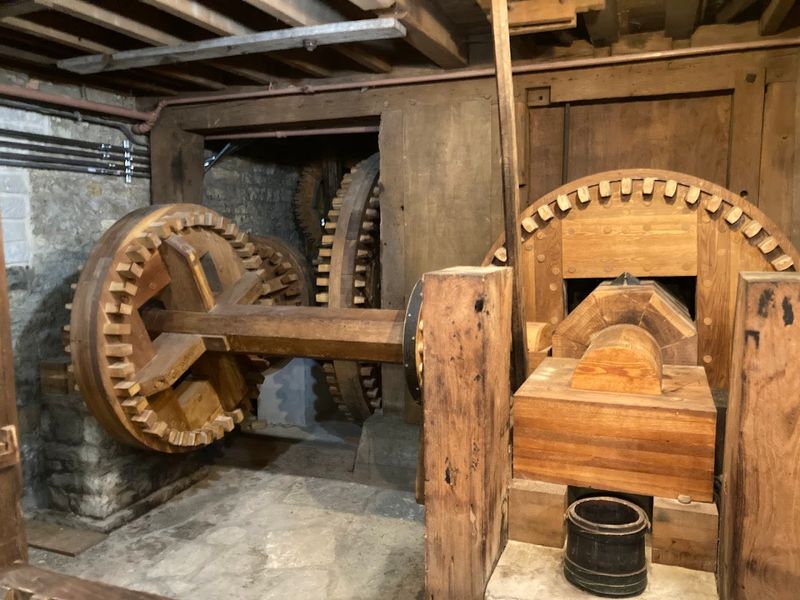
The mill uses French Burr millstones, which were considered the gold standard for grinding grain in the 19th century. These stones were imported specifically because their dense, porous surface created a superior grinding action for corn, wheat, and other grains that local farmers brought to the mill by wagon.
During guided demonstrations, you can watch the entire milling process unfold in real time. The stones turn, the grain feeds through, and cornmeal collects at the base with a satisfying rhythm that has not changed in over 170 years.
You can even purchase freshly ground cornmeal at the gift shop on the first floor, taking a small piece of living history home with you.
A Certified Underground Railroad Stop
Behind the mechanical wonder of the working mill lies a chapter of history that carries enormous moral weight. Graue Mill is a certified Underground Railroad site, meaning that freedom seekers traveling north used this very building as a place of refuge and rest during one of the most dangerous journeys imaginable.
Frederick Graue, the mill’s owner, was an active participant in the network that helped people escape enslavement in the years leading up to the Civil War.
His decision to use his mill as a safe house required tremendous personal courage, since harboring freedom seekers was a federal offense under the Fugitive Slave Act of 1850.
The basement level of the mill holds exhibits specifically dedicated to this history, featuring artifacts and displays that explain the Underground Railroad’s operation in the Midwest.
Standing in that basement, surrounded by original stonework and period items, the gravity of what happened there settles over you in a way that no classroom lesson quite replicates.
Four Floors Full Of 19th-Century Life
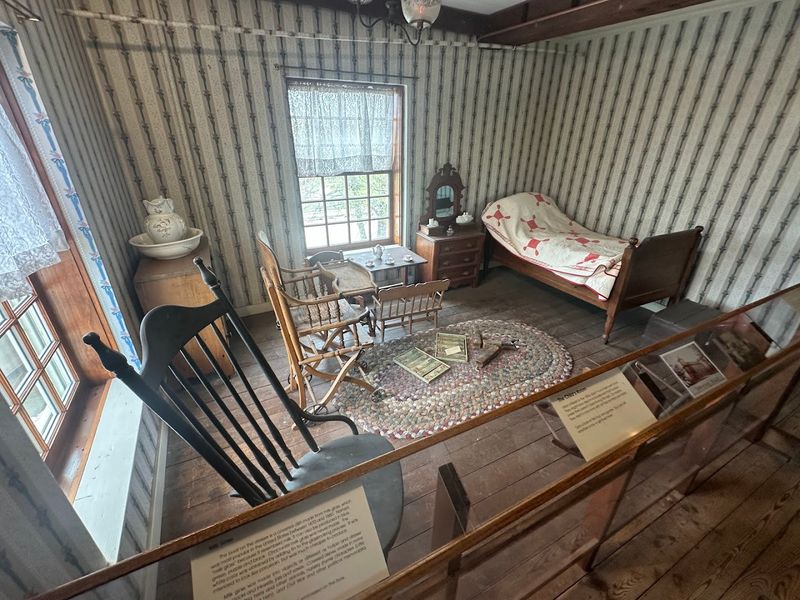
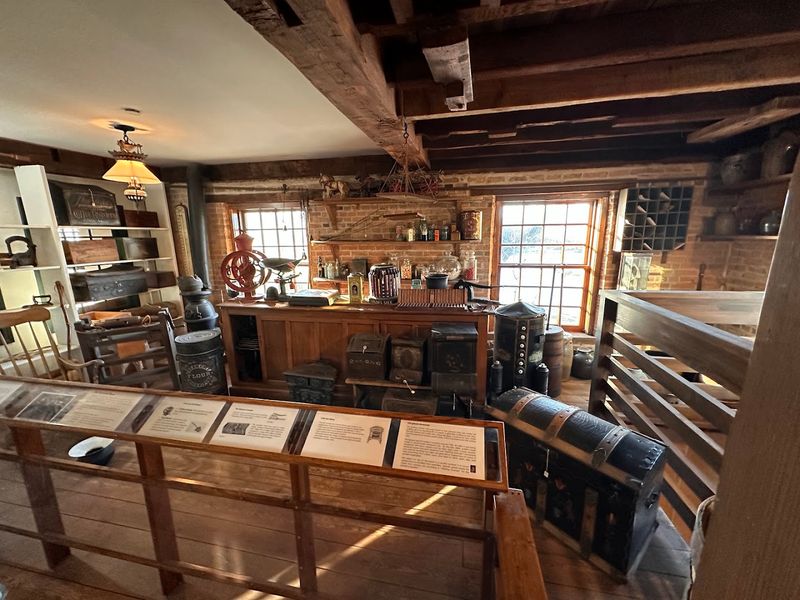
Four floors might not sound like much, but at Graue Mill each level tells a completely different story about life in mid-19th-century Illinois. The building functions almost like a time capsule stacked vertically, with each floor dedicated to a distinct slice of everyday frontier existence.
The first floor hosts the milling demonstration and the gift shop. The second floor showcases a working historical loom where volunteers demonstrate hand-and-foot weaving techniques used to create fabric in the 1800s.
Watching the shuttle move back and forth across the loom is oddly mesmerizing.
The third floor recreates domestic spaces from the era, including a child’s bedroom, a kitchen, and a general room furnished with period-accurate items. It gives visitors a tangible sense of how families actually lived during that time rather than just how they worked.
The basement, accessible during certain tours, contains Underground Railroad artifacts and original millstone equipment that ground grain long before electricity was even a concept in the region.
The Waterwheel Powered By Salt Creek
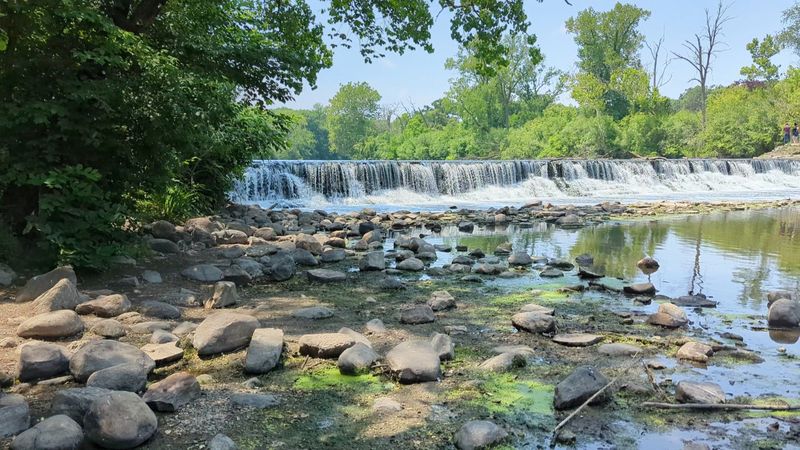
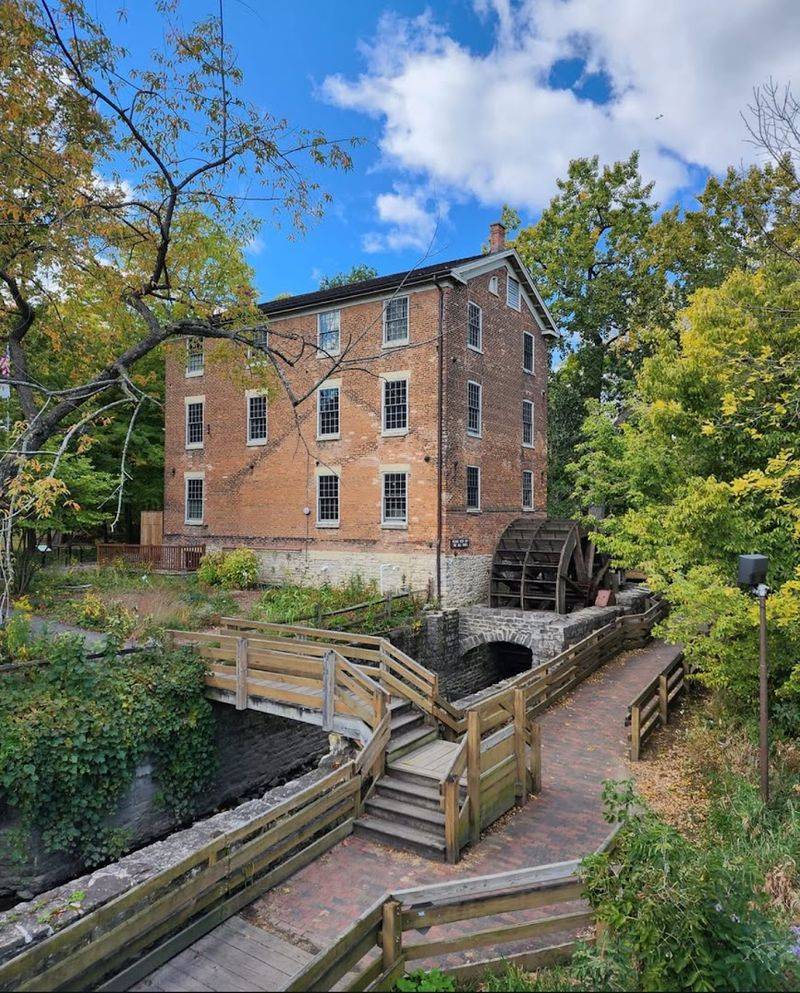
Every great mill needs a great power source, and Graue Mill found its in Salt Creek, the waterway that runs directly alongside the building. The large wooden waterwheel mounted on the mill’s exterior is one of the most photographed features of the entire site, and it earns every picture taken of it.
The wheel harnesses the flow of Salt Creek to generate the rotational energy needed to turn the millstones inside.
Water depth and flow are carefully managed to control the wheel’s operation, and seeing it turn against the backdrop of the creek and surrounding forest is genuinely satisfying in a way that feels almost primal.
One fun detail worth knowing: the wheel’s operation involves a combination of water management and mechanical assistance to maintain consistent function for demonstration purposes. This practical approach ensures visitors always get to see the wheel in motion during open hours.
The sound of water moving around the wheel adds a peaceful, rhythmic quality to the entire outdoor experience that lingers long after you leave.
Frederick Graue And His Remarkable Legacy
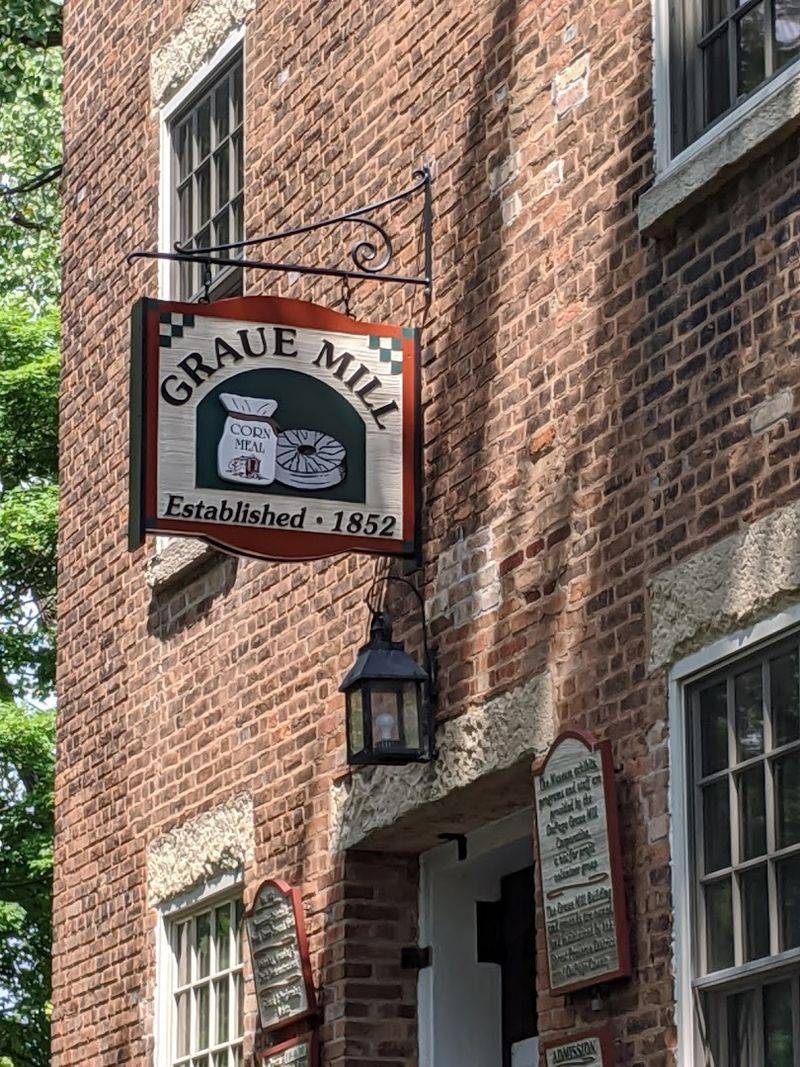
Frederick Graue arrived in the United States from Germany with practical skills, a strong work ethic, and apparently a moral compass that pointed firmly toward justice.
He established the mill as a commercial enterprise, but his decision to participate in the Underground Railroad elevated his legacy far beyond simple commerce.
Graue understood the enormous risk he was taking. The Fugitive Slave Act of 1850 made it a federal crime to assist freedom seekers, and penalties included heavy fines and imprisonment.
Despite this, he continued using his mill as a refuge, prioritizing human freedom over personal safety.
His story resonates especially deeply because he was not a famous politician or a celebrated activist. He was an ordinary working man running a flour mill in what is now suburban Chicago, making extraordinary choices in ordinary circumstances.
The museum does an excellent job presenting his biography with nuance and honesty, helping visitors understand not just what he did but why it mattered so profoundly to the people whose lives depended on it.
Fullersburg Woods Forest Preserve Setting
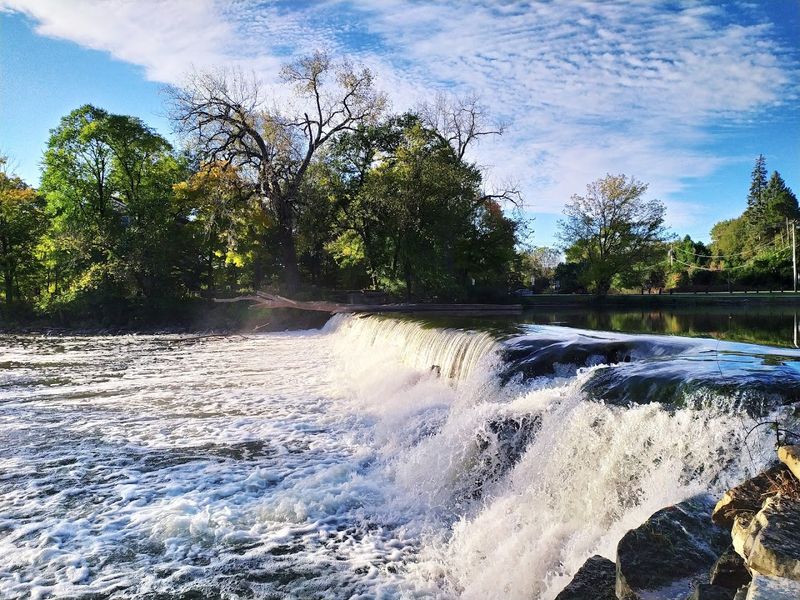
The mill does not exist in isolation. It sits within the Fullersburg Woods Forest Preserve, one of the most beautiful natural areas in DuPage County, and the combination of historic site plus natural landscape creates an outing that satisfies multiple kinds of curiosity at once.
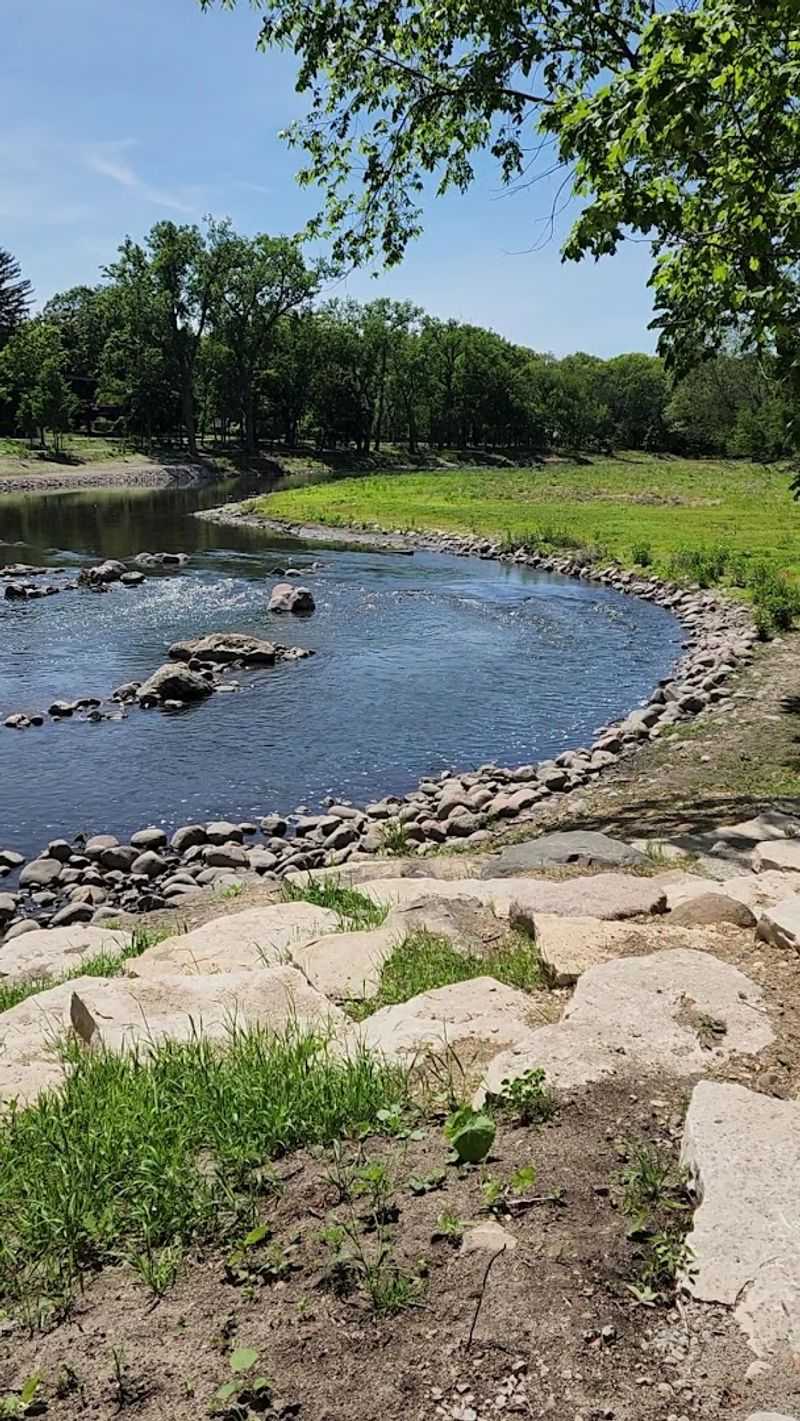
Trails wind through the preserve along both banks of Salt Creek, offering options for walking, jogging, or simply strolling while listening to birdsong and water.
Several bridges cross the creek at different points, allowing for pleasant loop routes that take anywhere from thirty minutes to a couple of hours depending on how far you wander.
Autumn is particularly spectacular here, when the canopy overhead turns every shade of orange, gold, and red. The contrast of the warm foliage against the grey limestone of the mill makes for photographs that practically take themselves.
Spring and summer bring their own rewards in the form of wildflowers, nesting birds, and the cool shade of mature trees that line the creek banks throughout the preserve.
Free Admission And Family-Friendly Access
Here is a fact that genuinely surprises most first-time visitors: admission to Graue Mill and Museum is completely free.
In an era when many historic sites and museums charge significant entry fees, this place welcomes everyone at no cost, making it one of the most accessible cultural destinations in the Chicago metropolitan area.
Parking is also free, available in a lot on the east side of the mill and along Spring Road nearby. The combination of free entry and free parking removes every financial barrier that might otherwise stop a family from making the trip.
The experience is designed with younger visitors firmly in mind. A scavenger hunt sheet is available for kids to complete as they explore the building’s four floors, turning the educational content into an active game that keeps children genuinely engaged rather than just trailing behind adults.
Volunteer guides are patient and enthusiastic with younger audiences, making the demonstrations interactive and accessible for a wide range of ages and attention spans.
The Mammoth Discovery Nearby
Among the many surprising facts connected to this site, one stands out for sheer prehistoric drama. A mammoth estimated to be approximately 13,000 years old was discovered on a nearby farm, and information about this extraordinary find is part of the broader story told at the Fullersburg Woods area.
Finding a mammoth in suburban Chicago sounds like the setup for an unlikely story, but the geology of the region around Salt Creek makes it entirely plausible.
The area was shaped by glacial activity thousands of years ago, and the conditions preserved organic material in ways that occasionally yield remarkable archaeological finds.
This detail adds a fascinating extra dimension to a visit that already spans multiple centuries of human history.
You arrive expecting to learn about 1850s milling and the Underground Railroad, and you leave having also absorbed a small but vivid glimpse of the Ice Age landscape that existed beneath the same ground you walked on. History here goes much further back than limestone walls and millstones suggest.
Visiting Hours, Tips, And What To Bring
A little planning goes a long way here. The museum is typically open Wednesday through Sunday from 10 AM to 4 PM and closed on Mondays and Tuesdays, so it is worth checking the schedule before you head out.
Going earlier in the day, especially on a weekday, usually gives you a quieter visit and more room to take in the demonstrations at your own pace.
Comfortable shoes are a good idea. The trails around Fullersburg Woods are easy to enjoy, but some spots can be uneven, and the stairways inside the mill are narrow and steep, just as you would expect in a 19th-century building.
Bring a light layer too, because the old structure can feel cooler inside than the weather outside suggests.
You may also want a small bag for brochures, small purchases, or seasonal items. For the latest hours, events, and programming, call 630-451-3430 or check the DuPage Forest Preserve website before visiting.