
This Illinois Park Is One Of The Best Places To Search For Ancient Fossils
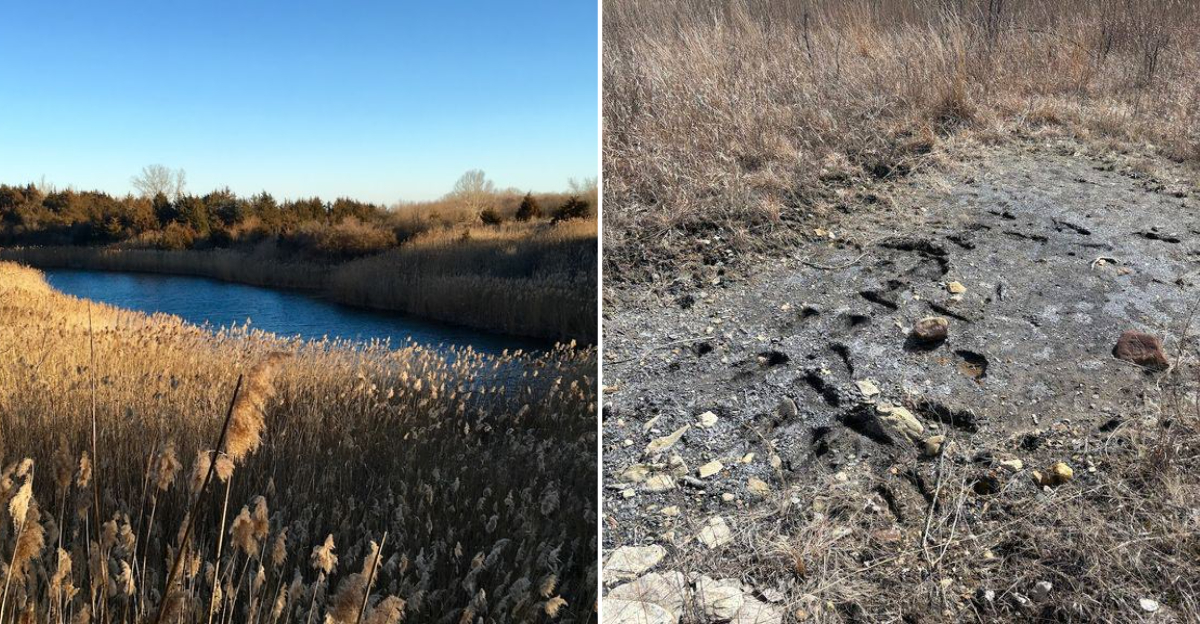
Imagine picking up a muddy, ordinary-looking rock beside a quiet Illinois lakeshore, cracking it open, and finding a creature older than the dinosaurs staring back.
That thrill waits inside a 1,017-acre preserve in Grundy County, where ancient tropical wetlands, shallow marine bays, and later coal-mining activity helped expose one of the Midwest’s most fascinating fossil areas.
The land holds Carboniferous-period treasures sealed inside rounded ironstone nodules, some preserving delicate plants, strange sea life, and soft-bodied creatures rarely saved in stone. It is the kind of place that turns a simple walk into a prehistoric treasure hunt.
For curious kids, patient collectors, nature lovers, and anyone craving a wild outdoor day in Illinois, this hidden fossil spot offers something far more memorable than a typical park visit.
A 300-Million-Year Backstory
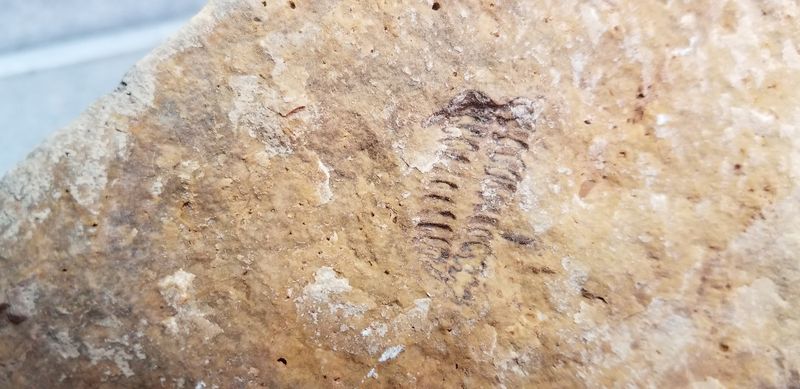
Around 300 million years ago, the land that is now northeastern Illinois included tropical swampy lowlands, river deltas, and shallow marine bays that supported a wide variety of plant and animal life.
When those creatures perished, they were buried in fine sediments that eventually hardened into rock, preserving their forms with stunning detail.
Coal mining operations in the Braidwood area during the 19th and 20th centuries inadvertently unearthed these ancient layers, exposing fossils that had been locked underground for hundreds of millions of years.
The mining spoil piles and reclaimed pits became the foundation for what is now the Mazonia-Braidwood State Fish and Wildlife Area.
The site is particularly famous for the Mazon Creek fossil beds, which are considered among the most scientifically significant fossil deposits in the entire world.
Researchers have identified over 400 species of plants and animals from this single location, making it a treasure chest of prehistoric life right in the heart of Illinois.
Fossil Hunting, With A Permit
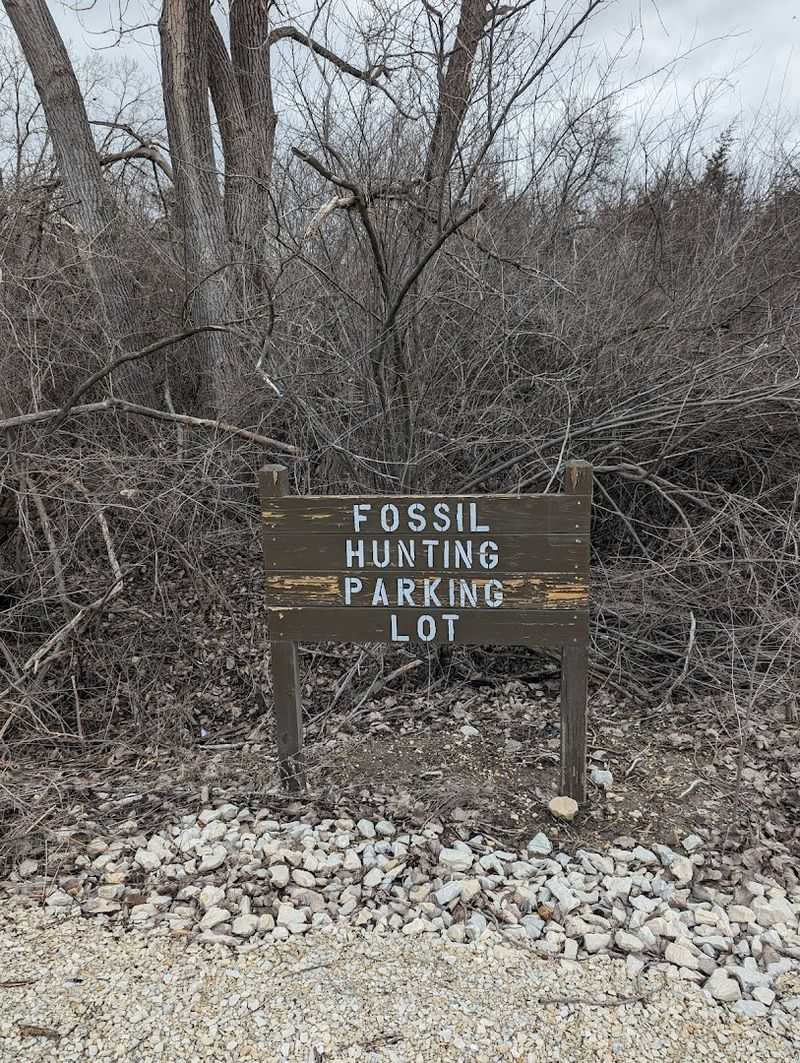
One of the first things that sets this park apart from other nature areas is that it actively welcomes fossil hunters through a free permit system. You can pick up a fossil collecting permit right at the park office, which typically keeps forms stocked in a mailbox outside the building for convenient access.
The permit outlines the rules for responsible collecting, including size limits and guidelines about what you can and cannot remove from the site. It is a smart system that keeps the resource protected while still giving everyday visitors a genuine shot at finding something extraordinary.
A fair heads-up worth mentioning: some of the written information included with the permit references older site conditions that may no longer match what you find on the ground.
Checking current online resources and community fossil-hunting forums before your visit will give you a much more accurate picture of which areas are currently productive and accessible.
The Secret Is In The Nodules
Most people who visit expecting to find beautifully shaped bones or shells are surprised to learn that the real prize at this park comes in the form of concretions.
These are rounded, brownish, lumpy nodules of iron carbonate that look like ordinary rocks at first glance but often hold fossils sealed inside like a natural time capsule.
The fossils found within Mazon Creek concretions are remarkable for their preservation quality.
Soft-bodied organisms that almost never fossilize elsewhere, including jellyfish, worms, and even the mysterious Tullimonstrum gregarium (the official state fossil of Illinois, nicknamed the Tully Monster), have been found preserved inside these nodules.
Splitting a concretion open is genuinely thrilling. You use a rock hammer or a cold chisel to carefully crack the nodule along its natural seam, and what you find inside could be a perfectly preserved fern frond, a shrimp, or something nobody has ever formally described before.
That sense of discovery never gets old.
What You Might Actually Find
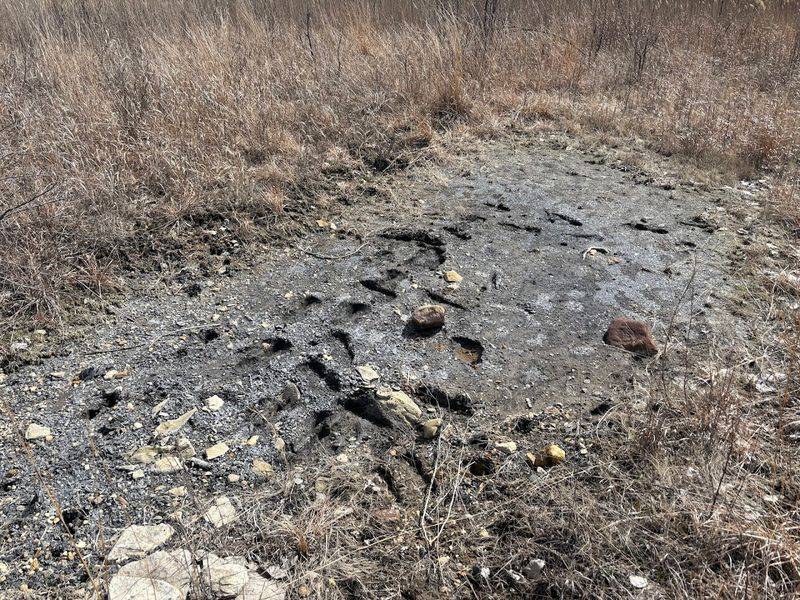
The variety of fossils found at Mazonia-Braidwood is genuinely staggering for a public park.
Plant fossils are among the most commonly discovered, including beautifully detailed fern fronds, seed fern leaves, and the bark impressions of ancient trees like Lepidodendron, which grew up to 100 feet tall in the Carboniferous swamp forests.
Marine invertebrates are also well represented. Brachiopods, crinoids, and various types of mollusks turn up regularly along the shorelines of the reclaimed mining lakes.
These creatures lived in the shallow sea that periodically covered the region, and their shells were buried rapidly enough to preserve fine surface detail.
For visitors hoping to find something truly special, the site has also yielded fossil fish, horseshoe crabs, and even rare soft-tissue preservation of organisms that would normally leave no trace at all.
Bringing a field guide to Mazon Creek fossils or downloading a species list beforehand will help you recognize what you are actually looking at when something interesting turns up in your hands.
The Shorelines Hold The Clues
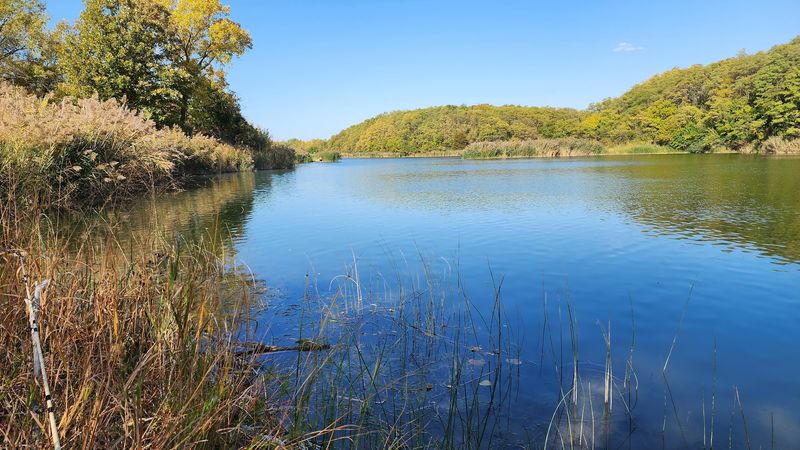
Knowing where to look inside a 1,017-acre preserve makes a huge difference between a productive trip and a frustrating afternoon of wandering.
The most reliable fossil-hunting spots are concentrated around the shorelines of the reclaimed strip-mine lakes, where erosion continually exposes fresh material from the ground and water levels shift seasonally.
Site 3 is one of the areas mentioned most frequently in fossil hunting discussions, though the trails leading to it can be heavily overgrown and poorly marked.
Going prepared with a printed map from the park office and possibly a GPS app on your phone will save you a lot of unnecessary bushwhacking through dense vegetation.
Sticking close to the water’s edge tends to be the most productive strategy, especially after periods of rainfall when newly exposed rocks and concretions wash into accessible areas.
The shoreline near the Braidwood Kankakee boat launch is another area where collectors have reported finding small shell fossils and plant impressions with reasonable consistency.
Bring This Before You Dig In
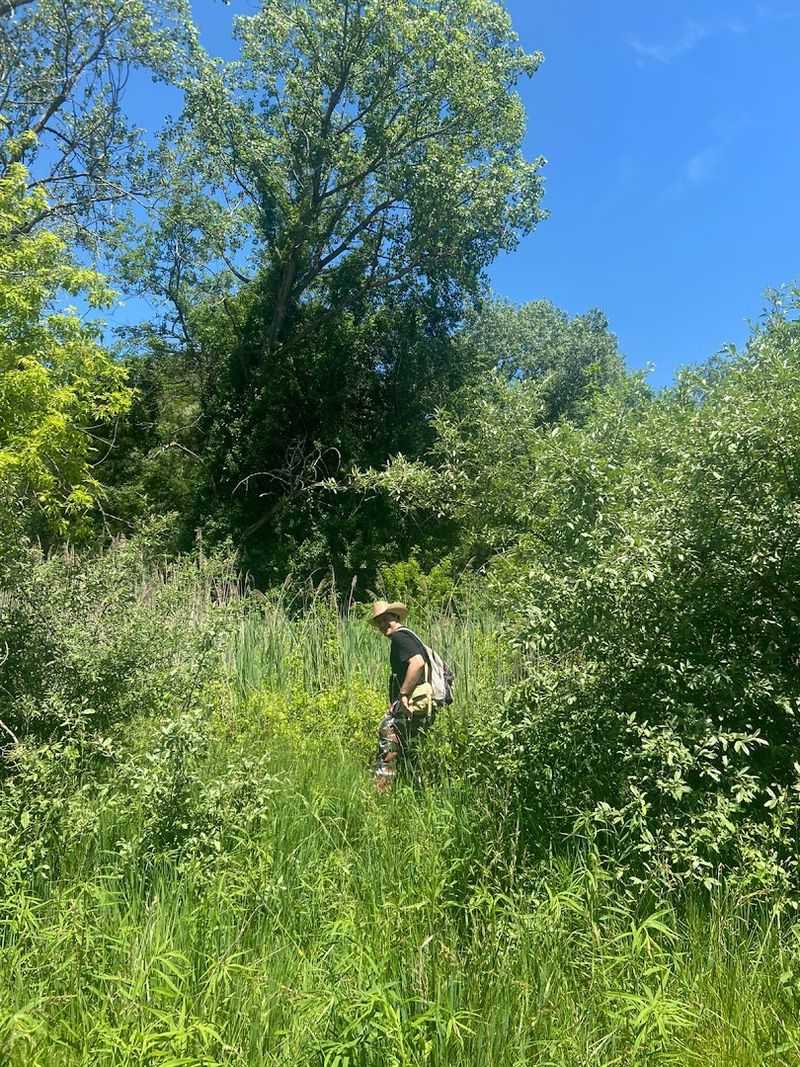
Showing up to a fossil site without the right gear is a bit like going fishing without a hook. A rock hammer and a cold chisel are the two most important tools for splitting concretions along their natural seams, and they are compact enough to carry in a small backpack without any trouble.
A sturdy bucket or a canvas bag is essential for carrying your finds back to the parking area, especially if you plan to spend several hours exploring. Gloves protect your hands from sharp rock edges and thorny vegetation, both of which are common along the overgrown trails.
Beyond the tools, practical comfort gear matters just as much. Pack plenty of water in a hydration pack or multiple bottles.
Apply bug spray generously before you start walking, and wear long pants and closed-toe boots to protect against ticks, which can be quite active in the tall grass and wooded sections of the park. A basic first aid kit rounds out a smart packing list.
Wild, Quiet, And Surprisingly Beautiful
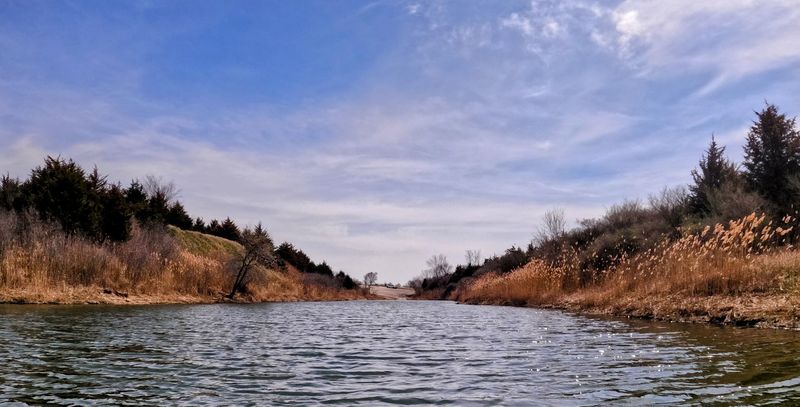
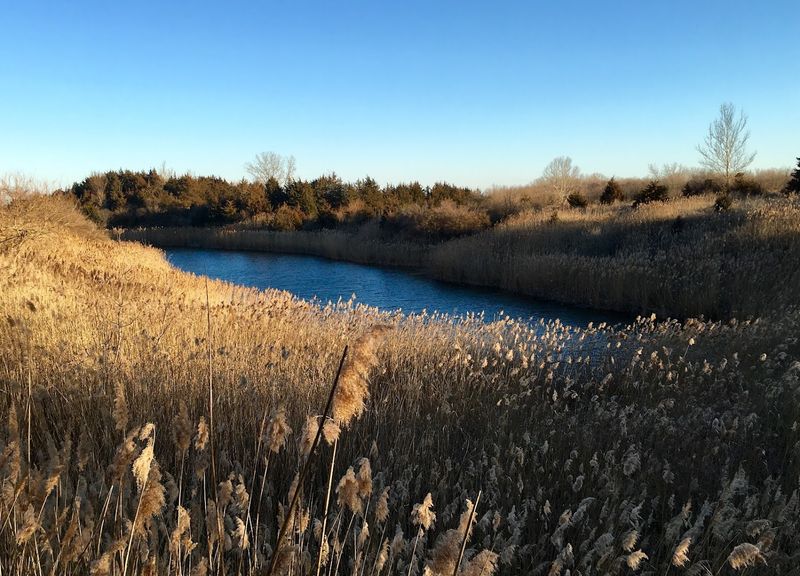
Fossil hunting gets most of the spotlight at this park, but the natural environment surrounding the fossil sites is genuinely beautiful in its own right. The park encompasses over 1,000 acres of grassland, wetlands, and reclaimed lakes that support a surprisingly diverse community of wildlife.
Birdwatchers will find plenty to keep their binoculars busy. The open water and marshy edges attract herons, egrets, sandpipers, and various species of migratory waterfowl depending on the season.
The grassland sections provide habitat for meadowlarks, bobolinks, and red-tailed hawks that can often be seen circling overhead in the open sky.
At dawn and dusk especially, the park takes on a quiet, cinematic quality. The wide-open skies over the lakes reflect in still water, and the absence of large crowds means you can stand in the middle of a meadow and hear nothing but wind and birdsong.
That kind of stillness is increasingly rare within easy driving distance of the Chicago metropolitan area.
Fishing Between Fossil Hunts
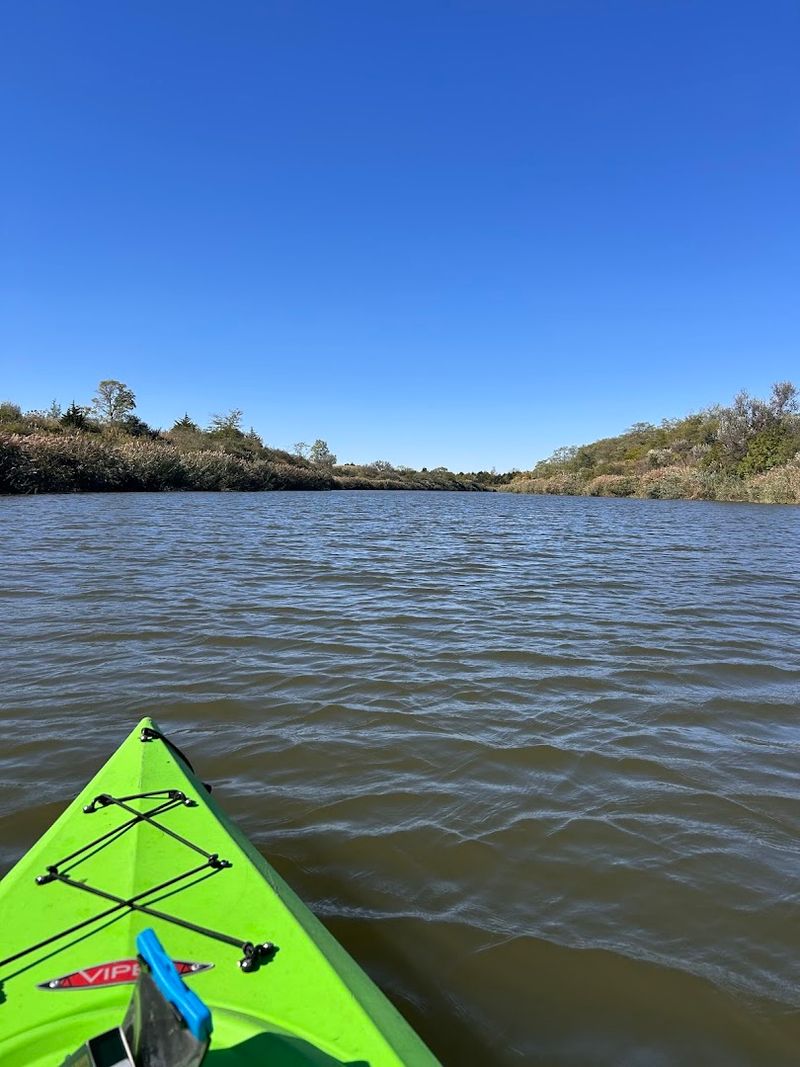
Not every visitor comes for the fossils, and the park is perfectly happy to accommodate them. The multiple reclaimed lakes scattered throughout the property offer solid fishing opportunities, with anglers targeting bass, bluegill, catfish, and crappie depending on the season and which body of water they choose to work.
Kayaking and canoeing are genuinely enjoyable here because the lakes are calm, uncrowded, and surrounded by open landscape that gives paddlers a sense of being far removed from the busy world.
Several boat launches are available throughout the park, including the Braidwood Kankakee launch, and the flat water makes it accessible even for beginners who are still building their paddling confidence. The combination of fishing and paddling in the same visit is a natural pairing at this park.
You can cover more of the lake’s shoreline by kayak than you ever could on foot, and some fossil hunters have actually reported spotting interesting concretions along the waterline while paddling slowly close to shore, which adds a fun bonus dimension to a water-based outing.
The Sweet Spot For Visiting
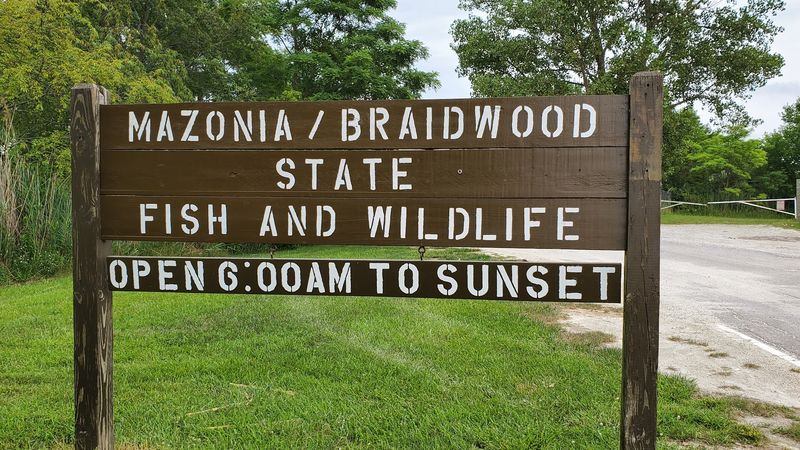
The park is open daily from 6 AM to 10 PM, which gives visitors a generous window for a full day of exploring without feeling rushed.
Early morning visits during spring and fall are particularly rewarding because temperatures are comfortable, insect activity is lower, and wildlife tends to be more visible during those quieter hours.
Summer visits are absolutely possible and popular, but the heat and humidity of an Illinois July combined with dense vegetation and active tick and mosquito populations make preparation especially important during those months.
Wearing long sleeves, applying insect repellent, and checking yourself thoroughly after any off-trail exploration is not optional advice during summer.
Fall is arguably the most pleasant season for fossil hunting here. Vegetation dies back and thins out considerably, making overgrown trails easier to navigate and exposing ground surfaces that are hidden under thick greenery during summer.
Water levels also tend to drop slightly in autumn, revealing additional shoreline material that can be rich with concretions waiting to be examined.
Smart Moves Before You Search
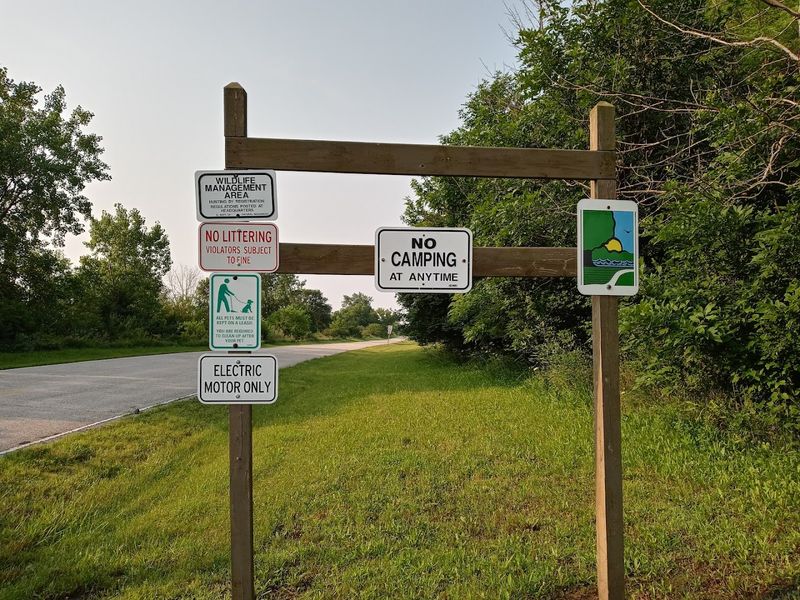
A few practical strategies can turn a good trip into a great one at this park. Always stop at the main park office first to pick up a current map and a fossil collecting permit before heading out to any of the collection sites.
Staff members on duty can point you toward areas that are currently accessible and productive, saving you significant time compared to relying solely on older printed materials.
Trail signage throughout the park is minimal in several areas, and some paths become nearly invisible under summer vegetation growth.
Downloading an offline map of the area or using a GPS-enabled app before losing cell signal is a genuinely smart move, particularly if you plan to explore beyond the main shoreline areas.
Bringing a buddy along is strongly encouraged for any off-trail exploring, both for safety and because fossil hunting is considerably more fun with a second set of eyes scanning the ground.