
This Unspoiled South Carolina Shore Is A Local Secret For Finding Prehistoric Treasures
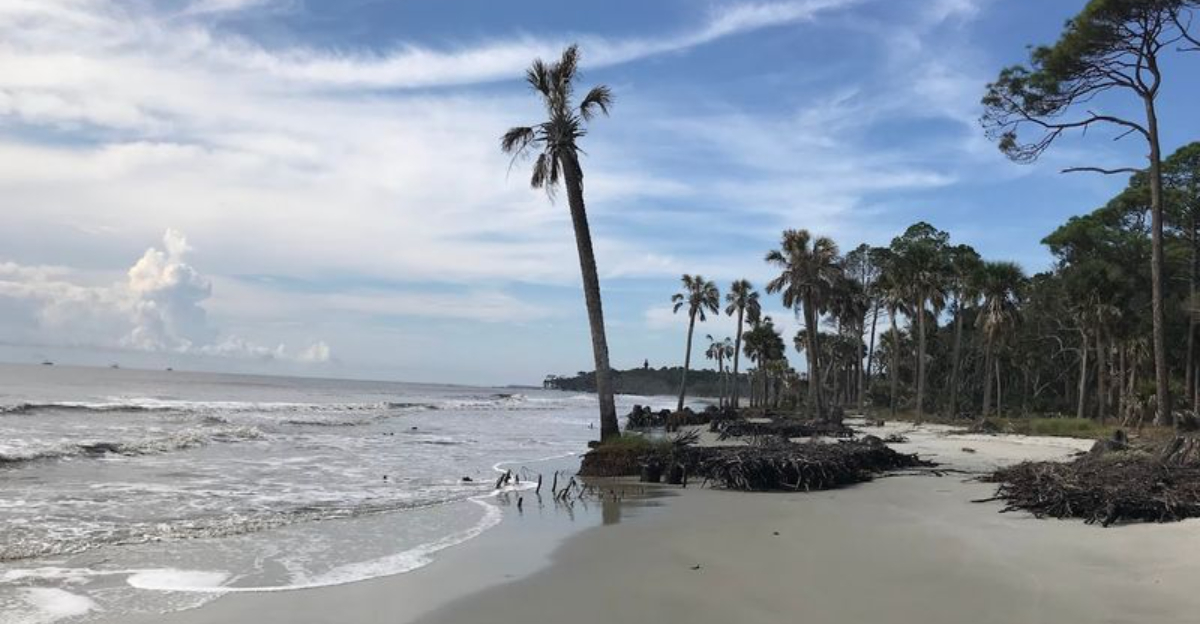
You do not really arrive at this beach in the usual way.
It feels more like you stumble onto it.
One turn off the road, a short walk through the trees, and suddenly the landscape opens up into something that looks almost untouched by time.
This stretch of South Carolina coastline feels less like a beach and more like a discovery.
The sand is wide and quiet. The trees lean in strange directions.
The wind carries that raw, coastal energy that makes everything feel a little wilder.
Then you notice what is under your feet.
Shark teeth. Fossilized shells.
Small pieces of history scattered across the shoreline like they have been waiting to be found.
You slow down without thinking.
You start scanning the sand.
And before long, it stops being just a walk on the beach and turns into something much more addictive.
The Island Itself Is A Living Time Capsule
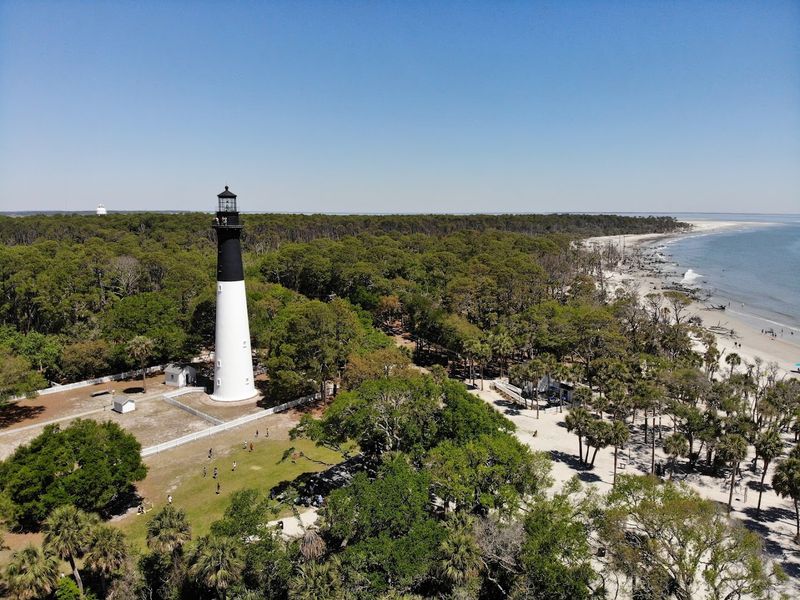
Hunting Island is not your average beach destination, and the moment you cross onto it, you feel that difference in your bones.
Located near Beaufort, South Carolina, this barrier island has been shaped by centuries of wind, tide, and storm into something that looks genuinely prehistoric.
The South Carolina Department of Natural Resources has worked to keep it as natural as possible, and the result is a landscape that feels more Jurassic than modern.
Maritime forest crowds the road leading in, Spanish moss drapes the trees, and the air smells thick with salt and pine.
Visitors often describe the drive into the park as feeling like entering a jungle, and that impression is not far off.
The island sits within Hunting Island State Park, one of the most visited state parks in South Carolina, yet it somehow manages to feel quiet and uncrowded most days.
Shark Teeth Are Hiding In Plain Sight
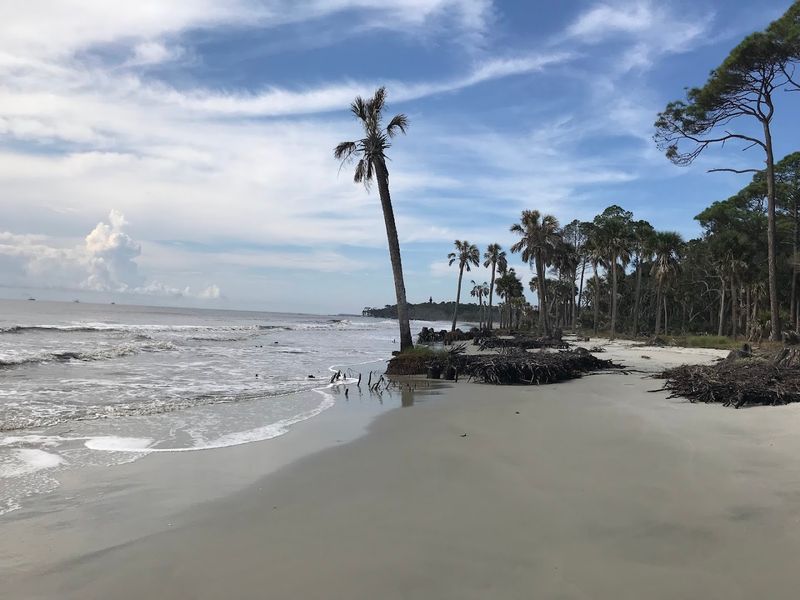
Every low tide at Hunting Island is basically a free archaeology lesson, and the star of the show is the fossilized shark tooth.
These dark, triangular treasures wash up regularly along the shoreline, carried in by the same Atlantic currents that have been running for millions of years.
Most of the teeth you find here belong to ancient species like the Megalodon or its relatives, creatures that prowled warm prehistoric seas long before humans arrived on the scene.
The trick is to scan the wet sand at the waterline right after a wave pulls back, because that is when the dark teeth contrast most sharply against the pale sand.
Visitors of all ages have found impressive specimens without any special equipment, just patience and a sharp eye.
Kids especially love the hunt, turning a simple beach walk into something that feels genuinely exciting and rewarding every single time.
Sand Dollars Wash Ashore In Surprising Numbers
Finding a whole sand dollar feels like a small miracle on most beaches, but Hunting Island has a reputation for delivering them in surprising quantities.
The wide, gently sloping beach here creates ideal conditions for sand dollars to wash in intact, especially at low tide when the water pulls back and leaves the flats exposed.
Visitors consistently report finding multiple sand dollars in a single outing, which is the kind of news that spreads quickly among beachcombers.
The best strategy is to walk the beach early in the morning before other visitors arrive, focusing on the shallow water just past the wave break where sand dollars often cluster.
A good pair of polarized sunglasses helps cut the glare and makes spotting them much easier.
Whether you keep them as souvenirs or photograph them and leave them behind, finding sand dollars here feels like a reward the ocean hands you personally.
The Boneyard Beach Is Unlike Anything Else On The East Coast
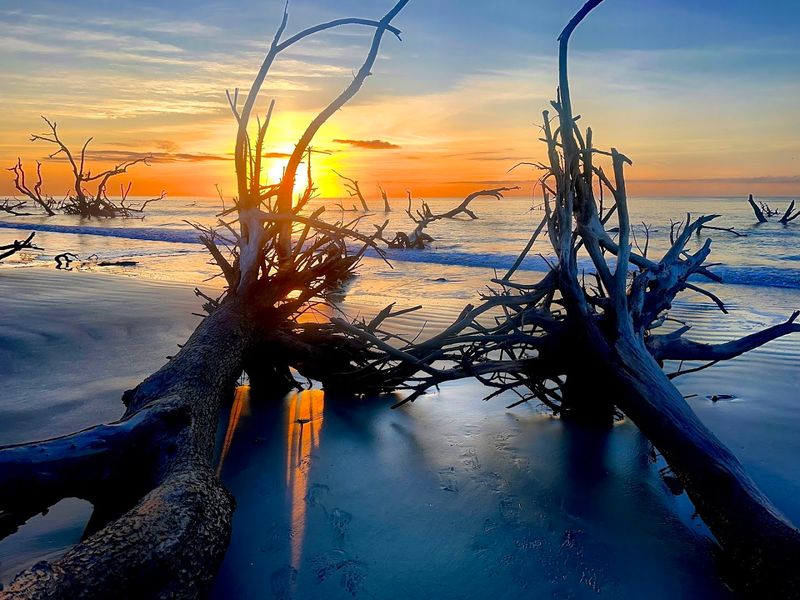
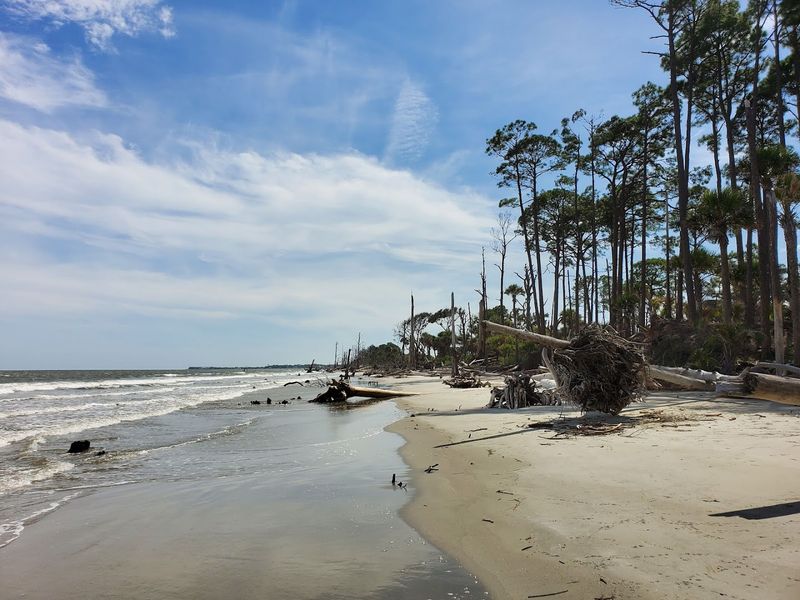
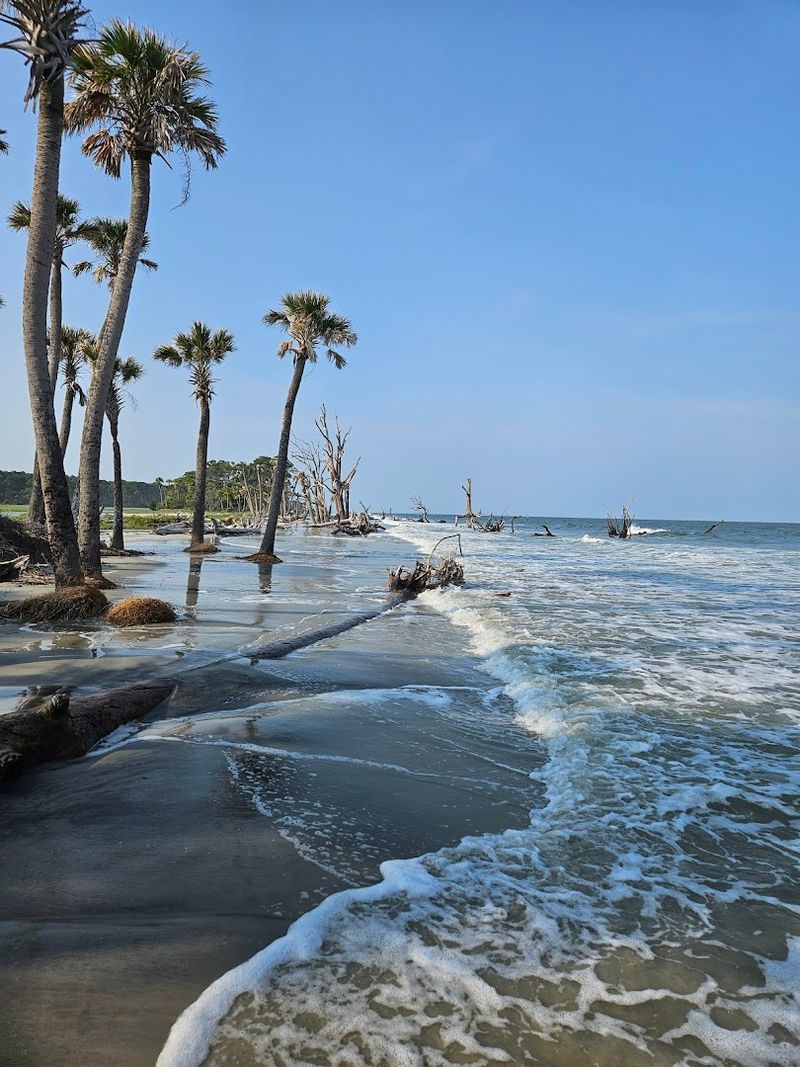
Nothing quite prepares you for your first look at Boneyard Beach, the hauntingly beautiful stretch of shoreline on the southern end of Hunting Island.
Here, decades of shoreline erosion have caused the maritime forest to slowly surrender to the sea, leaving bleached tree trunks standing in the surf and scattered across the sand like natural sculptures.
The effect is dramatic and otherworldly, and photographers make special trips just to capture the light hitting those pale, twisted forms at sunrise or sunset.
This is not a place of sadness but of raw, honest natural process, where the ocean reclaims land on its own schedule and the results are accidentally gorgeous.
A walk from the pier parking lot to Boneyard Beach takes about twenty minutes, and every step of that trail through the maritime forest builds the anticipation perfectly.
First-time visitors almost always stand at the edge of the beach in quiet disbelief before reaching for their cameras.
The Lighthouse Stands As A Monument To Maritime History
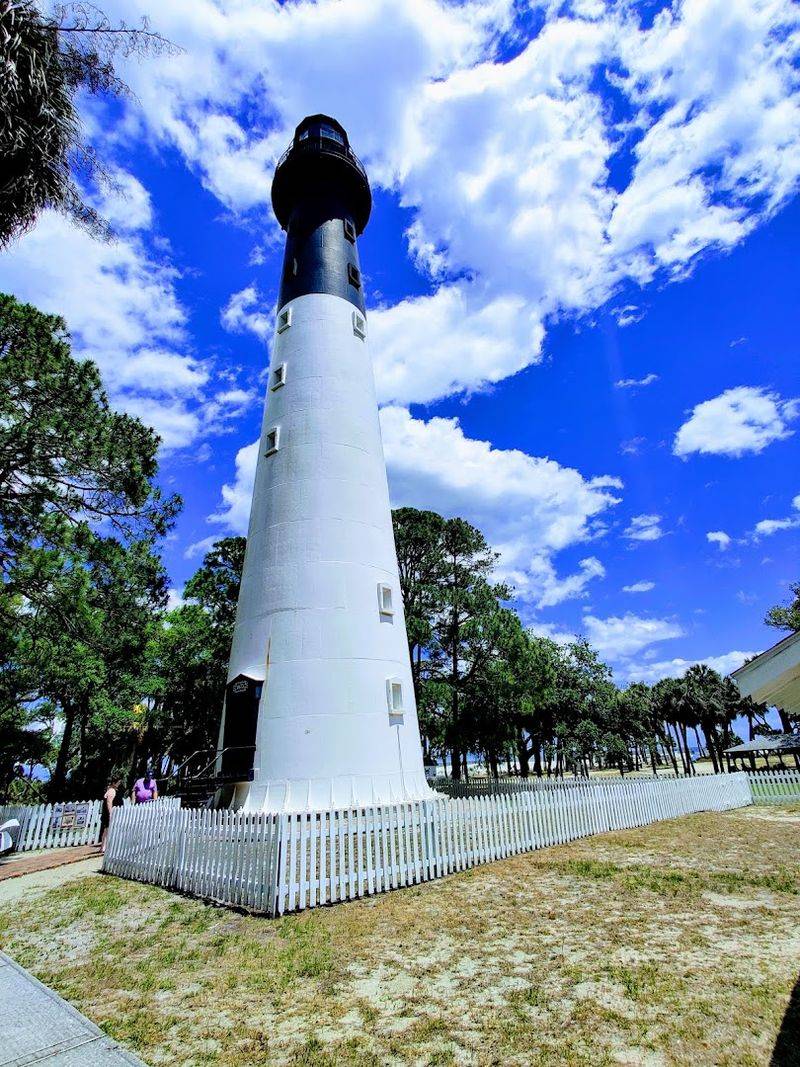
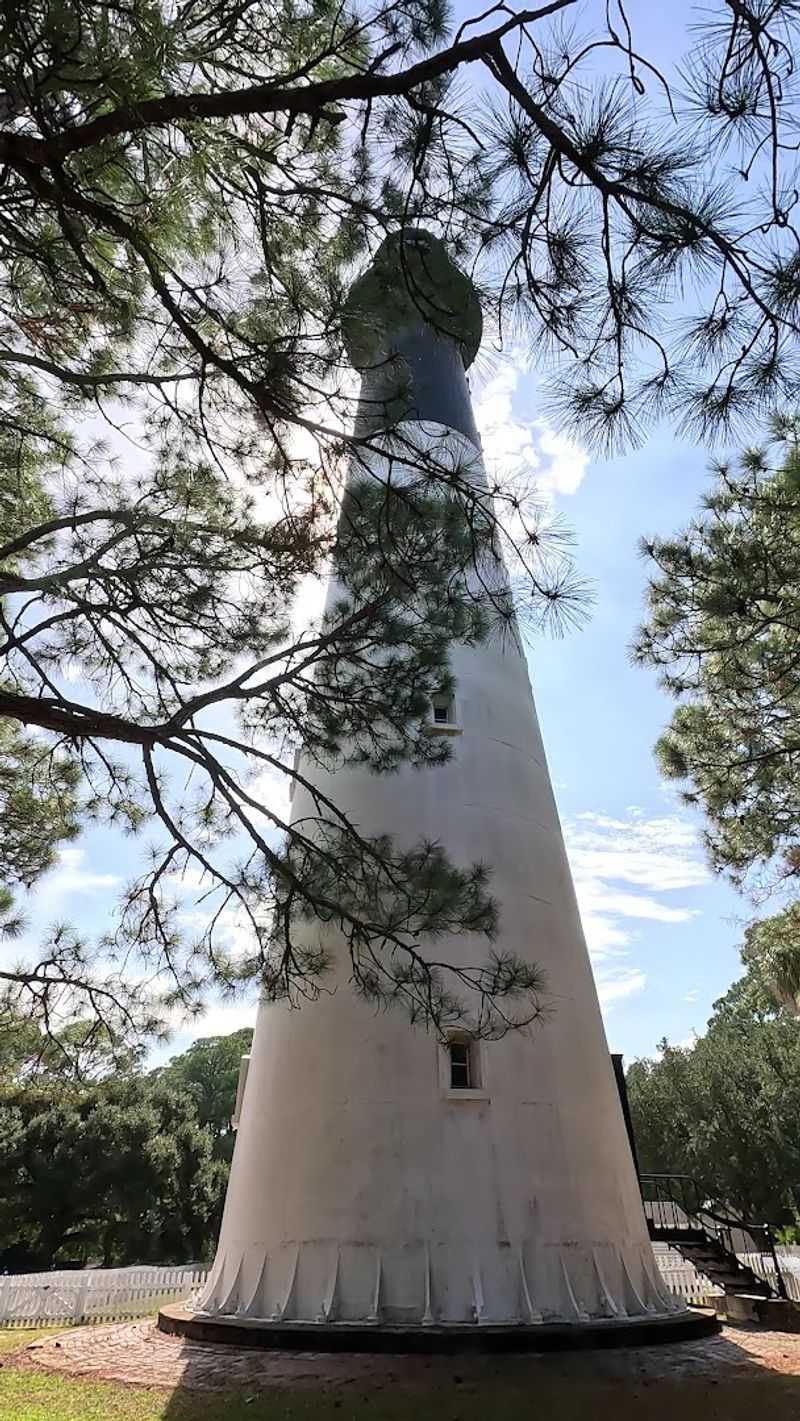
Built in 1875 and still standing with quiet authority near the northern end of the island, the Hunting Island Lighthouse is one of the most recognizable landmarks on the South Carolina coast.
What makes this lighthouse especially fascinating is that it was designed to be disassembled and relocated, a feature that proved useful when erosion threatened its original site and the structure was moved about a mile inland in 1889.
Climbing the 167 steps to the top rewards visitors with sweeping views of the Atlantic Ocean, the surrounding marshes, and the dense maritime forest below.
The lighthouse is listed on the National Register of Historic Places and draws history enthusiasts alongside casual tourists who simply want a great photo.
A small gift shop near the base sells lighthouse-themed souvenirs, making it a popular stop for families.
Standing at the top on a clear day, you understand immediately why lighthouse keepers chose this particular spot to guide ships safely home.
Fossils Beyond Shark Teeth Are Waiting to Be Found
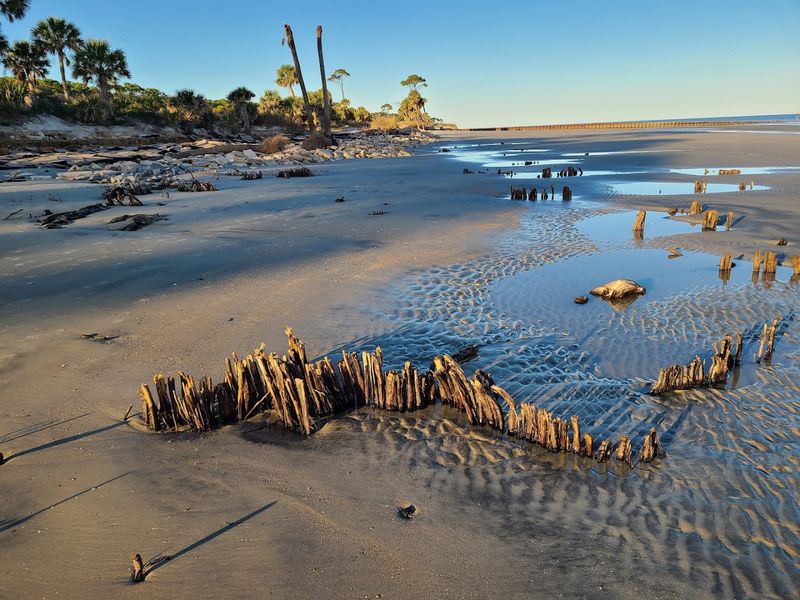
Shark teeth get most of the attention, but experienced fossil hunters know that Hunting Island offers a much wider menu of prehistoric finds.
Fossilized shells, ancient bone fragments, and remnants of marine creatures that lived millions of years ago regularly surface along the shoreline, especially after storms churn up the seafloor.
The island sits along a stretch of coastline known for its rich fossil deposits, with sediment layers dating back to the Miocene and Pliocene epochs washing onto the beach with regularity.
Storm events are actually a fossil hunter’s best friend here, because the wave action dislodges material from underwater deposits and delivers it directly to the sand.
Visiting right after a significant storm, when the beach has been freshly rearranged, dramatically increases your chances of a meaningful find.
Keeping a small identification guide in your bag helps you figure out exactly what you are holding, which turns a casual beach walk into a genuine scientific adventure.
Wildlife Encounters Are Almost Guaranteed
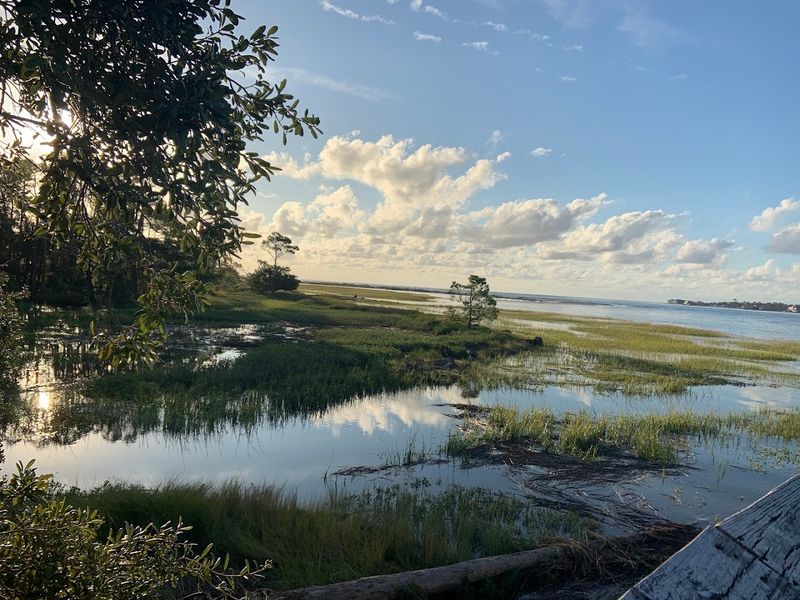
Hunting Island is the kind of place where wildlife does not feel like a bonus attraction but rather a core part of the whole experience.
Bottlenose dolphins regularly play near the fishing pier, putting on an effortless show for anyone standing at the railing with a camera or just a pair of curious eyes.
Sea turtle nests appear along the beach during summer months, marked with signs that remind visitors to give the nesting sites plenty of respectful space.
The marshes and forest trails teem with birds, from great blue herons standing motionless in the shallows to painted buntings flashing their improbable colors through the tree branches.
River otters have been spotted sliding through marsh channels, and white-tailed deer wander the forest edges with an unhurried confidence that suggests they know exactly who owns this island.
Bringing binoculars here is one of those decisions you will congratulate yourself for the entire day.
The Maritime Forest Trail Offers A Walk Through Deep Time
Walking the Maritime Forest Trail at Hunting Island feels less like exercise and more like stepping into a world that has been quietly running on its own rules for centuries.
Towering live oaks draped in Spanish moss arch over the path, creating a green tunnel that filters the sunlight into something soft and almost theatrical.
The trail runs roughly two miles one way from the southern parking area to the Nature Center, passing through a range of habitats that shift from dense forest to open marsh and back again.
Interpretive signs along the route explain the ecology of each zone, making the walk educational without ever feeling like a classroom lecture.
The ground beneath your feet is ancient, built up over thousands of years of sediment, leaf fall, and biological activity that has been running long before any human set foot here.
By the time you reach the Nature Center, you feel genuinely connected to the island in a way that a beach visit alone simply cannot provide.
Camping Here Puts You Inches From The Ocean
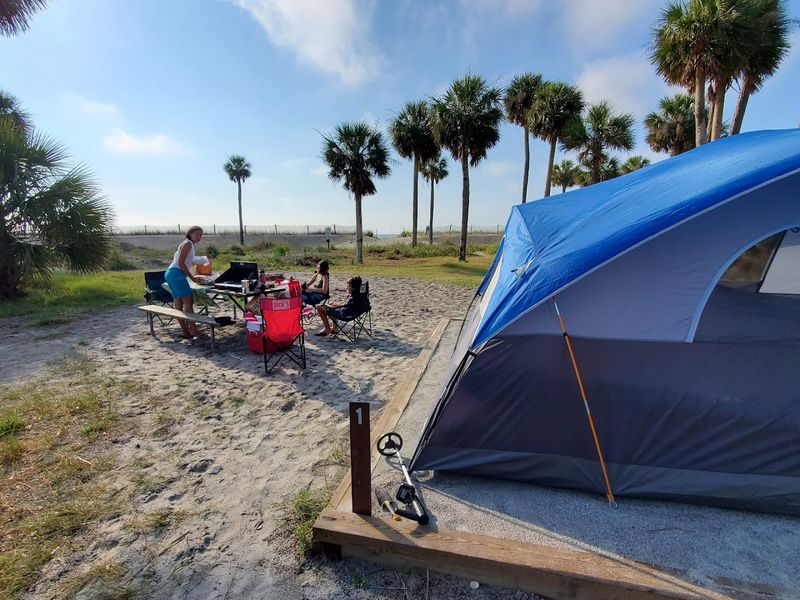
Spending a night at Hunting Island State Park is an experience that fundamentally changes how you think about camping.
The campground sits so close to the beach that you can hear the Atlantic Ocean from your sleeping bag, a sound that functions as both a lullaby and an early morning alarm clock.
RV sites come with electric and water hookups, fire pits, and picnic tables, and many are tucked into heavily wooded spots that feel genuinely private despite being part of a larger campground.
A small camp store carries ice, firewood, and basic supplies, so you do not need to drive off the island every time you run low on essentials.
Trails connect directly from the campground to the beach and to longer forest routes, meaning you can roll out of your tent and be on a hiking path within minutes.
Waking up to birdsong and ocean air at Hunting Island is the kind of morning that makes you seriously reconsider your regular daily routine.
The Best Times To Visit Maximize Your Treasure-Hunting Odds
Timing your visit to Hunting Island correctly can mean the difference between finding a handful of shark teeth and going home empty-handed.
Low tide is the single most important factor, and checking a tide chart before you head out is the smartest move any fossil hunter can make.
Early morning visits during low tide give you the freshest stretch of exposed sand before other visitors arrive, which translates directly into more undisturbed hunting ground.
Fall and winter visits offer an added advantage because the beach sees fewer visitors while still delivering excellent fossil and shell finds, and the cooler temperatures make long beach walks genuinely comfortable.
After storms, the shoreline gets a fresh delivery of material churned up from offshore deposits, so a post-storm morning walk is practically a guaranteed payday for patient collectors.
The park charges a modest per-person admission fee, and every cent of it feels well spent the moment you spot your first dark, triangular tooth glinting in the morning light.