
This Car-Free Remote Maine Island Has Barely Changed In Two Centuries
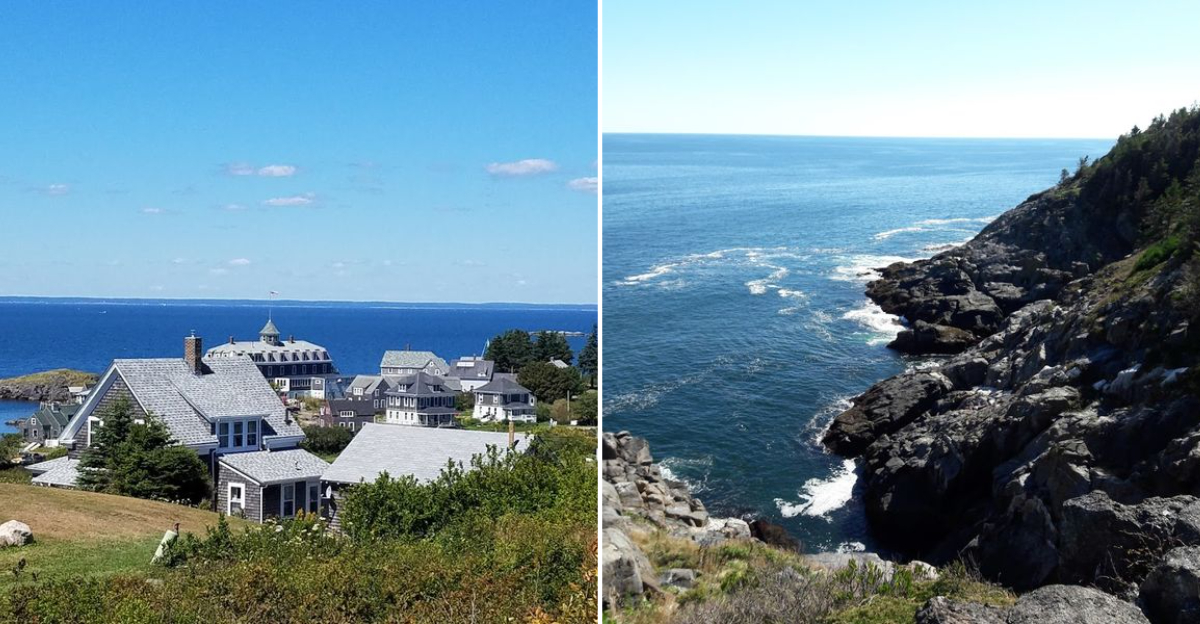
Your car keys become souvenirs the moment you arrive. No paved roads, no traffic lights, no visitor parking lots, just waves, wind, seabirds, and footpaths leading past weathered cottages.
Off the Maine coast, this tiny island community has held onto a slower rhythm for more than 400 years, shaped by fishing, artists, cliff trails, and the steady pull of the Atlantic. Supplies come by boat, errands happen on foot, and silence has room to stretch.
The place feels almost impossible in modern America: a year-round community where engines never set the mood and the ocean decides the pace.
For anyone curious about life before highways, chain stores, and constant scrolling, this island offers a rare living glimpse of something older, quieter, and surprisingly refreshing.
The Island’s Famous Vehicle Ban
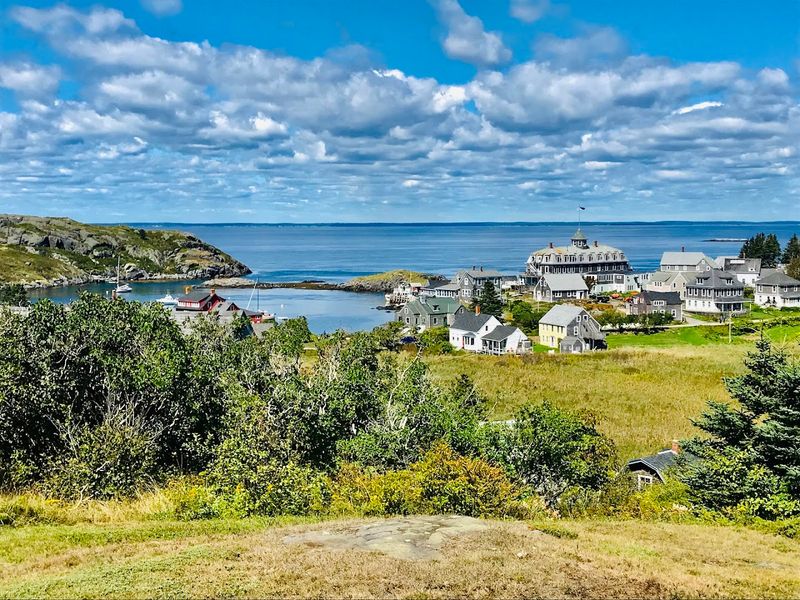
Walking is the only way to get around on Monhegan Island, and that rule is not just a suggestion. The island has maintained a strict ban on motor vehicles for generations, making it one of the few permanently inhabited places in the United States where cars simply do not exist.
Residents use small hand carts and wheelbarrows to move supplies from the dock to their homes. Visitors quickly discover that their legs are their best transportation option, and most find the adjustment surprisingly refreshing.
Without the constant hum of engines, the island operates at a slower, more deliberate pace. You can hear conversations happening three houses away.
Birds are louder than anything mechanical.
The absence of cars does not feel like a restriction once you arrive; it feels like a relief, and most visitors say they notice their shoulders relaxing within the first hour of stepping off the ferry.
Life At The Edge Of The Atlantic
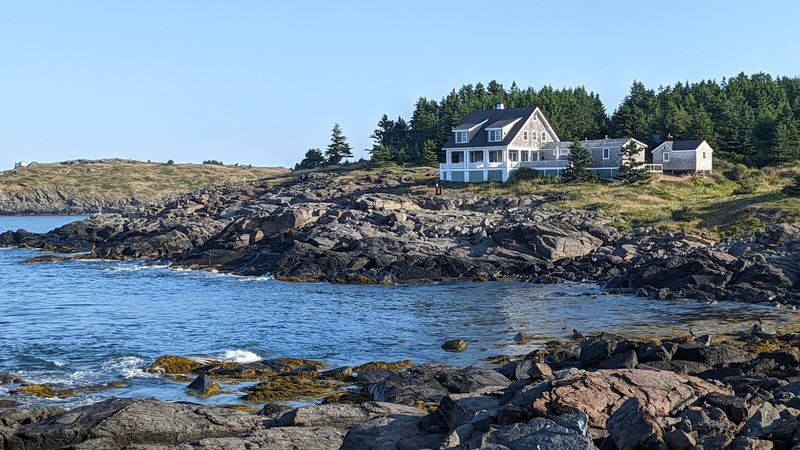
Being 12 nautical miles offshore means Monhegan Island exists in a world slightly apart from the mainland. The ferry ride from Port Clyde takes about an hour, and during that crossing, the mainland gradually disappears behind you while the island slowly grows larger on the horizon.
That physical distance shapes everything about island life. Groceries, building materials, and mail all arrive by boat.
During rough weather, the island can be cut off for days at a time, which means residents plan carefully and waste very little.
The isolation also creates an extraordinary sense of community. With a year-round population of fewer than 100 people, everyone knows each other and everyone contributes.
Visitors often describe the crossing itself as part of the experience, a natural transition from the busyness of everyday life into something quieter and more intentional. The Atlantic has a way of making 12 miles feel like a genuine journey into another world.
Over 400 Years Of Continuous Habitation
Few places in North America can claim over four centuries of unbroken human settlement, but Monhegan Island is one of them. European fishermen were using the island as a seasonal base as early as the 1600s, and permanent settlement followed not long after.
Long before European contact, the island was known to the Abenaki people, who called it by names meaning something close to “great island out at sea.” That deep history gives the island a layered feeling that newer places simply cannot replicate.
Walking through the small village, you pass buildings that have stood for well over a century. The Monhegan Museum, housed in an 1824 lighthouse keeper’s dwelling, holds artifacts and records that trace the island’s story across generations.
History here is not behind glass in a far-off city museum; it is in the walls of the buildings, the shape of the harbor, and the family names that have appeared on the same plots of land for hundreds of years.
One Of America’s Most Celebrated Artist Colonies
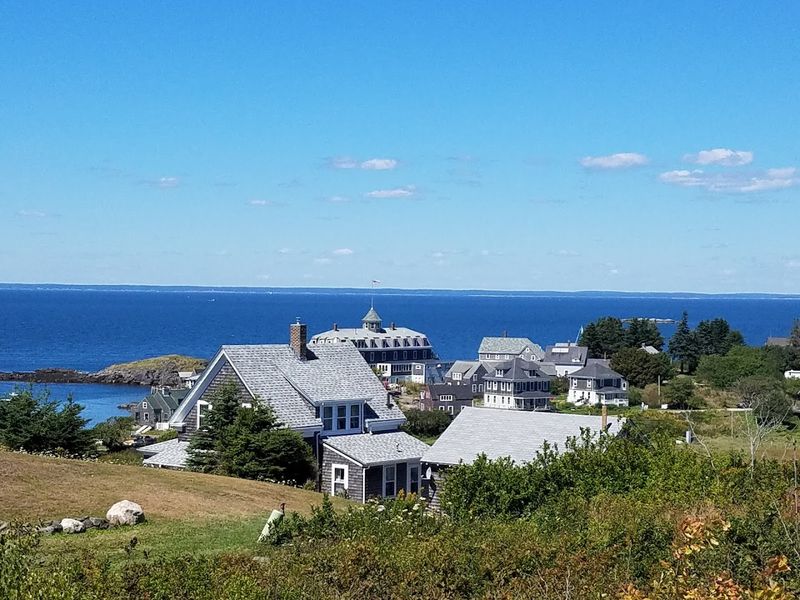
Robert Henri, Rockwell Kent, Andrew Wyeth, and Jamie Wyeth are just a few of the famous artists who made Monhegan Island a creative home.
The island has been drawing painters, printmakers, and photographers since the late 1800s, earning a reputation as one of the most influential artist colonies in American history.
The reason artists keep coming back is not hard to understand. The light on Monhegan is genuinely different, sharper and more dramatic than on the mainland, bouncing off the ocean and the granite cliffs in ways that seem almost designed for painting.
The island offers working studio space and gallery exhibitions during the summer months.
The Monhegan Artists’ Residency program continues that tradition today, bringing working artists to the island each season.
Walking around the village during summer, you will regularly spot artists set up outdoors, easels facing the water, completely absorbed in their work. The island does not just inspire creativity; it seems to demand it.
Dramatic Cliffs That Drop Into The Sea
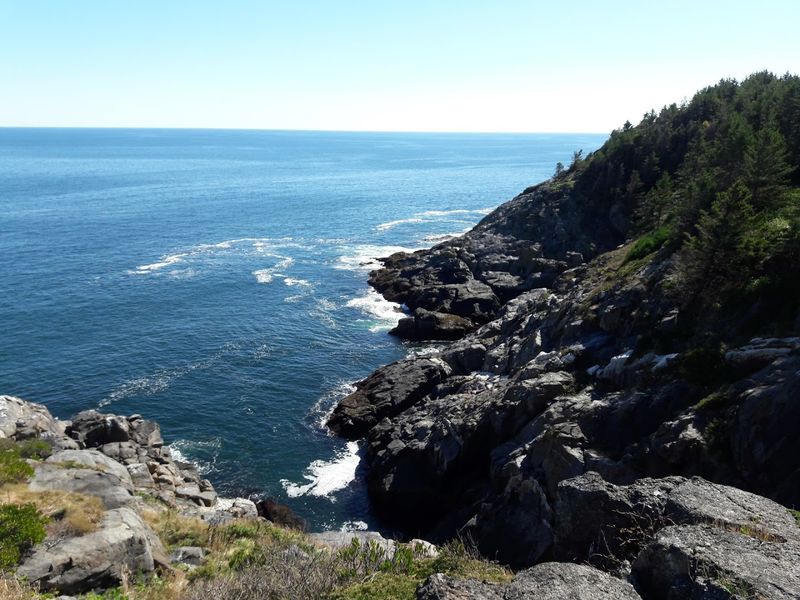
The southern and western edges of Monhegan Island are defined by some of the most striking coastal scenery in New England. Cliffs rise up to 160 feet above the Atlantic, with waves constantly carving away at the dark granite base below.
Standing at the edge of Cathedral Woods and looking out toward the open ocean from one of the cliff-top trails is a genuinely humbling experience.
The scale of the water stretching to the horizon, the sound of waves crashing far below, and the wind pushing steadily against you combine into something that is hard to describe and impossible to forget.
The island has about nine miles of maintained Wildlands trails despite being only about one mile wide and 1.7 miles long. Many of those trails lead directly to cliff-top viewpoints.
Visitors are encouraged to stay on marked paths near the edges, as the terrain can be uneven and the drops are serious. The cliffs are beautiful, but they ask for your full attention.
A Working Lobster Fishing Community
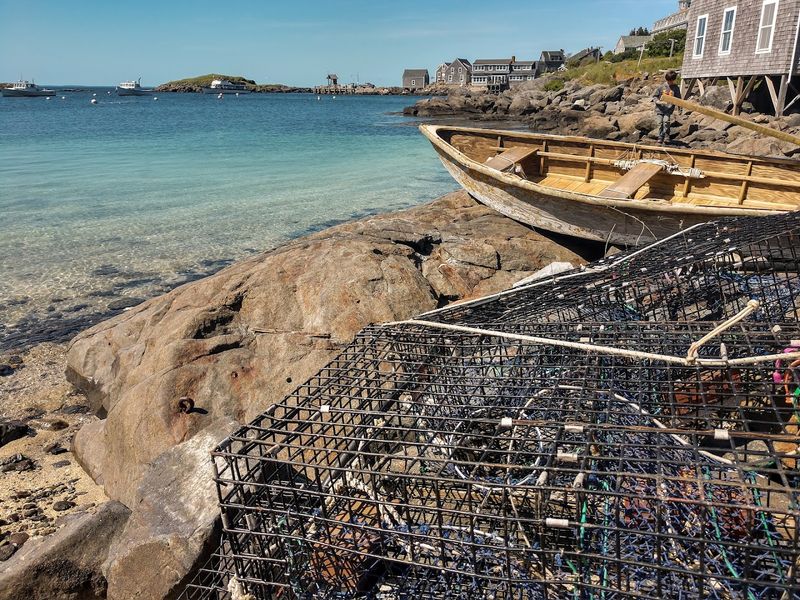
Despite its fame as an artist destination, Monhegan Island is first and foremost a working fishing community. The island operates under a unique and self-regulated lobster fishing season that runs from December through June, the opposite of most Maine lobstering schedules.
That unusual calendar was designed by the islanders themselves to protect the local lobster population and give stocks time to recover. It is one of the earliest examples of community-based fisheries management in the United States, and it has kept the industry sustainable for generations.
During fishing season, the harbor fills with activity before dawn. Traps are hauled, sorted, and reset in the cold Atlantic water while the rest of the island is still quiet.
The lobstering families on Monhegan are deeply connected to this tradition, with some households tracing their fishing history back several generations. Visitors who arrive in summer miss the active season but can still see the colorful stacked traps and weathered boats that tell the story clearly enough.
A Fairy-Tale Forest At The Island’s Heart
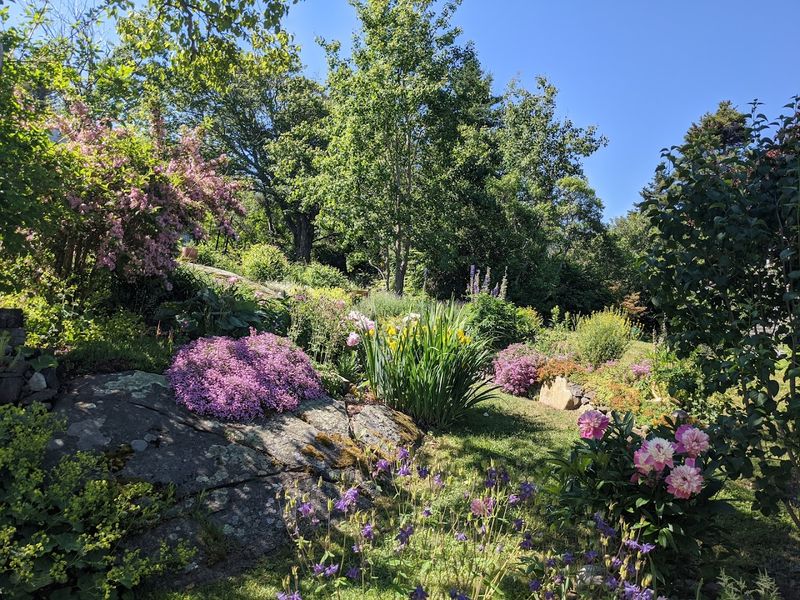
Cathedral Woods is the name given to the old-growth spruce forest that covers much of Monhegan Island’s interior, and the name fits perfectly. Walking beneath those tall, straight trunks with a canopy far overhead feels genuinely cathedral-like, quiet and slightly reverent.
What makes Cathedral Woods especially charming is a beloved local tradition: fairy houses. Visitors and islanders have been building tiny, intricate structures from natural materials at the base of the trees for decades.
Moss, bark, pebbles, and twigs are arranged into miniature doorways, bridges, and gardens that dot the forest floor.
There are no signs directing you to the fairy houses. You simply walk the soft needle-covered paths and discover them as you go, which is exactly the right way to experience them.
Children are completely enchanted by the tradition, but adults find themselves just as absorbed. The forest manages to be both ancient and playful at the same time, which is a combination that very few places on earth can pull off.
Standing Watch Since 1824
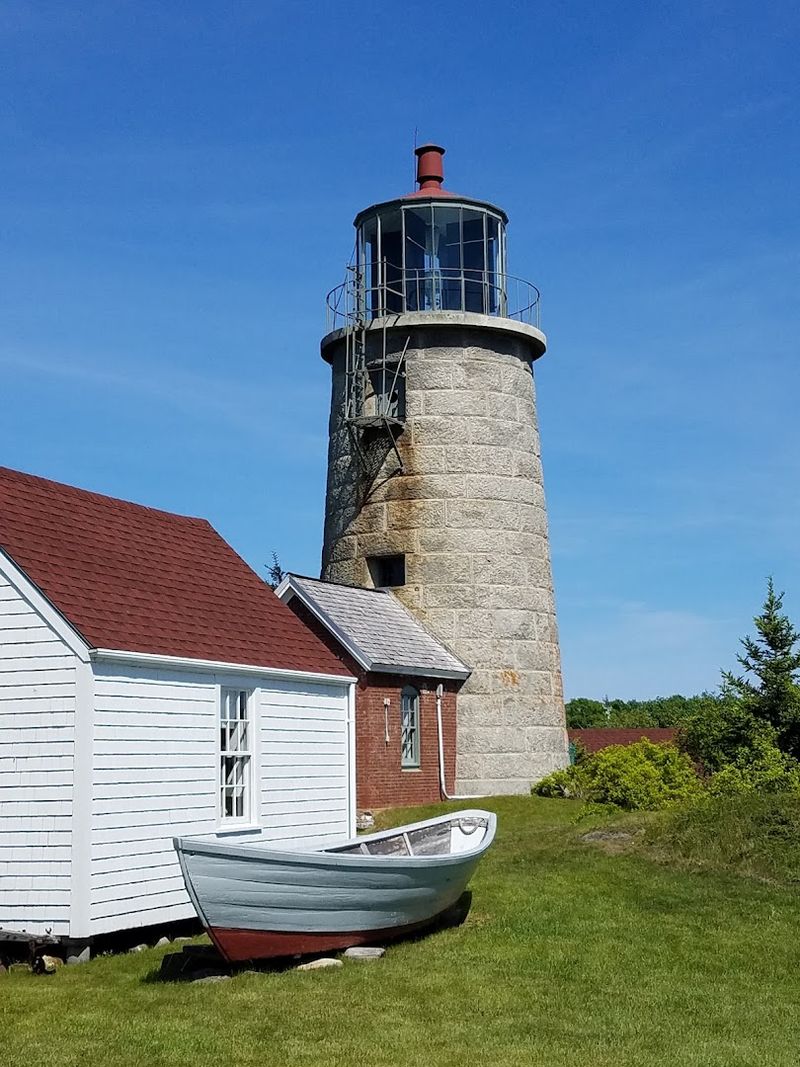
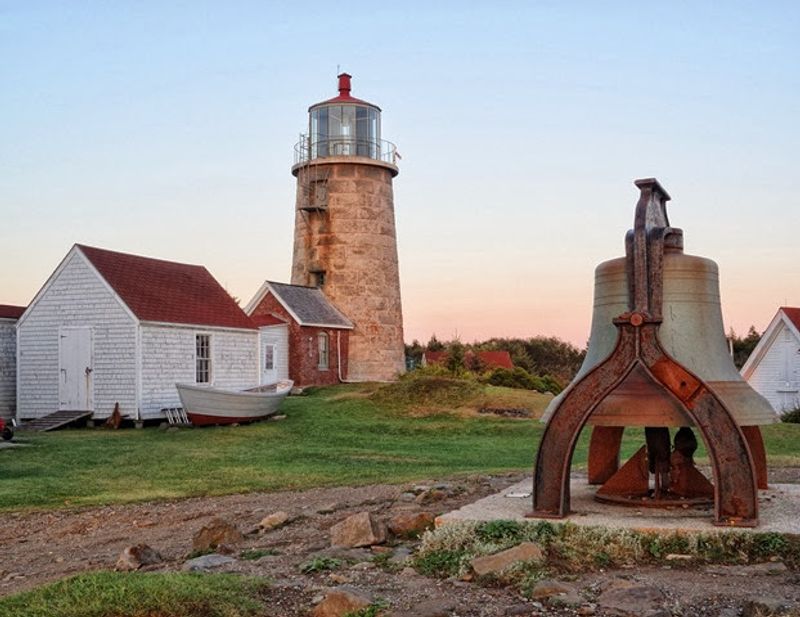
Built in 1824, the Monhegan Island Light stands on the highest point of the island, giving it a commanding view of the surrounding ocean in every direction. At 178 feet above sea level, it was one of the most important navigational aids for ships traveling the Maine coast during the 19th century.
The lighthouse was automated in 1959, which is when the keeper’s dwelling was converted into what is now the Monhegan Museum. The museum houses an impressive collection of art, tools, photographs, and documents related to island life across the centuries.
Climbing the hill to reach the lighthouse is worth the effort even if the museum is closed. The panoramic view from the top is one of the best on the entire Maine coast, with the open Atlantic spreading out in three directions and the island’s forest stretching below you.
On clear days, you can see the distant Maine mainland and, on particularly sharp mornings, the outline of other islands scattered across the Gulf of Maine.
Birdwatching Capital Of The Maine Coast
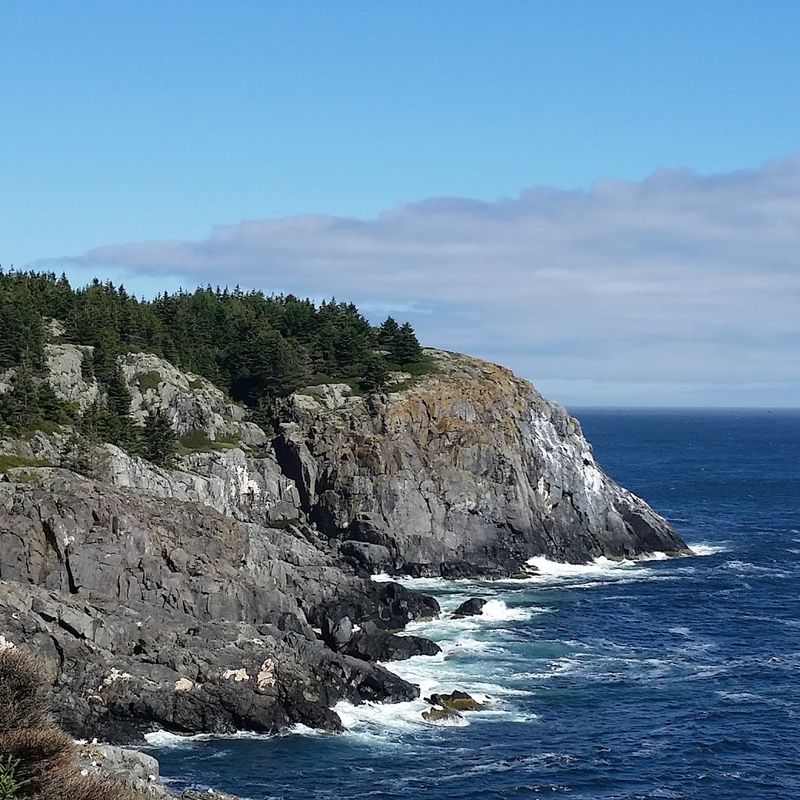
Every spring and fall, Monhegan Island becomes one of the most exciting birdwatching destinations in the entire northeastern United States. Because the island sits far offshore, it acts as a natural rest stop for migrating birds crossing the Gulf of Maine, and the variety of species that turn up is remarkable.
Warblers, thrushes, flycatchers, and sparrows arrive in waves during peak migration periods. Rare and unusual species show up with surprising regularity, which draws serious birders from across the country who are hoping to add uncommon sightings to their life lists.
The island’s compact size makes it ideal for birding. You can cover the entire island on foot in a single day, checking the forest edges, the meadows, and the rocky coastline for whatever has arrived overnight.
May and late September are considered the prime migration windows.
Birders often stay multiple days to take full advantage of shifting conditions, and many describe Monhegan as the single best birding location they have ever visited in New England.
A Place That Has Resisted The Modern World
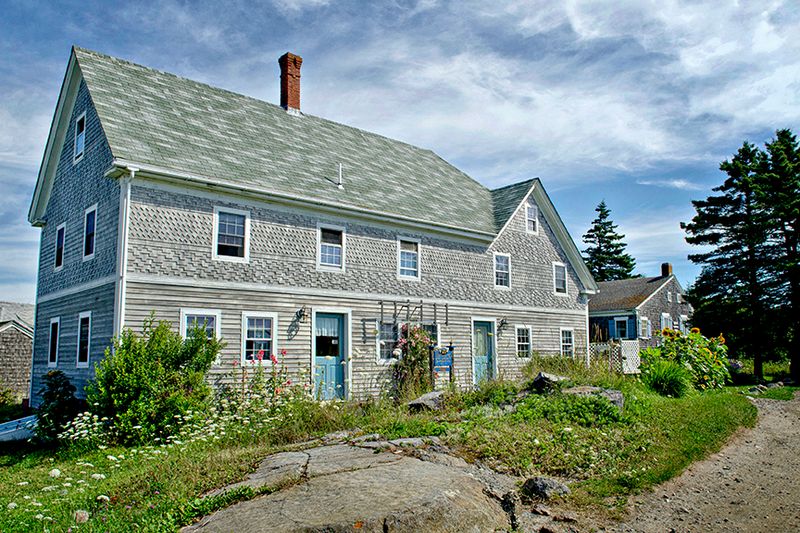
There is no cell service worth mentioning on Monhegan Island. There are no chain restaurants, no big-box stores, no traffic, and no neon signs.
What exists instead is a small cluster of inns, a handful of artist studios open to visitors, a general store, a post office, and a community that has made a collective decision to stay exactly as it is.
That resistance to modernization is not accidental. Island residents have repeatedly turned down development proposals over the decades, choosing to preserve the character of the place over economic expansion.
The result is a community that genuinely looks and feels much as it did a century ago.
For visitors burned out by the speed and noise of modern life, Monhegan offers something increasingly rare: a place where slowing down is not a choice but simply the only option available.
The island does not ask you to unplug. It just makes plugging back in so inconvenient that you stop trying, and most people quietly discover they did not miss it at all.