
This Paved Florida Trail Leads To A Hidden Waterfall Oasis
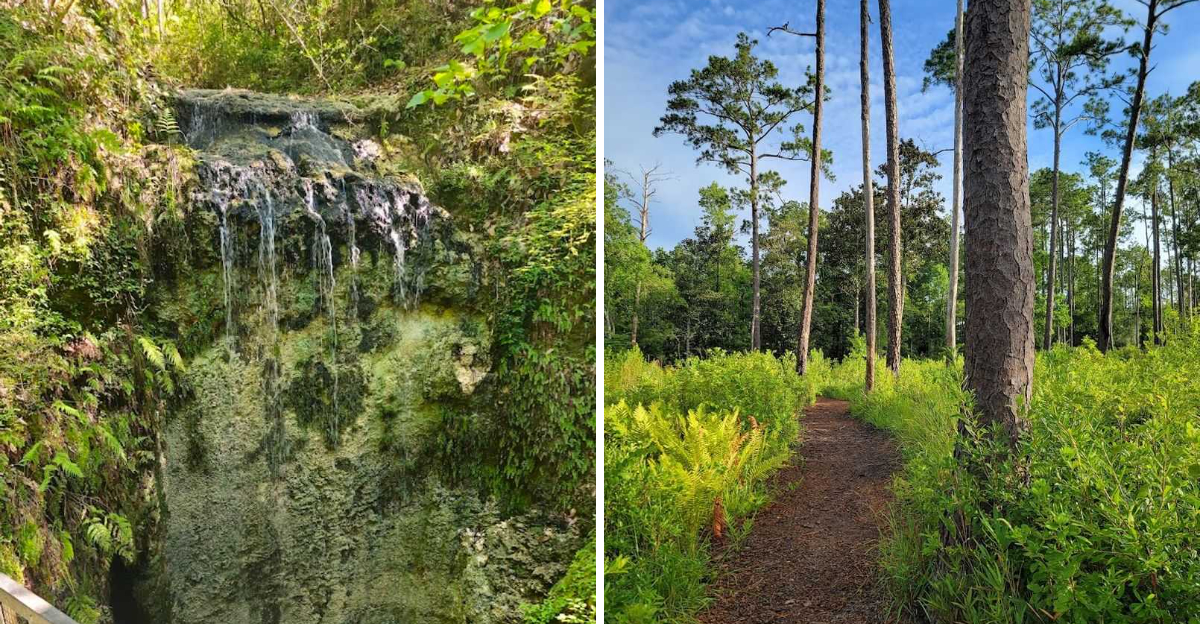
Most people fly down I-10 through the Florida Panhandle without giving it a second thought.
Flat roads, long stretches, nothing that really makes you slow down.
Then just a few miles off the highway, everything changes.
Florida is hiding a waterfall so unexpected it feels like it shouldn’t exist here at all.
The trail starts easy.
Paved paths, shaded forest, the kind of walk you think will be simple from start to finish.
Then the landscape shifts.
The ground dips, the air cools, and suddenly you’re standing at the edge of something that looks nothing like the Florida you had in mind.
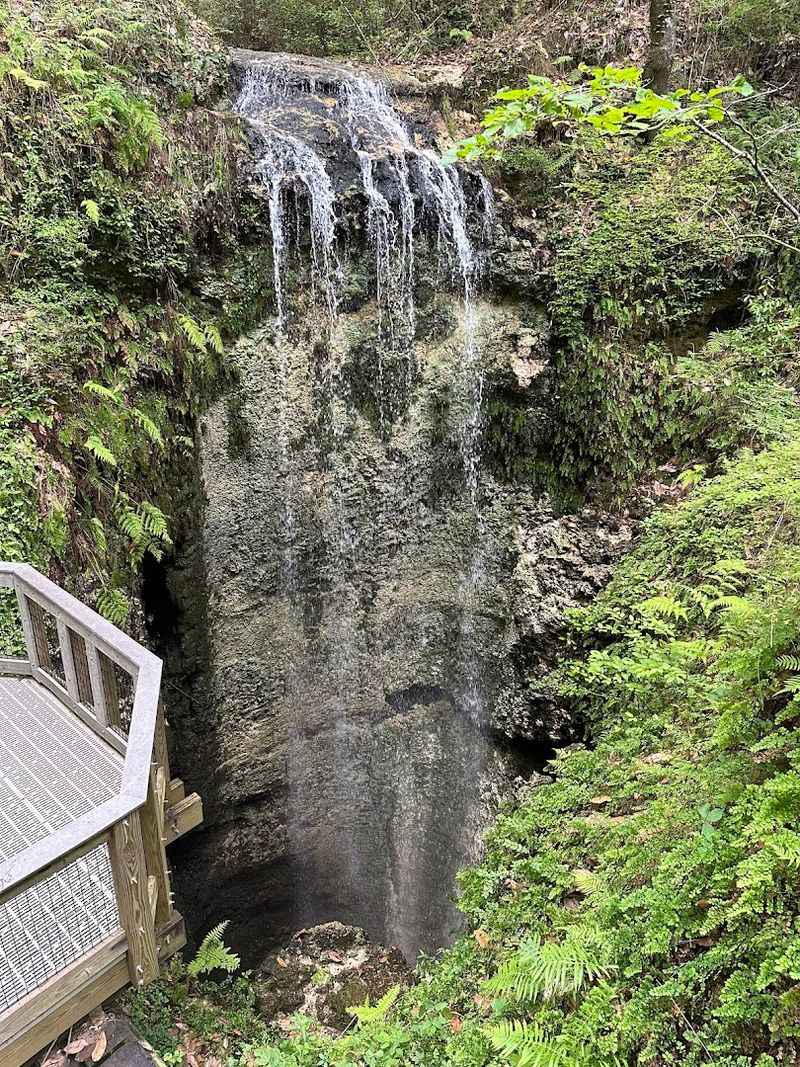
Water drops straight into a deep limestone pit, disappearing in a way that feels almost unreal.
You stop for a second.
Take it in.
And realize this quick detour just turned into one of the most surprising stops of the trip.
Florida’s Tallest Waterfall Drops Into A Bottomless Pit
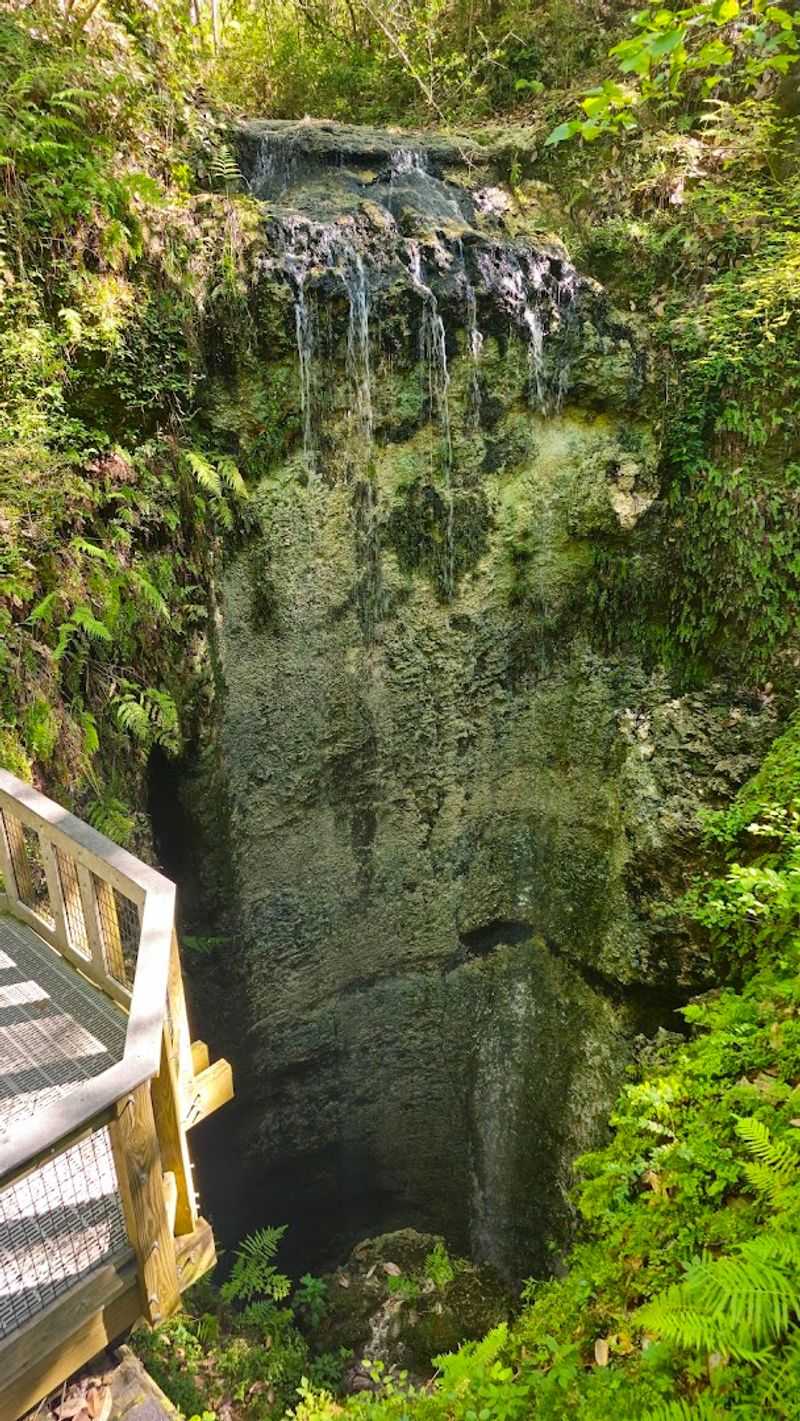
Standing at the railing and looking down into that dark, swirling pit for the first time is a moment that genuinely catches you off guard, especially in a state better known for flat beaches than dramatic drops.
Falling Waters State Park is home to Florida’s tallest waterfall, a 73-foot cascade that tumbles into a narrow limestone sinkhole roughly 100 feet deep and 20 feet wide. What makes it even more mysterious is that no one has definitively confirmed where the water goes after it hits the bottom.
Scientists believe it filters into the underground aquifer, but the pit’s depth has never been fully measured with certainty.
When rainfall has been generous, the sound of rushing water echoes up from the pit in a way that feels almost theatrical. Even during drier stretches, the setting alone, wrapped in ferns and cool air, makes the short walk completely worth it.
The Paved Trail Makes It Accessible For Almost Everyone
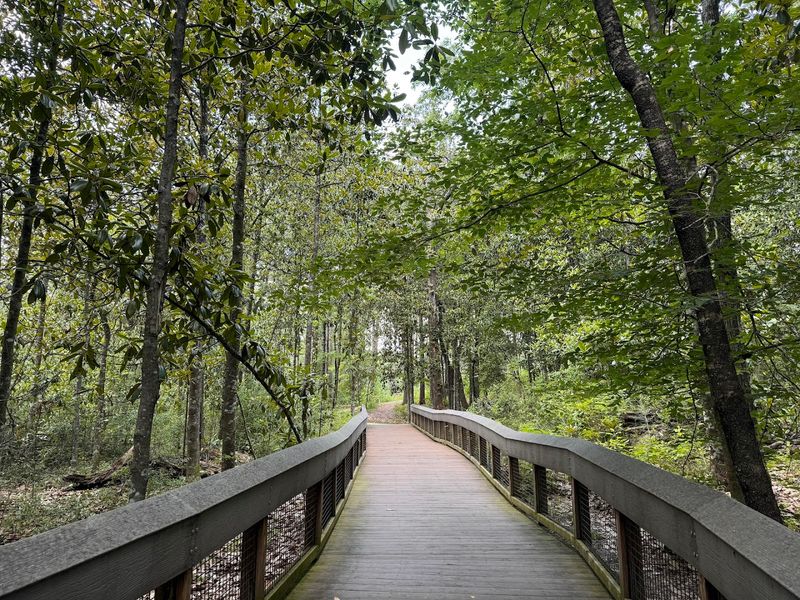
One of the first things you notice after parking is that the path to the waterfall is not a rugged dirt scramble but a well-maintained paved surface that feels genuinely welcoming.
The park offers concrete trails with secure railings on both sides, and a wheelchair-accessible ramp leads to the upper observation deck overlooking the falls. A second, slightly steeper path with 25 steps takes visitors down to a lower platform where the waterfall view becomes even more dramatic and immersive.
Benches are placed along the route so anyone who needs a rest can pause and enjoy the surrounding forest scenery without feeling rushed.
Families with strollers, older visitors, and people with mobility considerations can all navigate the main waterfall path comfortably. The total round trip from the parking lot to all three waterfall viewing points and back clocks in at roughly half a mile, making it a genuinely easy and rewarding outing.
Ancient Sinkholes Dot The Landscape Like Earth’s Own Puzzle
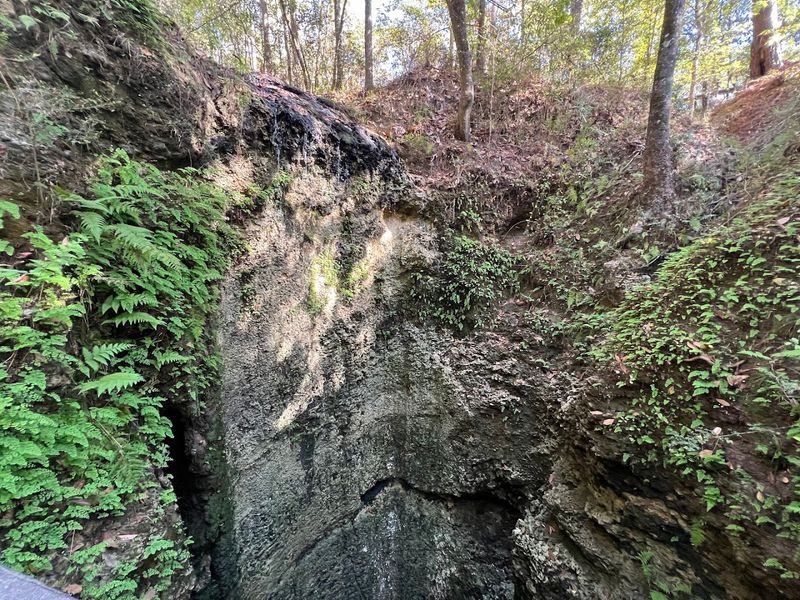
Beyond the waterfall, the park is scattered with seven or eight sinkholes of varying sizes, and walking among them feels like stepping across a landscape that has quietly been reshaping itself for thousands of years.
These sinkholes form when underground limestone dissolves over time and the ground above eventually collapses inward, creating wide, bowl-shaped depressions that range from modest dips to gaping holes wide enough to swallow a house. Some are so deep that peering over the edge produces a genuine sense of vertigo.
The boardwalk trail weaves past several of them, offering safe viewing spots with railings where you can look down into their leafy interiors.
One particularly striking sinkhole sits close to the waterfall area and gives visitors a clear view of the layered limestone walls that tell the story of millions of years of geological activity. It is the kind of scenery that makes you feel very small in the best possible way.
Indigenous History Runs Deeper Than the Limestone Itself
Long before this land carried the name of a state park, it was a gathering place for Indigenous communities who recognized something sacred in its unusual terrain.
Archaeologists have uncovered pottery fragments, tools, and evidence of human activity at Falling Waters that dates back thousands of years. A rare cave painting was also discovered in the area, offering a glimpse into the ceremonial and cultural life of the people who called this landscape home before Florida had a written history.
That layered human presence adds a quiet weight to the experience of walking the boardwalk or standing at the waterfall’s edge.
The park does not make a loud spectacle of this history, but for visitors who take a moment to consider it, the sinkholes and caverns feel less like geological curiosities and more like places that have held human memory for generations. Knowing that history makes every step on the trail feel a little more meaningful.
Rainfall Determines The Waterfall’s Drama Level
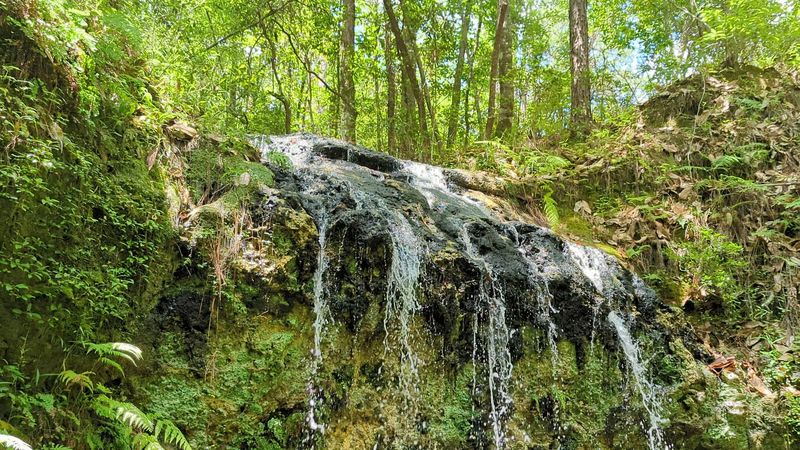
Visiting after a good rainstorm transforms the waterfall from a pleasant trickle into a genuinely thunderous pour, and that variability is something every visitor should plan around before making the drive.
During dry spells, which are common in fall and early winter, the flow can reduce to a thin ribbon or even a modest drip. Several reviewers noted visiting during low-flow periods and still finding the setting beautiful, thanks to the lush ferns, mossy rocks, and dramatic pit below.
Calling ahead to ask about current water flow, as the park staff at (850) 638-6130 are happy to help, is a smart move that can save disappointment.
The best time to catch a strong flow is during or just after the rainy season, which typically runs from late spring through summer. One visitor who called ahead after a storm reported that the waterfall was impressively powerful and well worth the trip, even by Florida standards.
The Entry Fee Is One Of Florida’s Best Travel Bargains
For five dollars per car, you get access to the waterfall trail, the sinkhole boardwalk, the butterfly garden, the picnic area, the playground, and the swimming lake, which is honestly a remarkable value for a few hours of outdoor adventure.
Florida State Parks are known for keeping entry fees affordable, and Falling Waters fits that tradition well. The park also offers annual passes for frequent visitors, though some reviewers noted that passes sold out during peak periods, so checking availability in advance is worth doing if you plan multiple visits throughout the year.
The low cost makes this an especially attractive stop for road-tripping families or I-10 travelers looking for a meaningful break from the highway without spending a lot of money. Ample free parking is available near the waterfall trailhead, so there are no hidden costs waiting for you once you roll through the entrance gate.
Five dollars rarely buys this much scenery anywhere.
Camping Here Means Waking Up Inside The Forest
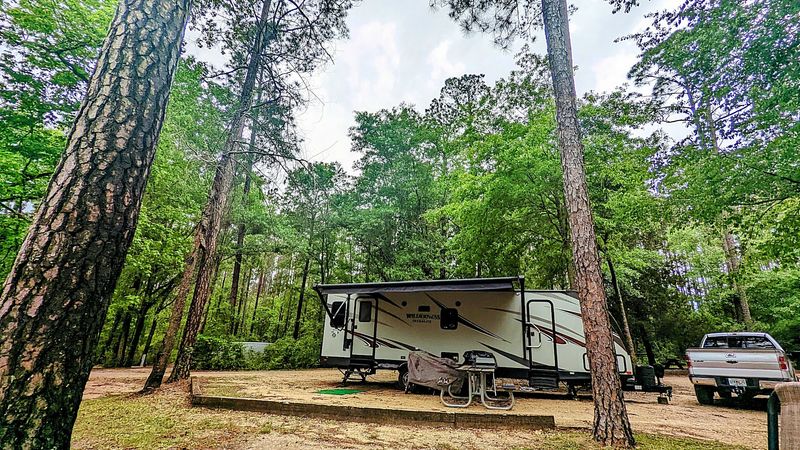
Spending the night at Falling Waters turns a quick waterfall stop into a full immersion in the kind of quiet, tree-wrapped atmosphere that is genuinely hard to find this close to an interstate highway.
The campground offers 24 sites plus four host sites, with options for RVs and tents. Most sites are on gravel, though some are concrete and wide enough to accommodate larger rigs without too much maneuvering.
The bathrooms and showers are consistently praised in visitor reviews for being clean and well-maintained, with hot water and family-friendly shower stalls available as well.
One family who camped with three children under the age of six described it as one of their best camping experiences, noting that the easy trails, playground, and relaxed atmosphere made everything feel manageable even with young kids in tow. Mornings at the campground are especially peaceful, with mist rising from the nearby sinkholes as the forest slowly wakes up around you.
A Butterfly Garden Waits Near The Parking Lot
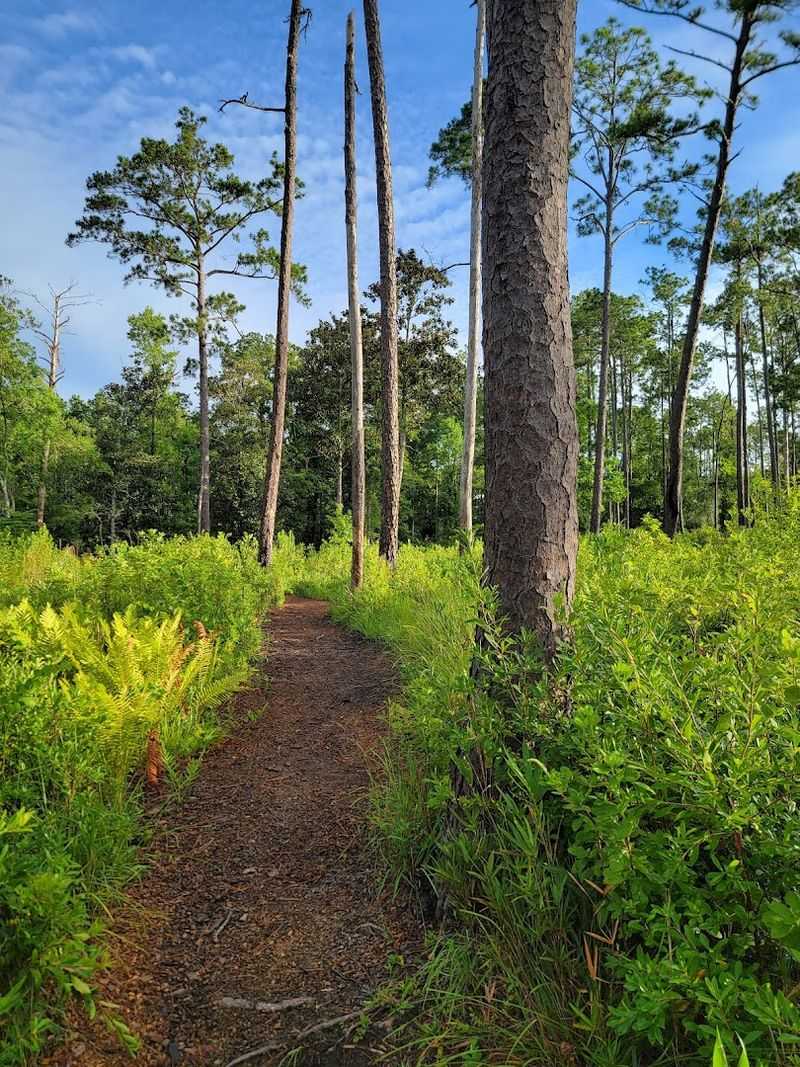
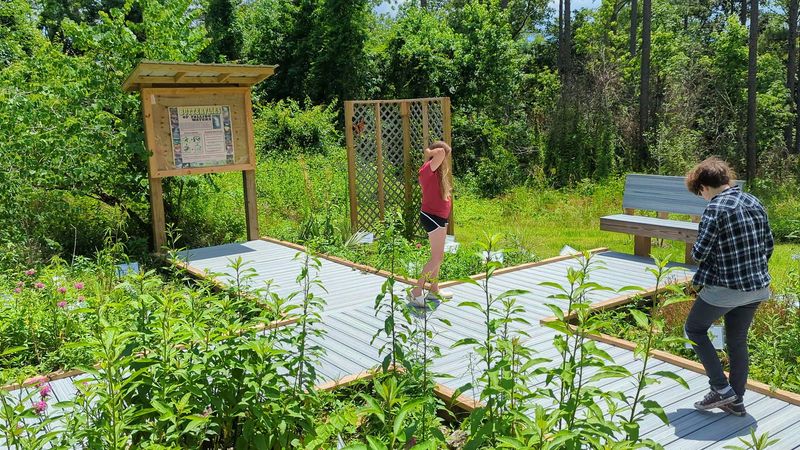
Right near the trailhead, before you even start walking toward the waterfall, a dedicated butterfly garden invites you to slow down and pay attention to the smaller, more delicate side of the park’s ecosystem.
The garden features labeled native plants chosen specifically to attract local butterfly species, and during warmer months it becomes a lively spot where wings of all colors drift from flower to flower. Educational signage explains which plants draw which species, making it a surprisingly engaging stop for curious visitors of any age.
The garden took a hit during a particularly cold stretch and some plants were pruned back heavily, but the labels remained to document what thrives there in better conditions.
Visiting in late spring or summer gives the garden its best chance to shine. Even when the blooms are sparse, the layout and signage offer a thoughtful lesson in how native plants support local wildlife, which is a quietly inspiring addition to an already memorable park visit.
Turtle Lake Offers A Swimming Spot With A Wild Backdrop
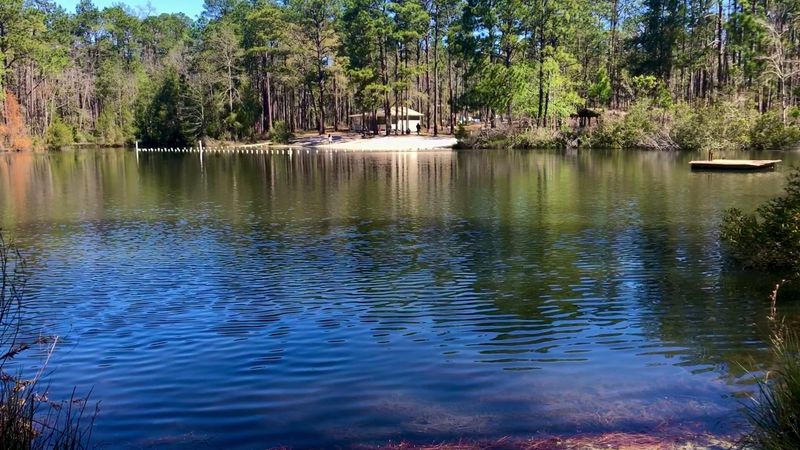
Tucked within the park grounds, Turtle Lake is a two-acre manmade lake with a designated swim area that gives visitors a refreshing reason to linger long after they have seen the waterfall and sinkholes.
The lake is fed naturally and the water level can fluctuate depending on rainfall, with some visitors noting that it appeared lower during dry periods. When the lake is fully open and conditions are right, it offers a relaxed, scenic spot for a swim surrounded by the kind of quiet pine forest scenery that feels a world away from Florida’s crowded coastal beaches.
A small beach area edges the water, making it easy to settle in for an afternoon.
The park is transparent about the lake’s dependency on natural water flow, and signage communicates current conditions clearly. Checking ahead about lake access before your visit is always a smart call, particularly during extended dry spells when swimming may be temporarily unavailable.
Just Three Miles Off I-10 Makes It A Perfect Road Trip Stop
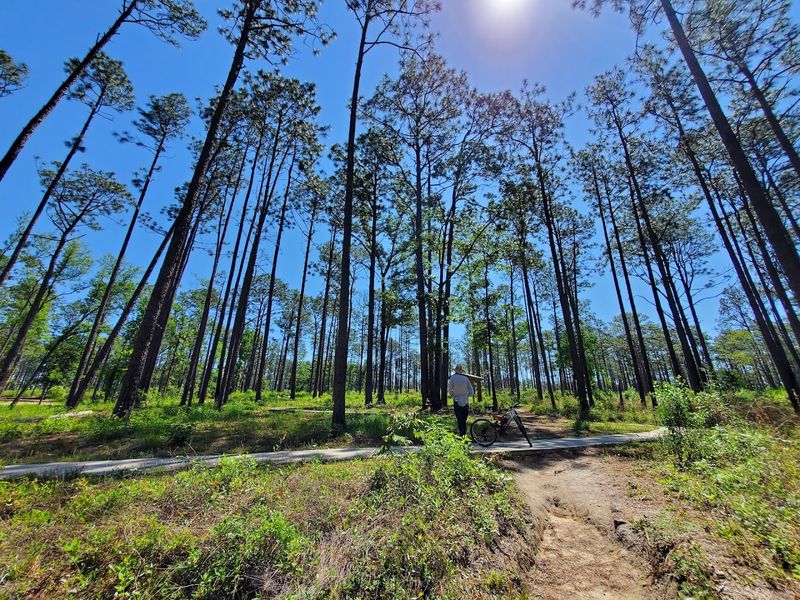
Sometimes the best travel discoveries are the ones hiding just off the road you were already on, and Falling Waters State Park is exactly that kind of find for anyone driving I-10 through the Florida Panhandle.
The park sits only about three miles from the interstate, making the detour feel almost effortless. The drive in is calm and tree-lined, and the transition from highway noise to forest quiet happens faster than you would expect.
Multiple reviewers described it as an ideal pit stop to stretch your legs, eat lunch at a covered picnic table, and recharge before continuing the drive, all without losing much time from the overall journey.
The combination of clean restrooms, ample parking, an easy paved trail, and a genuinely surprising waterfall makes Falling Waters one of those rare stops that overdelivers on every expectation. You can find it at 1130 State Park Rd, Chipley, FL 32428, and the website at https://www.floridastateparks.org/park/Falling-Waters has updated hours and conditions.