
This 22-Mile Colorado Bike Trail With Woods, Meadows, And An Ice Cream Stop Is Perfect For May
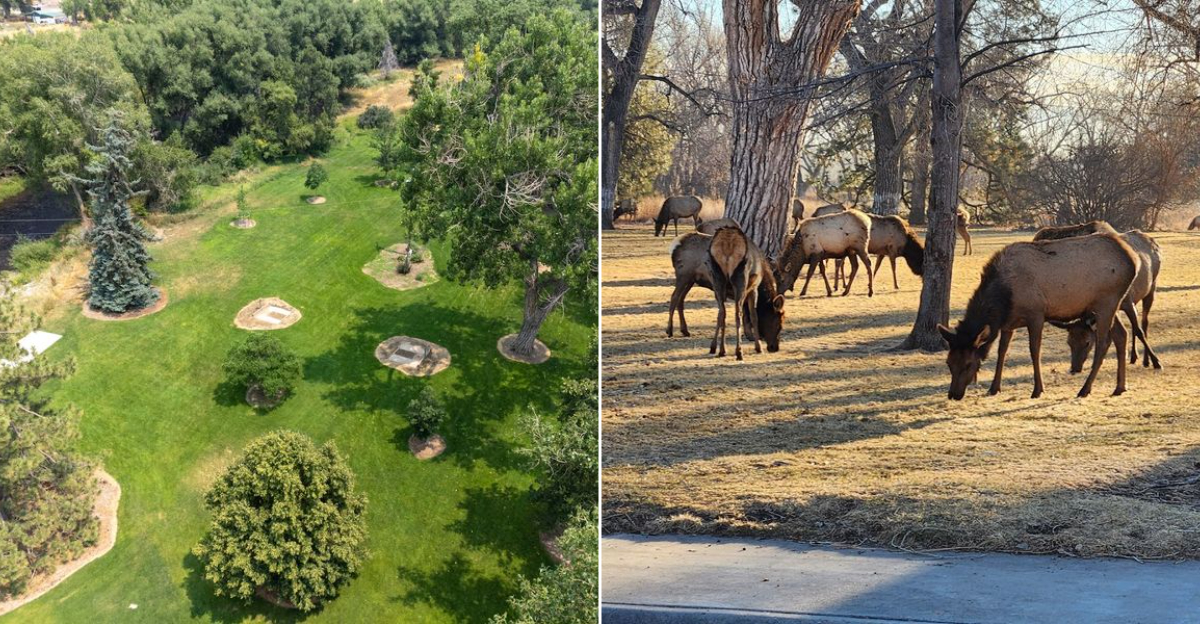
May has a funny way of turning a forgotten bike into the most tempting thing in the garage. Once the air warms up and the trees start showing off, a long loop through open meadows, shady stretches, and riverside scenery feels less like exercise and more like a reward you get to pedal through.
Colorado in spring seems built for rides that start with “we’ll just go a few miles” and somehow turn into a full afternoon of fresh air, snack breaks, and ridiculous views.
The route has enough distance to feel satisfying without making the day feel intimidating, which is exactly why it works for casual riders, families, and people who still remember how to shift gears after a winter off.
Add an ice cream stop at the perfect moment, and suddenly Colorado’s bike season feels less like a hobby and more like a personality upgrade for nearly everyone.
Why May Is The Magic Month For This Loveland Trail
There is a narrow window every year when Colorado decides to stop being dramatic about weather and just be beautiful. May is that window.
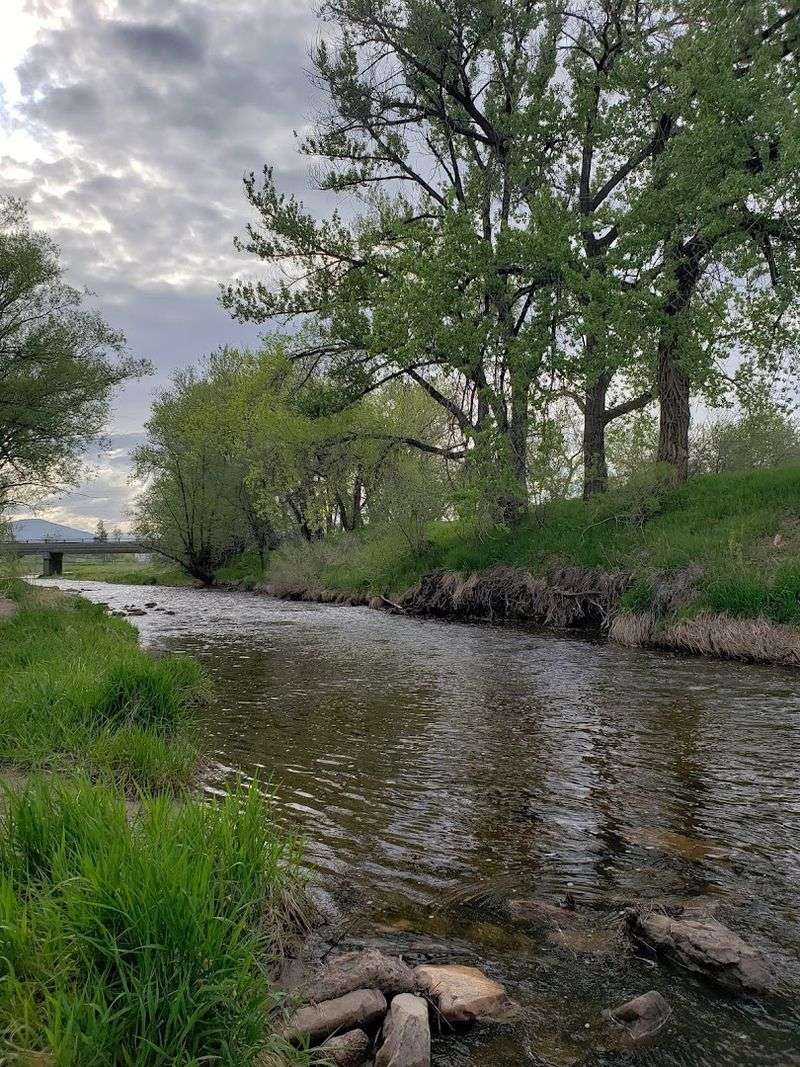
The Loveland Recreation Trail Loop catches this season at its absolute peak, when snow has retreated from the foothills and the cottonwoods along the Big Thompson River corridor are leafing out in that electric, almost impossible green.
Temperatures in May hover in a range that cyclists dream about. It is warm enough to skip the heavy jacket but cool enough that you are not soaking through your shirt by mile three.
Morning starts are particularly rewarding, with the air carrying just enough chill to keep your legs moving with purpose.
The trail surface benefits from spring conditions too. Winter maintenance crews in Loveland take the city’s parks seriously, and by May the path is clean, well-marked, and ready for everything from road bikes to casual hybrid rides.
Wildflowers pop up along the meadow stretches, and the whole route takes on a color and energy that July heat simply cannot replicate.
Best For: Cyclists who want peak scenery without peak summer crowds or heat.
The Full 22-Mile Route: What To Actually Expect
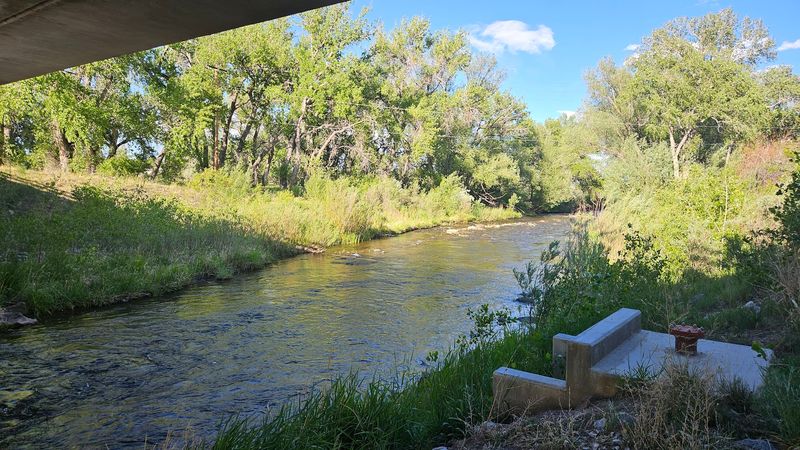
Twenty-two miles sounds like a commitment, and it is, but not the kind that requires a training plan or a support vehicle. The Loveland Recreation Trail Loop is designed as a manageable, connected route that threads through parks, open space, and residential greenways without demanding technical skill or mountain-bike toughness.
The loop is largely flat to gently rolling, which makes it genuinely accessible to riders of varying fitness levels. You are not grinding up switchbacks or navigating rocky descents.
The terrain rewards a steady, comfortable pace, the kind where you can actually look around and appreciate what Loveland has put together here.
Expect a mix of paved trail sections and well-maintained packed surfaces. The variety keeps the ride interesting without introducing any surprises that would rattle a casual rider.
Distance markers and directional signage are present throughout, so getting turned around is more of a personal choice than an accidental outcome.
Quick Tip: Plan for roughly two to three hours of riding time depending on your pace, with extra time built in for stops, photos, and any spontaneous detours toward the river.
The Big Thompson River: A Constant Companion
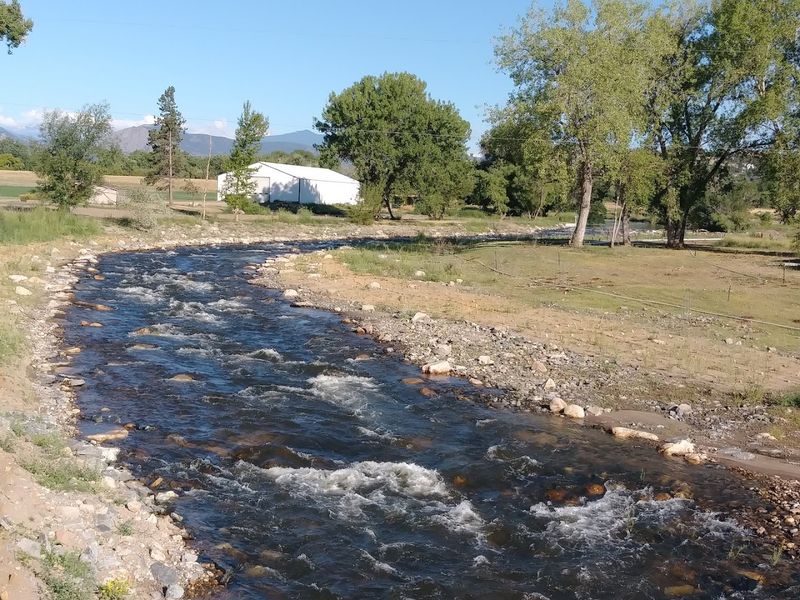
The Big Thompson River does not just run near the trail. For significant stretches, it runs alongside it, close enough that you can hear the water and, on a warm May day, feel a faint cool draft rising off the current.
This is the kind of trail feature that shows up in the memories of people who rode it years ago and still mention it first.
Namaqua Park provides direct river access, and visitors consistently describe the experience of sitting near the water as unexpectedly peaceful for a park that sits within easy reach of town. The river gives the trail an anchor, a reason to pause, and a natural soundtrack that competes favorably with whatever is playing in your earbuds.
Fishing, wading, and simple riverbank sitting are all part of the culture here. Families spread out on the grass near the water while cyclists pass on the path above.
The two activities coexist without friction, which says something good about how the space has been designed and maintained over the years.
Common Mistakes to Avoid: Do not skip the short spur trails that lead down toward the riverbank. They are worth the brief detour and add texture to the ride without adding significant distance.
The Ice Cream Stop: Earning It Mile By Mile
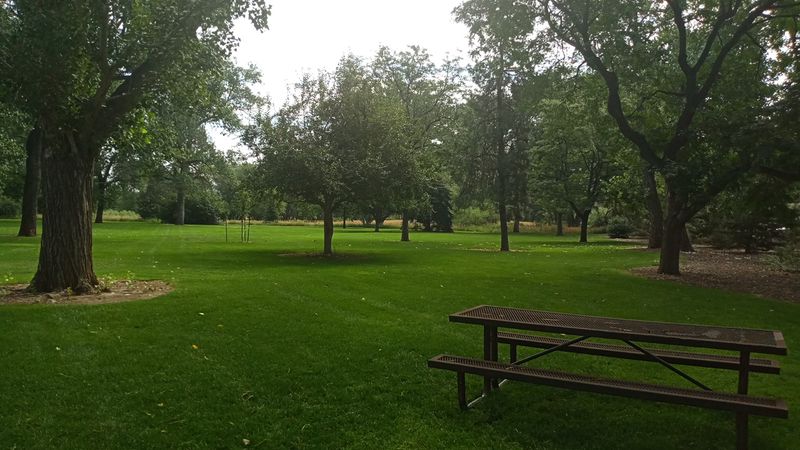
Every long bike ride needs a structural incentive, and the ice cream stop built into the logic of this loop is one of the better ones on the Front Range. Loveland’s downtown area sits within reach of the trail route, and a quick stop off your route puts you in range of local options that make the second half of the ride feel like a victory lap rather than a slog.
There is something deeply satisfying about ice cream earned through actual physical effort. The caloric math becomes irrelevant.
You have ridden somewhere between ten and fifteen miles at this point, the May sun is doing its job, and cold, sweet relief is the only sensible choice available to you. Nobody debates this.
Downtown Loveland has the small-town infrastructure that makes a mid-ride stop genuinely pleasant rather than logistically complicated. You can lock up, walk a short Main Street stroll, grab what you came for, and be back on the trail before your legs have fully cooled down.
The whole interlude takes twenty minutes and improves the back half of the ride by a measurable margin.
Best Strategy: Time your stop for miles 11 to 13, right in the middle of the loop, so the reward lands at peak need.
Families On The Trail: A Genuinely Workable Outing
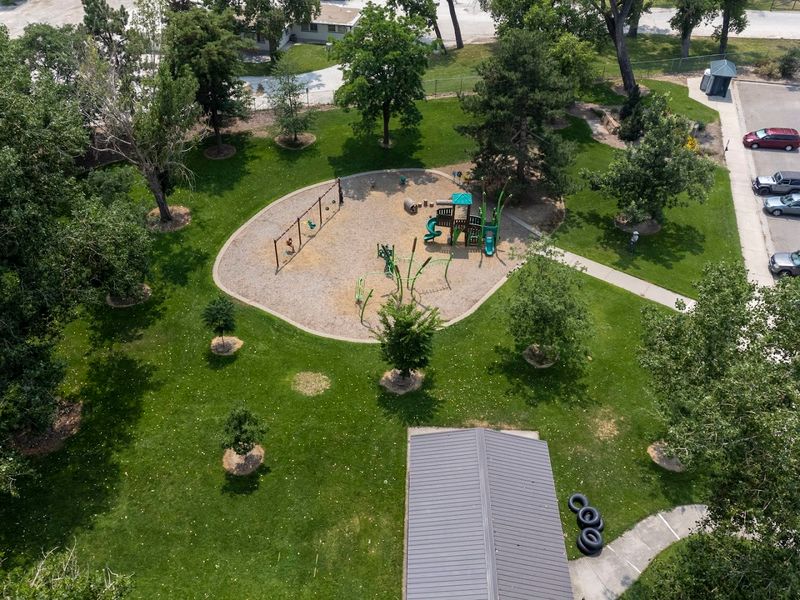
The Loveland Recreation Trail Loop is one of those rare multi-use paths that works for families without requiring anyone to pretend it is easier than it is. The full 22 miles is a lot for younger riders, but the loop’s design allows families to select shorter segments that still deliver the full experience of woods, meadows, and river access.
Namaqua Park as a starting point is particularly well-suited for families. The playground equipment has been updated and carries a quirky cattail theme that children find immediately interesting.
Picnic facilities, a rentable pavilion, and on-site restrooms mean the logistics of a family outing are handled before you even reach the trail.
Parents with kids in the elementary-age range report that the park and the adjacent trail sections hold attention remarkably well. Wildlife signs are common, the river is close enough to be exciting without being alarming, and the small forested area near the park creates the kind of exploratory energy that keeps children moving without parental negotiation.
The trail surface is smooth enough for bike trailers and tagalongs, which expands the accessible age range considerably.
Best For: Families with children ages 5 and up who want a mix of trail riding, park play, and a nature experience without a long drive from the Front Range.
Couples And The Trail: A Date That Actually Works
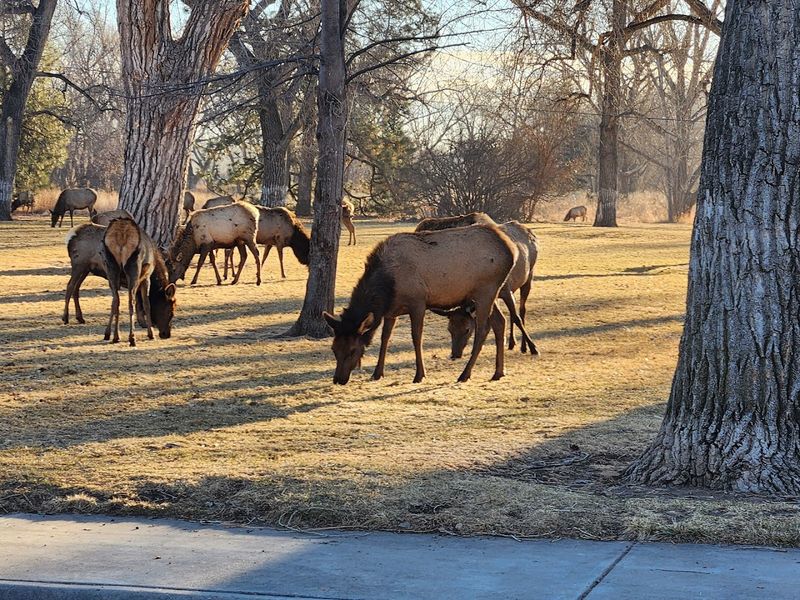
Bike rides as couple outings have a deserved reputation for going sideways when one person is significantly faster than the other and spends the whole ride waiting at intersections with the quiet patience of someone storing up grievances. The Loveland Recreation Trail largely sidesteps this problem because the terrain is non-threatening enough that pace differences become manageable rather than relationship-defining.
The route offers built-in conversation starters. River views, meadow stretches, wildlife sightings, and the general novelty of covering 22 miles under your own power create the kind of shared experience that sits in memory alongside the better vacations.
May weather adds to the appeal, delivering conditions that feel like the day was personally arranged for your benefit.
The ice cream stop functions as a natural midpoint reset, a chance to slow down, compare notes on the first half, and agree on a pace for the second. It is also, objectively, a more interesting date activity than a restaurant where you sit across from each other and order from a menu.
You have done something together before you sit down, which changes the whole dynamic in ways that are hard to quantify but easy to feel.
Planning Advice: Ride the loop counterclockwise to save the best river views for the back half when you need the visual motivation most.
What To Pack For A May Ride On This Trail
May in Colorado operates on a sliding scale of weather confidence that experienced locals understand and newcomers sometimes learn the hard way. Morning temperatures near the trail can sit in the mid-40s Fahrenheit, climbing into the low 70s by early afternoon.
Dressing in layers is not a suggestion here. It is the difference between a great ride and a shivering slog through the first eight miles.
Water is non-negotiable on a 22-mile route. The trail does not have water fountains at regular intervals, and May sunshine combined with sustained physical effort depletes hydration faster than most casual riders expect.
Two full water bottles or a hydration pack is the minimum sensible setup. Snacks for the trail are worth packing even with an ice cream stop planned, because hunger has a way of arriving inconveniently around mile 16.
Sunscreen matters on the open meadow sections where the trail offers no canopy protection. Colorado’s elevation means UV exposure is meaningfully higher than at sea level, and a May sunburn acquired while feeling virtuously healthy on a bike is a particularly ironic outcome.
A light windbreaker that compresses into a jersey pocket handles the morning chill and the occasional afternoon gust that rolls off the foothills without warning.
Quick Tip: Pack a small pump and a spare tube. Flat tires on a 22-mile loop are not dramatic, just inconvenient, and easy to handle with minimal gear.
Trail Surface And Conditions: What Riders Actually Encounter
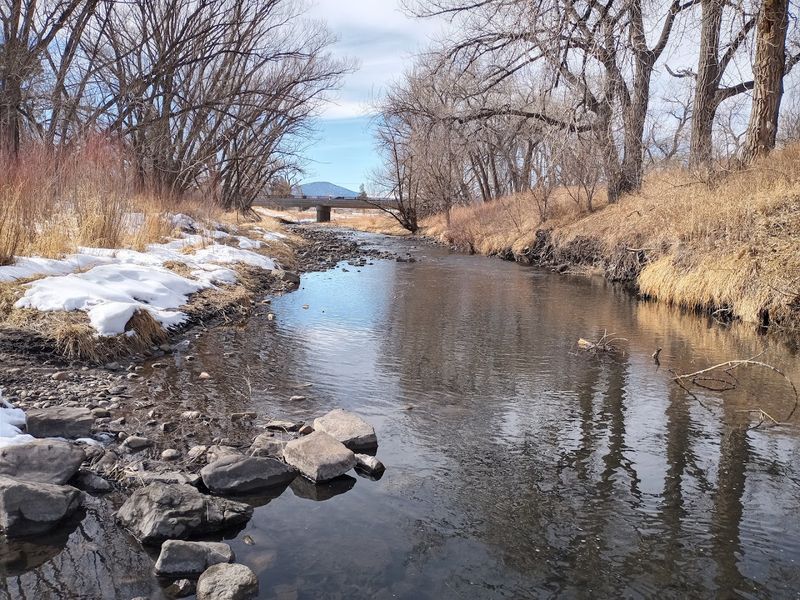
The Loveland Recreation Trail Loop uses a combination of paved and packed-surface sections that accommodate a wide range of bike types. Road bikes handle the paved portions without issue, and hybrid bikes manage the full loop comfortably.
Mountain bikes will find the trail slightly under-challenging technically, but the distance and scenery compensate for the lack of technical terrain.
Spring conditions in May mean the trail is past the freeze-thaw damage cycle that can leave Colorado paths cracked and heaved in March and April. By May, the surface is typically in its best annual condition, with winter repairs completed and the path clear of the debris that accumulates during snowmelt season.
Loveland’s parks maintenance record, visible in how well Namaqua Park and surrounding facilities are kept, extends to the trail corridor.
Drainage is generally well-managed along the route, though sections that run close to the Big Thompson River can carry some moisture after heavy spring rain. Checking conditions the morning of your ride takes thirty seconds and can save you from discovering a muddy section at mile seven with no good options for route adjustment.
The city’s parks and recreation contact number is listed on the official site for current conditions.
Best For: Road bikes, hybrid bikes, and casual mountain bikes. E-bikes are increasingly common on this trail and fit within the permitted use guidelines.
The Medina History Marker: A One-Minute Cultural Detour
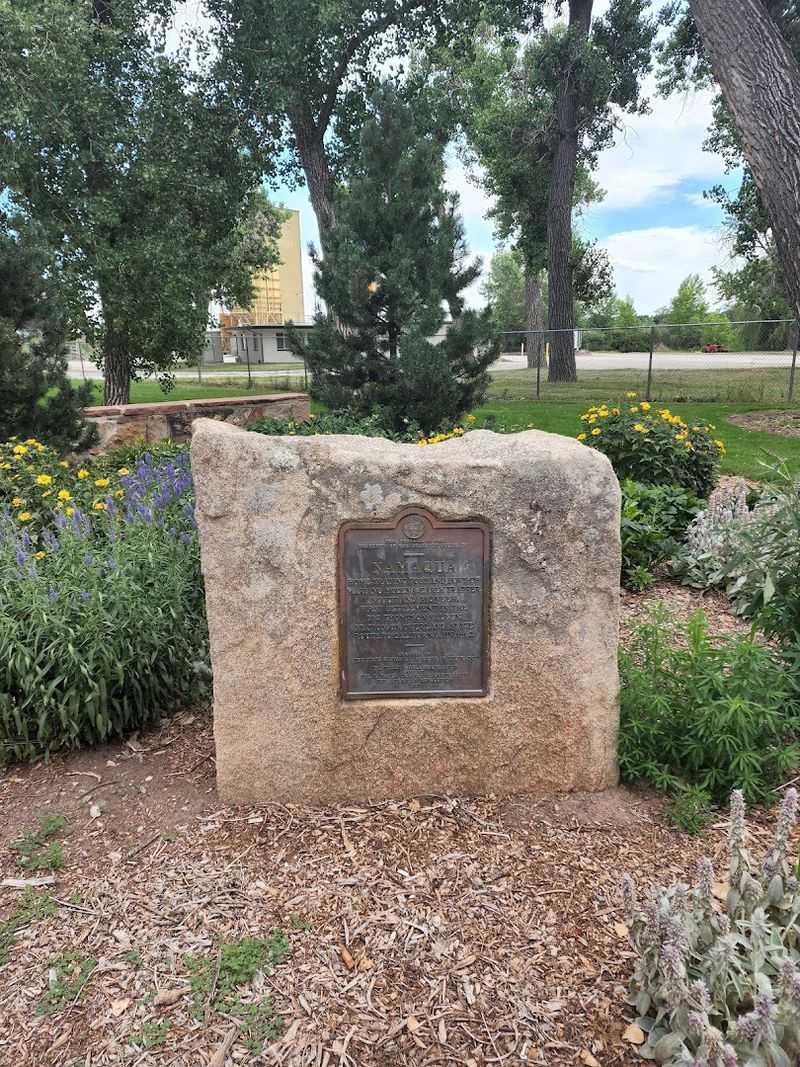
Namaqua Park sits across the road from the Medina family cemetery, and a memorial marker within the park acknowledges Mariano Medina and his family, who are connected to the original settlement that eventually became Loveland. This is not a detour that requires scheduling or advance reading, but it adds a layer to the park visit that transforms a simple trailhead stop into something slightly more grounded in place.
Knowing a little about the history changes how the landscape reads. The cottonwood trees, the river access, the name Namaqua itself, all carry context that makes the park feel less like a generic municipal green space and more like a specific place with a specific past.
That shift in perception is available for the price of two minutes reading a marker.
Families with older children find the history component useful for the same reason any good story is useful on an outing: it gives people something to talk about while riding. The cemetery across the road is visible from the park, which makes the connection between the marker and the history tangible rather than abstract.
It is a small detail that Loveland has preserved thoughtfully, and it deserves the brief acknowledgment.
Quick Tip: The memorial marker is near the park entrance area. Look for it before you start your ride so the history frames your experience rather than coming as an afterthought on the way back to the car.
The Pavilion And Picnic Option: Extending The Outing
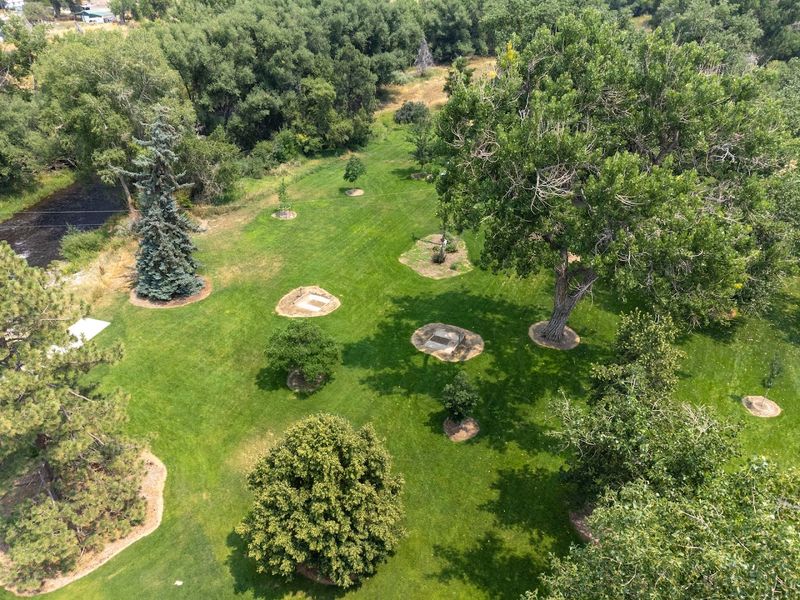
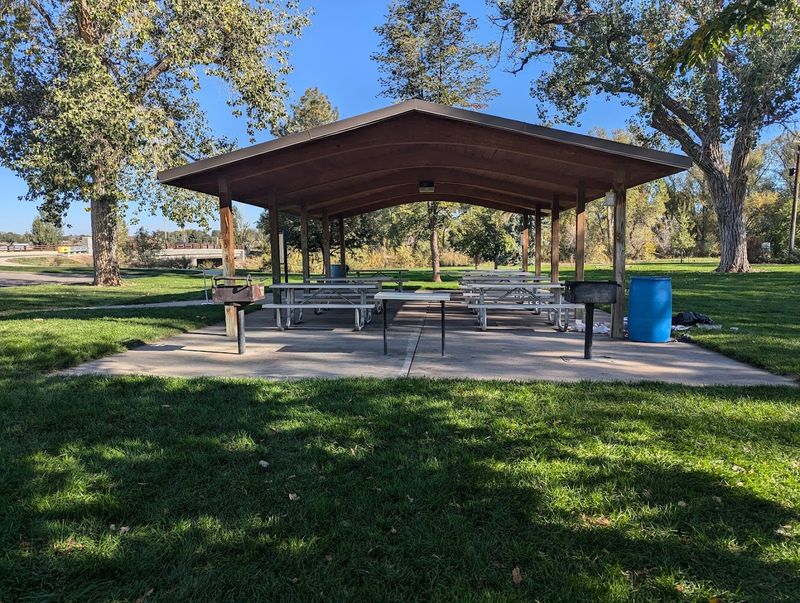
The Namaqua Park pavilion is a rentable facility with multiple picnic tables, charcoal grills, and optional electricity, which makes it a useful anchor for anyone who wants to turn a bike ride into a full-day outing rather than a simple point-to-point effort. Post-ride picnics have a particular appeal in May when the weather cooperates and the park is at its most inviting.
Families who combine the trail ride with a pavilion reservation get a structured event with a clear beginning, middle, and end. You ride the loop or a portion of it, return to the park, fire up the grill, and eat under the shade of the cottonwoods while children exhaust the remaining energy on the playground.
It is the kind of day that requires minimal planning but produces disproportionate satisfaction.
Reservations for the pavilion are managed through the city of Loveland’s parks and recreation department. The phone number listed for the park connects directly to the relevant office, and the city’s website provides current availability and reservation procedures.
Booking ahead on popular May weekends is the sensible move, as the pavilion’s combination of shade, grills, and river proximity makes it a known quantity among Loveland families who have been using it for years.
Best For: Groups of 10 or more who want a reserved space with shade, grilling capability, and trail access all in one location.