
This Quiet Washington Coastal Town Offers Eagles, Clams, And A Glimpse Of Yesteryear
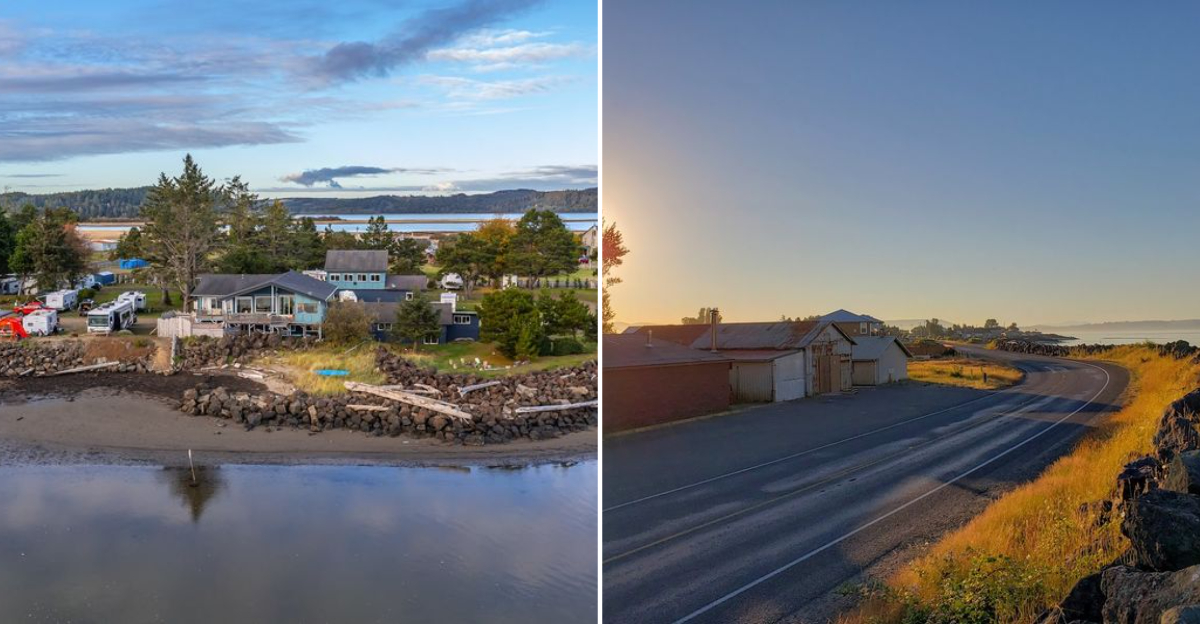
They warned me this stretch of Washington coast would feel like stepping into a postcard, but nobody mentioned the postcard would be one of those faded ones from your grandmother’s attic.
Walking the beach here feels less like tourism and more like archaeology-digging through layers of fog, driftwood, and what I can only describe as the ghost of summers past.
The eagles here don’t just sit in trees; they pose, waiting for tourists like me to fumble with cameras while they strike their most majestic poses.
After an hour of failed photography attempts, I retreated to a small café where the menu featured two items: whatever the boat caught, and whatever the garden grew that morning.
I chose wisely. The clams were so fresh they practically apologized for being delicious.
Washington’s Oldest Continuously Operating Hotel
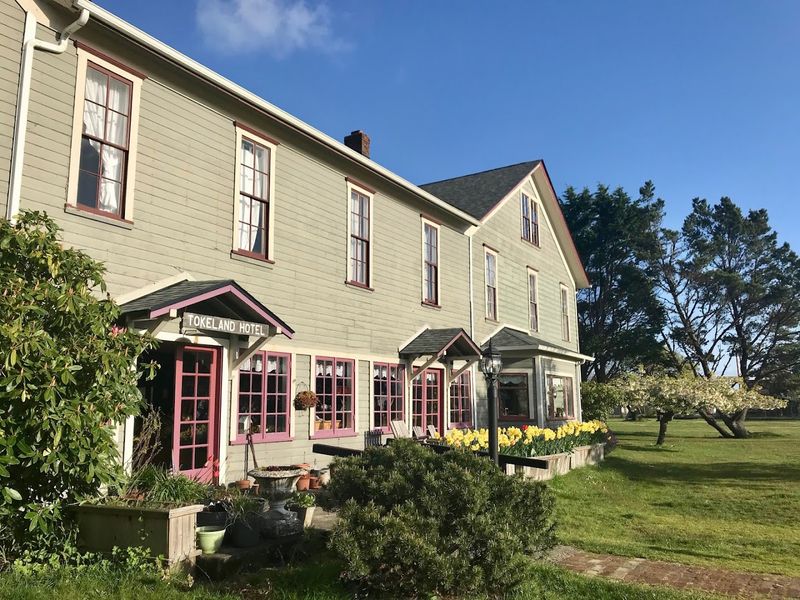
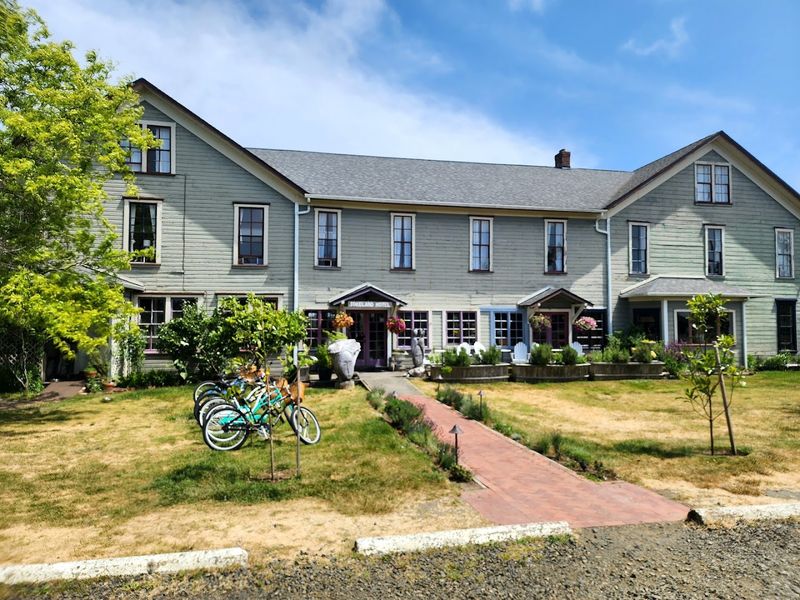
Some buildings carry their age with quiet dignity, and the Tokeland Hotel is exactly that kind of place. Originally established in 1885 as the Kindred Inn, the structure was expanded from a farmhouse built in 1899 and has been welcoming guests ever since.
That makes it Washington State’s oldest continuously operating hotel, a title it wears without any fuss. Listed on the National Register of Historic Places, the hotel still features many of its original furnishings from the Kindred family era.
No major structural changes have been made since those early days, which means walking through its doors feels less like checking in and more like stepping into a living museum. The creaky floorboards and worn wooden furniture are part of the charm, not a flaw.
The hotel sits at 2964 Billy Creek Road in Tokeland and serves homestyle meals in its dining room. If you want one place that captures the soul of this coastal town, this is it. Book a room and stay the night.
Clamming For Razor Clams
There is something deeply satisfying about pulling a razor clam from the sand with your own hands. Along the beaches near Tokeland, clamming is a beloved tradition that draws both locals and visitors each fall when the season reopens.
Razor clams are the prize here, and the technique is simple once you get the hang of it. The best digging happens one to two hours before the listed low tide, when the sand is wet and the clams are close to the surface.
Each digger aged 15 and older needs a valid Washington fishing license, and the daily limit is 15 razor clams per person. Every person must keep their clams in a separate container, so bring your own bag or bucket.
Willapa Bay also offers solid Manila clamming opportunities for those who prefer a slightly different experience. Razor clams are delicious fried, steamed, or in chowder, so plan your meals around your haul. F
Few coastal activities feel this rewarding and this tasty at the same time.
Bald Eagles And Shorebirds
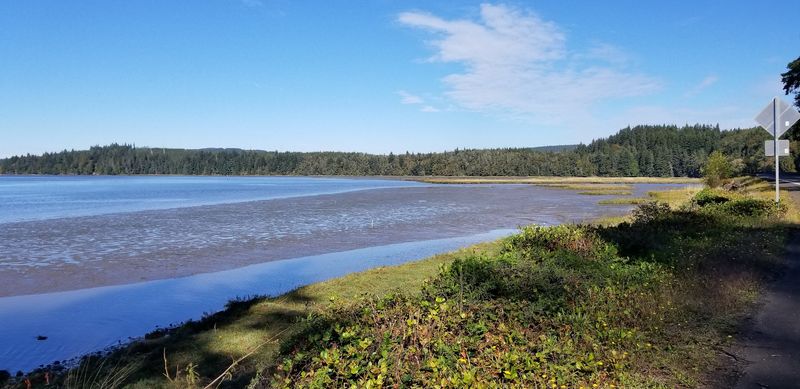
Few sights stop you in your tracks quite like a bald eagle banking over an open bay. Around Tokeland and Willapa Bay, these iconic birds are part of the everyday scenery, especially during migration season when the skies and mudflats come alive with wildlife.
The entire region sits along the Pacific Flyway, one of North America’s major bird migration corridors. Shorebirds like the marbled godwit and long-billed curlew pass through in impressive numbers, making this area a genuine destination for birders.
The tidal flats of Willapa Bay provide rich feeding grounds, so bring binoculars and a field guide if you want to make the most of your time here. Early mornings are when the action is most intense.
You do not need to be an expert birder to enjoy this. Simply standing near the shoreline at dawn with a warm drink in hand and watching the birds work the flats is one of the most peaceful experiences Tokeland has to offer. Nature here performs without any admission fee.
The Story Of Chief Toke And The Town’s Name
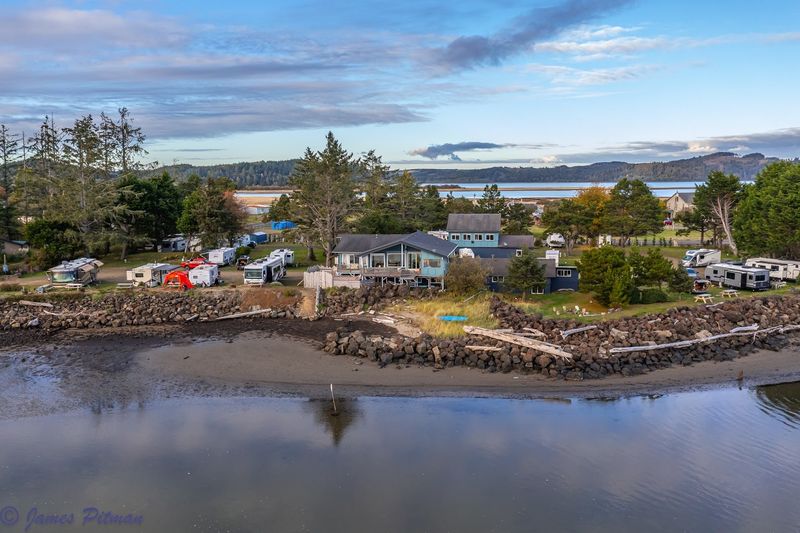
Not every small town carries a name with this much meaning behind it. Tokeland was named after Chief Toke, a 19th-century chief of the Shoalwater Bay Indian Tribe who used this peninsula as a summer home.
His connection to the land runs deep, and the town’s name is a quiet but lasting tribute to that history. The Shoalwater Bay Indian Tribe has called this coastal region home for generations, and their presence shaped everything about how this land was used and understood long before settlers arrived.
Learning about Chief Toke adds a layer of respect and perspective to any visit here that makes the experience feel more meaningful.
Understanding the origins of a place changes how you see it. When you stand on the shores of Willapa Bay and look out over the calm water, knowing that Chief Toke once did the same thing centuries ago makes the landscape feel alive with history rather than just scenery.
That kind of connection is rare and worth seeking out.
The Shoalwater Bay Heritage Museum And Gift Shop
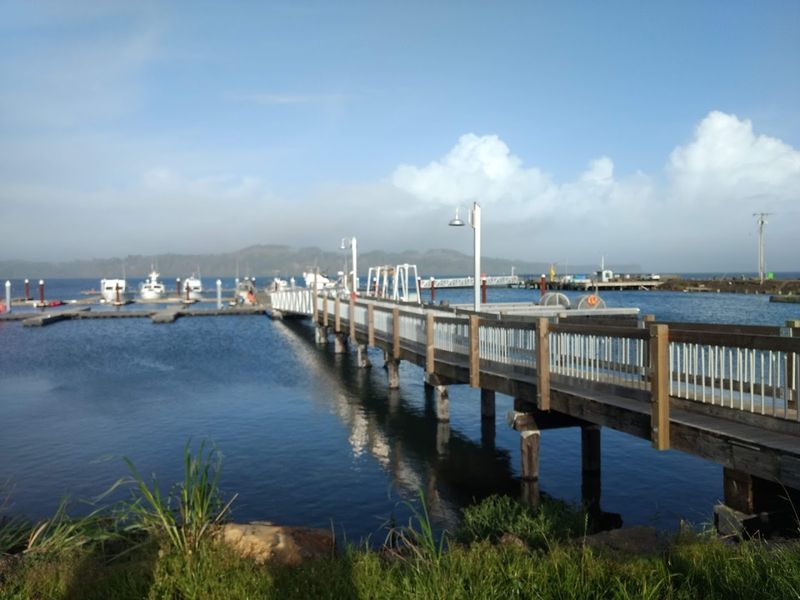
History has a way of feeling abstract until you see it displayed in a room built by the people who lived it. The Shoalwater Bay Heritage Museum and Gift Shop in the Tokeland area offers an up-close look at the culture and traditions of the Shoalwater Bay Indian people.
It is a modest but meaningful stop that many visitors overlook entirely. Inside, you will find artifacts, photographs, and cultural items that tell the story of a community with deep roots in this coastal landscape.
The gift shop portion supports local artisans and offers a chance to bring home something with genuine cultural significance rather than a generic souvenir. Supporting Indigenous-owned spaces like this one matters.
Plan to spend at least 30 to 45 minutes here, and go in with curiosity rather than a checklist. The staff are knowledgeable and often willing to share stories that do not appear on any exhibit label.
A visit here rounds out the Tokeland experience in a way that no beach walk or hotel stay can fully replace.
Manila Clamming In Willapa Bay
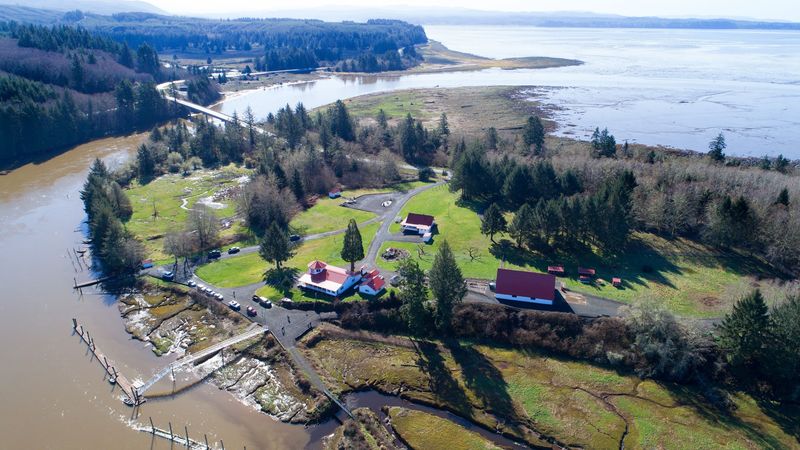
Razor clams get most of the attention, but Manila clams deserve their own spotlight. Willapa Bay is an excellent location for Manila clamming, and the experience is a little more relaxed than chasing razor clams on an open beach.
These small, firm clams hide just below the surface of the mudflats and reward patient diggers generously. Manila clams were originally introduced to the Pacific Northwest from Asia in the 1930s and have since become a staple of the region’s coastal food culture.
They are sweet, tender, and ideal for pasta dishes, steamed preparations, or simple garlic butter sauces. Harvesting your own adds a level of freshness that no grocery store can match.
Willapa Bay’s clean, cold waters are part of what makes the clams here taste so good. The bay is one of the least polluted estuaries on the West Coast, which is a genuine point of pride for the community.
Check current Washington Department of Fish and Wildlife guidelines before heading out, since harvest areas and seasons can shift seasonally.
One Of The Cleanest Estuaries On The West Coast
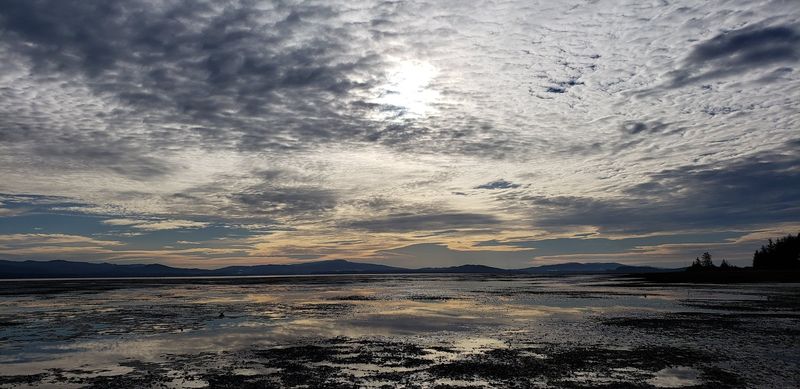
Willapa Bay does not announce itself loudly. It simply sits there, wide and calm and impossibly clean, doing what great estuaries do best.
Recognized as one of the least polluted estuaries on the entire West Coast, the bay supports an extraordinary range of marine life, including oysters, clams, Dungeness crab, and dozens of fish species.
The bay stretches roughly 25 miles long and up to 10 miles wide, making it one of the largest estuaries in the Pacific Northwest.
Its size means there is always a quiet corner to explore, whether you are kayaking through shallow channels, watching herons stalk the shallows, or simply sitting on the shore and listening to the water move.
Tokeland sits right on the northern edge of this bay, giving visitors easy access to its tidal rhythms throughout the day. The bay’s health is a direct result of the low development pressure in the surrounding area.
Coming here feels like visiting a place the modern world has not yet figured out how to ruin, and that is genuinely something to appreciate.
The Quiet Charm Of A Town Frozen In Time
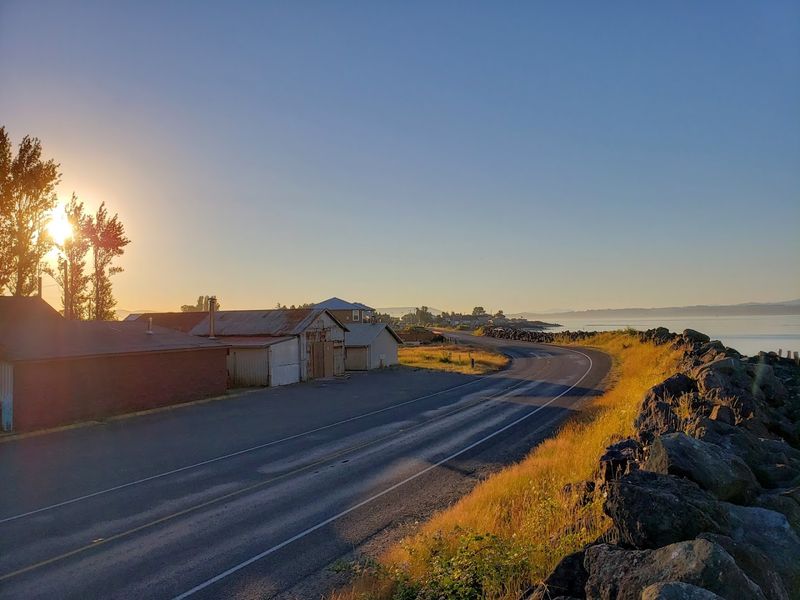
Tokeland has a post office that has been operating since 1894, and somehow that single fact says everything about this place.
Change happens slowly here, deliberately and without apology. With only 158 residents as of the 2020 census, this is a town where you might see the same three cars parked outside the same diner every single morning.
That kind of stillness is harder to find than people realize. The Tokeland Oyster Company began operations in 1905, and the town once served as a stop for ships traveling between Portland and Seattle in the late 1800s.
These are not just historical footnotes; they are the bones of a community that built itself around the bay and never felt the need to reinvent itself for tourists. There are no chain restaurants, no souvenir shops selling plastic trinkets, and no crowds.
What you get instead is the rare experience of a place that is exactly what it appears to be.
Tips For A Perfect Trip
Getting to Tokeland requires a bit of intention since it sits at the end of a peninsula off State Route 105 in Pacific County. That relative isolation is a feature, not a bug.
The drive itself is scenic, passing through coastal forests and open farmland before the bay comes into view. Allow about two and a half hours from Seattle or roughly two hours from Portland.
Fall and winter are prime times to visit if you want the full clamming and bird-watching experience. Spring brings calmer weather and longer daylight hours, which are ideal for bay exploration and kayaking.
Summer draws slightly more visitors but the town never feels crowded by any reasonable measure. Pack layers regardless of the season because coastal Washington weather shifts quickly and the wind off the bay has a personality of its own.
Book a room at the Tokeland Hotel well in advance since it fills up faster than you might expect for such a small property. Come with a flexible schedule, low expectations for cell service, and a genuine appetite for slow travel. Tokeland will do the rest.