
This Michigan Train Ride Pairs Old-Fashioned Charm With A Delicious Night Out
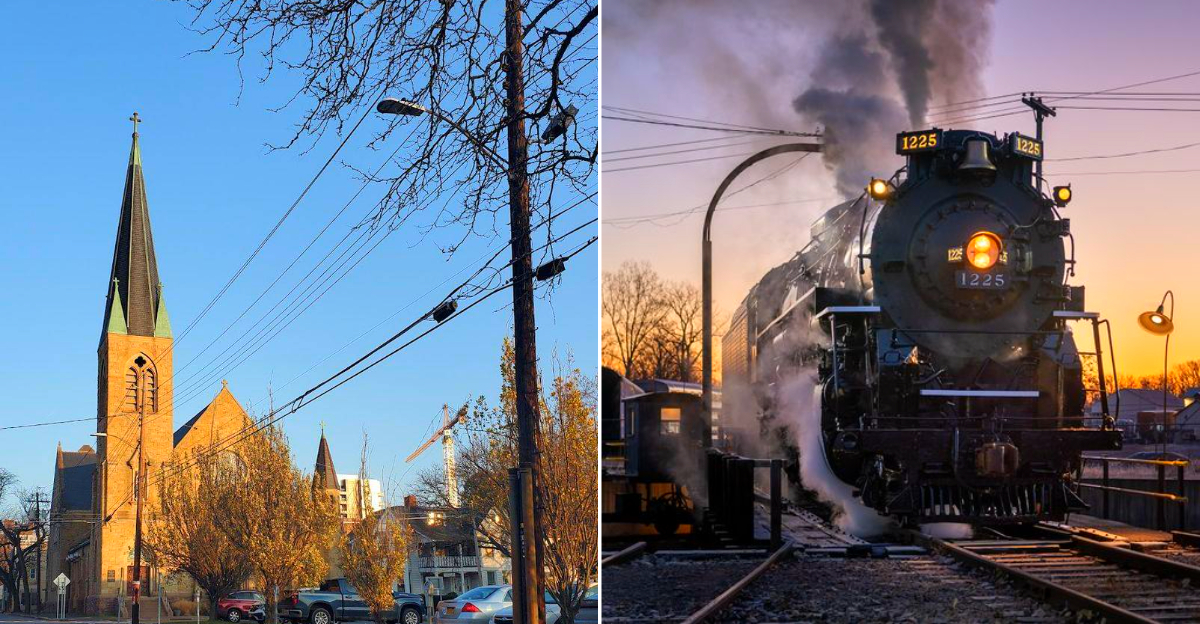
Michigan rail dreams are usually sold with whistles and sepia, but this corridor feels more interesting because it is not pretending to be a finished postcard yet.
Between preserved equipment, small-town platforms, farm fields, and streets that still make sense from a train window, the route has the pleasant tension of something waiting to happen. I like travel ideas with bolts showing, where history, logistics, and appetite all sit at the same table.
For travelers curious about vintage Michigan rail experiences, this route blends historic stations, agricultural scenery, preserved trains, dinner-trip potential, and towns worth noticing beyond the tracks.
The appeal is not fantasy, it is possibility with gravel under its shoes. Picture an evening ride, broad fields sliding past, and little stops turning into reasons to linger.
Bring curiosity, not impatience. The charm here is the sense that a good night out could still be assembled, mile by mile.
1. Owosso Departure Area
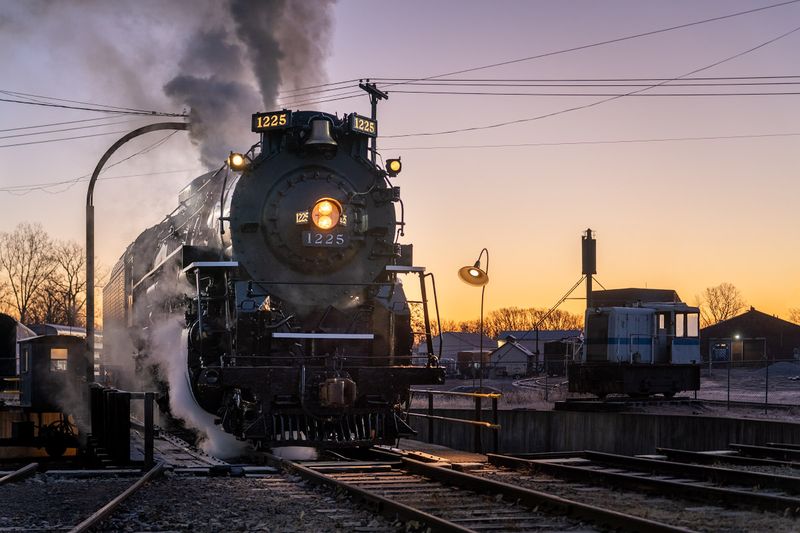
Owosso makes immediate sense as a starting point because the city still wears its railroad history openly. Street layouts, old industrial buildings, and the broad rail yard presence give the place a practical, worked-in feel rather than a staged heritage gloss.
That matters on a dinner excursion, because old-fashioned charm lands better when the setting is real. The city is also home to the Steam Railroading Institute, which has kept historic equipment visible and relevant instead of letting railroad memory turn into a museum label.
If you arrive early, downtown Owosso is worth a slow walk before boarding. I like that the transition from storefronts to tracks happens naturally here, as if the evening could move from coffee to a white-tablecloth railcar without any awkward scene change at all.
2. Steam Railroading Institute
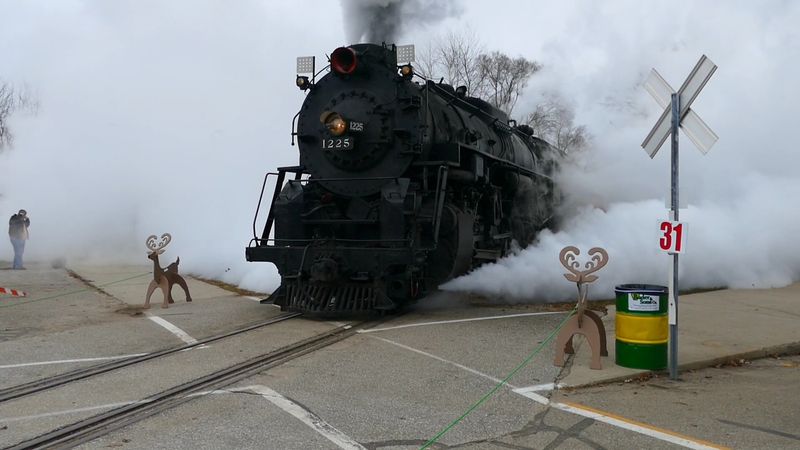
The Steam Railroading Institute is the strongest factual anchor on this whole route. It preserves and operates historic railroad equipment in Owosso and is best known for Pere Marquette No. 1225, the large steam locomotive that inspired the train design in The Polar Express film.
That headline detail is famous, but the more useful thing for travelers is the institute’s steady commitment to making railroad history visible, audible, and mobile.
It has also hosted special food-and-drink events, including dinner-oriented excursions, which makes the connection between heritage railroading and a night out more than theoretical.
You do not need to be a rail obsessive to appreciate the place. The scale of the machinery, the smell of oil and metal, and the sheer seriousness of the preservation work give the experience weight before any meal is even served.
3. Great Lakes Central Railroad Corridor
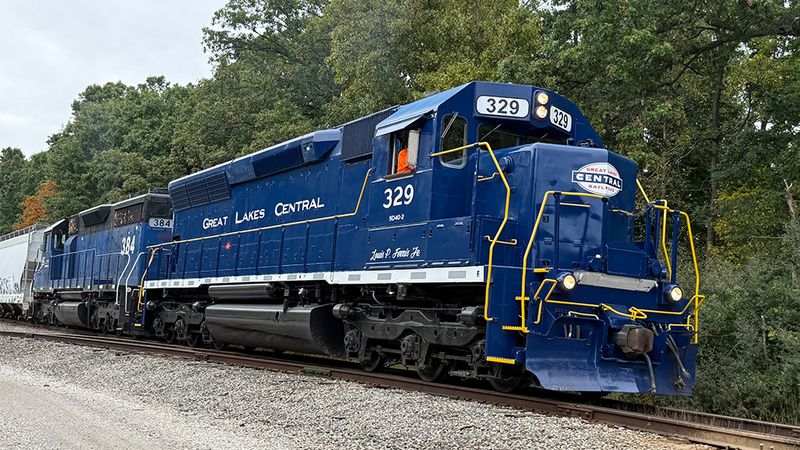
North of Owosso, the Great Lakes Central corridor provides the landscape logic for a heritage or dining run that feels distinctly Midwestern. This is not mountain railroading or dramatic coastal scenery, but broad fields, tree lines, utility poles, and small settlements that reveal themselves gradually.
That slower visual rhythm is part of the appeal. A meal on a moving train works best when the view does not compete too aggressively, and central Michigan farmland gives you long sightlines, shifting light, and the soft satisfaction of watching towns appear one grain elevator at a time.
There is also a practical elegance to following an active freight corridor with deep regional roots. Instead of pretending railroads are a novelty, this line reminds you they still shape commerce, geography, and the way communities connect across the middle of the state.
4. Owosso Junction
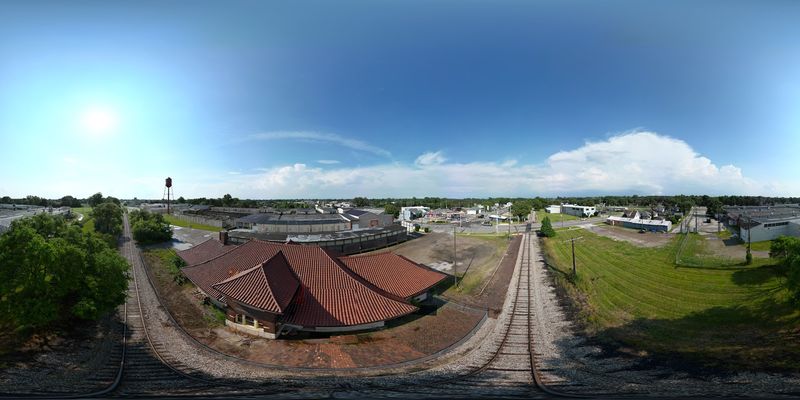
Junctions are rarely pretty in a postcard sense, yet they are often the most honest railroad places. Around Owosso, where lines and yard movements define the landscape, a junction tells you exactly why a city like this became a rail center in the first place.
For a traveler, that translates into texture. You notice signal hardware, sidings, maintenance details, and the geometry of trackwork, all those practical features that make a vintage excursion feel connected to working railroad territory rather than sealed off from it.
I always slow down at places like this because they explain the bigger story better than a plaque can. If an Owosso-based dinner ride is meant to pair atmosphere with substance, this functional tangle of steel is part of what gives the polished table setting credibility.
5. Carland Countryside

Once the line reaches the Carland area, the mood loosens into open country. Fields spread wide, crossings feel farther apart, and the visual clutter of town gives way to the kind of spaciousness that makes conversation and dinner service feel unhurried.
This is where an onboard meal would earn its keep. The appeal is not urban spectacle but the small ceremonial pleasure of watching central Michigan farmland slide by while daylight fades over drainage ditches, hedgerows, and rows of crops that seem to run straight into the horizon.
There is something slightly comic and lovely about dressing up for supper while moving through such practical land. You are gliding past working agriculture, not fantasy scenery, and that contrast keeps the experience grounded in the state’s real landscape instead of a themed version of it.
6. Elsie
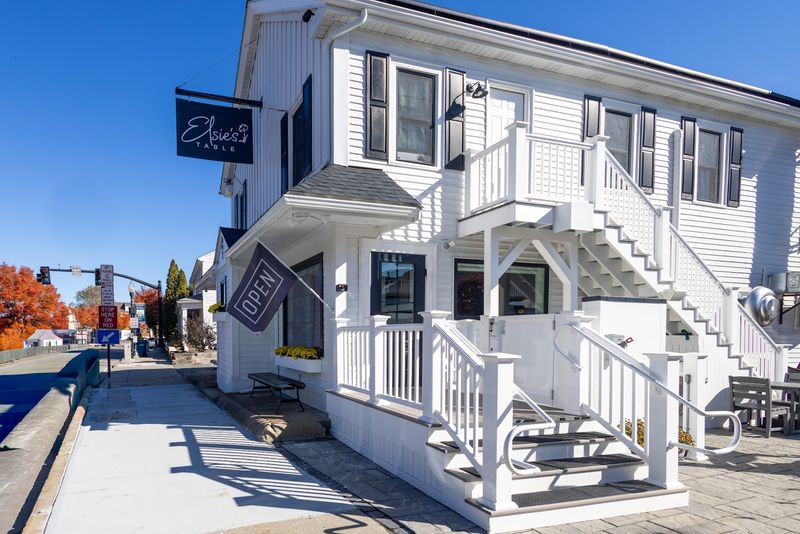
Elsie is one of those towns that reads clearly from both the street and the rails. It is compact, agricultural, and unpretentious, with the kind of built environment where grain infrastructure, local businesses, and everyday routines still share the same visual field.
That honesty suits a heritage excursion. Instead of asking you to admire a carefully polished destination, Elsie offers the quieter pleasure of seeing how a railroad line fits into the life of a small Michigan community that has long been tied to the surrounding farm economy.
If you know the village’s reputation for cheese, the place already arrives with a small local identity attached. Even without stepping off the train, you get that satisfying sense of passing through somewhere specific, not just another anonymous dot between Owosso and Alma on the timetable.
7. Bannister
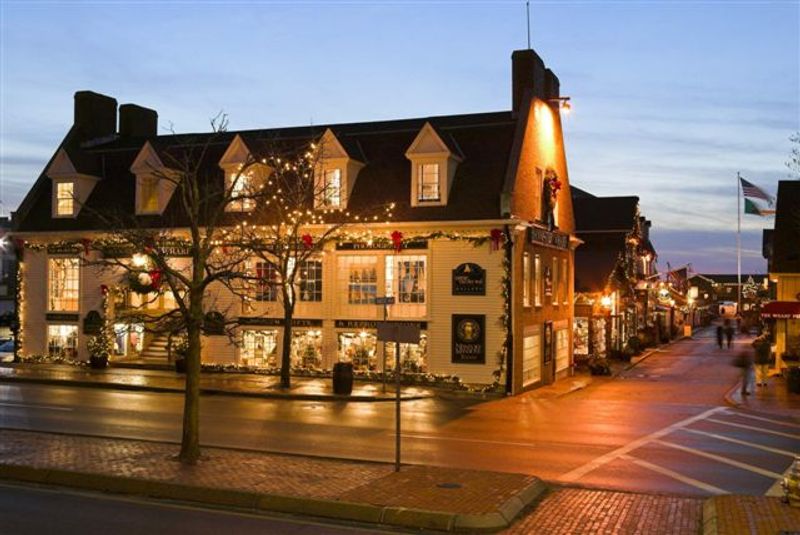
Bannister is tiny enough that it can feel like a blink from the window, yet that brevity is part of its charm. The village sits in the middle of rich farm country, and the railroad presence there feels lean, practical, and closely tied to the surrounding land.
Places like this make a trip feel observational rather than performative.
You notice a crossing, a cluster of buildings, perhaps a grain elevator or service road, and suddenly the ride becomes less about destination collecting and more about understanding how rail lines thread through ordinary Michigan life.
I find that scale refreshing. On a dinner train, not every segment needs a grand reveal, and Bannister proves it.
Sometimes the best part is simply the quiet recognition that these small communities still shape the rhythm of the route, even when the train keeps moving.
8. Ashley
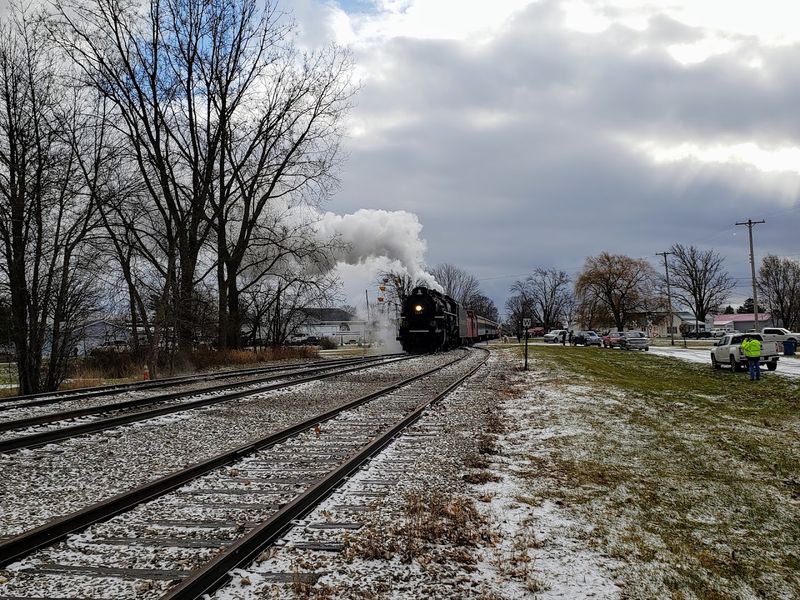
Ashley has a slightly stronger sense of village center than some of the smaller points along the line, which gives it a nice moment of definition on the journey north. The railroad cuts through a community that still looks legible as a place people use daily, not merely pass through.
That matters because authenticity is cumulative. One convincing town after another builds confidence that a rail-based night out here would not be running through generic scenery but through communities with their own scale, habits, and durable local identity.
There is also a pleasing balance in Ashley between modesty and presence. You are not overwhelmed with attractions, and that is exactly the appeal.
The place offers enough visual structure to mark the route, while still letting the train, the meal, and the evening light remain the main event.
9. North Star
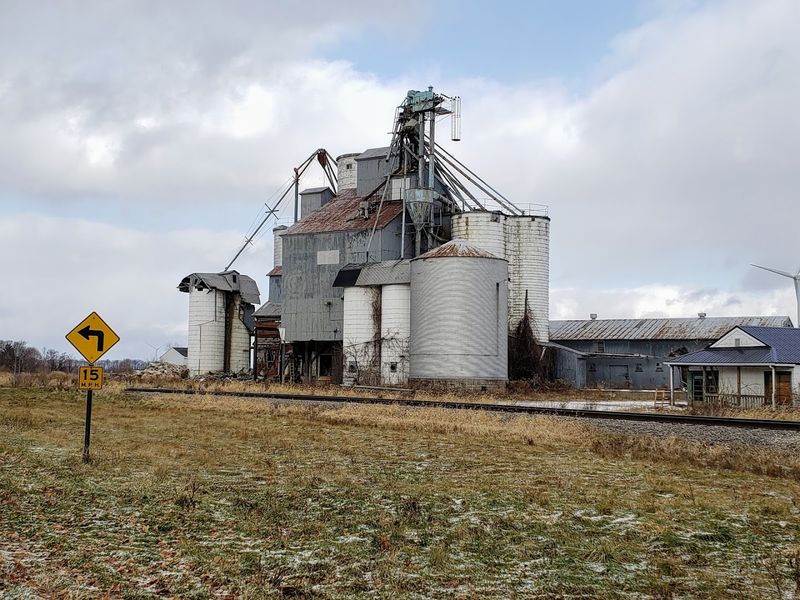
North Star sounds theatrical, but the place itself is more understated, which I mean as praise. Along this stretch, the line passes through country where the pleasures are subtle: distant tree belts, low buildings, open fields, and that steady Midwestern light that seems to flatten and deepen everything at once.
For an evening excursion, this kind of setting is ideal. It encourages you to settle into the pace of the railcar, notice the changing sky, and let dinner feel like part of the landscape rather than a separate event happening indoors while scenery rushes by unnoticed.
The name gives the stop a little spark of romance, but the reality is better because it stays grounded. North Star contributes atmosphere through quietness, and that can be more memorable than any overdesigned scenic highlight trying too hard to impress you.
10. Ithaca
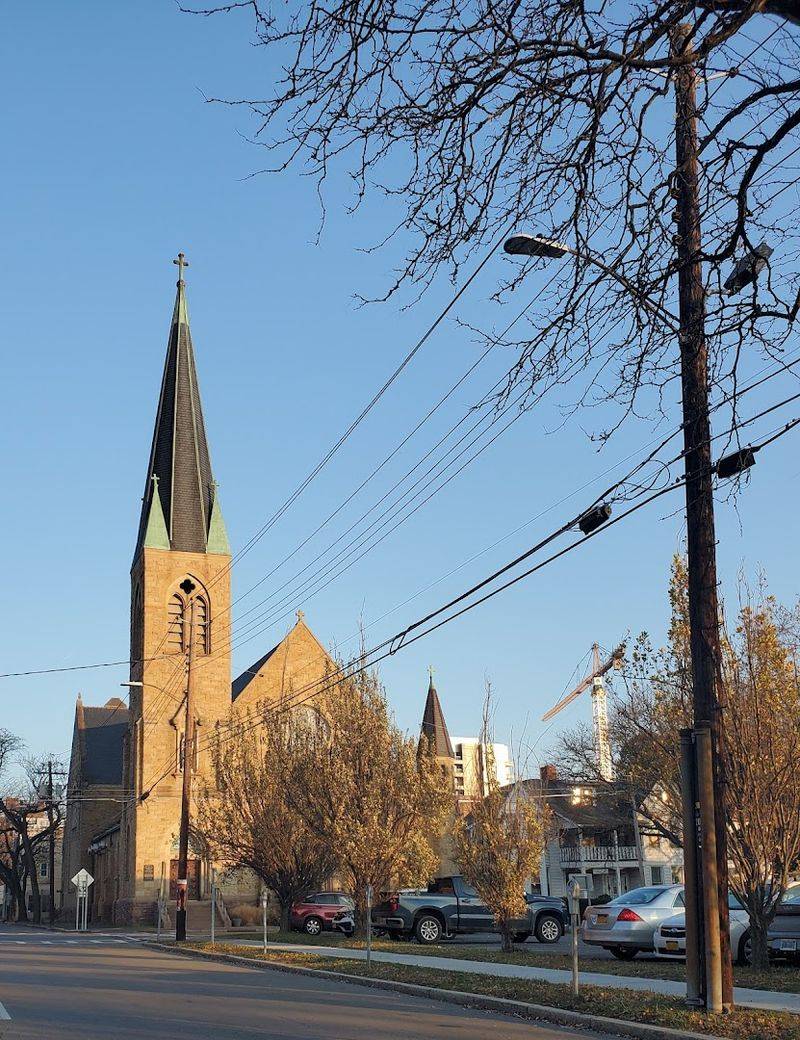
Ithaca shifts the journey into a more defined civic setting. As the county seat of Gratiot County, it has a stronger municipal presence than the smaller villages on the route, and that change in scale gives the ride a useful midpoint feeling.
On the rails, you sense the difference in how land use tightens and the town gathers itself. A corridor like this becomes more interesting when it alternates between open country and communities with a visible public core, because the ride starts to read like a sequence instead of one long agricultural panorama.
If you are the sort of traveler who likes your nostalgia tempered by real geography, Ithaca helps. It reminds you that railroad lines were built to connect functioning places, and that practical heritage is often more satisfying than a scenic experience polished into vagueness.
11. Wright
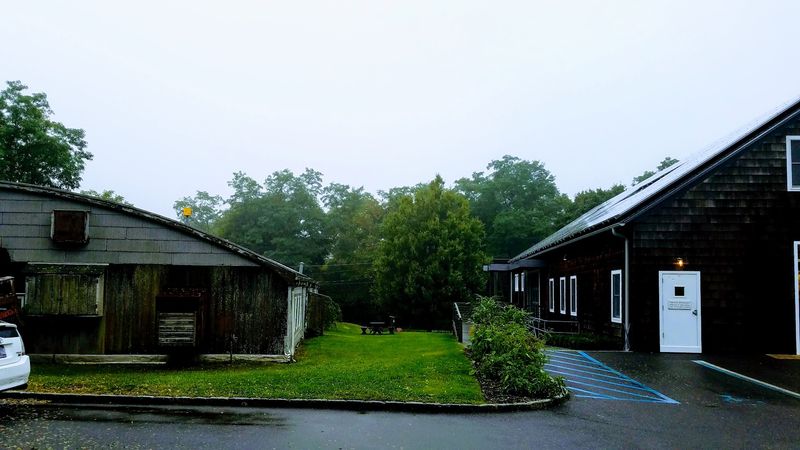
Wright is easy to overlook on a map, which makes it exactly the sort of place train travel can redeem. Seen from the line, even a very small locality gains shape through sequence: approach, crossing, structures, fields, then the gradual release back into countryside.
That brief choreography is one reason old rail trips remain satisfying. You experience places in relation to one another, with enough time to register transitions but not so much that every stop has to perform for your attention like a destination engineered for tourism.
Here, the reward is proportion. Wright gives the route another modest human marker before Alma, and in doing so it preserves the feeling that the evening is unfolding through a chain of real communities.
Not every memorable segment needs a landmark, only a distinct sense of place.
12. Alma Arrival Area
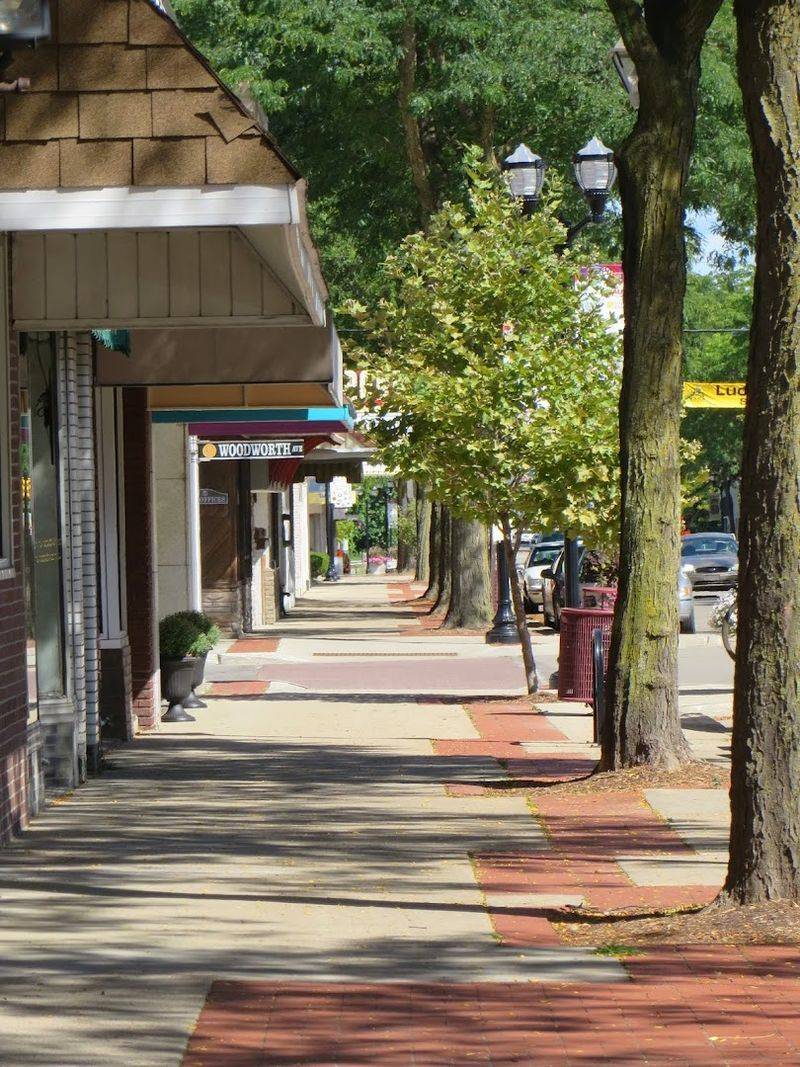
Alma makes a satisfying northern bookend because it is large enough to feel like an arrival, yet still scaled to the corridor’s small-city character. By the time you reach this area, the trip has accumulated enough villages, fields, and rail infrastructure to give the endpoint real narrative weight.
That is what a good dinner excursion needs. The destination should feel earned, not arbitrary, and Alma provides a stronger urban edge without breaking the tone established by Owosso and the intermediate communities along the Great Lakes Central line.
If this corridor ever hosts a regular dining experience, Alma would give the evening a clean finish.
You can imagine the last course arriving as the train nears town, windows reflecting dusk, and the whole ride resolving into something Michigan does especially well: history made usable, warm, and pleasantly unshowy.