
10 Beaches In Southwest Florida Where Seashell Hunters Strike Gold
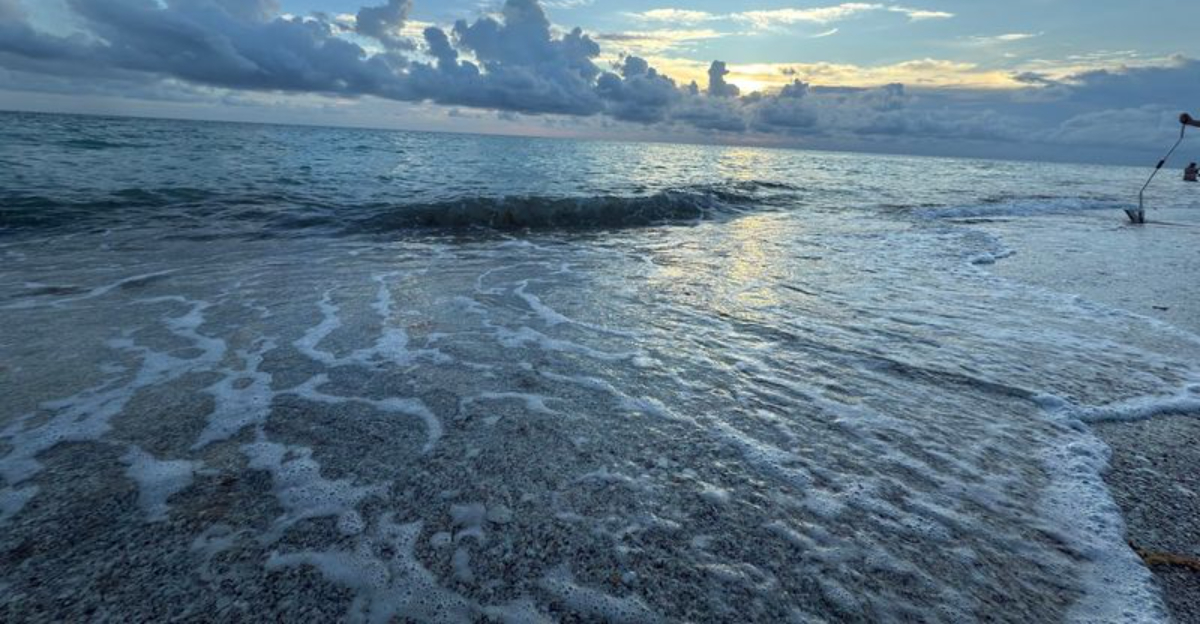
Most people walk Florida beaches without ever noticing what they are missing.
Others come looking for it.
In Southwest Florida, the difference shows quickly. Some people leave with sand on their feet.
Others leave with treasures in their hands.
This stretch of coast sits in a rare sweet spot. Gulf currents, shallow water, and barrier islands work together, pushing shells onto the shore every single day.
Walk here at the right time, and you will hear them before you see them. That soft clinking under your feet.
The kind of sound that makes you slow down and look closer.
Some beaches are covered so heavily it feels effortless. Others reward patience with rare finds collectors dream about.
I have spent years learning these patterns. The tides.
The storms. The exact stretches that deliver.
And once you experience it, you stop walking these beaches the same way.
1. Sanibel Island Lighthouse Beach
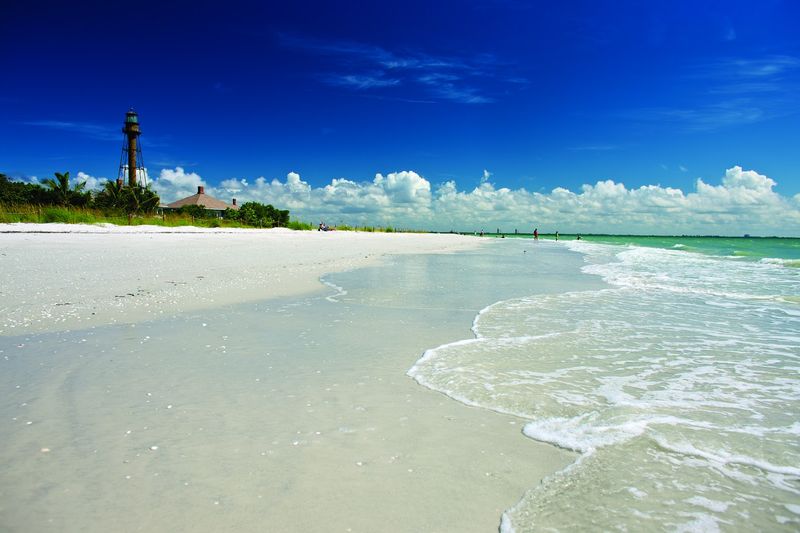
Walking past the historic lighthouse at 110 Periwinkle Way, Sanibel, FL 33957, I always feel like I am stepping into shell-hunting headquarters.
Sanibel Island Lighthouse Beach earned its reputation as one of the planet’s top shelling destinations, and after dozens of visits, I understand why collectors fly in just to walk this shoreline.
The island sits perpendicular to the Florida coast, acting like a giant scoop that catches shells drifting north on Gulf currents.
I have found lightning whelks, alphabet cones, and Florida fighting conchs here during single morning walks, especially after winter cold fronts push through.
The lighthouse itself, built in 1884, creates a picturesque backdrop while you scan the tide line with your collection bag.
Early morning brings the best finds because overnight tides refresh the shell supply before other hunters arrive.
I have watched families fill entire buckets here, kids squealing over every new discovery.
The beach also offers decent parking and facilities, making it accessible for long shelling sessions.
My personal record came after a tropical storm passed offshore, when I counted over thirty different species in two hours.
This spot never disappoints when conditions align.
2. Bowman’s Beach
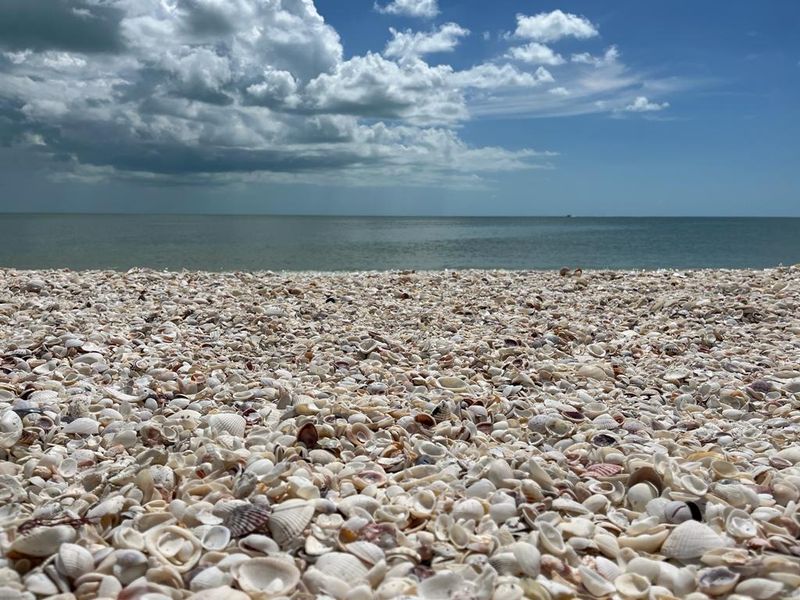
Tucked at 1700 Bowman’s Beach Rd, Sanibel, FL 33957, this stretch feels more secluded than its famous island neighbors.
Bowman’s Beach rewards those willing to make the short walk from the parking area through shaded trails that feel almost jungle-like.
Once you emerge onto the sand, the shell density often leaves me speechless, particularly after high tides or stormy weather.
I have discovered sand dollars, scotch bonnets, and gorgeous olive shells here that I rarely see elsewhere.
The beach faces west, making sunset shelling absolutely magical when golden light illuminates every shell detail.
Fewer crowds mean you can take your time examining each find without feeling rushed by other collectors hovering nearby.
I always bring a small field guide because I regularly encounter species I cannot immediately identify.
The natural vegetation behind the beach provides shade for breaks, and I have spent entire afternoons here without noticing time passing.
One February morning, I found three different murex varieties within ten minutes of arrival.
The peaceful atmosphere makes every visit feel like a private treasure hunt.
Bowman’s consistently delivers quality over quantity in my experience.
3. Blind Pass Beach
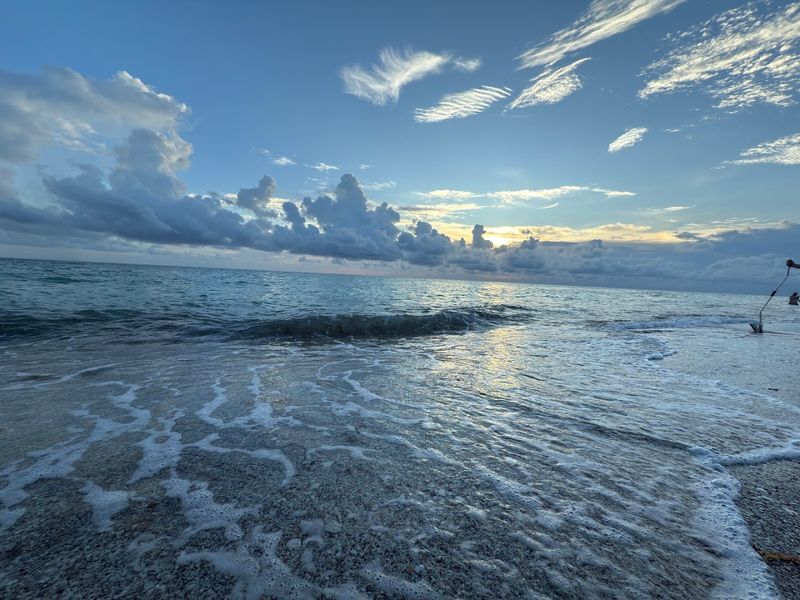
Positioned at 6491 Sanibel Captiva Rd, Sanibel, FL 33957, right where Sanibel meets Captiva, this narrow strip produces serious finds.
Blind Pass Beach sits at a tidal channel where strong currents funnel shells from deeper waters directly onto the sand.
I have watched the tide change here and seen fresh shells appear literally within minutes as water rushes through the pass.
The beach gets crowded with serious collectors who know its reputation, so arriving at sunrise gives you first crack at overnight deposits.
I found my first true tulip shell here, its orange and brown pattern absolutely flawless.
The pass itself creates fascinating water movement, and I have learned to read where currents will drop shells based on wind direction.
Parking fills quickly on weekends, but weekday mornings offer more elbow room for concentrated searching.
The mix of shells here includes both common varieties and genuinely rare specimens that make your heart race.
I once spent three hours here and collected examples of forty-two different species.
The constant water flow means every visit brings different possibilities.
This spot taught me that location matters as much as timing.
4. Captiva Beach
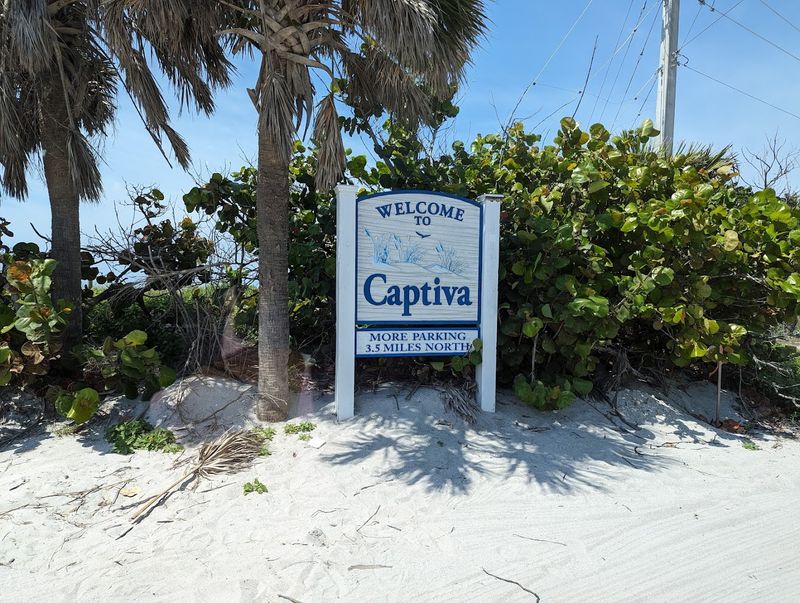
Stretching along 14790 Captiva Dr, Captiva, FL 33924, this beach combines beauty with serious shelling potential.
Captiva Beach offers wider, softer sand than some neighboring spots, making long walks comfortable even when you are carrying a heavy collection bag.
The island’s position catches shells from multiple current directions, creating diverse finds that include both local and tropical species.
I have discovered kitten’s paws, calico scallops, and stunning cockles here during casual afternoon strolls.
The beach faces slightly different angles depending where you walk, so I always explore multiple sections during each visit.
Storms push exceptional shells here, and I have learned to check this beach first after any significant weather system passes.
The water stays relatively shallow far from shore, making it safe to wade out and spot shells in clear water before waves push them in.
I remember one incredible morning when I found seven sand dollars in perfect condition within a hundred-yard stretch.
The relaxed Captiva vibe makes shelling feel less competitive than busier Sanibel spots.
Parking requires some planning, but the payoff consistently justifies the effort.
This beach delivers both quantity and surprising quality.
5. Turner Beach
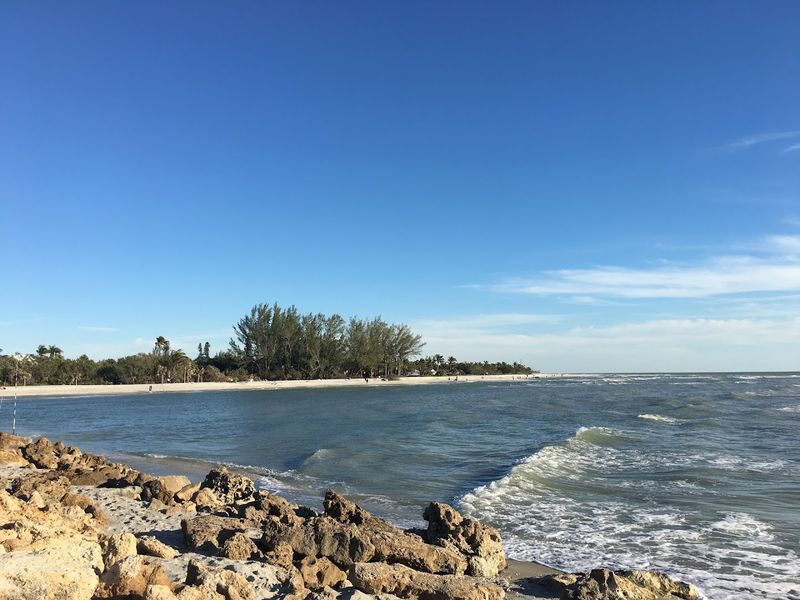
Located at 17200 Captiva Dr, Captiva, FL 33924, right beside the Blind Pass bridge, this compact beach punches above its weight.
Turner Beach benefits from the same tidal dynamics as Blind Pass but with slightly less competition from other collectors.
The beach splits into Gulf-side and bay-side sections, and I have found treasures on both depending on wind and tide conditions.
Strong currents here mean you need to watch water conditions carefully, but they also deliver shells that deeper waters usually keep hidden.
I discovered my largest horse conch here, a specimen nearly ten inches long that now anchors my collection.
The Gulf side typically produces better variety, while the bay side sometimes yields interesting finds after strong east winds.
Limited parking means this beach never gets overwhelmingly crowded, preserving that sense of discovery I crave.
I have watched dolphins feeding just offshore while searching the tide line here, adding wildlife bonuses to shelling success.
The bridge provides easy landmark navigation, and I can quickly check conditions from the road before committing to a full search.
Turner consistently surprises me with unexpected gems.
This spot rewards regular visitors who learn its patterns.
6. Lovers Key State Park
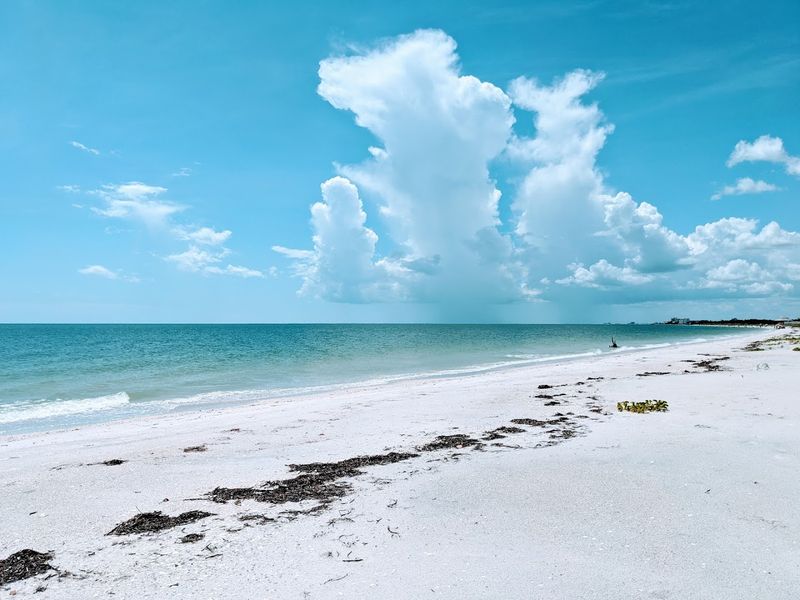
Situated at 8700 Estero Blvd, Fort Myers Beach, FL 33931, this state park protects some of Southwest Florida’s most pristine shelling territory.
Lovers Key State Park requires a short tram ride or walk to reach the beach, which filters out casual visitors and leaves more shells for dedicated hunters.
The park encompasses multiple islands and beaches, giving you options to explore different areas based on conditions.
I have found spectacular fighting conchs, whelks, and colorful scallops here during visits when other beaches seemed picked over.
The natural setting feels more wild than developed beach areas, with mangroves and native vegetation creating a genuine Florida experience.
Park rangers sometimes share insider tips about recent finds, and I have gotten great advice about tide timing here.
The admission fee keeps crowds manageable, and I consider it worthwhile investment for quality shelling access.
I discovered a rare lion’s paw scallop here that remains one of my favorite finds after years of collecting.
Multiple beach access points mean you can try different sections if one area seems slow.
The park also offers kayaking and nature trails for non-shelling companions.
This spot combines adventure with consistent shell rewards.
7. Barefoot Beach Preserve
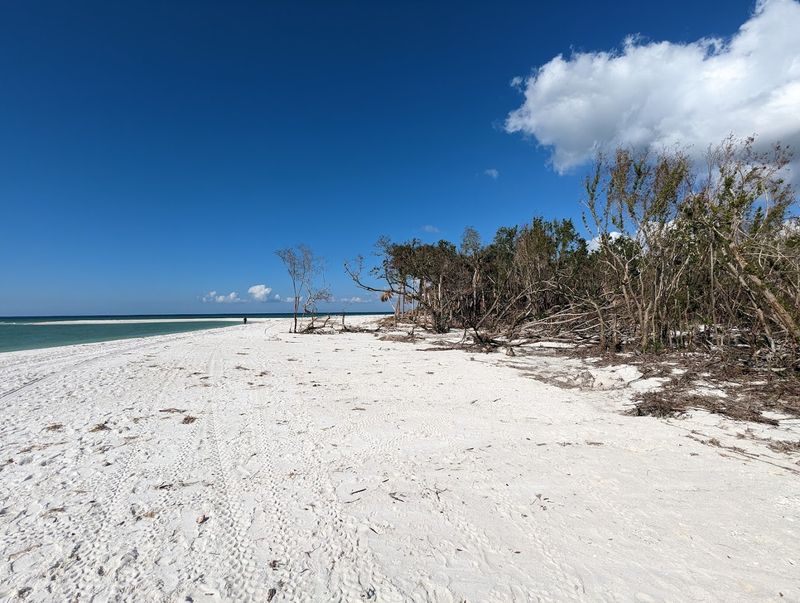
Nestled at 505 Barefoot Beach Blvd, Bonita Springs, FL 34134, this preserve protects a remarkable stretch of undeveloped coastline.
Barefoot Beach Preserve consistently ranks among Florida’s best beaches, and its shelling lives up to that reputation.
The preserve status means development stays minimal, and natural processes deposit shells without human interference disrupting the flow.
I have collected gorgeous augers, cones, and murex shells here that show no signs of damage from beach traffic or construction.
The soft sand makes walking a workout, but that extra effort means fewer people venture to the best shelling zones.
I always explore both north and south from the main access point because shell deposits vary significantly along this lengthy beach.
The preserve also protects sea turtle nesting, so I feel good about supporting conservation while enjoying my hobby.
One spring morning, I found over a dozen different cone shell varieties here, each showing unique pattern variations.
The parking lot fills during peak season, so arriving early or visiting off-season months maximizes your experience.
Natural vegetation provides shade and photo opportunities between shelling sessions.
This beach feels like discovering a secret even though it appears on maps.
8. Tigertail Beach
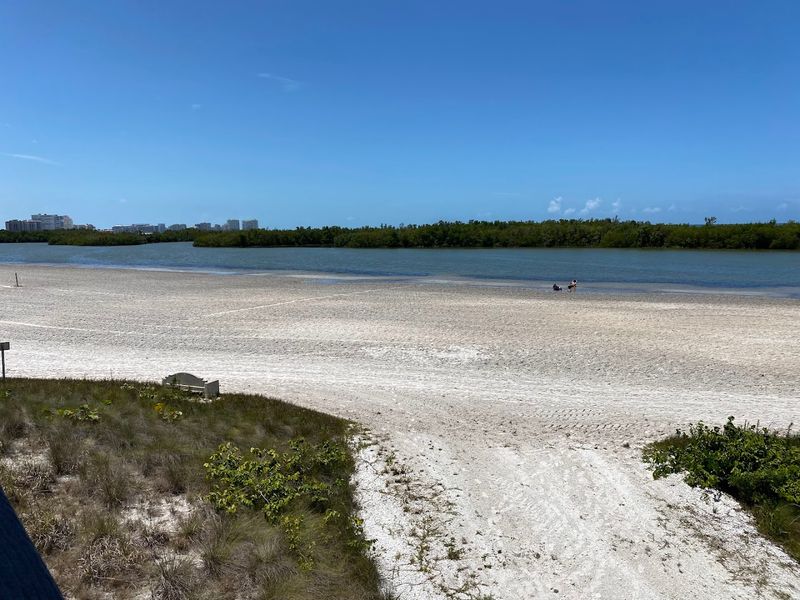
Positioned at 430 Hernando Dr, Marco Island, FL 34145, this unique beach offers a tidal lagoon that creates exceptional shelling opportunities.
Tigertail Beach features a sand bar that emerges during low tide, essentially creating a temporary island packed with shells that normal tides cannot reach.
I have waded across the shallow lagoon at low tide and found myself in shell paradise with minimal competition from other collectors.
The constantly shifting sand patterns mean every visit presents completely different shelling terrain and possibilities.
I discovered perfect sand dollars, colorful coquinas, and unusual arks here that I rarely encounter on mainland beaches.
The lagoon also attracts birds, making this spot excellent for combining shelling with wildlife photography.
Timing your visit with tide charts makes the difference between good shelling and absolutely incredible finds here.
I once arrived two hours before low tide and watched the sand bar slowly emerge, revealing shells as water receded.
The beach also offers a playground and facilities, making it family-friendly for groups with varying interests.
Marco Island’s southern location means slightly different shell species appear here compared to northern barrier islands.
Tigertail taught me that understanding tides unlocks secret shelling spots.
9. Keewaydin Island
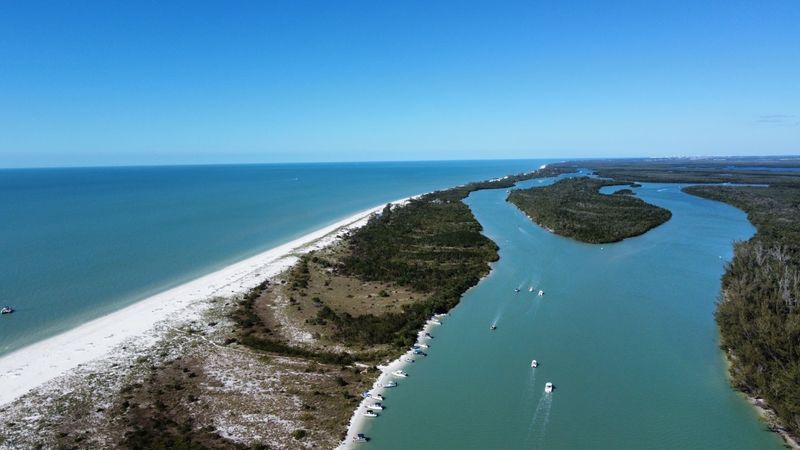
Accessible only by boat from Naples, FL 34113, this barrier island represents the ultimate shelling adventure.
Keewaydin Island remains completely undeveloped, offering seven miles of pristine beach where shells accumulate without disturbance.
I have taken water taxi services here and felt like I stepped onto a private island where shells outnumber footprints.
The boat ride adds excitement to the experience, and I always scan the water for dolphins during the short crossing.
Shell variety here exceeds developed beaches because strong Gulf currents deposit specimens from distant waters.
I found my first junonia here, the holy grail of Florida shelling, partially buried near the high tide line.
Bringing supplies matters because the island offers zero facilities, but that isolation creates magical shelling conditions.
I have spent entire days here, walking miles of beach and discovering shells faster than I could collect them.
The northern and southern ends produce different shells based on current patterns, so exploring extensively pays dividends.
Weather conditions matter more here since you are committing to a boat trip, but perfect days deliver unforgettable rewards.
Keewaydin represents serious shelling for those willing to make the extra effort.
10. Clam Pass Park
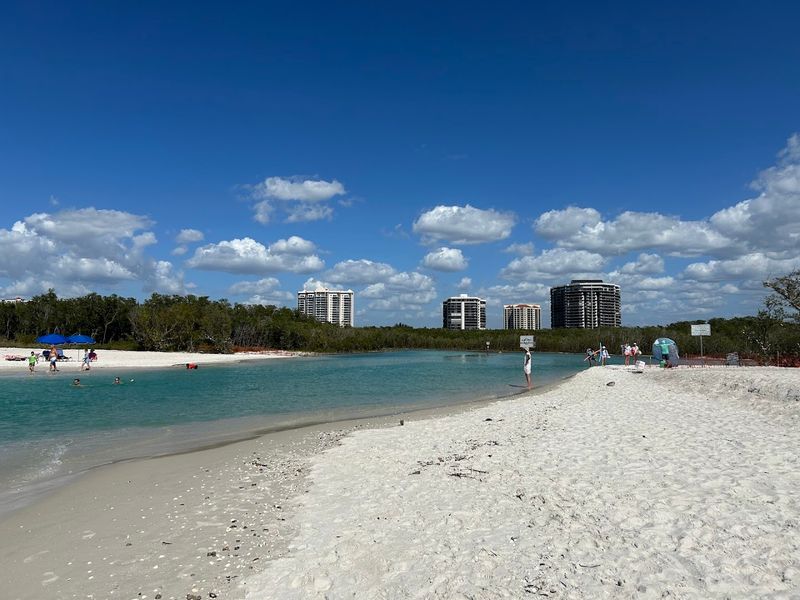
Located at 465 Seagate Dr, Naples, FL 34103, this park combines a scenic boardwalk with productive shelling beaches.
Clam Pass Park requires a pleasant walk through mangrove forests on an elevated boardwalk before reaching the Gulf, filtering casual beachgoers.
The beach spreads both directions from the boardwalk exit, and I have learned that heading north usually produces better shell concentrations.
I discovered beautiful olive shells, lightning whelks, and colorful banded tulips here during morning low tides.
The park setting feels more refined than wild beaches, but shells still wash up in impressive numbers after storms or spring tides.
I appreciate the tram service available for those who prefer not to walk the boardwalk, making the beach accessible to more collectors.
The mangrove walk itself offers bird watching opportunities, and I have spotted roseate spoonbills here before even reaching the sand.
Naples beaches generally see less shelling pressure than Sanibel, meaning finds often sit undiscovered longer.
I once collected a complete set of fighting conch color variations here, from deep orange to pale cream.
The park also provides facilities and concessions, supporting longer shelling sessions without needing to leave.
Clam Pass delivers consistent quality in a beautiful natural setting.