
This Scenic South Carolina Hike Leads To Ancient Volcanic Formations
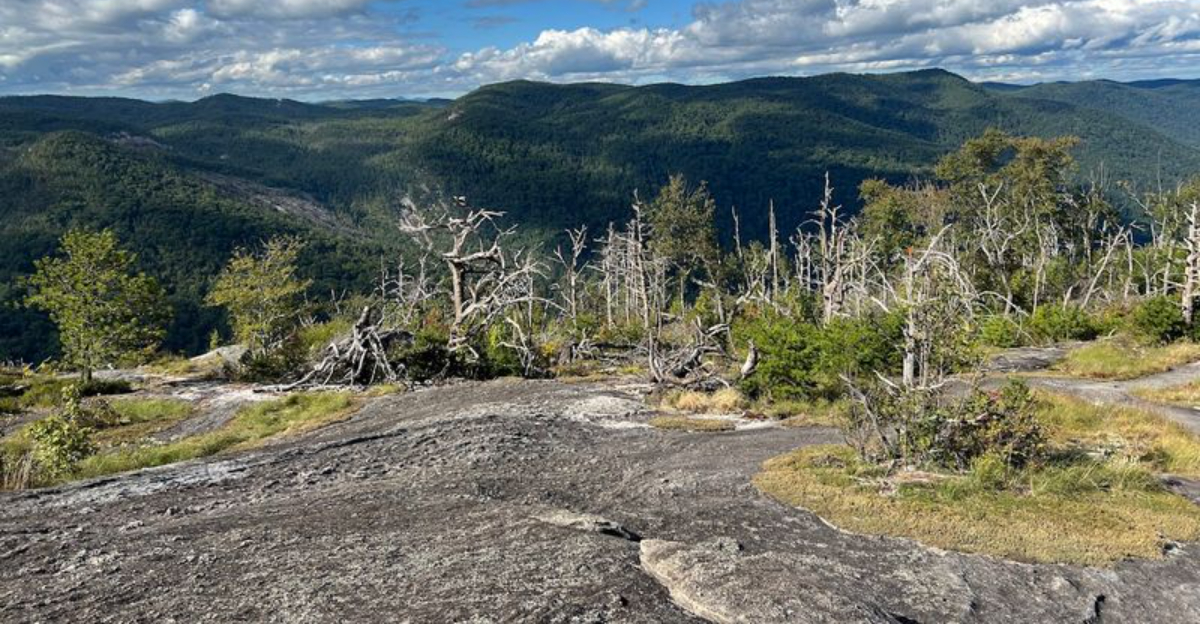
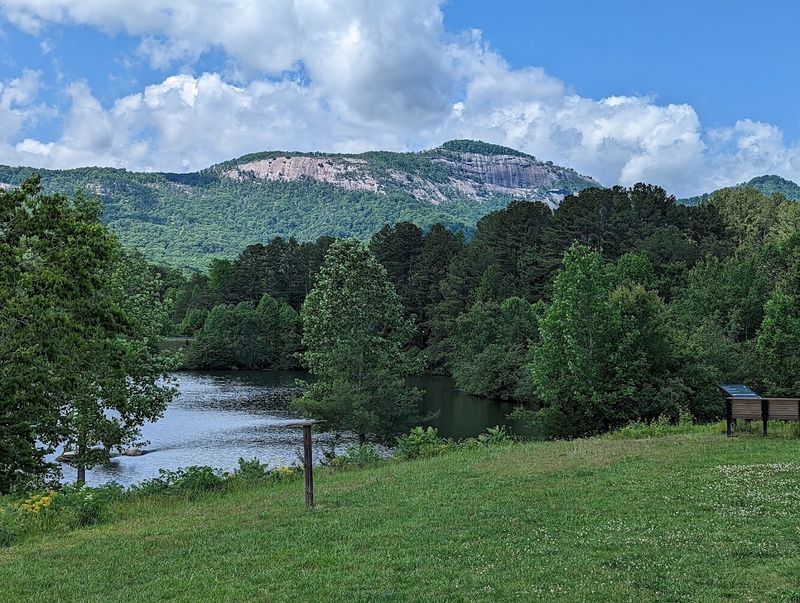
The first time you see it, you almost question what you’re looking at. A mountain in South Carolina rising above the trees with a top so flat it looks deliberately cut, like nature paused halfway through and decided that was enough.
It doesn’t blend into the landscape, it stands apart from it.
In South Carolina, there’s a mountain that feels less like scenery and more like a statement.
As you get closer, the scale settles in. The forest thickens, the air shifts, and the trails begin to pull you upward without rushing you.
Nothing feels staged, but everything feels older than you expect, like the ground itself has been holding onto its story for far longer than you can imagine.
You don’t rush a place like this. You move through it, step by step, noticing how the rock, the trees, and the quiet all work together.
And by the time you reach the higher views, it doesn’t feel like you just saw something impressive, it feels like you experienced something that stays with you.
Ancient Volcanic Origins Dating Back 400 Million Years
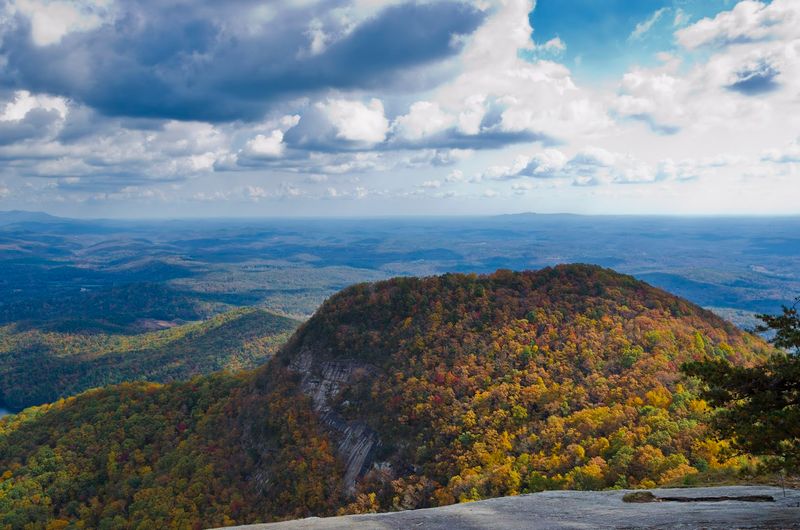
Geologists get genuinely excited when they talk about Table Rock State Park in South Carolina, and once you understand what you’re looking at, you will too. The mountain formed roughly 400 million years ago during intense volcanic activity that shaped much of the southern Appalachians.
Molten rock pushed upward through cracks in the earth’s crust, cooling into the hard, resistant stone that now defines the park’s dramatic profile.
Walking these trails means stepping on surfaces that once existed as liquid fire deep underground. The rock here belongs to the Henderson Gneiss formation, a metamorphic stone that has been squeezed, heated, and transformed over incomprehensible spans of time.
I’ve touched these surfaces countless times, running my fingers over crystals that sparkle in afternoon light across this remarkable part of South Carolina.
Scientists study this park because it offers a clear window into processes that built entire mountain ranges. The volcanic heritage isn’t just academic trivia but the reason this landscape looks so different from surrounding areas, with its steep faces and dramatic elevation changes that make every hike feel like a journey through deep time.
The Distinctive Flat Summit That Gives Table Rock Its Name
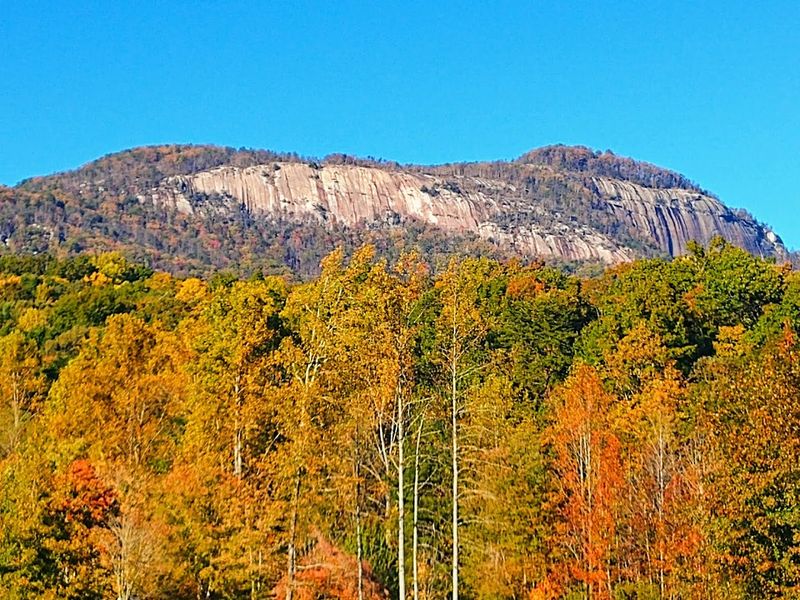
That remarkably level summit isn’t an accident of nature but the result of differential erosion working on volcanic rock over millions of years. Harder stone at the top resisted weathering while softer surrounding material gradually wore away, leaving behind what looks like a massive stone table set for giants.
The name practically chose itself when early settlers first glimpsed this geological oddity rising above the forest canopy.
Standing at the base and looking up, the flat profile seems almost unnatural, as if someone deliberately carved it that way. I’ve hiked to the top more times than I can count, and the moment you crest that final climb and step onto the relatively level summit never loses its impact.
The plateau stretches out, offering 360-degree views that reward every bit of effort the ascent demanded.
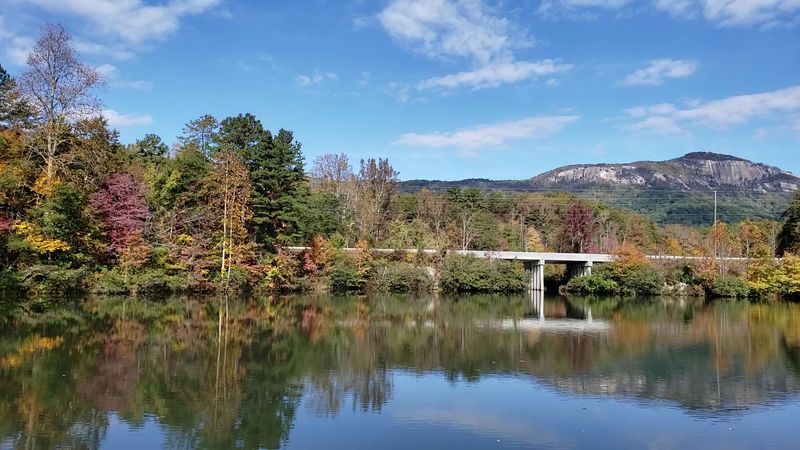
Photographers love this mountain because the distinctive silhouette creates instantly recognizable images, especially at sunset when the flat top stands in sharp relief against colorful skies. That shape has become an icon for the entire region.
Seven-Mile Trail Network Leading To Volcanic Outcrops
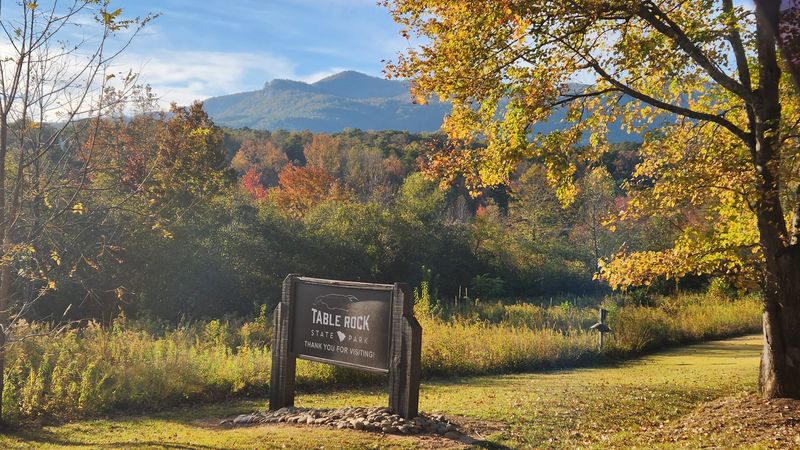
Trail maps at the park show a web of paths totaling about seven miles, each route offering different perspectives on the volcanic geology that defines this landscape. The main Table Rock Trail climbs 2,000 feet over 3.6 miles, passing numerous exposed rock faces where you can see the ancient stone up close.
Every switchback reveals new geological features, from massive boulders to sheer cliff faces that demonstrate the power of volcanic forces.
I always recommend starting early because the climb demands respect, especially on hot summer days when the exposed sections offer little shade. The trail surface alternates between smooth packed earth and rough stone steps carved into the mountainside, keeping your attention focused on each footfall.
Smaller connector trails branch off toward waterfalls and overlooks, creating opportunities to customize your hike based on energy levels and interests.
Rangers maintain these paths year-round, clearing fallen trees and repairing erosion damage that threatens to reclaim the routes. The network design ensures hikers of varying abilities can experience volcanic formations without necessarily summiting the peak.
Exposed Metamorphic Rock Faces Along the Ascent
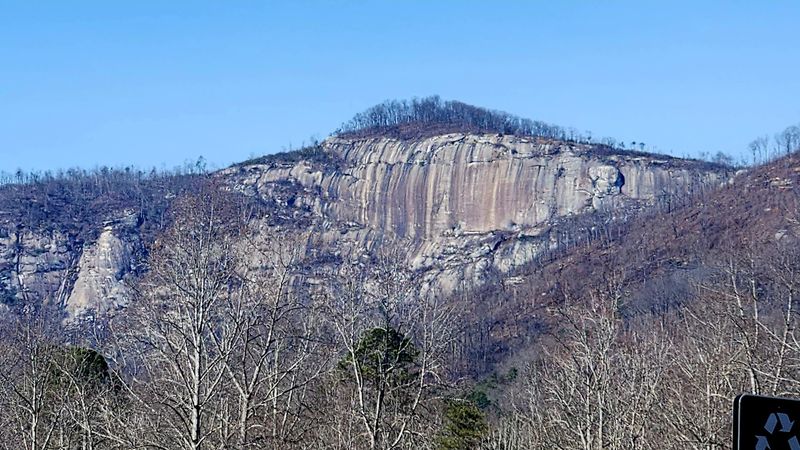
Climbing toward the summit, you’ll pass sections where the trail cuts directly through exposed rock, offering geology lessons you can touch with your own hands. These faces display the folded, twisted patterns that result when extreme heat and pressure transform volcanic stone into metamorphic rock over millions of years.
Bands of different minerals create striped patterns in shades of gray, white, and rust, each color telling part of the mountain’s complicated history.
I’ve stopped at these exposures countless times, running my hands over surfaces polished smooth by thousands of passing hikers and centuries of weather. The rock feels cool even on hot days, and you can sometimes spot crystals catching sunlight like tiny embedded jewels.
Geologists bring students here specifically to study these accessible examples of metamorphic processes that usually remain hidden deep underground.
Lichen grows in patches across the stone, adding splashes of green and orange to the neutral rock tones. These organisms slowly break down the volcanic stone, continuing the erosion process that has shaped this mountain since it first cooled.
Panoramic Blue Ridge Views From The 3,124-Foot Summit
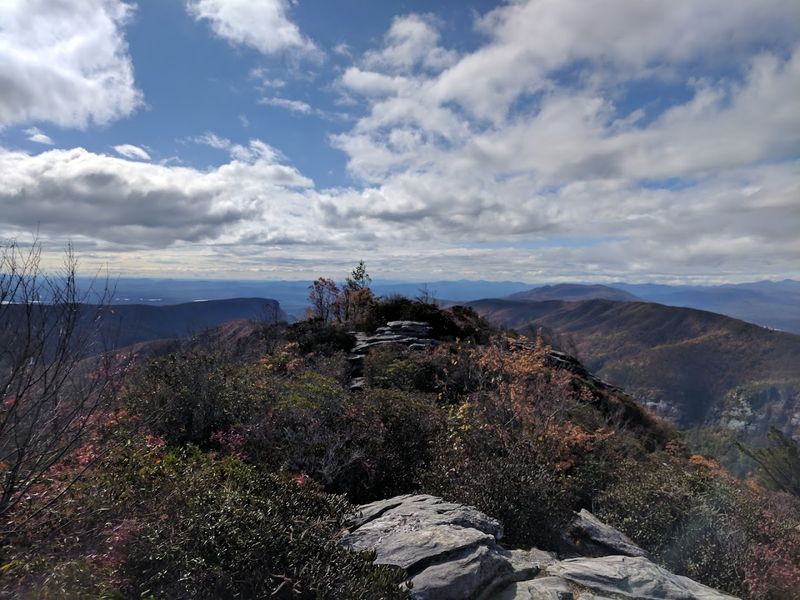
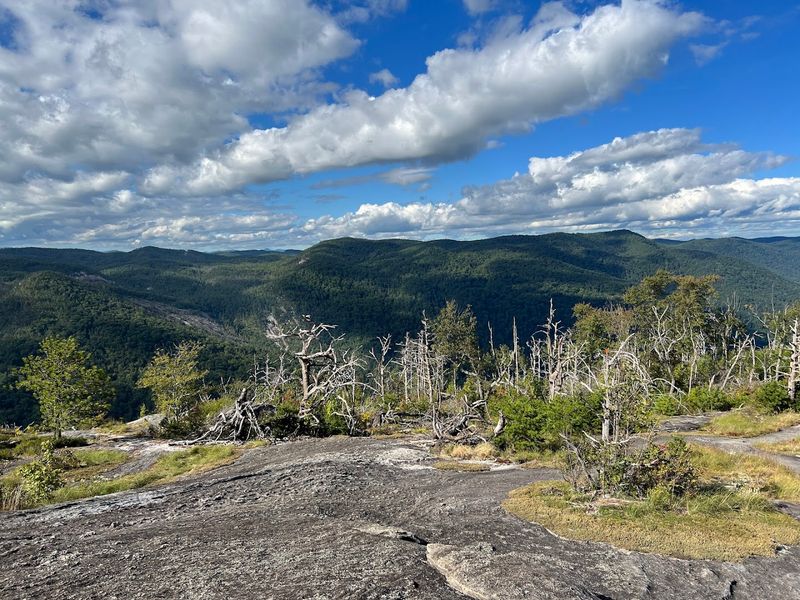
Reaching the 3,124-foot summit feels like breaking through into another world, where the forest canopy drops away and the entire Blue Ridge range spreads out in every direction. On clear days, visibility extends for dozens of miles, revealing layer after layer of mountain ridges fading into blue distance.
The volcanic rock platform at the top provides stable footing for taking in views that justify every challenging step of the climb.
I’ve watched sunrise from this summit, seen thunderstorms roll across distant valleys, and observed hawks riding thermals that rise along the mountain’s steep faces. The perspective makes you realize how dramatically this volcanic formation rises above surrounding terrain, standing as a sentinel over the Carolina foothills.
Other hikers often sit in quiet contemplation, too absorbed in the scenery to bother with conversation.
The summit area features several rock outcrops perfect for resting, photographing, or simply absorbing the scale of the landscape. Wind usually blows stronger up here, carrying the scent of pine and occasionally the distant sound of traffic from valleys far below.
Seasonal Wildflower Blooms Among The Volcanic Stones
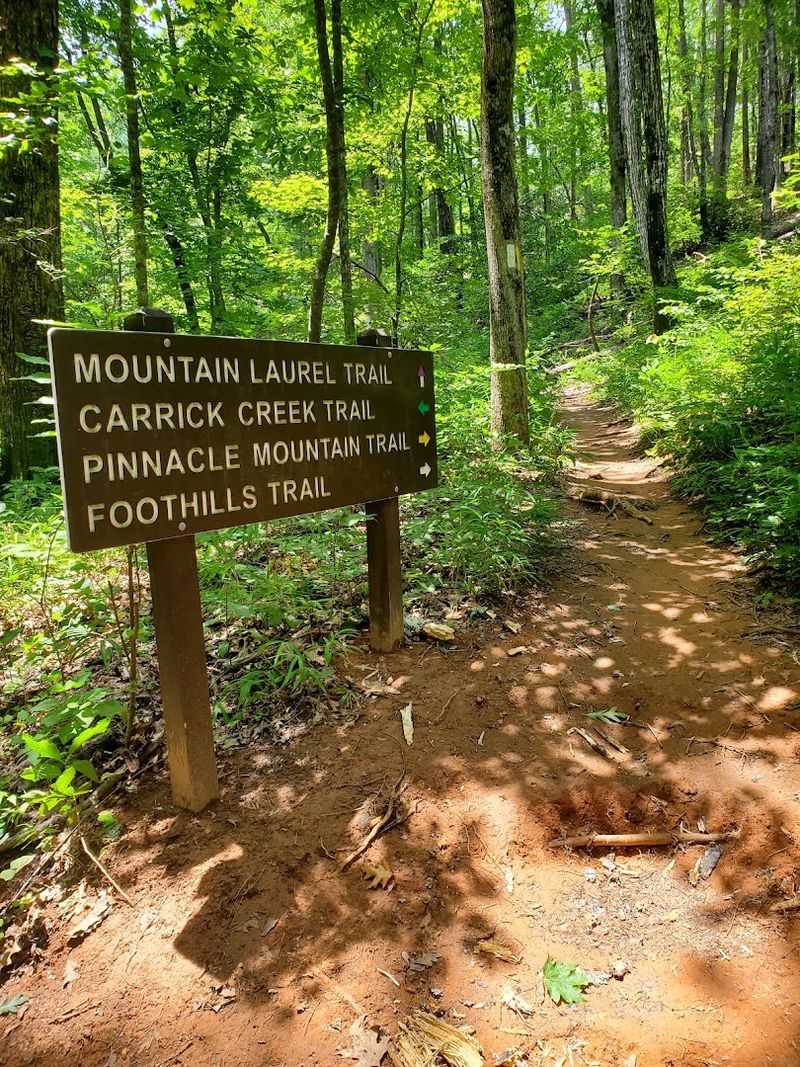
Spring transforms the trail into a botanical showcase as wildflowers push through soil pockets between volcanic boulders, creating unexpected splashes of color against gray stone. Trillium, mountain laurel, and rhododendron thrive in the acidic soil that volcanic rock creates as it slowly weathers, their blooms appearing in succession from March through June.
The contrast between delicate petals and ancient, hard stone creates scenes that stop hikers in their tracks.
I time visits specifically to catch peak bloom periods, when entire hillsides glow with pink mountain laurel or white rhododendron clusters. The flowers seem improbable, finding purchase in what looks like bare rock, yet they return year after year in the same locations.
Pollinators work the blooms energetically, adding movement and sound to the visual display.
By late summer, different species take over, with goldenrod and asters adding yellow and purple to the palette. Even in winter, evergreen plants provide visual interest among the volcanic formations, proving that life finds ways to flourish even in challenging rocky terrain.
Weather-Carved Boulder Fields Below The Main Peak
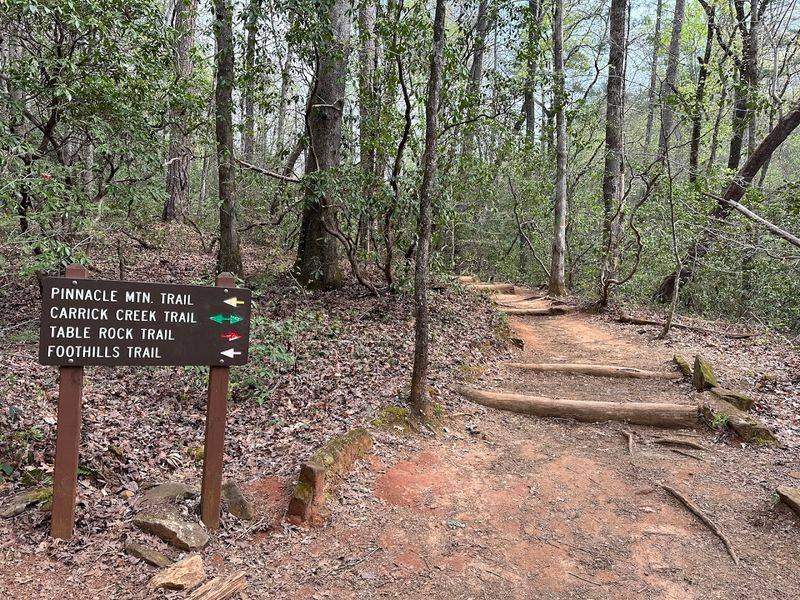
Below the summit, massive boulder fields sprawl across the mountainside like the aftermath of some giant’s rock-throwing contest, each stone a fragment of the original volcanic formation. Weathering and erosion have worked on these boulders for millennia, splitting them along natural fractures and tumbling them downslope to create chaotic jumbles that challenge hikers to find the trail.
Some boulders measure twenty feet across, their surfaces pitted and weathered into abstract sculptures.
I’ve explored these fields on cooler days, clambering over and around obstacles that make the trail feel more like rock scrambling than hiking. Moss and lichen coat many surfaces, adding traction but also concealing the true texture of the volcanic stone beneath.
The spaces between boulders create cool microclimates where different plants thrive, protected from direct sun and drying winds.
These fields demonstrate how volcanic rock breaks down over geological time, fragmenting into smaller and smaller pieces that eventually become the soil supporting the surrounding forest. Walking through them feels like witnessing a process that has continued since the mountain first formed.
Geological Interpretive Signs Explaining Volcanic History
Park rangers have installed interpretive signs at strategic points along the trail, each one explaining different aspects of the volcanic processes that created this landscape. These weatherproof panels feature diagrams, timelines, and photographs that help non-geologists understand what they’re seeing in the rocks around them.
Reading these signs transforms a simple hike into an educational journey through deep time, connecting present-day scenery to events that occurred before complex life existed on Earth.
I always stop at these displays, even though I’ve read them dozens of times, because they add context that makes the surrounding stone more meaningful. The signs explain concepts like magma intrusion, metamorphism, and differential erosion using language accessible to anyone curious about how mountains form.
Kids especially seem engaged by the graphics showing cross-sections of volcanic activity.
Rangers update these interpretive materials periodically as new geological research refines understanding of the region’s volcanic past. The signs also include information about ongoing erosion processes, helping visitors appreciate that the mountain continues changing even now, just at speeds too slow for human perception.
Best Viewing Times For Geological Features In Natural Light
Photographers and geology enthusiasts quickly learn that lighting dramatically affects how volcanic features appear, with early morning and late afternoon offering the best conditions for seeing details in the rock. Low-angle sunlight rakes across stone faces, highlighting textures, crystal formations, and color variations that disappear under the flat illumination of midday sun.
I’ve hiked the same section of trail at different times and barely recognized it because of how light transforms the appearance of volcanic stone.
Morning light tends toward cooler tones, emphasizing blues and grays in the metamorphic rock, while afternoon sun brings out warmer rust and gold shades in mineral deposits. Overcast days create even, shadowless light that reveals subtle color gradations you might miss in harsh sunshine.
After rain, wet rock surfaces display intensified colors and a glossy finish that makes crystals sparkle.
Serious photographers often camp overnight to catch both sunset and sunrise from the summit, capturing the volcanic formations in the most dramatic possible light. The changing seasons also affect how light interacts with stone, with winter’s lower sun angle creating longer shadows.
Conservation Efforts Protecting Ancient Volcanic Landscapes
Park management at Table Rock State Park takes seriously the responsibility of protecting geological features that took 400 million years to create in South Carolina, implementing careful conservation strategies that balance public access with preservation needs. Trail routing minimizes direct contact with the most fragile volcanic formations, using boardwalks and designated paths to concentrate foot traffic and prevent erosion.
Rangers regularly monitor popular areas for damage, closing sections when necessary to allow recovery from overuse.
I’ve participated in volunteer trail maintenance days where we repair erosion damage and remove invasive plant species that threaten native vegetation growing among the volcanic rocks. The park prohibits rock collecting, ensuring that geological specimens remain in place for future visitors to study and appreciate.
Educational programs teach visitors about the landscape’s fragility and the importance of staying on marked trails, something especially emphasized across protected areas in South Carolina.
Climate change presents new challenges as shifting weather patterns accelerate erosion and alter the delicate balance of ecosystems that have developed on and around the volcanic formations. Park scientists conduct ongoing research to understand these changes and adapt management strategies accordingly, working to preserve this geological treasure for generations yet to come.