
This Michigan Train Depot Restaurant Pairs Wood-Fired Pizza With Waterfront Views
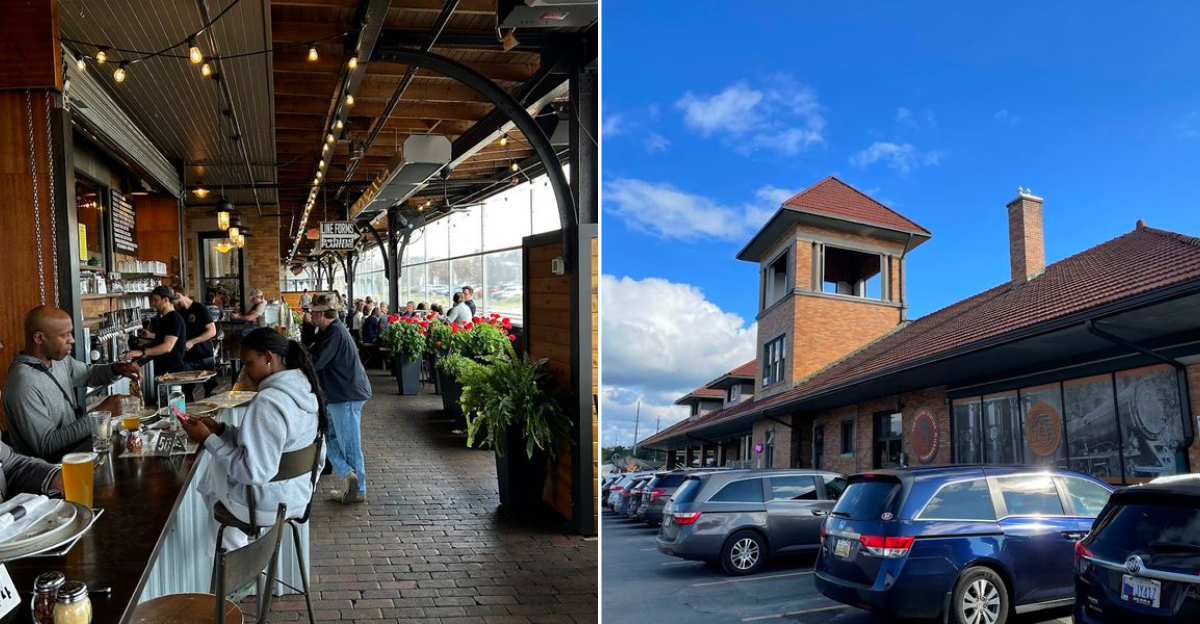
Traverse City already knows how to look good without trying, but this lakeside pizza stop has unfair advantages. A 1927 train depot, Boardman Lake, nearby trails, and the possibility of crisp-edged wood-fired flatbread all working together?
That is not dinner, that is scenic bribery. What I like most is that the setting feels specific instead of generically pretty.
You can sense the old railroad bones of the place, then look out toward the water and remember that food tastes better when the view is doing half the hosting. The mood stays casual, but the details are clearly not accidental.
Michigan’s Traverse City pizza spot offers wood-fired flatbreads, historic train-depot character, and relaxed lakeside dining near Boardman Lake. Come for the crust, stay for the setting, and do not rush the patio if the weather is kind.
Some meals are memorable because the food is good; this one also gives you a little scene to step into.
Start With The Building Before You Even Look At The Menu
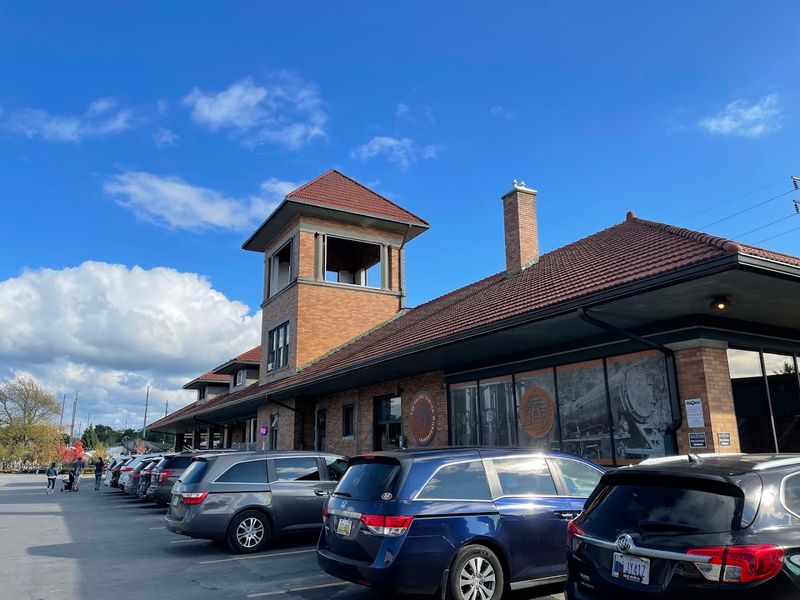
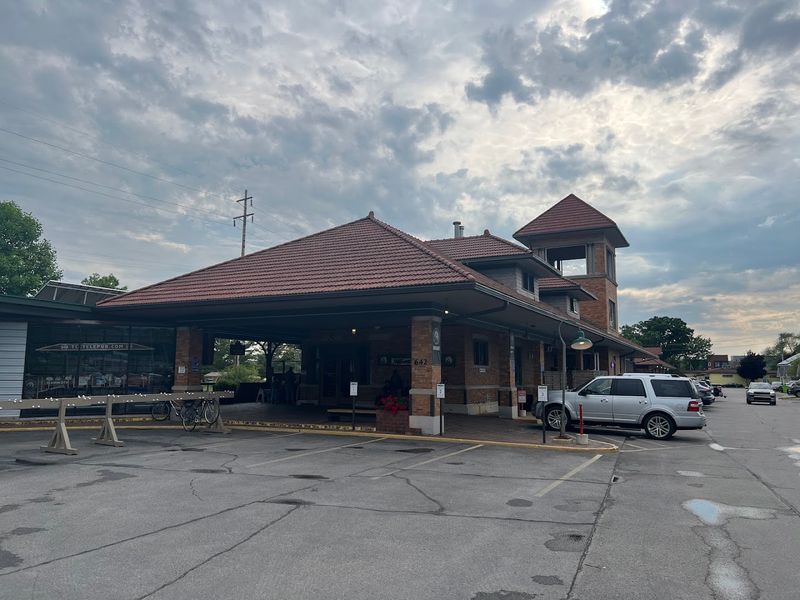
Before the first bite lands, the building does some quiet work on your appetite. The Filling Station occupies a 1927 train depot, and that history gives the room a grounded, unpolished charm that newer restaurant spaces rarely fake well.
You feel it in the proportions, the old rail setting, and the sense that people have been arriving here with purpose for decades.
That context matters because the food fits the place. Thin, wood-fired flatbread pizzas come out with crisp edges and a straightforward confidence, the kind that suits a former station better than anything overly precious would.
Fresh ingredients and scratch-made dough keep the experience from leaning too heavily on atmosphere alone.
If you go in knowing the depot closed in 1966 and reopened as this restaurant in 2012, dinner feels richer before it even starts.
Follow Railroad Place To The Depot Vibe
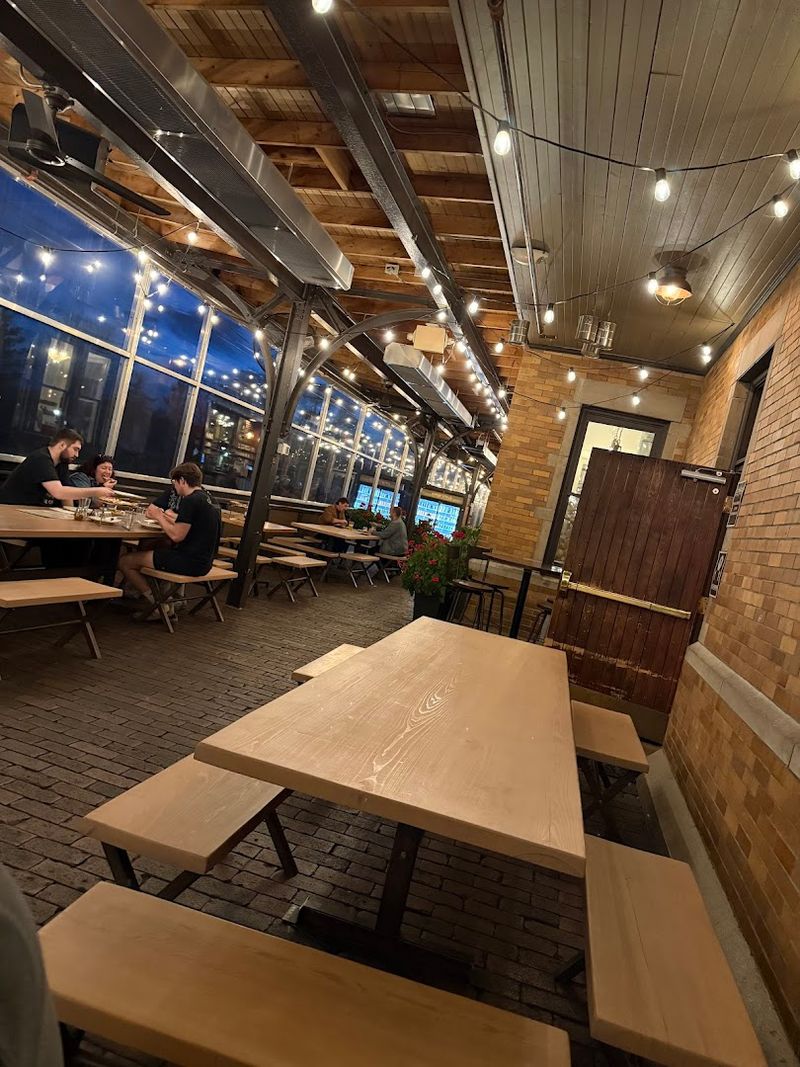
The Filling Station Microbrewery, 642 Railroad Place, Traverse City, Michigan 49686, sits in a fittingly named pocket of town where the address already hints at the setting.
Head toward Railroad Place and watch for the old rail-side character as you get close. This is a simple Traverse City stop to navigate, especially if you are already moving between downtown, the bay, and nearby neighborhoods.
Once you arrive, slow the pace and let the converted-station atmosphere do its work. Park nearby, step in, and treat it as a relaxed pause with a little local history built into the approach.
Expect A Thin, Crisp Pizza And Order Accordingly
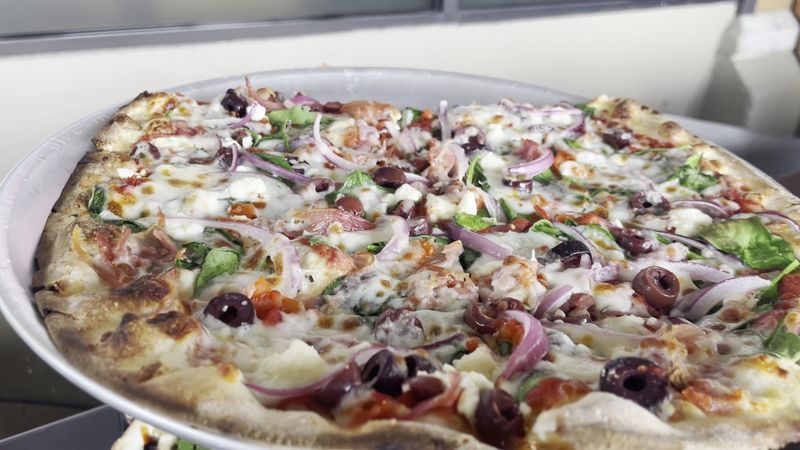
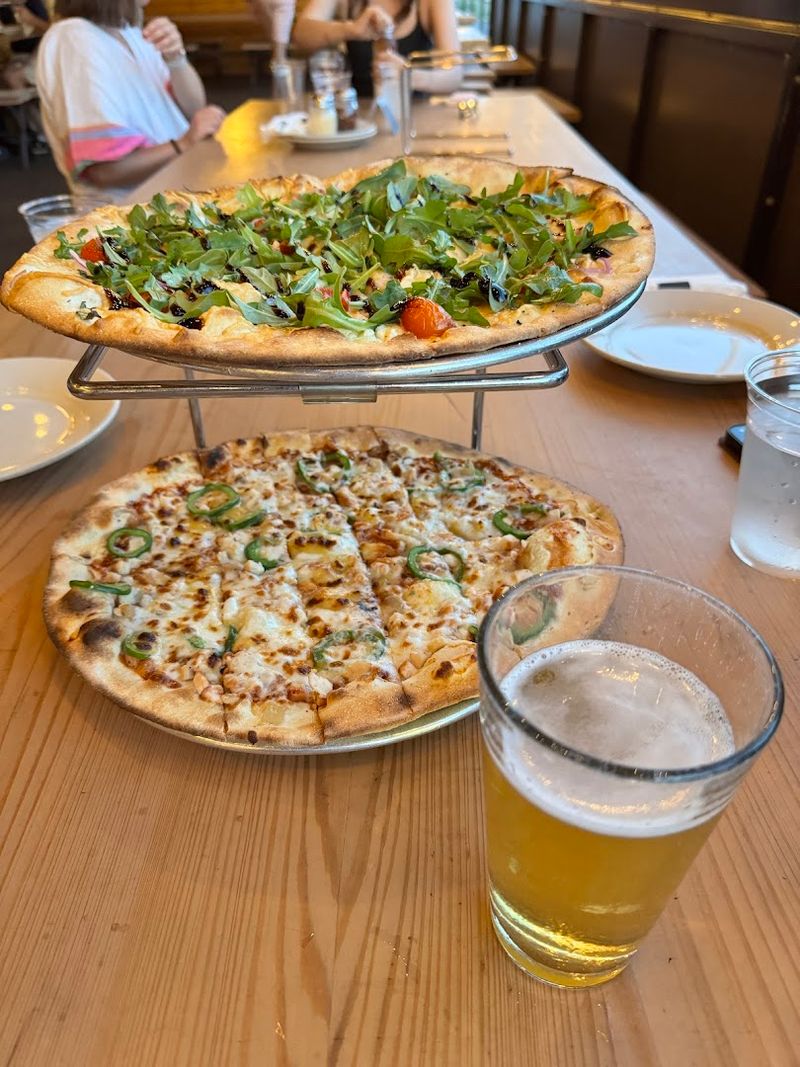
This is not the place for a thick, chewy slice that folds over your hand. The Filling Station specializes in wood-fired flatbread pizzas with a thin, crisp crust, so the texture leans crackly at the edges and lighter through the center.
That makes the pies feel satisfying without tipping into heavy.
Because the dough and sauces are made from scratch, the flavor lands cleanly rather than with the blunt saltiness that thin pizzas sometimes hide behind. Toppings matter more on this style of crust, since every ingredient stays exposed and easy to notice.
Fresh produce and balanced combinations do a lot of the work here. It is smart to order with sharing in mind. A couple of flatbreads and a salad often makes more sense than expecting one pizza to eat like a deep pan dinner.
Use The Half-And-Half Option To Cover More Ground
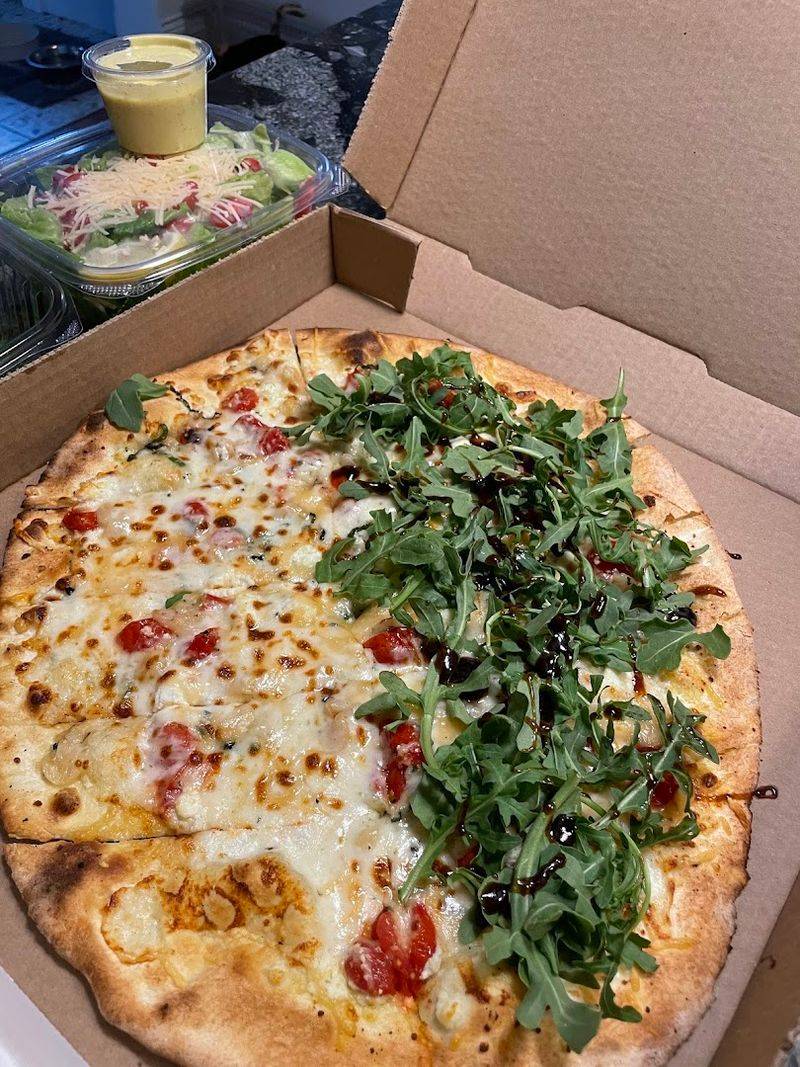
One of the more useful practical moves here is splitting a pizza into halves. Since the menu focuses on flatbreads, that flexibility helps if the table cannot agree or if you simply want to try more than one combination without committing to full pies.
It also suits the restaurant’s lighter crust, which invites sampling.
The smartest version of this strategy is pairing something familiar with something a little less obvious. Because the crust is thin and the bake is quick, even bolder topping choices stay relatively nimble instead of feeling overloaded.
You get contrast without ending the meal with a table full of leftovers that no longer taste like they came from a wood-fired oven.
For first-timers, this is the easiest way to understand the kitchen’s style. You leave with a better sense of range, not just a single favorite.
Do Not Skip The Salads Just Because The Pizzas Get The Spotlight
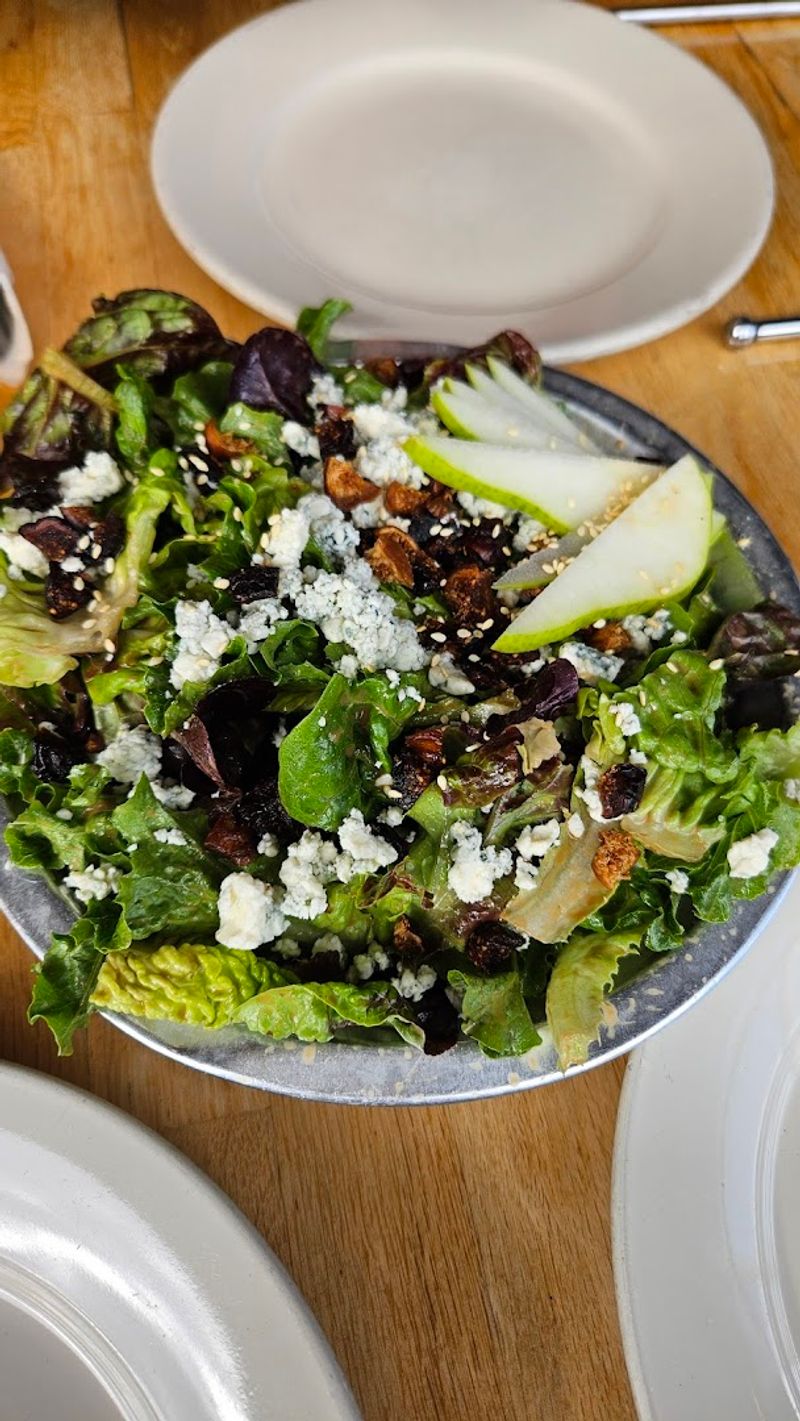
It would be easy to treat the salads as supporting actors, but that undersells them. The menu includes artisan salads that bring color, texture, and a fresher counterpoint to the heat and char of the flatbreads.
On a table with multiple pizzas, that balance becomes more important than it first appears.
I have found that a salad here changes the pace of the meal in a very welcome way. Instead of one continuous stream of crust and cheese, you get bites that reset your palate and make each slice taste sharper when you return to it.
That is especially useful if you are trying several pies or dining on a warmer day by the lake.
If you are feeding two or more people, pairing a salad with pizzas feels less like restraint and more like good planning. The menu is better for it.
Know The Ordering Style Before You Sit Down
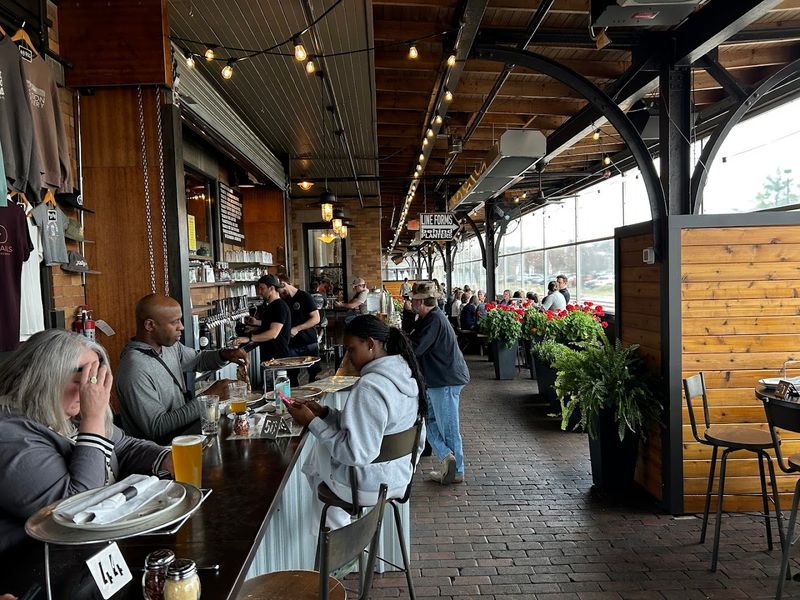
The service style works best when you know it in advance. Here, you order at the bar rather than waiting for traditional table service, then head back to your seat while the food is brought out.
Once you understand that rhythm, the whole place makes more sense and feels more relaxed.
In a building with a busy patio and a steady stream of pizza orders, that system keeps things moving without much ceremony. It also suits the casual depot atmosphere, where a little self-direction feels natural rather than inconvenient.
You are not decoding formality here, just getting fed efficiently in a distinctive setting.
If someone in your group arrives expecting a standard sit-down process, mention it early. A two-sentence explanation prevents that awkward first ten minutes where everyone studies one another instead of the menu and wonders who is supposed to do what.
Bring Kids, And Do Not Overthink It
Some restaurants say they welcome families and then quietly make the experience complicated. This one feels genuinely workable.
The setting is casual, the patio has room to exhale, and the menu includes a kids’ selection alongside the flatbreads and salads, which keeps the table from becoming a negotiation exercise.
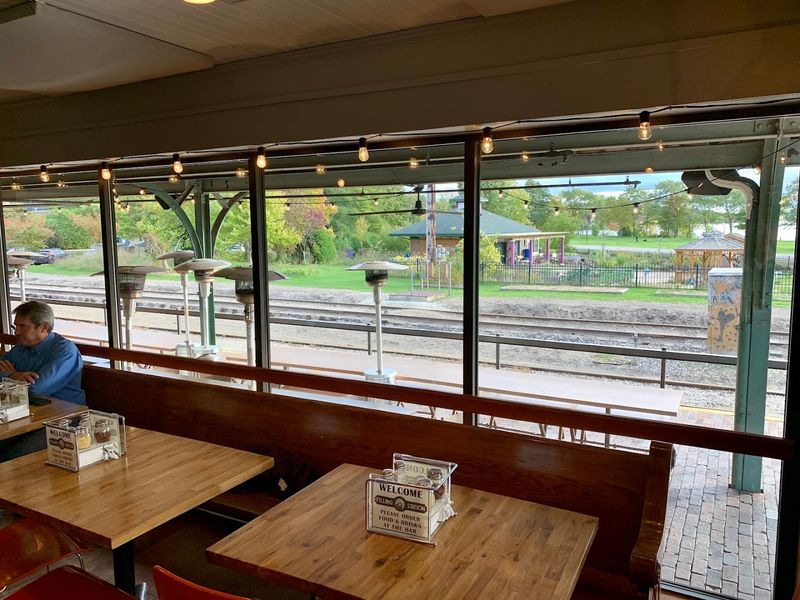
That practical ease matters because the space has plenty to hold attention without trying too hard. Trains still pass by, the old station setting gives children something concrete to notice, and the order-at-the-bar format often keeps the meal moving at a useful clip.
Adults get a dinner that still feels specific and thoughtful, not merely kid-tolerant.
If you are traveling with younger diners, this is one of the smarter choices near downtown Traverse City. The room allows families to exist without everyone else acting surprised about it.
If You Are Biking The T.A.R.T. Trail, This Is An Easy Detour
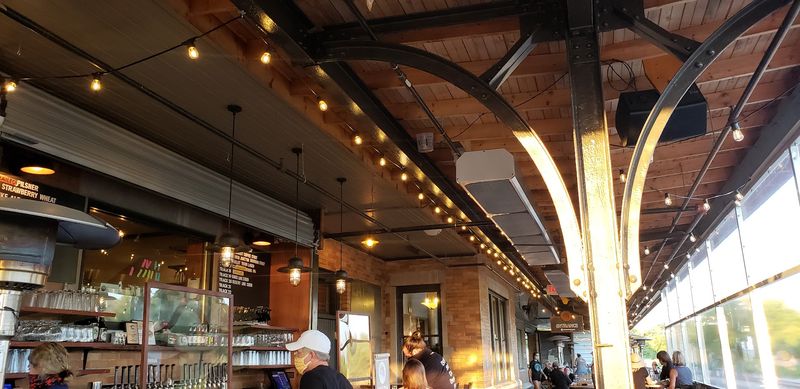
The location off the T.A.R.T. recreational trail gives The Filling Station a useful kind of accessibility. It is not just a destination dinner spot but a natural pause if you are moving through Traverse City by bike or on foot.
That makes the restaurant feel woven into the city rather than isolated from it.
I like places that can handle both a planned outing and an impromptu stop, and this one does. You can arrive hungry from the trail, settle onto the patio, and get something substantial without the experience feeling stiff or overproduced.
The lake view and old depot setting still give the meal enough sense of occasion. If your day already includes walking, biking, or waterfront wandering, this is an especially smart fit. Pizza tastes even better when you have earned it a little.
Pay Attention To The Train Details Without Letting Them Distract You
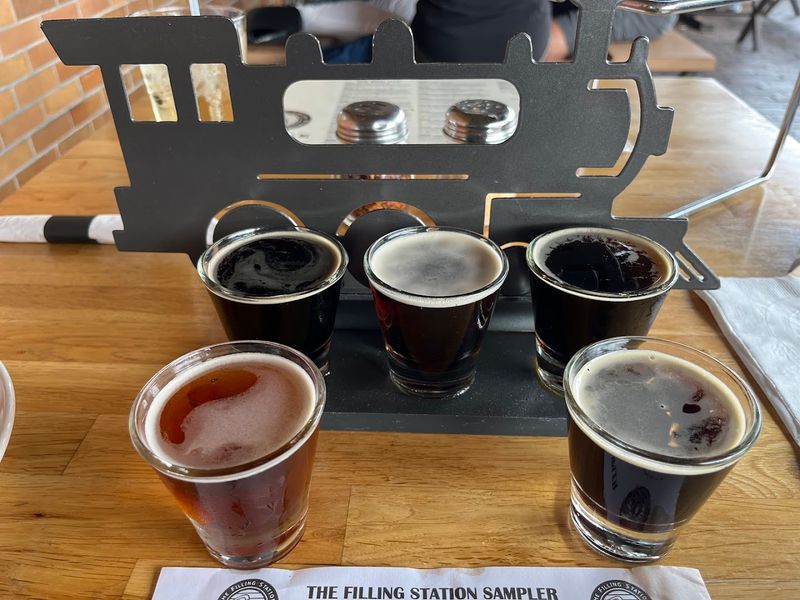
The railroad theme here is handled with a lighter touch than you might expect, which is part of its appeal. You are in a former depot, so the train identity never feels pasted on, and the smaller details fit the building rather than turning dinner into a novelty act.
That restraint keeps the place charming instead of costume-like.
Freight trains can still pass by, which adds a bit of real-world punctuation to the meal. Combined with the old station bones, that movement gives the restaurant a sense of continuity, as if transportation simply changed form from passengers to pizzas and patio tables.
It is one of those odd local alignments that becomes more satisfying the longer you sit with it. The trick is to notice the railroad personality and then return to your food. The setting is memorable because the restaurant remembers to be a restaurant first.
Check The Days And Hours Before You Build Your Evening Around It
This is a simple tip, but it can save you an unnecessary pivot at dinnertime.
The Filling Station is currently open Thursday through Monday from 11 AM to 10 PM and closed on Tuesdays and Wednesdays, so it is worth checking your timing before hunger makes every alternate plan sound disappointing. A memorable setting does not help much if the doors are shut.
The hours also make it a good lunch option, especially if you want the patio and lake view in brighter daylight. By evening, the place can feel busier and more animated, which is appealing if you like a little energy with your pizza.
The point is less about avoiding crowds than choosing your version of the experience. When a restaurant becomes part of a trip plan, logistics matter. This one rewards a small amount of forethought with a much smoother arrival.
Treat It As A Traverse City Place, Not Just A Novelty Meal
What stays with me about The Filling Station is not one single topping combination or one especially pretty table by the water.
It is the way the restaurant ties several genuine Traverse City elements together: lake views, trail access, local ingredients, railroad history, and a relaxed style that does not confuse casual with careless. The pieces belong to the same place.
That makes the meal feel more rooted than trendy. The pizzas are wood-fired and thin, the patio has a real relationship to Boardman Lake, and the depot setting is an actual 1927 building with a useful afterlife, not a decorative backstory invented for branding.
You can sense that difference. If you are choosing one meal that says something specific about where you are, this is a strong candidate. Some restaurants feed you well. Fewer also explain their town.