
The Historic Small Town In Colorado You’ve Probably Never Heard Of
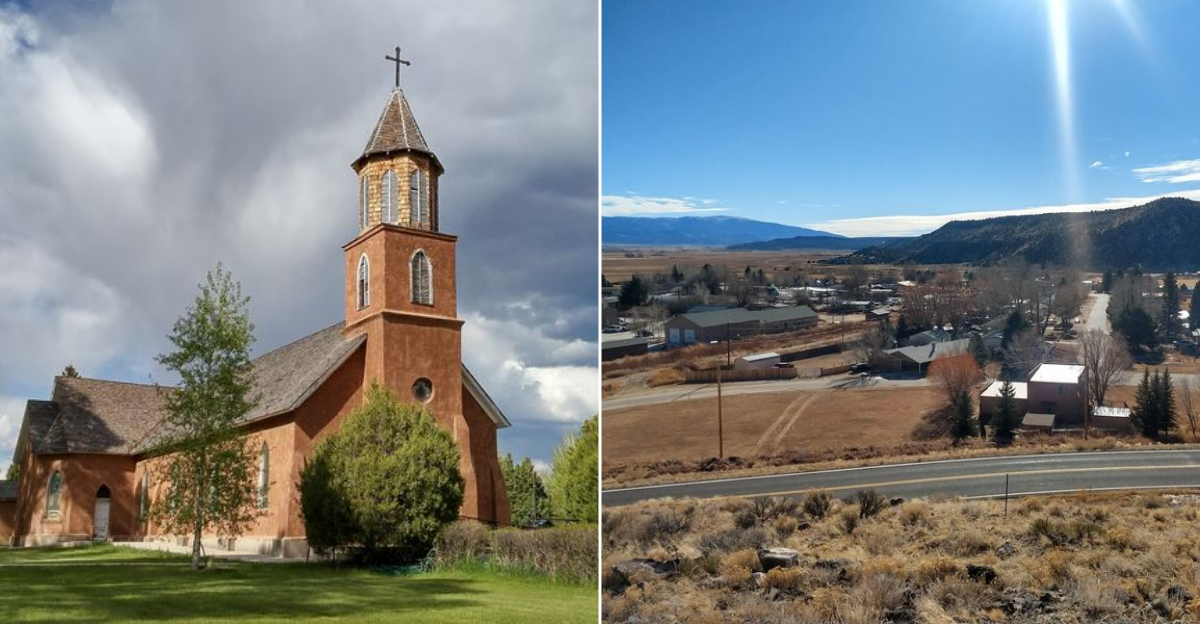
Some towns feel old because of their buildings, but this one feels old because time never fully pushed it aside. Set in the wide-open southern part of the state, it carries a rare kind of history, the kind measured in generations, mountain light, family names, and stories that began long before statehood.
Instead of polished tourist energy, you get something quieter and more rooted, a small community where the past still feels present in the landscape. Colorado’s flashier destinations may get more attention, but few can claim a beginning this deep.
The setting adds to the feeling, with Costilla County’s open spaces and distant peaks making the town seem both humble and remarkable. It is the kind of place that rewards travelers who care about what came before the postcard version of the West.
Here, Colorado feels older, steadier, and far more surprising than most road maps suggest.
Colorado’s Oldest Continuously Occupied Town
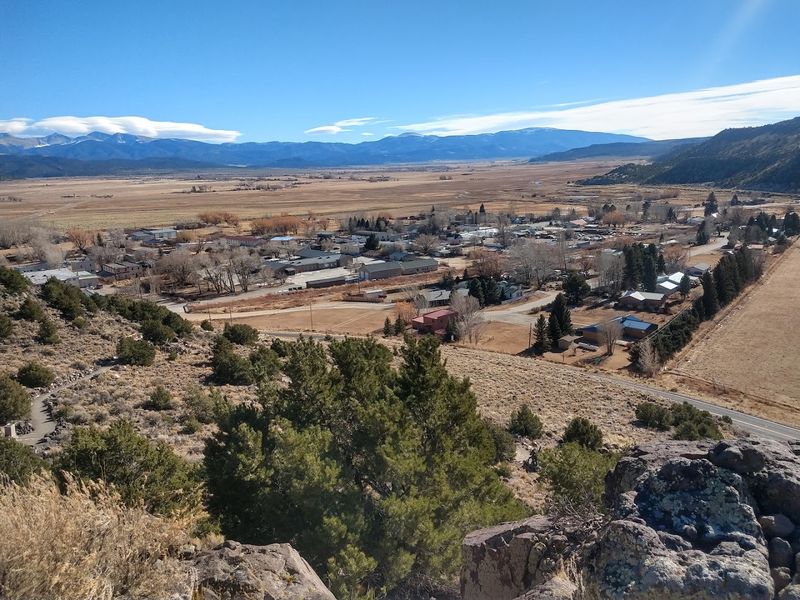
Before Denver had a single brick laid, it was already a community. Formerly called San Luis de la Culebra, this town in Costilla County holds the remarkable distinction of being Colorado’s oldest continuously occupied settlement, a fact that most people driving through the state never learn.
That kind of longevity doesn’t happen by accident. It takes deep roots, a stubborn community, and a geography that kept people coming back generation after generation.
The San Luis Valley, flat and vast and ringed by mountains, has a way of holding people in place.
At the 2020 census, the town’s population stood at 598, which means it is small enough that the local history isn’t tucked behind a velvet rope in some distant museum. It’s right there in the streets, the buildings, and the faces of the people who live there.
Quick Tip: If you want to understand Colorado’s full story, not just the gold rush chapter, it is the starting point that most guidebooks skip entirely.
The County Seat of Costilla County
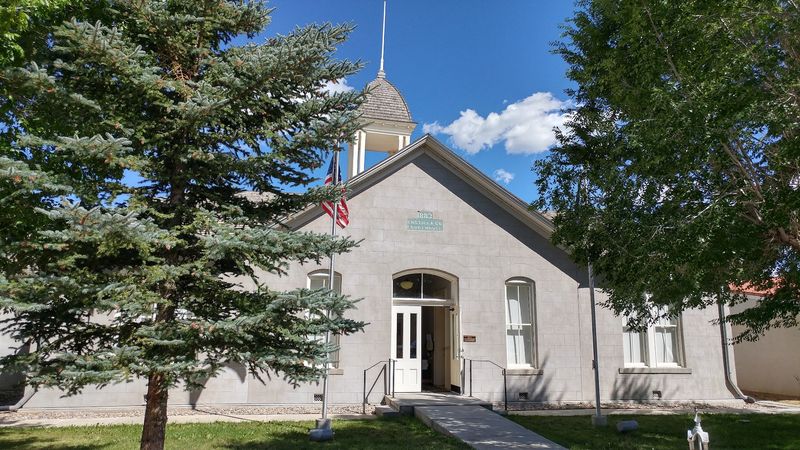
Being the county seat of Costilla County sounds like a bureaucratic footnote until you realize what it actually means in a place this remote. San Luis is the most populous town in the county, which tells you something about the scale of the landscape surrounding it.
Costilla County sits at the southern end of the San Luis Valley, one of the largest alpine valleys in the world. The county itself has a Spanish land grant history that predates Colorado statehood, and San Luis sits at the center of that story as both its administrative hub and its cultural anchor.
For visitors, that status translates into a town with a real civic identity rather than just a collection of buildings. There’s a sense of permanence here that you don’t always find in small western towns that boomed and busted with a single industry.
Why It Matters: San Luis isn’t just a scenic stop. It’s a functioning, living community with genuine historical weight, which makes a visit feel less like tourism and more like an actual encounter with Colorado’s layered past.
A Town Built On Spanish Land Grant History
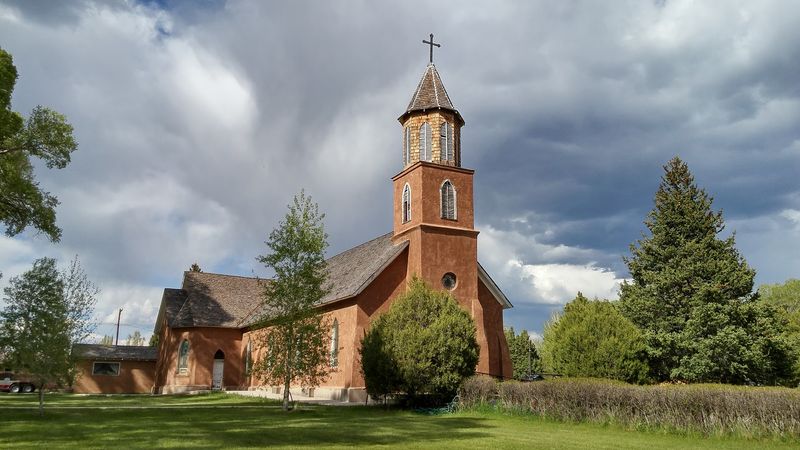
Most Colorado history starts with prospectors and railroads, but San Luis begins with something older and more layered. The town grew from Spanish and Mexican land grant settlements, a heritage that shaped everything from the street layout to the community’s relationship with the surrounding land.
The Sangre de Cristo land grant, one of the largest in American history, once covered much of the territory around San Luis.
The legal and cultural legacy of that grant has been a defining thread in the region’s identity for well over a century, touching land rights, water rights, and community governance in ways that are still felt today.
Walking through San Luis, you can see that history expressed in the architecture and the town’s general character. It doesn’t feel like a frontier town built in a hurry.
It feels like a place that was planned, settled, and lived in with intention across many generations. Insider Tip: The Spanish colonial influence here is not a theme or a decoration.
It is the actual origin story of the community, which makes San Luis one of the most genuinely historically complex small towns in the American West.
The San Luis Valley Setting And Mountain Backdrop
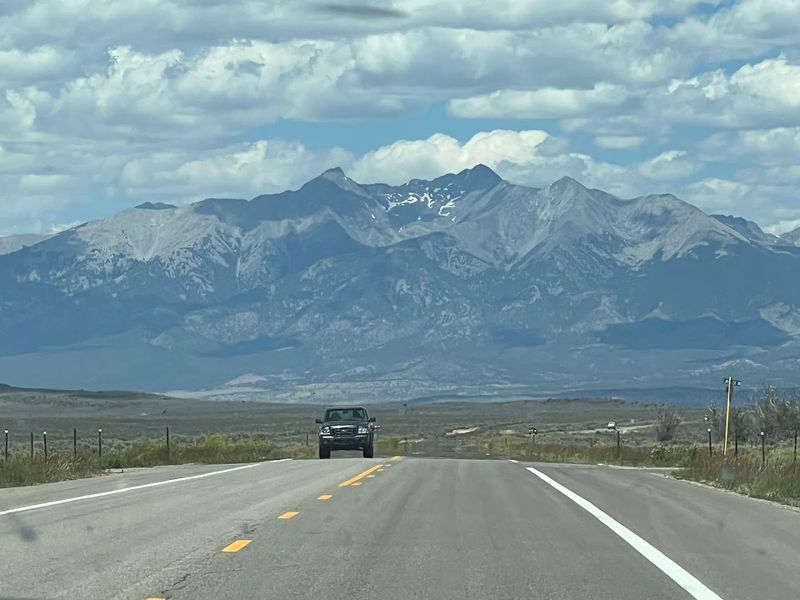
There’s a moment when you drive into the San Luis Valley from any direction where the scale of the place genuinely stops you mid-thought. The valley floor stretches out in every direction, flat and enormous, while mountain ranges stack up on the horizon like a painting someone left unfinished in the best possible way.
San Luis sits at around 7,965 feet above sea level, which means the air has that particular high-altitude clarity that makes distant peaks look close enough to touch. The Sangre de Cristo Mountains form the eastern wall of the valley, and on a clear morning they turn a color that earns their dramatic name without any exaggeration.
For families and couples making a road trip through southern Colorado, this landscape alone is worth factoring into the route.
The drive through the valley is genuinely one of the more quietly spectacular stretches of highway in the state, and San Luis gives you a reason to slow down and actually stop rather than just admire the view through a windshield.
Best For: Photographers, road trippers, and anyone who finds wide open spaces more restorative than crowded overlooks.
What Makes San Luis Different From Other Small Colorado Towns
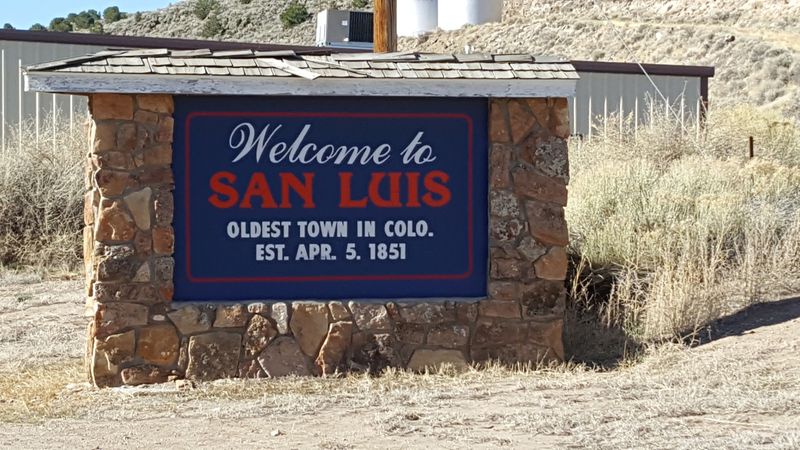
Colorado has no shortage of small towns, and most of them share a familiar origin story involving mining, skiing, or a railroad line that either saved or abandoned them. San Luis fits none of those templates, which is precisely what makes it interesting to visit.
The town’s character comes from a community that has been in place continuously for generations, not one that was built up around a single industry and then had to reinvent itself when that industry disappeared.
There’s a steadiness to San Luis that you don’t always encounter in the West, where so many towns feel like they’re still figuring out what they are.
With a population under 600, everyday life here moves at a pace that feels genuinely unhurried rather than performatively slow. A short walk through town covers its full geography quickly, but the layers of history you encounter along the way take considerably longer to absorb.
Common Mistakes to Avoid: Don’t treat San Luis as a quick photo stop. The town rewards the visitors who slow down, look carefully, and resist the urge to check everything off a list in forty-five minutes.
Planning A Visit To San Luis, Colorado
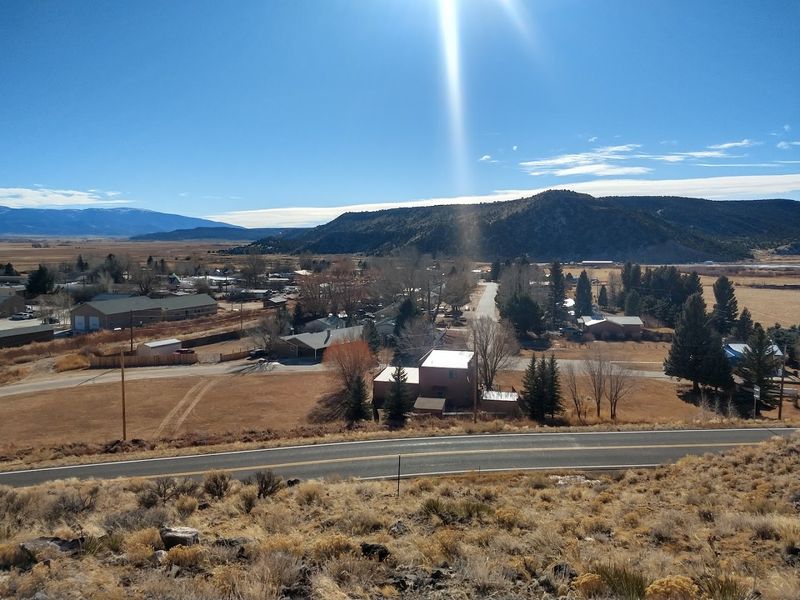
Getting to San Luis requires a commitment that filters out the casual drive-through crowd, which is honestly part of the appeal. The town sits along Colorado Highway 159 in southern Costilla County, roughly equidistant from Alamosa to the north and the New Mexico border to the south.
It is not on the way to anywhere particularly famous, which means the people who show up there actually meant to.
The surrounding region gives you natural context for the visit. The Great Sand Dunes National Park is within reasonable driving range, making San Luis a logical anchor for a broader southern Colorado itinerary rather than a standalone detour.
Summer and early fall tend to offer the most accessible conditions for visitors, though the valley’s dramatic weather can produce spectacular skies in any season. Pack layers regardless of when you go, because the altitude and open terrain mean temperatures shift faster than the forecast suggests.
Planning Advice: Build San Luis into a multi-stop southern Colorado trip rather than treating it as a single destination. Pair it with the Dunes, the valley’s agricultural landscape, and a stretch of genuinely empty highway, and you’ve assembled a weekend that actually stays with you afterward.
Why San Luis Deserves A Spot On Your Colorado Bucket List
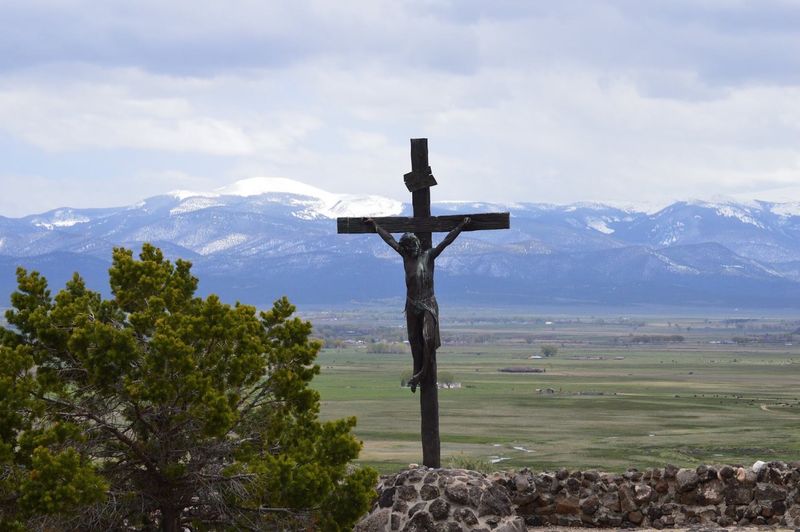
Colorado bucket lists tend to cluster around the same reliable highlights: Telluride, Rocky Mountain National Park, the Maroon Bells. Those places are genuinely worth visiting, but they also come with the crowds and planning overhead that go with their reputations.
San Luis offers something those places can’t replicate, which is the feeling of discovering a story that most people simply haven’t found yet.
As Colorado’s oldest continuously occupied town, San Luis carries a historical significance that goes well beyond its current population of fewer than 600 people.
The town is a living record of the Spanish and Mexican communities who shaped southern Colorado long before statehood, and that record is accessible, unguarded, and entirely real.
For travelers who want their Colorado experience to include something beyond ski resorts and national park queues, San Luis is the kind of find that earns you genuine credibility at the dinner table afterward. Quick Verdict: San Luis won’t hand you a curated experience or a souvenir shop on every corner.
What it offers instead is rarer: an honest encounter with a place that has been exactly itself, without interruption, for longer than almost anywhere else in the state. That’s the kind of travel that actually sticks.