
Illinois Is Home To A Curious Museum That Makes Local History Feel Oddly Fascinating
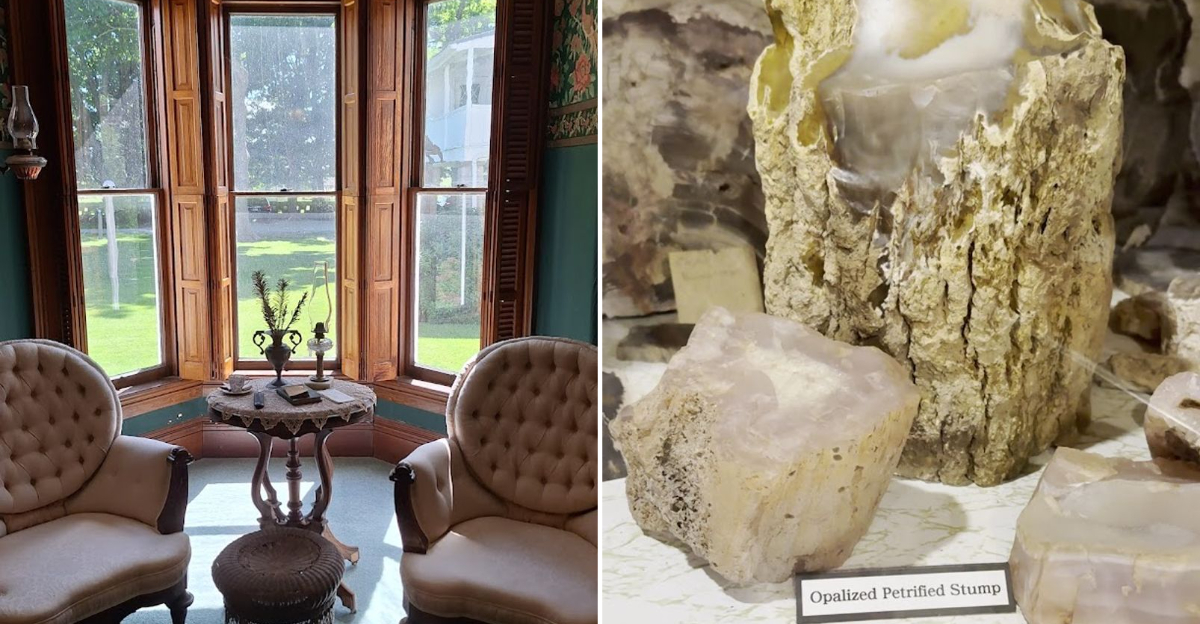
A quiet country road in central Illinois can hide the kind of surprise most travelers would drive right past. Past cornfields and open sky, a preserved 19th-century home appears with the calm confidence of a place holding far more than its modest setting suggests.
Step closer, and the story widens fast: family history, prairie life, agricultural ambition, glittering minerals, ancient fossils, and pieces of Earth’s deep past all tucked into one unexpected stop.
This small Illinois destination feels less like a typical museum and more like a secret chapter of the state waiting to be opened.
The home carries the weight of real lives, while the nearby collection adds a jolt of wonder that catches visitors off guard. Come for local history, and you may leave thinking about time, land, and Illinois itself in a completely different way.
The Funk Family Legacy
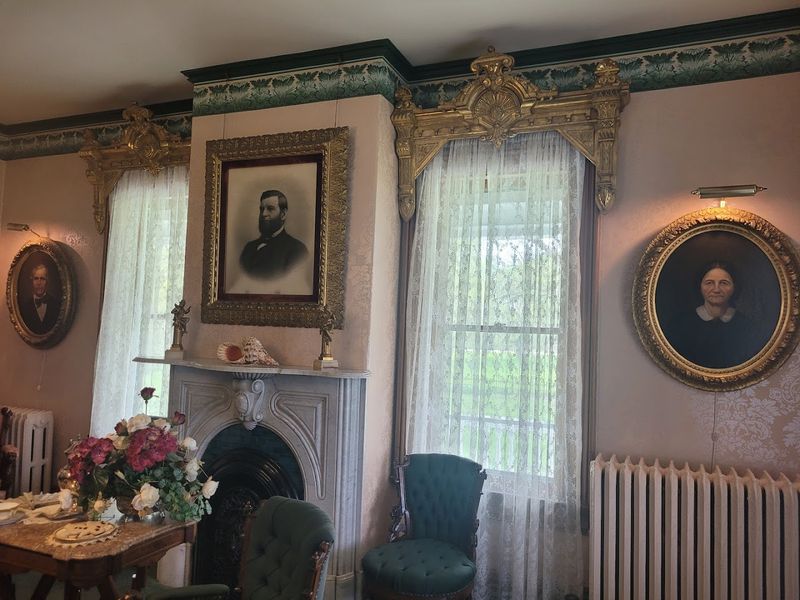
Few families have left a mark on Illinois quite like the Funk family. Their story stretches back to the early 1800s when Isaac Funk arrived in central Illinois and began farming land that would eventually grow into one of the largest agricultural operations in the state.
Isaac Funk was not just a farmer. He became a state legislator, a cattle baron, and a close associate of Abraham Lincoln, which gives the family a connection to national history that most small museums could only dream of.
Walking through the 1864 Funk Prairie Home at 10875 Prairie Home Ln, Shirley, IL 61772, you quickly realize this is not a reconstructed replica. The home holds original furnishings, personal belongings, and family artifacts that have been carefully maintained for over 150 years.
The weight of real history settles on your shoulders the moment you step inside, and it never quite lifts until long after you have left.
A Preserved Prairie Home
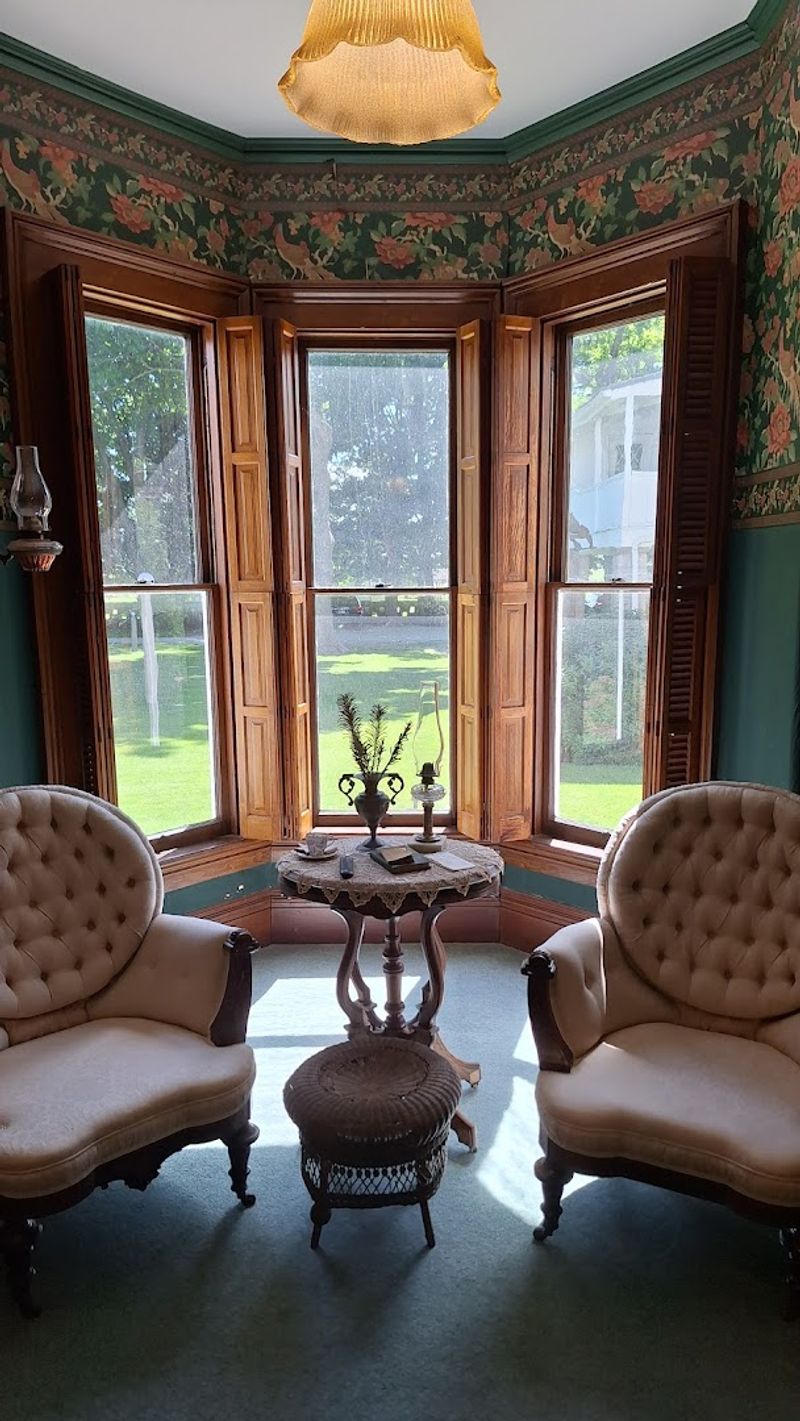
Not every old house earns the title of time capsule, but the Funk Prairie Home comes remarkably close.
Original family furnishings from the 19th century remain inside the restored home, and the craftsmanship of each piece tells its own quiet story about what daily life looked like on the Illinois prairie.
Room by room, the tour takes you through spaces that feel genuinely lived-in rather than staged. The kitchen, the parlor, the bedrooms, each area holds personal objects that belonged to real people who shaped this region’s agricultural and political identity.
What makes this especially striking is how intact everything remains. The home’s original family furnishings and artifacts help the rooms feel unusually authentic.
The house tour alone runs well over an hour, which tells you just how much genuine material there is to absorb.
History enthusiasts and casual visitors alike tend to walk away surprised by how much story a single house can hold.
One Of The World’s Most Impressive Collections
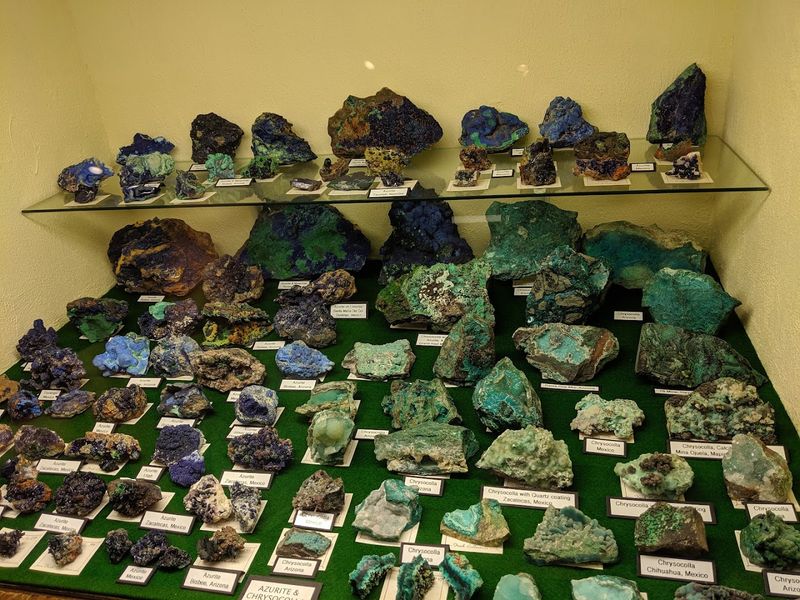
Here is a fact that tends to stop people mid-sentence: the mineral and gem collection housed at this small Illinois museum is considered one of the most unusual privately assembled displays in Illinois. Its scale and variety have earned attention from Illinois tourism and regional history sources.
The sheer number of specimens, combined with their rarity and variety, makes the collection far more impressive than many visitors expect from a small rural museum.
Thousands of display items fill the building next to the historic home, ranging from raw crystals and polished stones to fossils that predate human civilization by hundreds of millions of years. Some specimens are rare or unusual enough to give even a casual observer reason to pause and stare.
Visitors are encouraged to handle a generous selection of the items, which transforms the experience from passive observation into something much more tactile and memorable. Touching a piece of ancient Earth with your own hands has a way of making geology feel suddenly personal and exciting.
When Illinois Was Underwater
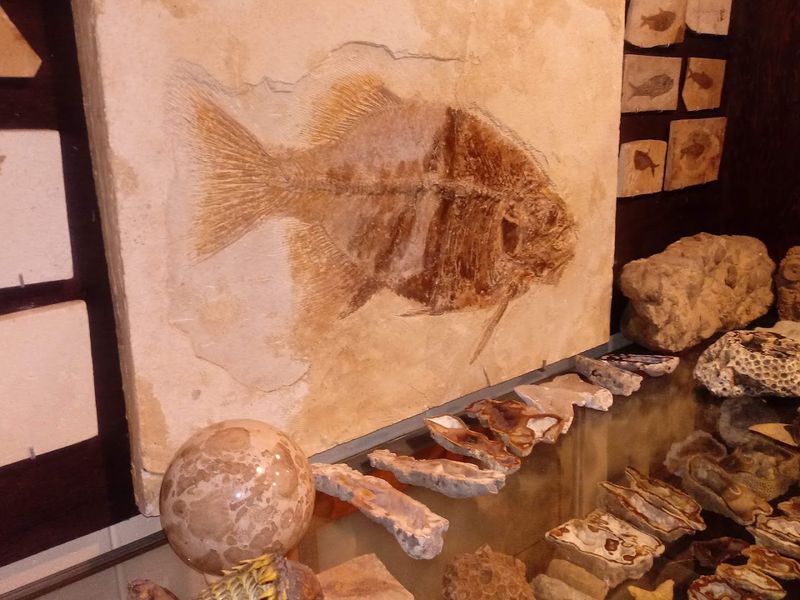
Long before Illinois was farmland or prairie, it was the floor of an ancient sea. The fossil collection at the Funk Prairie Home museum reflects deep geological history with specimens such as dinosaur bones, petrified wood, mammoth teeth, shark teeth, a mastodon tusk, petrified fish, and ammonites.
What separates this fossil collection from a typical natural history exhibit is the personal context. Every specimen was gathered with intention, and the tour guide walks you through each one with the kind of enthusiasm that makes paleontology feel accessible rather than academic.
You do not need a science background to appreciate what you are looking at.
The storytelling format of the tour connects each fossil to the broader narrative of the region, so by the time you move on to the next display case, you have a richer sense of just how ancient and layered the ground beneath Illinois actually is.
It reframes ordinary land in an extraordinary way.
A Free Tour Worth Planning
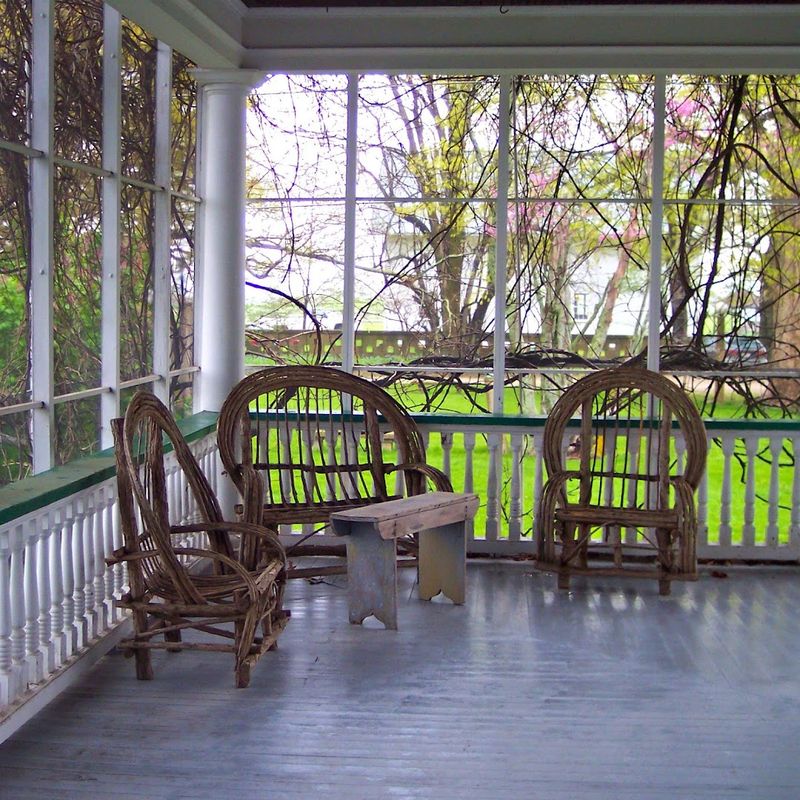
There is something genuinely unusual about a museum that charges absolutely nothing for admission. The Funk Prairie Home and Gem and Mineral Museum offers completely free guided tours, a decision rooted in the family’s original wish to share their history and collection with as many people as possible.
Reservations are required, and the museum is open Tuesday through Friday and Saturday from 9 AM to 4 PM. Calling ahead at +1 309-827-6792 ensures your group gets the full, dedicated experience rather than arriving to find no availability.
Because tours are by appointment, your group often has the entire property to yourselves, which creates an atmosphere more like a personal invitation than a standard museum visit. There is no rushing through galleries or competing with crowds for a view of a display case.
The guide gives each visitor the time and attention to actually absorb what they are seeing, which is a rarity in any cultural attraction regardless of price.
The Guide Makes It Sing
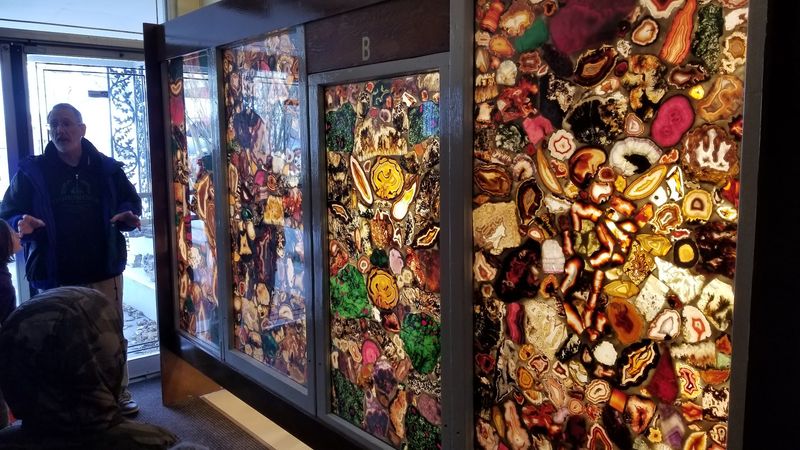
Some museum guides read from a script. The guide at the Funk Prairie Home does something entirely different.
His knowledge of the Funk family history, Illinois geology, and the individual stories behind each mineral and fossil specimen runs so deep that two and a half hours can pass without anyone noticing the time.
What makes the experience stand out is the way complex information gets delivered with genuine warmth and humor.
Questions are welcomed, tangents are embraced, and the guide has a talent for adjusting the depth of explanation based on who is in the room, whether that is a group of schoolchildren or a retired geologist.
Visitors often remark that they arrived expecting a brief walkthrough and ended up staying far longer than planned, simply because the material kept pulling them forward.
Bring a notebook if you are the type who likes to capture details, because the density of interesting information shared during a single tour is frankly impressive and hard to fully retain from memory alone.
The Corn Story Runs Deep
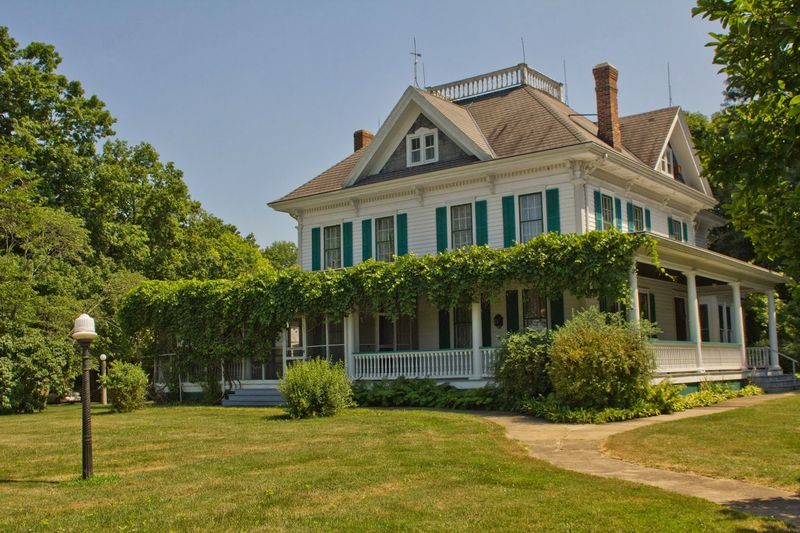
The Funk family did not just farm land in Illinois. They helped transform how American agriculture worked.
The family played a foundational role in developing hybrid seed corn, a breakthrough that would eventually influence crop production across the entire country and contribute to feeding millions of people.
Funk Bros. Seed Company, founded in 1901 by Eugene D.
Funk and other Funk family members, became an important name in American seed-corn innovation.
That story is woven throughout the tour of the prairie home, connecting the preserved rooms and personal objects to a much larger national narrative about food, farming, and innovation.
Standing in the home where some of those decisions were made and those conversations were had gives the agricultural history a human dimension that a textbook simply cannot replicate. You are not just learning about corn and cattle.
You are standing inside the actual place where an ordinary family made choices that quietly and permanently changed the way Americans eat, which is a sobering and fascinating thing to sit with.
Stones You Can Actually Hold
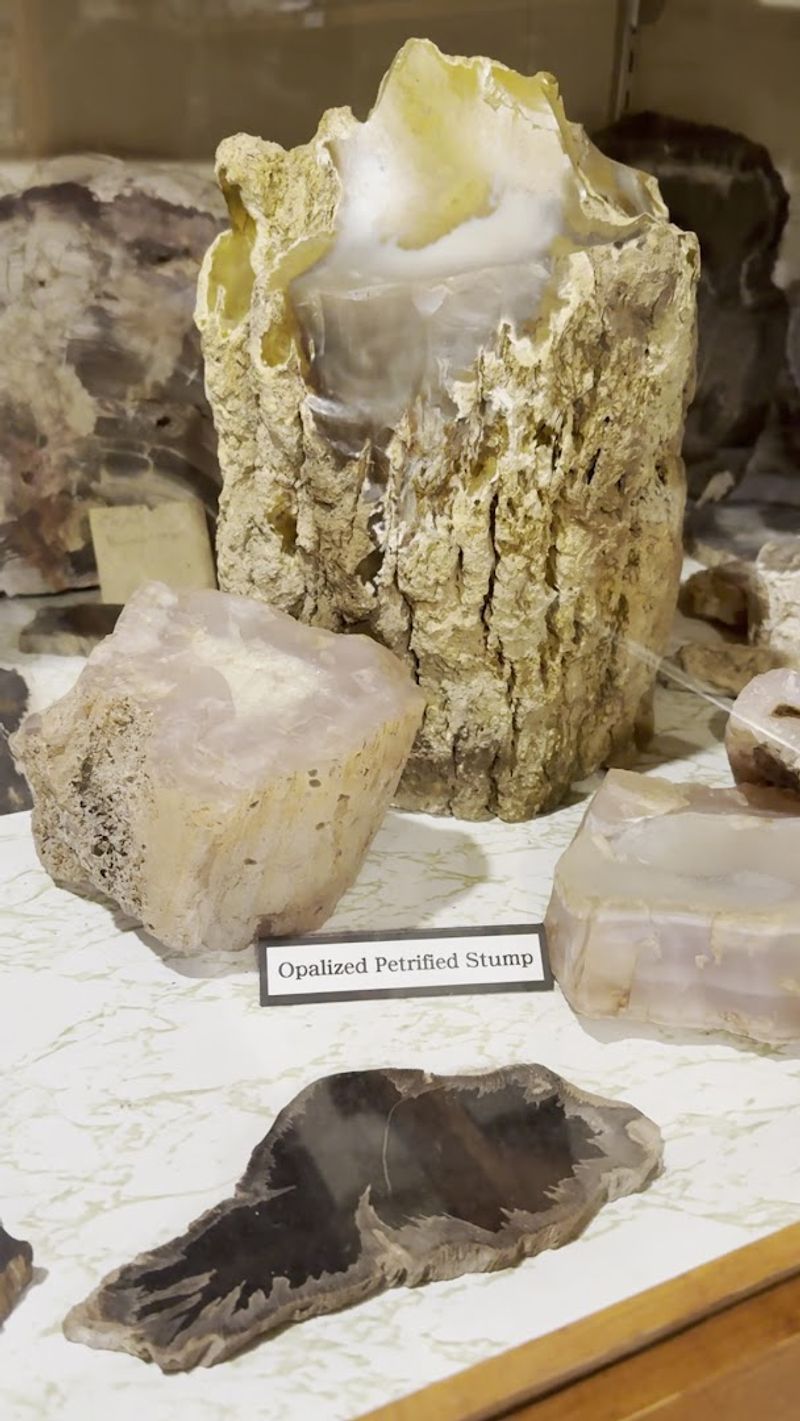
Most natural history museums keep their best specimens behind thick glass and firmly out of reach. The Funk Prairie Home museum takes a refreshingly different approach, allowing visitors to examine or touch some specimens while more delicate pieces remain protected.
That tactile access changes everything about how you relate to the collection. Holding or closely examining selected stones, fossils, or mineral samples turns abstract scientific concepts into something your body actually remembers.
It is the kind of sensory learning that tends to stick with people for years.
The guide is happy to help identify any rocks or minerals visitors bring from home, which makes the museum especially popular with young collectors and curious hobbyists who want expert input on their own finds.
That interactive generosity reflects the broader spirit of the place, a museum that prioritizes genuine connection over the kind of sterile distance that can make even the most impressive collections feel remote and untouchable.
The Road To Shirley Pays Off
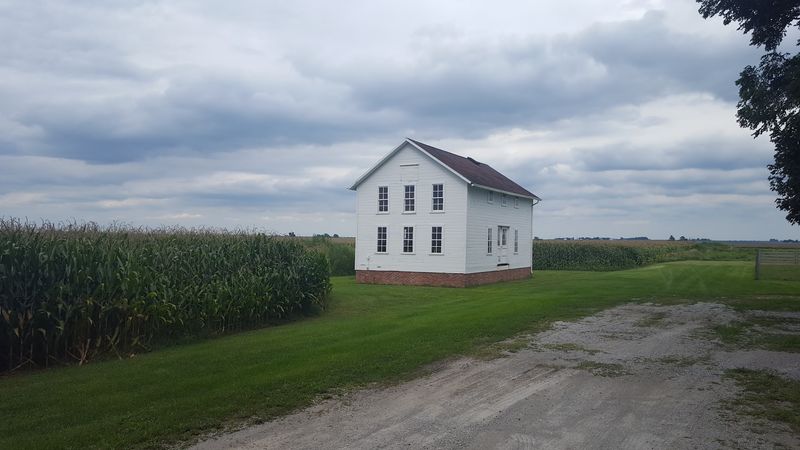
Shirley, Illinois is not a place most people pass through by accident. It sits in McLean County in the heart of the state, surrounded by the kind of flat, open farmland that stretches to the horizon in every direction.
Getting there requires a deliberate choice, and that choice turns out to be well worth making.
The drive itself sets the mood perfectly. Rolling through central Illinois farmland on the way to a 19th-century homestead has a way of slowing your mental pace before you even arrive.
By the time you pull up to the property, you are already in the right frame of mind to appreciate what you are about to see.
The museum website at www.funkprairiehomemuseum.com provides helpful information for planning your visit, including contact details and scheduling guidance.
Making the trip with family, a curious friend, or even solo on a quiet weekday morning each offers a slightly different experience, and all of them deliver something genuinely worth the distance.
A Small Museum With Big Pull
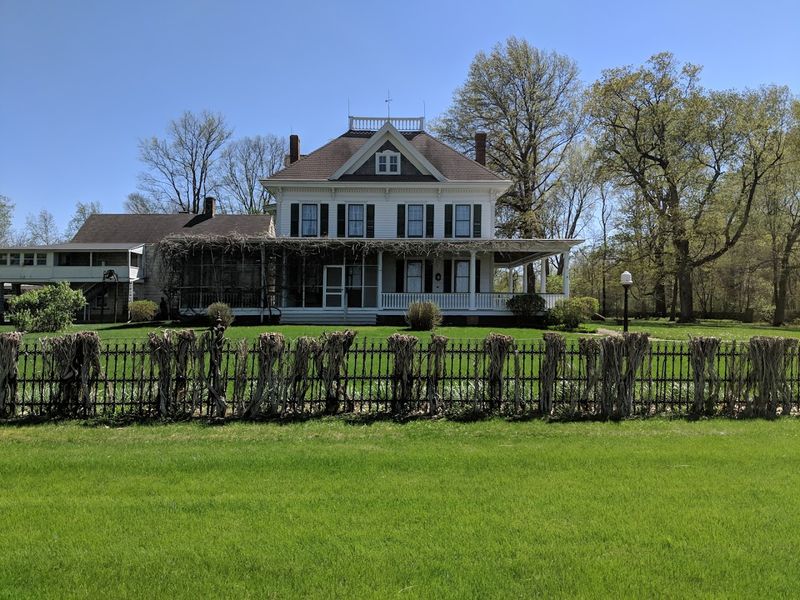
Illinois has no shortage of historical sites, but very few manage to combine a preserved family home, a world-class mineral collection, a deep agricultural legacy, and a completely free admission policy all in one place.
That combination is genuinely rare, and it deserves far more recognition than it currently receives outside the region.
The museum speaks to multiple types of curiosity at once. History enthusiasts find the Funk family narrative compelling.
Science-minded visitors lose themselves in the fossil and mineral displays. Families with children discover that learning feels effortless when the environment is this engaging and the guide this enthusiastic.
If your image of central Illinois is limited to highway exits and cornfields, a visit to the Funk Prairie Home and Gem and Mineral Museum will quietly and permanently update that picture.
This is a place built on the belief that extraordinary things are worth sharing freely, and after spending a few hours there, it is very hard to argue with that philosophy.